
Software engineer fascinated by hardware, electronics, & the niche. Studying graphics programming at BUAS 🤟 Intrigued by voxels, pixel art, & graphics.
Joined July 2011
- Tweets 311
- Following 63
- Followers 920
- Likes 3,965
51 Photos and videos
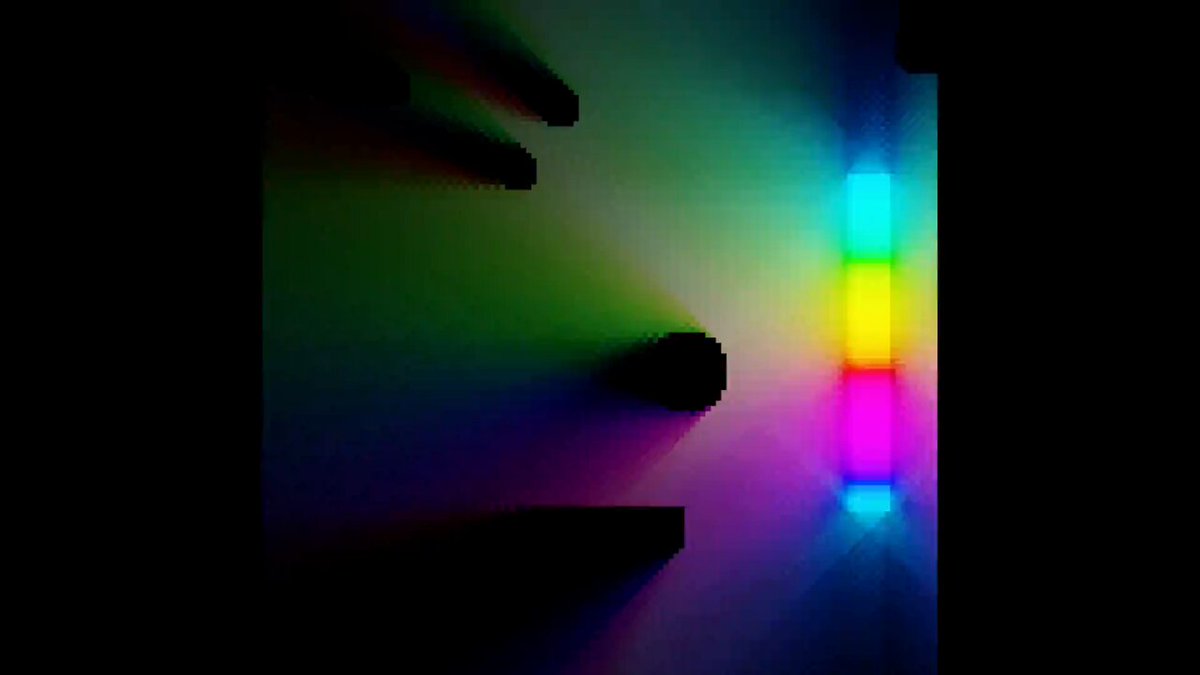
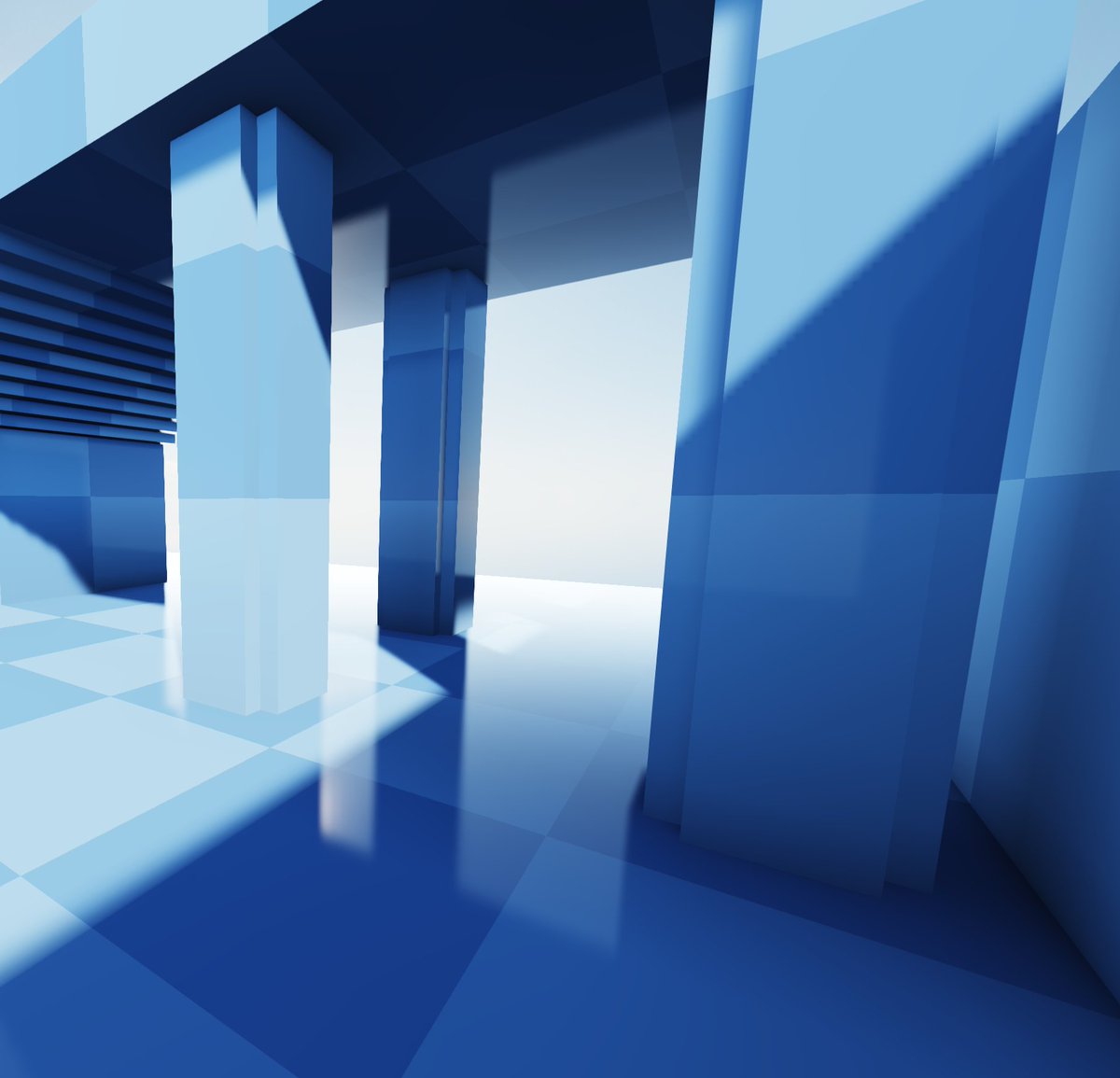

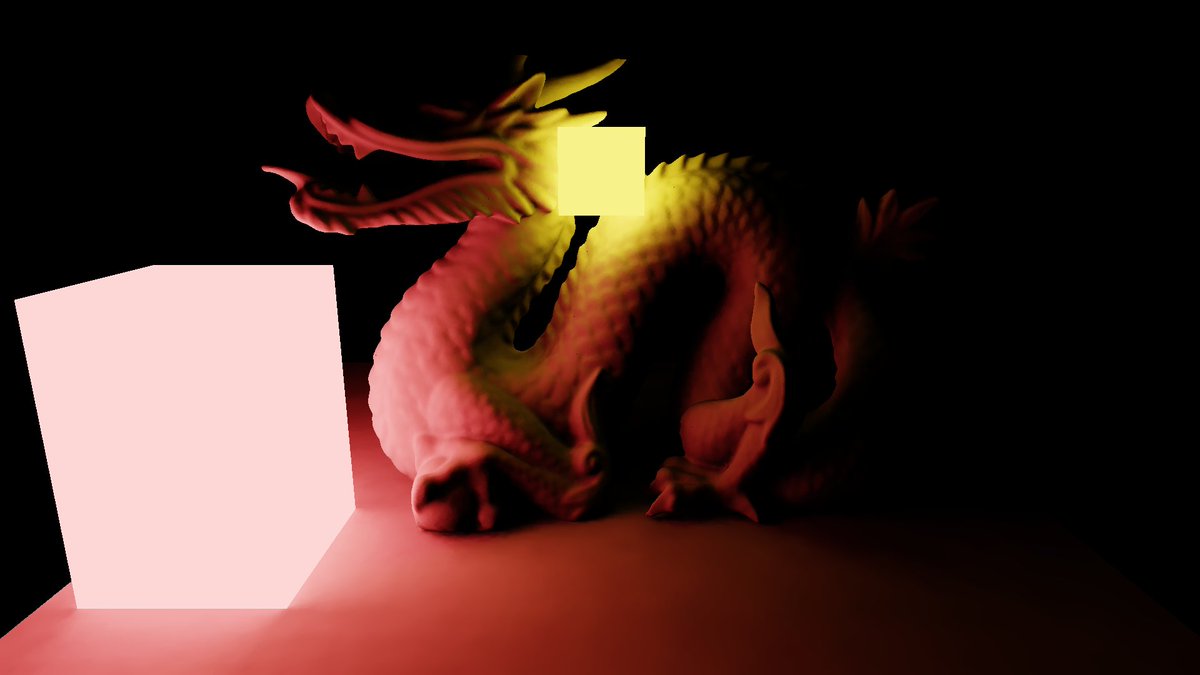
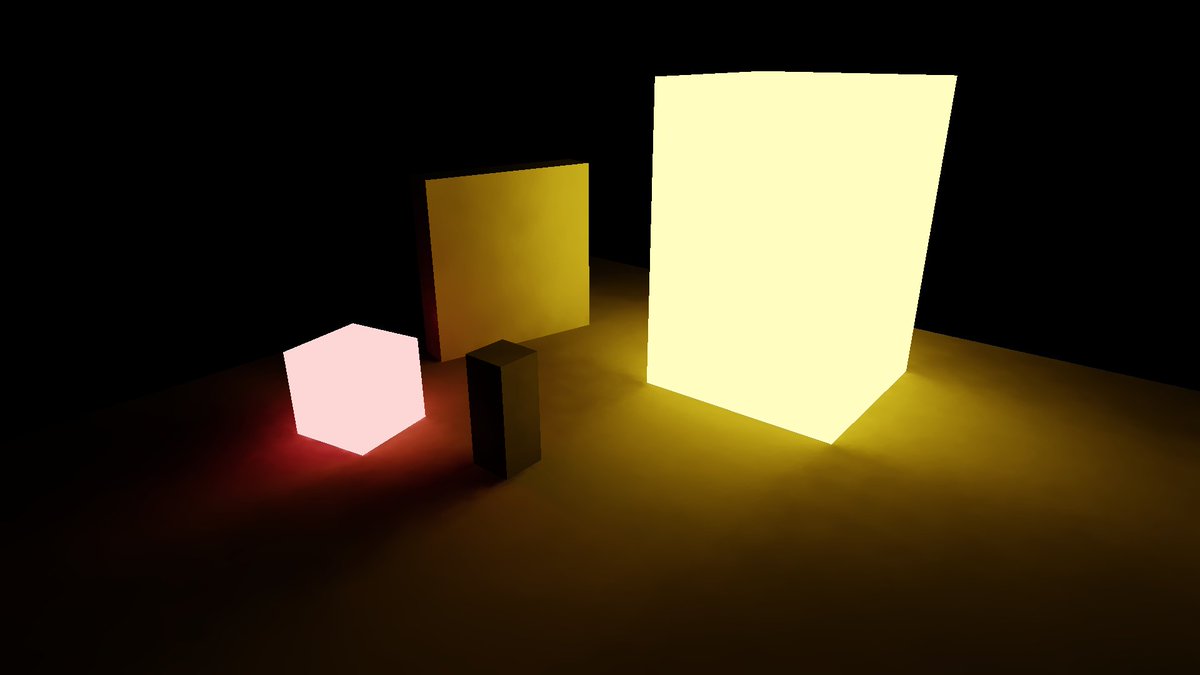
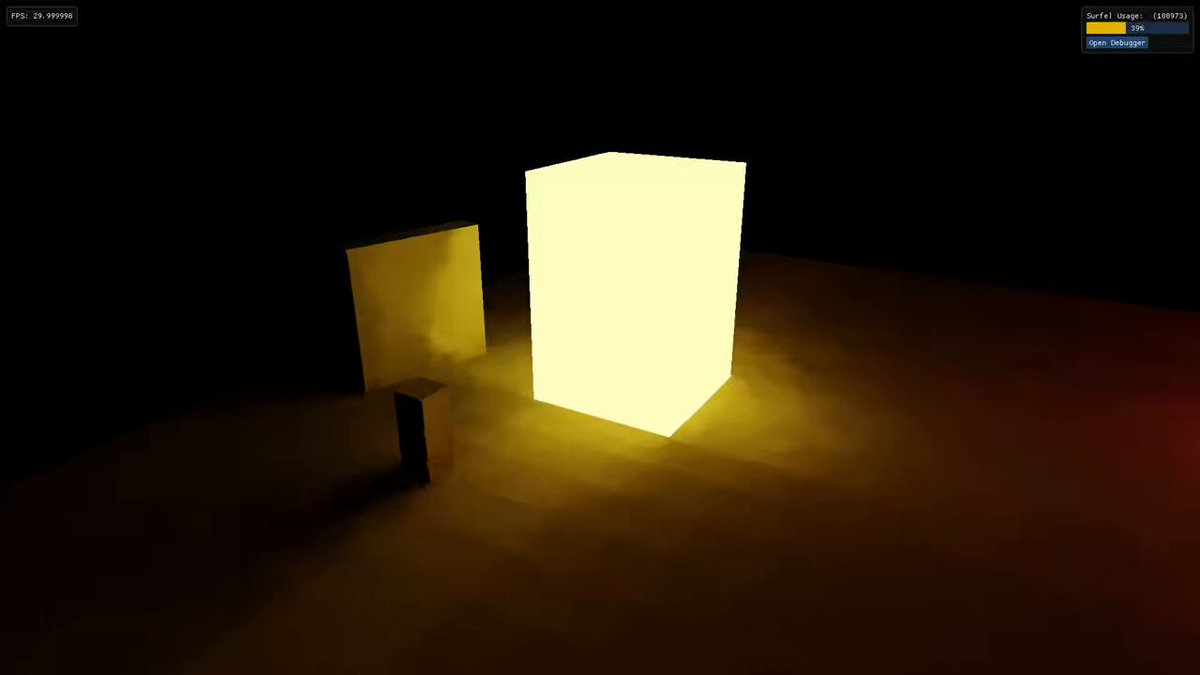
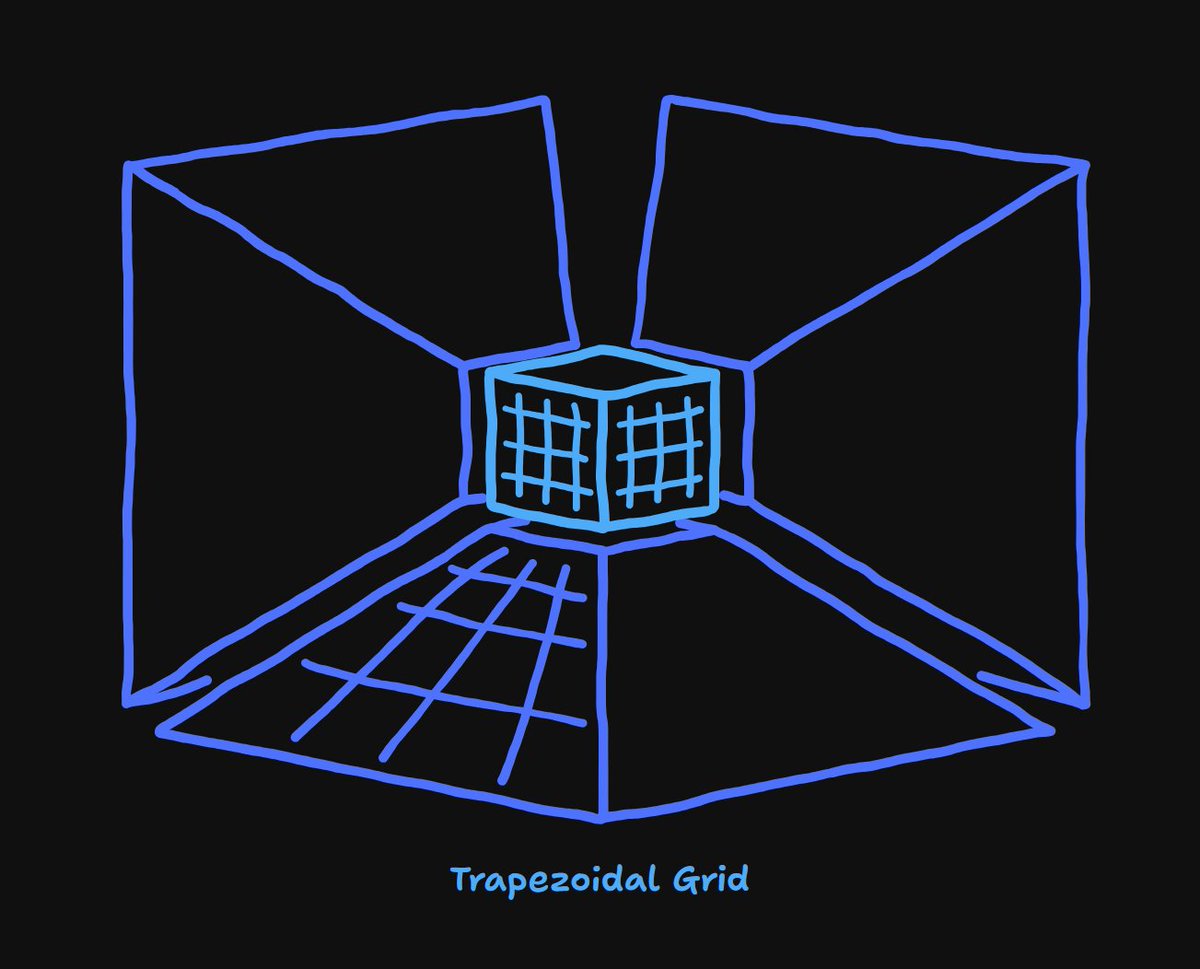
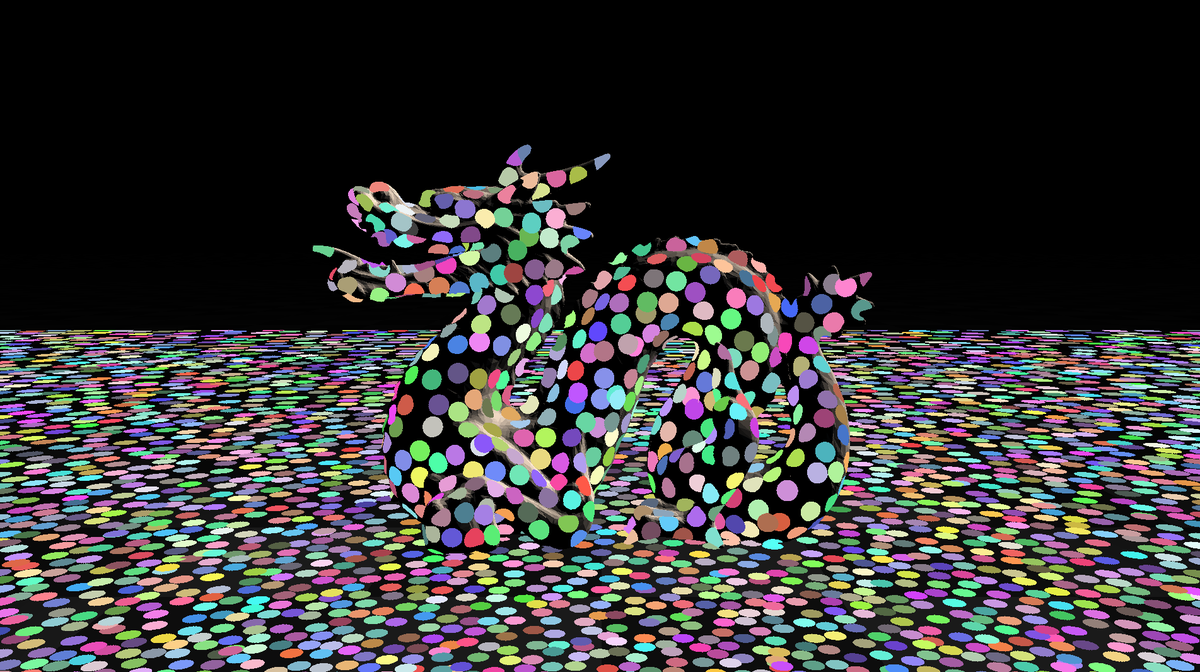
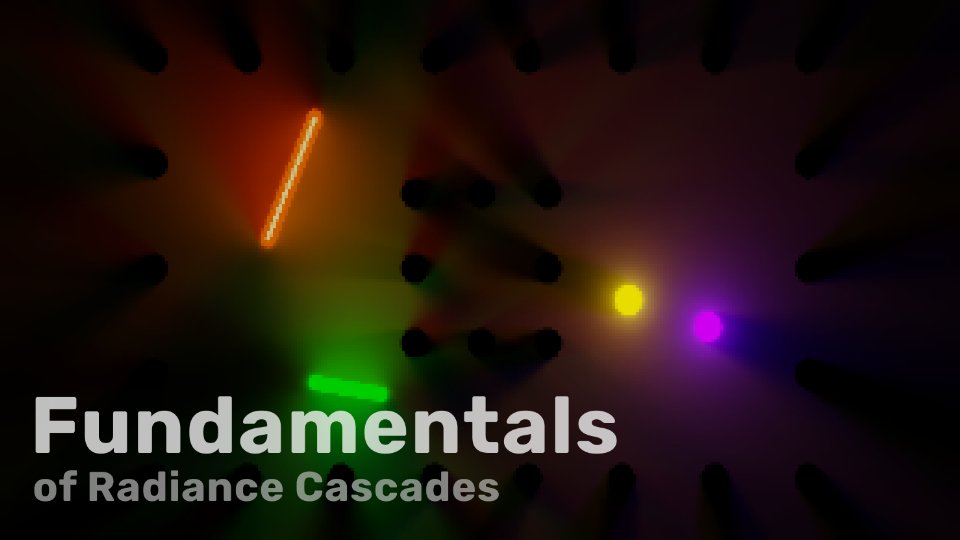
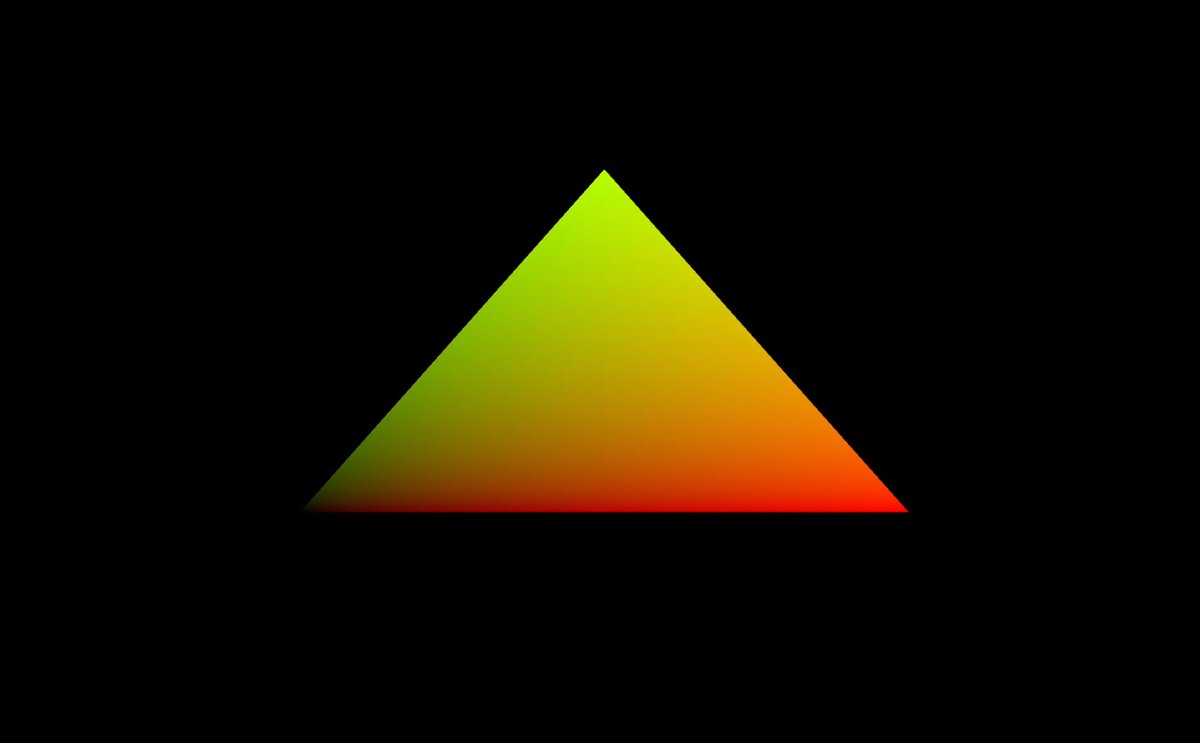
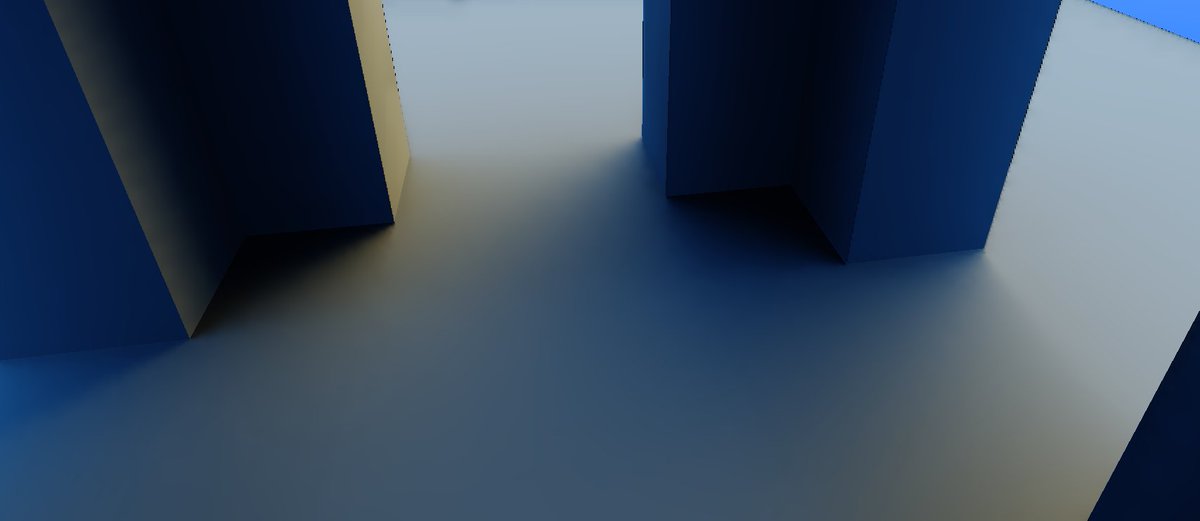

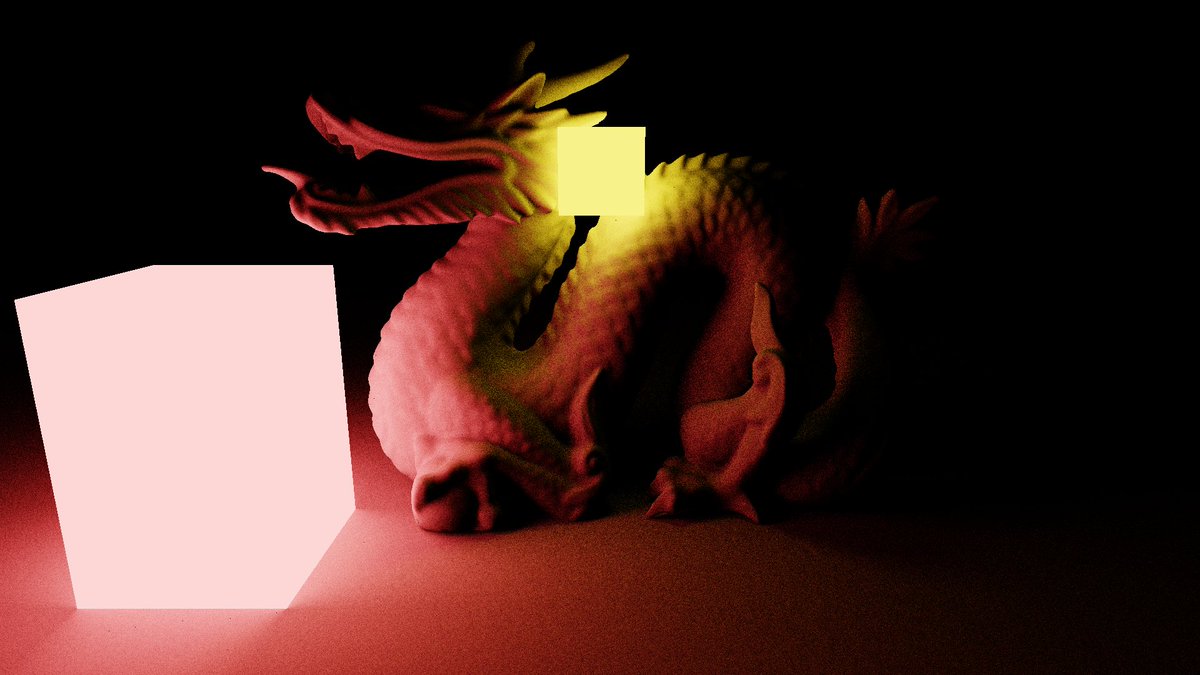
During the past week I dove back into Radiance Cascades, this time Holographic Radiance Cascades. It was really fun to again dive into this and make my own implementation of it, running entirely on my CPU. This demo contains no explicit light sources, only emissive pixels! :)
1
16
278
15,117
We've used the voxel game-engine we build as a team of students to make a little diorama puzzle game :)
This has been an very fun experience, building from the ground up, working together with designers and artists!
Game: buas.itch.io/zentera
Engine: youtu.be/uvLZn1X_R0Q
2
7
32
3,021
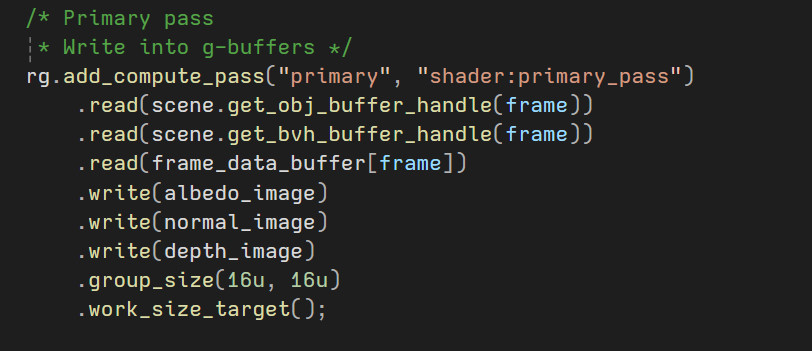
The engine supports both PC and PS5 through a platform-agnostic render graph I wrote.
It was a big gamble, I had written it as a prototype in 2 weeks, but it really paid off in the end. Saving us a ton of time and keeping our renderer clean :)
Code snippet showing the interface:
1
4
554
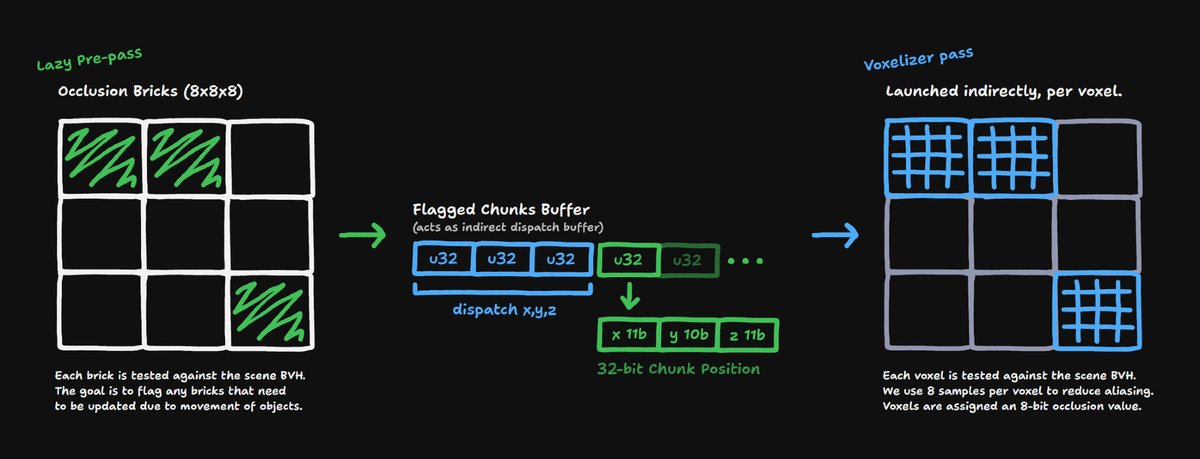
A big optimization I worked on after my last post was making our voxelizer *lazy*.
So, it only updates parts of the scene that changed. This made a huge difference for our performance and allowed us to push for larger level sizes!
Below is a high-level drawing of how it works:
8
497
The past 8 weeks I've been working in a team of fellow students on a voxel game engine. I've been primarily working on the graphics, creating a cross-platform render graph for us, and working together with
@ScarakLynn on our cone-traced lighting, and various graphics features! :)
ALT Cone traced reflections.
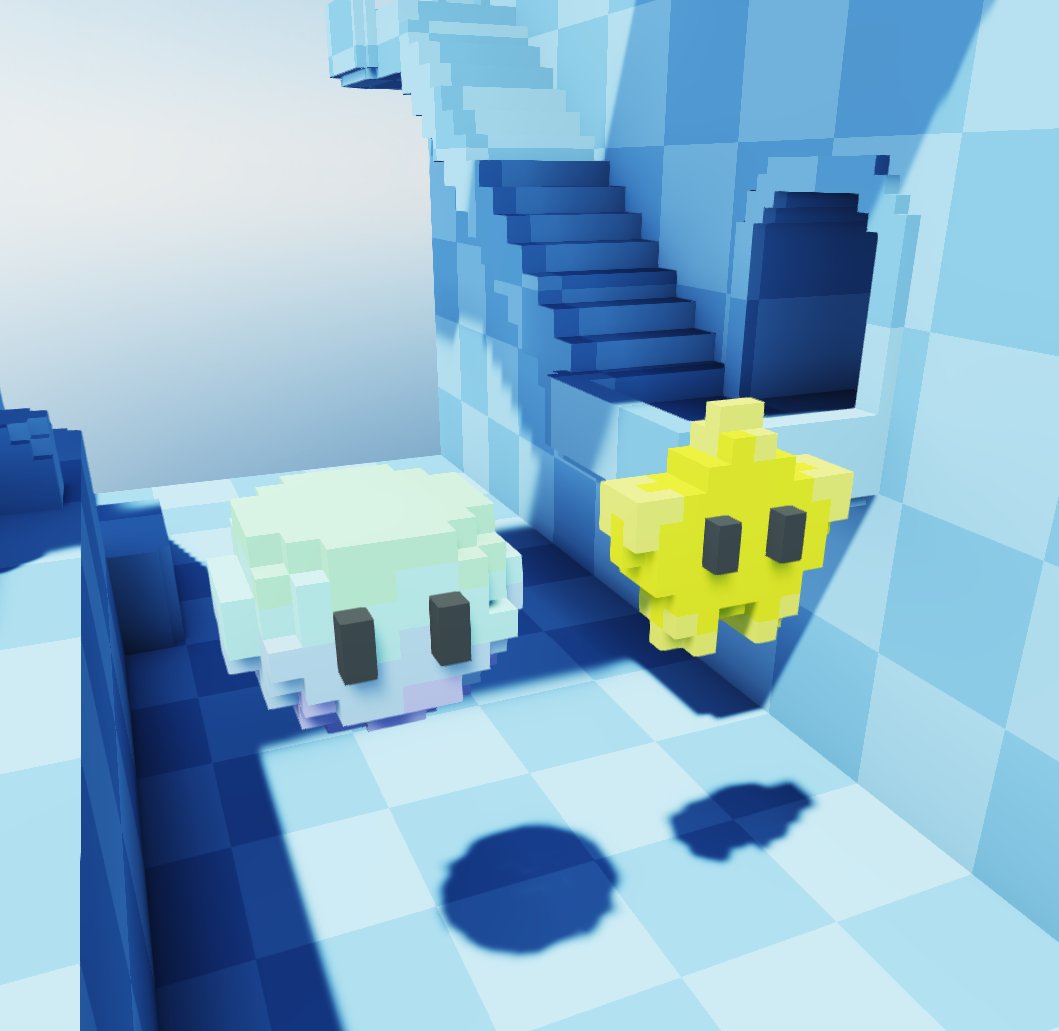
ALT Cone traced soft shadows.
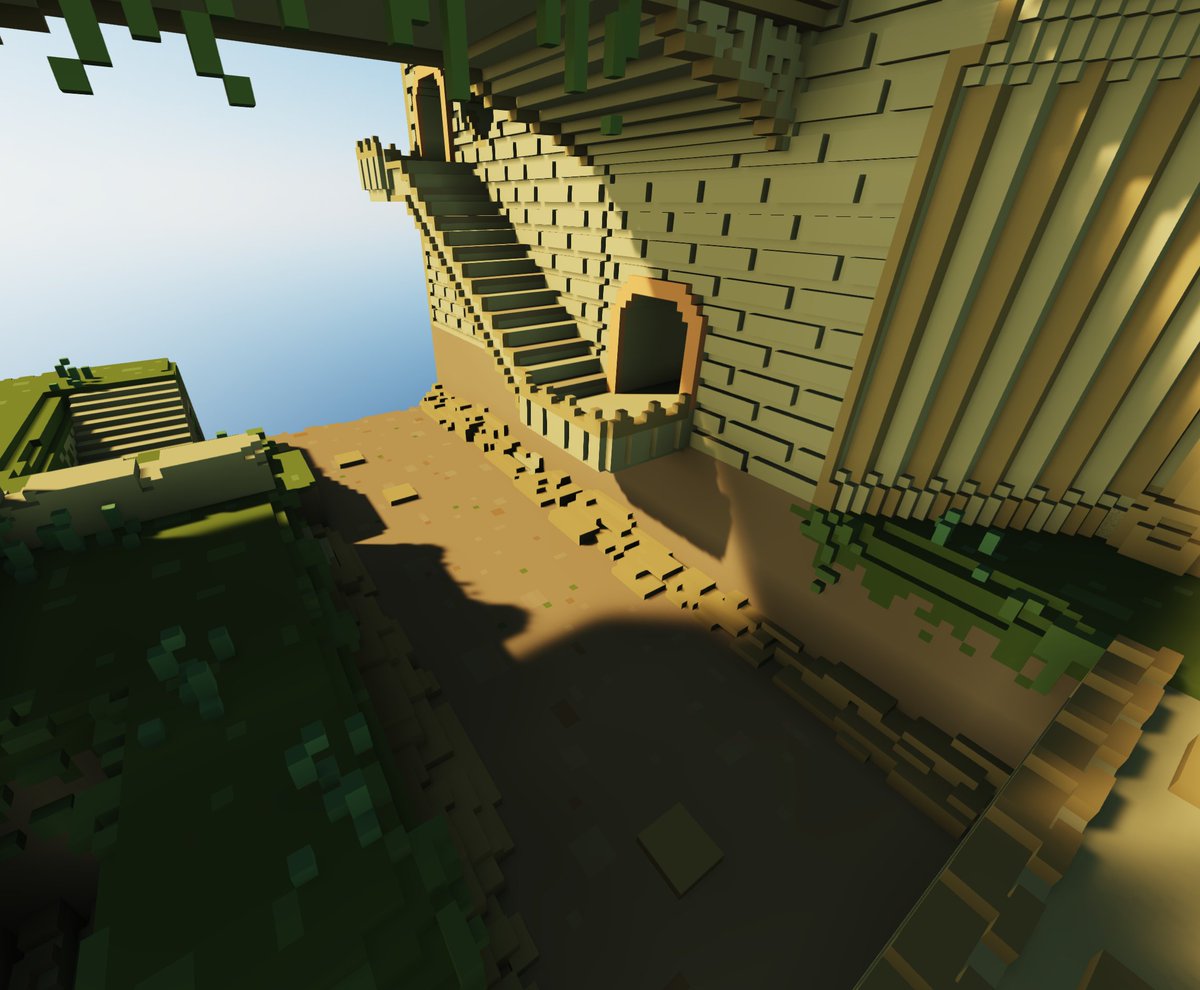
ALT Cone traced soft shadows and AO with IBL.
2
6
54
2,353
MΛX retweeted

22 Mar 2025
Here is a showcase of my voxel physics with destruction inspired by Teardown. I'm very happy with the state it's in currently.
4
16
886
I decided to open source my implementation of Surfel Radiance Cascades Diffuse Global Illumination, since I'm not longer actively working on it. Hopefully the code can serve as a guide to others who can push this idea further :)
github.com/mxcop/src-dgi
3
69
332
12,373
MΛX retweeted
6 Mar 2025
After working on the voxel destruction I'm happy to show my progress. I can break objects in any shape with working voxel physics in real-time.
4
16
1,070
MΛX retweeted

27 Jan 2025
Graphics Programming weekly - Issue 376 - January 26th, 2025 jendrikillner.com/post/graph…
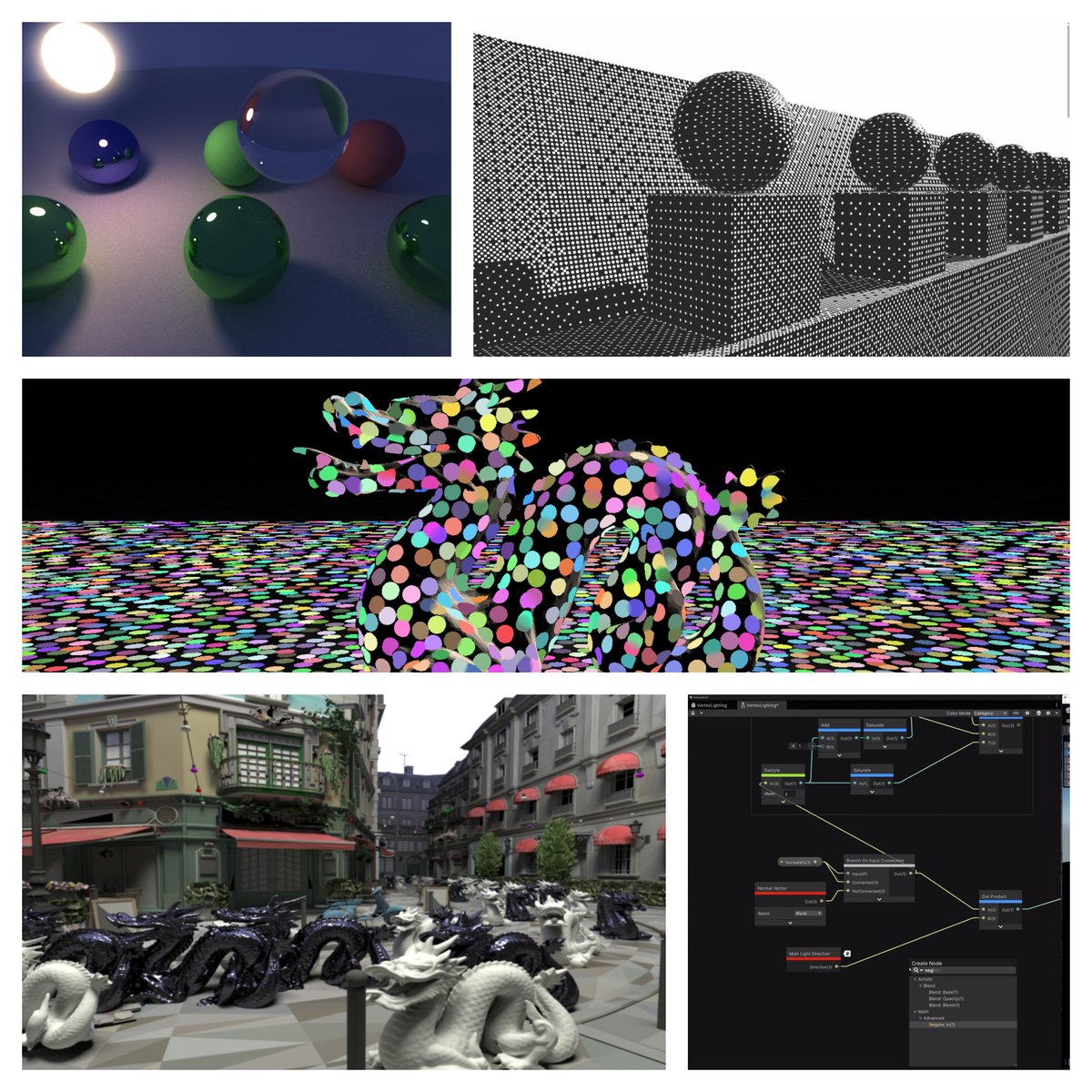
3
63
313
14,600
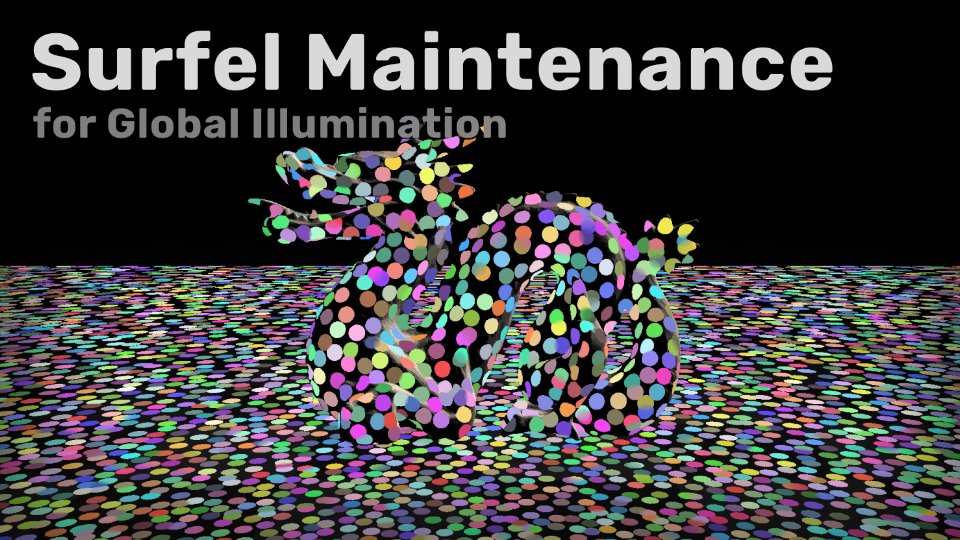
I wrote a blog post on my implementation of the Surfel maintenance pipeline from my Surfel Radiance Cascades project. Most of what I learned came from "SIGGRAPH 2021: Global Illumination Based on Surfels" a great presentation from EA SEED :)
m4xc.dev/blog/surfel-mainten…
4
70
337
16,210
MΛX retweeted
22 Jan 2025
I made substantial progress on my voxel physics. I will share my post on my implementation of voxel physic this Friday.
3
14
804
I've been improving the Surfel Radiance Cascades since my last post, ironing out bugs one by one. It's starting to get difficult to see the difference between my ground truth renderer and the SRC one :)
(in this rather low frequency scene, more high frequency tests coming soon)
4
8
153
4,974
MΛX retweeted
7 Jan 2025
Been working on voxel physics for a couple of weeks now. Finally getting some nice results. I'm using iterative constraint solving and discrete voxel collision detection inspired by Teardown🙂
3
4
16
832
MΛX retweeted

29 Dec 2024
So what have I been up to this year? Hardware raytracing, Vulkan, deformable voxels, engine architecture, physics and lots of multithreading. blog.voxagon.se/2024/12/29/y…
13
32
450
25,800
This week I've been implementing Surfels for the first time, the most challenging part so far has been the spawning algorithm. Stopping Surfels from spawning on top of each other. The spatial look-up acceleration structure is also a part which I still need to iterate on :)
ALT Stanford dragon model covered with Surfels.
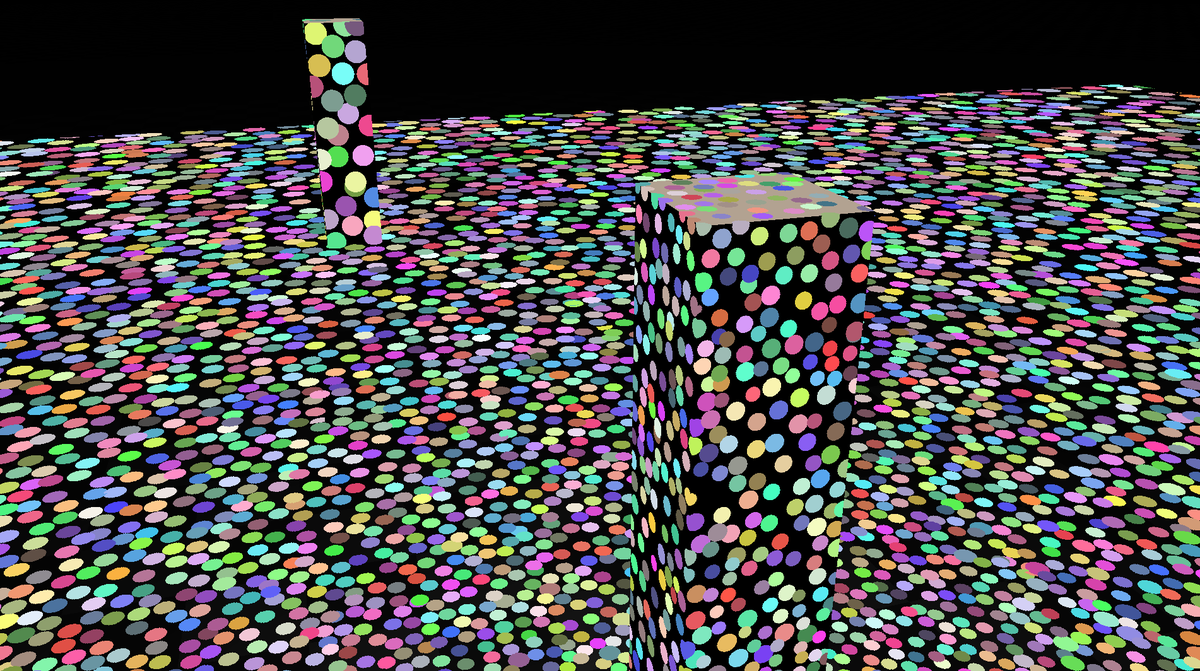
ALT 2 Cuboid pillars covered in Surfels.
4
14
252
13,892