
Joined April 2019
- Tweets 3,711
- Following 221
- Followers 17,556
- Likes 4,511
848 Photos and videos







Pinned Tweet

10 Oct 2025
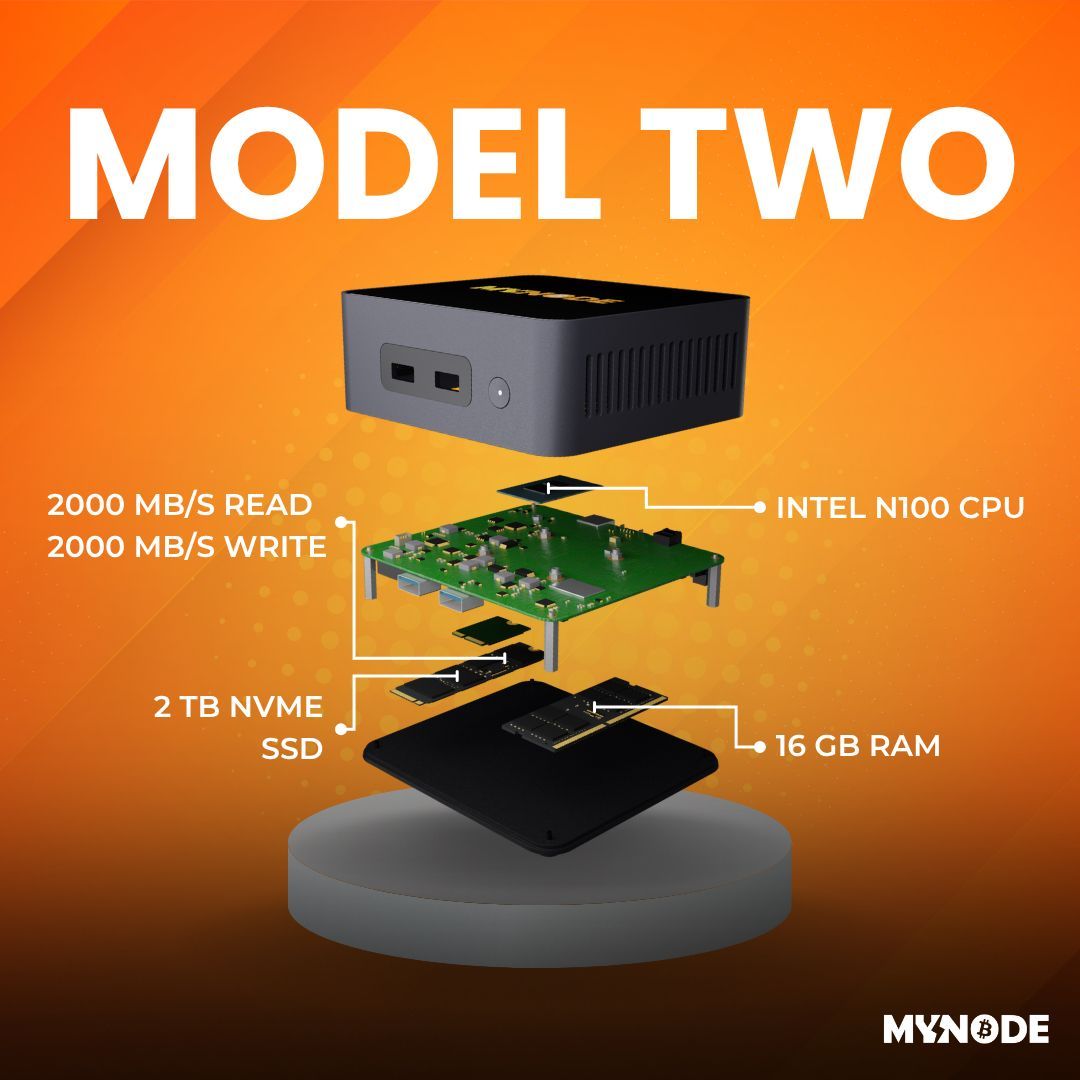
Fast syncs, silent uptime, built to last.
Model Two is the hardware node that stays ahead of the chain.
mynodebtc.com/landing/two/
5
13
51
6,444
Jun 12
Imagine explaining Bitcoin to someone in 2009:
“You can run the whole thing on your computer and don’t have to trust anyone.”
Now imagine explaining it today:
“You still can.”
2
15
494
Jun 11
Your node does not care what anyone says Bitcoin is.
It verifies:
• Blocks
• Transactions
• Signatures
• Supply rules
• Consensus rules
4
4
8
913
Jun 11
Buying bitcoin is easy.
Withdrawing it is where education and sovereignty start.
6
313
Jun 9
🧵 Bitcoin privacy usually does not fail in one dramatic moment.
It fails through small habits that slowly connect the dots.
Address reuse, public lookups, screenshots, timing, withdrawals.
1
3
4
460
Jun 9
Timing also tells stories.
Withdraw from an exchange, move coins, then spend shortly after?
Those patterns can connect activity even when no single step looks dangerous.
1
1
147
Jun 9
Bitcoin is public by design.
That does not mean your identity has to be public by accident.
Privacy is not one magic tool.
It is a set of habits.
153
Jun 8
Bitcoin’s origin story is open-source curiosity meeting monetary distrust.
1
4
261
Jun 7
The mempool is where Bitcoin stops being theoretical.
You can watch demand for settlement happen in real time.
2
5
287
Jun 6
Hashrate is not a popularity metric.
It is the cost of attacking the ledger.
That distinction matters.
1
1
14
464
Jun 4
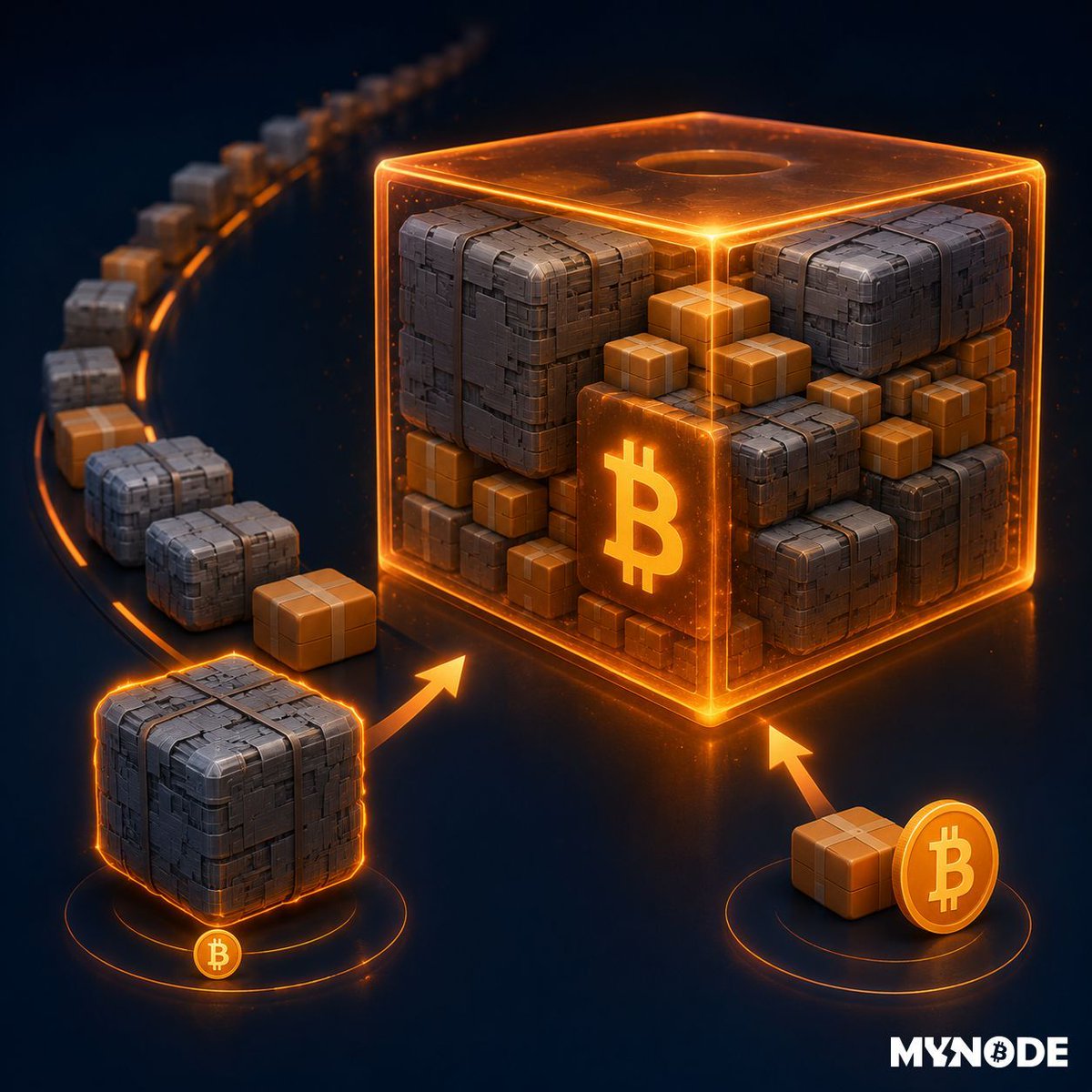
Bitcoin does not work like one big bank balance.
It works more like pieces of cash.
Your wallet may show “0.1 BTC,” but underneath it might be several spendable pieces added together.
Those pieces are called UTXOs.
1
2
12
394
Jun 3
The worst way to teach Bitcoin is to throw vocabulary at someone - UTXO. Mempool. xpub. Channel. Fee rate.
Running a node is simple - it’s your personal connection to the Bitcoin network.
Advanced topics are available, but can be eased into.
2
9
413
Jun 2
Bitcoin is not anti-institution.
It is anti-special-treatment.
Same rules.
Same supply.
Same ledger.
1
7
296
Jun 1
Bitcoin fees feel random when you think of them like a fixed checkout price.
They are not.
A fee is your bid for limited block space.
2
10
659
Jun 1
A low-fee transaction is not always a mistake.
Sometimes it just means you are choosing patience over priority.
That is fine, as long as you understand the tradeoff.
1
1
126
Jun 1
The simple mental model:
You are not paying “to use Bitcoin.”
You are bidding for priority in a scarce settlement layer.
Once that clicks, fees make a lot more sense.
1
132