
Simplifying the Art of Project Management Get Started today 🚀
Joined March 2017
- Tweets 1,512
- Following 52
- Followers 341
- Likes 782
404 Photos and videos












2 Nov 2023
What is the beauty of a new workspace on your project management software??
INFINITE FLOW OF CREATIVITY 🌈
2
1
163
2 Nov 2023
Name any one productivity tool that has been a game-changer for you? ⚡
#ProjectManagementSoftware
1
1
149
2 Nov 2023
Do you find your team meetings productive or is it usually just a waste of time?
#MeetingManagement
117
2 Nov 2023
62
26 Oct 2023
If time travel ⏰ were possible, what's the first thing you do as a project manager:
0%
Meet deadline this time ⏳
0%
Set SMARTer goals now 🧠
100%
Attend missed meeting 🤝
0%
Say no to current project
1 votes • Final results
2
74
26 Oct 2023
Do you know what you can do to avoid these hassles altogether?
Get an end-to-end project management solution for your business.
1
41
26 Oct 2023
Why don't you try nTask! Get a demo today and decide for yourself 🤷🏻♀️
ntaskmanager.com/talk-to-sal…
1
56
25 Oct 2023
What's your take on the 'less is more' approach in software?
We believe, more features can sometimes lead to analysis paralysis. People seek a streamlined, focused solution that simply gets the job done - Like nTask. Quality over quantity, always. 🎯🚀
#QualityOverQuantity
1
1
47
25 Oct 2023
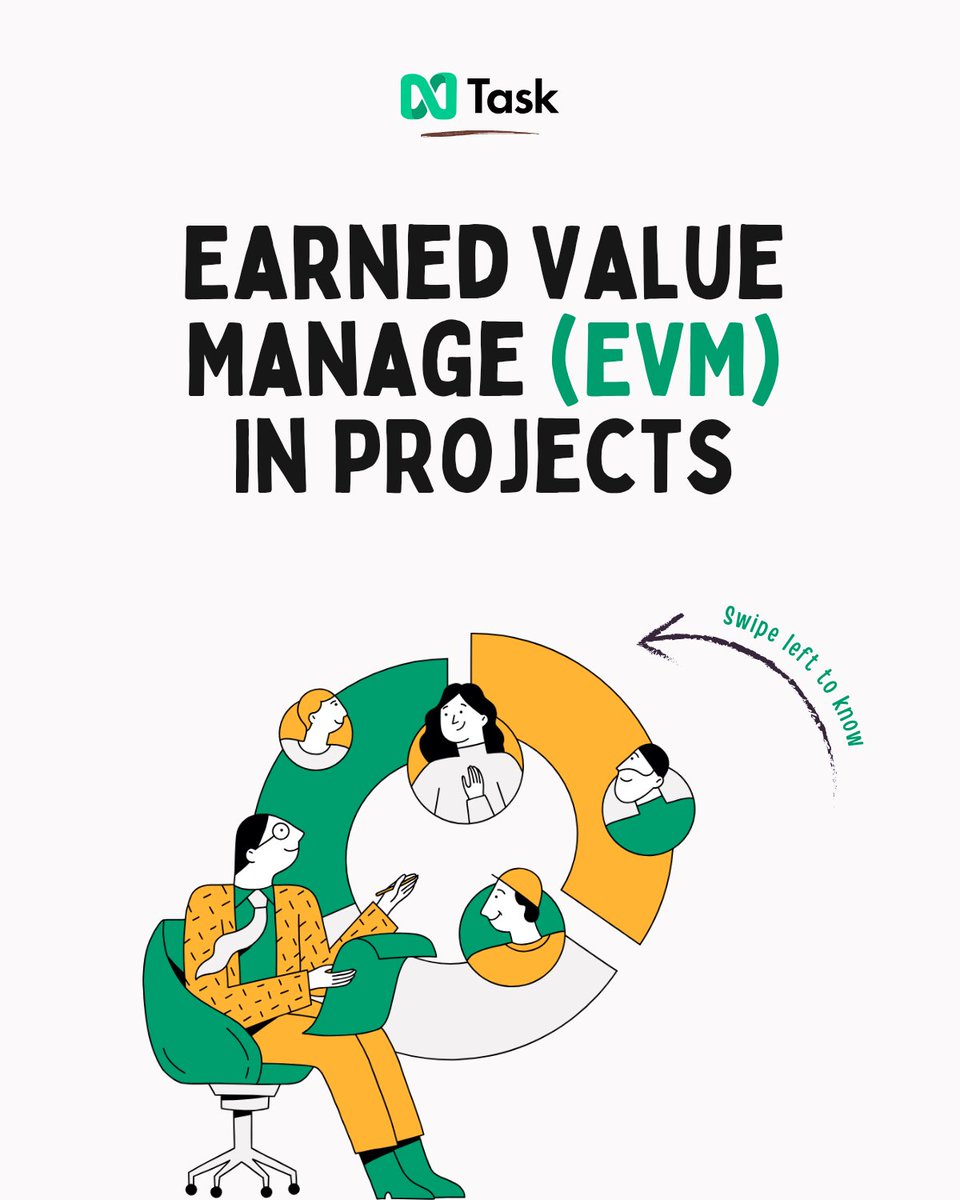
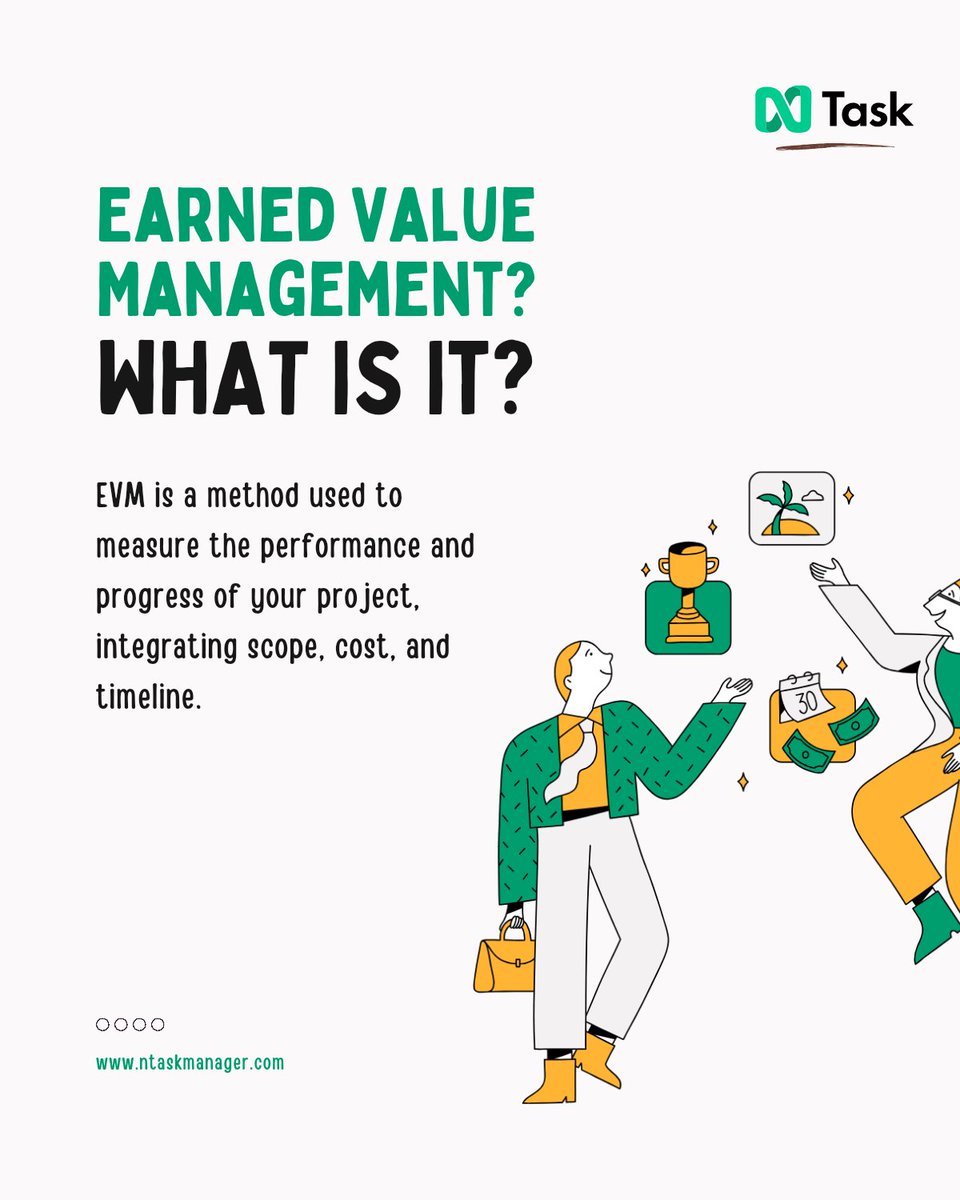
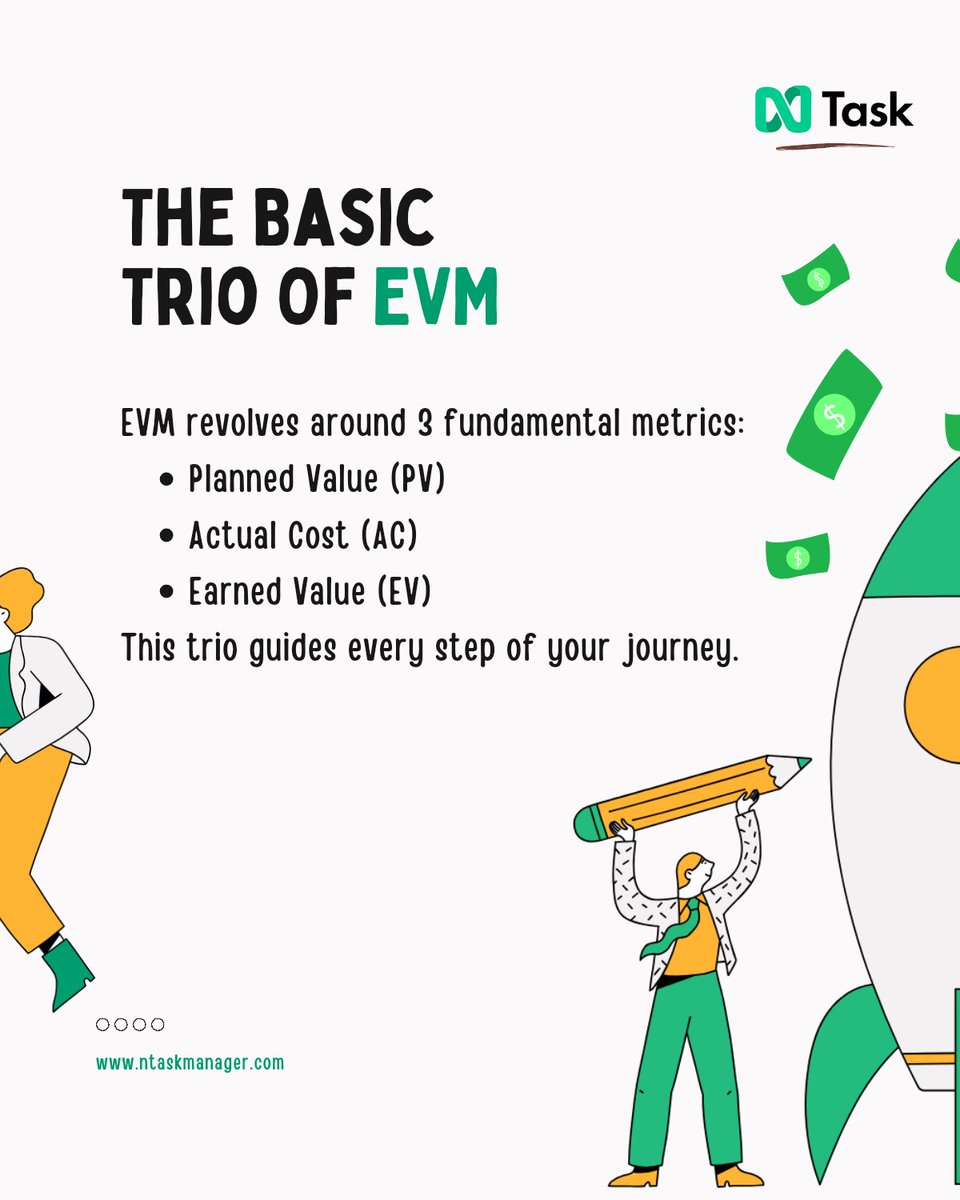
Earned Value Management (EVM) - The powerhouse method to track and optimise your projects, decoded. 🔍
#EVM #projectmanagement #nTask

21
24 Oct 2023
One Hundred Percent! In project management, we're all about turning long-term dreams into actionable plans. Just bridge that gap and execute with excellence! 🌉📊 #Execution #nTask
23 Oct 2023

Dream in years, execute in days.
1
52
24 Oct 2023
Procrastination is like a credit card; it's a lot of fun in the start until you get the bill.
Time to manage it wisely! ⏳💳 How? Try nTask 🤷🏻♀️
#TimeManagement
1
1
37
23 Oct 2023
Wise words! Just like in project management, where adaptability is crucial, embracing the 'imperfect' process can lead to the most creative and effective solutions. Let's manage those creative journeys on nTask for seamless processes! 🚀🧠 #ProjectManagement #EmbraceCreativity
23 Oct 2023

The relentless pursuit of complete originality in creativity can be paralyzing.
Embrace your influences.
Let them blend with your unique perspective, and you'll find the liberating power of imperfection.
Embrace the imperfect; it's the path to true artistry.
1
287
23 Oct 2023
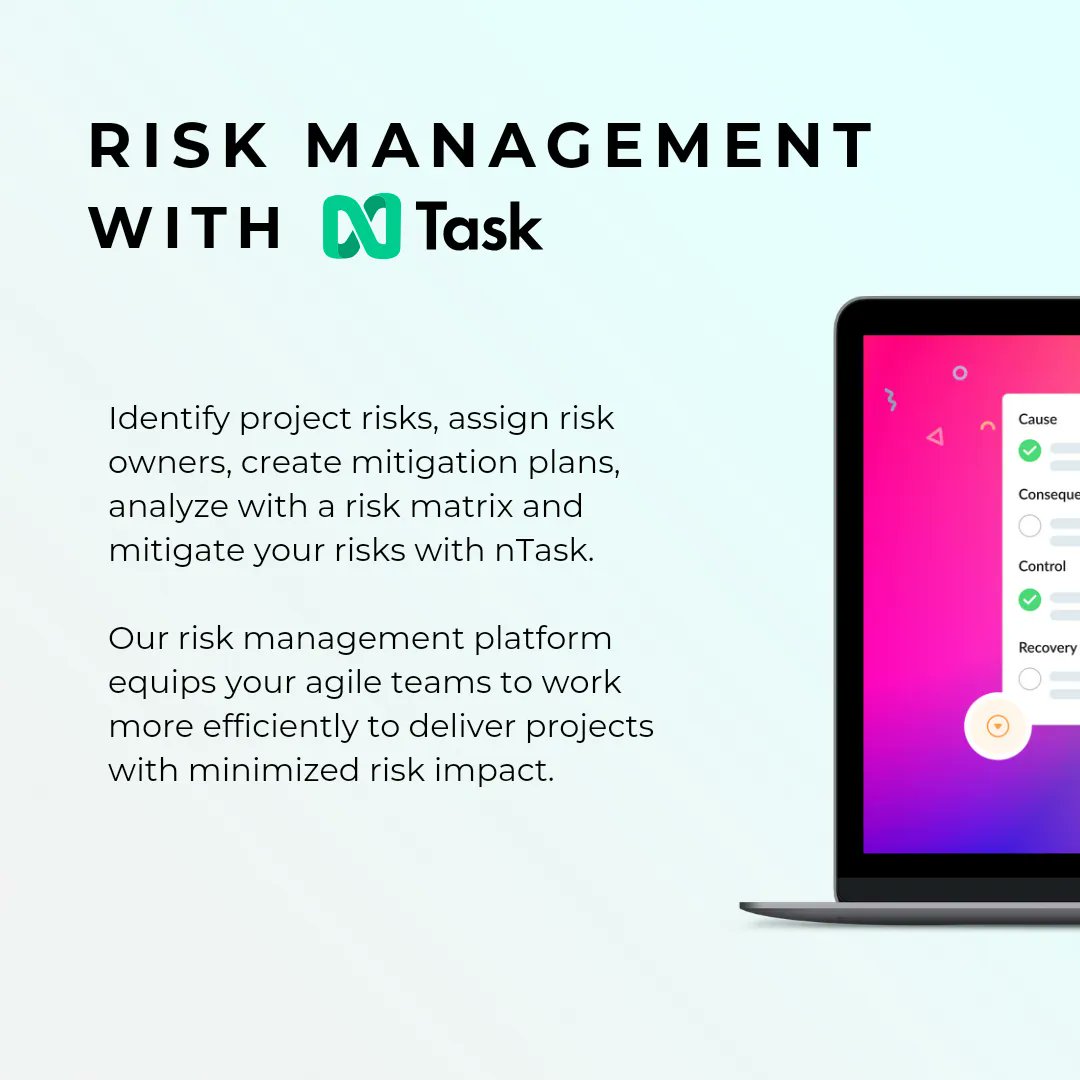
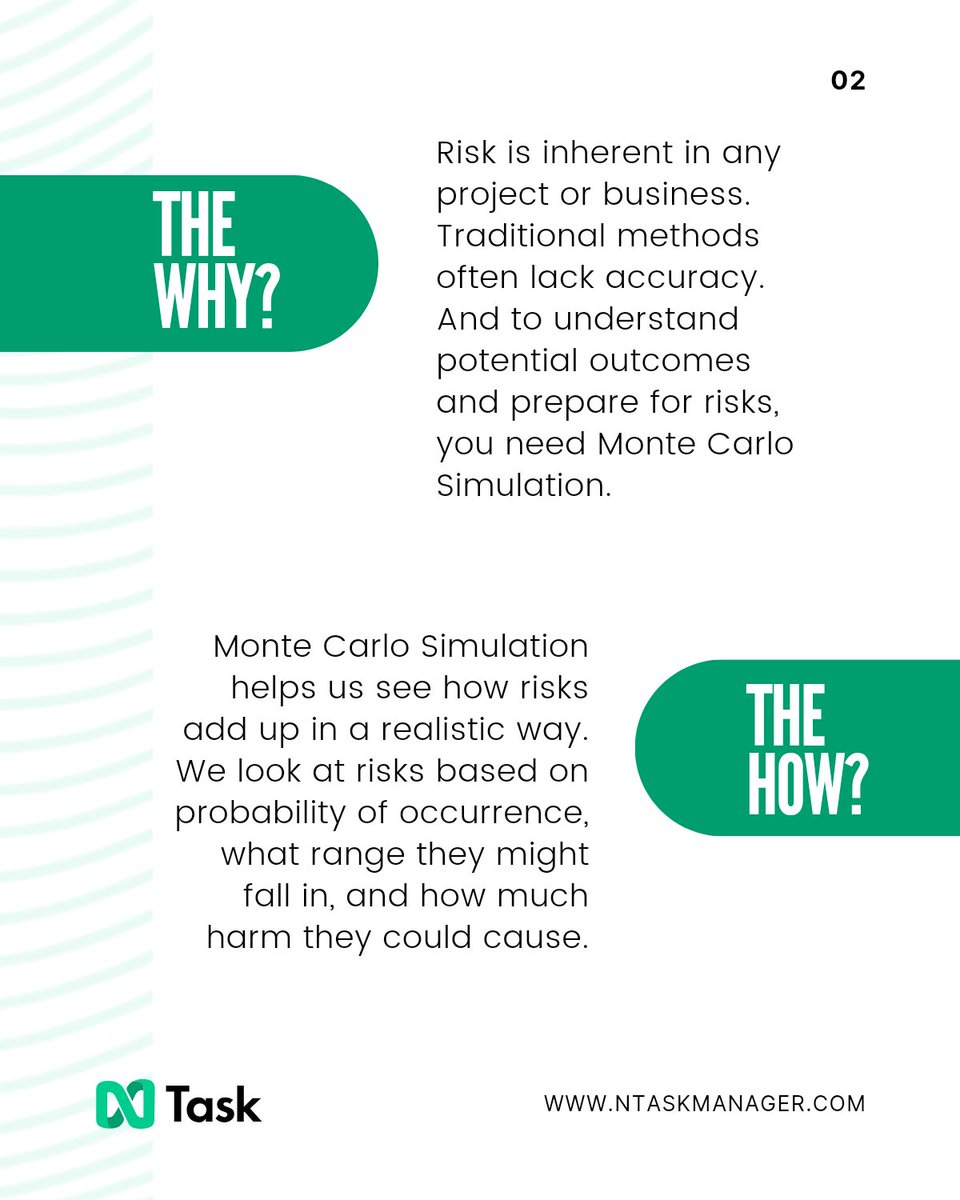
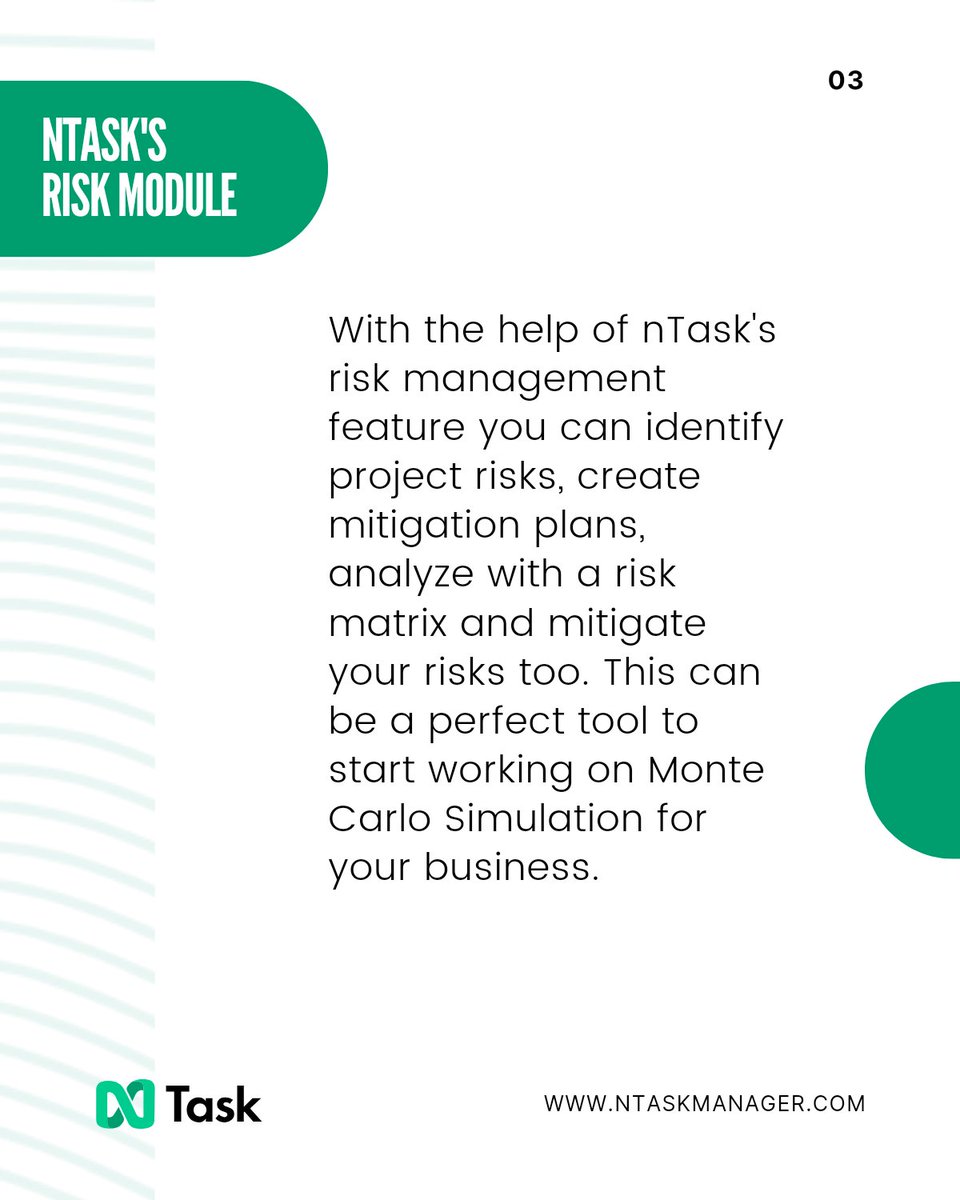
Discover the power of Monte Carlo Simulation. Start with nTask's risk management feature today.
It's the perfect tool to simplify risk analysis. nTask is the right kick to begin #MonteCarloSimulation for your business.
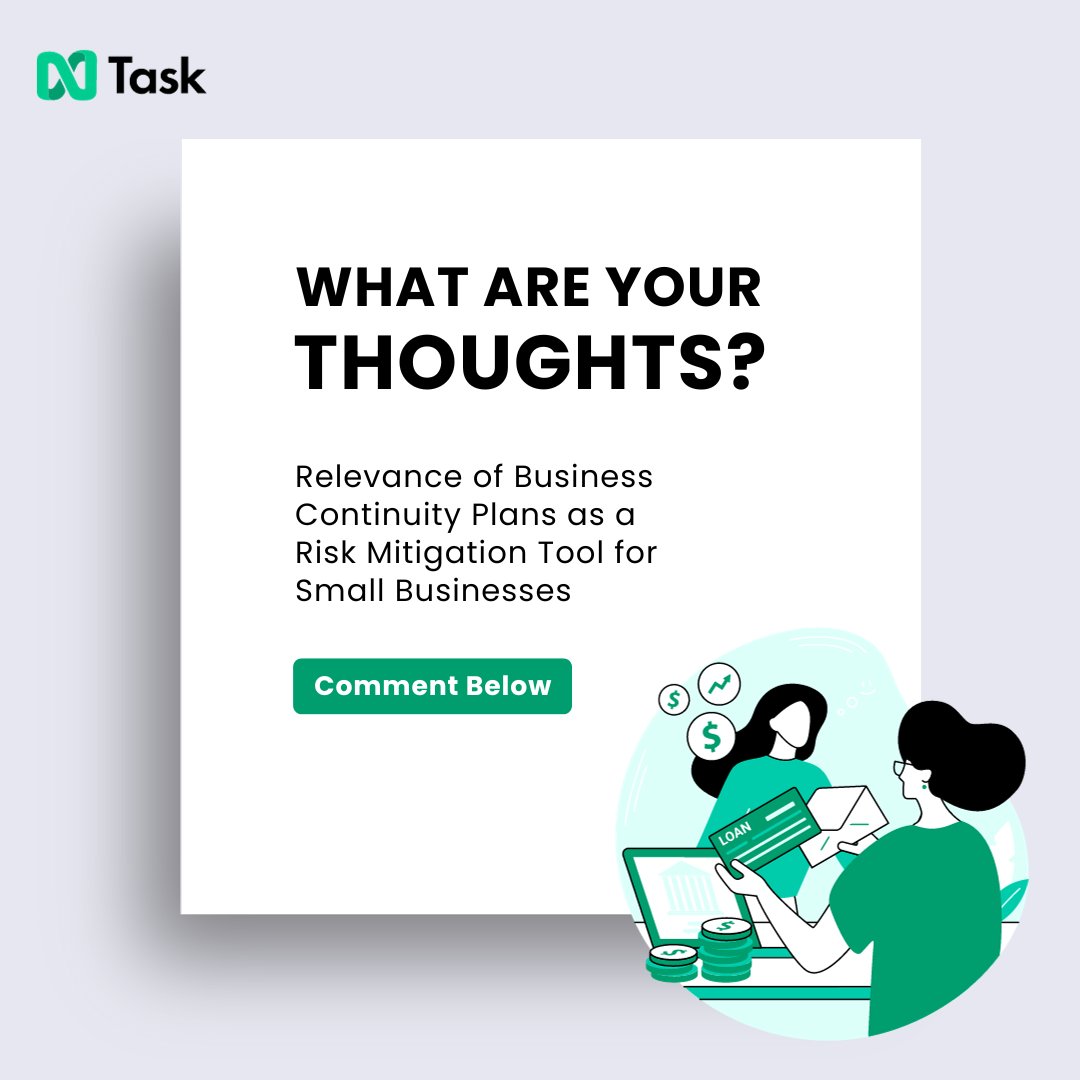
What are your thoughts? 💭
#RiskAnalysis #nTask
1
2
54
nTask retweeted

17 Oct 2023
An insightful piece on #PMI: How to Thrive in the Multi-Project Workplace by @pm4girls rebelsguidetopm.com/how-to-t…
1
1
103
nTask retweeted
6 Oct 2023
Take a moment to read this great article: A Review Of The 6 Best Online Timesheets Software Available Today by @ntaskmanager ntaskmanager.com/blog/best-o…
1
2
121
16 Oct 2023
Tap, Name, and Create! 🪄📱
Kickstart with your first workspace on nTask in 3 simple steps. It's easy.
Sign up to start organizing your tasks and projects today with nTask.
🔗lnkd.in/exfBsQw
#projectmanagement #productivity #taskmanagement #nTask #virtualworkspace
1
30
4 Oct 2023
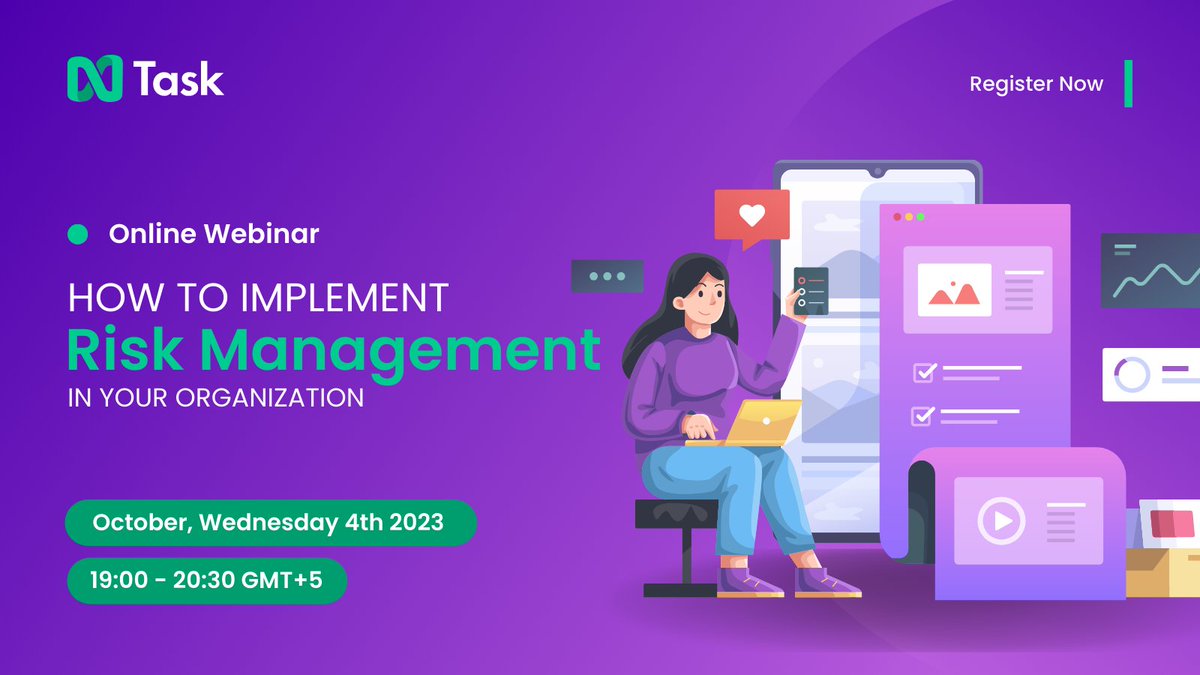
Risk Management 101 by our very own Fahad Sheikh
Register for our webinar on Risk Management today here: lnkd.in/dTfwz5Wr
4 Oct 2023

I often get this question from people who are just getting started with Risk Management. How do you prioritize them when everything seems critical?
This can indeed be challenging, but it's essential for effective risk management. Here’s a structured approach:
1. Impact Assessment:
- Evaluate the potential impact of each risk on your project or organization. It could be in terms of financial loss, reputational damage, or operational disruption. Utilizing a numerical scale or descriptive terms (e.g., High, Medium, Low) can be helpful.
2. Likelihood Assessment:
- Assess the likelihood of each risk occurring. Like impact, this can also be represented numerically or descriptively.
3. Urgency Assessment:
- Determine the urgency of addressing each risk. Risks that are imminent or have a short-term horizon may need to be prioritized.
4. Risk Rating:
- Combine the impact and likelihood assessments to rate the risks. A common method is to multiply the impact and likelihood scores.
5. Risk Matrix:
- Utilize a risk matrix to visually plot and prioritize risks. The matrix will have impact on one axis and likelihood on the other, helping to clearly identify which risks are the most critical.
6. Dependency Analysis:
- Analyze if there are dependencies between risks. Some risks might trigger others, or their impact might be amplified when combined.
7. Mitigation Cost and Feasibility:
- Consider the cost, resources, and feasibility of mitigation strategies for each risk. Sometimes, the cost of mitigating a risk might outweigh the potential impact, which could influence prioritization.
8. Stakeholder Input:
- Seek input from stakeholders, especially those who have expertise in certain areas or whose areas of responsibility are most affected by the risks.
9. Continuous Review:
- It's important to continually review and adjust the prioritization as new information becomes available or as risks evolve.
10. Utilization of Risk Management Software:
- Employing risk management software can also aid in prioritizing risks by providing a centralized platform for assessment, analysis, and collaboration. A great example is @nTaskManager – deeply integrated risk and project management software.
This structured approach ensures that you are thorough in your assessment and that the most critical risks are identified and prioritized for action, even when many risks seem critical at the outset.
#RiskManagement #RiskMitigation #ProjectManagement
2
77
26 Sep 2023
🔥 Calling all #ProjectManagement aficionados!
Get all your project management and productivity needs fulfilled here at affordable rates!
Join the league of satisfied users today🫱🏽🫲🏼
#nTask
1
31
26 Sep 2023
The best risk is the one you didn't take. But in project management, we take them all – with a plan! 🎯📈
How to get your hands on that plan? Register for the webinar on 4th Oct, Wednesday!!
Registration Link: bit.ly/3PvIhiF
#RiskManagement #PlanAhead
1
1
44
26 Sep 2023
In the world of projects, Murphy's Law, "Anything that can go wrong, will go wrong" is the only law that always applies. 😅
#ProjectManagement #MurphysLaw
1
1
36