
spiders | venom | molecular evolution and adaptation | house plant
Joined December 2016
- Tweets 92
- Following 287
- Followers 242
- Likes 1,373
10 Photos and videos






Pinned Tweet

10 Feb 2023
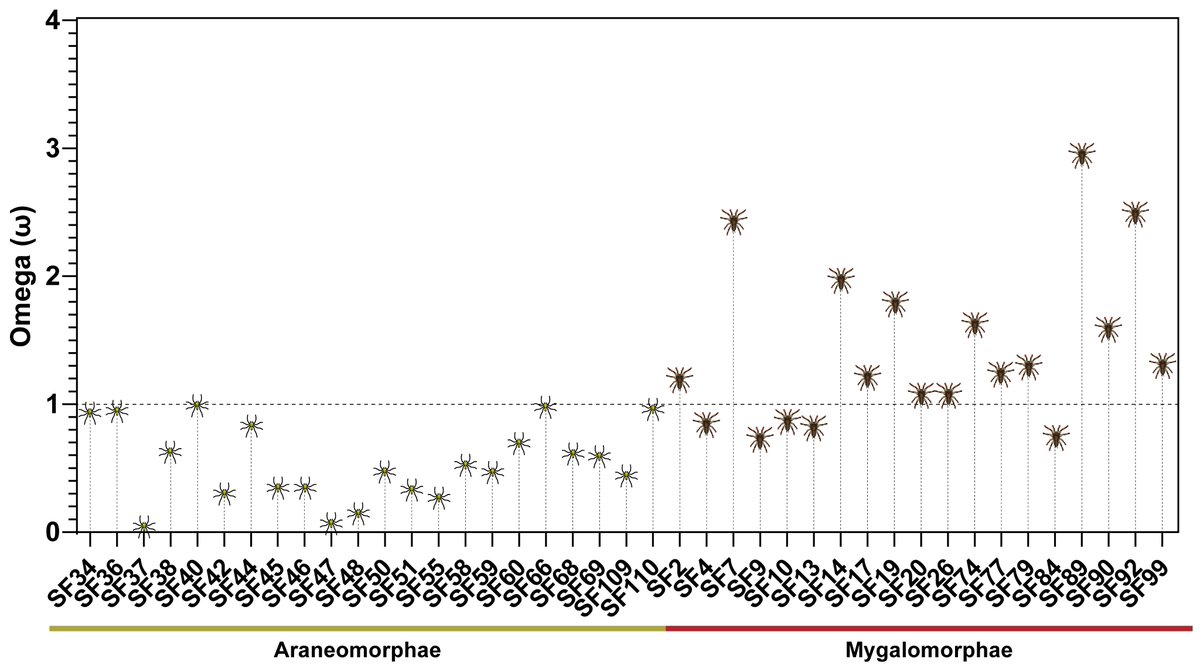
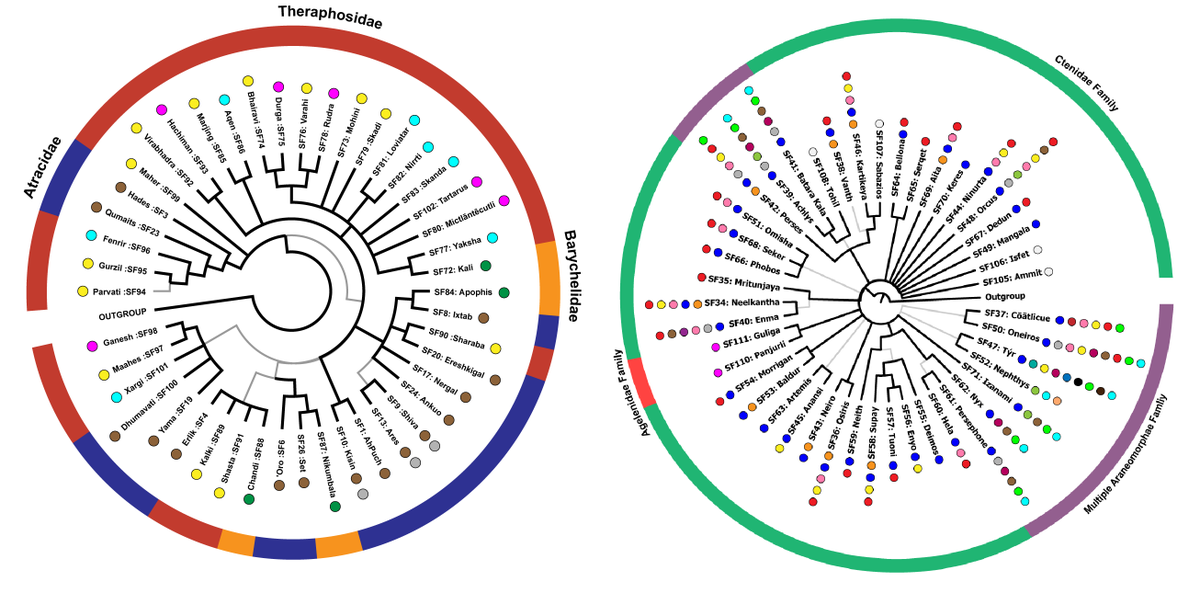
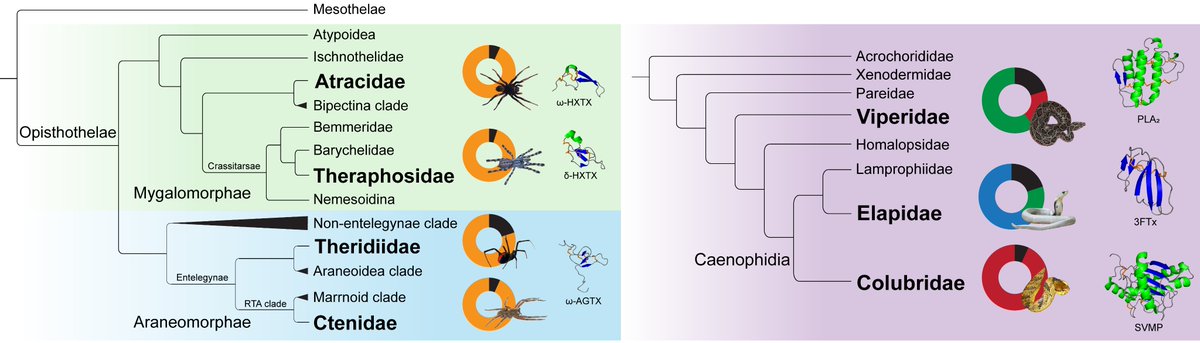
About 3 years ago @anaturalist and I started on a quest to explore spider venoms and their evolution. Today I am excited to share our work (which recently got accepted in @eLife for publication), tracing the origin of spider venoms.
elifesciences.org/articles/8…
10
6
55
4,549
naeem shaikh retweeted

15 Nov 2024
It's high time to allow Pets in your flight 🐶 @IndiGo6E
1
1
1
255
naeem shaikh retweeted

30 Oct 2024
wow...this is some earth-shattering work of a research institute!
#sarcasm
10 Oct 2024

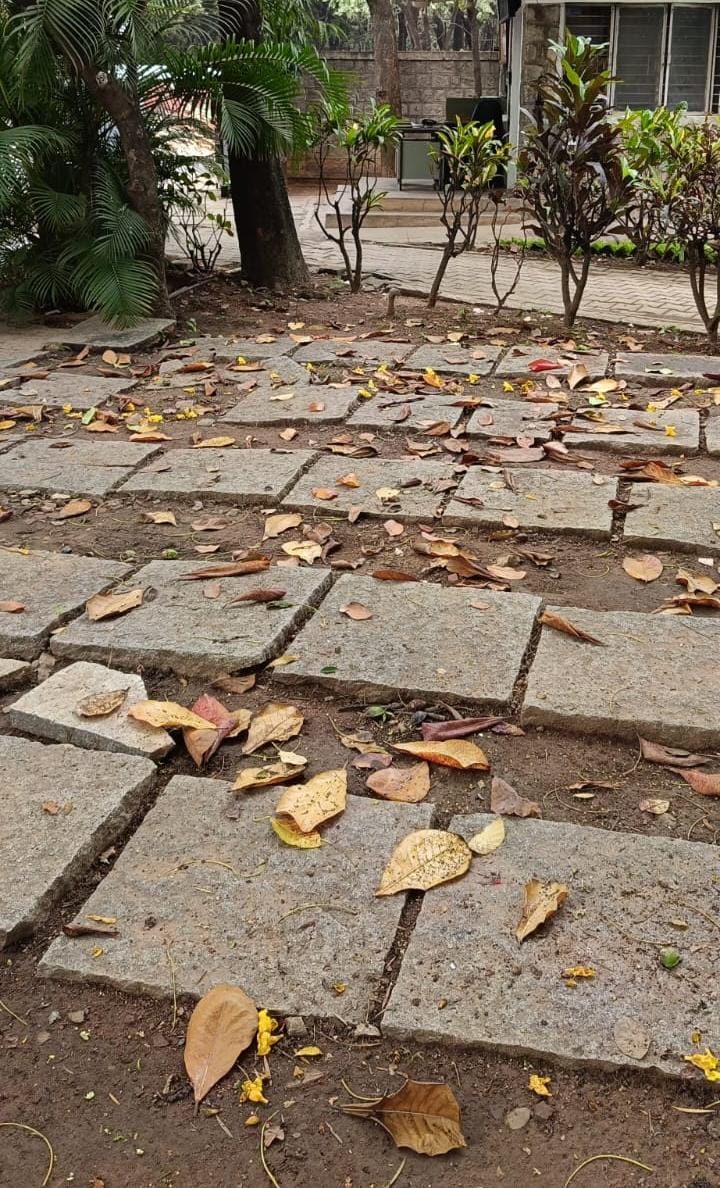
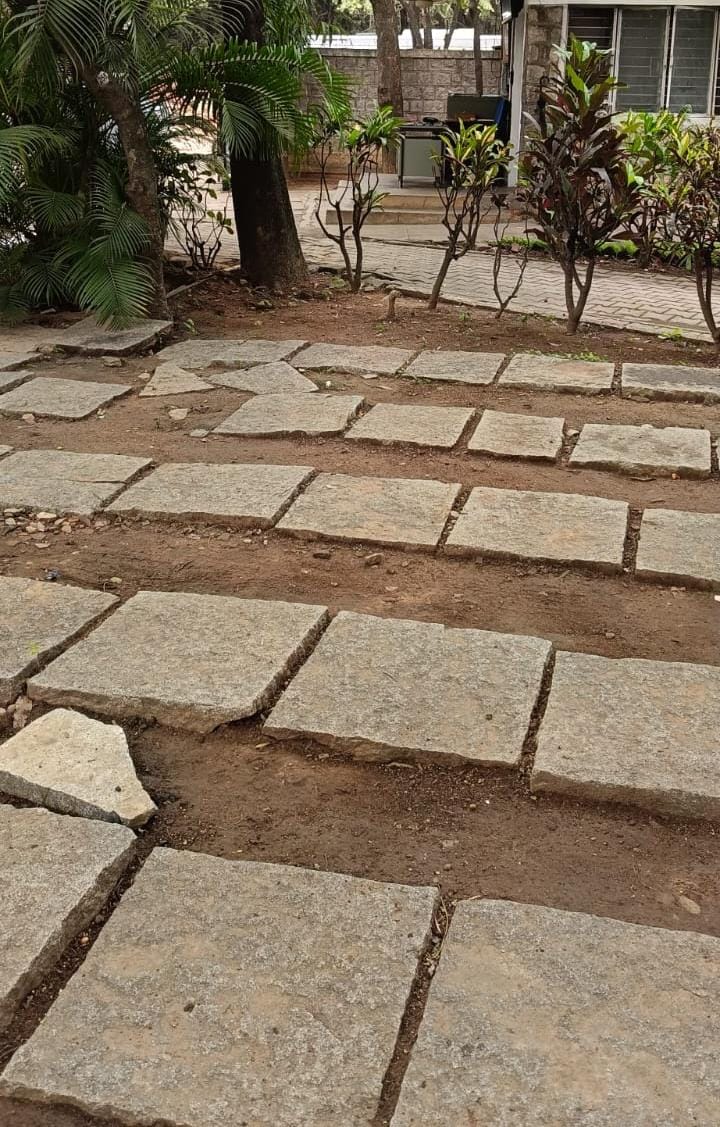
Activities under #SpecialCampaign4 undertaken on 10 October.
@IndiaDST @SwachhBharatGov @SwachhBharat @MoHUA_India @MoJSDDWS
5
7
89
4,838
16 May 2024
From witnessing your magic on TV to yelling 'CHHETRIII CHHETRIII' on the sidelines it has been a journey to cherish. Thank you for inspiring countless generations💙

13
291
naeem shaikh retweeted

9 May 2024
Applications open for the online entrance exam (OEE) for addmission to 5 year Integrated M.Sc Biotechnology at IBB, SPPU. 12th PCM/B students can apply campus.unipune.ac.in/CCEP/Lo…
17
29
4,005
27 Mar 2024
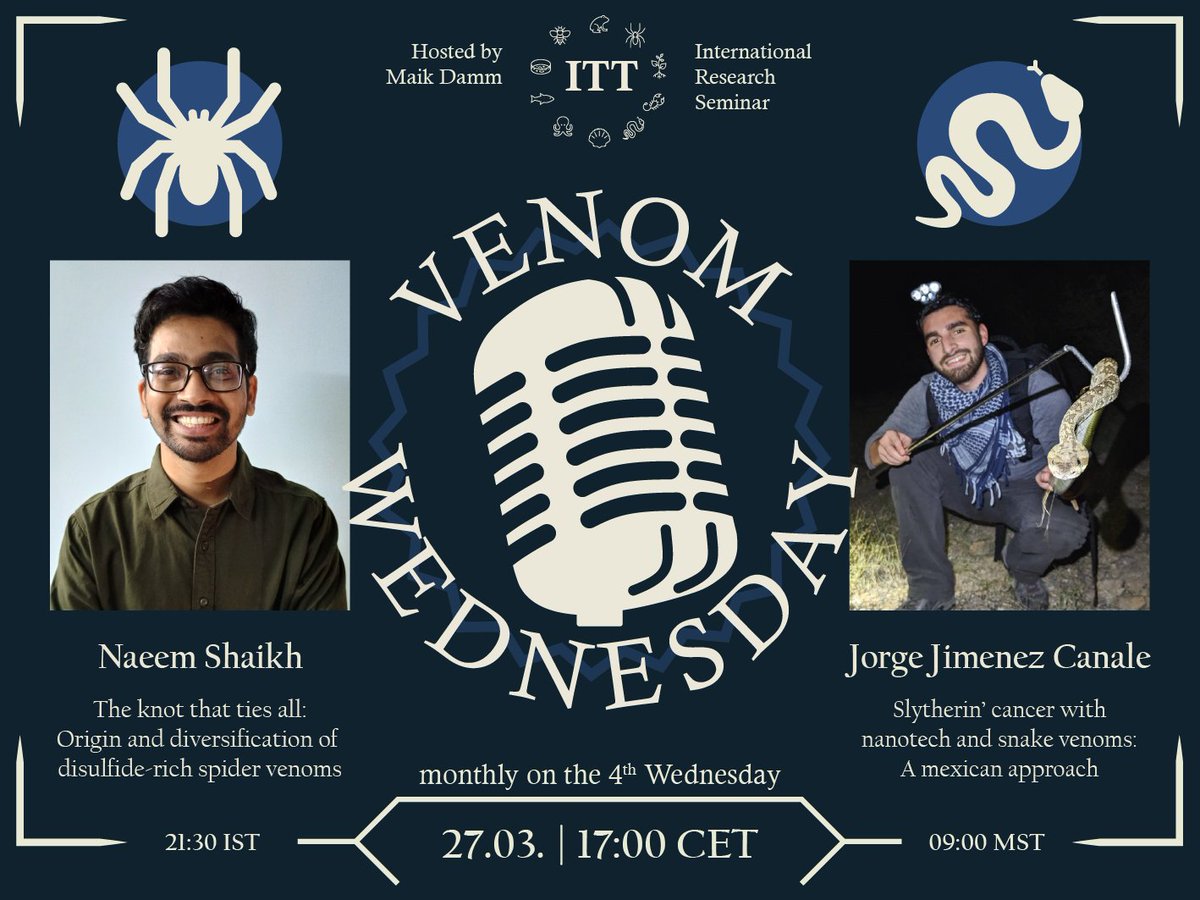
Happening today! Join us at 21:30 IST (16:00 GMT) to unravel the mysteries of spider venom and discover the potential of snake venom in cancer treatment!
#VenomWednesday
27 Mar 2024

It's #VenomWednesday!
Today with a travel from 🕷 India to 🐍 Mexico (see attached post)
Join us in 8h via Zoom: tu-berlin.zoom.us/j/66708444…
4
9
561
20 Mar 2024
Thanks for sharing and the opportunity @DammMaik! I'm excited to be on ITT. Join us to hear about the origins of venom in spiders, tackling cancer with snake venom and more!
Thank you @SLaxme for recommending me.
#VenomWednesday
20 Mar 2024
#VenomWednesday is back - next week!
This time a bit later since we have to cover the travel from Indian spiders to Mexican snakes
My guest are
🕷️@naeemtree
🐍 @jorgejimzc
And thanks to all the offered help for future talks!
Newsletter: docs.google.com/forms/d/1p0u…
2
21
730
naeem shaikh retweeted

30 Jan 2024
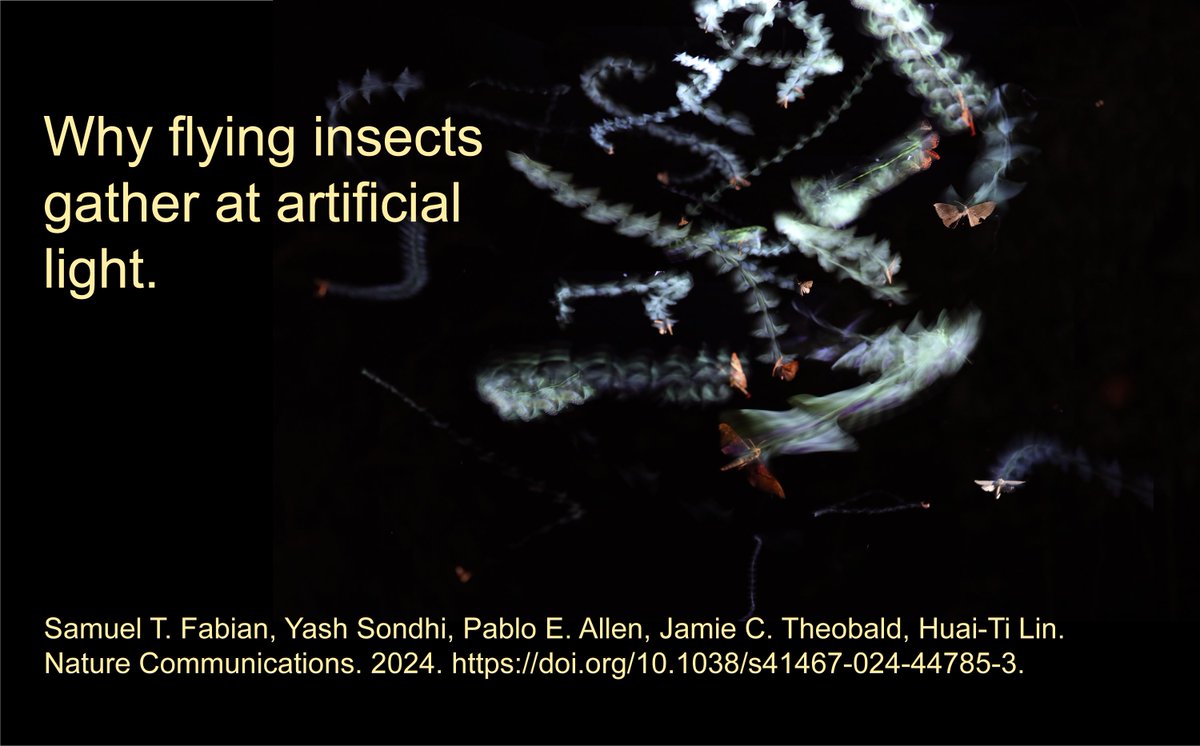
NEW PAPER: Ever wondered why insects fly in all sorts of crazy patterns around lights at night? So did we! We set about recording flying insects to work out what's going on. I'll summarise what we found in this 🧵. Spoiler: We don't think they confuse lights with the moon.
23
568
1,944
261,012
naeem shaikh retweeted

29 Jul 2023
Unusually, nearly all spider venoms come from a single type of toxin.
Kartik Sunagar’s (@anaturalist) team traced them back to a common ancestor 375 million years ago named ‘Adi Shakti’, after the creator of the Universe in Hindu mythology. #eLifePodcast elifesciences.org/podcast/ep…
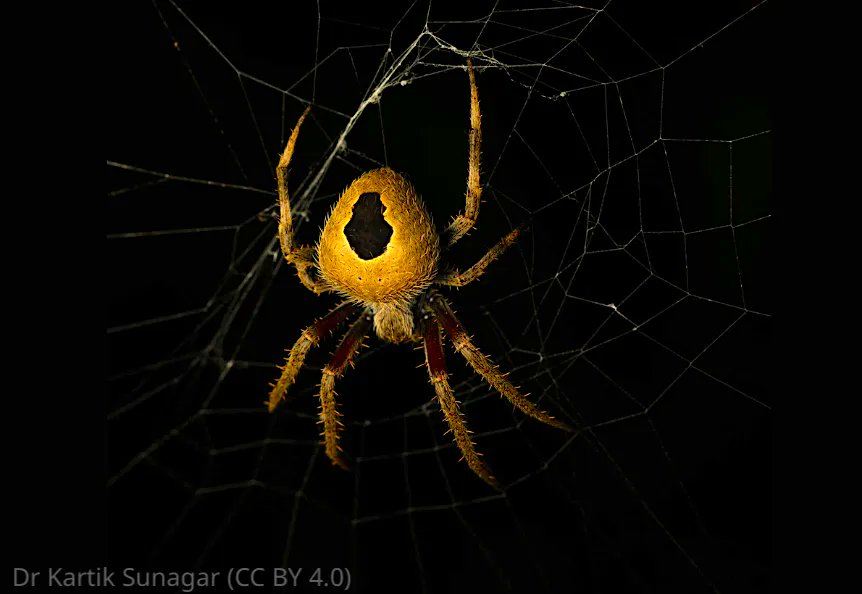
ALT yellow orb weaver spider on a black backgroud
14
49
19,190
naeem shaikh retweeted

27 Jul 2023
Had a great time at #ISCE2023
Thank you @anaturalist for the opportunity and constan support!
Thankful to my coauthors @naeemtree and @_Kumar_Birendra, the prize is as much yours as is mine!
Grateful to @ChemEcol_org for this amazing experience!
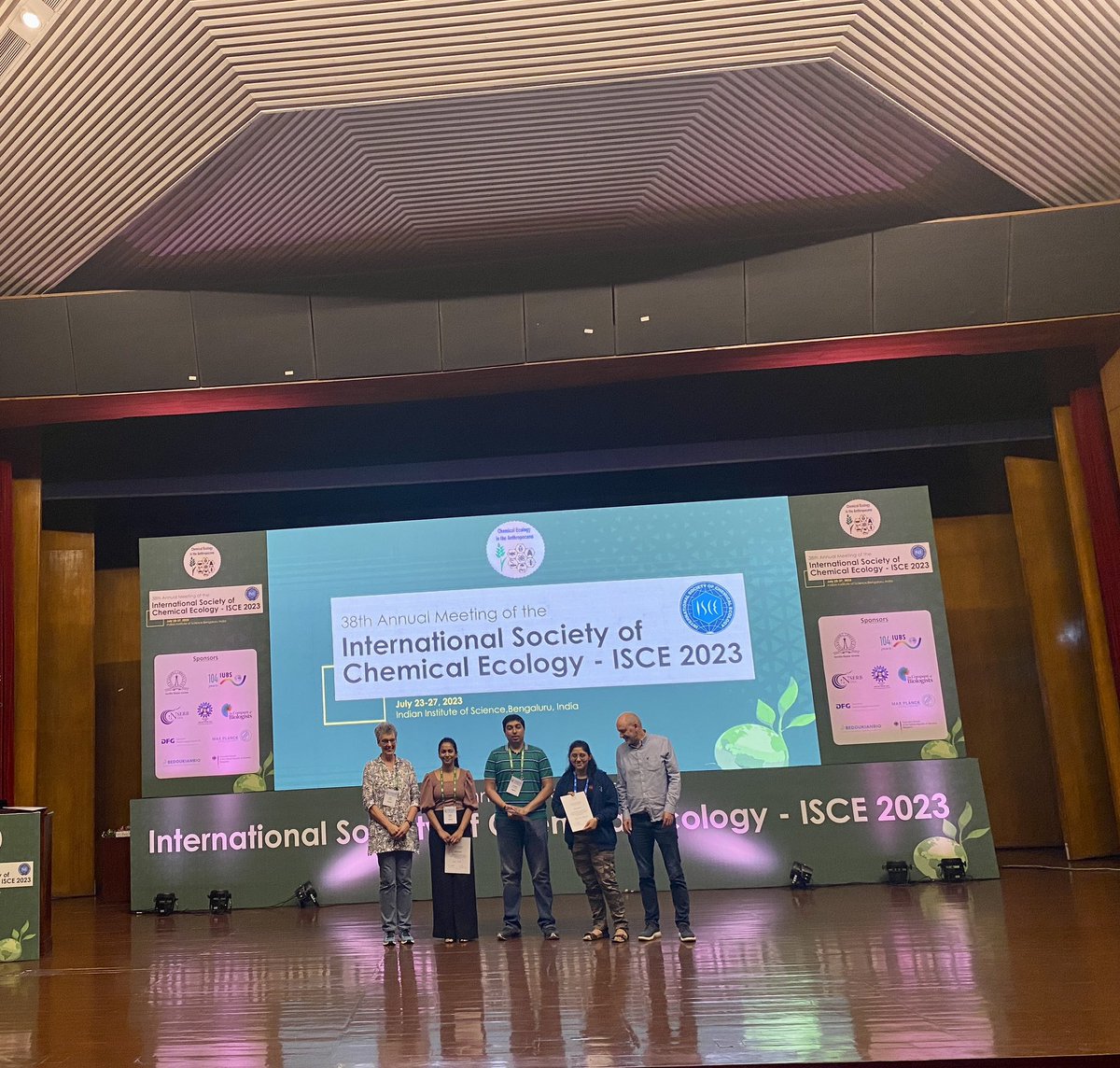
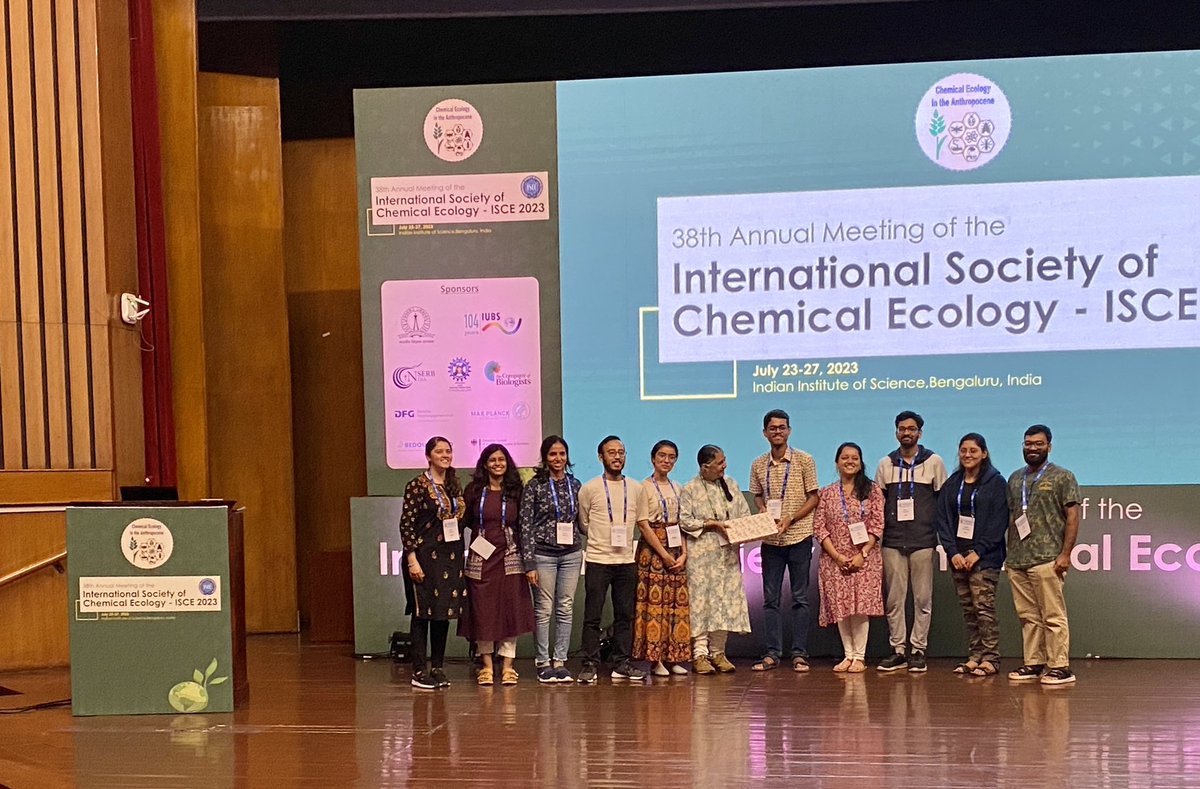
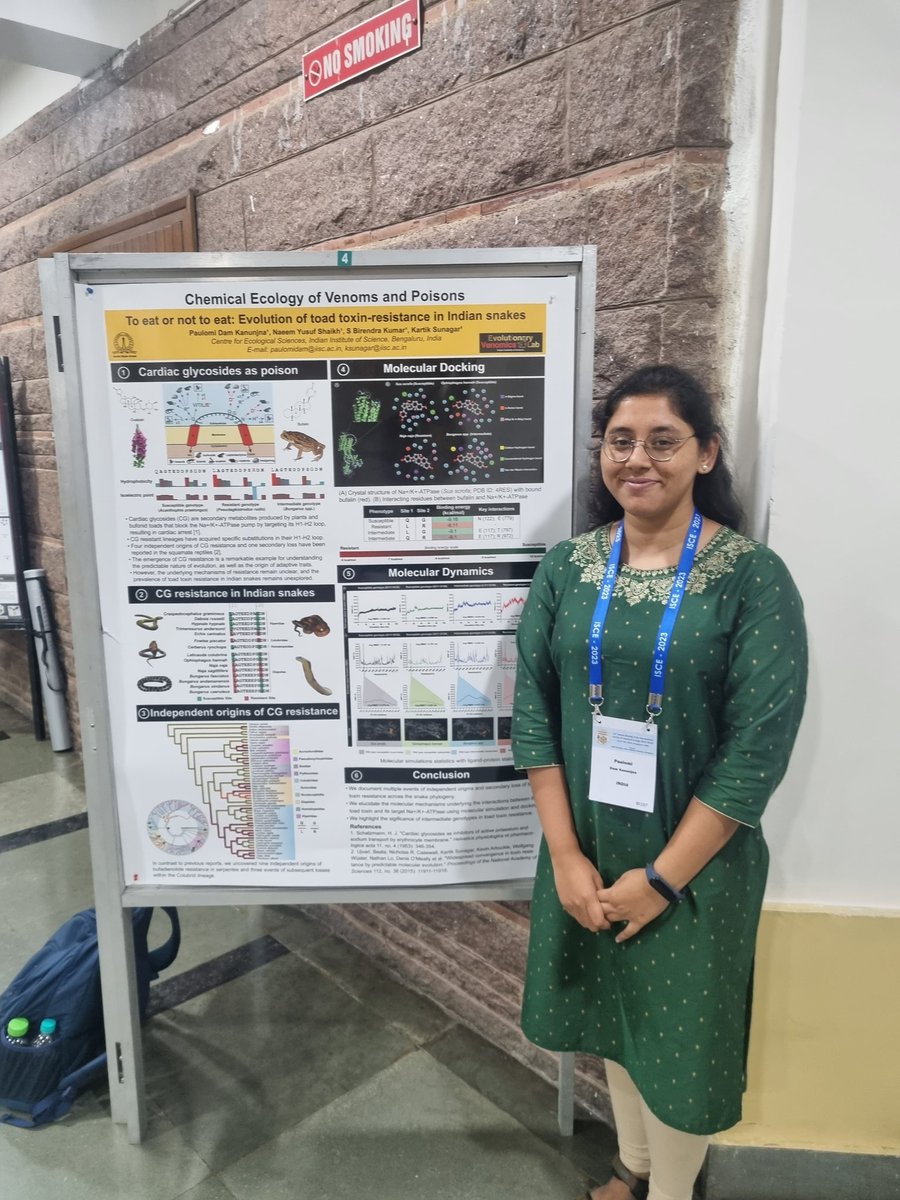
2
4
30
4,161
21 Jul 2023
Tune in to the eLife podcast and hear @anaturalist chat about our work on the origin of spider venoms. 🕷️
elifesciences.org/podcast/ep…
20 Jul 2023

Unusually, nearly all spider venoms come from a single type of toxin.
Kartik Sunagar’s (@anaturalist) team traced them back to a common ancestor 375 million years ago named ‘Adi Shakti’, after the creator of the Universe in Hindu mythology. #eLifePodcast elifesciences.org/podcast/ep…
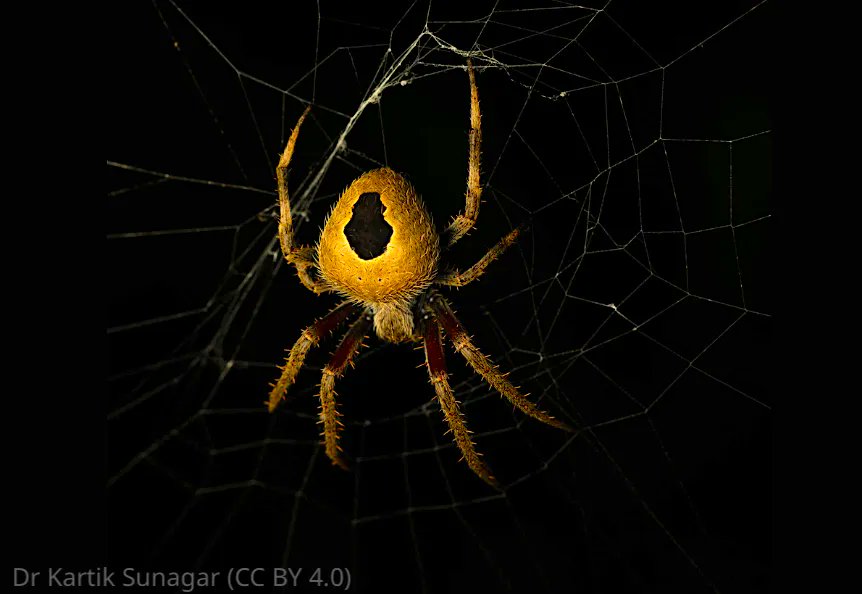
ALT yellow orb weaver spider on a black backgroud
3
12
8,294
naeem shaikh retweeted

21 Jul 2023
Had a good little chat with Chris about our work on spider venoms for the eLife podcast.
@naeemtree @LabVenomics @eLife
20 Jul 2023
Unusually, nearly all spider venoms come from a single type of toxin.
Kartik Sunagar’s (@anaturalist) team traced them back to a common ancestor 375 million years ago named ‘Adi Shakti’, after the creator of the Universe in Hindu mythology. #eLifePodcast elifesciences.org/podcast/ep…
ALT yellow orb weaver spider on a black backgroud
1
22
1,801
naeem shaikh retweeted
26 Mar 2023
Where did spiders get their venom? elifesciences.org/digests/83…
2
16
8,330
20 Mar 2023
Hey everyone! Here's the link to eLife digest summarising our work on spider venoms :D
19 Mar 2023
Where did spiders get their venom? elifesciences.org/digests/83…
2
23
610
16 Mar 2023
Glad to share the full version of our paper in @eLife on the evolution of venoms in spider!
doi.org/10.7554/eLife.83761
16 Mar 2023

The final print of our paper in @eLife is out!
tinyurl.com/2glvu4xs
Glad that this paper was also selected for the elife digest: tinyurl.com/2hyl4d46
@LabVenomics @naeemtree
7
5
47
3,579
naeem shaikh retweeted
16 Mar 2023
The final print of our paper in @eLife is out!
tinyurl.com/2glvu4xs
Glad that this paper was also selected for the elife digest: tinyurl.com/2hyl4d46
@LabVenomics @naeemtree
9
10
68
7,443
naeem shaikh retweeted
15 Feb 2023
Come see what we do at @LabVenomics. We’ve got lots of fun and games in store for you. It’s a great opportunity to see a diversity of research at @iiscbangalore. Open to one and all.
15 Feb 2023

Please circulate widely. This is a great way to sample the wide variety of research happening at IISc.

4
24
1,662
10 Feb 2023
About 3 years ago @anaturalist and I started on a quest to explore spider venoms and their evolution. Today I am excited to share our work (which recently got accepted in @eLife for publication), tracing the origin of spider venoms.
elifesciences.org/articles/8…
10
6
55
4,549
10 Feb 2023
By comparatively analyzing the venoms of Mygalomorph and Araneomorph spiders, we highlight the lineage-specific recruitment of toxin superfamilies and their contrasting evolutionary diversification strategies.
ALT Contrasting molecular evolution of Araneomorph and Mygalomorph spider toxin superfamilies
1
3
244
10 Feb 2023
I am grateful to @anaturalist for providing me the opportunity to work with this fascinating venom system and guiding me all along the way. Thankful to everyone at @LabVenomics and especially to @VivekSuranse and @SLaxme for all the endless debates and discussions.
3
187