Da lama ao caos, do caos á lama.
Joined July 2009
- Tweets 29,224
- Following 543
- Followers 18,491
- Likes 27,605
699 Photos and videos
Mariano Narodowski retweeted

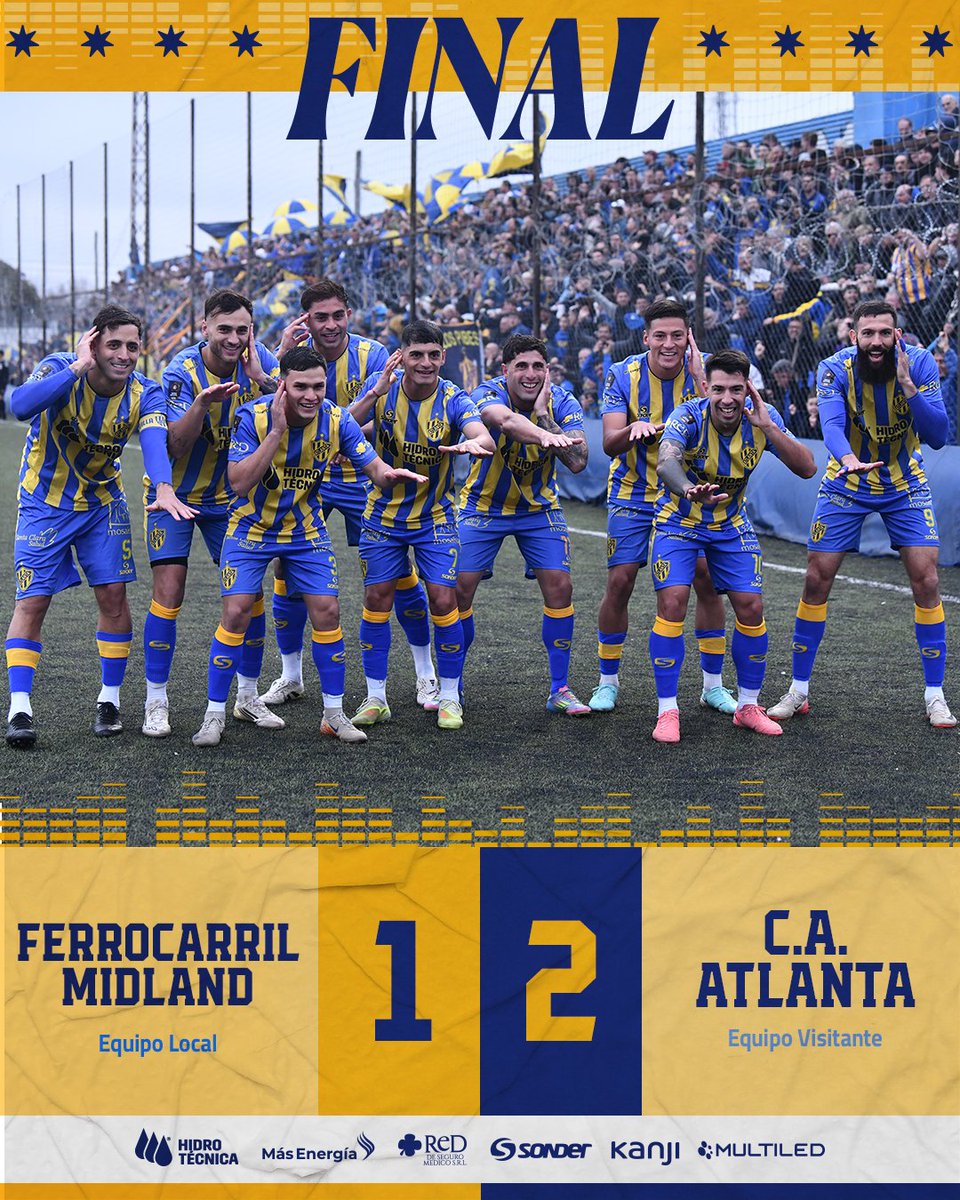
¡GANÓOOOOOOOOOOOOOOOOOOO EL BOHEMIOOOOOOOO SOBRE EL FINAL!
#SomosAtlanta 🟡🔵
4
32
180
7,479
Mariano Narodowski retweeted

Jun 12
🏴 En Inglaterra, una periodista fue a un barrio de musulmanes a decir que ellos son PACIFICOS
y al rato apareció una banda de musulmanes a decirles que se vayan porque los iban a matar☠️
País destruido por la agenda 2030.
2,610
44,343
191,606
5,852,686
Mariano Narodowski retweeted
Miren cuando el mundo todo sea como Bangladés y los munipas islámicos entren a las aulas (acá es una faculatd de medicina) gritando: “¡Educar a las mujeres es haram!” y revienten todo a palazos.
No está lejos.
59
909
1,380
25,444
Mariano Narodowski retweeted

Jun 12
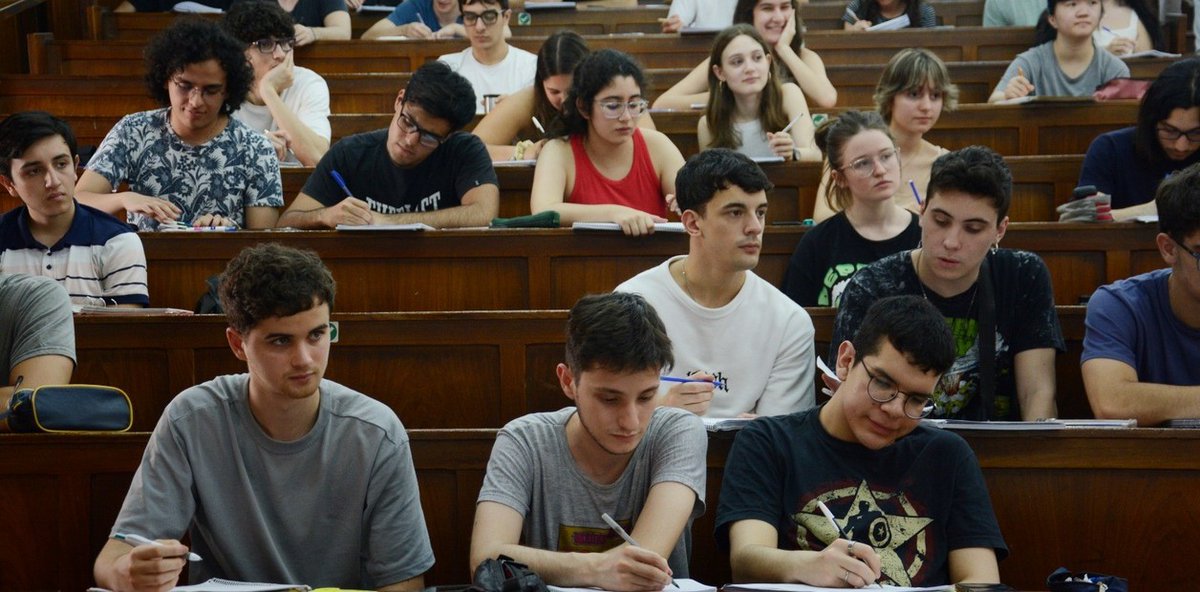
DAN POR APROBADAS MATERIAS DEL CBC DE FORMA AUTOMÁTICA A LOS QUE EGRESAN DE COLEGIOS DE LA UBA
Lectura rápida
El Consejo Superior de la Universidad de Buenos Aires resolvió reconocer de forma automática muchas materias del CBC a egresados de cinco colegios propios. El beneficio empezaría a regir desde ahora para quienes hayan terminado quinto año y se definió tras un análisis de planes de estudio y contenidos mínimos.
Colegios alcanzados
La medida alcanza al Colegio Nacional de Buenos Aires, el Carlos Pellegrini, el ILSE, la Escuela de Educación Técnica de Nivel Secundario y la Escuela de Educación Técnico Profesional en Producción Agropecuaria y Agroalimentaria. Según la UBA, busca articular mejor el secundario con la universidad y reconocer saberes ya adquiridos.
Tramitación
Para pedir el reconocimiento, cada estudiante deberá iniciar el trámite ante la facultad de la carrera elegida. Tendrá que presentar la constancia de inscripción al CBC y el título del colegio de la UBA del que egresó, legalizado por la Dirección de Legalizaciones. La cantidad de materias que deberán cursar dependerá del colegio de origen y de la carrera elegida. Cuanto mayor sea la afinidad entre la orientación del secundario y la carrera, menos asignaturas del CBC quedarán pendientes y más rápido podrán ingresar al ciclo de grado.
( ) en Clarín: clar.in/43vbNN2
71
31
561
312,836
Mariano Narodowski retweeted

Jun 12
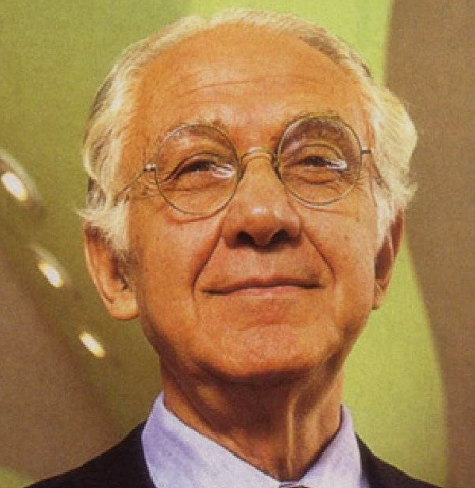
📌 #Efemérides
📅 12 | 6 |1931
👤Nace Guido Di Tella. Ingeniero Industrial (UBA) y Doctor en Economía (MIT).
📝Publicó Las etapas del desarrollo económico argentino, fundó el Instituto Torcuato Di Tella y fue secretario de Economía (1975) y canciller durante el menemismo.
6
14
1,072

Mientras tanto, en Un Mundo sin Adultos...
Jun 12

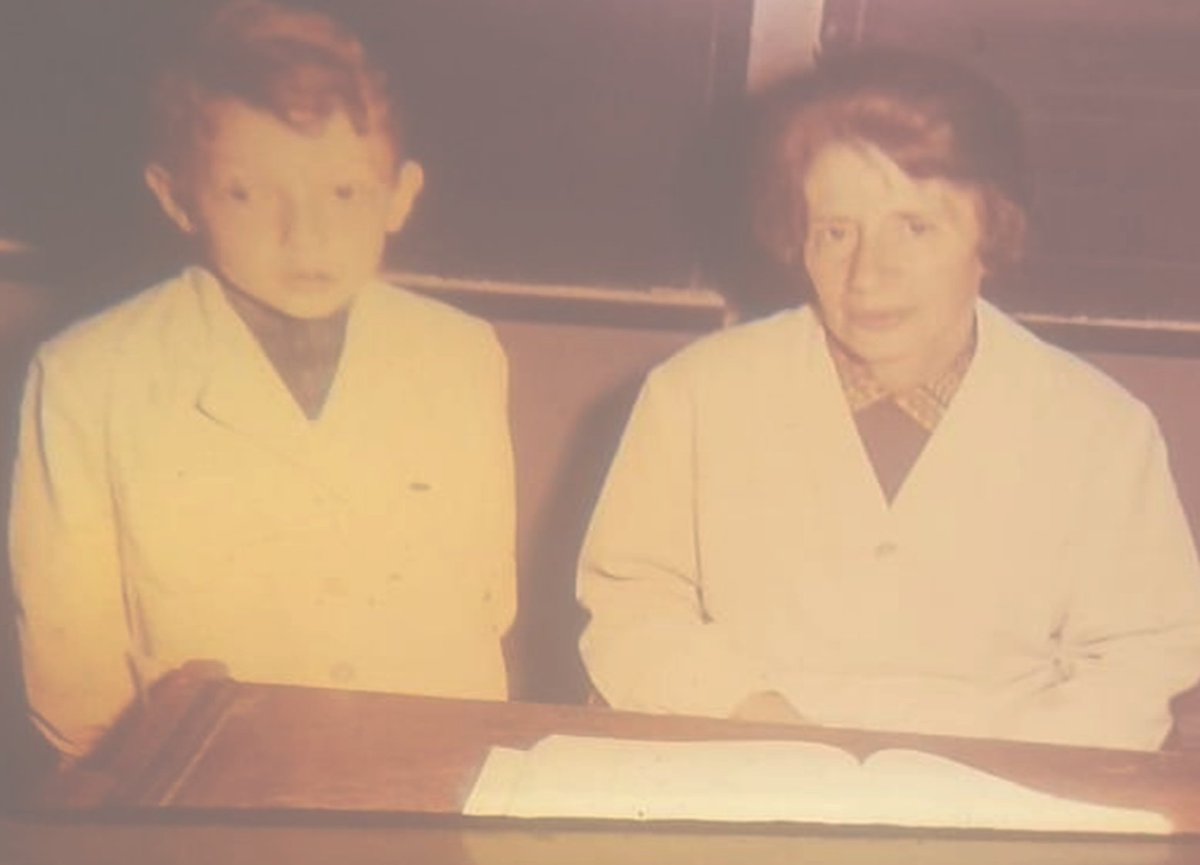
Un día, cuando están en el profesorado, estamos discutiendo si tenemos o no que corregir con rojo porque eso los estresa.
3
3
28
2,083
La representante de la ONU para Afganistán, afirmó que en ese país hay una “generación perdida” de niñas que, debido a la férrea doctrina talibana, se ven impedidas de acceder a la educación.
edicionimpresa.lanacion.com.…
1
1
179
De cómo la IA está cambiando la medicina
Jun 11

On June 2 Mayo Clinic and Microsoft announced a frontier AI model for healthcare, built around Mayo Clinic deidentified clinical data, long patient histories and physician expertise. This is closer to how AI will actually change medicine.
Most consumer medical AI today is a smart search box. People ask symptoms and get a plausible answer. Sometimes useful, sometimes dangerous, because a body is not a Wikipedia page.
Hospitals are different. The hard problem is thousands of small decisions under pressure. Which patient is quietly getting worse. Which scan must be read first. Which lab pattern conflicts with a medication. Which sentence in a note changes the plan.
That is where AI can help: watching the boring signals all day, making the clinical team faster, and forcing uncertainty into the open instead of hiding it in paperwork.
Medical AI becomes valuable when it has trusted data, hospital integration, clinical validation, liability discipline and measurable outcomes. Mayo owning the model is important. In healthcare, trust cannot be an afterthought added by a cloud vendor.
The hype version of AI medicine is a bot that plays doctor. The useful version is a hospital nervous system that helps doctors see sooner and act faster.
273
Mariano Narodowski retweeted

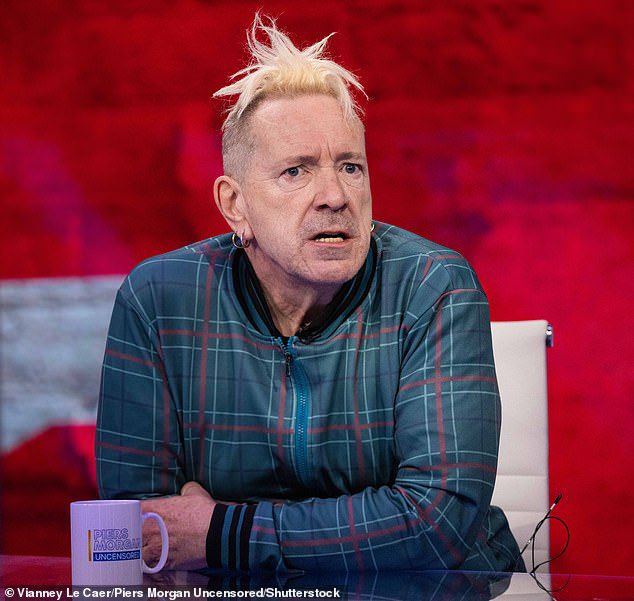
“I never thought I’d live to see the day when the right wing would become the cool ones giving the middle finger to the establishment, and the left wing becoming the snivelling self-righteous twats, going around shaming everyone.”
- John Lydon, The Sex Pistols
922
19,646
95,214
1,307,105
Mariano Narodowski retweeted

Jun 11
Casi cinco minutos donde está todo, la esperanza, el dolor, la tristeza, la gloria absoluta. Rían, disfruten, emociónense y guarden este video para que sus hijos y los hijos de sus hijos sepan para siempre quien fue y es Lionel Andrés Messi Cuccitini, más conocido como el mejor jugador de fútbol de la historia. x.com/gabrielgriffi14/status…
13
64
265
5,975
Mariano Narodowski retweeted

Jun 11
"Países como Chile y Brasil son los más exitosos en cuanto a la capacidad de ofrecer universidades públicas de gran calidad". Alguno de mis dichos durante la entrevista con @juarezdamian en @radioconvos899, FM 89.9 soundcloud.com/utdt/30-05-20…
1
2
5
880
Mariano Narodowski retweeted

🎓 ¿Sabías que el 62% de los estudiantes de grado de la Di Tella recibe algún tipo de beca?
Si tenés un promedio de 8 o más en el secundario, ¡vos también podés postularte!
Nuestra misión es que más estudiantes talentosos accedan a una formación académica de excelencia, independientemente de su situación económica.
📅 Las inscripciones cierran el 8 de julio a las 18h, ¡anotate!
Tu futuro universitario puede empezar hoy.
Conocé las distintas opciones de becas y los requisitos en utdt.edu/becas
#BecasDiTella #DiTella #Becas #Educación
2
9
1,167
Mariano Narodowski retweeted

Los docentes sorprendieron con su respuesta sobre los celulares en el aula.
Según una encuesta nacional, la integración pedagógica fue la opción más elegida, por encima de la prohibición total.
¿Vos qué harías: prohibirlos o integrarlos?
13
5
12
6,498
Mariano Narodowski retweeted

@narodowski No van, no estudian, no repiten, no aprenden. Girar 180 grados y cambiar el eje de la decisión de las burocracias educativas a las escuelas, que los gobiernos las apoyen en vez de decirles a los docentes qué es lo que tienen que hacer. shorturl.at/5vb5a
1
1
274
Mariano Narodowski retweeted

Jun 10
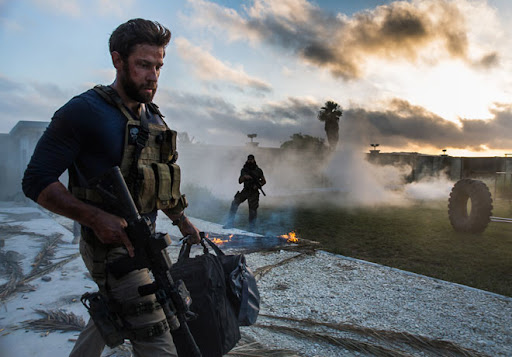
Che, 10 de los del Convoy Global Sumud Land, más conocidos como los de la flotilla fripalestain de Greta, llevan presos desde el 24 de mayo en Bengasi, localidad libia famosa por su apego a los ddhh.
No hay escándalo en los medios, me pregunto por qué será😎🤪
35
213
484
6,673
Mariano Narodowski retweeted

Jun 10
“DICEN QUE EL FÚTBOL LE DEBÍA UN MUNDIAL A MESSI. ¿QUÉ SABEN CUÁNTOS LE DEBÍA? ¿Y SI LE DEBÍA DOS?”.
Ufff, el spot de TyC Sports. 🥹🇦🇷
415
7,555
61,962
2,428,336
Mariano Narodowski retweeted

Gastón Valdez fue a dar música
Separó una pelea y sin querer Movió un banco del cual se Cayó un celular.
El alumno dueño del celular de la bronca le rompió a trompadas!😳
Mandíbula.
Pómulo.
Cráneo.
El docente entro en Operación de urgencia y después que salió de esa cirugía avisaron que necesita una segunda cirugía.
¿La respuesta del colegio?
10 días de suspensión.
"La educación se construye con respeto. ¡Gastón, estamos con vos!"
Un Lindo comunicado con Poca acción.
Mientras tanto, mil personas salieron a la calle en Tandil.
Paro docente.
Marcha.
Petitorio.
Pidieron equipos,
protocolos,
respuestas reales.
La Justicia investiga en el fuero penal juvenil.
Sin condena a la vista.
Sin expulsión confirmada.
Un alumno destruyó la cara de un docente y el sistema sigue analizando "los pasos a seguir".🤔😳
¿Cuántos Gastón más necesitamos? 😳🇦🇷
164
1,802
5,779
142,005
Mariano Narodowski retweeted

#PROSPECTIVA | En un momento histórico marcado por la incertidumbre y la aceleración, el arte de la conjetura es una manera de no perderse en lo que vendrá.
Edición completa: revistasupernova.com/numero/…
4
8
1,502
Mariano Narodowski retweeted
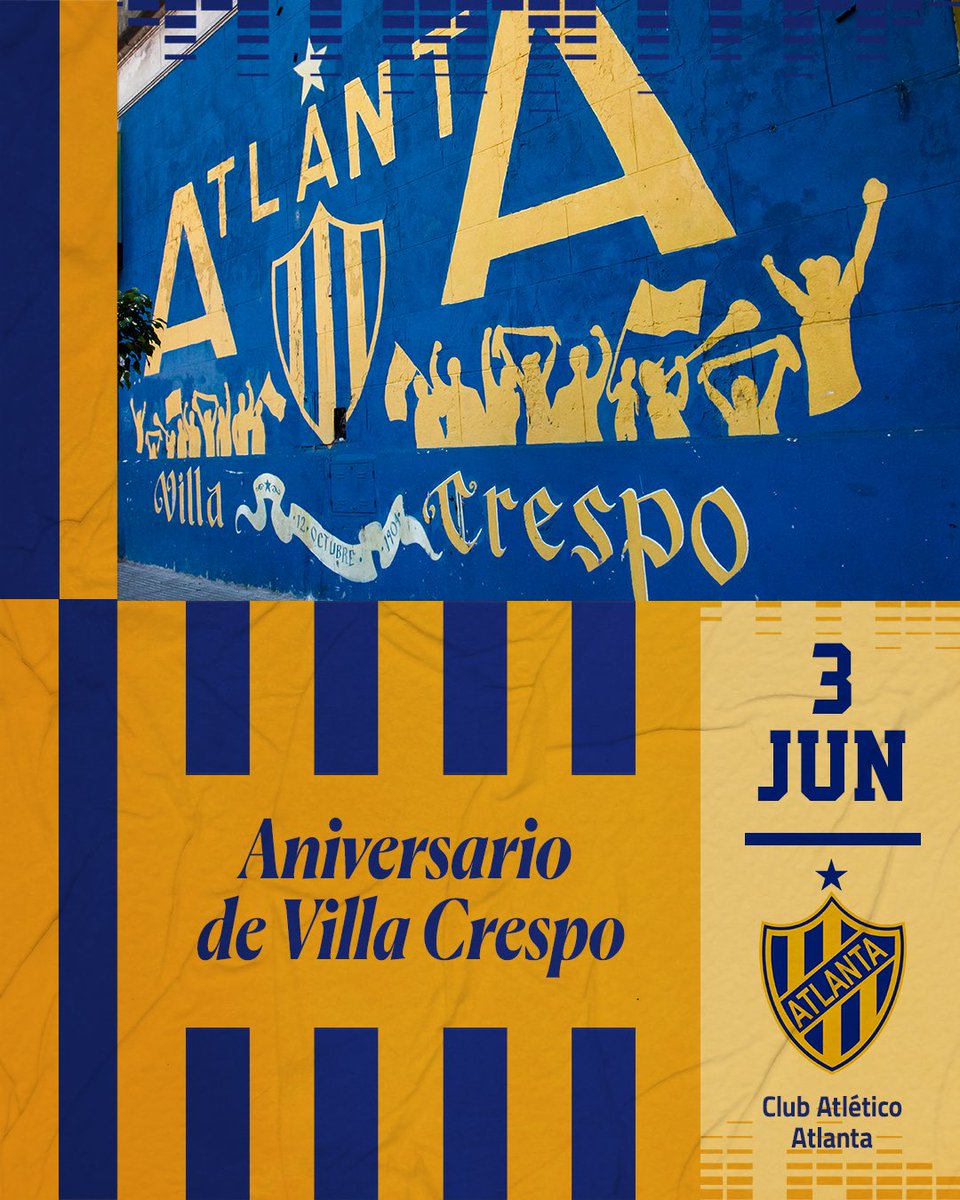
Hoy celebramos un nuevo aniversario de Villa Crespo 🎉
¡Felices 138 años para nuestro barrio!
#SomosAtlanta 🟡🔵
2
20
111
1,858
Mariano Narodowski retweeted
El 68,2% de los docentes de secundario del AMBA están en desacuerdo con el cambio de régimen académico.
Ese y otros muy buenos datos en el trabajo de @odsauca sobre la percepción de los profes respecto de la secundaria y sus recientes reformas.
wadmin.uca.edu.ar/public/cke…
6
11
44
2,146