Archaeologist, Prehistorian | All things animal - ancient and modern | Active in N Europe & the Middle East | Assistant Professor @LeidenArchaeo #WomeninSTEM

Joined September 2019
346 Photos and videos
Nathalie Brusgaard / @brusgaard@archaeo.social retweeted
First week as a 27 y/o and first time ever submitting an application for a PhD position 🎓 It’s been hectic, people! But, I got there in the end thanks to the best prospective supervisors @ARCHAEOfelix @natbrusgaard Now, we wait 😬🤞🏻

ALT Panic Oh No GIF

2
1
12
603
Nathalie Brusgaard / @brusgaard@archaeo.social retweeted
I have no way to get in touch with Keanu Reeves I invite him to have a frank conversation with me about archaeology I believe that after a chat, where I answer his questions & show him how archaeology works, I could convince him real archaeology is better than this fake stuff
Hugely grateful to Keanu Reeves. To stand by me in so public a way risks the hatred of archaeologist zealots who believe that only they have the right to interpret the past and who leverage the media to vilify alternative voices. Season 2 launches 16 Oct. deadline.com/2024/09/ancient…
73
192
1,329
138,447
It was so lovely to visit this wonderful excavation last week 🤩
1
11
583
Nathalie Brusgaard / @brusgaard@archaeo.social retweeted
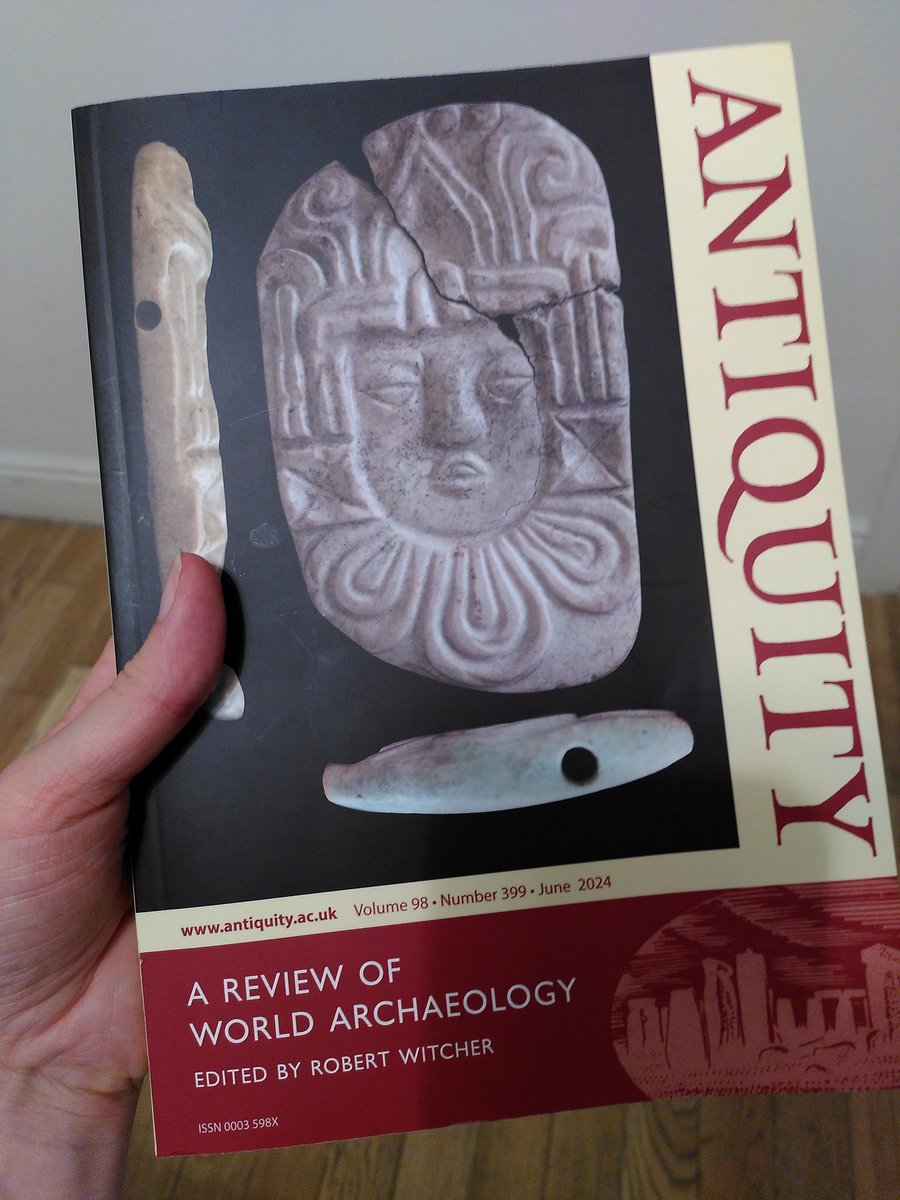
It was great to meet Antiquity author Nathalie Brusgaard in person at #EAA2024! Check out her article on early animal management at 4240–4050 BC Swifterbant 🆓 doi.org/10.15184/aqy.2024.58
#EAA2024 was a blast. I was also very happy to leave with a copy of the June Antiquity issue our article was published in thanks to @AntiquityJ! Always nice to see your article in print 😁
3
7
2,496
#EAA2024 was a blast. I was also very happy to leave with a copy of the June Antiquity issue our article was published in thanks to @AntiquityJ! Always nice to see your article in print 😁
1
19
2,967
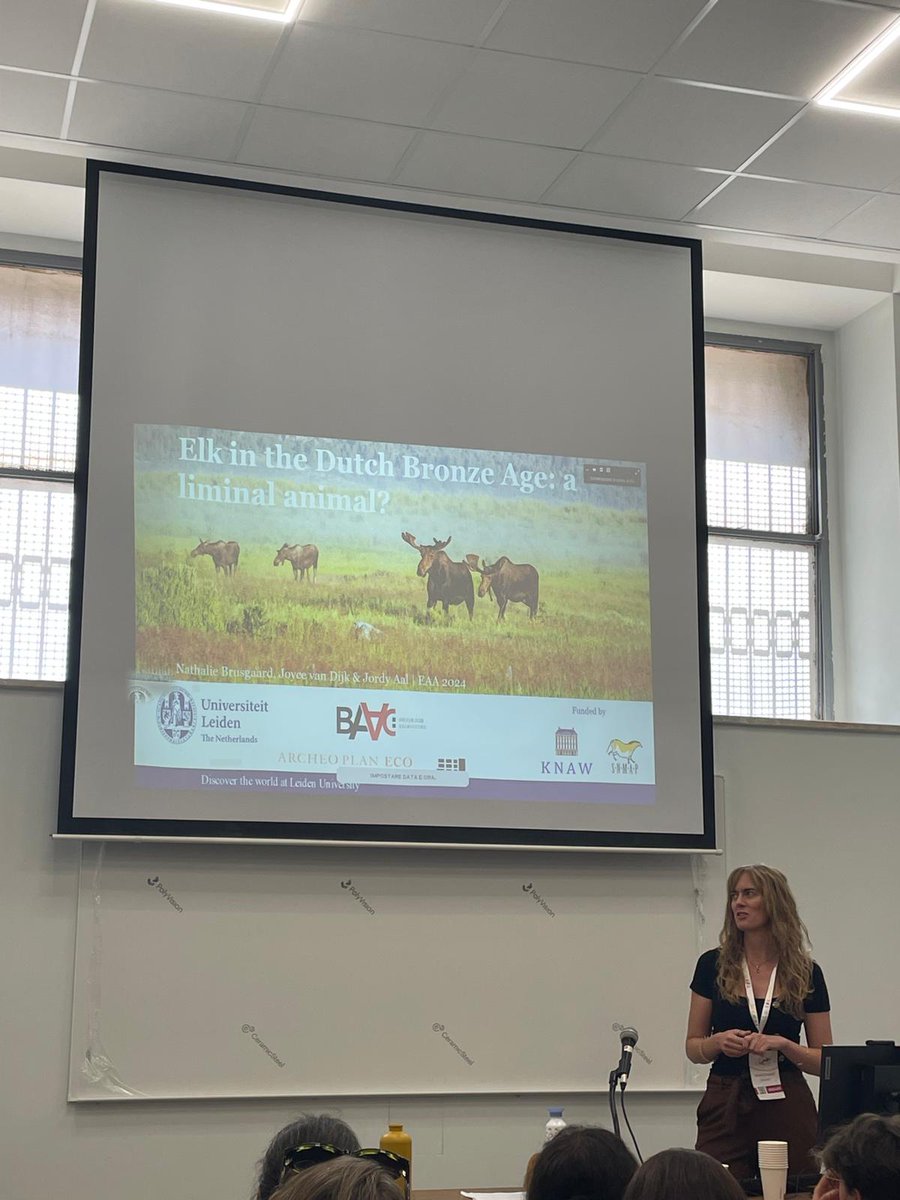
It was a lot of fun presenting our elk project at #EAA2024 at the Bronze Age animal session organised by @ANSOC_ERC. Such a great session too, I left feeling very inspired! @JoycevanDijk5, Jordy Aal and I will be back with more results soon I hope!
3
36
1,956
Lovely @EAAPaM social at #EAA2024 last night. I love the yearly moment of catching up with my fellow Stone Age archaeologists. And I'm glad I'm welcome even though I mostly do Neolithic 🤫 (not my fault, we don't have many Mesolithic bones in Holland!)
14
926
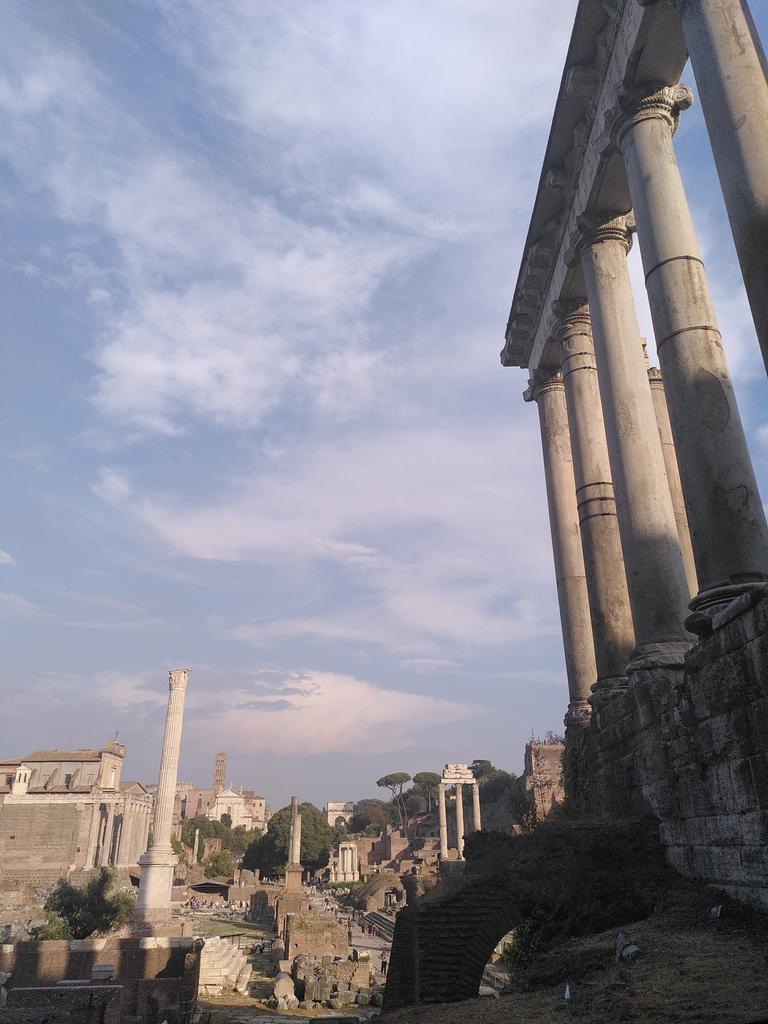
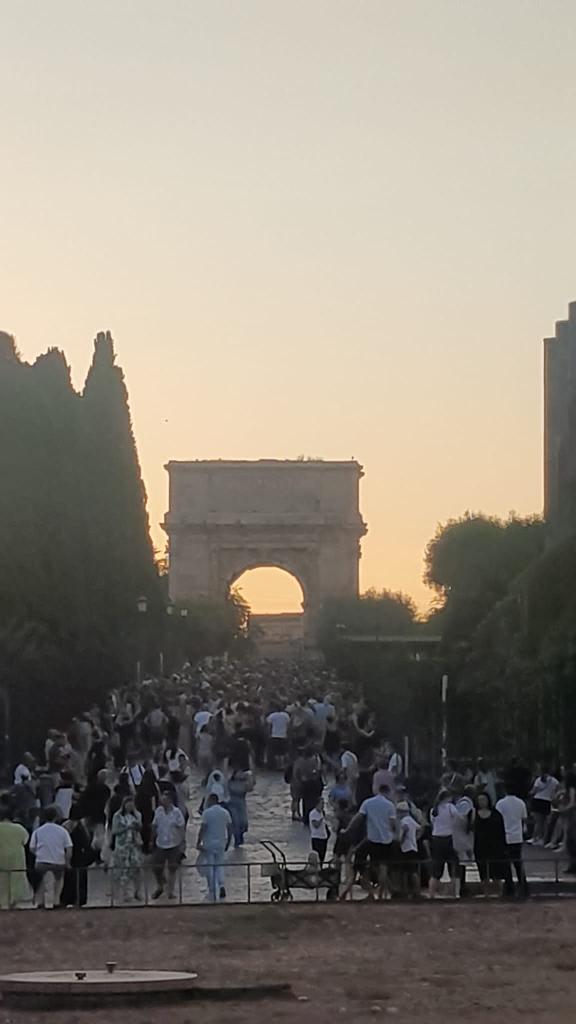
#EAA2024 off to a great start yesterday with a visit to the amazing Roman forum with @Cetoarchaeology followed by the welcome reception there. Though I think the organisers underestimated how many archaeologists would want to have a drink in this spectacular location 😂
3
381
Haven't been very active on here (Twitter isn't what it used to be...) but I'm getting connected again for @archaeologyEAA conference Rome! Looking forward to hopefully seeing many of you this week?! 🤩
12
512
Nathalie Brusgaard / @brusgaard@archaeo.social retweeted
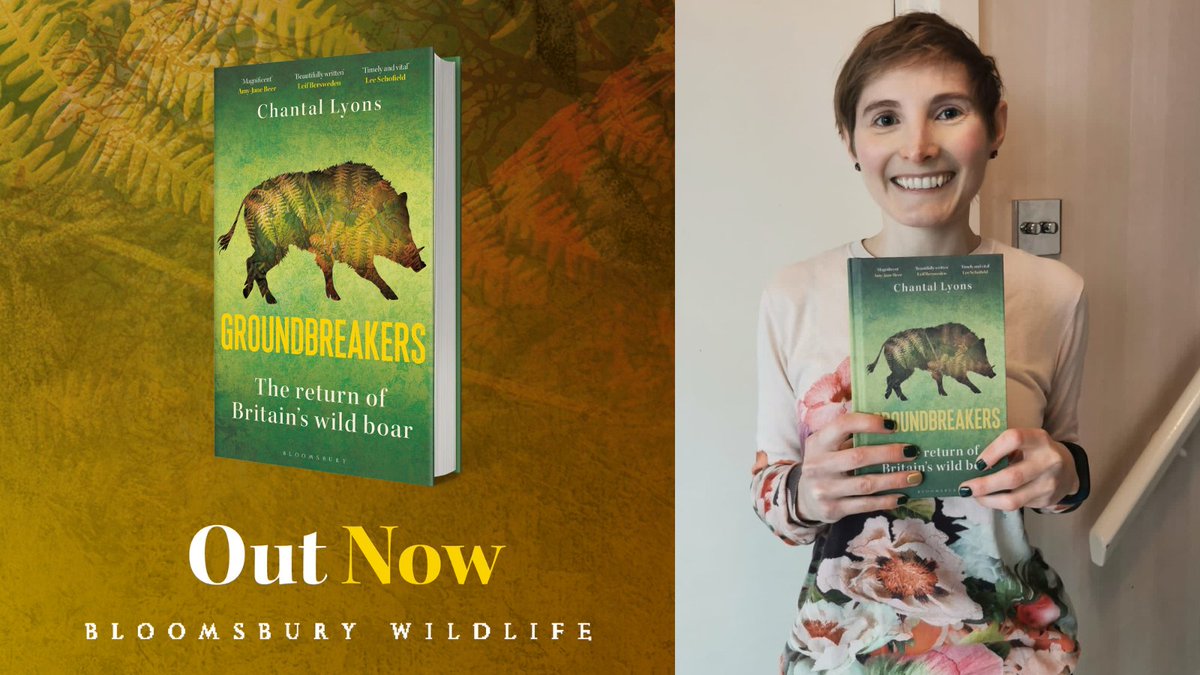
The moment I’ve dreamed of for years is here: my first-ever book is out with @BloomsburyBooks today. What does the return of #WildBoar to the UK mean for our landscapes, our other wildlife, and us – and how do the boar live their lives? All is revealed in GROUNDBREAKERS. 🧵
40
69
381
38,196
Nathalie Brusgaard / @brusgaard@archaeo.social retweeted
NEW Archaeologists discover evidence for the earliest cattle herds in northern Europe in the Netherlands, pushing dates for livestock husbandry in northern Europe back by 200 years. An #AntiquityThread 1/11 🧵
1
8
22
2,099
De eerste runderkuddes in noord Europa 🐄 Ons onderzoek over vroege veeteelt in Nederland is uit. Het laat zien hoe complex veeteelt was al 6000 jaar geleden en dat er in Nederland een ander pad naar het boerenbestaan werd bewandeld. nrc.nl/nieuws/2024/06/03/bij… @nrc @nrcwetenschap
1
3
4
595
Zie mijn post voor een draadje over ons onderzoek (in het Engels) en het wetenschappelijk artikel voor meer details (open access!) x.com/natbrusgaard/status/17… cambridge.org/core/journals/…
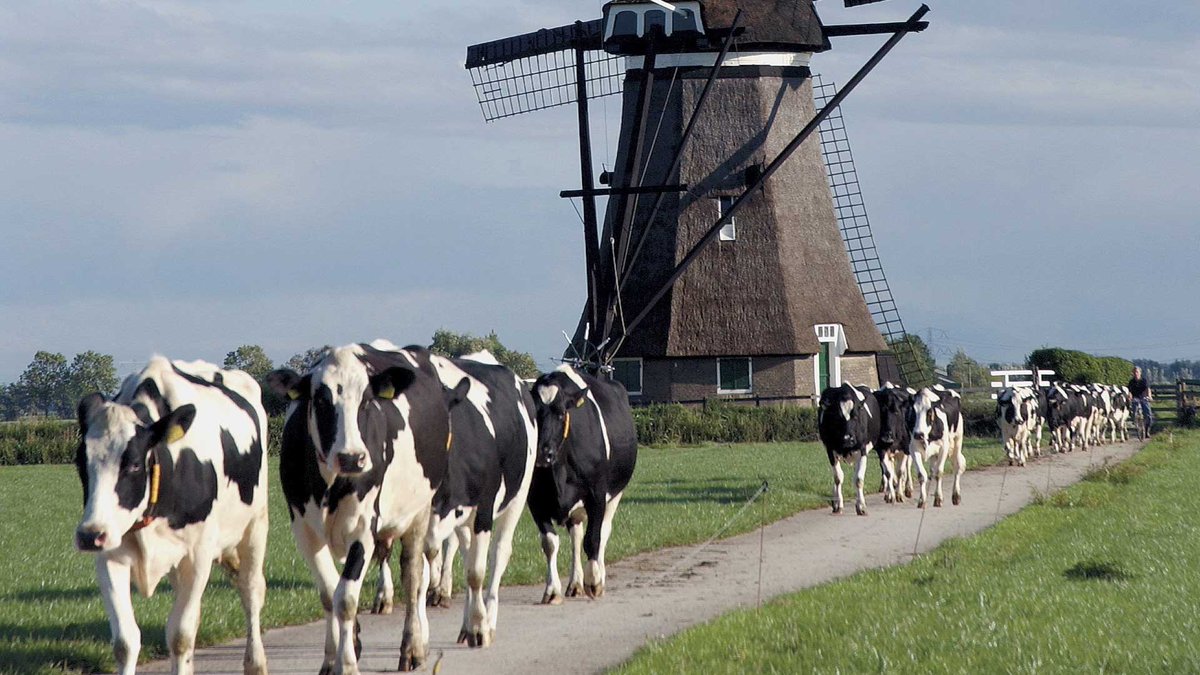
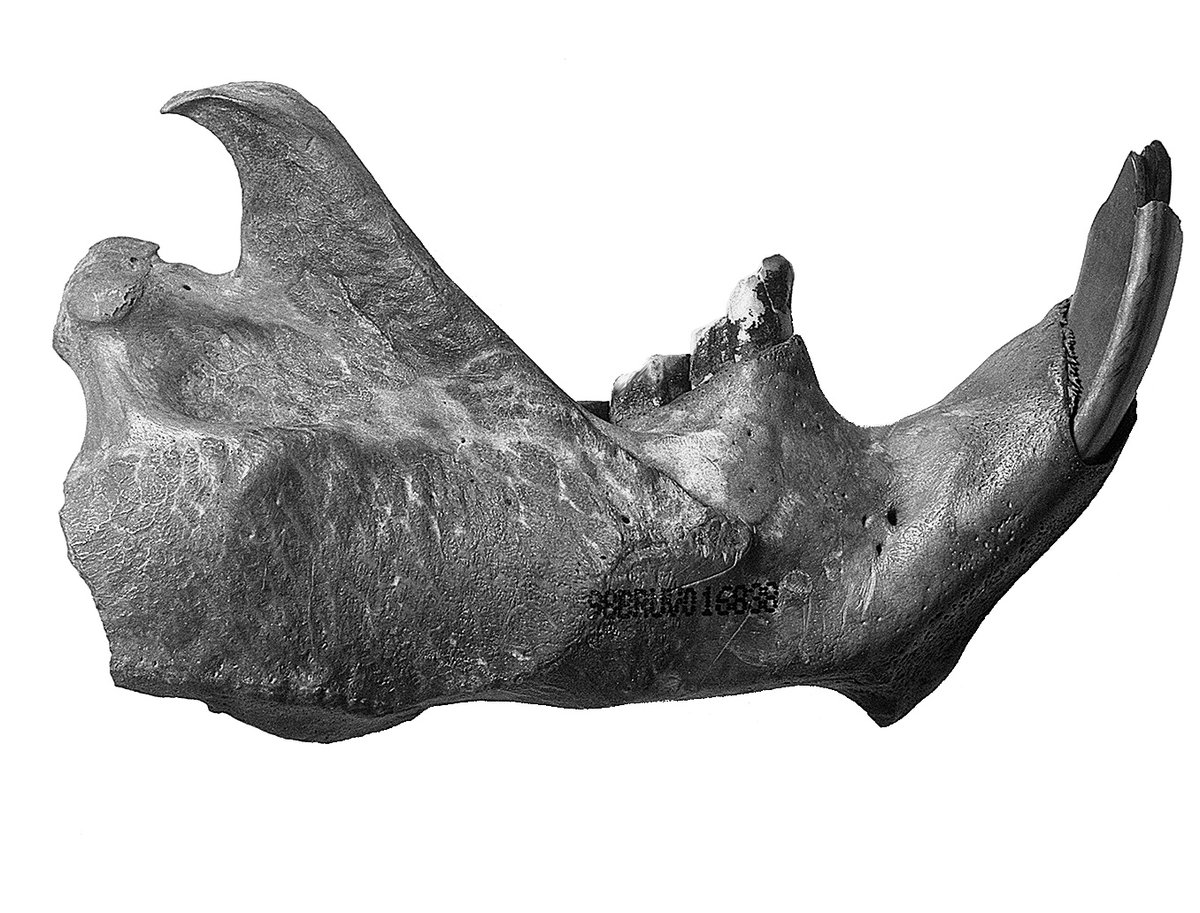
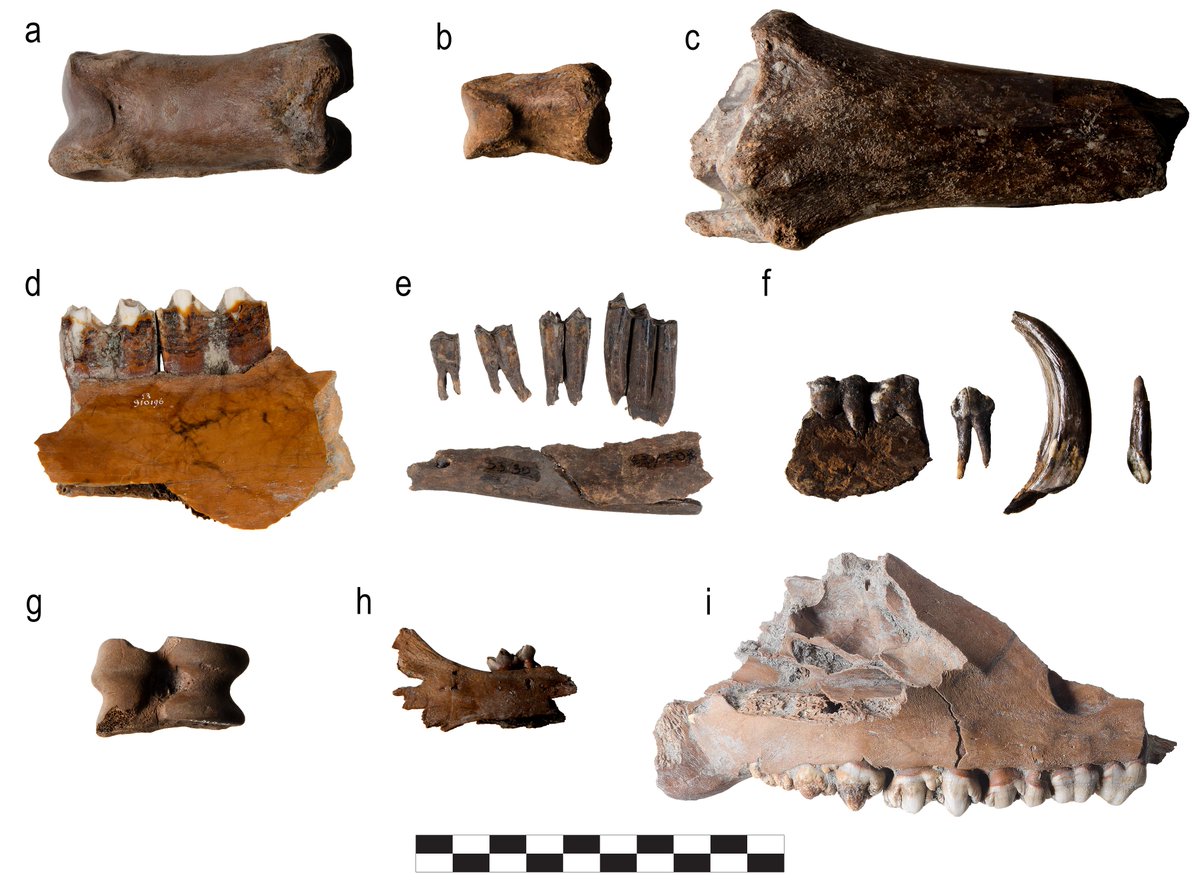
New evidence for early cattle herding in N Europe 🐄Our research is out in @AntiquityJ A 🧵on what we discovered about hunter-gatherers, farmers and cows. Spoiler: we found 2 different herds of cattle! 1/ @FacultyofArtsUG @UniLeidenNews @NWONieuws cambridge.org/core/journals/…
157
No if we're talking about wild animals. But yes if we're talking about cattle! From this point on cattle play a very specific role in Dutch (pre)history - they are managed carefully, exchanged, and become more and more important. So..hunter-gatherer-farmer-cattle herders?😁 12/
1
3
183
Check out our article for all the details! And stay tuned because we've got more work on the cattle coming out (strontium!). And make sure also to take a look at all the cool research that's been done by the rest of the EDAN project @merimurica @ErvenJolijn @ZooArchGIA. 13/13
8
390
So...hunter-gatherer-farmers? It's a term that's been used for the Swifterbant culture before and it's pretty fitting. What's most interesting about our results I think is the new insights into human-animal relationships. Had these relationships changed? 11/
1
1
181
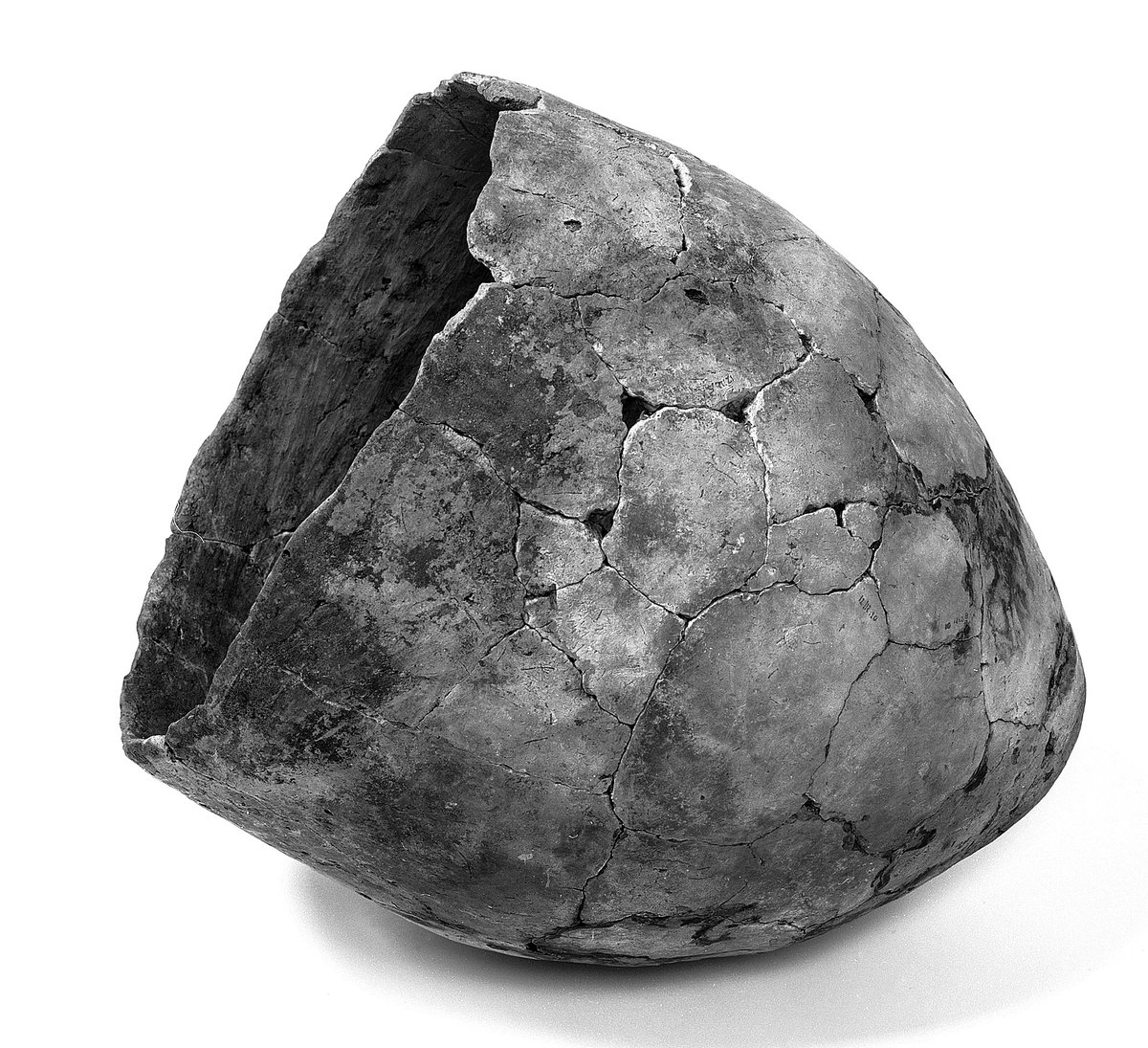
In the Netherlands, hunter-gatherers of the Swifterbant culture start using pottery around 5000 BC and carry out crop agriculture around 4200 BC. But they also hunt, fish, and gather wild resources, and migrate seasonally 🐟🐗🌰 4/
1
3
210
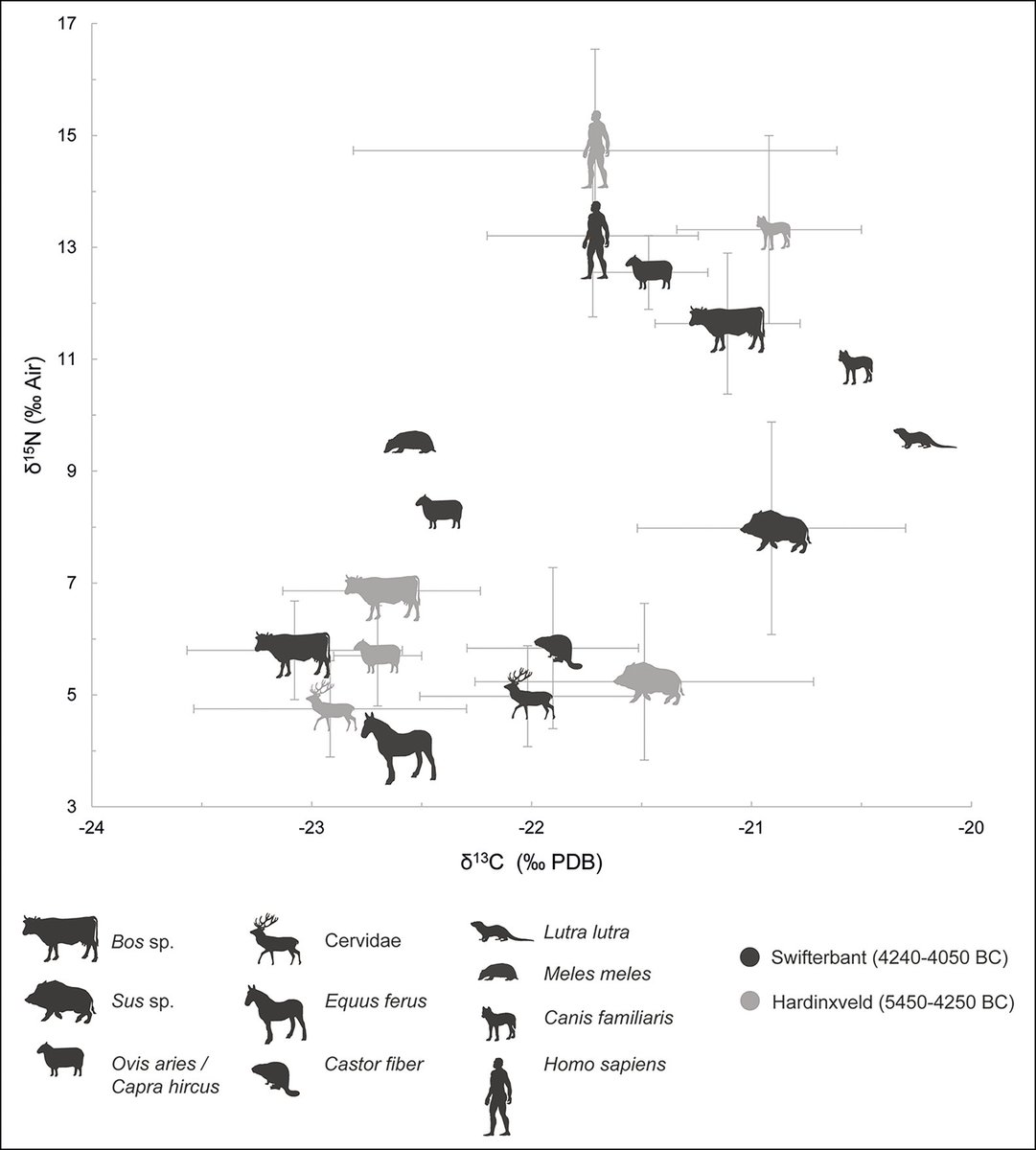
While these people kept cattle, pigs, and sheep - and managed them intensively - and they had crops, their subsistence consisted for a large part of hunted and gathered wild resources, like beavers🦫, wild boar 🐗, and hazelnuts. They made full use of the wetland landscape 10/
1
1
3
261
The cattle were domestic and smaller than the cattle from Early Neolithic Linearbandkeramik sites. We also found small domestic pigs that had probably lived on the settlements, foraging on human refuse 🐖 9/
1
4
169
So as early as 4240 BC, people of the Swifterbant culture were keeping cattle and sheep and managing them in different ways. Perhaps they brought some of the animals from elsewhere or pastured them in different places. Talk about complex livestock husbandry! 8/
1
5
184
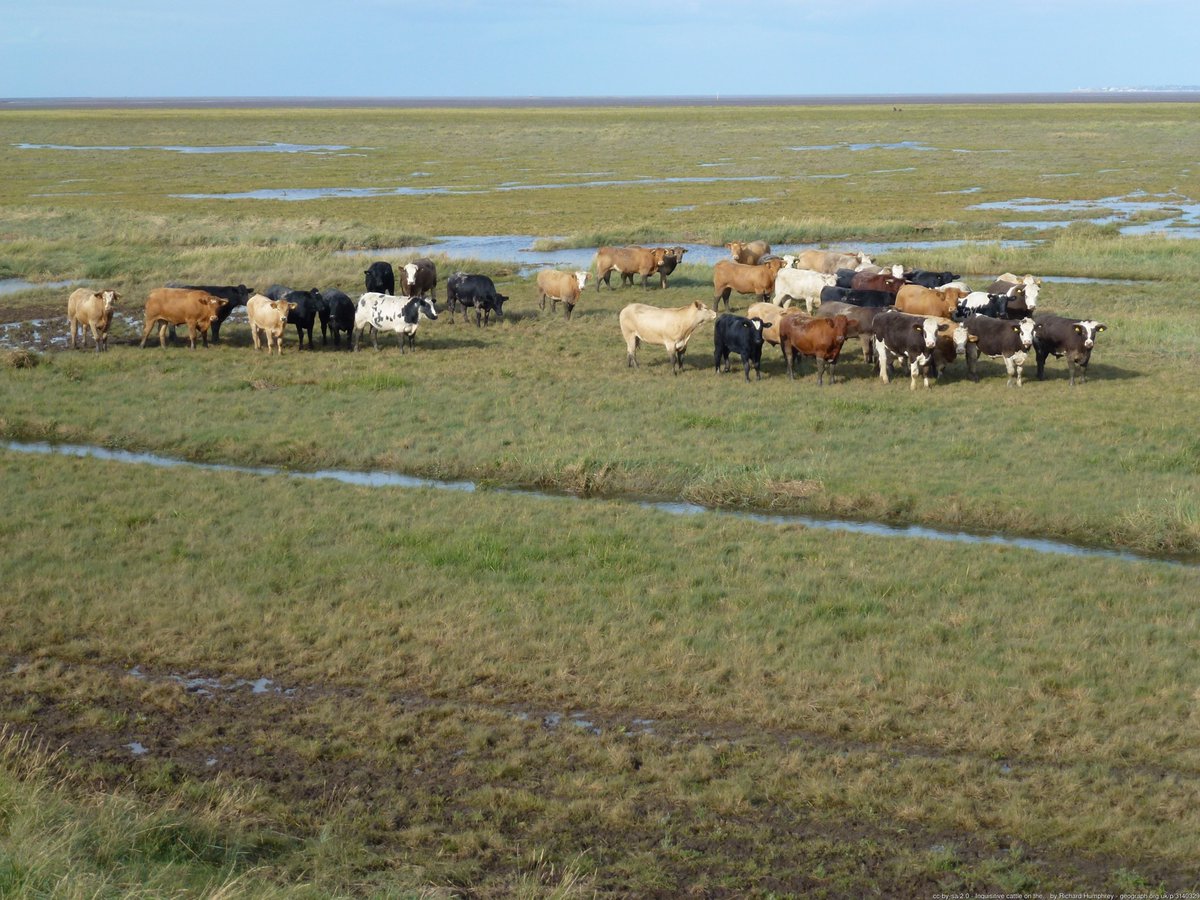
Our biggest discovery? These people weren't just keeping cattle, they had TWO completely different herds of cattle 🐄🐄The isotopes of the cattle (and sheep!) showed that one herd had lived in the forest 🌲 while the other grazed either on salt marshes or on manured fields 💩 7/
1
8
332