
Associate Fellow @chathamhouse. Recovering public servant. #actuallyautistic ally/mom. Personal account. RTs not endorsements. She/her.
Joined November 2011
- Tweets 24,815
- Following 1,687
- Followers 10,905
- Likes 16,373
181 Photos and videos







Pinned Tweet

24 Mar 2022
Seismic shift in how membership in the international economic order is construed.
24 Mar 2022

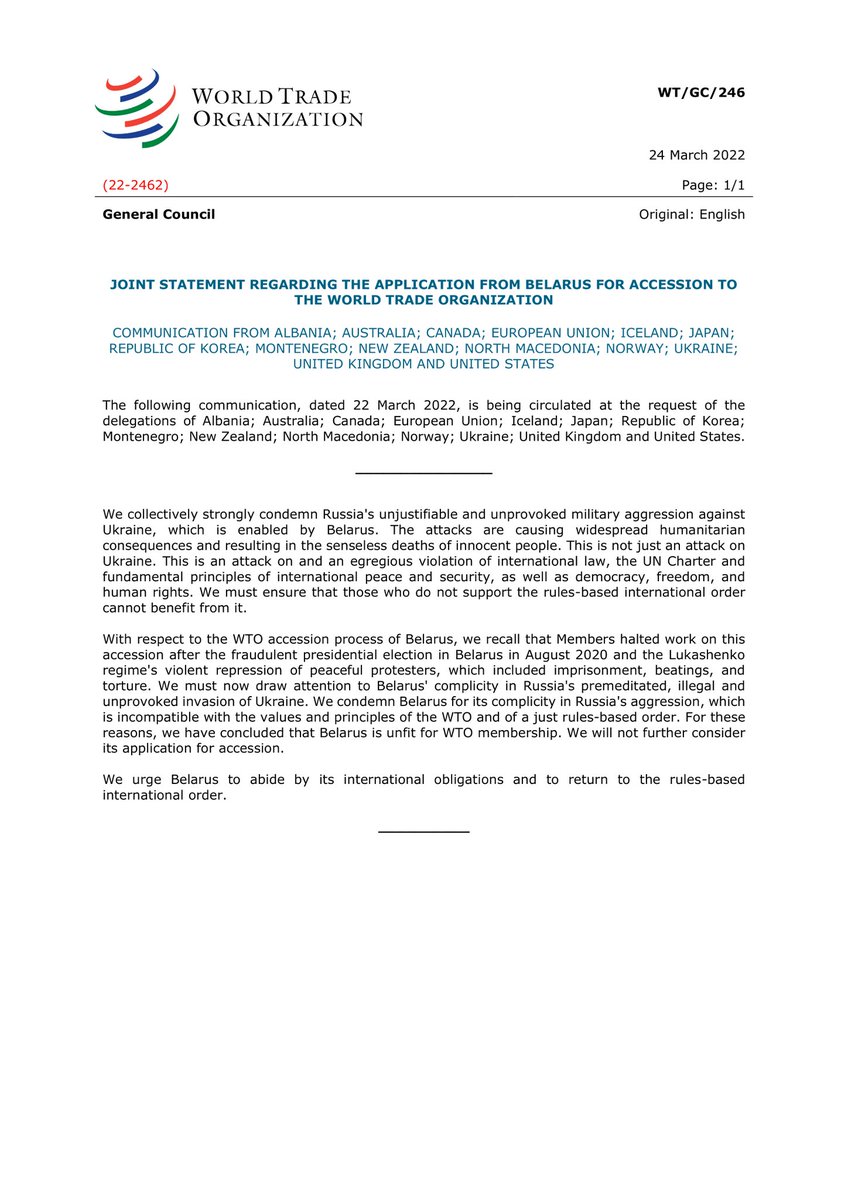
A group of 40 @wto Members have now condemned Belarus for its complicity in Russia's aggression.
Those who do not support the rules-based international order cannot benefit from it.
We will not further consider
its application for WTO accession.
Read our statement here 👇🏼
3
6
17
Devastated to learn this. Brian was such a lovely person. Condolences to his family and Stimson colleagues.
Jun 4

Very sad day here at Stimson as we say goodbye to Brian Finlay, our CEO.
I will be forever greatful to Brian for welcoming me to Stimson; for his cheerful, never defeated personality; and for his genuine belief in work that improves the world. RIP.
stimson.org/2026/stimson-rem…
1
5
887
Heather Hurlburt retweeted

May 22
SCOOP: Trump’s election-security czar Kurt Olsen sought to ban voting machines used in more than half of U.S. states by asking whether the Commerce Department could declare their components national-security risks
55
666
1,399
427,443
It’s almost like maybe petty feuding is a human characteristic, not gendered.
May 2

One thing that's struck me from observing hyper-competitive, male-dominated fields like the Army is that grown adult men can often act like teenage girls with their petty feuds and gossip. It really explains a lot of the absolute chaos in the Pentagon right now.
2
3
12
2,746
Heather Hurlburt retweeted

Apr 24
Efforts to revive local chip manufacturing have been left in limbo by Donald Trump’s sudden upending of US semiconductor policy over the past year.
Incredible reporting, by @MActon93
ft.com/content/4ed3ab7a-94eb…
5
13
1,087
Heather Hurlburt retweeted

Apr 20
For anyone wondering whether the fossil fuel crisis in the Middle East is driving interest in clean energy technologies:
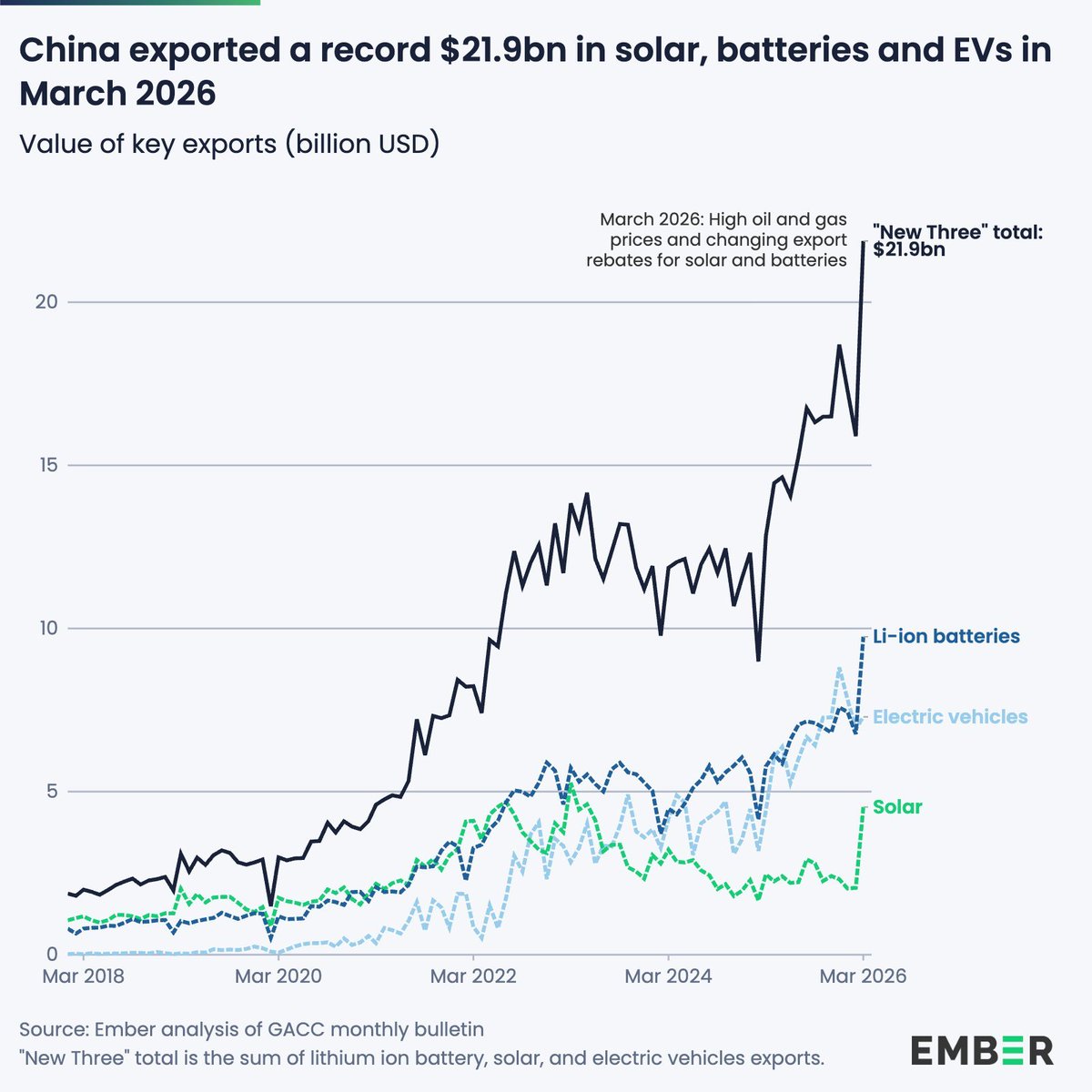
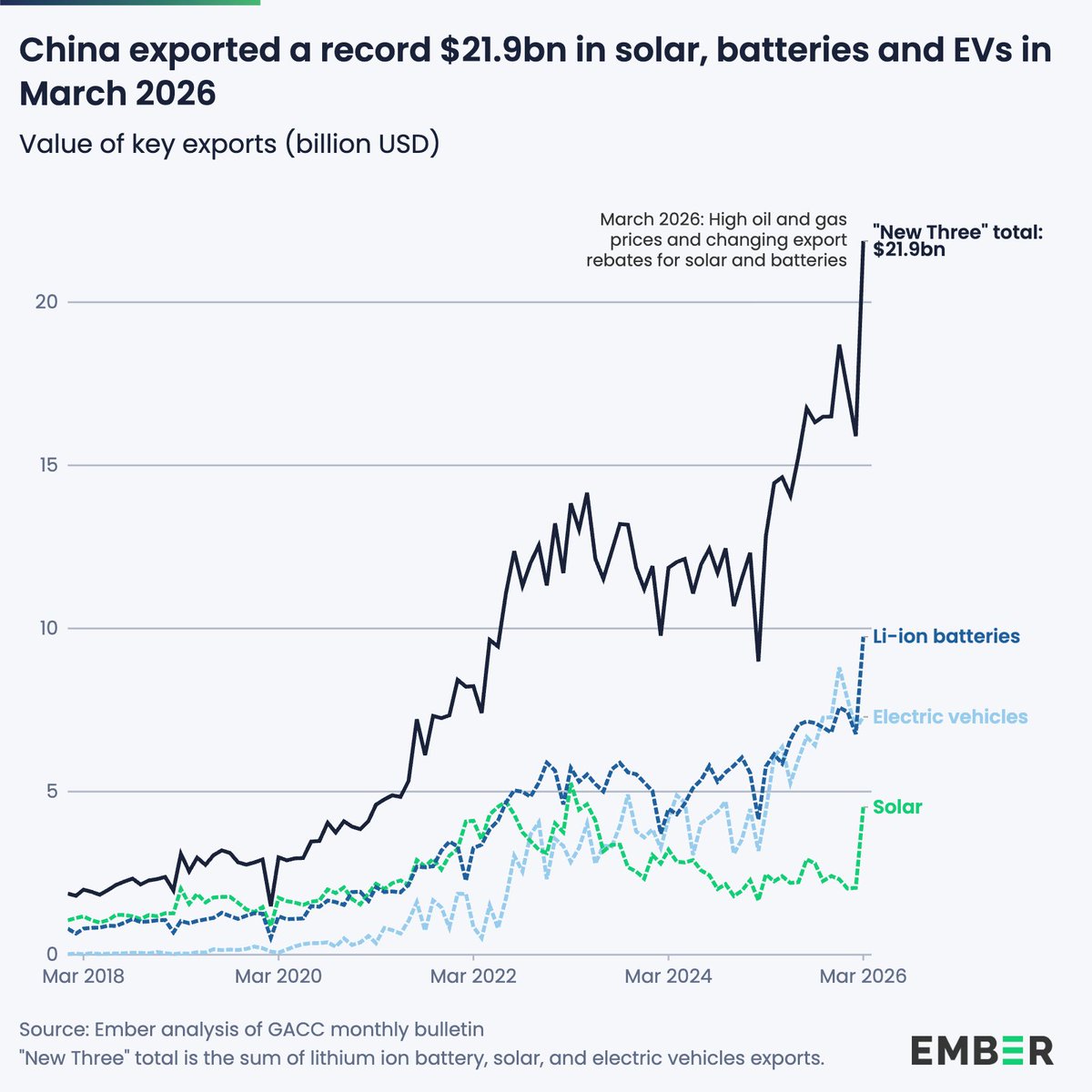
China's exports of batteries, EVs and solar products shot up in March to $21.9 billion!
This is an all-time record and a 70% increase over March 2025.
Apr 20

NEW | Record exports of solar, batteries and EVs last month 📈
China’s exports for the ‘new three’ industries reached a record high of $21.9bn in March 2026, up 70% year-on-year, in the wake of the US-Israel war with Iran and changing export rebates for solar and batteries.
19
421
1,219
148,241
RT @hahellyer: Colleagues: I want to flag a fairly sophisticated phishing / impersonation attempt that may be of relevance to others in aca…
35
“Energy dominance”

NEW US electricity data ⚡️
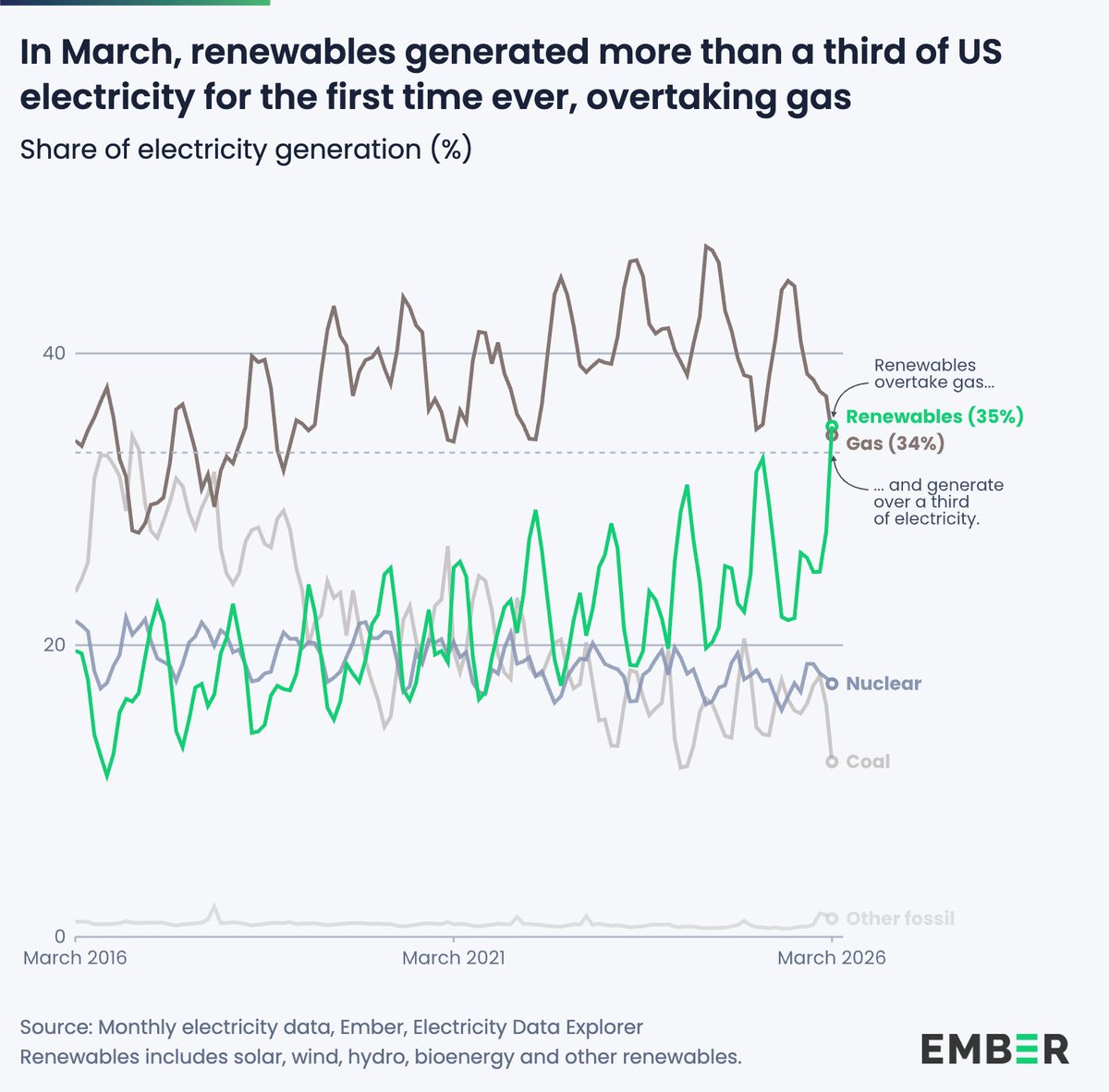
In March, renewables produced more than a third of US electricity for the first time ever, even overtaking gas generation!
Wind and solar combined reached over a quarter (26%) for the first time.
464
Heather Hurlburt retweeted

Apr 7
“I think that Dan Caine is at a moral crossroads,” said retired Army Gen. Stan McChrystal, who led U.S. troops in Afghanistan.
“The chairman’s unique role and responsibility put him in the room where key decisions are made,” McChrystal said. “He must speak truth to power in a way that can run counter to being viewed as a good team player”
wsj.com/livecoverage/iran-wa… @laraseligman @mgordonwsj
170
452
1,446
297,517
This is not how I read the motivations of the leakers here, Tommy.
Apr 7

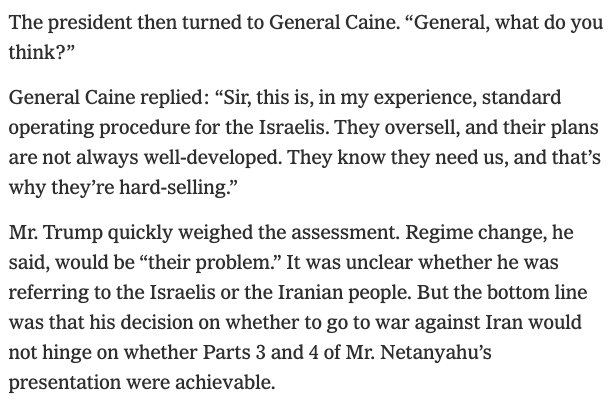
Pretty shocking that people are leaking DIRECT QUOTES to @maggieNYT and @jonathanvswan about the most sensitive situation room meeting imaginable as the war is still happening...but Trump and Netanyahu's teams are full of irresponsible assholes, so here we are.
1
2
435
Reading those quotes together with these…
x.com/john_hudson/status/204…
Apr 7

New: Pete Hegseth's triumphant portrayal of the conflict in Iran has alarmed U.S. officials who are concerned the statistics he often promotes are misinforming both the public and the president 🧵
1
202
Heather Hurlburt retweeted

Apr 7
Pretty shocking that people are leaking DIRECT QUOTES to @maggieNYT and @jonathanvswan about the most sensitive situation room meeting imaginable as the war is still happening...but Trump and Netanyahu's teams are full of irresponsible assholes, so here we are.
31
398
1,591
111,334
Heather Hurlburt retweeted

Mar 30
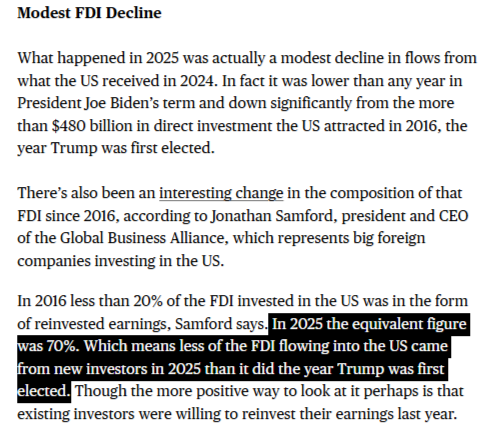
As we approach the 1-year anniversary of "Liberation Day" this week, @sdonnan reports that new foreign investment in the US was actually down significantly last year:
14
112
287
22,985
Heather Hurlburt retweeted

Mar 3
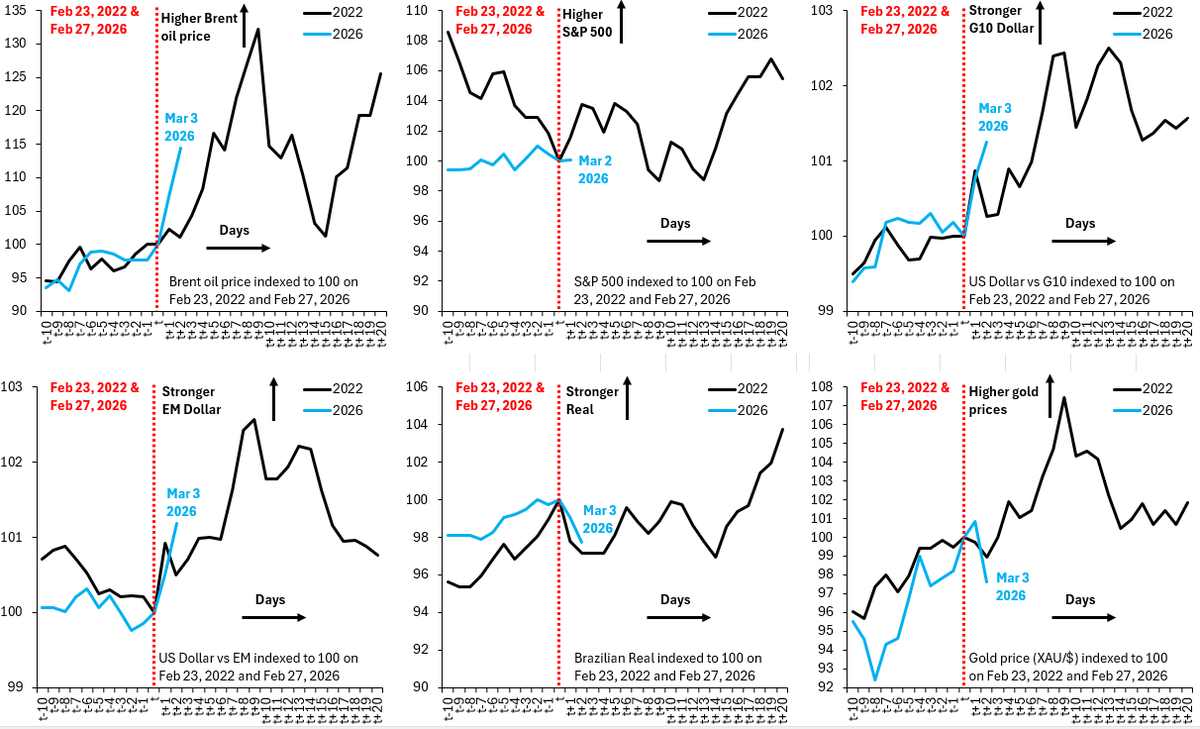
The Brent oil price is now up a stunning 14% from Friday and we're starting to see disorderly strengthening in the Dollar as the global risk-off builds. Even gold is down versus the Dollar at this point. This is a very big shock for global markets...
robinjbrooks.substack.com/p/…
16
85
279
40,443
Heather Hurlburt retweeted

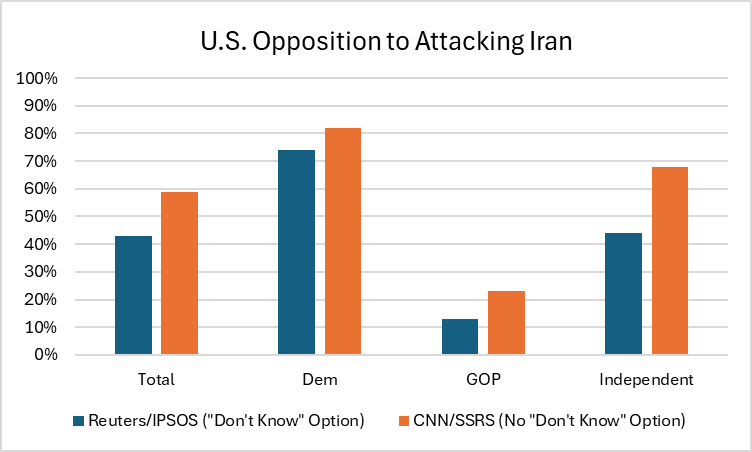
Comparing the Reuters & CNN polls (both fielded Feb. 28-March 1):
- Solid opposition among Dem audience
- Ind. oppose by almost 70% if pushed to respond (otherwise <50% oppose)
- If pushed, GOP audience breaks 2-to-1 to support; otherwise only a bare majority (55%) supports
1
1
1
404
Heather Hurlburt retweeted

Trump's statement makes clear that he has launched a regime change war in Iran, but also that he expects Iranians to do the work on the ground to actually achieve that outcome. That's a different kind of gamble than Iraq 2003 or Venezuela 2026, but very high stakes nonethless.
11
55
133
57,447
No AI expert but this tracks topics I do know (trade, war powers)
“democratic machinery for deciding who is right has rusted…Generals and CEOs end up making judgments that belong to the public, not bc they seized that authority, but bc nobody else showed up to claim it.”
Feb 27

One of the deepest fears about AI is that it concentrates power so dramatically that it enables a new kind of dictatorship, whether by a government that wields it or a company that controls it.
The current confrontation between the Department of War and Anthropic brings both fears to life at once.
Anthropic has genuine, well-founded concerns that its technology could be used in ways that are deeply problematic and that exist in a legal gray area. No serious person should want AI companies handing over their most powerful capabilities to the military without any thought as to whether they are ready to be used in life-or-death situations. We know what happens when the government gets unchecked access to powerful new technology and decides the rules don't apply.
But the government’s concerns are critical, too. I wrote last month about how Anthropic has behaved at times like an “enlightened absolutist” and the current flashpoint underlines this point. Under normal circumstances, a private company should be free to take or leave contracts from the federal government. That's how markets work, and no one thinks twice when a consulting firm turns down a Pentagon engagement. But AI is not a normal technology.
The decisions Anthropic is making about what the military can and cannot do with its models are not ordinary business decisions. They are, functionally, determinations about the future of American national security made by a private company whose leadership answers to no electorate.
When the technology is this profound, corporate discretion starts to look less like market freedom and more like an unaccountable veto over sovereign functions. That should trouble anyone who cares about democratic governance, regardless of whether Anthropic's specific judgments are correct.
Both concerns are legitimate, and there is no clean principle that resolves the tension. "The government is always right" is a road to tyranny. "The company is always right" is a road to corporate oligarchy. The answer depends on the specific circumstances of specific cases, which means someone has to evaluate those circumstances with both technical competence and democratic legitimacy.
Historically that someone has been Congress and the courts. The reason this feels like a crisis is not that the problem is unprecedented but that the institutions designed for exactly this kind of problem are operating so poorly that nobody trusts them to do it. Congress has demonstrated almost no capacity to regulate technology intelligently. Courts move too slowly for a technology evolving this fast. So the vacuum fills with direct confrontation between executive power and corporate power, with no democratic input and no neutral adjudication.
That is the real danger. Not that Anthropic is wrong or that DoW is wrong, but that the democratic machinery for deciding who is right has rusted to the point where the question defaults to whoever has more leverage in a given moment. Generals and CEOs end up making judgments that belong to the public, not because they seized that authority, but because nobody else showed up to claim it.
I hope that in the coming months the American system will do what it still does well—bring messy issues to the fore, galvanize public interest, marshal new information, and find the right compromise to this particular flashpoint, which sounds based on Sam Altman’s comments today like it may already be starting.
But we also need to be thinking much more expansively about how we can use AI to transform our ability to bring democratic input and independent expertise to bear on deciding who can do what with this technology and how, before it's too late.
1
395
Heather Hurlburt retweeted

Feb 25
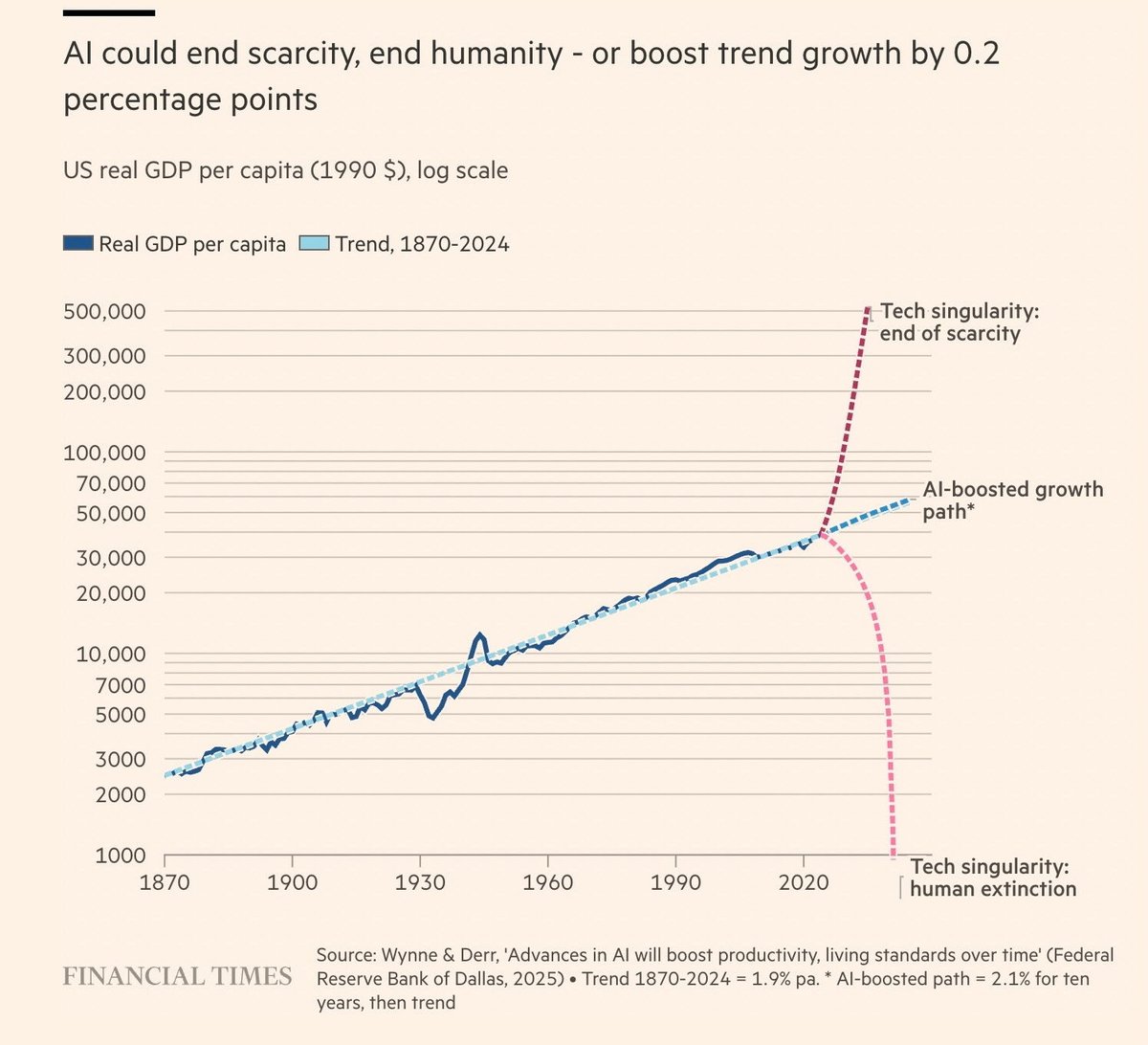
One of the greatest charts I have ever seen
186
1,131
12,612
1,018,211
Heather Hurlburt retweeted

Feb 22
From my @ChathamHouse take on the fall-out from the SCOTUS decision:
“With details on scope, applicability and implementation of additional actions still unclear, US trade partners around the world will scramble in the coming days to determine the potential impact on their respective deals or framework agreements reached with Washington. Uncertainty will continue to be the name of the game”: chathamhouse.org/2026/02/us-…
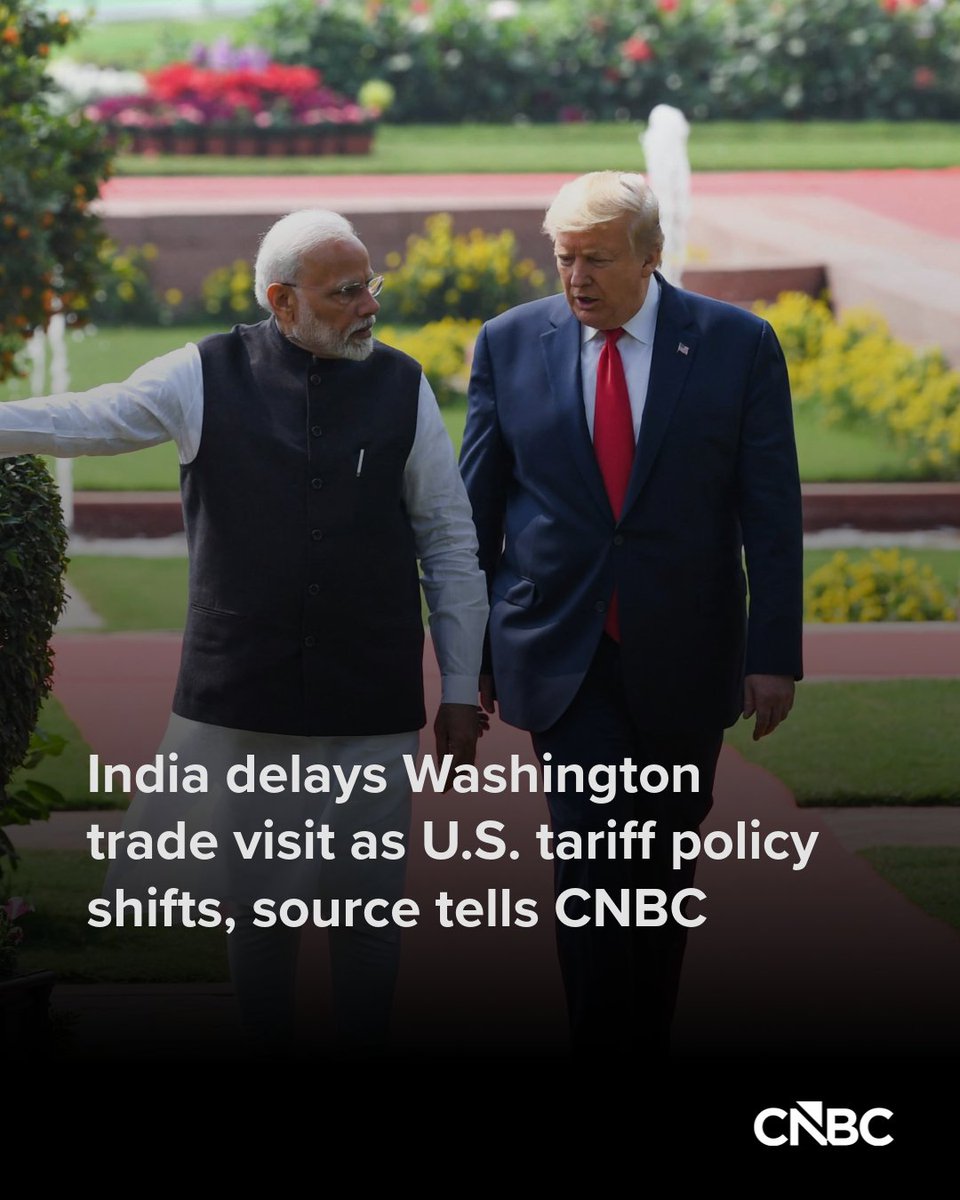
@CNBCi with the latest on 🇮🇳🇺🇸👇
Feb 22

➡️Indian and U.S. trade negotiators had been due to hold talks in Washington, D.C., this week.
➡️The “meeting will be rescheduled at a mutually convenient date,” a person familiar with the matter tells CNBC.
➡️U.S. President Donald Trump increased some of the U.S.’s global import levies after the Supreme Court struck down his tariffs implemented under a separate act.
🔗For more, please click here: cnb.cx/4rwpBRS
3
3
976
Speaking of energy, trade and national security…
Feb 21

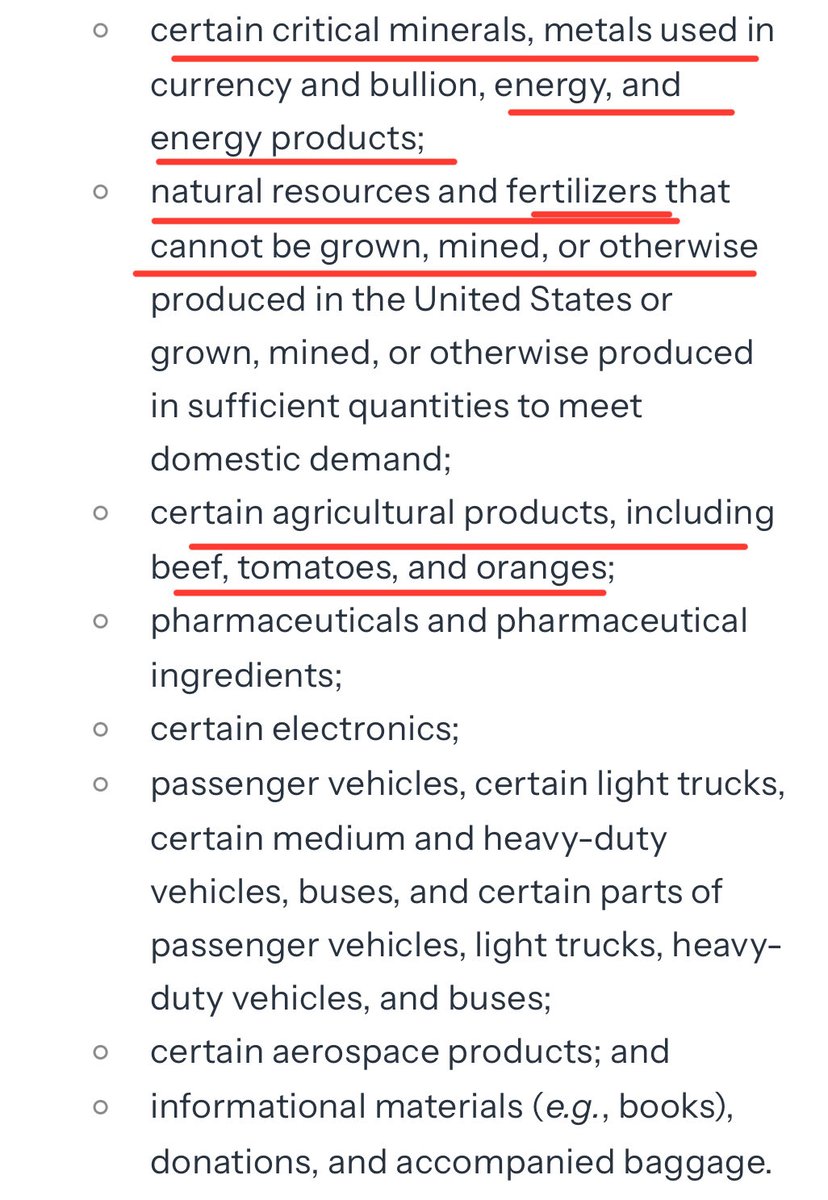
In case there was any doubt, the new tariffs President Trump announced yesterday exclude oil / petroleum refined products (plus several other commodities and foodstuffs). Beef is specifically singled out.
1
1
290
Feb 21

The Trump administration’s energy dominance goals go far beyond making the United States a hydrocarbon hyperpower.
Read @natsecHeather's (@CH_Americas) latest analysis for Chatham House⤵️
chathamhouse.org/2026/02/tru…
1
189