Joined January 2018
- Tweets 13,686
- Following 95
- Followers 10,400
- Likes 11,892
4,051 Photos and videos





Pinned Tweet

20 Sep 2025
سخنی از طرف ما :
۱-تیم ما یک تیم ۷ نفره ترکیبی از پاکستان و ایران (دوست هایی قدیمی از زمان اوج فیسبوک)
۲-اگر دنبال بیطرفی هستید جای دیگه دنبالش بگردید، ما بیطرف نیستیم.
۳-هرکدام ما هرچی باشیم نسبت به کشور خودمان خائن نیستیم، چه برسه به پرستش کشوری ثانی چون با دولت مشکل داریم!

13
1
211
47,599
Jun 13
بعضی یک چیزی شنیدند اما دریغ از ذره ای مطالعه ...
حجم بدهی خارجی پاکستان ۹۲ میلیارد دلار :
۲۵ میلیارد دلار از کشور های مختلف (چین ، عربستان)،
حدود ۱۰ میلیارد دلار از IMF،
۳۲ میلیارد ADB و
۲۵ میلیارد کمپانی های خصوصی.
در بودجه ۲۶-۲۷ پاکستان ۲۸ میلیارد دلار را پرداخت میکند.
Jun 12

با تصویب مجلس.
بودجه دفاعی 26-27 ارتش پاکستان معادل ۳۰۰۰ میلیارد روپیه معادل ۱۰ میلیارد دلار است.
طی ۵ سال گذشته بودجه دفاعی پاکستان ۱۳۴٪ رشد داشته.
صنایع داخلی بیشترین سهم مخارج را دارند.
3
1
46
2,846
Jun 12
با تصویب مجلس.
بودجه دفاعی 26-27 ارتش پاکستان معادل ۳۰۰۰ میلیارد روپیه معادل ۱۰ میلیارد دلار است.
طی ۵ سال گذشته بودجه دفاعی پاکستان ۱۳۴٪ رشد داشته.
صنایع داخلی بیشترین سهم مخارج را دارند.
4
1
65
10,851
Jun 11
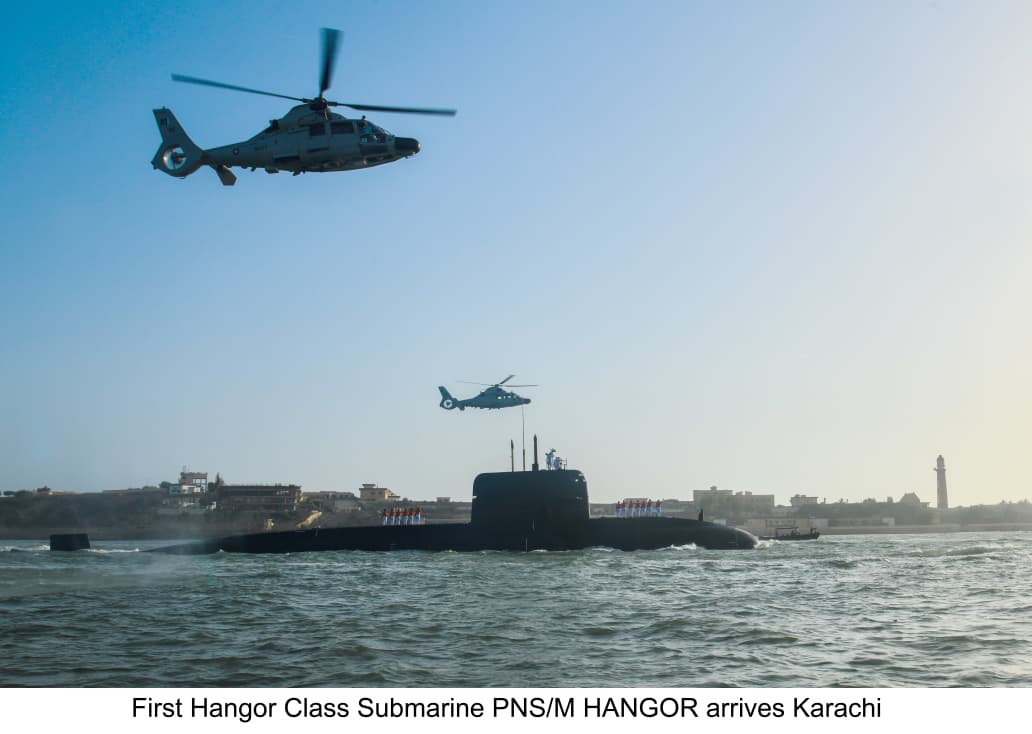
ورود زیردریایی تهاجمی دیزل الکتریک سنگین هنگور (کوسه) با اسکورت ۲ بالگرد ضد زیردریایی Z-9به پورت مادر کراچی/امروز.
هنگور قابلیت حمل تا ۲۴ اژدر سنگین ۵۳۳ میلیمتری ، یا موشک کروز تهاجمی اتمی بابور یا موشک ضد کشتی Yj-18 یا ترکیبی از این ۳ را دارد.
1
1
45
3,249
Jun 11
هزار بار تکرار کردم
برای عبور از ایجیس فقط یک ناوشکن کلاس آرلی برک (فلایت ۲) به ۳۶ پرتابه همزمان نیاز دارید که در کمتر از ۱۵ ثانیه وارد حریم دفاعی شناور بشه در غیر اینصورت شانسی وجود نداره

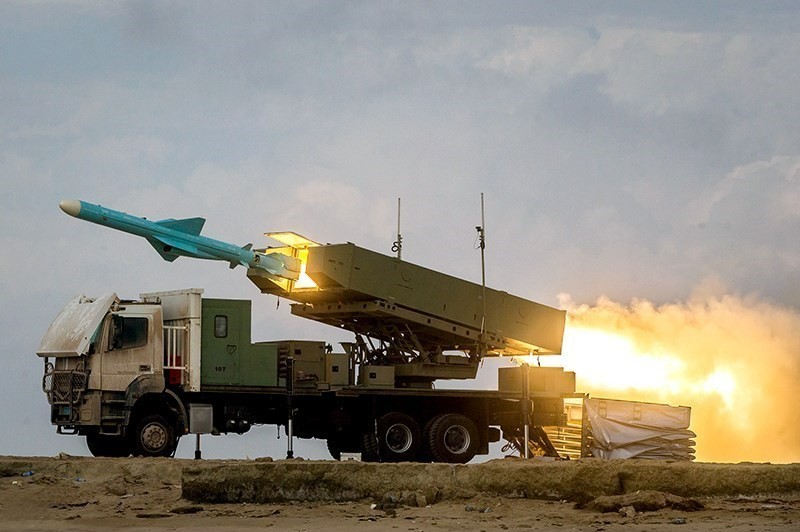
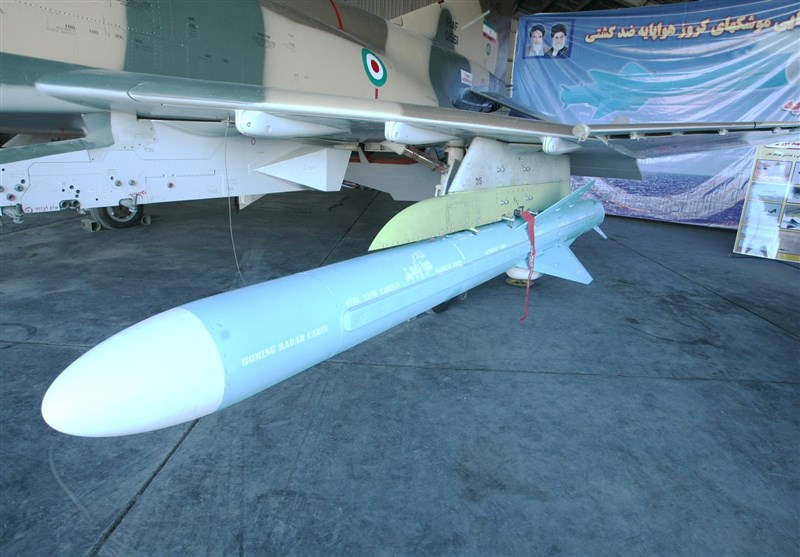
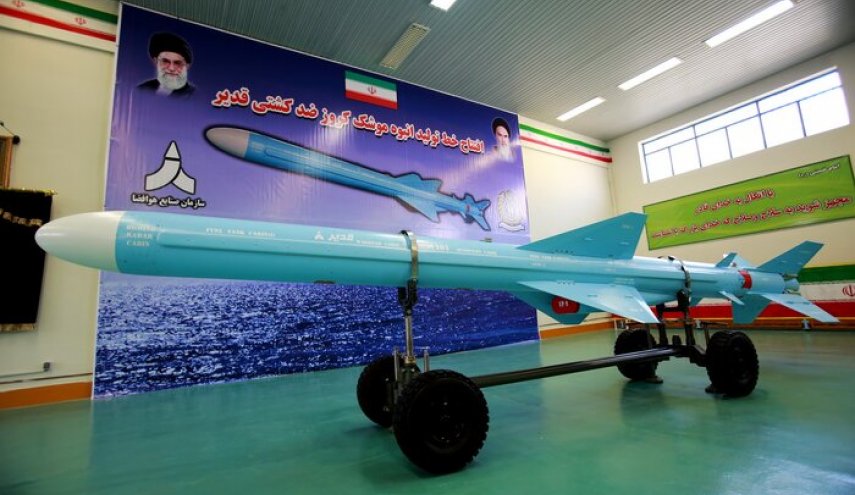
چرا کروز های نور قادر و قدیر به آرلی بروگ نمیخورن؟!
کنترل تنش؟
یا
برتری فنی رقیب؟!
برد :
نور : ۱۲۰ تا ۱۷۰ کیلومتر
قادر : ۲۰۰ کیلومتر
قدیر : ۳۰۰ کیلومتر
17
7
245
26,397
Navy Force retweeted

Jun 3
West Asia stands at a pivotal historical juncture. There is a shuffling of the cards and the establishment of new rules of engagement. Any miscalculation can trigger a wider transformation dictated not by the rationale of de-escalation but by the escalation for de-escalation.
US military buildup during the ceasefire, enforcement of counter-blockade, financial onslaught on non-traditional financial channels and on-off strikes on IRGC targets has complicated IRGC strategic calculus.
IRGC calculus has changed entirely over the last two weeks; back-door channel communication with Gulf states, particularly the UAE and Qatar, has added a new dimension to the ongoing confrontation.
The targeting of Bahrain and Kuwait, rather than the UAE, differs from the pattern observed just a few weeks ago. IRGC has adopted a more assertive posture vis-à-vis strikes and low-intensity engagement.
Defining Beirut as a red line has squeezed the space for any manoeuvring. Both parties have taken public positions. Now both have to operate under new rules of engagement. This has left the table with two cards: vertical escalation or de-escalation.
1
40
173
17,774
Jun 7
ناوگان روسی
ناتوان در جنگ شبکه محور
بدون سیستم تشخیص دوست از دشمن
ضعیف شدید تسلیحاتی و تکنولوژی
حتی نداشتن تجهیزات ارتباطی امن
متکی به GPS تجاری در مسیر یابی
هیچ شانسی در مقابل ناوگان آمریکا و اسرائیل ندارند
روسیه در سرکوب نیروی هوایی اوکراین 4 ساله درجا زده ...

سلام
من از دوستان صاحب فن یه سوال داشتم
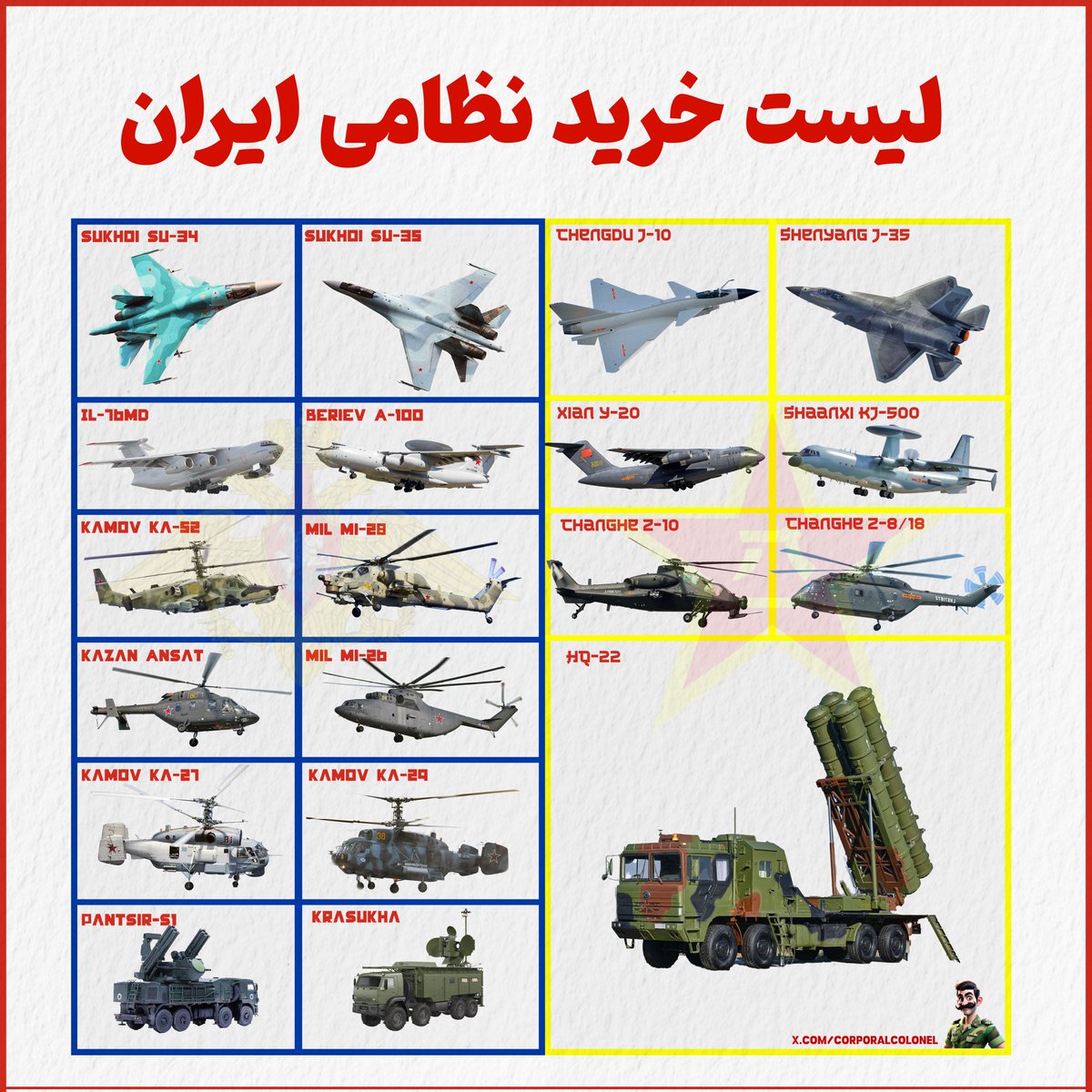
بر فرض مثال که ما 48 جنگنده سوخو ۳۵ و به همین تعداد هم جنگنده میگ ۲۹، سوخو ۳۰ و... بخریم
آیا در برابر آمریکا و اسرائیل، اصلا شانسی خواهیم داشت؟ آیا اصلا فرصت پرواز پیدا میکنند؟ گیرم پرواز کردند، تبدیل به یکسری سیبل گران قیمت نمیشن؟
2
2
70
7,131
Jun 5
بعد از دیتالینک ماهوارهای و جنگ شبکه محور
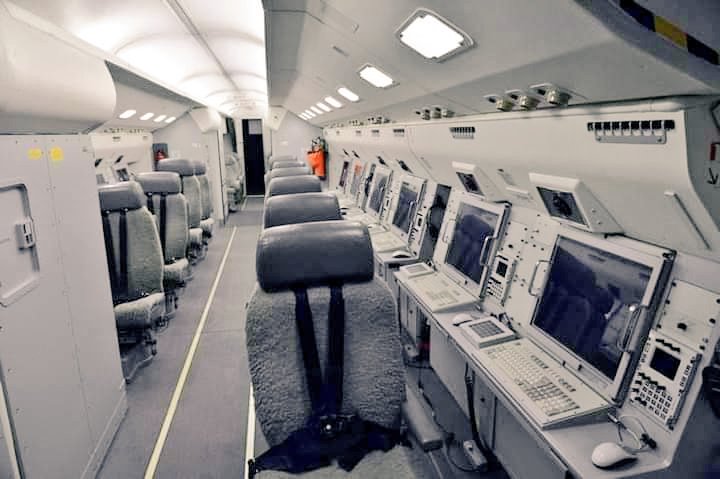
قدم بعدی حال توسعه یک رادار هوا پایه سنگین است.
نیروی هوایی پاکستان Erieye-ER برای ارتقا ساب ۲۰۰۰ انتخاب کرد با این حال طی ۱۵ سال آینده ساب ۲۰۰۰ هم به لبه پایان عمر خواهد رسید.
پیش برد یک طرح بومی ظاهراً جایگزین ساب ۲۰۰۰ خواهد بود
6
1
35
2,681
Jun 5
البته هنوز موارد مهمترین هستند که با اقتصاد پاکستان فعلا بومیسازی نخواهند شد.
مثلا پلاتفرم و BMC
چیزی که یک رادار هوا پایه رو از AEW به AEW&C تغیر میده ، کنسول های مدیریت میدان نبرد یا همان BMC
در هر دو مورد احتمالا پاکستان به پلتفرم چینی رجوع خواهد کرد
8
838
Jun 3
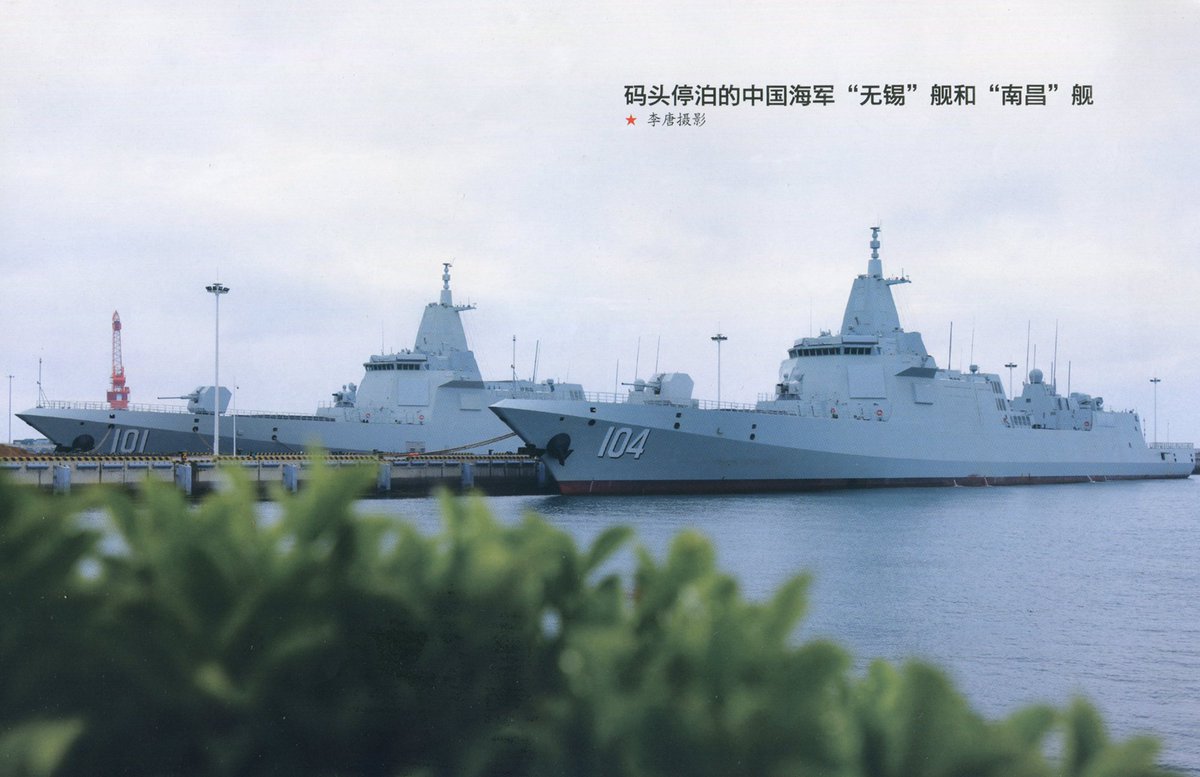
طی ۱۴ سال نیروی دریایی چین ۴۵ ناوشکن چند منظوره وارد خدمت کرده.
یعنی ۸۰٪ ناوگان سنگین چین نوساز است.
از نظر ابعاد نیز ناوگان اسکورت سنگین چین نسبت به سال ۲۰۱۲ رشد ۲۱۵٪ داشته.
این تازه بدون حساب کردن ناو های محافظ است.
در همین بازه رشد ابعاد ناوگان اسکورت آمریکا ۳٪- بوده ...
13
6
274
19,652
Jun 2
ویدیو از اوایل جنگ اوکراین
سامانه پدافندی تور روسی در حال اسکورت کاروان.
۴ سال و ۳ ماه از آغاز جنگ اوکراین گذشته و نیروی هوایی و پدافندی روسیه همچنان یک افتضاح بیمصرف باقیمانده.
با این حال روسیه در حال آماده شدن برای باز کردن مجدد جبهه شمال اوکراین
1
31
2,721
May 31
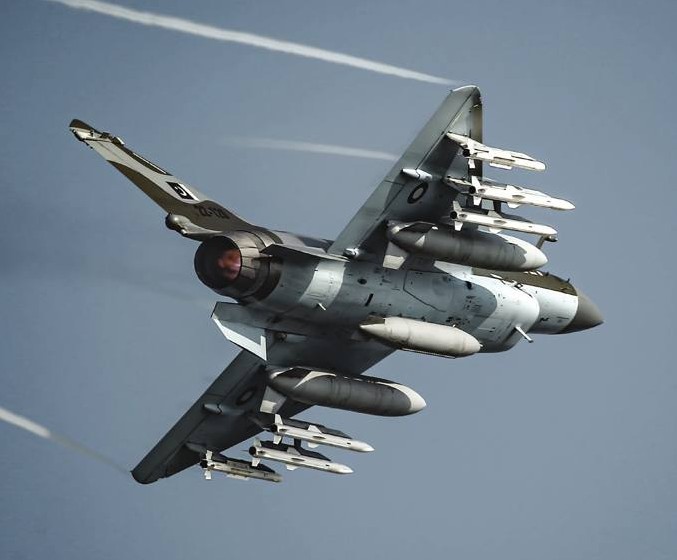
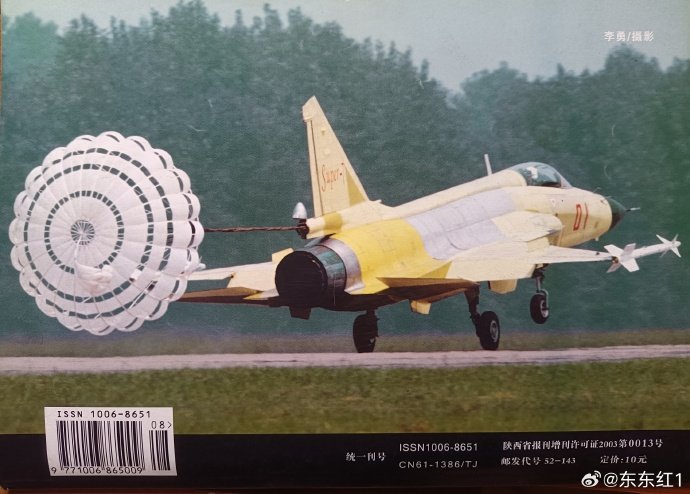
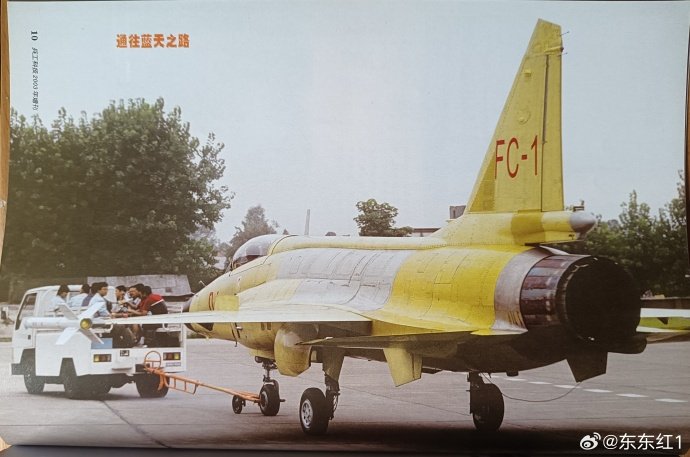
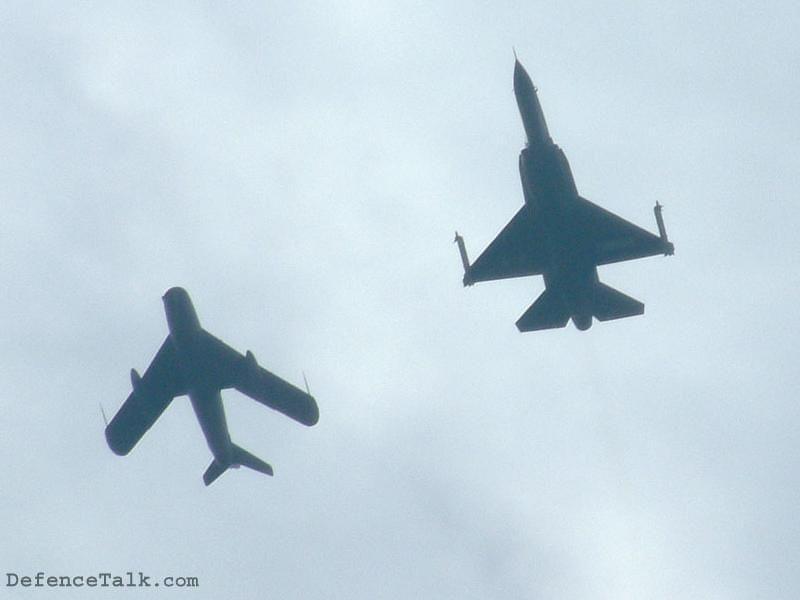
۲۳ سال پیش در چنین روزی super-7 PT-01 از صنایع چنگدو خارج شد.
پروژه مشترک پاکستان و گرومن که در نهایت با چنگدو به واقعیت بدل شد.
سوپر-۷ ۳ سال بعد با ساخت ۶ پرتوتایپ به فرجام رسید و Joint Fighter 17 نامگذاری شد.
JF-17 Thunder
1
3
82
6,999
May 31
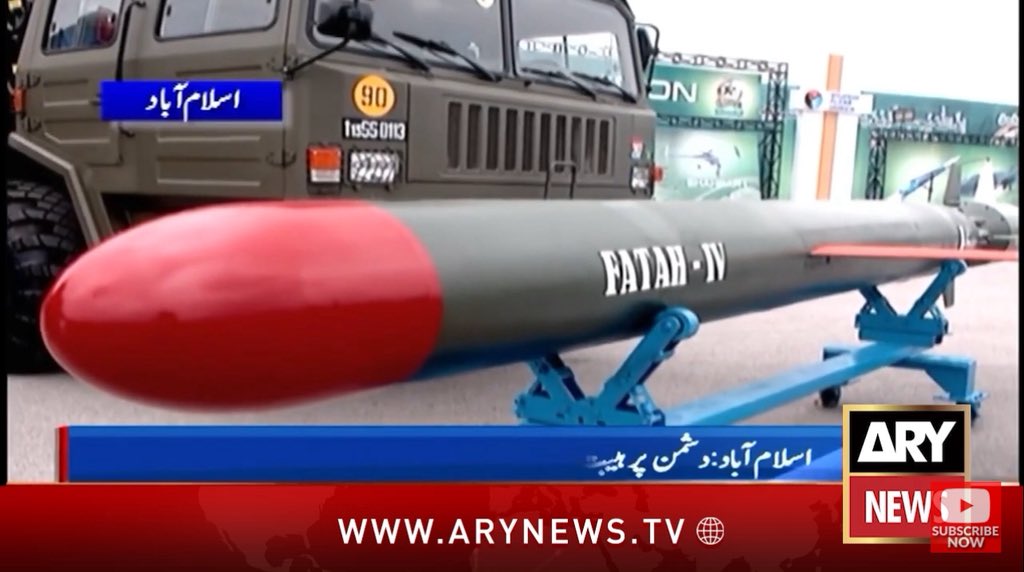
تست شلیک و برخورد دقیق موشک کروز فتح ۴ از سامانه راکتی/موشکی چند منظوره فتح از واحد راکتی/موشکی نیروی زمینی ارتش پاکستان.
واحد ARFC یک واحد تازه تأسیس و بخشی از مدرنسازی و نبرد شبکه محور نیروی زمینی ارتش پاکستان.
تا پیش از ARFC توان متعارف هم زیر خط یگان استراتژیک بود.
2
1
49
8,817
May 30
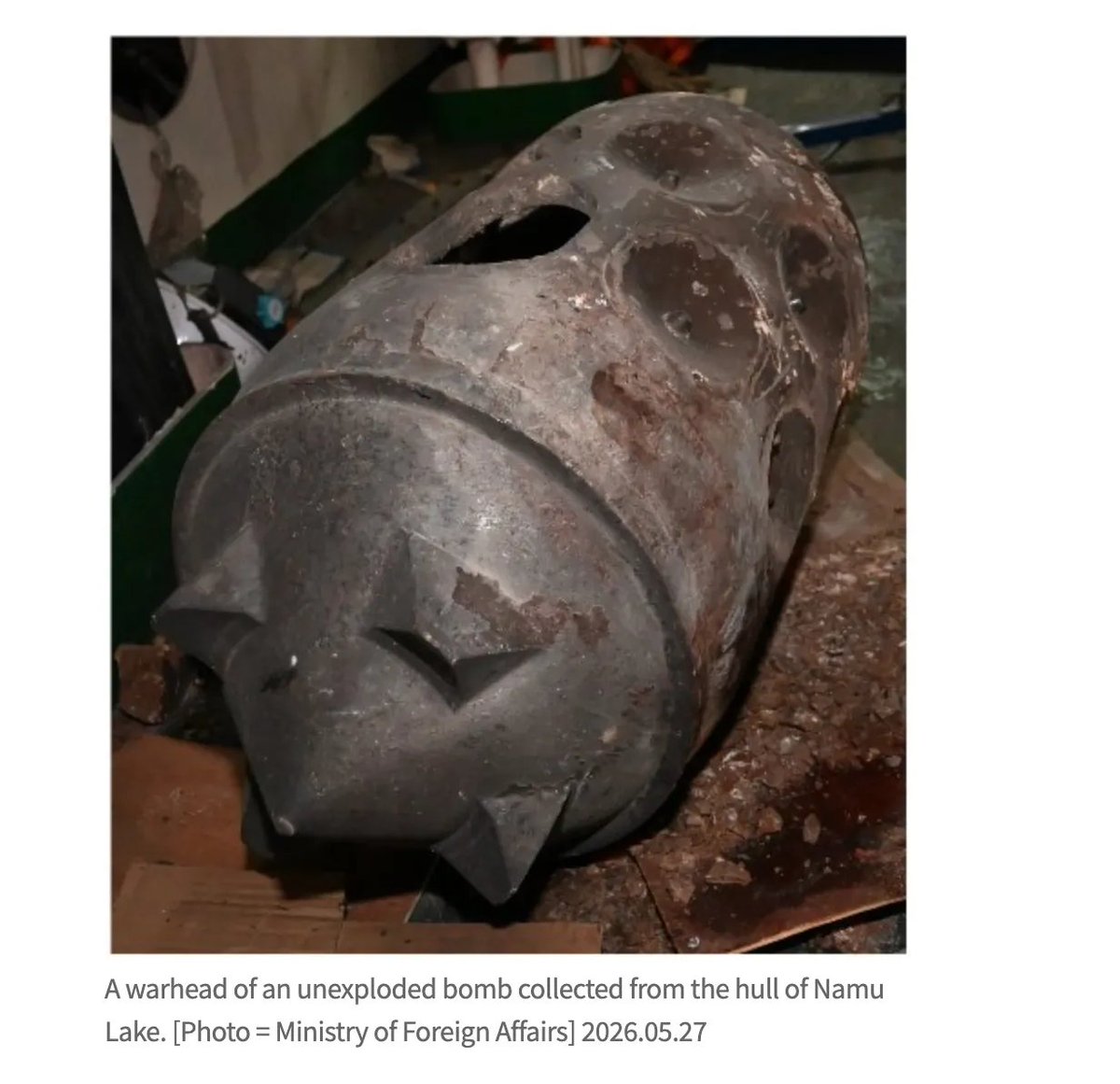
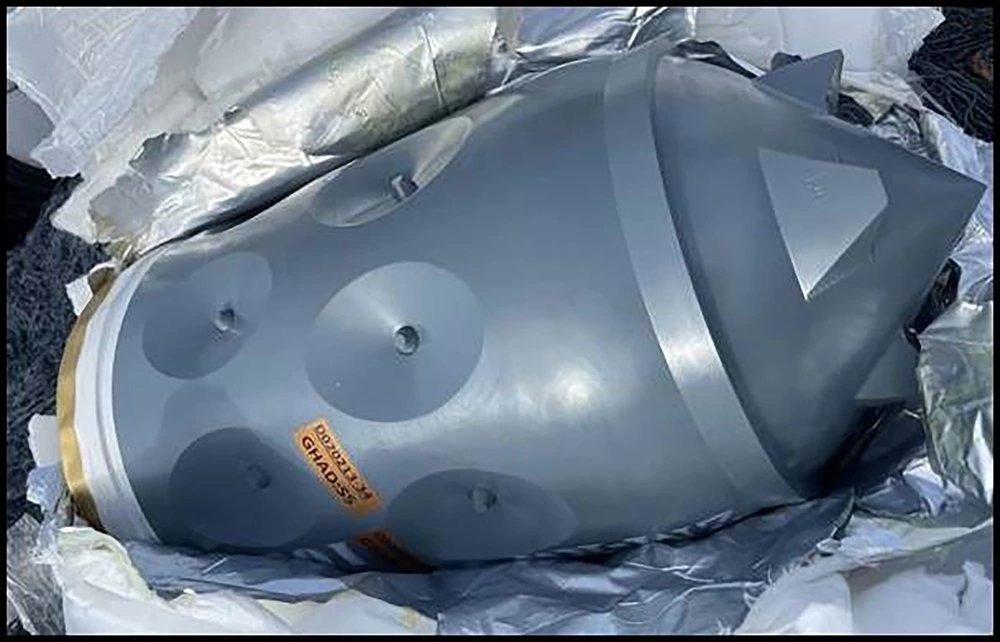
تصویر که دولت کره جنوبی از کلاهک موشک ضد کشتی ایرانی عمل نکرده منتشر کرده.
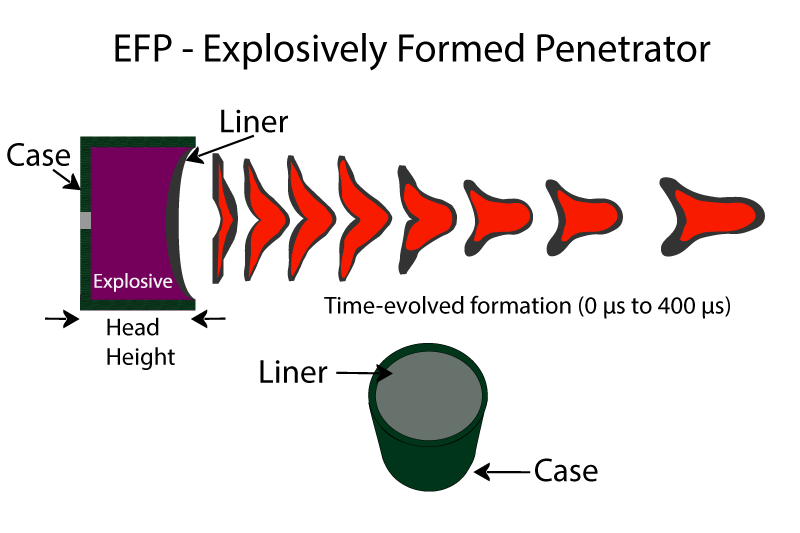
اکثر کروز های ضد کشتی ایران کلاهک C-EFP دارند.
که حدود 7-8 سال پیش در موردش حرف زدیم
به هر حال توضیح کوتاه همینجا
بعضیا تون با کلاهک EFP آشنایی دارید
1/2
May 28

Photo of the unexploded warhead of an Iranian anti-ship missile that hit the Namuho has been released (left). Iranian anti-ship missile warhead seized by US military (right). Great thread by Fabian that goes into a bit more detail on the warhead in the QT:
3
73
15,245
May 30
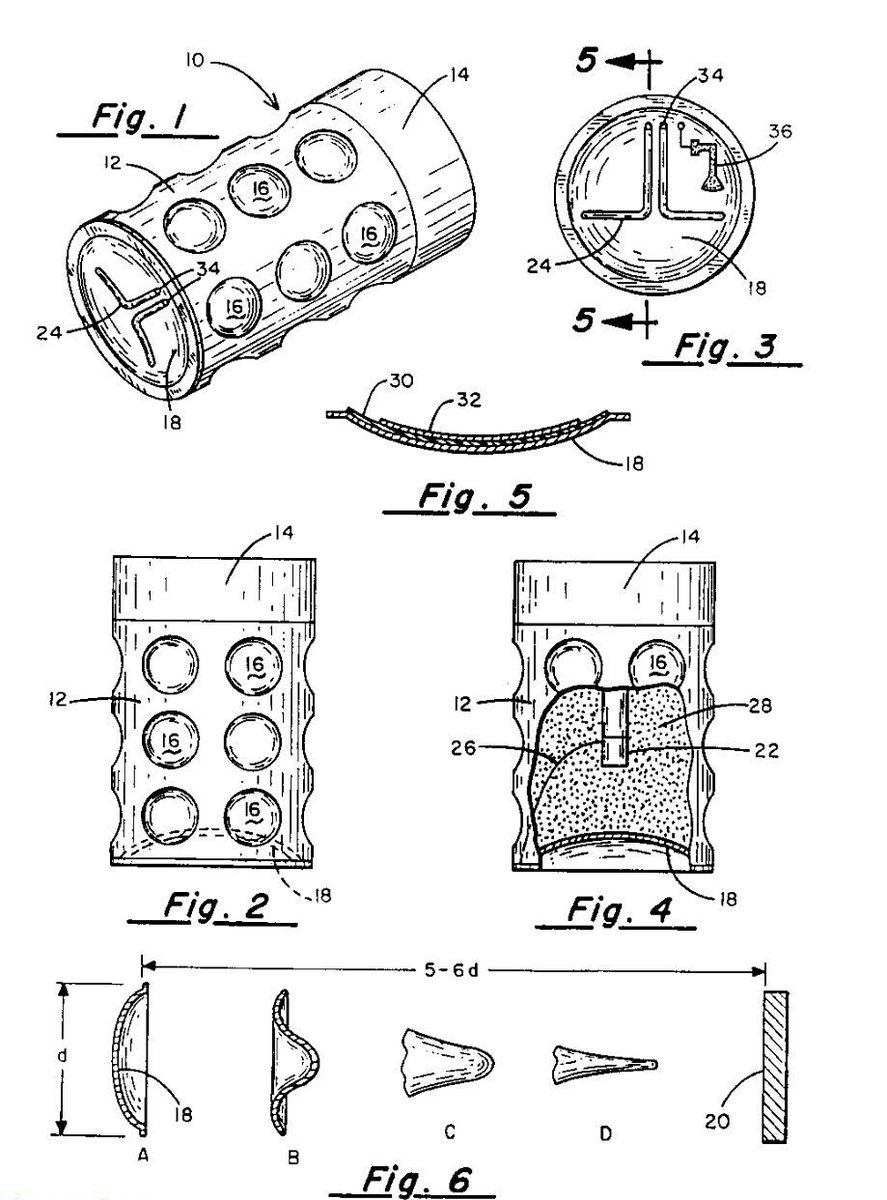
عملکرد تغریبا شبیه کلاهک های خرج شیمیایی یا همان HEAT
با این تفاوت که در خرج شیمیایی قیف تبدیل به یک توده مذاب میشه اما در EFP قیف تبدیل به یک واحد انرژی جنبشی میشه.
در C-EFP یک کلاهک با تعداد متعدد EFP خواهید دید.
هدف این کلاهک ها عمدتا اَمورَک کردن/آتش زدن یک شناور
2/2
2
13
1,928
May 29
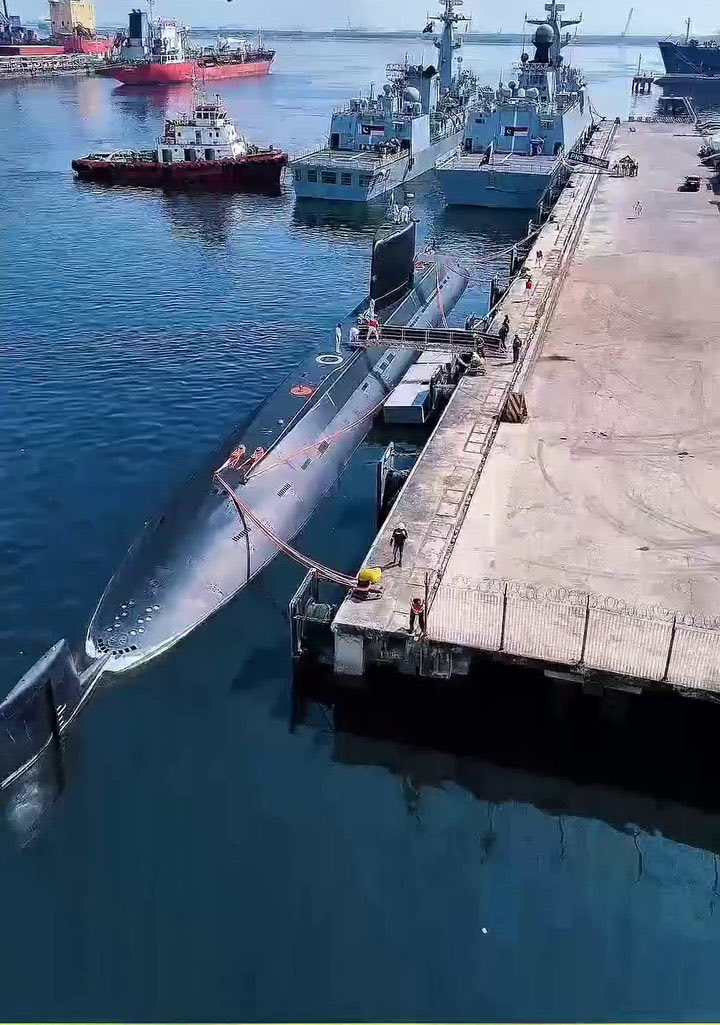
زیردریایی تهاجمی دیزل الکتریک هنگور (کوسه) ، ناو محافظ تیمور از کلاس طغرل و ناو محافظ اصالت از کلاس ذوالفقار نیروی دریایی پاکستان. مالزی حدود یک هفته پیش.
با ملحق شدن کلاس هنگور به ناوگان پاکستان، شمار زیردریایی ها با توان تهاجم اتمی به ۱۱ فروند افزایش خواهد یافت.
1
4
52
3,169
Navy Force retweeted

May 2
One year since Operation Bunyan-um-Marsoos: IAF’s “invincible” Rafales & S-400s turned into scrap by PAF J-10Cs and JF-17s.
8 Indian jets downed in ONE day and airbases left burning.
Talk loud, fly short.
PAF undefeated 🇵🇰
14
99
678
14,834
Apr 3
به همان اندازه که در فکر عملیات هلیبرن و آبی خاکی تخیلی به جزایر و نوار جنوبی ایران هستید.
در فکر طبس دوم هم باشید.
اینکه در اتاق فکر رزمی ایالات متحده چی میگذره مشخص نیست تا لحظه آخر.
عملیات «گویند» موفق ریکاوری خلبان طی ساعات گذشته ، آسمانی باز حتی بدون تهدید منپد ...

4
2
30
7,614
Navy Force retweeted
26 Apr 2024
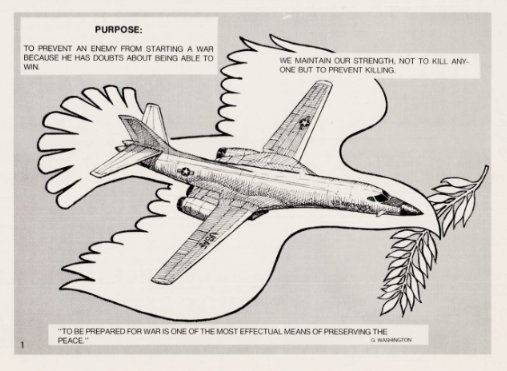
حافظ واقعی صلح، تسلیحات نظامی(کشتار جمعی) بوده ، هست و خواهد بود ...
توش دنبال عدالت و بی طرفی نباشید.
روی ابر ها نمیشه راه رفت
6
14
245
11,166
Mar 1
من یک روز رفتم مناطق عملیاتی مرزی بدون اینترنت. 😐
الان یک هفته وقت لازم دارم تا حجم اخبار بخونم فقط.
در هر حال، امیدوارم پایان این صفحه به نفع مردم ایران باشه و یک چاه دیگه نباشه.
2
1
34
4,145
Mar 1
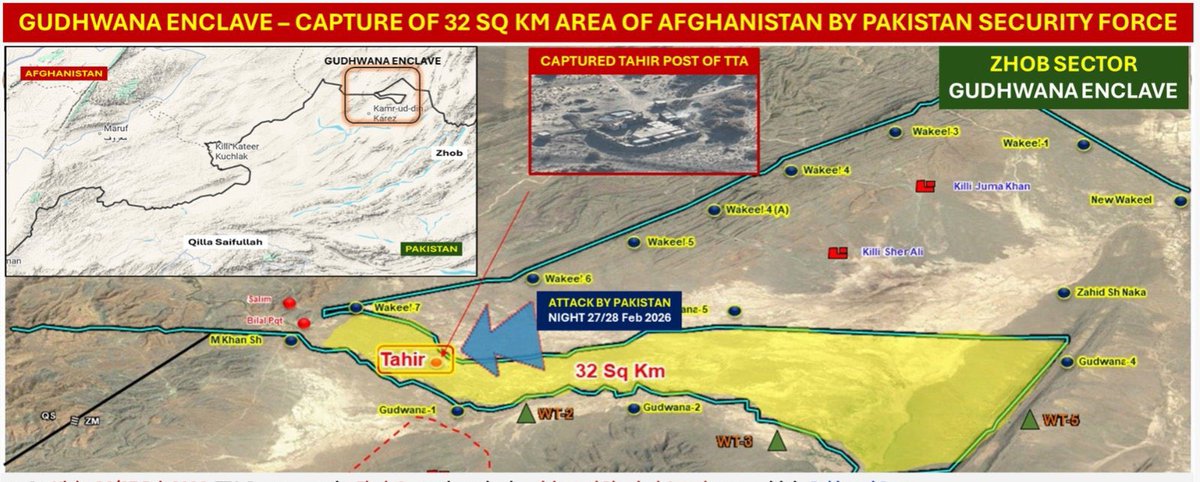
البته الان من اینو پست کنم چندان ارزش خبری نداره با وضع فعلی منطقه.
پاکستان در حال اصلاح مرزی با افغانستان و تحت کنترل گرفتن بخش هایی از افغانستان.
دیشب بگرام هم بمباران شد
1
11
1,520