
Husband, father, database developer, boardgamer.
Joined January 2009
- Tweets 4,487
- Following 790
- Followers 350
- Likes 37,380
284 Photos and videos















Nathan Boster retweeted

Jun 12
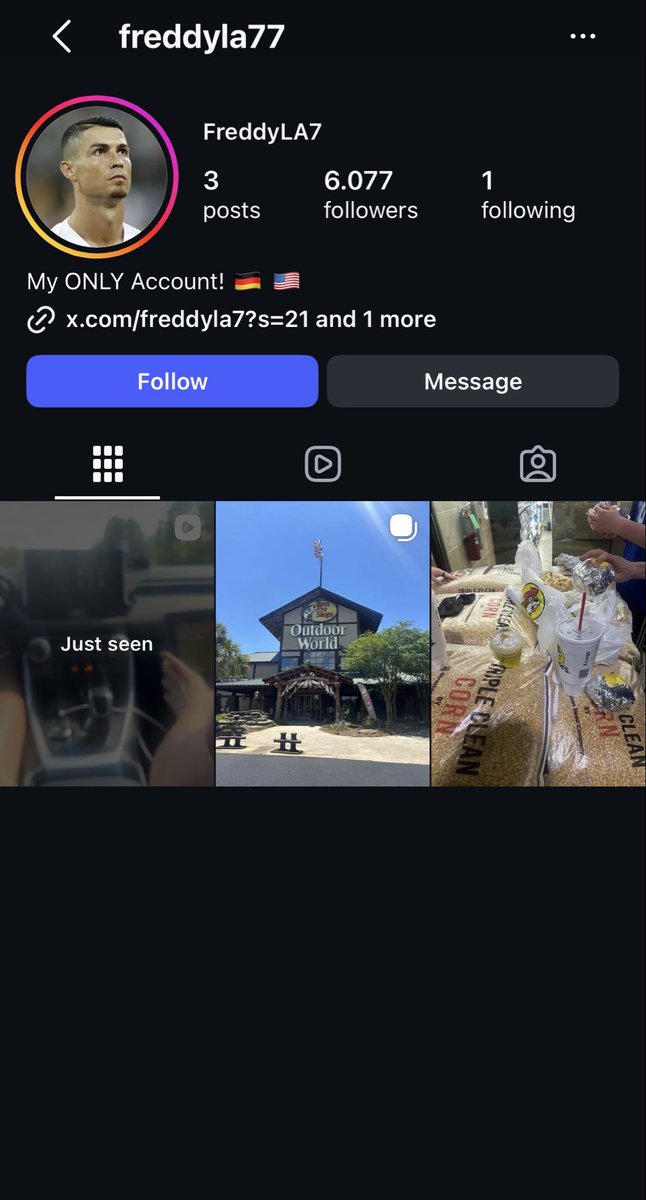
Just wanted to say that my only account is this one here on Twitter. I’m not on Instagram or TikTok, so any account you see on there is not me. Please be careful, don’t send them money.

344
2,226
46,887
1,367,973
Nathan Boster retweeted

I need a new IP lawyer, looking for a Catholic, if you know anyone, or are one! :) Thank you!
8
10
54
4,028
Nathan Boster retweeted

Jan 1
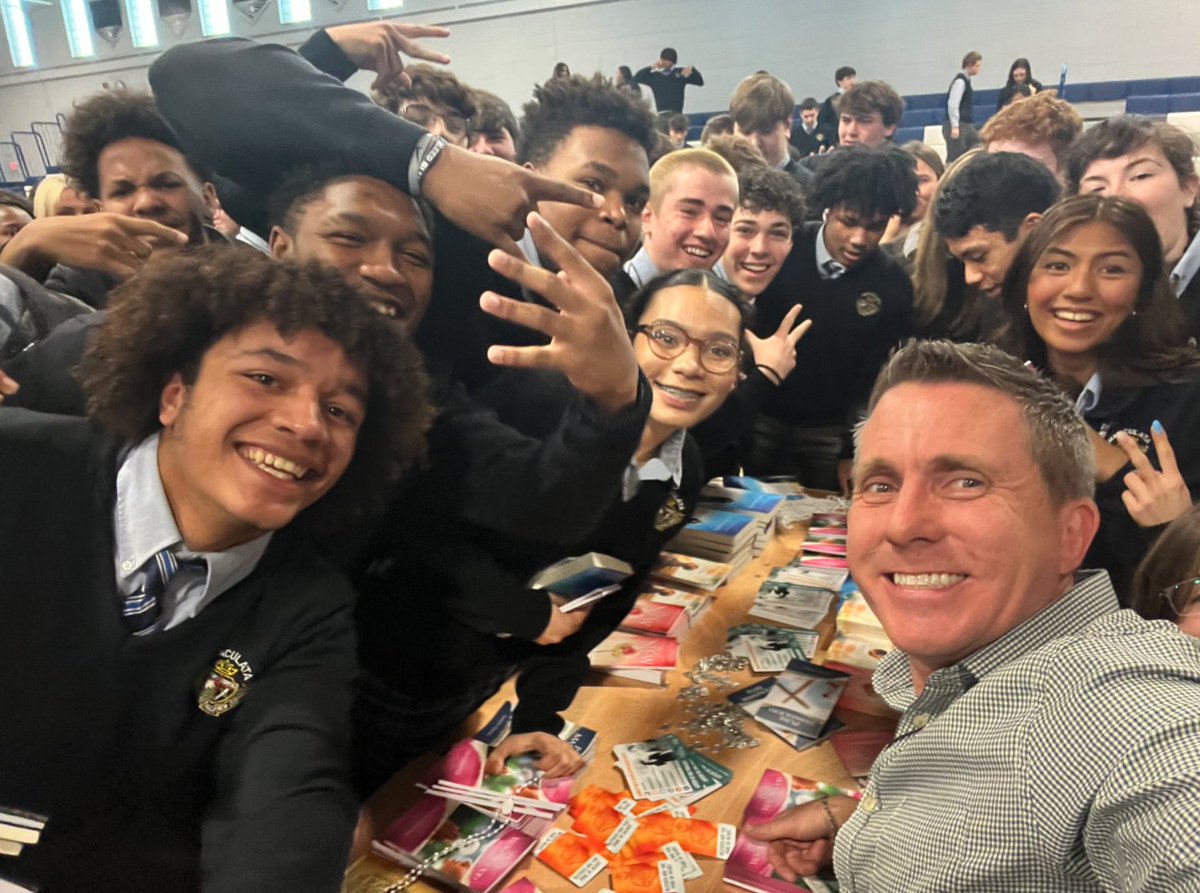
As 2025 comes to an end, please consider supporting our ministry at chastity.com/donate !
This year, by God’s grace and your generosity, we have:
Reached over 50,000 young people in person
- Distributed tens of thousands of chastity books across six continents
- Reached millions online through videos and social media
- Printed rare writings of St. John Paul II so Catholics could rediscover his wisdom on love
As we prepare for 2026, please prayerfully consider a special year-end gift to help us:
- Give a free chastity book to each of the 50,000 students we reach in person
- Produce more videos to reach millions more online
- Train leaders to bring this message into schools and parishes
Your generosity doesn’t just fund a ministry. It forms saints.
Will you once again invest to help these young people?
Give before midnight. Thank you!
1
7
49
5,669

Read this. It's important:
pillarcatholic.com/p/pillar-…
32
127
446
82,799
Nathan Boster retweeted

19 Sep 2025
Just an FYI: every church can now add the times of recurring activities like Masses & confessions to Google, so it will appear on Google Maps. (Very helpful for people looking for Mass or confession.)

41
150
2,113
53,737
Nathan Boster retweeted

6 Aug 2025
Mystery Pipes are once again available.
These tend to go quick! Good luck!
catholicpipecompany.com/stor…
4
4
387

27 Jul 2025
RT @AGHamilton29: Disturbing images coming out this morning after reports of Islamist militants invading a Catholic Church in the Congo and…
125

“The hottest agency in town is USAID. It’s got everything. Guatemalan sex changes, artists in wheelchairs, Amazonian gold miners, Latin American gay entrepreneurs, Iraqi Sesame Street, an Al Qaeda lunch group, BAT RESEARCH IN WUHAN…”
5 Feb 2025

USAID has been completely unaccountable for decades, run by bureaucrats with agendas who believed they answered to nobody.
Here are a few more of the ridiculous projects on which they spent YOUR money:
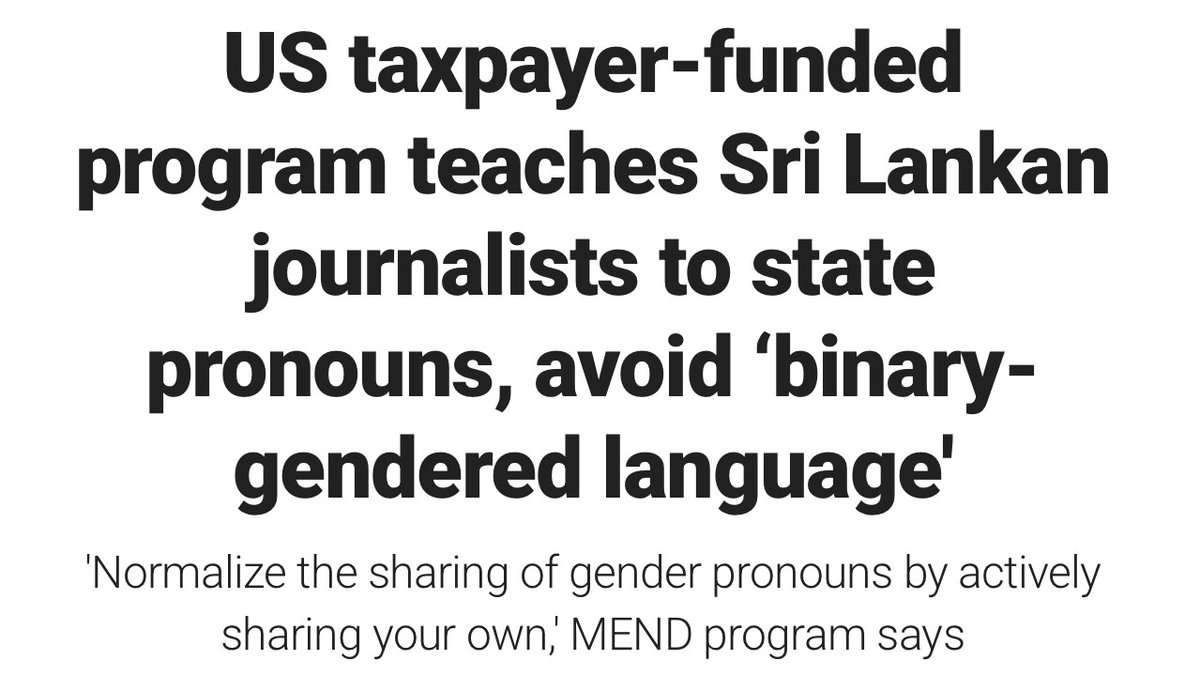
— $7.9 million to teach Sri Lankan journalists how to avoid “binary-gendered language”
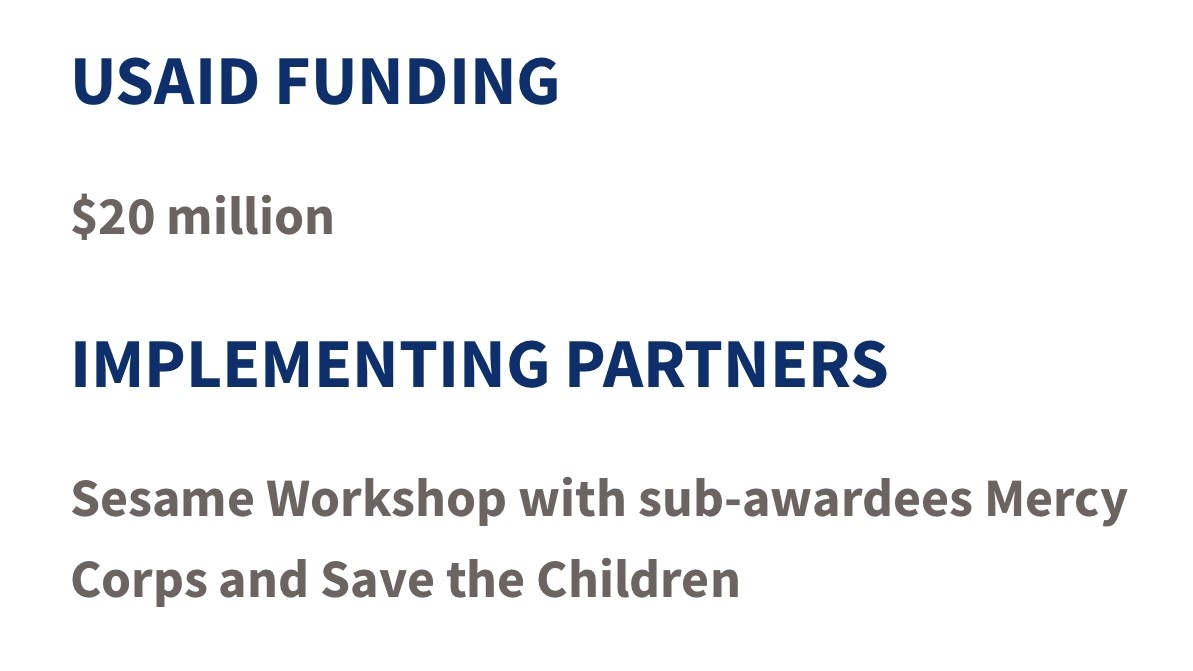
— $20 million for a new Sesame Street show in Iraq
— $4.5 million to “combat disinformation” in Kazakhstan
— $1.5 million for “art for inclusion of people with disabilities”
— $2 million for sex changes and “LGBT activism” in Guatemala
— $6 million to “transform digital spaces to reflect feminist democratic principles”
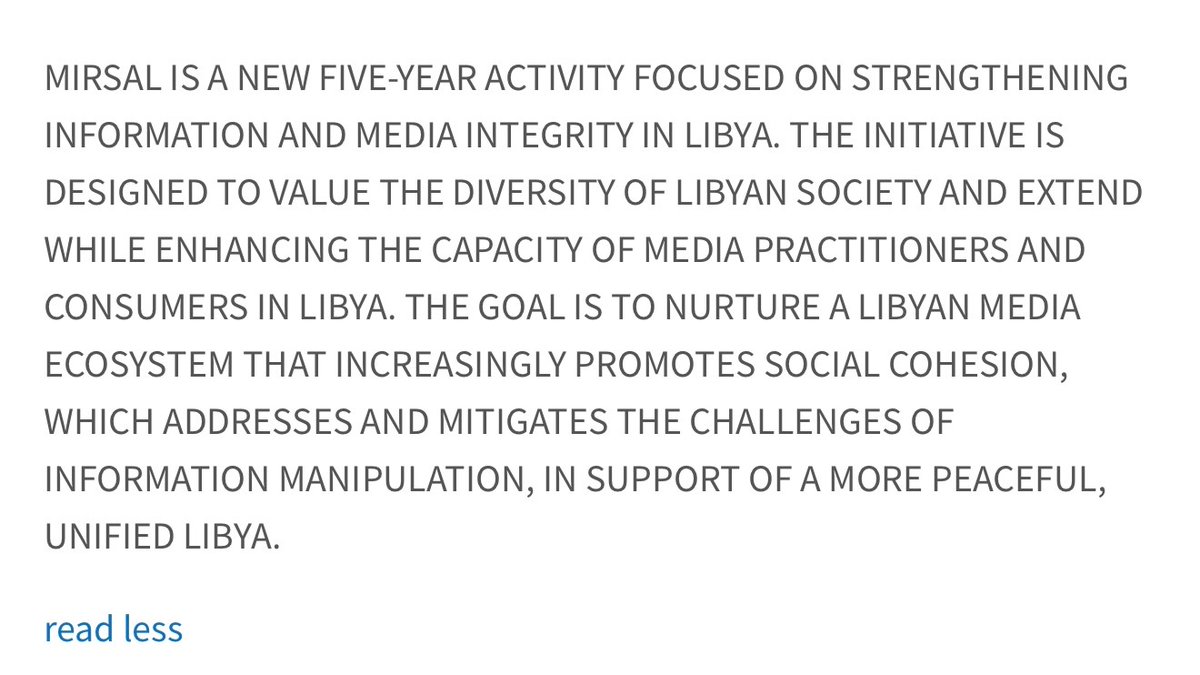
— $2.1 million to help the BBC “value the diversity of Libyan society”
— $10 million worth of USAID-funded meals, which went to an al Qaeda-linked terrorist group
— $25 million for Deloitte to promote “green transportation” in the country of Georgia
— $6 million for tourism in Egypt
— $2.5 million to promote “inclusion” in Vietnam
— $16.8 million for a SEPARATE “inclusion” group in Vietnam
— ~$5 million to EcoHealth Alliance, one of the key NGOs funding bat virus research at the Wuhan lab
— $20 million for a group related to a key player in the Russiagate impeachment hoax
— $1.1 million to an Armenian “LGBT group”
— $1.2 million to help the African Methodist Episcopal Church Service and Development Agency in Washington, D.C., build “a state-of-the-art 440 seat auditorium”
— $1.3 million to Arab and Jewish photographers
— $1.5 million to promote “LGBT advocacy” in Jamaica
— $1.5 million to “rebuild” the Cuban media ecosystem
— $2 million to promote “LGBT equality through entrepreneurship” in Latin America
— $500K to solve sectarian violence in Israel (just ten days before the Hamas October 7 attack)
— $2.3 million for “artisanal and small scale gold mining” in the Amazon
— $3.9 million for “LGBT causes” in the western Balkans
— $5.5 million for LGBT activism in Uganda
— $6 million for advancing LGBT issues in “priority countries around the world”
— $6.3 million for men who have sex with men in South Africa
— $8.3 million for “USAID Education: Equity and Inclusion”
— USAID’s “climate strategy” outlined a $150 billion “whole-of-agency” approach to building an “equitable world with net-zero greenhouse gas emissions.”
For decades, USAID bureaucrats believed they were accountable to no one — but that era is over.
President Trump is STOPPING the waste, fraud, and abuse.

60
524
2,694
217,658
Nathan Boster retweeted

4 Feb 2025
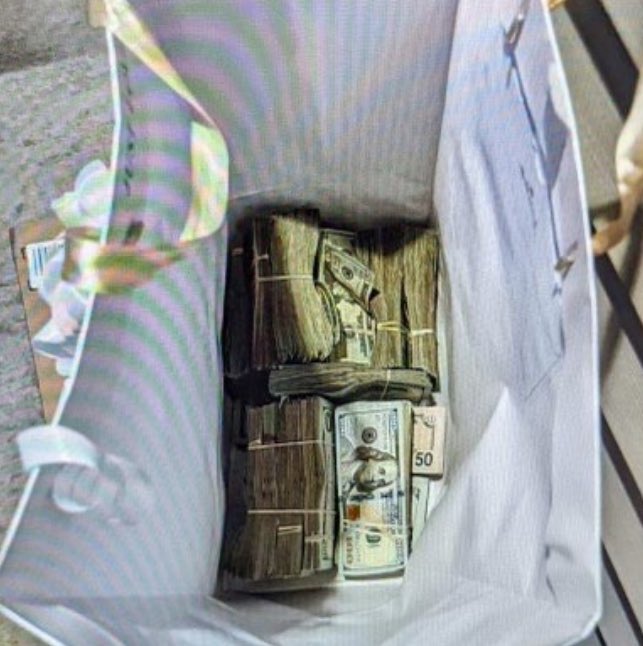
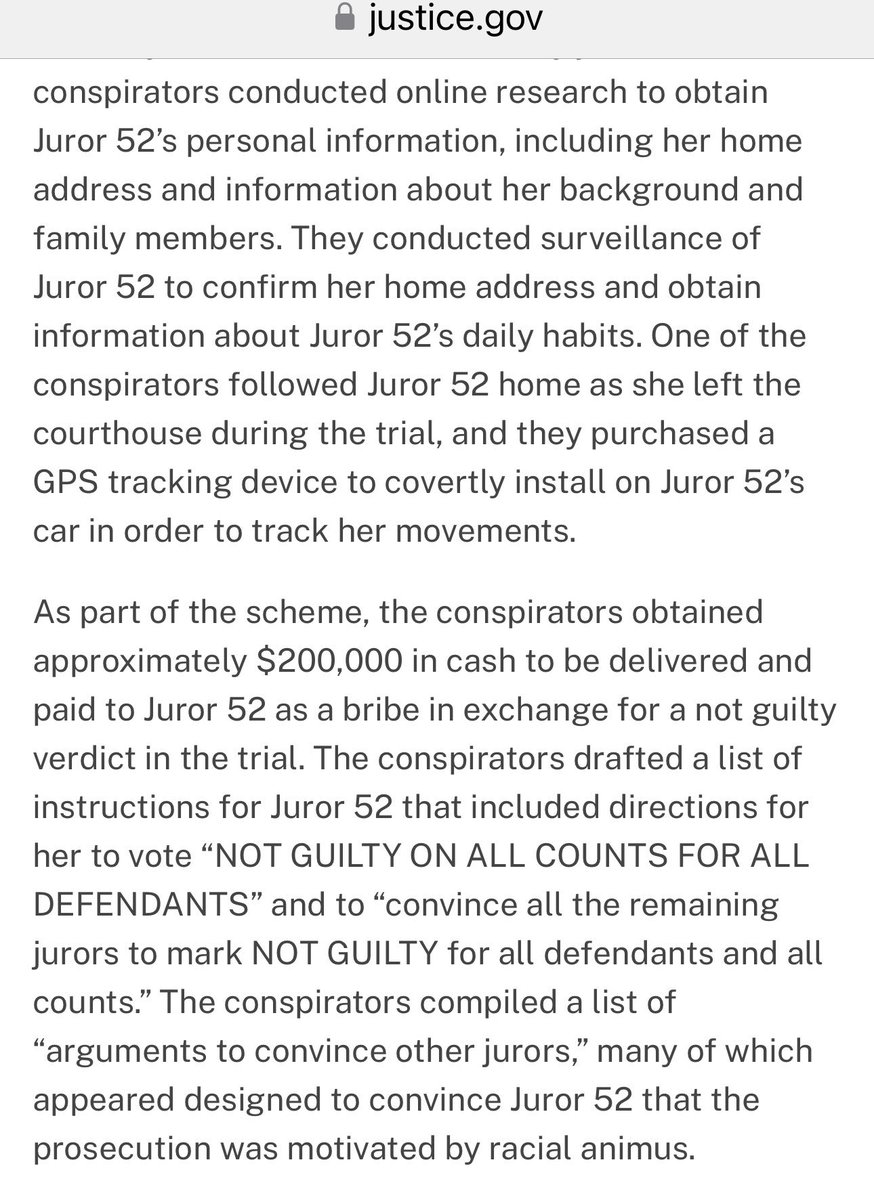
Dozens and dozens of Somali refugees in your district in Minnesota thanked the U.S. by defrauding American taxpayers of $250m meant to feed children. They set up fake meal programs and pocketed the cash. For one trial, the defendants’ associates tried to bribe a juror with a cash bag and instruct her to tell the others the prosecution was racist.
3 Feb 2025

I know you aren’t that bright but yes “we” in Congress pass bills that fund the government and allocate funds, not the President. Maybe open up the constitution and educate yourself about the branches of government and how things work in America.
393
9,058
29,721
696,460
Nathan Boster retweeted

Attention, @Trumpertarian and other concerned citizens:
Benjamin Martin @OneRealPOV, a pardoned J6er, is being rejailed in Fresno, CA by a rogue judge who refuses to honor the Trump pardon.
He has to report to prison tomorrow. so please get this in front of as many people as possible.
@eagleEdMartin, can you help?
1,177
16,603
25,220
919,203
Nathan Boster retweeted

21 Jan 2025
Anyone that Biden put in jail for peacefully praying at abortion clinics should be pardoned
34
293
2,688
25,153

Here you go, it's the Tuesday Pillar Post:
pillarcatholic.com/p/the-mon…
1
6
45
4,549
Nathan Boster retweeted

16 Jan 2025
I can’t get enough of Sunday School w/@jdflynn & Dr. Scott Powell, and I wish I had found it sooner. Several times per ep I stop what I’m doing b/c 🤯.
Thank you, @PillarCatholic, for significantly expanding my understanding of God’s word. pca.st/podcast/92c5c030-27cc…

2
7
1,776
Nathan Boster retweeted

12 Jan 2025
My sweet friend Brielle lost her husband suddenly this wk. They have a 4-month-old baby boy. When I became a widow one fateful day, money raised on my behalf helped from that day to this to protect my kids and me and give us strength. If you’re led, please help their GoFundMe. 👇🏻

100
651
3,383
279,719
Nathan Boster retweeted

26 Dec 2024
And to celebrate the second day of the Octave of Christmas, the Church remembers... a man being viciously stoned?? So much for a joyful Christmas, it seems!
But the wisdom of the Church knows better. To understand the meaning of Christmas, it is most fitting to remember a deacon being stoned to death, a virgin giving up what the world believes most makes merry, and innocent children slaughtered by a tyrant.
If that doesn't seem to strike the right note, we need to pay attention.
C.S. Lewis once remarked: "Enemy-occupied territory—that is what this world is. Christianity is the story of how the rightful King has landed—you might say landed in disguise as one of us—and is calling us all to take part in a great campaign of sabotage."
Martyrs, virgins, holy innocents: these are the soldiers that follow the King, his retinue. They are the first ones in, holding the beachhead.
We see it: Christmas is easily sentimentalized. But these feasts remind us why Christ came and of the cost of his victory. Christ gladly pays the price; he sacrifices his life to overcome evil. He must, for the world cannot abide what he represents and so will reject him.
But these days remain supremely joyful because Christ has revealed how love overcomes all adversaries. The early Church did not mourn her martyrs; she joyfully celebrated them. She did not pity her virgins; she admired them. She did not forget her holy innocents (some tragedies are better left unmentioned, they say); she announced them the first victors to share in the King's glory.
To say this child was born to bring peace is to say he came for battle: not the kind we are used to, to be sure, but a conflict all the same. And we are in the same fight, won not with worldly weapons but with the witness of truth and the sacrifice of love.
3
9
71
4,809
Nathan Boster retweeted

10 Dec 2024
I love this argument. I truly do. People post the most remarkably stupid things on the Internet, and then when everyone says "that was really, truly, amazingly stupid," the poster says, "wow, lots of people are saying I'm stupid, I must be onto something!" x.com/JamaalBowmanNY/status/…
140
548
5,087
237,194
Nathan Boster retweeted

11 Dec 2024
Drop It from Kosmos is still under $25
You want this surprisingly strategic dexterity game.
#ad amzn.to/4gvgL0Q

1
1
302
Nathan Boster retweeted

11 Dec 2024
In case you're wondering, Canada has had one female prime minister who served less than six months 30 years ago and was a political disaster.
11 Dec 2024

Canadian PM Trudeau slams Americans for rejecting female presidents twice
47
124
489
59,290
Nathan Boster retweeted

8 Dec 2024
Want to unplug and play some games with the family, but not sure what to get? You might say I have some experience in the matter with something like 500 games in my collection.
Here are 10 great family board games to put under the tree this Christmas:
🧵

178
140
2,423
438,880