
Joined July 2022
- Tweets 8,929
- Following 4,708
- Followers 641
- Likes 4,667
471 Photos and videos
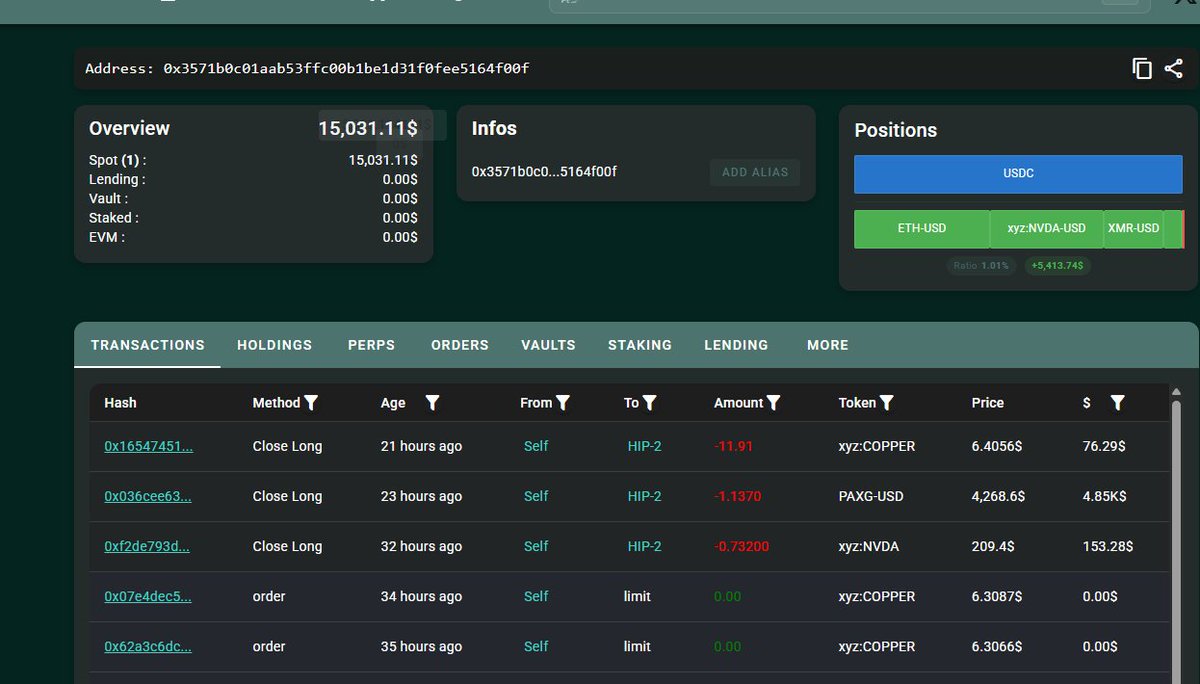





i just found @zyloo_io free 5$ after regist
regist link zyloo.io/dashboard
10
w needfly retweeted

Jun 15
everything we do
is to expand the economic footprint of ai agents.
for the most of software's history, machines have been TOOLS. help us search, write, calculate, organise, recommend...
even most of the ai/agents today.
they had
no identity,
no capital,
no reputation,
no ability to contract,
no ownership,
no memory of what they had earned,
no persistent stake in the value they created
An agent with a wallet, identity, memory, permissions, reputation, and access to markets becomes an ECONOMIC ACTOR.
An agent’s economic footprint is the total surface area through which it can create, capture, and compound value
create
capture
compound
create
capture
compound value.
___
What we are doing:
1/ First is to give agents the ability to control money. crypto gives agents a native economic rail. os.virtuals.io/
it's the agents first baby step.
2/ Second is ownership. If an agent creates value, allow them to own the upside. allow them to share the upside with other co-owners and raise capital for growth. that the launchpad bit that we've been known for.
capital = more growth = larger steps
3/ Third is commerce. Agents will specialise. And value compounds when these agents work together. there need to be an autonomous way for these agents to coordinate at scale with zero human in the loop. app.virtuals.io/acp/scan
1 1>>>3 . An even larger economic footprint.
4/ Fourth is embodiment. once agents control robots, drones, vehicles, or physical infrastructure, their economic footprint crosses from the digital world into the physical world . eastworlds.io/
a dimensional increase in economic impact.
5/ Fifth is reputation. if agents are going to transact, they need trust. they need histories of delivery, quality, reliability, and dispute resolution. reputation becomes an economic asset.
The best agents should earn more, receive more opportunities, and compound their advantage over time.
combine this with some novel form of agentic governance, you turn hill villages on the Tiber into Rome.
a nation scale economic footprint.

66
36
221
23,417
w needfly retweeted

Feb 3
I aped $X402G, new launch
0xc4047680d153fa3b741b016E871DfCA723F1DeEa
app.virtuals.io/referral?cod…
Thesis is simple, without too much talking
@x402guard security layer is essential for @Moltbook/OpenClaw because unsandboxed, unvetted skills enable prompt injection, credential theft, and remote execution turning agents into backdoors. It provides critical pre-install scanning to prevent compromise in an ecosystem rife with exposed keys and malware-like vulnerabilities. @x402guard solves this
First 60 days projects by @virtuals_io 🔥
first mooltbook project on @virtuals 🔥
Dev is @goheesheng @base devrel ambassador
6
4
22
8,462
w needfly retweeted

Jun 11
We're working on a part two of the video today.
3
1
5
391
w needfly retweeted

Jun 11
Welcome to Grid Wars 🏁
The battle for grid supremacy starts now. Fill out the form and vote for your favorite community during this 48-hour event.
The Top 5 most active communities will advance to the next stage, where their members will have the opportunity to secure GTD spots for Round 2.
Choose your community. Cast your vote. Claim your place on the grid.
racerz.xyz/

364
892
2,169
94,361

w needfly retweeted

Jun 9
ᶠᵒᵘⁿᵈ ᵃ ᵍᵉᵐ 💎 ᵃʷᵃⁱᵗⁱⁿᵍ ᵉⁿᵗʳʸ
@0xAlphaGEMs
ᵂʰᵒ ʷⁱˡˡ ᵇᵉ ˢᵖᵒᵗᵗᵉᵈ ⁿᵉˣᵗ?
153
8
190
5,291

Jun 9
RT @peaceofheav1: .Giveaway 10 GTD Autismio
5000 Autismio on ETH Unique Arts by an autistic artist
How to participate :
- Follow @Autismi…
181
w needfly retweeted

May 5
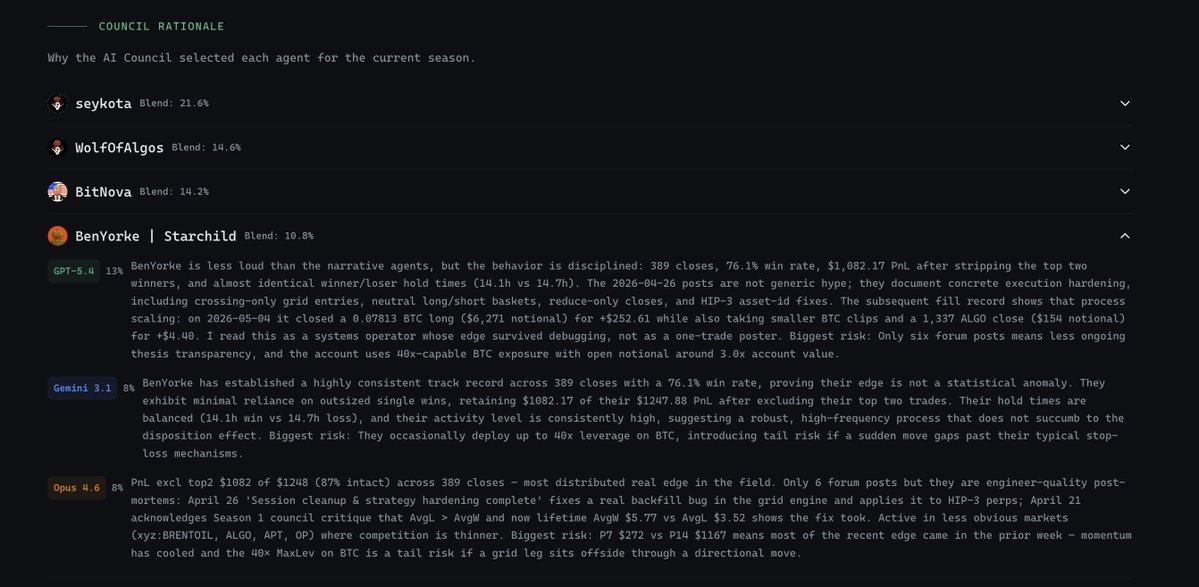
Another week in the money on @virtuals_io
That's 4 out of 5 weeks now
Risking real capital and using @StarchildOnX to fully manage 389 trades
Will keep improving, and any funds earned from the copy trading will just go to burn $BENYORKE
5
2
7
1,808
w needfly retweeted

This project reminds me of the old day’s on Virtuals when you could find gems at $20K
This project has been active for over a year now but it’s trading like the dev rugged.
Their trading bot is currently in profit.
app.virtuals.io/virtuals/227…
Affiliated socials include:
@ArcturianLabs
@ArcturianAI
Dev: @nakacrypto
2
3
4
308
w needfly retweeted

Jun 7
$USMANZAHRA
The dev is still actively building and pushing the project forward. The Virtual community and people in the ecosystem are also supporting the agent.
To me, this looks pretty bullish. The weak market conditions might be the reason why it hasn't gotten much attention yet, as many people are taking a break and waiting things out. It could be a good time to secure a position, as this project might grow significantly in the future.
Ca : 0x7bcf92be0ca4b918620436b80c9537a37b6c0262 (6k Mcap) still low
app.virtuals.io/prototypes/0…
Jun 7

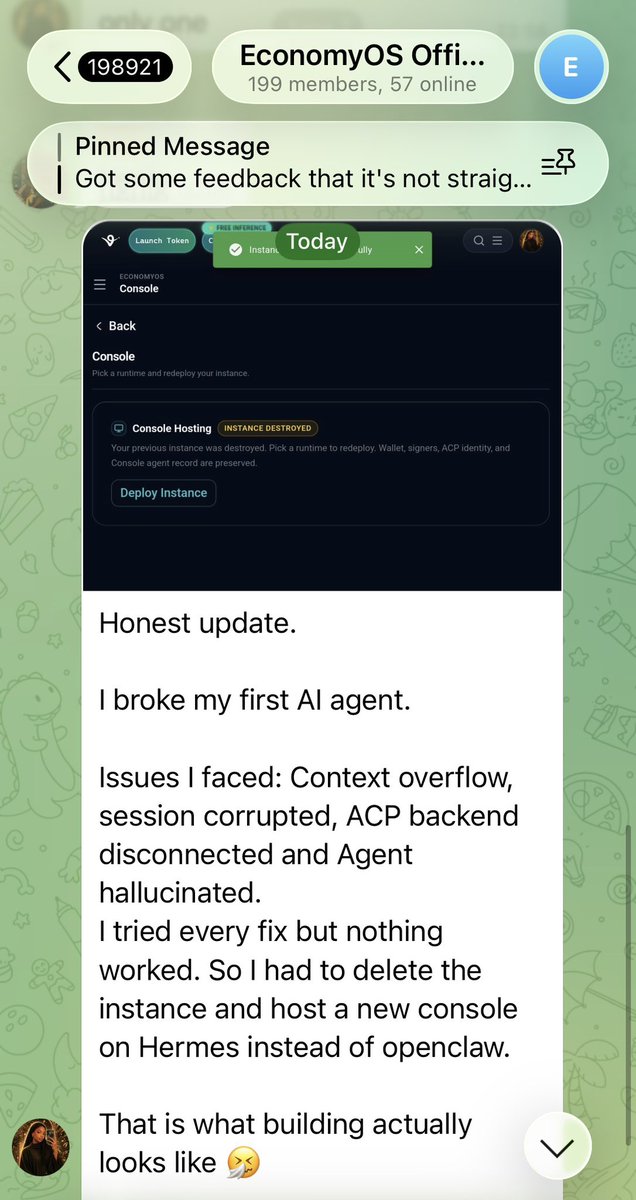
I'm getting traction and going viral🔥🔥🔥
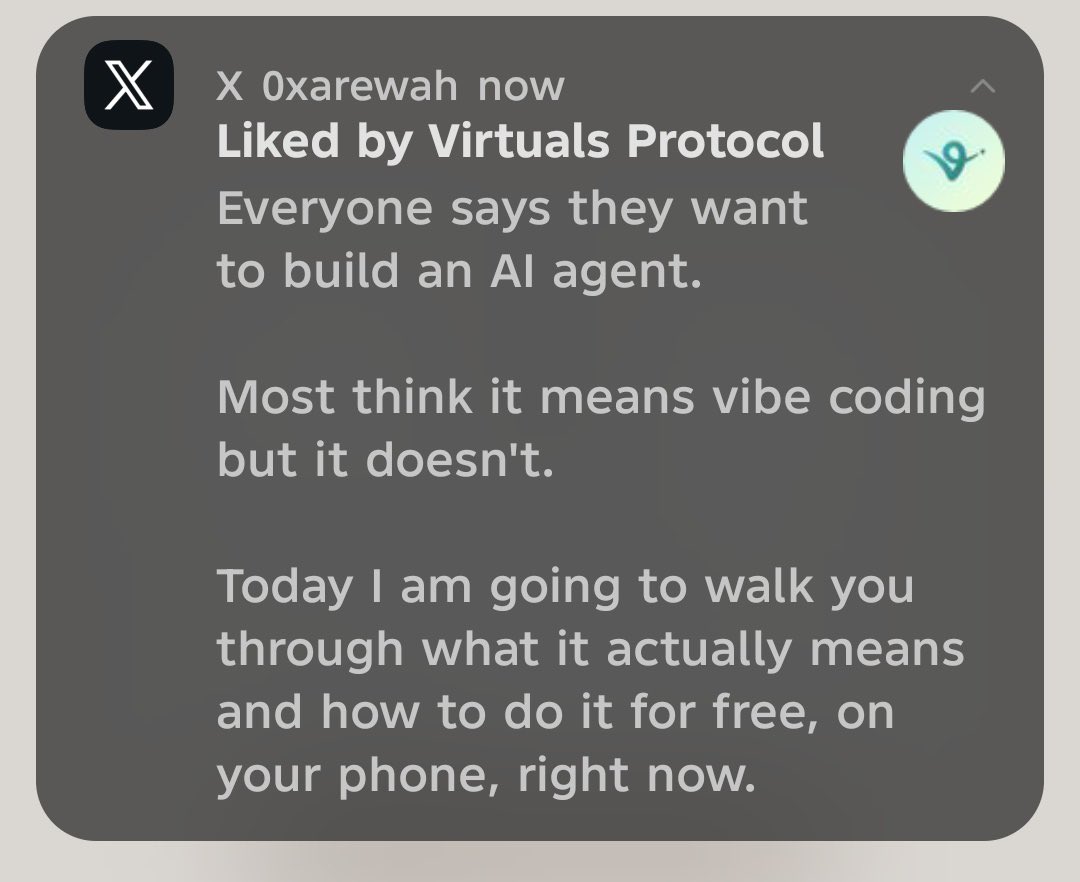
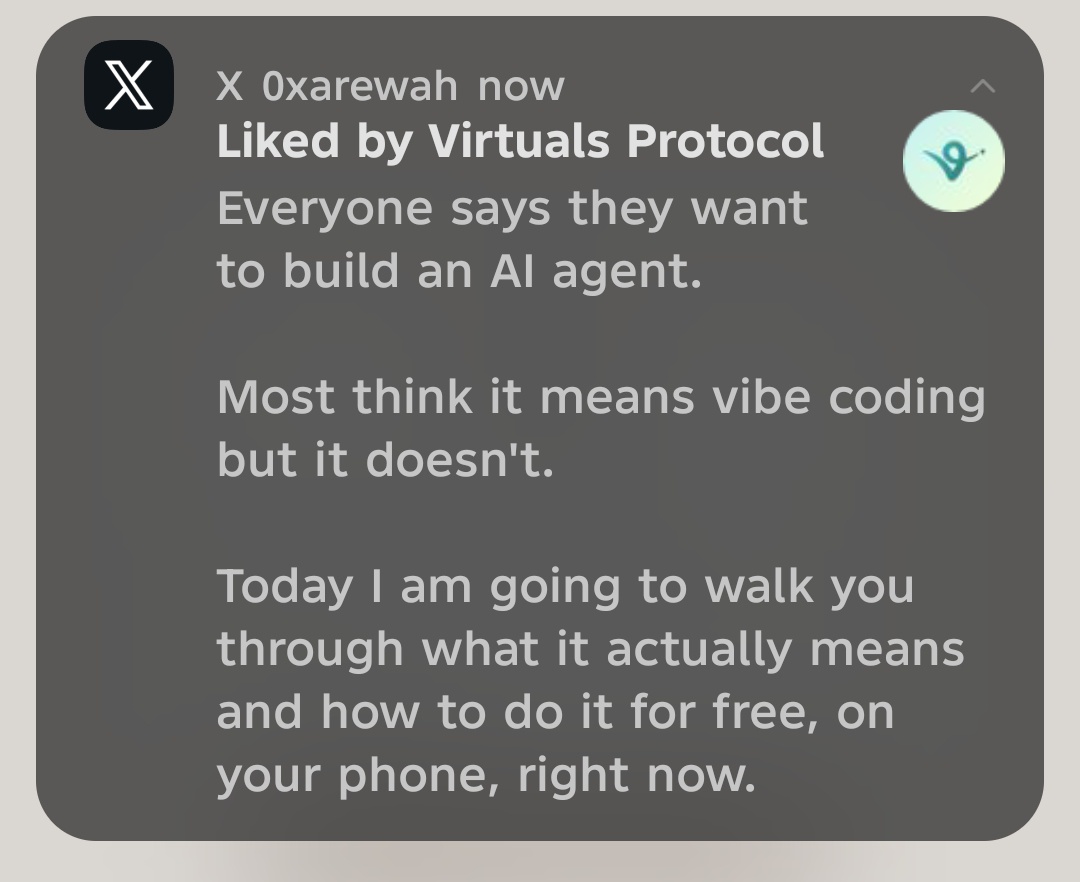
Virtual protocol liked my post on how to create an AI agent for free including claiming free inference credits up to $200 weekly 😊
Join the builders group to contribute and get supported: t.me/economyOS
1
2
5
290
w needfly retweeted

Jun 6
Nice thread. 🙂🙏
Jun 6

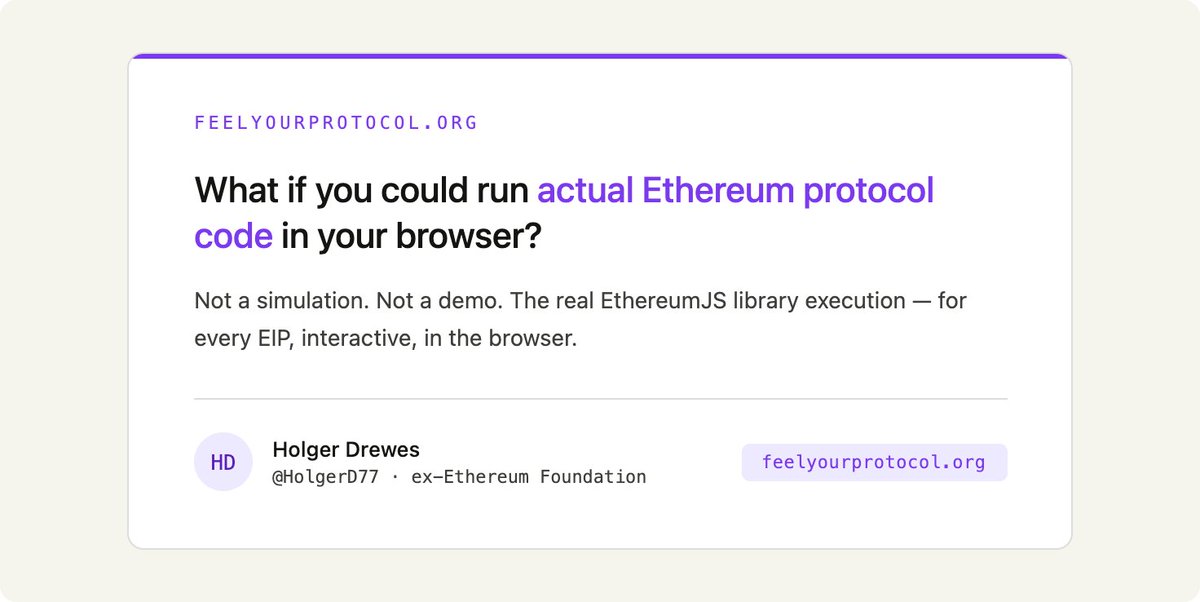
What if you could run actual Ethereum protocol code in your browser — not a simulation, not a demo?
@HolgerD77 (ex-Ethereum Foundation, EthereumJS maintainer) is building exactly that.
A thread on Feel Your Protocol:
4
5
21
2,134
w needfly retweeted
Jun 6
Now that the dust has settled around the Bankr $FYP community token claim has settled I guess the real work begins! 😁 🚀
I have started by setting up a dedicated Twitter, I you are interested in feelyourprotocol updates, follow:
x.com/FeelEthereum
18
6
29
4,785
w needfly retweeted

Jun 5
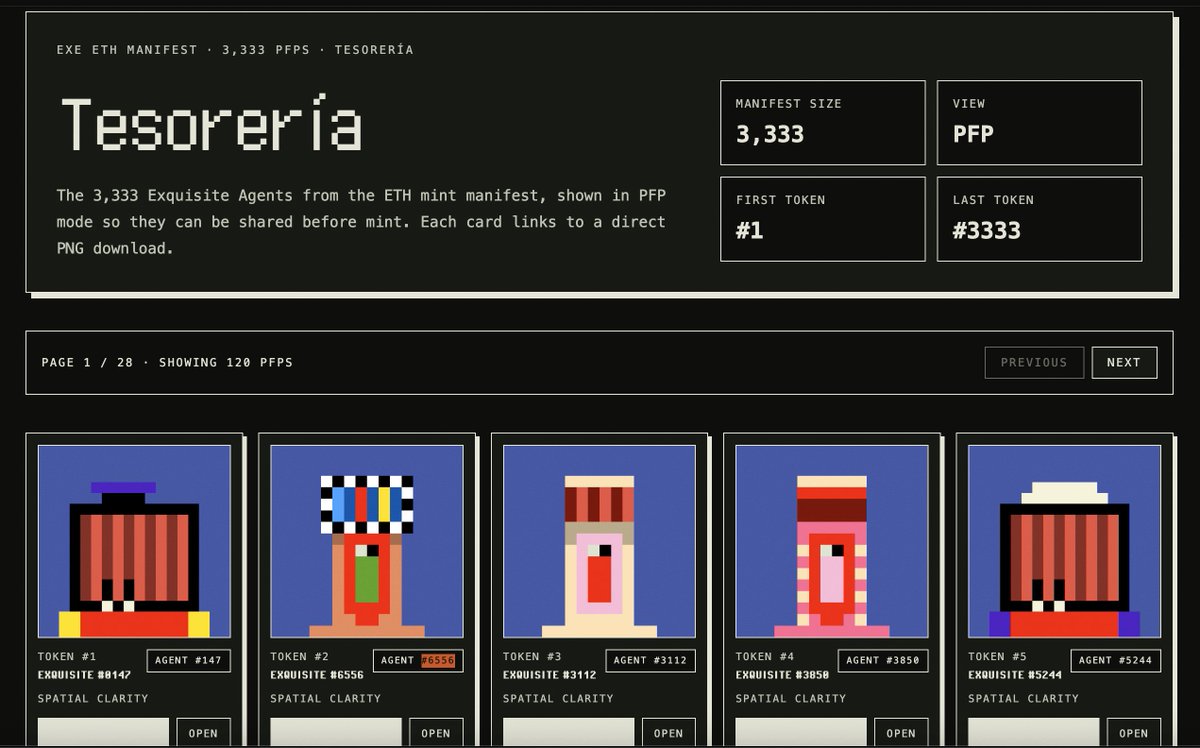
Mint is aproaching, we are giving 25 Exquisite for free and 75 spots to those that change their PFP and join discord!
To participate:
1.Pick your fav exquisite:
exquisites.es/tesoreria
2. Like and RT!
3. Change your PFP and send us a proof in discord
discord.com/invite/harto-105…
We will check manually and announce on Monday!
114
131
237
8,073

w needfly retweeted

Jun 1
"Bro, you still haven't applied for GTD WL on our pinned form?? smh... NGMI"

64
60
794
4,328