Joined February 2026
- Tweets 15,275
- Following 2,349
- Followers 2,312
- Likes 29,353
2,214 Photos and videos

Pinned Tweet

May 16
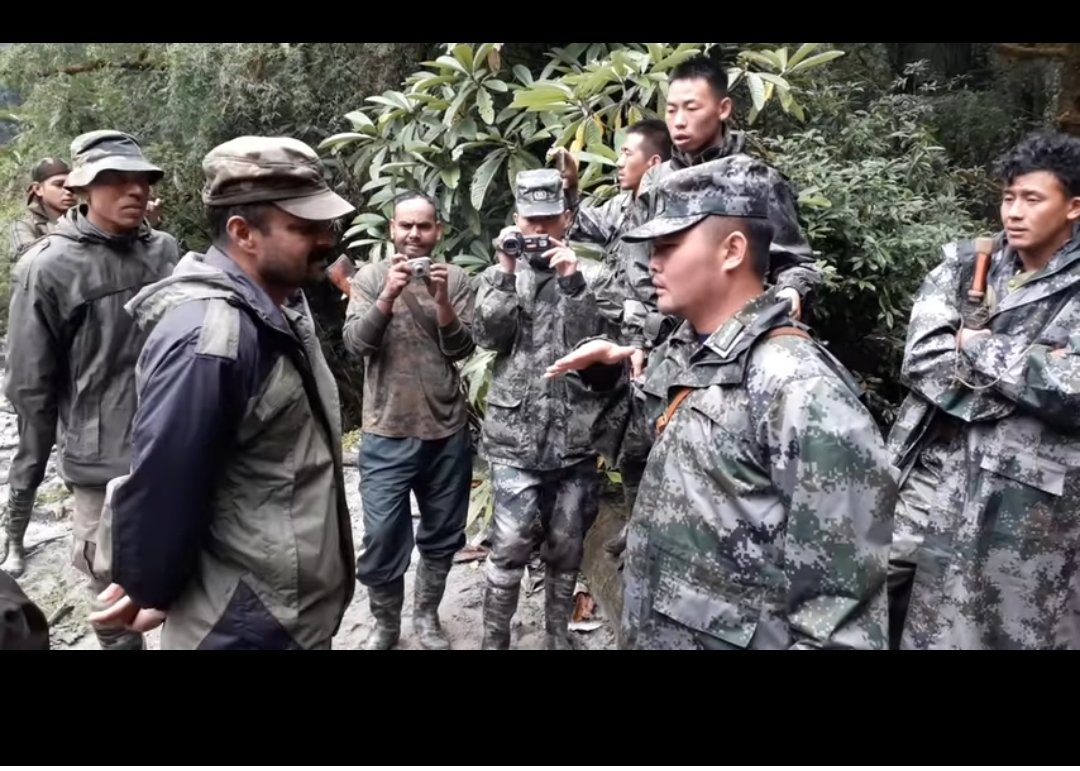
🚨 Indian border guard asking to bangladeshi youth,
BGB(bangladeshi border guard) send you for spying ? And shot him
🚨 India build fencing inside indian territory (150M) so youth was inside India, soldier can shot him
130
709
9,748
960,566
Nepali Billa 🇳🇵 retweeted
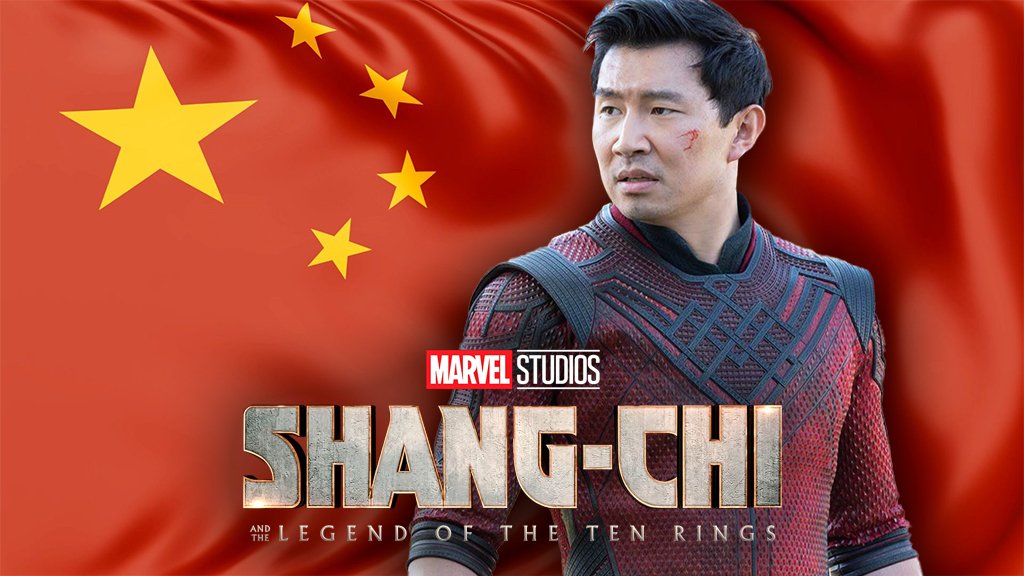
> china banned shang-chi movie
> Because they add high caste name (chi ) with shang community
> Actor belongs to shang community , so ccp banned the movie
13
132
964
8,272
RT @nepalimeow: > shang's low caste of china eat this every day
> They use this oil on regular basis
> Shangs can not enter in city's li…
60
Nepali Billa 🇳🇵 retweeted

> china banned shang-chi movie
> Because they add high caste name (chi ) with shang community
> Actor belongs to shang community , so ccp banned the movie
Credits: @nepalimeow


These are The Systems Which Rule tHe Mongoloid Era...
Complete Down Syndrome Moment
1
3
29
> china banned shang-chi movie
> Because they add high caste name (chi ) with shang community
> Actor belongs to shang community , so ccp banned the movie
13
132
964
8,272

1
12
537

45
Nepali Billa 🇳🇵 retweeted
Why always white?
21h

Ohio police chief arrested in Florida after grand jury hands down 70-count child sex indictment trib.al/YEEbSaZ

1
12
176
Jun 13
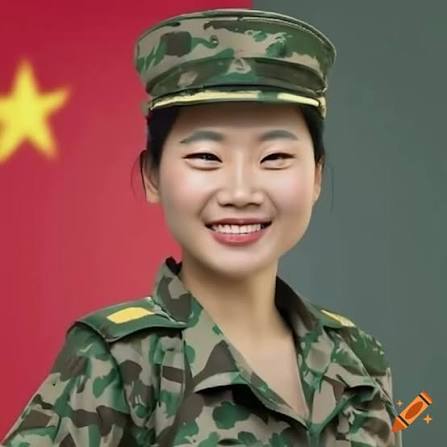
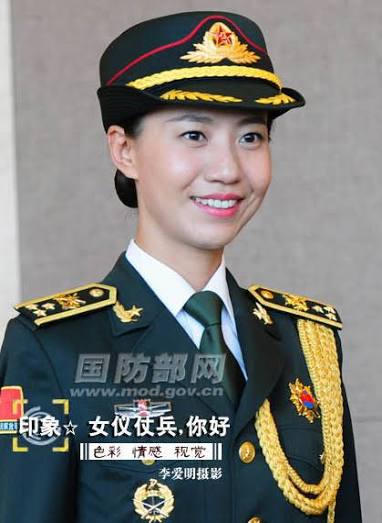
>China have different caste group's in their army ,
>Shangs don't get high level rank in chinse army because, they treated like shit in china
Shang girl. Shi girl
156
930
5,230
143,571
> china banned shang-chi movie
> Because they add high caste name (chi ) with shang community
> Actor belongs to shang community , so ccp banned the movie
2
13
1,319

Nepali Billa 🇳🇵 retweeted
Jun 13
>China have different caste group's in their army ,
>Shangs don't get high level rank in chinse army because, they treated like shit in china
Shang girl. Shi girl
156
930
5,230
143,571
Nepali Billa 🇳🇵 retweeted
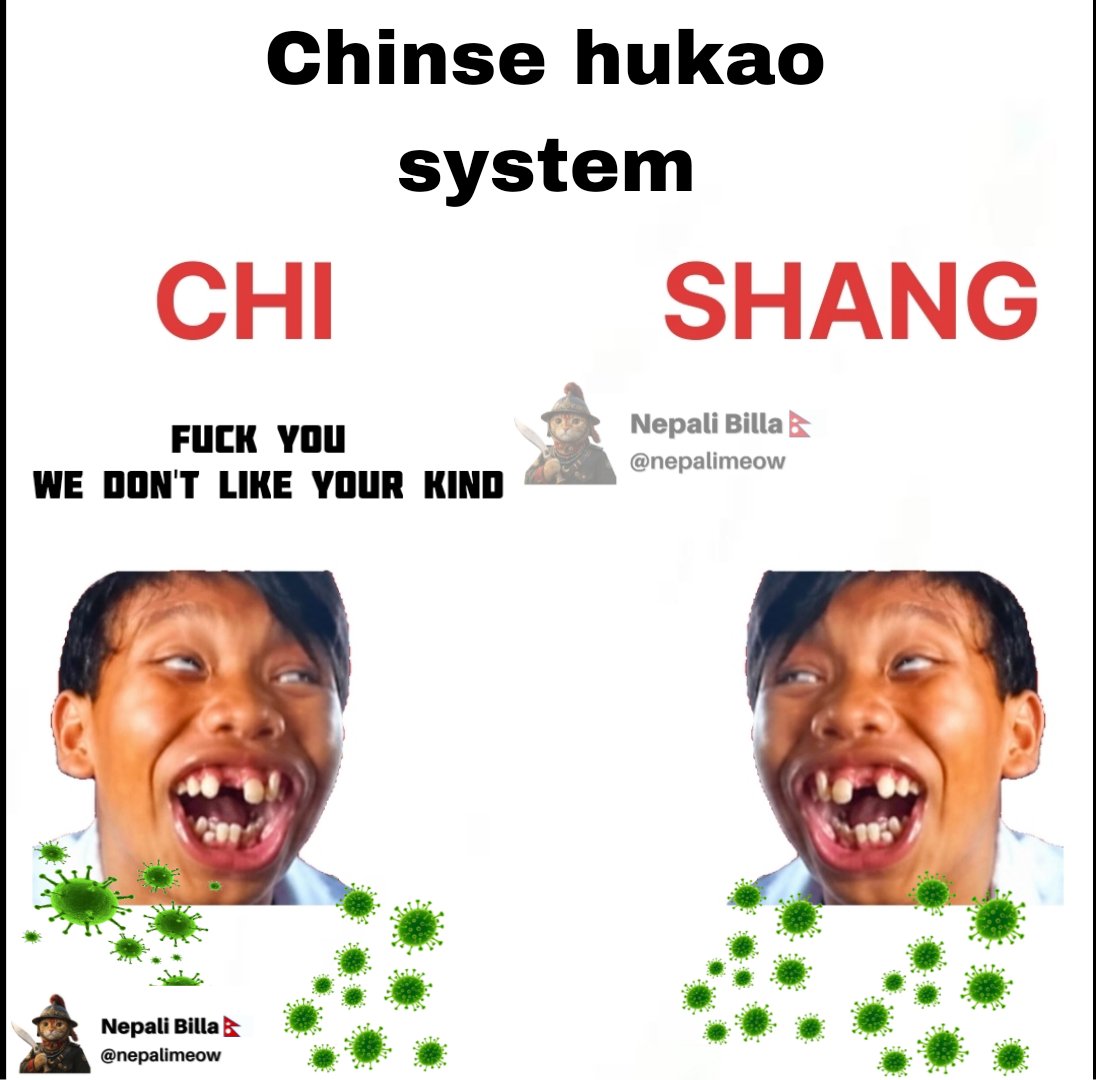
Villager's are belongs to Shang caste
> They don't have right to work in city's
> They can't enter in city's without permit
> They're children's don't have right to study in big schools
This is how shi community people make system to maintain their power

China's hukou system assigns rural/urban status at birth and restricts access to urban services. Migrant children without local Beijing hukou face major barriers to public schools there, often attending lower-quality options or returning to rural areas for exams. Top schools and university quotas strongly favor locals. Reforms have eased some compulsory education access since 2014, but elite urban advantages persist for the connected or wealthy.
India's caste system is also birth-based, with historical discrimination. Laws ban untouchability and reservations aid lower castes in education and jobs, though social barriers remain.
Hukou functions as a state-enforced geographic divide limiting mobility for rural poor—often likened to a modern caste. India's is deeper socially but has democratic correctives. The "more casteist" claim holds on rigid birth-tied opportunity gaps in China, but both systems show inherited disadvantage. Facts support the Beijing school point; full comparison is nuanced by metrics.
9
44
302
3,676
Nepali Billa 🇳🇵 retweeted

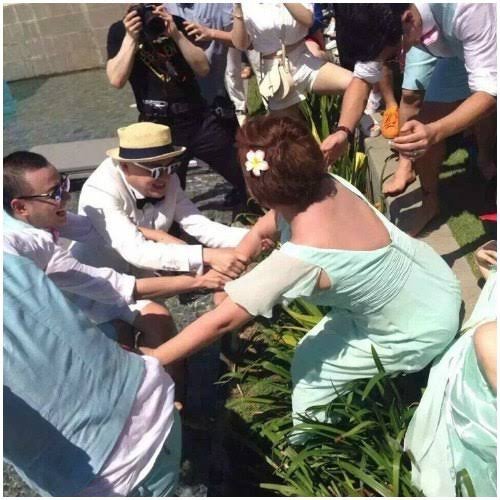
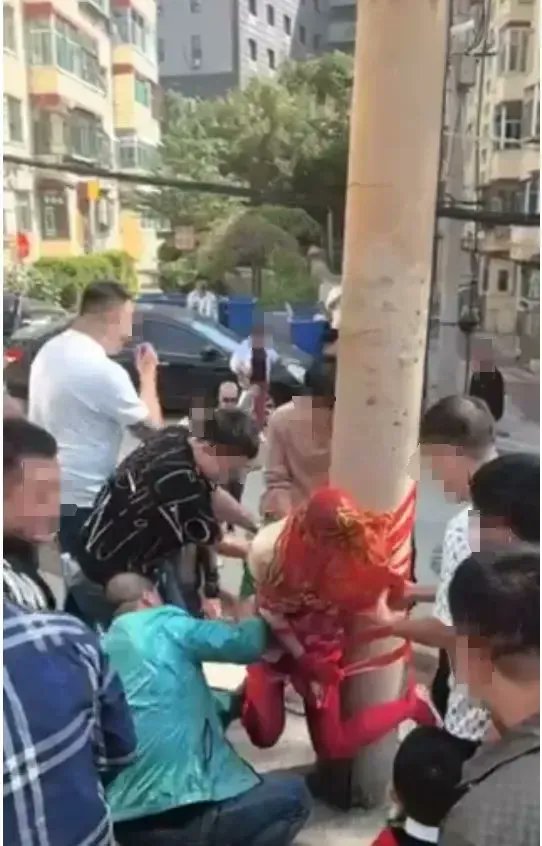
In any kind of Chinese wedding, the bride & the bridesmaids are subjected to ritual humiliation which includes molestation & even rape. This is called "Naohun".
And here we believe China so advanced saaar.
3
3
5
168

Nepali Billa 🇳🇵 retweeted
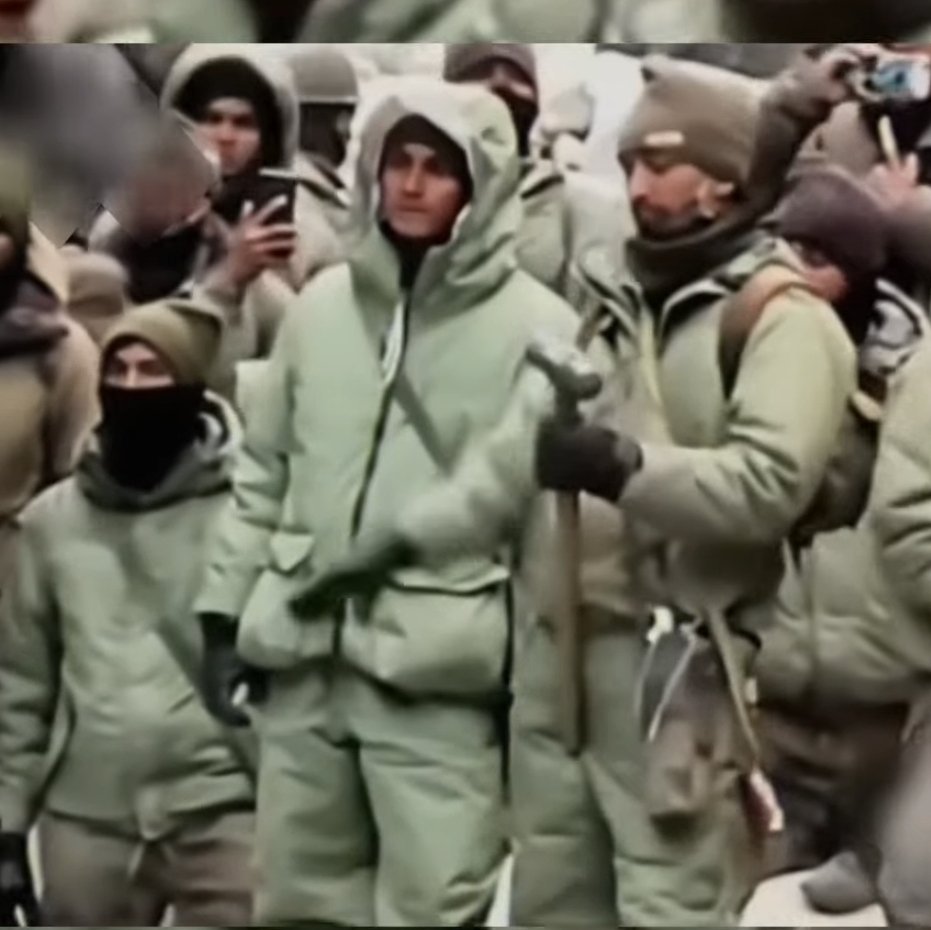
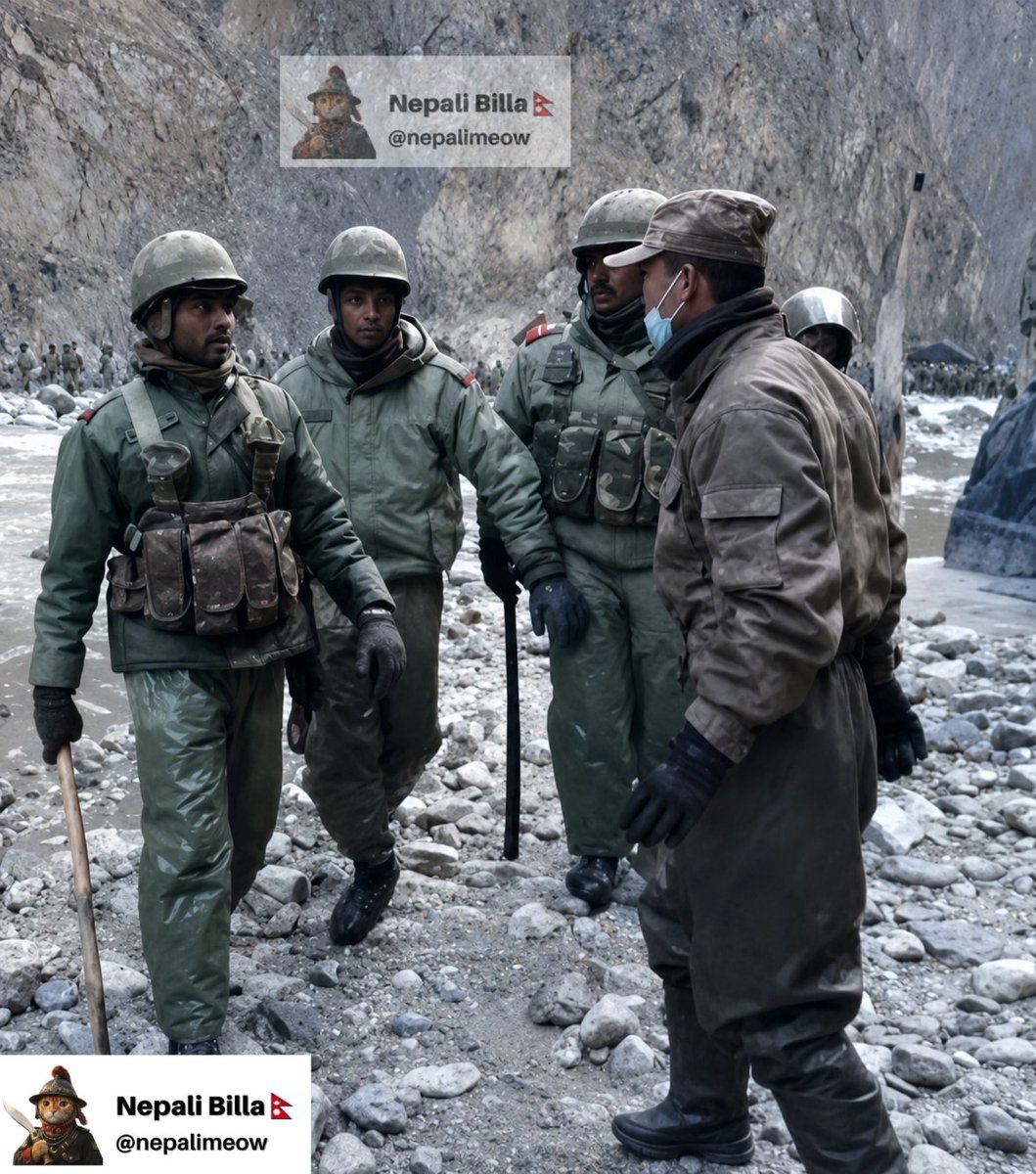
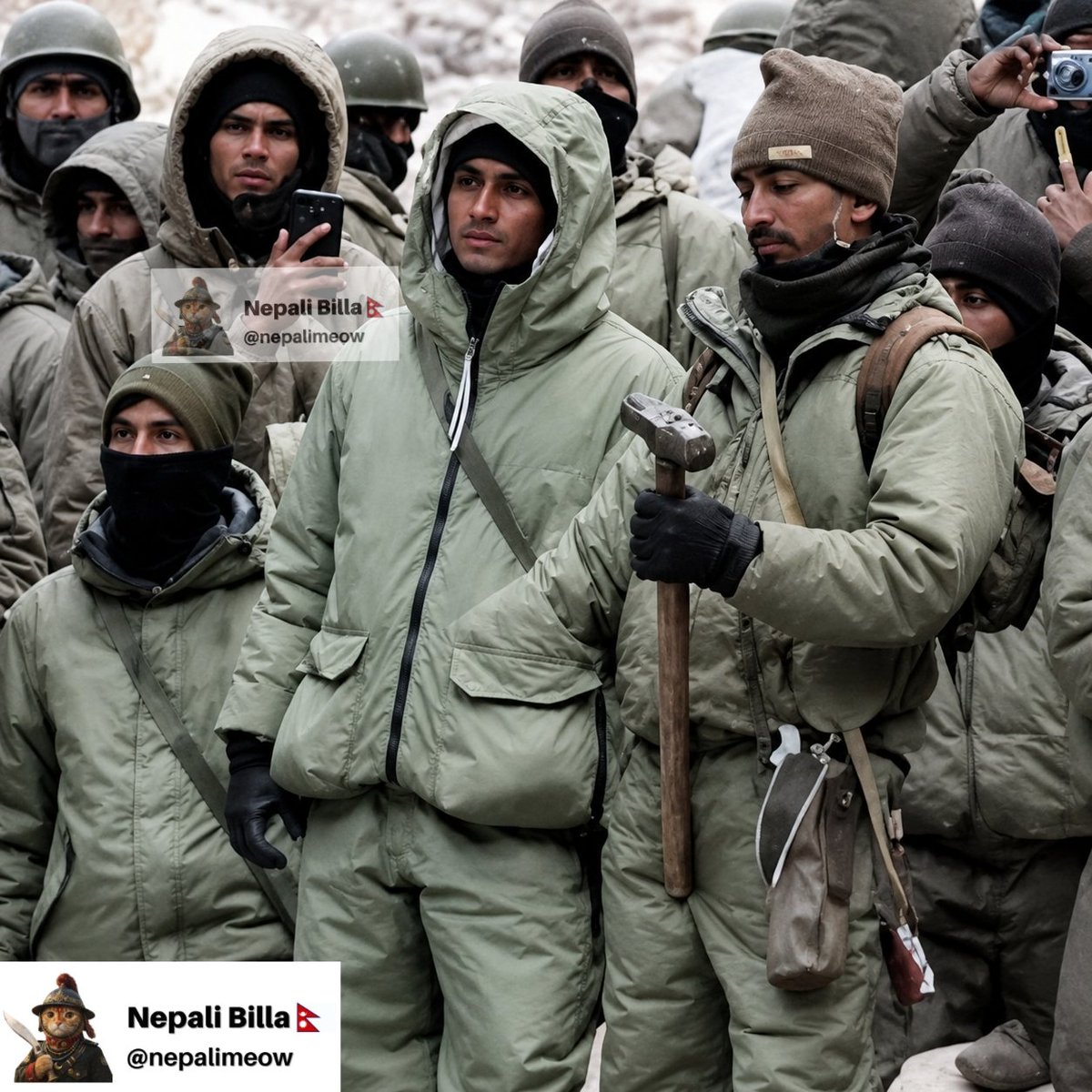
>Indian soldier with hammer
Waiting for chinse bat eaters
> 2020 Galwan clash
12
60
582
6,488
Nepali Billa 🇳🇵 retweeted
Kya Logic he yar,
Abhi me islamabad f16 crash pilot ki photo lga ke uska majak banao ?
5
4
136
1,993
Nepali Billa 🇳🇵 retweeted
Chinese bot crying in comments
Jun 13
>China have different caste group's in their army ,
>Shangs don't get high level rank in chinse army because, they treated like shit in china
Shang girl. Shi girl
17
36
426
4,159