
Welcome, I'm Shawn, The founder of @NerdyXLabs || Creator of @XRPL0S / @IntraPay_ / @Xocial_Global Architecting sovereign, decentralized agentic infrastructure.
Joined May 2024
- Tweets 36,888
- Following 848
- Followers 4,738
- Likes 75,853
5,287 Photos and videos













Pinned Tweet

May 7
All the application I'm currently building has everything to do with digital & agentic financial services.
@XRPL0S is a XRPL/Xahau/Evernode management platform, that also enables users to mint tokens/NFTs and create escrows/checks.
@Xocial_Global is the social media commerce platform that enables creators globally to get paid instantly.
@IntraPay_ serves as the Business Infrastructure as a Service, providing SME's or solo enterprises will all the agents they need to manage their business.
During my presentation at @easya_app Shark Tank, I didn't present a clear explanation of my product {XRPL}OS, instead I provided information on the suite of all my applications, which created confusion on what I was trying to present. I learned a lot from this experience, and will continue to grow.
My goal is to release @XRPL0S within the next few months, and start developing data to present at next year's conference.

7
5
29
2,761
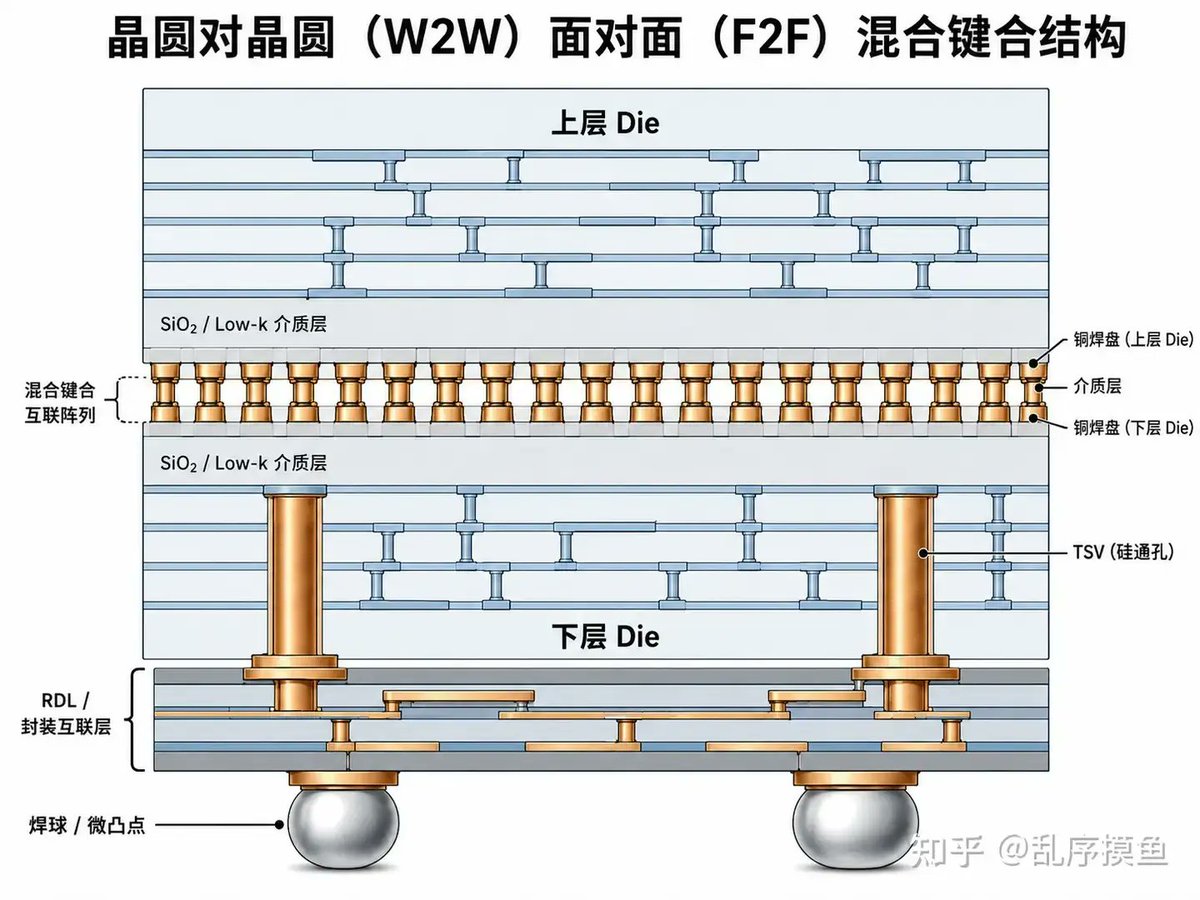
Huawei announcement of its new Logical Folding technology. The multi-level collaborative optimization system operates throughout the device, circuit, chip, and system levels. Set to release fall of 2026.
Simply put, Kirin 2026 stacks two wafers face-to-face. Face-to-face means face-to-face, which is F2F (Face-to-Face). In between, hybrid bonding is used to connect the upper and lower layers with ultra-high-density interconnection. The backside of the bottom wafer then uses TSV (Through-Silicon Vias) to continue routing signals, power, and ground outward.


1
2
78
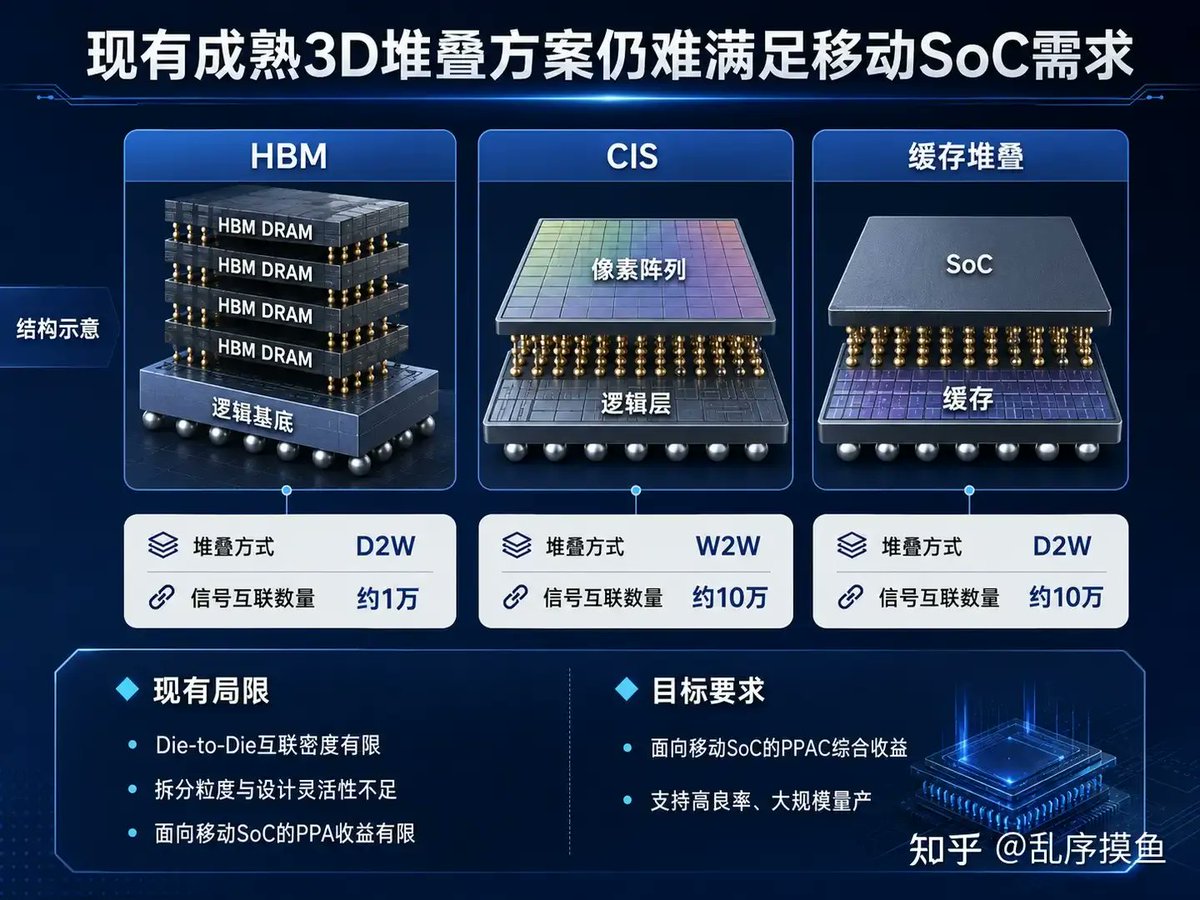
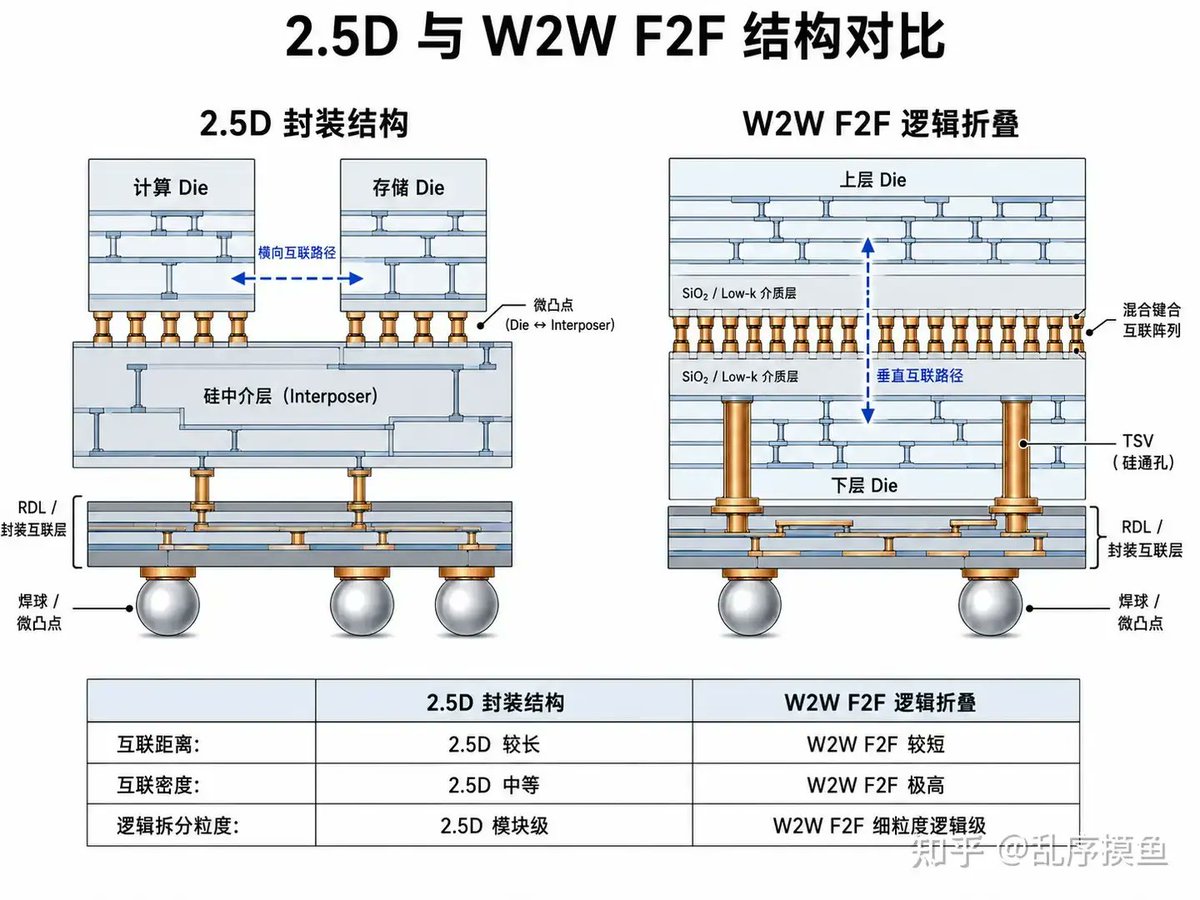
Wafer-to-wafer’s advantage is that two whole wafers are aligned and bonded in one go. Unlike sticking die by die slowly, it’s two large ‘chip motherboards’ directly merging. This is efficient, has high interconnection density, and is more suitable for high-volume mobile SoCs.
2
47
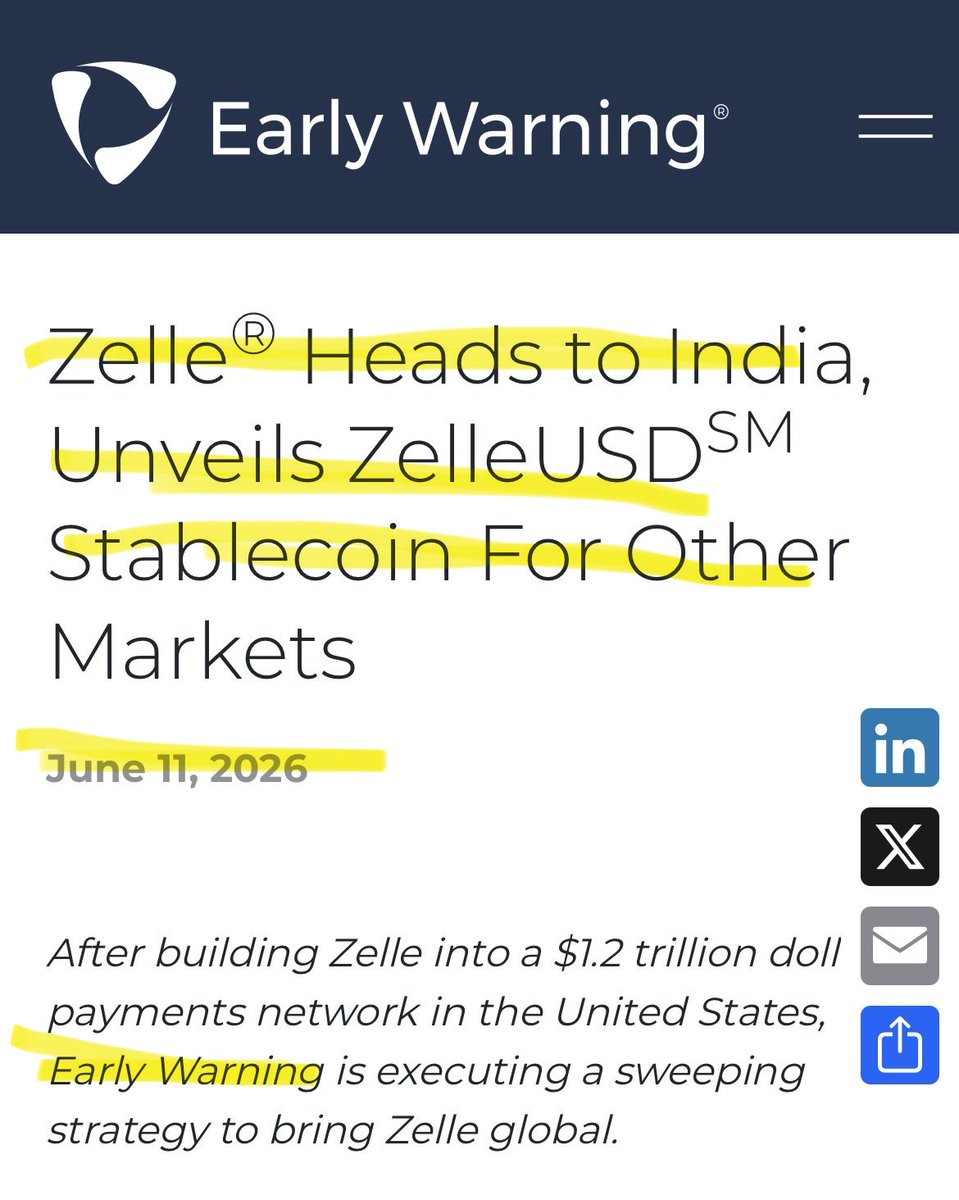
People actually believe the big seven are going to let others store their deposit on a decentralized platform.. 😅😅😅 Zelle was create to compete with PayPal & Venmo. No one has the capital to compete with the big seven.
New flash, Zelle doesn’t use blockchain whatsoever, neither does UPI.. I’ve been saying this for ages.. most financial institutions don’t need blockchain to operate their business, nor does it make sense to integrate it into their existing platforms. If anything, they’ll just create their own, which they have.. 😅

India is the largest remittance recipient in the world. The U.S. India corridor is enormous. Early Warning explicitly said India was chosen because of the size of remittance flows from the United States.
Remember who owns Early Warning.
It’s backed by major U.S. banks including JPMorgan, Bank of America, Wells Fargo, PNC, U.S. Bank, Capital One and Truist.
earlywarning.com/press-relea…
1
228
NerdyX🐼 || {NRDX} ² retweeted

We open-sourced Gate OC Audit under Apache-2.0 because an audit trail you have to pay for is an audit trail most of the community won't have.
No account.
No cloud.
Your disk, your data.
Build on top of it.
constellationgate.ai/opencla…
2
14
64
1,661
NerdyX🐼 || {NRDX} ² retweeted

20 Sep 2025
SEE YOU ON THE SOUTH LAWN @UFC

7,397
8,601
86,561
32,577,997
Many web3/DLT projects, wallets, platforms, have all come and gone, because building for a niche community, verses building for the general public, are completely two separate structures.
Sure, we all can vibe code an app, but is it a REAL TRUSTED product is a whole different story.
This is the reason it has taken me so long to build out my own products, because I'm aiming at creating an enterprise, not just some hobby community project.
I'm not knocking anyone, but just saying the quiet part out loud. Even Ripple themselves had to undergo regulatory scrutiny, because we are building for a whole new industry, and people require TRUST.
Regardless of what you're building, you are still dealing with peoples money.
1
45
A prevalent misconception within the blockchain industry is that utilizing a decentralized ledger or integrating cryptocurrency automatically exempts a business from financial regulations.
This is not the case.
Regulators primarily focus on the functionality of an application rather than the technology stack employed to develop it.
If your platform facilitates money transfers, payment processing, value exchange, customer fund storage, or enables financial transactions between parties, you may still be subject to the same regulatory requirements applicable to traditional fintech companies.
Many founders erroneously assume, “Since we are utilizing blockchain technology, we are not required to obtain licenses, comply with regulations, or undergo audits.”
In reality, banks, payment partners, regulators, enterprise customers, and institutional investors typically seek:
FinCEN MSB Registration in the US identifies your business as a Money Services Business with the federal government, notifying regulators of your financial transactions and compliance with federal Anti-Money Laundering requirements.
An AML Compliance Program is a documented process for verifying customers, monitoring transactions, detecting suspicious activity, and reporting financial crime, which is essential for legitimate financial platforms.
A California DFPI Money Transmitter License, or using a Licensed Partner Model, is mandatory for businesses transmitting money on behalf of customers in California, preventing unauthorized fund transfers. Many startups initially partner with licensed providers.
EU PSD2 Payment Institution Authorization, or using an EMI Partner Model, enables companies to legally provide payment services across the European market, serving as the regulatory framework for many fintech applications.
The UK FCA Payment Institution Authorization, or using an EMI Partner Model, is the UK’s equivalent authorization for payment companies, allowing businesses to offer regulated payment services under the Financial Conduct Authority’s supervision.
A Sanctions Compliance Program, including those for OFAC, the EU, and the UK, ensures your platform doesn’t process transactions for sanctioned countries, organizations, or individuals, with severe penalties for non-compliance.
Blockchain can enhance transparency, expedite settlement times, promote interoperability, and improve auditability. However, it does not eliminate compliance obligations.
Technology does not replace regulation. Technology must operate within the regulatory framework.
A trusted fintech is not defined by the ledger it utilizes. It is defined by its ability to operate legally, safeguard customers, and manage risk at scale. This is the reason why certifications such as SOC 2 Type II and ISO27001 exist.
The future belongs to companies that combine the efficiency of decentralized infrastructure with the trust, governance, and regulatory frameworks necessary for global operation.
86
People are building hobbies, not companies. 😅. Good luck with that.
2
3
195
NerdyX🐼 || {NRDX} ² retweeted

Jun 12
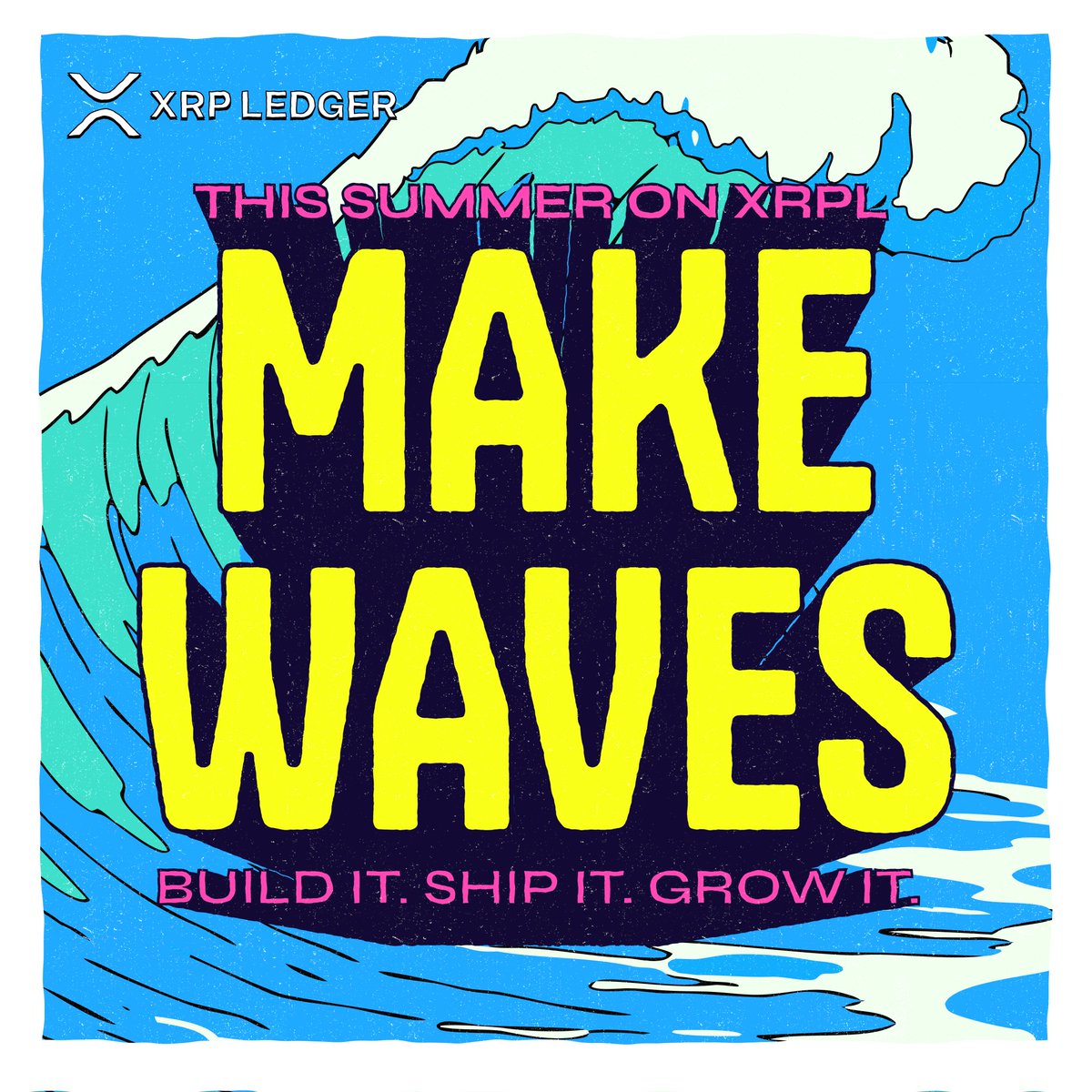
Make waves on XRPL this summer.
You have 3 months to do one thing: build something new and get people using it. The best projects walk away with cash prizes and an optional path into our incubator.
Kicks off with a 2-day technical deep-dive into XRPL on June 22. All online.
-> luma.com/make-waves-on-xrpl
Build it. Ship it. Grow it.
12
23
83
7,184
ChatGPT is one of the worst models available right now, giving access to your personal financials, will not end well.. it’s only a matter of time until we get the first news story of a user who received bulk quantities of an item, because GPT hallucinated. Ai is still the Wild West..

Visa has officially partnered with ChatGPT to give AI agents access to your credit card.
Users can now let ChatGPT autonomously shop for them with full access to their bank info.

1
4
302


NerdyX🐼 || {NRDX} ² retweeted

Jun 12
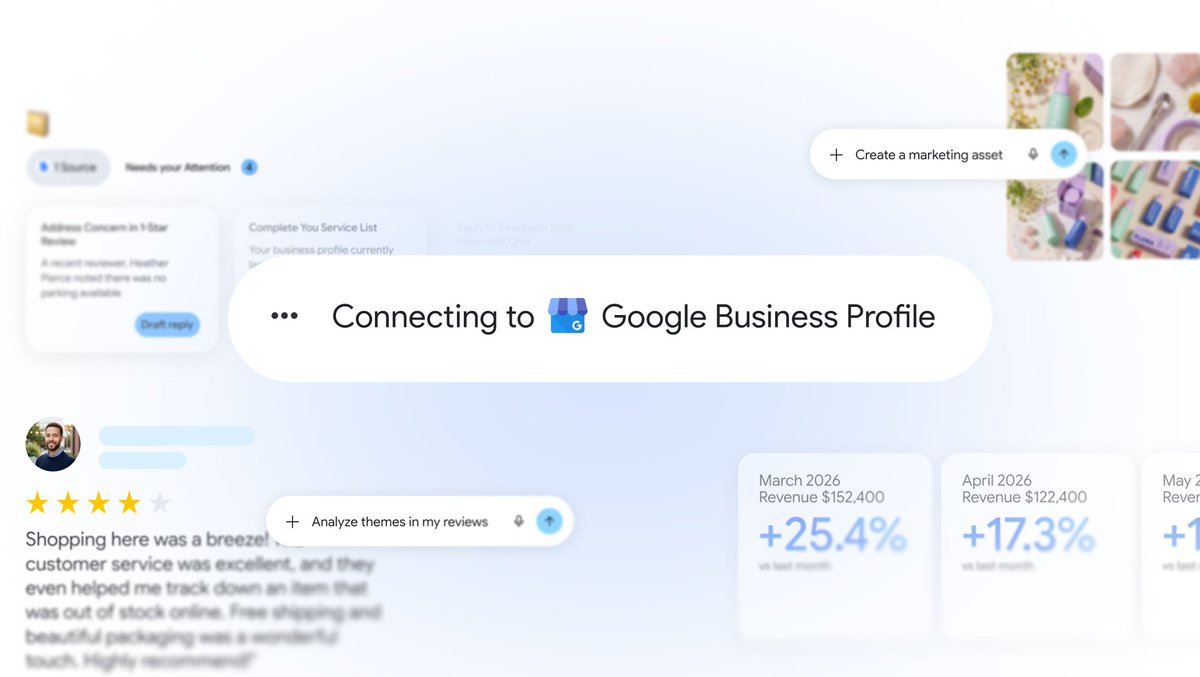
We’re introducing new @GeminiApp features tailored for small businesses everywhere. You’ll be able to:
🤝 Connect your Google Business Profile to Gemini, allowing Gemini to act as an AI assistant that understands your real-world business context
📓 Stay ahead with Business Notebooks, a new focused space where you can organize information from your chats, sources, Google Business Profile and website
ALT A collage of Gemini features for small businesses.
28
71
648
51,972
Navigating the compliance portion of my business is probably the hardest part. I’m learning a lot, but this is going to get really expensive, really fast. Now I have to think how I will cover all of this, while providing a competitive product. 🤔🤔🤔🤔🤔🤔🤔🤔🤔🤔🤔🤔🤔🤔🤔
2
2
4
113
NerdyX🐼 || {NRDX} ² retweeted

Jun 13
The US government, citing national security authorities, has issued an export control directive to suspend all access to Fable 5 and Mythos 5 by any foreign national, whether inside or outside the United States, including foreign national Anthropic employees.
The net effect of this order is that we must abruptly disable Fable 5 and Mythos 5 for all our customers to ensure compliance.
Access to all other Claude models is not affected.
We apologize for this disruption to our customers. We believe this is a misunderstanding and are working to restore access as soon as possible.
Read our full statement: anthropic.com/news/fable-myt…
12,055
25,207
85,297
82,989,575
You know, to be completely honest, I never truly understood what @Ripple actually did has a company, but now I fully understand.
The simplest way I can explain it is:
A multi-rail financial routing and settlement system that abstracts global payment networks into a unified liquidity and settlement layer optimized for cross-border value transfer.
That’s it, simple as that.
64
NerdyX🐼 || {NRDX} ² retweeted

Jun 10
AI agents are beginning to transact, pay for services, and settle value autonomously.
Today, we're introducing the XRPL AI Starter Kit, a new set of tools and integrations designed to help developers build agentic payment applications on the XRP Ledger: on.ripple.com/4v7STIm
Phase 1 includes:
→ XRPL Docs MCP Server
→ Claude Skills for wallet creation, payments, and transaction tracking
→ X402 support for agent-to-agent payments using $XRP and $RLUSD
XRPL's fast settlement, predictable costs, and native payment functionality make it a strong foundation for agentic payments.
45
347
1,282
200,040
NerdyX🐼 || {NRDX} ² retweeted

May 29
Stablecoin settlement is only the beginning - the real challenge comes after.
Converting value into local currency, routing through domestic rails, and delivering funds compliantly across markets is where most stablecoin payment flows still fall short.
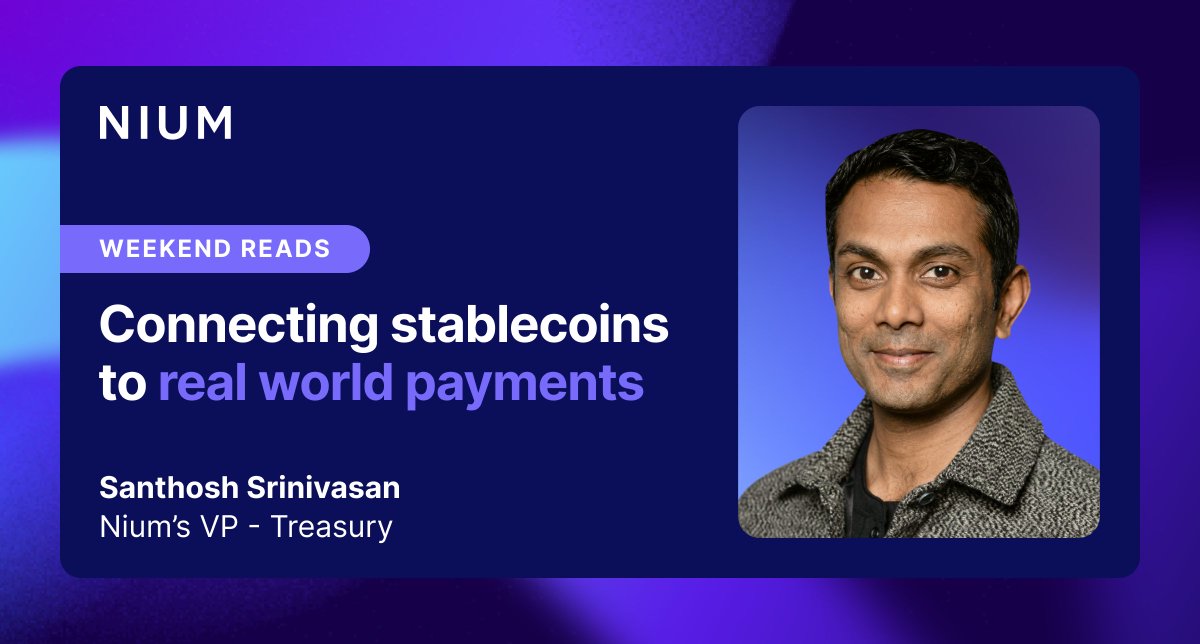
In this piece, Santhosh, Nium’s VP of Treasury, breaks down how the Circle Payments Network and Nium work together to solve last-mile delivery across 190 countries and what it means for institutions building on stablecoin rails.
🔗 bit.ly/4dQ3gZU
1
6
197
NerdyX🐼 || {NRDX} ² retweeted

Jun 12
For the first time ever, US-regulated gold and silver futures won’t be closing for the weekend. Or ever.
24/7 trading goes live tonight on Coinbase.
With oil, and more, coming soon.
64
156
903
117,070