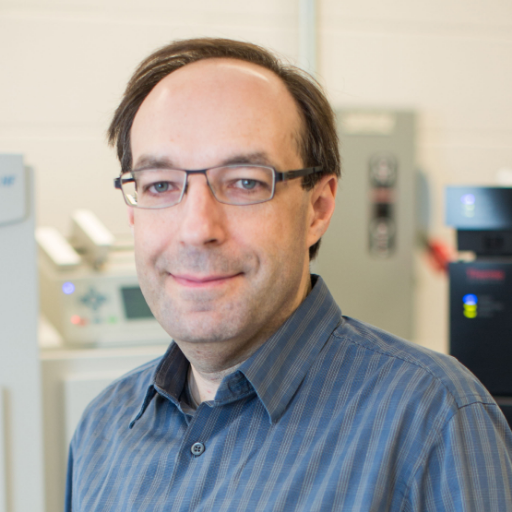
Godfrey D. Stobbe Professor of Bioinformatics at U of Michigan. Trained as a theoretical physicist, now focusing on proteomics and proteogenomics.
Joined January 2019
- Tweets 1,553
- Following 290
- Followers 5,138
- Likes 1,963
174 Photos and videos

Pinned Tweet

30 May 2024
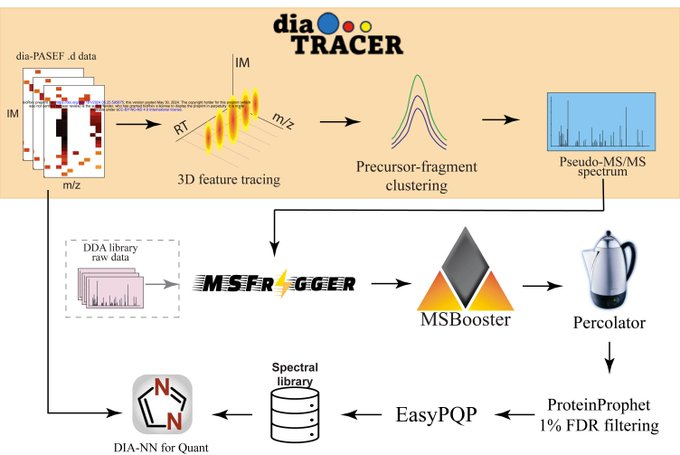
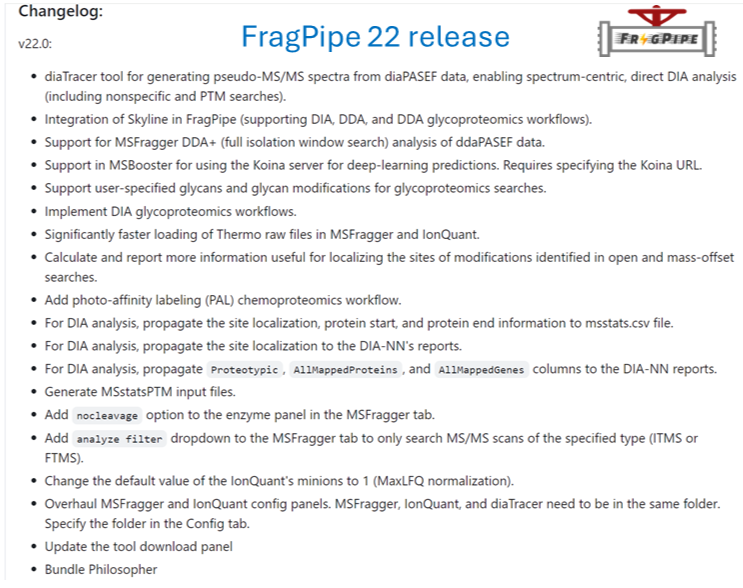
Friends, #FragPipe 22 has been released, and it's a big update! diaTracer enables spectrum-centric analysis of diaPASEF data. Skyline integration. Koina server for more deep-learning prediction options. DDA mode for ddaPASEF. DIA glycoproteomics and new chemoproteomics workflows
6
25
136
12,045
Alexey Nesvizhskii retweeted

30 Aug 2025
1/ 🚨 New preprint!
We present ProteomeGenerator3 — an end-to-end proteogenomics framework combining long-read RNAseq multi-dimensional proteomics to uncover hidden cancer proteoforms
👉biorxiv.org/content/10.1101/…
1
3
32
2,619
Alexey Nesvizhskii retweeted

10 Sep 2025
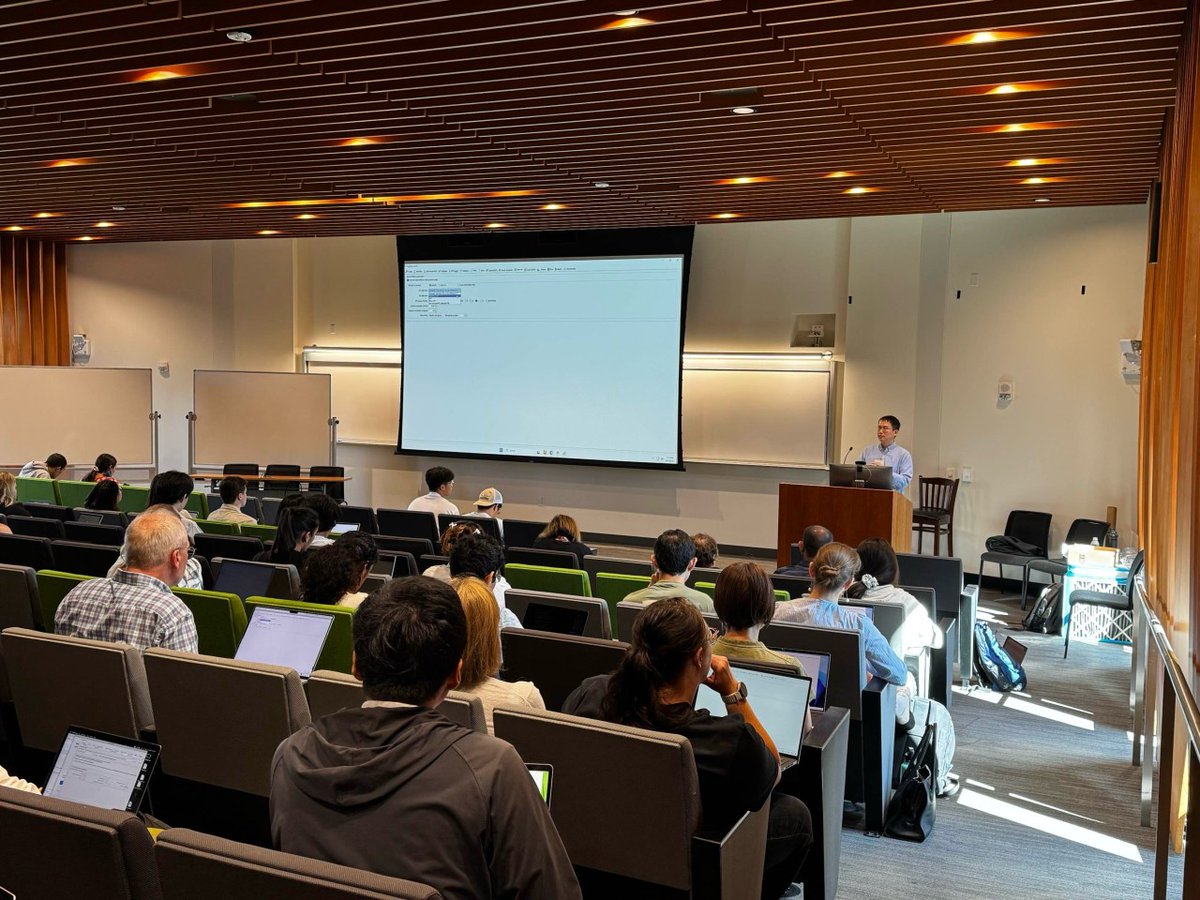
It was a great pleasure to teach #FragPipe at the Biological Proteomics for Beginners workshop at #UCSD, sponsored by Thermo Fisher Scientific. We had a fantastic group of grad students, postdocs, and professors. Yes, I even got to teach UCSD professors how to do proteomics 😁

1
1
14
522

If you work on SILAC proteomics and want to know the best data analysis parameters and pros & cons of different softwares, check out our recent publication!
mcponline.org/article/S1535-…
2
16
661
Alexey Nesvizhskii retweeted

7 Aug 2025
I'm excited to share that our latest research, "Sensitive neoantigen discovery by real-time mutanome-guided immunopeptidomics," has just been published in Nature Communications! nature.com/articles/s41467-0…
1
8
37
1,353
1 Aug 2025
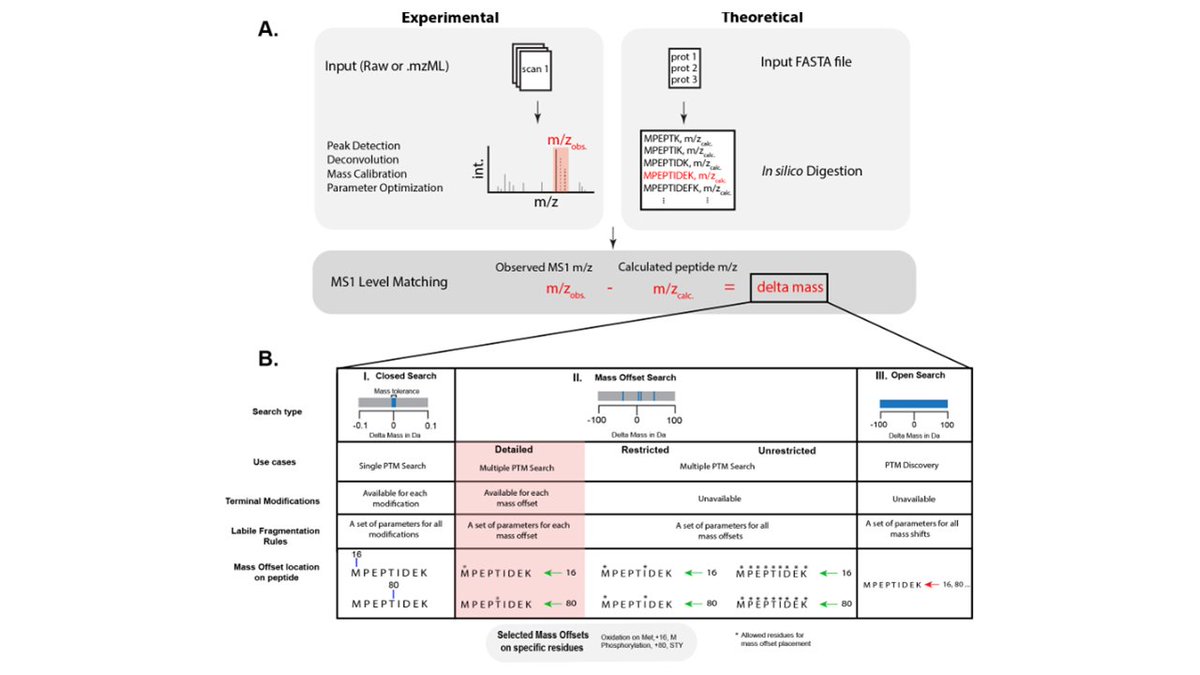
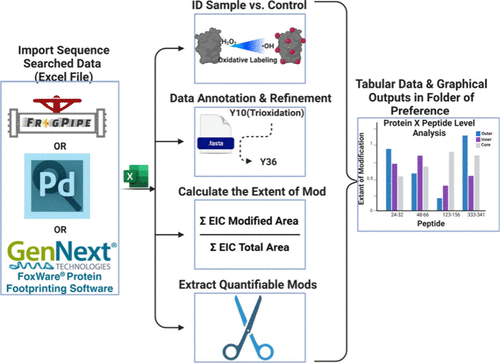
Conventional proteomics searches struggle with many modifications and open searches may be difficult to interpret. We introduce a "detailed" mass offset search in #MSFragger boosting interpretability and localization especially in complex cases like FPOP: biorxiv.org/content/10.1101/…
1
9
57
2,562
Alexey Nesvizhskii retweeted

1 Jun 2025
Integrating Alternative Fragmentation Techniques into Standard LC-MS Workflows Using a Single Deep Learning Model Enhances Proteome ... biorxiv.org/content/10.1101/… #biorxiv_sysbio
2
2
14
630
Alexey Nesvizhskii retweeted
25 Feb 2025
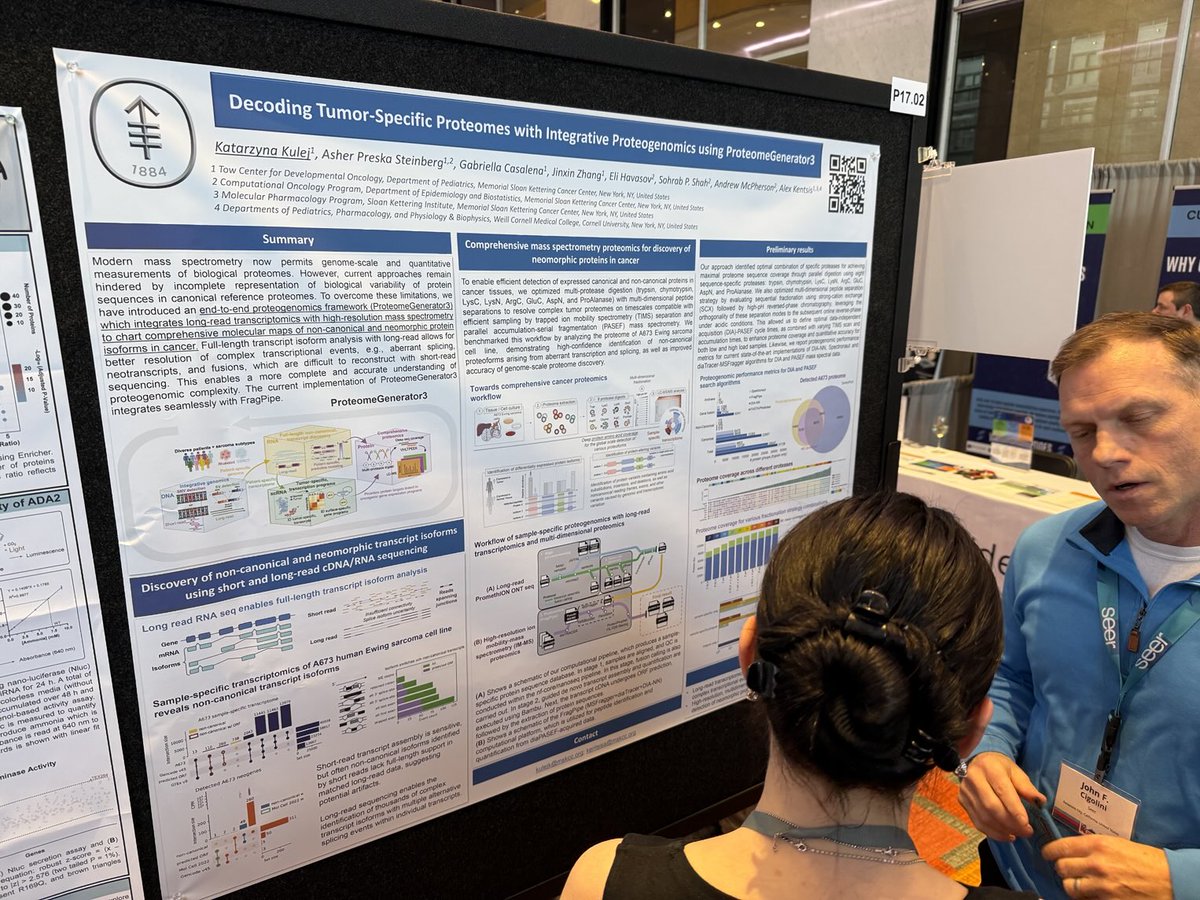
See Kasia Kulej #USHUPO2025 poster on Decoding tumor-specific proteomes with integrative proteogenomics using ProteomeGenerator3 (plus comparison of DIA-NN, Spectronaut and MSFragger)
1
11
981
9 Apr 2025
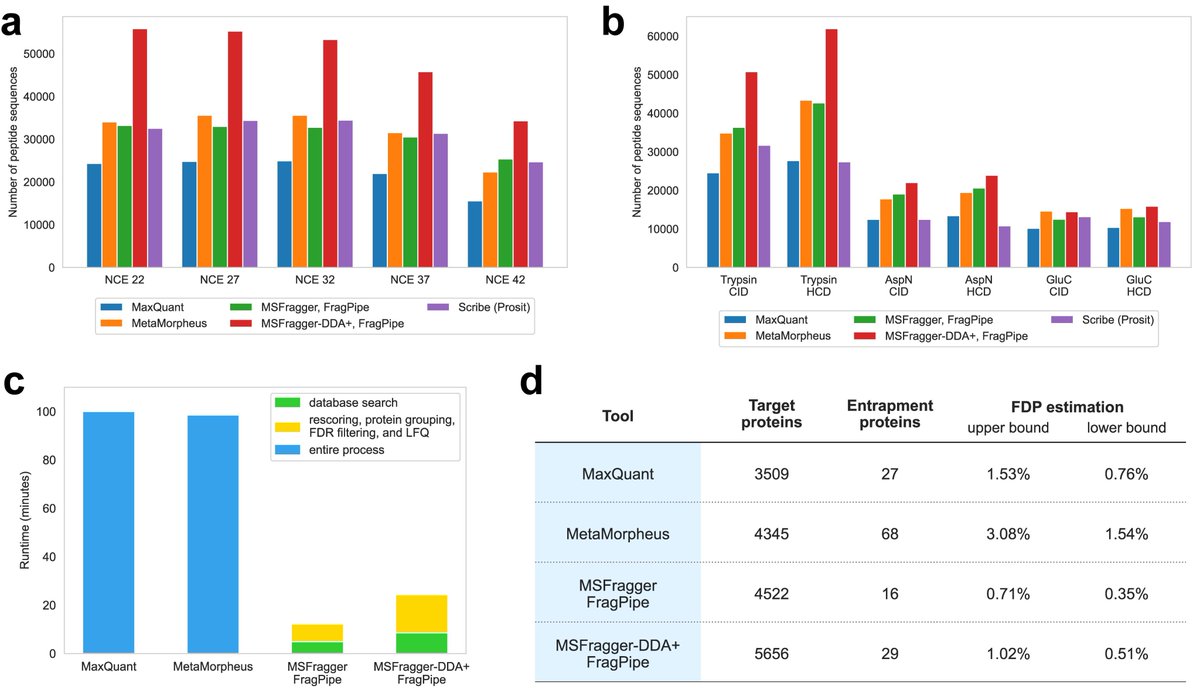
DDA is still great for many applications, and #MSFragger-DDA improves peptide identification rates via full isolation window search. Huge boosts in IDs, including Astral DDA! Fully integrated in #FragPipe, simply annotate your DDA files as DDA and RUN. nature.com/articles/s41467-0…
12
80
2,432
Alexey Nesvizhskii retweeted

17 Feb 2025
Tim Griffin, @nesvilab and Bing Zhang, will have a panel discussion on 'MS-Based #Immunopeptidomics: Challenges and Opportunities in Immuno-Oncology Research' at the #USHUPO2025 conference on 23rd Feb. ushupoconference.org/agenda#…
3
9
788
4 Jan 2025
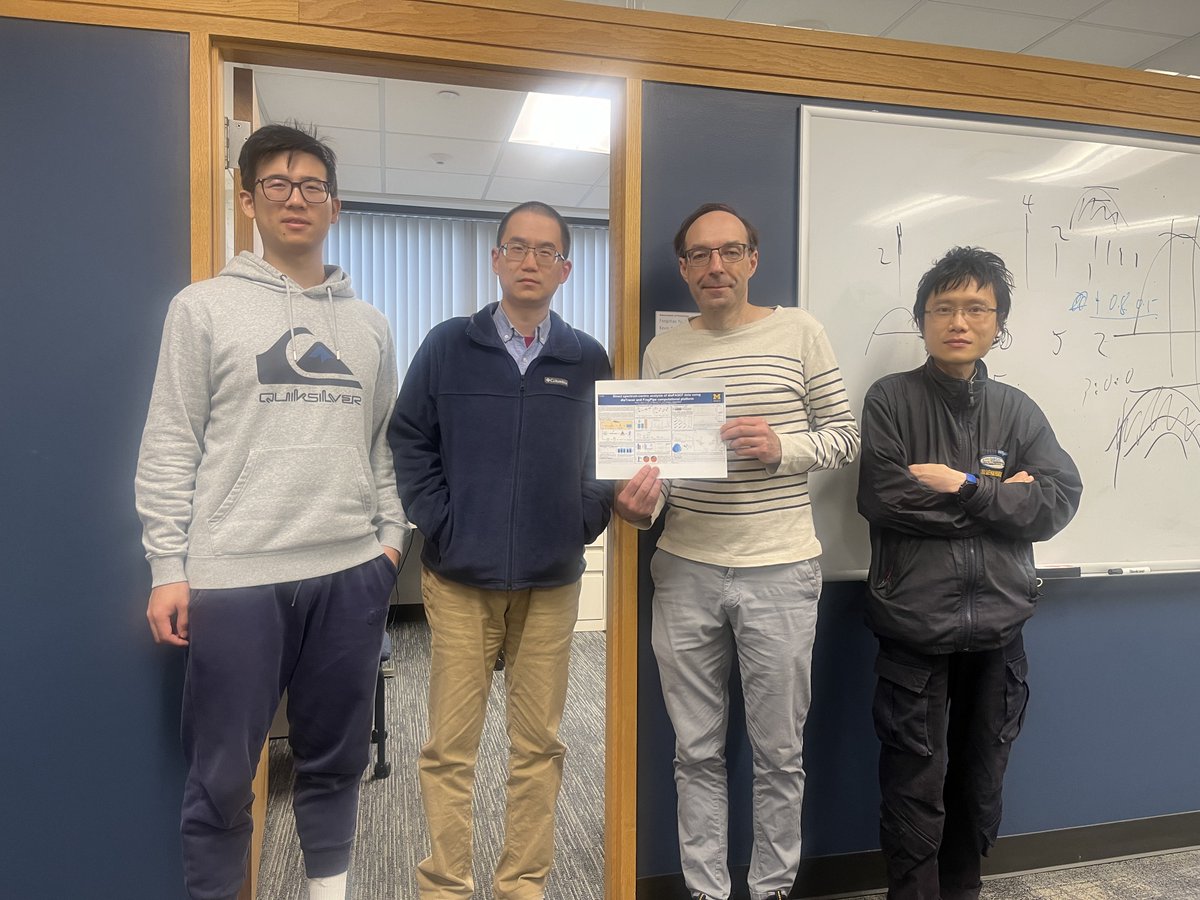
Our #diaTracer manuscript is out! 10 years ago we established the concept of library-free, direct DIA analysis with DIA-Umpire. DiaTracer now makes it possible to analyze any diaPASEF data, including PTM, semi-tryptic, nonspecific, and even open searches! nature.com/articles/s41467-0…
3
24
107
4,794
Alexey Nesvizhskii retweeted

3 Jan 2025
.@KaiPeiLi @nesvilab @fcyucn present diaTracer, a spectrum-centric tool for diaPASEF data, enabling direct peptide identification and quantification without spectral libraries. #BiotechNatureComms
nature.com/articles/s41467-0…
3
13
1,009
Alexey Nesvizhskii retweeted

19 Dec 2024
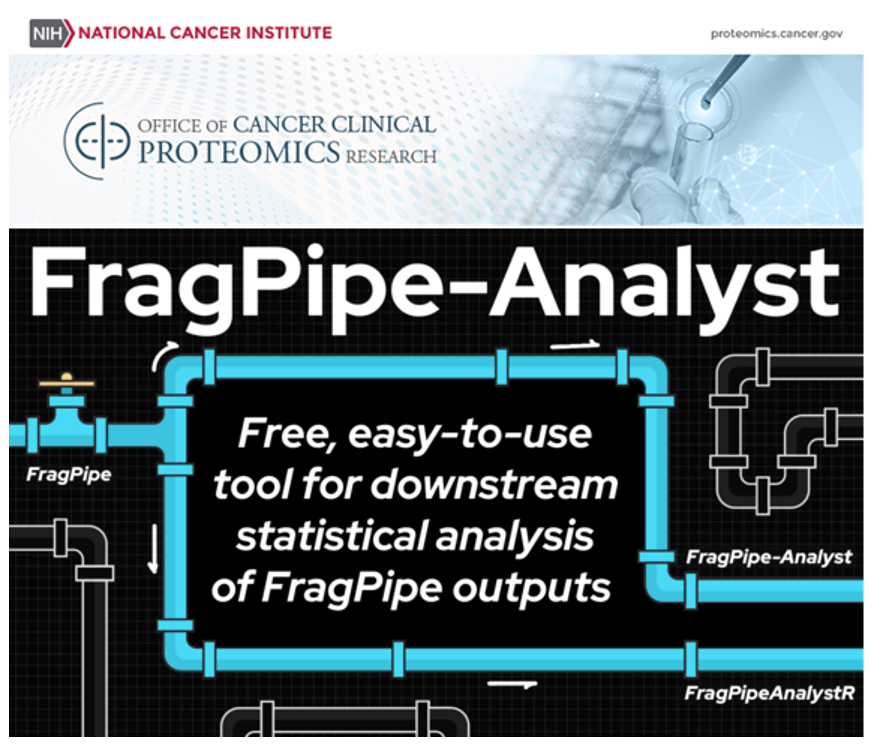
Big news in QUANTITATIVE proteomics! Researchers from @UMich & @MonashUni have launched FragPipe-Analyst: a user-friendly, web-based tool to complement the popular FragPipe platform. Upload files, analyze, & visualize data with ease. #Precisionmedicine
proteomics.cancer.gov/news_a…
3
27
989
22 Nov 2024
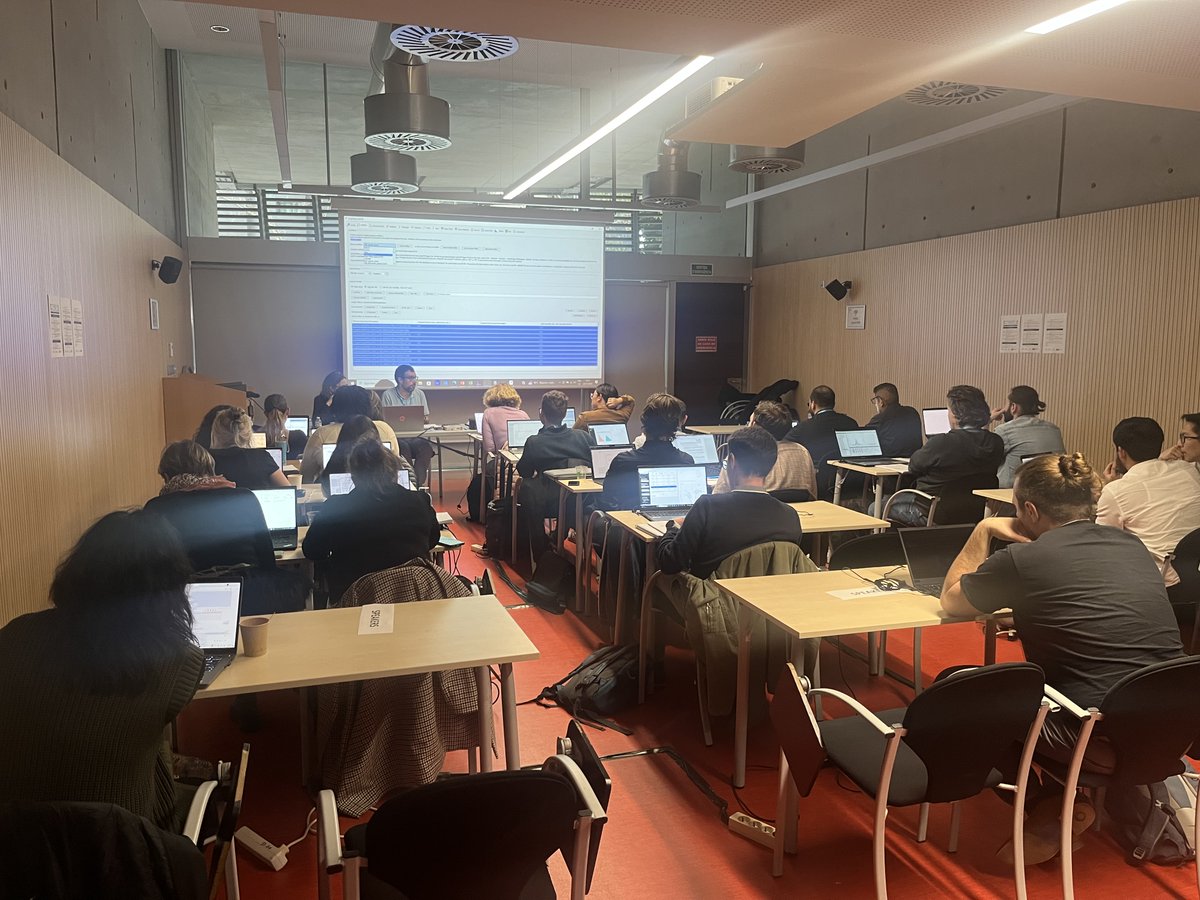
Spent a great day in Barcelona at the EMBO Targeted Proteomics course hosted by @sabidolab, talking about our DIA tools and helping his team with a hands-on tutorial on FragPipe, FragPipe-Analyst, and Skyline integration, from installation and mzML files to pathway-level results.
1
37
1,454
Alexey Nesvizhskii retweeted

21 Nov 2024
Great to see them apply the proteome-wide profiling method for electrophile reactivity and selectivity that we developed together with @nesvilab in Fragpipe in this exciting system. chemrxiv.org/engage/chemrxiv…
2
6
930
16 Nov 2024
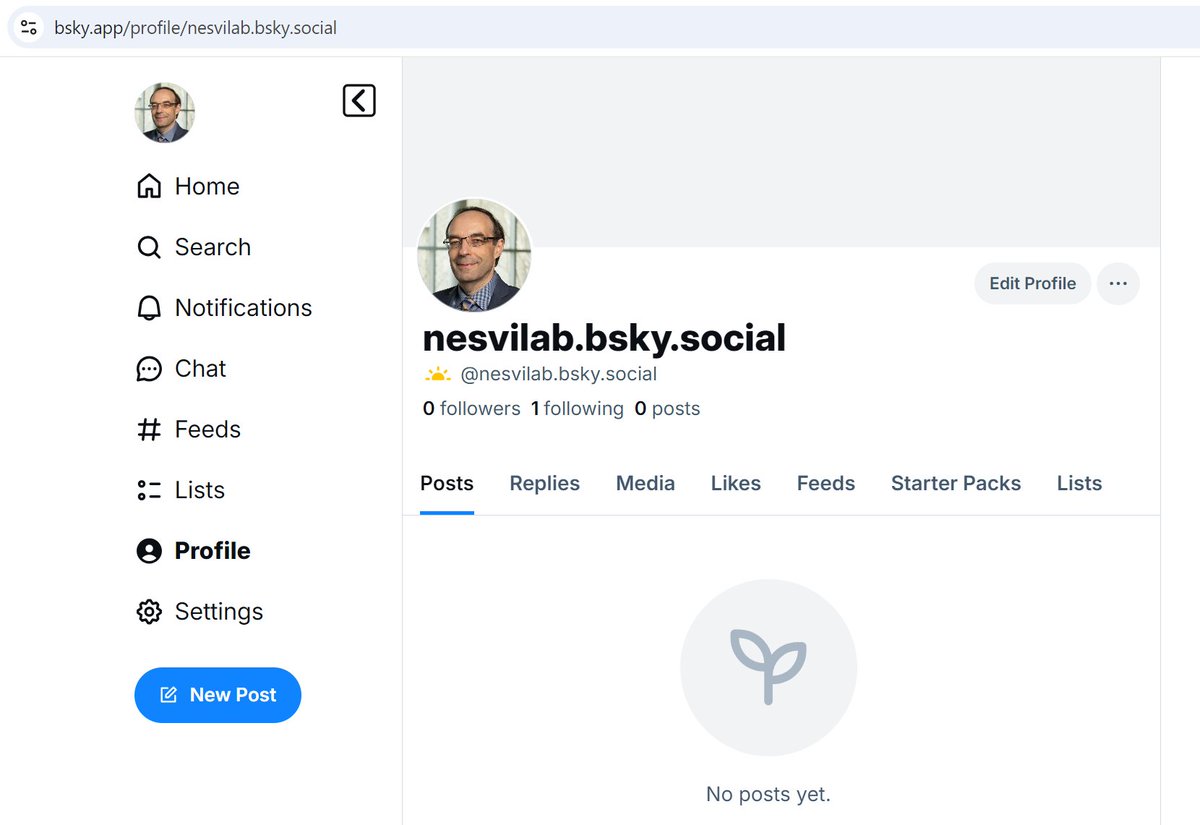
Ok, my friends led, I followed. A few clicks, and here we go. Loaded the first photo I found on the disk (note to myself to change it later, way too serious). But 0 followers!! Now I know the feel of social isolation! Help me out there. I will not be leaving X entirely, not yet.
1
1
30
2,325
10 Nov 2024
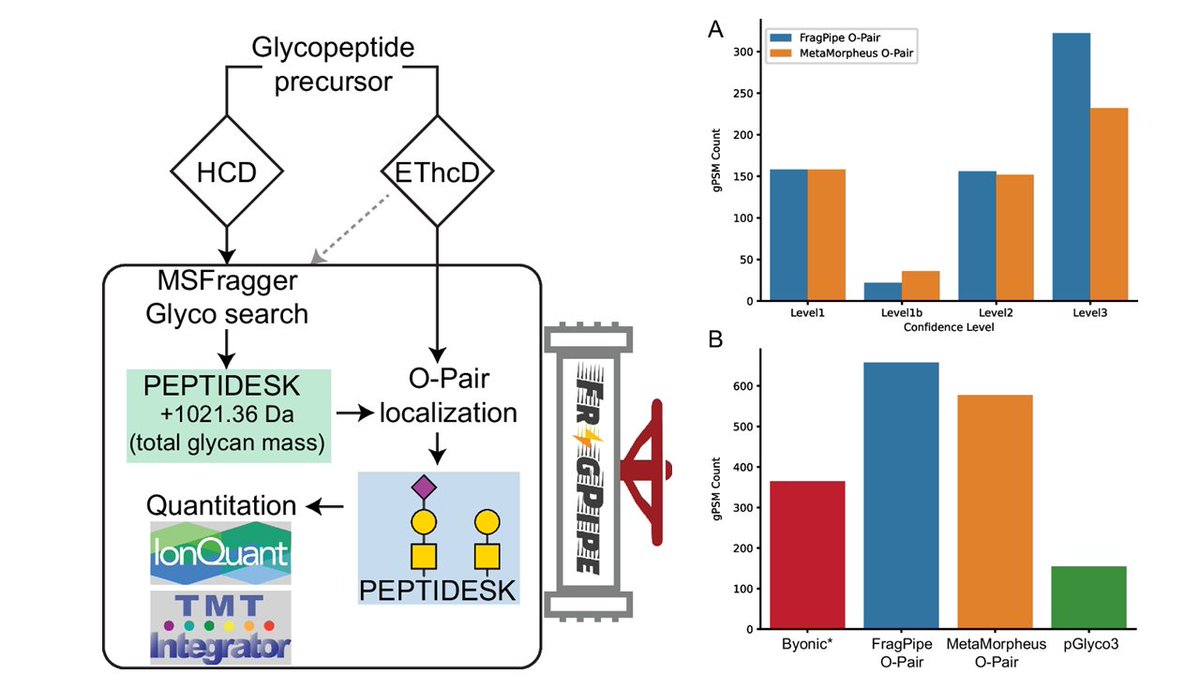
Very nice paper in Science, showing that N-glycosylation can also function as a degradation signal, similar to Ubiq: science.org/doi/10.1126/scie…. Glad to see the authors used our #FragPipe/#MSFragger-Glyco “Glyco-N-LFQ” workflow for quantitative glycoproteomics data analysis.
60
259
26,669
6 Nov 2024
Assessment of Data-Independent Acquisition Mass Spectrometry (DIA-MS) for the Identification of Single Amino Acid Variants mdpi.com/3029520. Glad to see #FragPipe/#MSFragger showing the most conservative and effective performance (lowest false discovery match ratio (FDMR))
1
34
1,471
31 Oct 2024
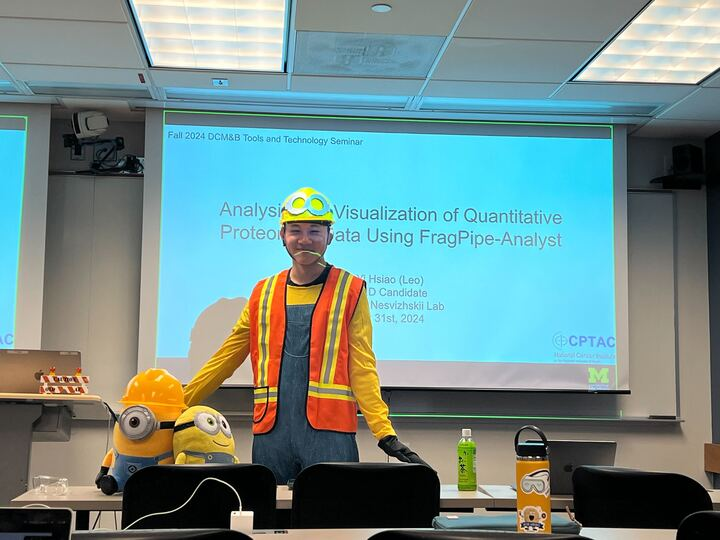
If your presentation falls on Halloween, do it in style! Here is Yi (Leo) Hsiao, Bioinformatics Ph.D. student in the lab, presenting his FragPipe-Analyst tool at today's "Tools and Technology" seminar series at the University of Michigan. #FragPipe medschool.umich.edu/events/t…
1
44
1,874
28 Oct 2024
Another great collaboration with the Keri Backus' lab, where we implemented a two stage search in #FragPipe to identify gain-of-cys mutations and variants proximal to reference cysteines. Two-stage searches can be useful for many applications, and they ensure group-specific FDR.
28 Oct 2024

Excited to share our chemoproteogenomics story now out in its final form in @NatureComms. Congrats to first author Heta Desai @heta_desai17! nature.com/articles/s41467-0…
2
19
2,316