
Freedom- Human Dignity, Respect, and Equity. we’ve got a limited time, live freely.
Joined January 2011
- Tweets 1,554
- Following 174
- Followers 184
- Likes 739
175 Photos and videos


Mr Next retweeted

Jun 12
21 Mar 2025

Kinda obsessed with African TikTok edits. This tweet will be where I can find them easily
4
170
883
11,084
Mr Next retweeted
Jun 13
Probably one of my favorite
21 Mar 2025
Kinda obsessed with African TikTok edits. This tweet will be where I can find them easily
53
988
6,980
149,567
Mr Next retweeted

Jun 10
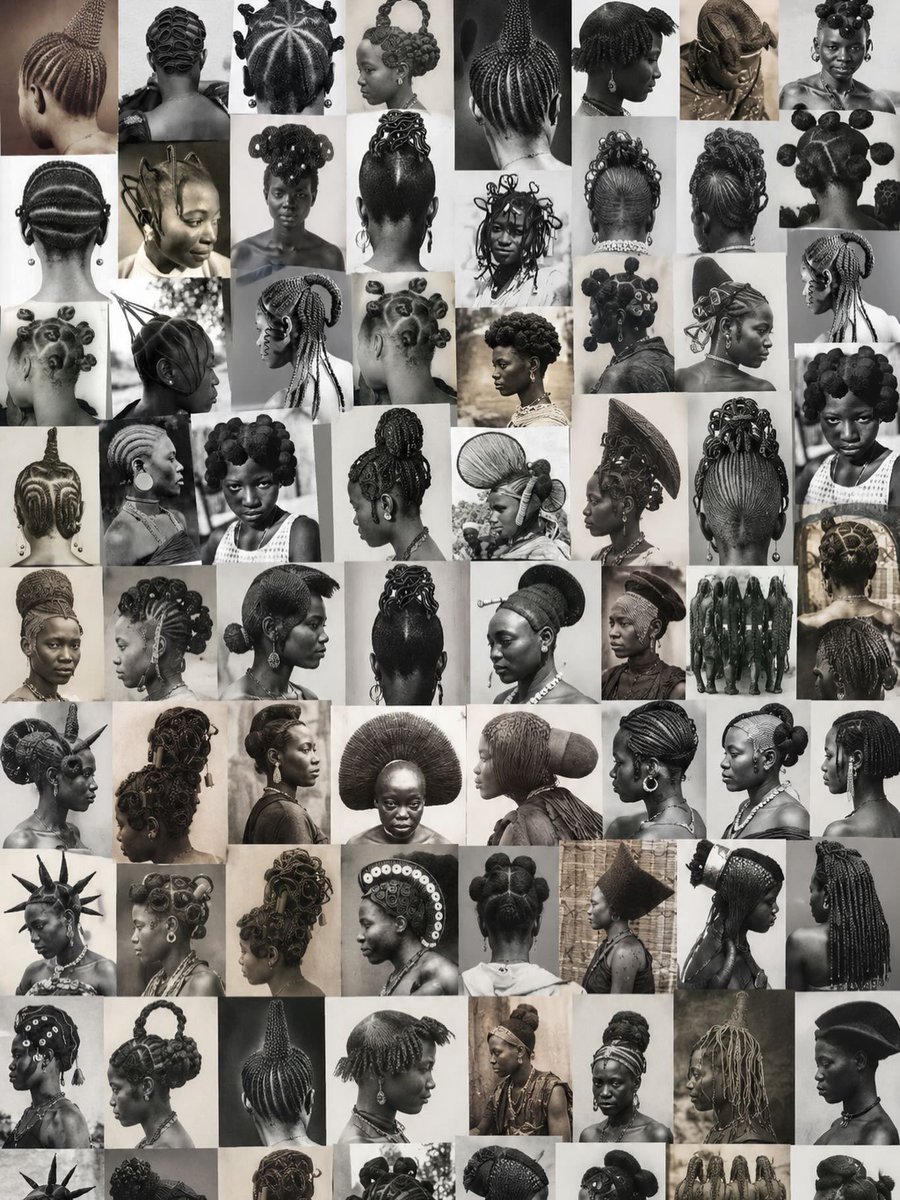
Our ancestors were so good that they turned their hairstyles into art, identity, culture, and storytelling ✨
43
1,467
5,266
51,965
Mr Next retweeted

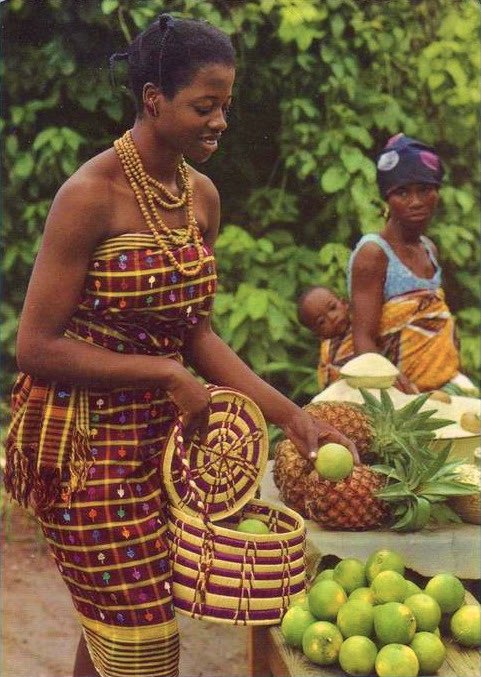
Igbo woman at a local market in Onitsha.
Photo by E. Ludwig, John Hinde Studios, 1950s.
28
275
1,402
19,861


Mr Next retweeted
Feb 5
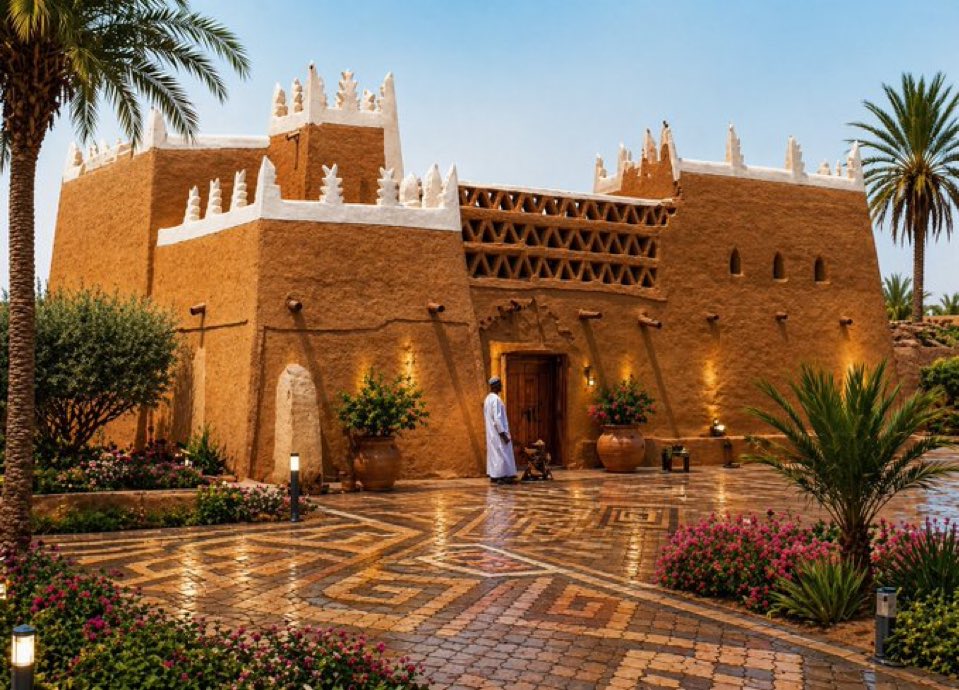
West African traditional architecture are mesmerizing and beautiful ✨
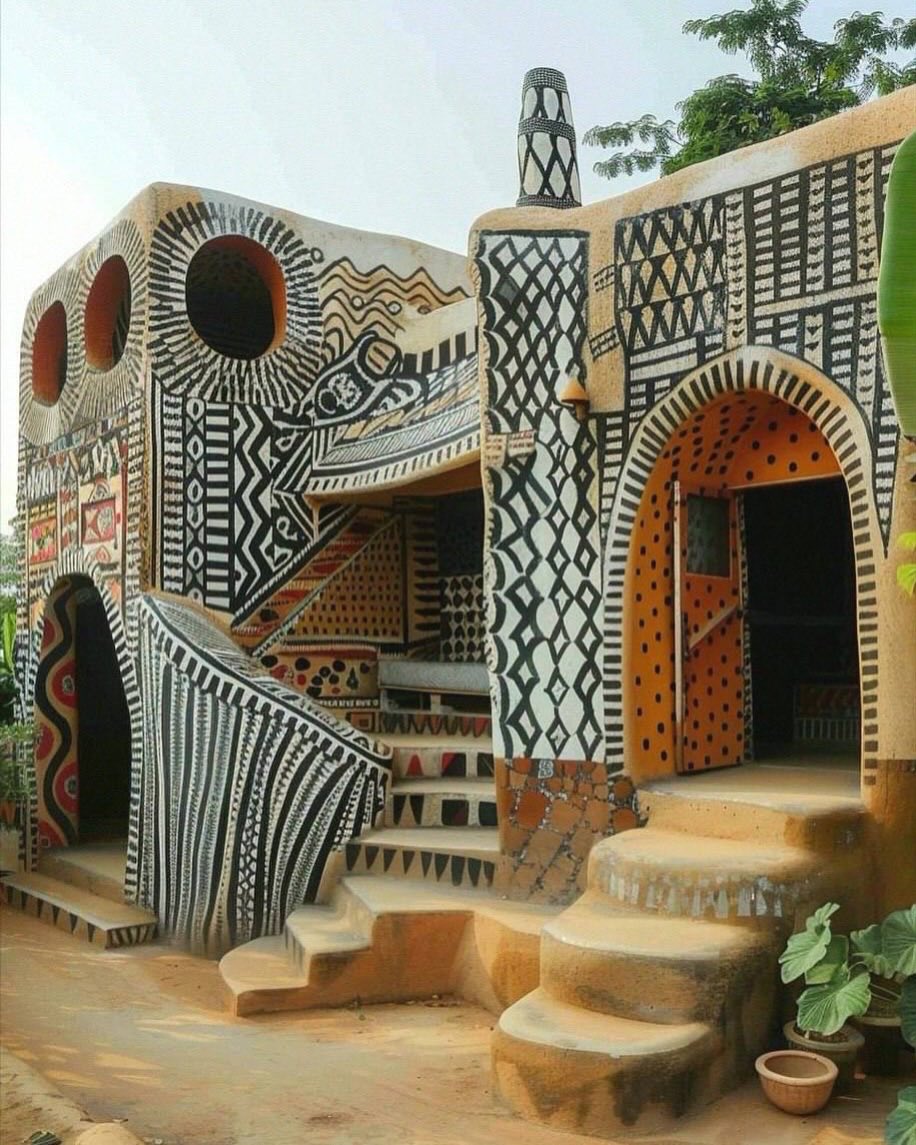
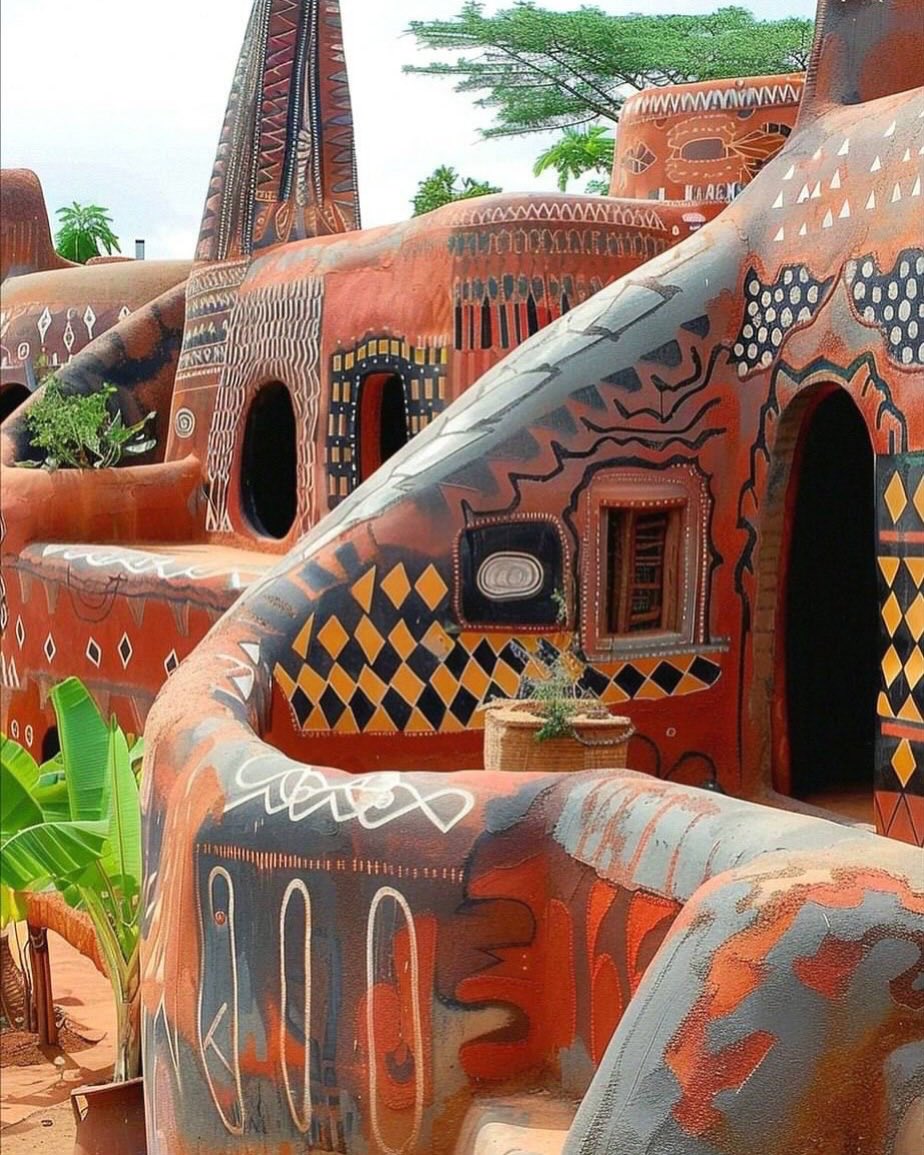
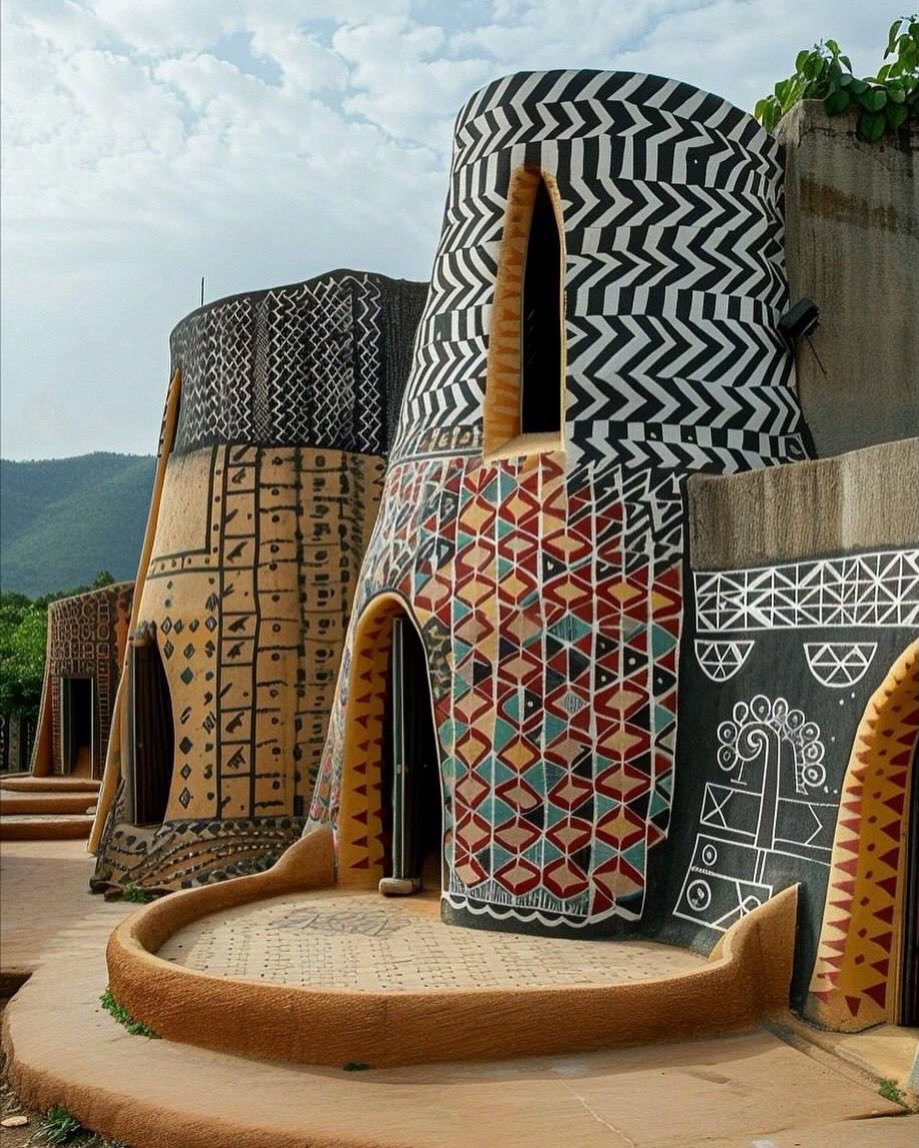
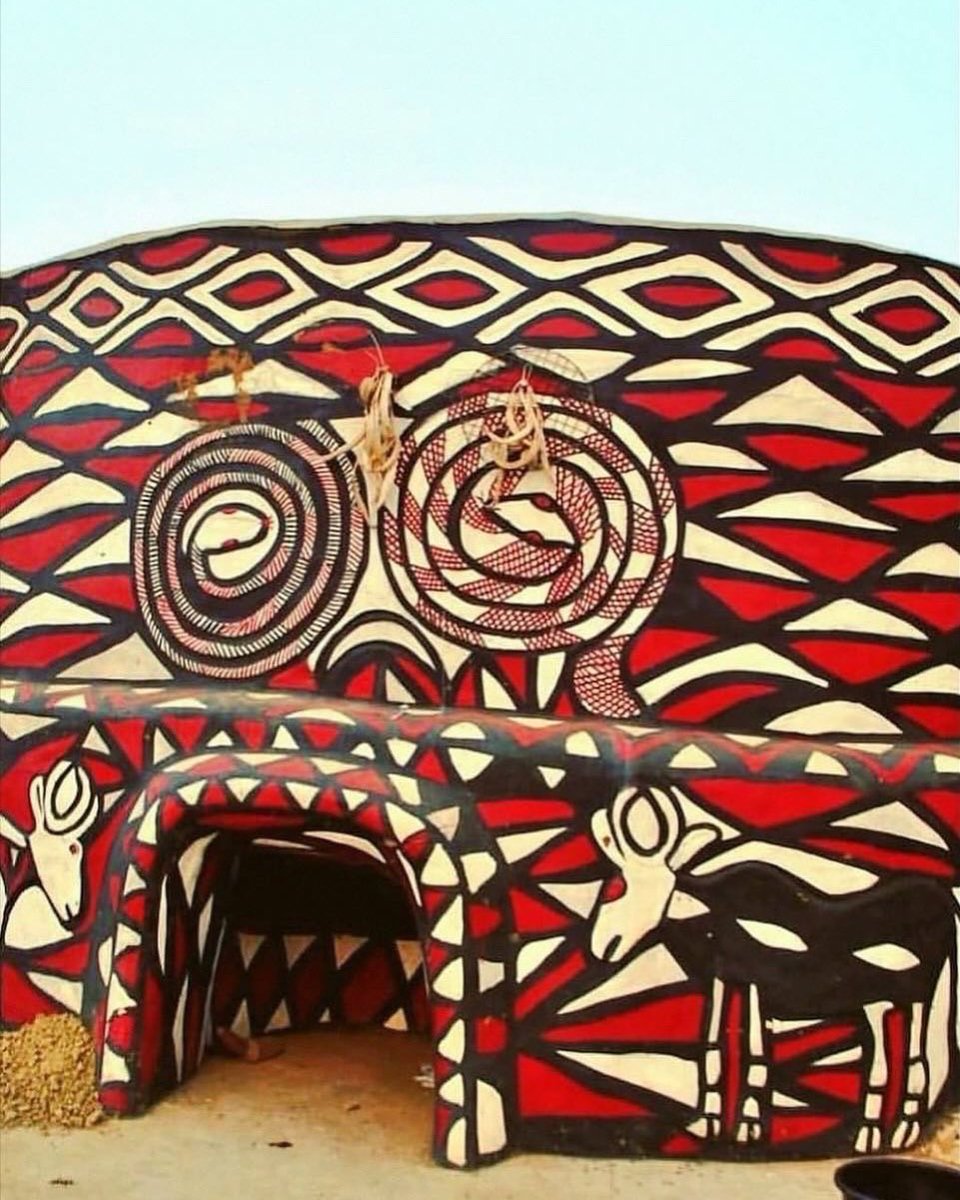
5
275
1,195
22,490
Mr Next retweeted
5 Jun 2025
The Beauty of our African culture and clothings…
5
29
1,742
Mr Next retweeted
Mar 5
This is an absolute beauty, an African heritage that is deep-rooted and transmitted in silence. Pure, beautiful African queens from Senegal 🇸🇳
1
34
166
3,071
Mr Next retweeted
10 Feb 2024
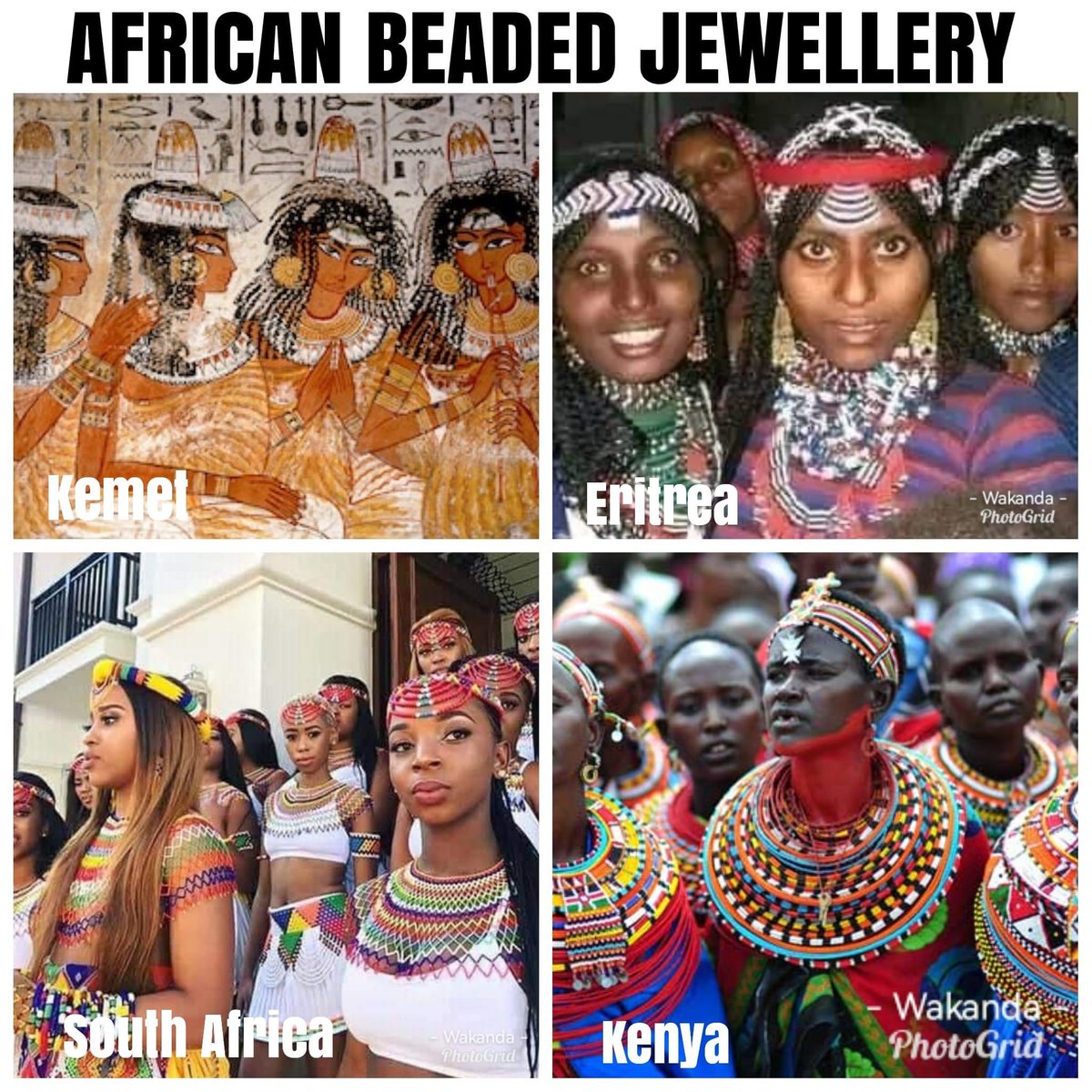
AFRICAN BEADED JEWELLERY
Since ancient times, African peoples have cherished beads and appreciated their beauty. Made of various materials, beads are small, perforated, and often rounded objects found throughout the world. Beads have played an important role in the personal lives of Africans and in the court life of African kingdoms, being valued as currency and as an artistic medium. The materials used have varied over time, and include shells, stone, clay, metal, and glass.
The oldest jewelry ever discovered was found in a cave in South Africa and is believed to be over 74,000 years old. This knowledge spread across the continent, and archeological finds in Libya from around 12,000 years ago show the continued mastery of the craft as it evolved throughout the ages. The earliest examples of locally manufactured African beads are disk-shaped and made from ostrich eggshells. These date to around 10,000 B.C. and have been recovered from archaeological sites in Libya and Sudan.
The cultural significance of beadwork spread to ancient Kemet by 1500 BC. By the 1400s, this beadwork was often accepted as currency and the ornamental, ritual, spiritual, and ceremonial values of the craft made the beads highly valued possessions.
Some of the more commonly known styles of beadwork from the Masai tribe, for example, make use of beaded jewelry to represent status and tribal hierarchy based on the colors and layouts of the beadwork. The Masai women would treat their beaded jewelry as women in Europe would treat their dresses: as beautiful works of art used at important moments in life that were (and still are) passed down across generations. In Kenya and Uganda, the women of the Pokot tribe are widely recognized for wearing broad-beaded necklaces with distinct collars, while the Yoruba kings of Nigeria wore traditional beaded crowns of astounding complexity.
Beadwork has often been enhanced and complemented with bead like, brilliantly white cowrie shells, which have also served as currency and source of embellishment and have been widely traded throughout Africa. Stone beads, dated to the first millennium B.C., have been found near Nok, Nigeria; others, dated from the fifth to fifteenth centuries A.D., have been discovered at Djenne, Mali. Today, African beaded jewelry helps employ local women from these tribes. Ethnic beads for jewelry making have a rich tradition and heritage. These beautiful works represent a stunning example of how art connects us with our shared cultural past and heritage. They are more than just decorative: they are imbued with rich cultural and historical significance.
References
1. The Bead Chest (2014). "A Timeline History of African Beads". The Bead Chest. Retrieved April 13, 2017.
2. Dubin, Lois Sherr (2009). The History of Beads: From 100,000 B.C. to the Present. New York: Harry N. Abrams. p. 16. ISBN 978-0810951747. #Africa
3
17
85
4,018
Mr Next retweeted
May 21
The hairstyle, the face card, the skin, and the beauty are just gorgeous. Purely African 💯
10
51
404
5,036
Mr Next retweeted
31 Dec 2025
Her 2025 recap is top-notch—that pure African beauty. 💕
75
1,640
11,719
937,831
Mr Next retweeted
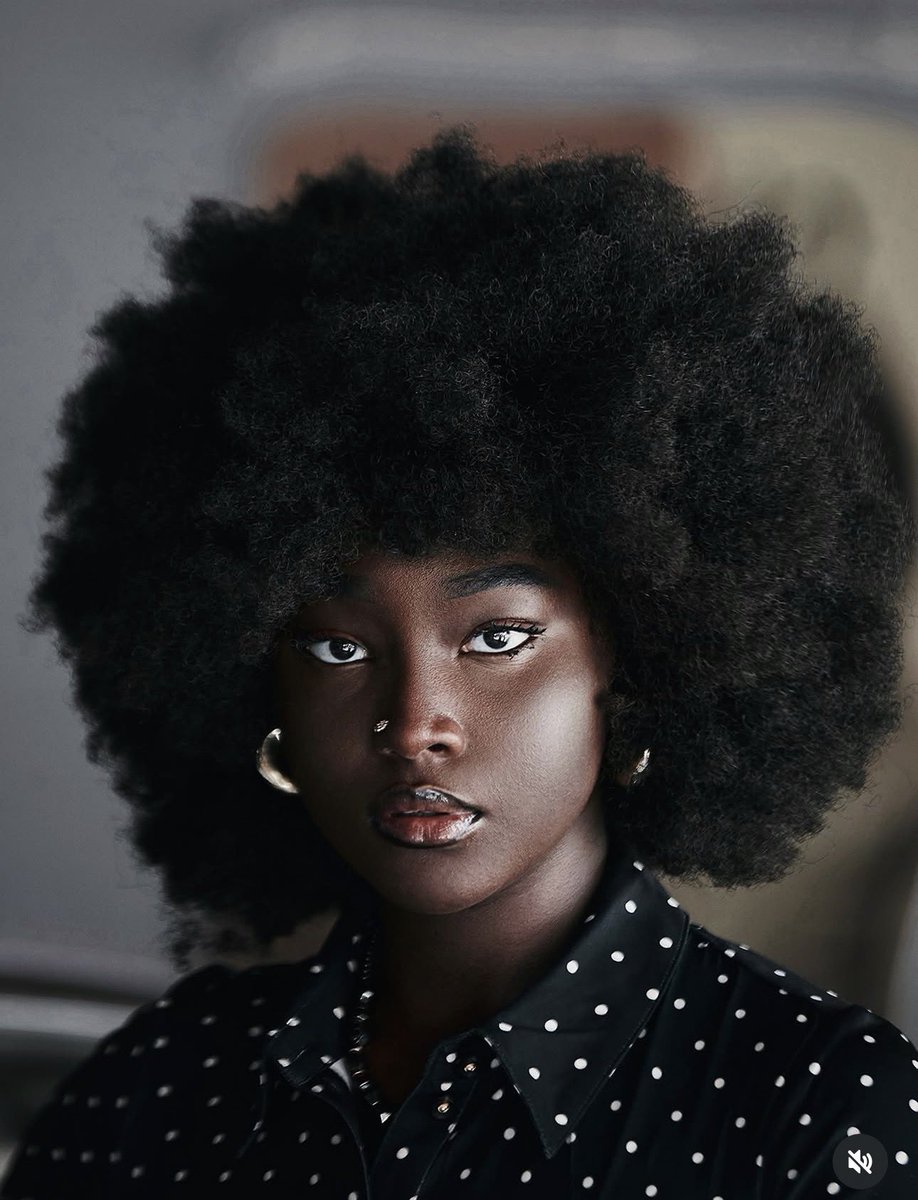
Jun 6
Her beauty is the definition of a goddess. ❤️🖤
9
61
494
4,218
Mr Next retweeted

Jun 1
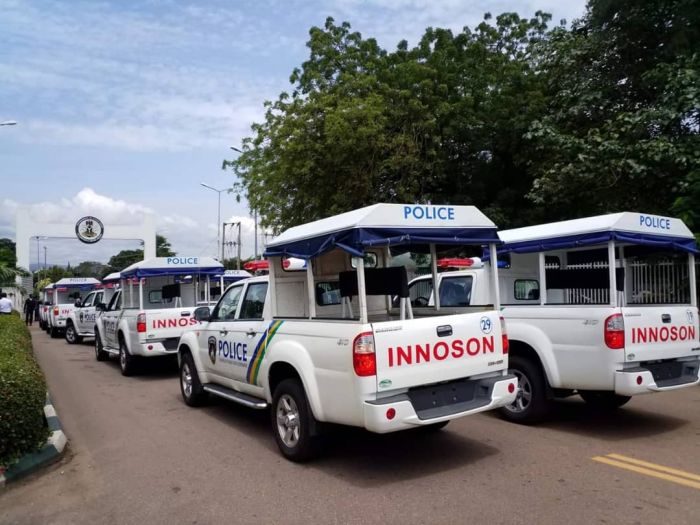
The Nigerian Army, Police, FRSC, and Fire Service all drive made in Nigeria Innoson cars 🇳🇬. And people still doubt local brands?



10
19
221
7,842
Mr Next retweeted

Jun 1
Hmmm this is interesting🤔
What do you think about this video?
11
89
281
7,193
Mr Next retweeted
Jun 1
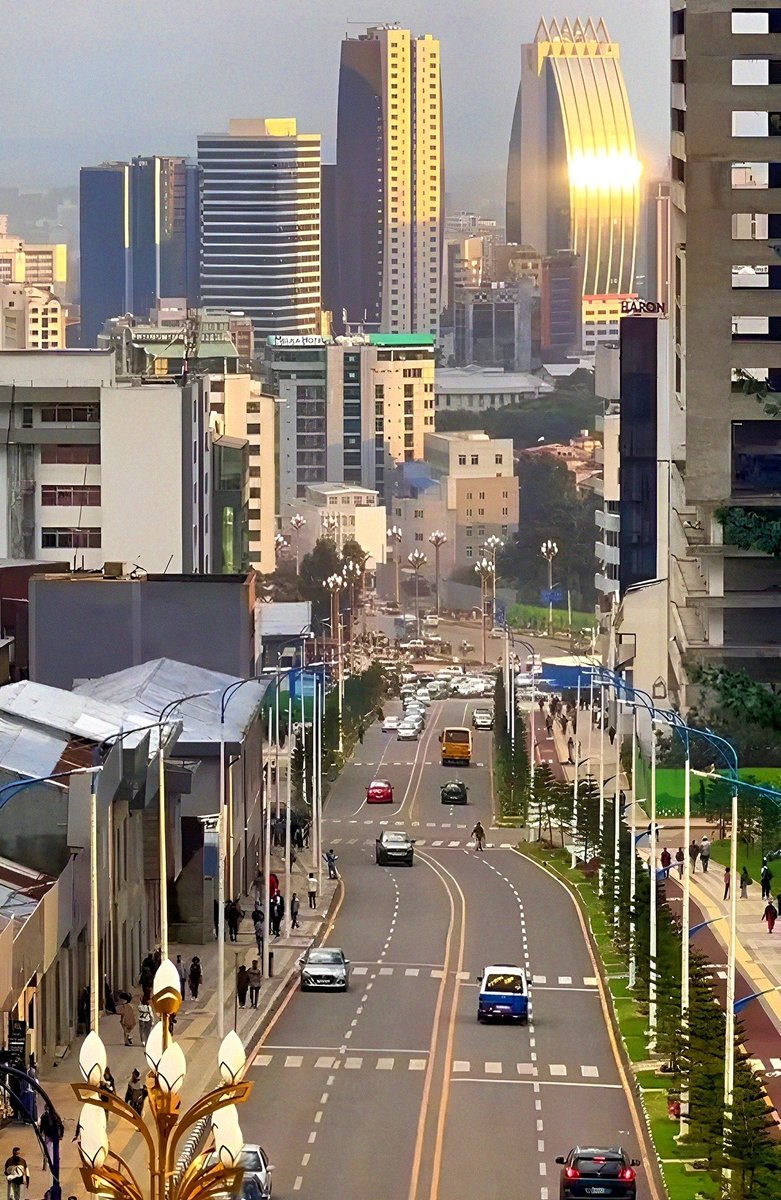
This is not Singapore, New York in USA, or Beijing in China.
This is paradise in Addis Ababa, Ethiopia 🇪🇹, Africa.
22
40
357
6,567