
Joined September 2016
- Tweets 2,816
- Following 0
- Followers 41,244
- Likes 14
2,345 Photos and videos


17 Nov 2025
Nextstrain is happy to announce a major update to our tuberculosis analysis, making it our first real-time (continually updated) analysis for a bacterial pathogen. Please see our new blog post for details:
nextstrain.org/blog/2025-11-…
3
13
1,584
6 Nov 2025
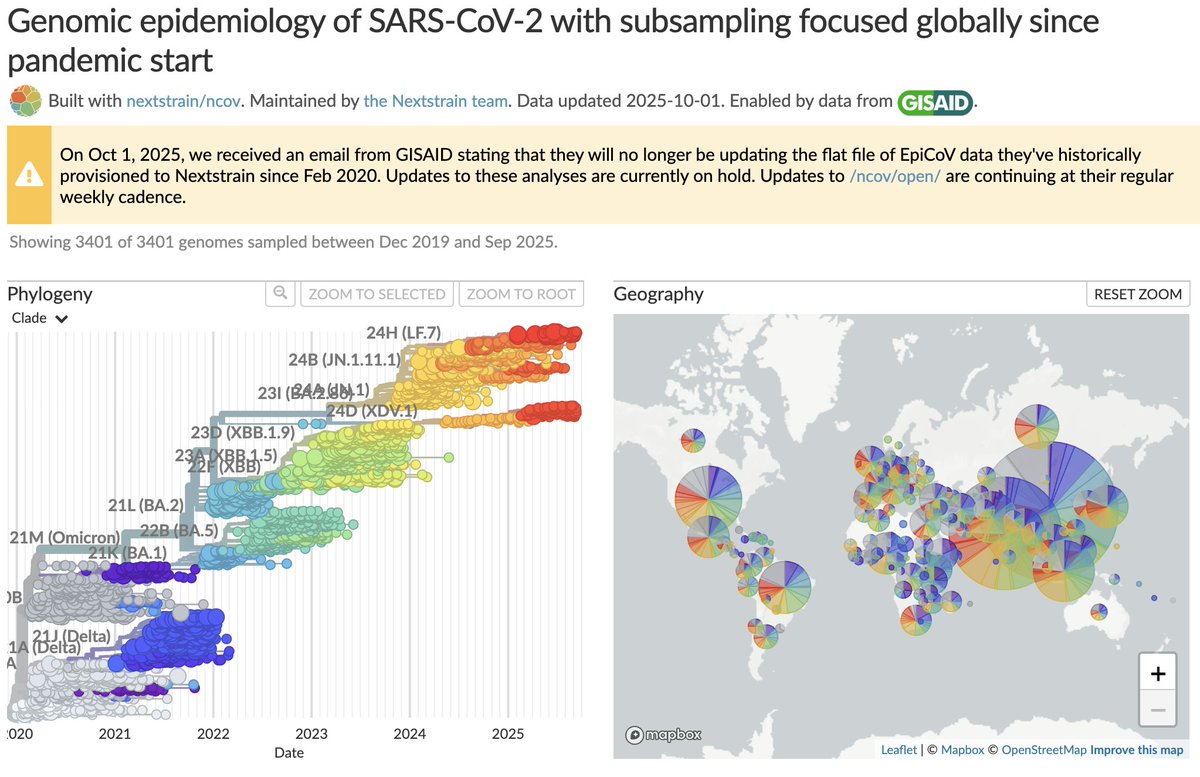
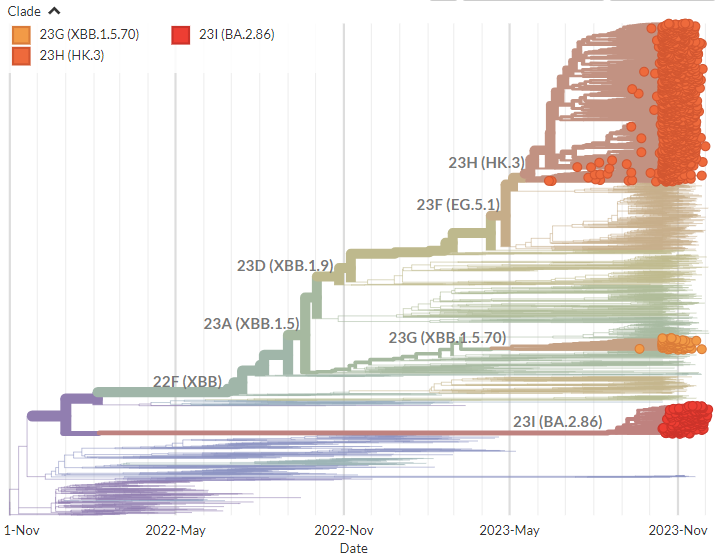
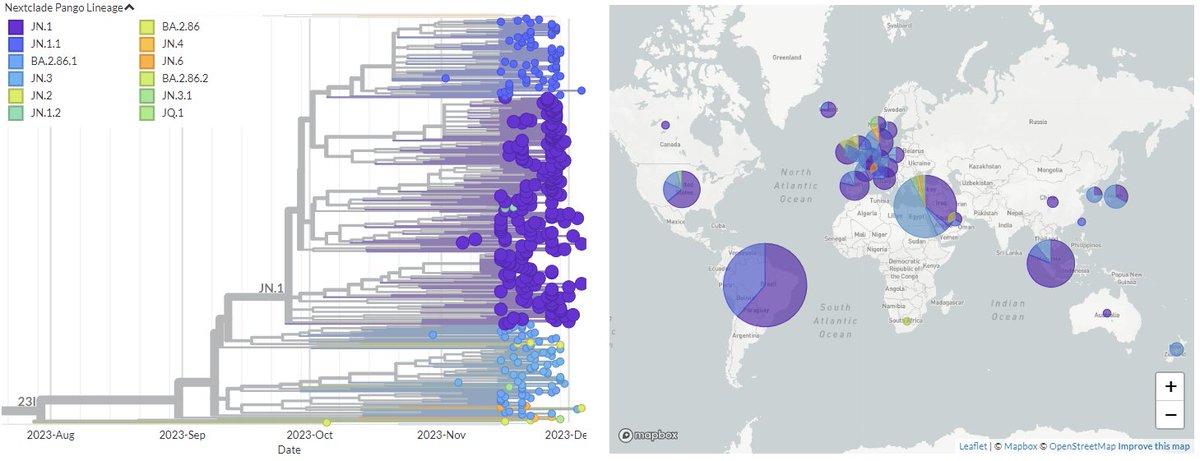
On Oct 1, 2025, @GISAID informed us that they had ended updates to the flat file of SARS-CoV-2 genomic sequences and associated metadata that we had used to update Nextstrain analyses since Feb 2020. GISAID's stated rationale was that their "resources are limited". 1/5
6
85
172
53,996
6 Nov 2025
Closing these public analyses puts the world more in the dark and concretely harms surveillance as it becomes more difficult for variant spotters to contribute to global situational awareness. 4/5
2
21
85
3,578
6 Nov 2025
Full blog post explaining situation and background is available here: nextstrain.org/blog/2025-11-…
3
25
86
3,758
20 Jun 2024
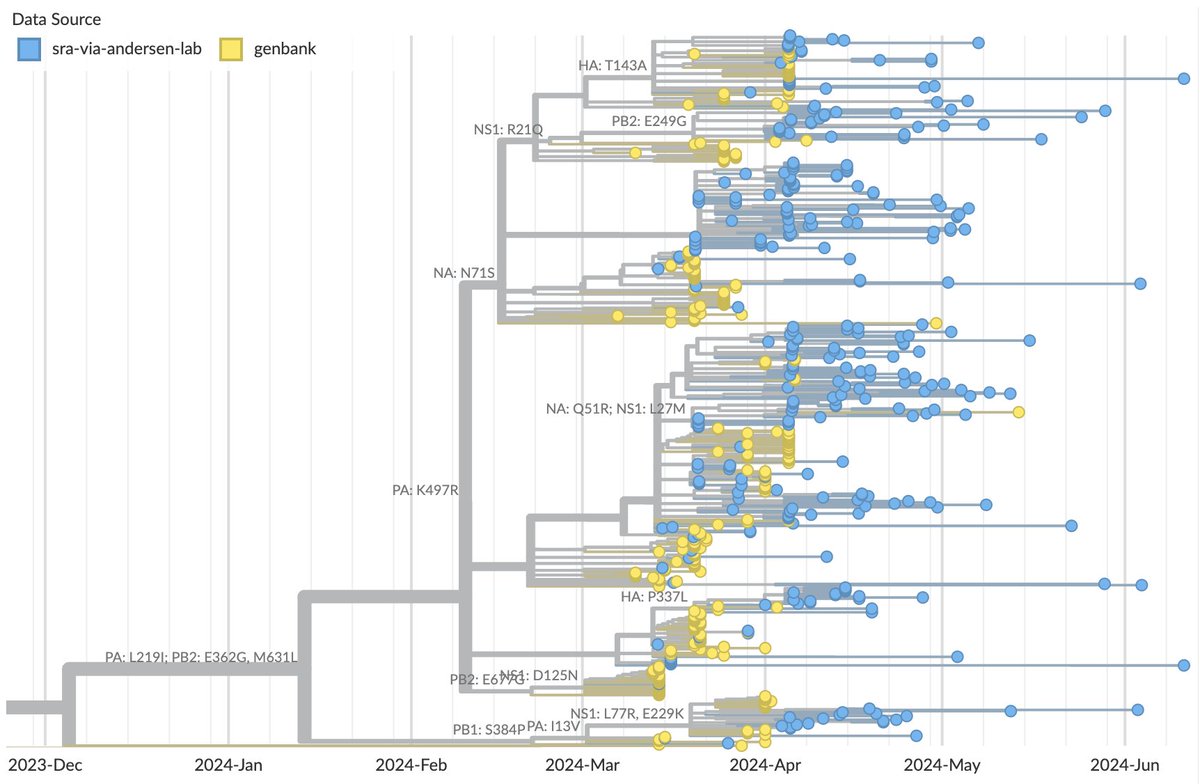
We've set up automated ingest routines to combine data from NCBI GenBank with data from the SRA. Including SRA data allows for a more up-to-date view of evolution. 2/3
2
6
21
2,612
20 Jun 2024
Phylogenetic results and resources are described in this blog post: nextstrain.org/blog/2024-06-… 3/3
2
8
20
2,425
20 Jun 2024
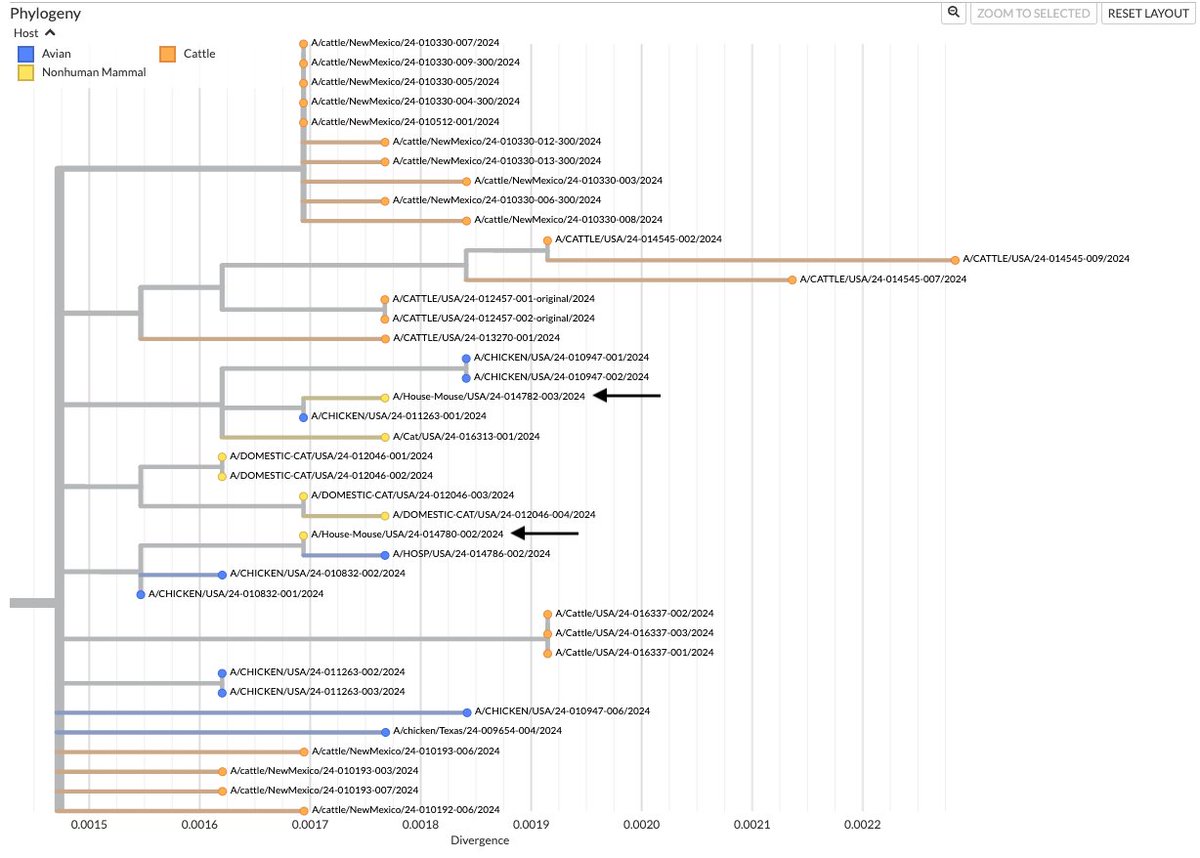
We've continued to track evolution and spread of H5N1 in cattle at nextstrain.org/avian-flu/h5n… as data has been shared by @USDA_APHIS. 1/3
4
40
85
31,291
14 Jun 2024
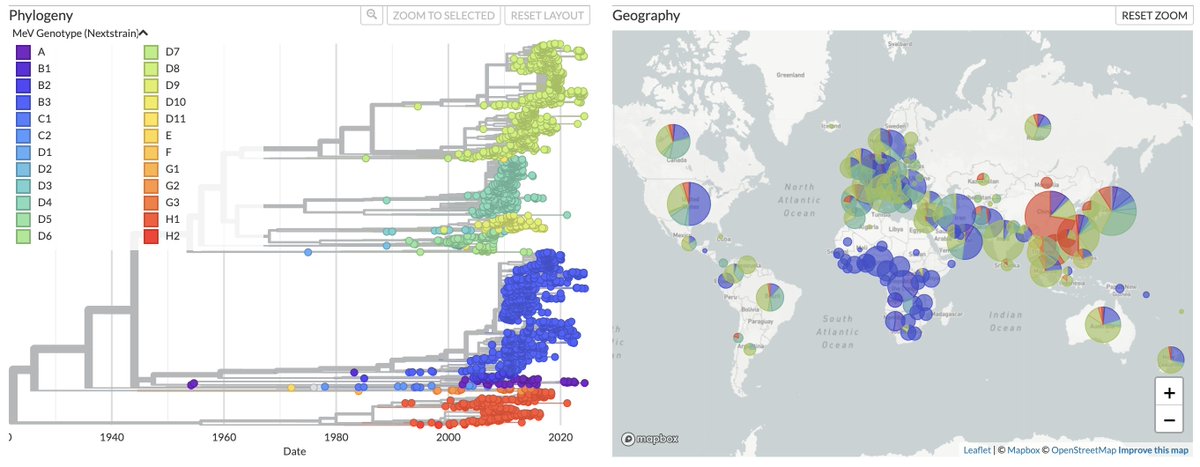
Thanks to work by Kim Andrews, we've recently updated our analyses and resources for measles virus. We now include automatically updated views of evolution of both the full genome at nextstrain.org/measles/genom… as well as the N450 segment at nextstrain.org/measles/N450. 1/2
1
3
13
2,682
14 Jun 2024
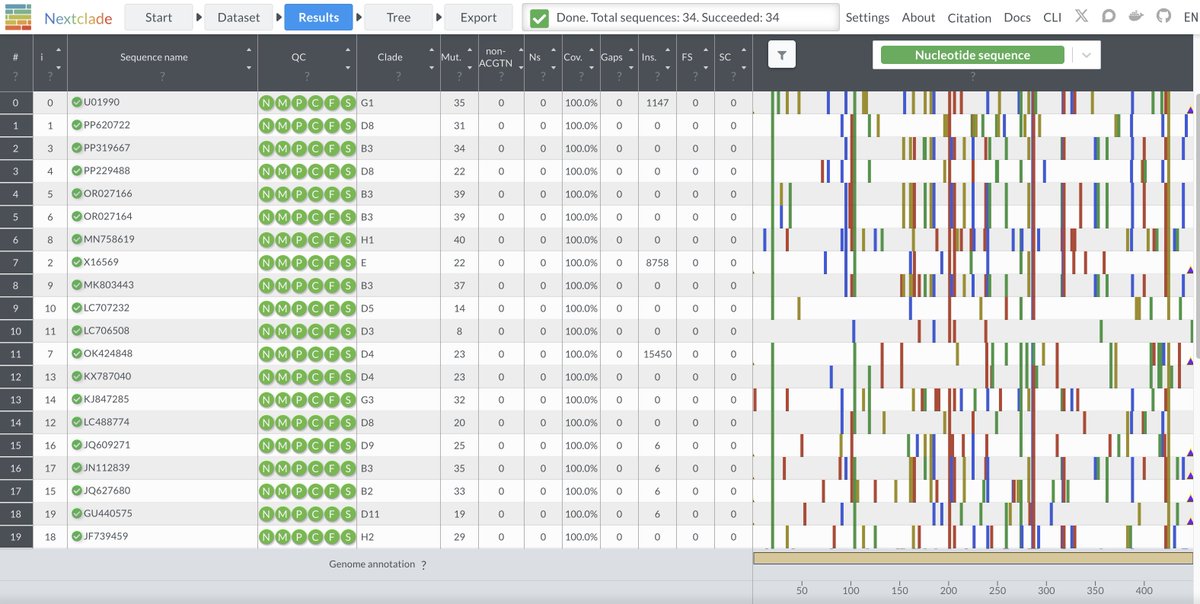
We also include a new Nextclade dataset to call measles genotype at clades.nextstrain.org/?datas…. This work is described on the Nextstrain blog at nextstrain.org/blog/2024-06-….
1
5
1,573
13 Jun 2024
We've been less active on Twitter / X for the last few months. A decent summary of recent Nextstrain activities and future directions can be seen in our annual update posted to the blog in March: nextstrain.org/blog/2024-03-…
2
5
15
2,385
17 Jan 2024
Nextclade might be useful for many more viruses that our team can support. We therefore added the possibility of community datasets and hope that some of you will contribute datasets!
We have a new tutorial to help get started: github.com/nextstrain/nextcl…
6/9
1
2
14
2,165
17 Jan 2024
This was an enormous amount of work. Congratulations to @ivan_aksamentov, @corneliusroemer and the @nextstrain team for pushing it across the finish line!
8/9
3
15
1,922
17 Jan 2024
We hope that this will enable many exciting applications in the future.
Let us know if anything doesn’t work, what you like or don’t like, and what can be improved!
Ask a question on: discussion.nextstrain.org/
Or open a Github issue: github.com/nextstrain/nextcl…
9/9
1
1
7
1,846
17 Jan 2024
The seed matching step of the pairwise alignment now copes with sequences up to 15% divergence such that diverse viruses like HIV-1 can be aligned.
5/9
2
1
671
17 Jan 2024
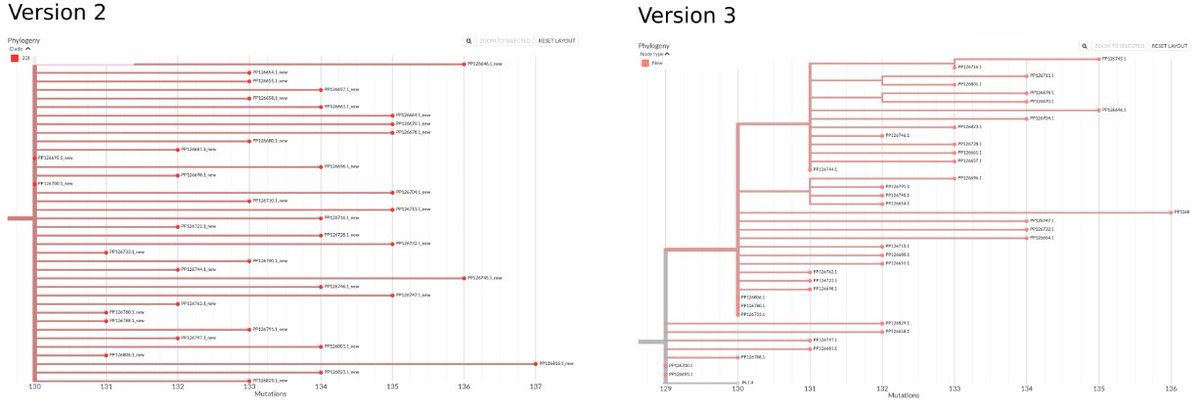
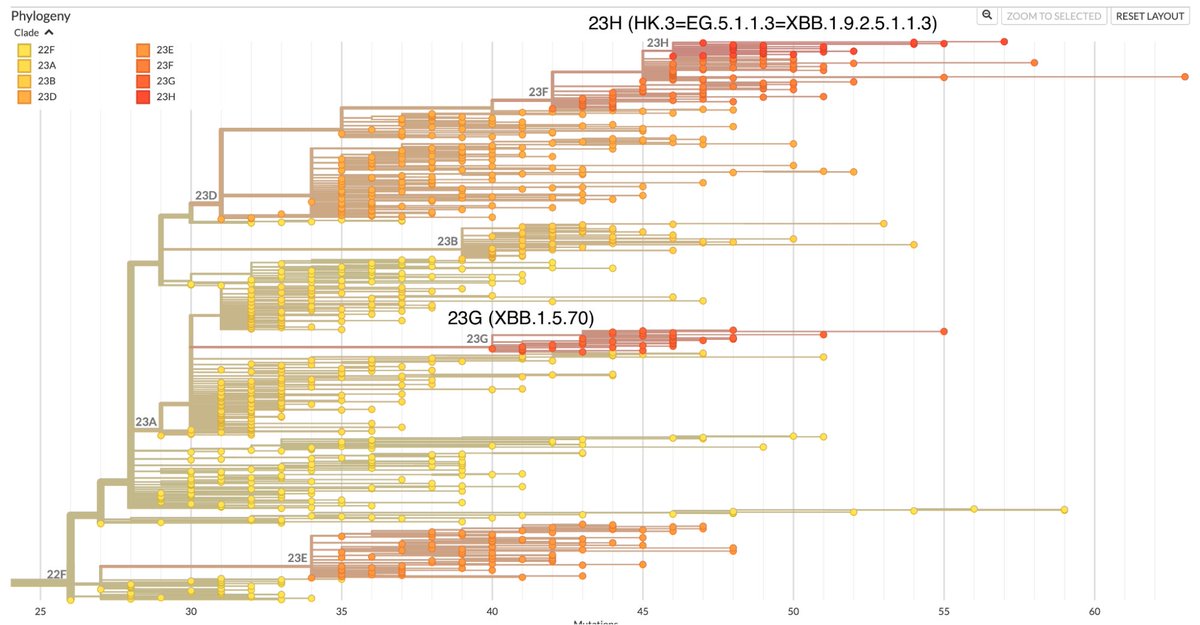
Instead of just attaching sequences to the reference tree, Nextclade now resolves phylogenetic structure in the analyzed sequences. This makes the tree view much more informative.
[Caveat: it’s a greedy tree builder that’s not a substitute for proper phylogenetics.]
3/9
1
2
777
17 Jan 2024
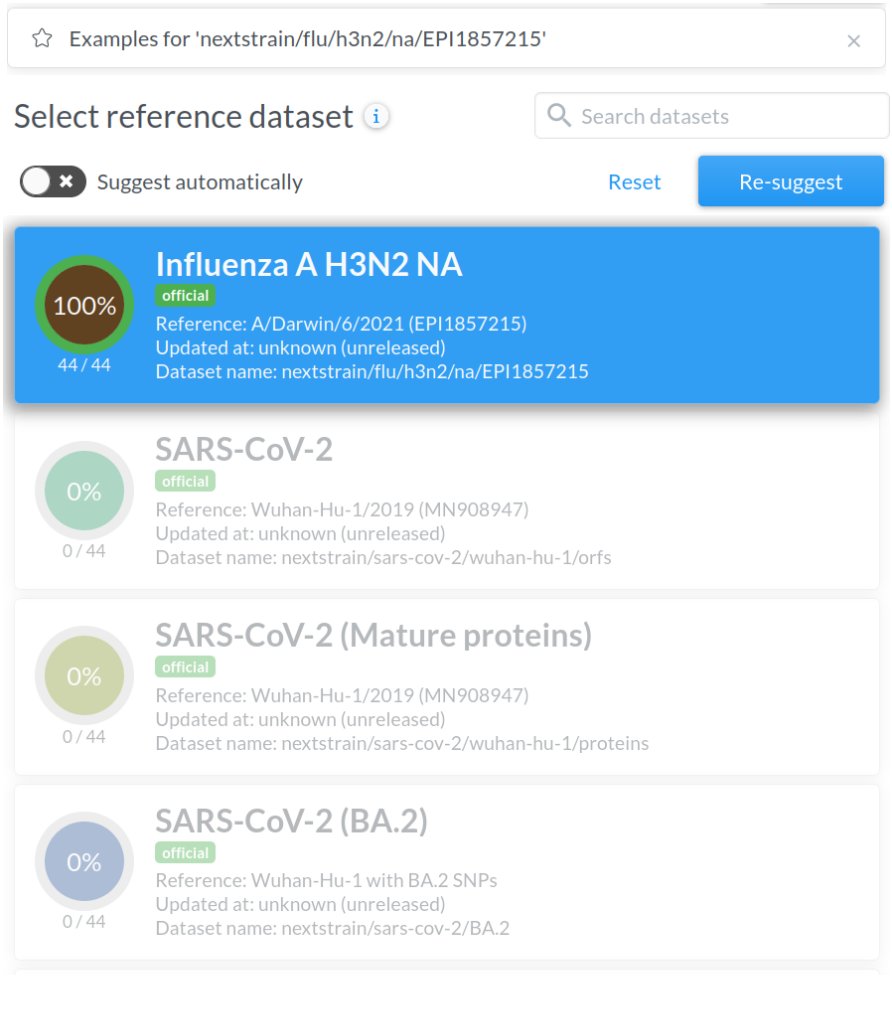
To facilitate discovery of datasets and guide users to the most suitable dataset, Nextclade quickly compares kmers from the input sequence to an index and highlights good matches. The CLI has a sub-command `sort` that will split input sequences into suitable subsets.
4/9
1
1
1
632
17 Jan 2024
With the support for splicing and slippage, we can now provide a dataset that annotates all mature proteins of SARS-CoV-2.
master.clades.nextstrain.org…
Going forward, this enables datasets for HIV or Hepatitis B virus.
2/9
1
1
3
750
17 Jan 2024
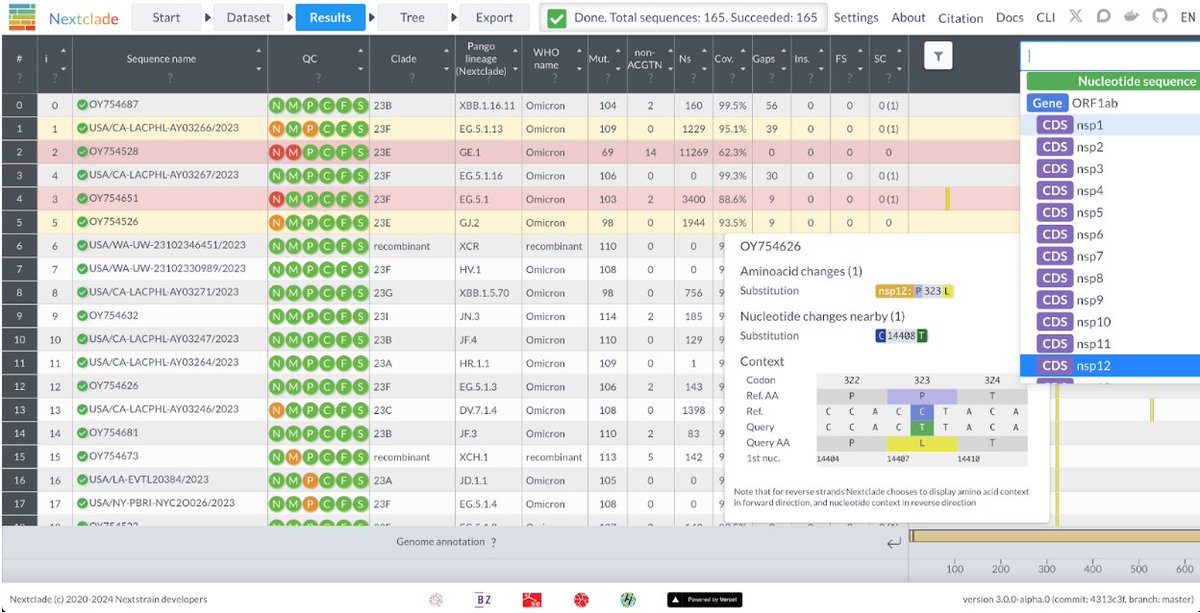
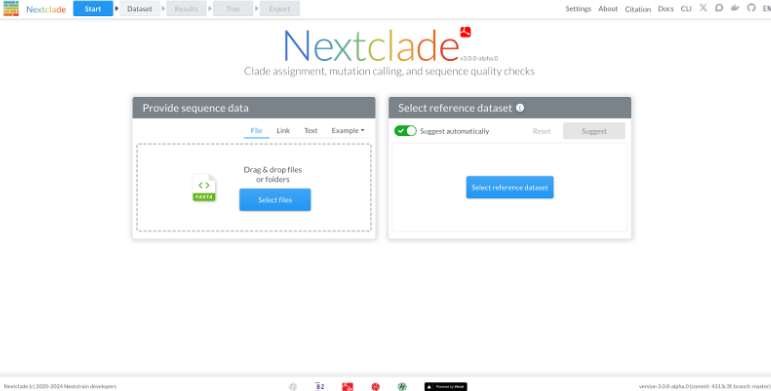
After many months of work, we are releasing Nextclade v3 with major changes:
- Splicing, slippage, and circular genomes
- Local tree-building
- Auto-suggestion of suitable datasets
- Align more divergent sequences
- Community datasets
clades.nextstrain.org (desktop only)
1/9
1
10
38
13,398