
Joined March 2015
- Tweets 10,054
- Following 5,356
- Followers 4,071
- Likes 21,339
1,741 Photos and videos












Pinned Tweet

29 Jul 2023
Good Morning Beautiful Apes🤗
Having a rough day.
Just know you are not alone EVER!!
Please reach out 👇👇👇👇if you need someone to lean on.
"We Are Here For You"
#ApeSupport
#ApesTogetherStrong
#ApeHelpApe

1
3
15
1,900
20 Nov 2025
Webull is giving away crypto rewards — every ticket wins! Earn yours today for a chance at up to 1 BTC. Join today >>>
Register with my referral link now>> a.webull.com/haZwsCTqIR8jQRJ…
55
20 Nov 2025
Webull is giving away crypto rewards — every ticket wins! Earn yours today for a chance at up to 1 BTC. Join today >>>
Register with my referral link now>> a.webull.com/haZwsCTqIR8jQRJ…
38
NiceGuyNtown retweeted

12 Feb 2025
🚨 Attention all Apes! 🚨 It's time to rally for transparency and efficiency in our government!
LIKE, REPOST OR MAKE YOUR OWN POST, Calling ALL APES ON DECK
,We've seen the moves from DOGE (Department of Government Efficiency) under the leadership of @ElonMusk, and now we need to take it up a notch!📈
Why should DOGE dive into the SEC and the Federal Reserve?
Transparency: We want to know where every penny
goes! No more shady dealings behind closed doors.
Efficiency: Cutting through the red tape, making sure
our financial systems work for us, not against us!
Innovation: Let's push for a system that embraces the
future, not one that's stuck in the past.
Let's get these agencies under the microscope:
The SEC needs to be scrutinized for how they
regulate our markets. Are they protecting investors or
just controlling the game?
The Federal Reserve, the heart of our economy,
should be transparent about monetary policies.
Who's really benefiting from these decisions?
It's time for @realDonaldTrump and @ElonMusk to spearhead this investigation with the might of DOGE behind them!
We need:
* A thorough audit of operations
* Public disclosure of findings
*Reform where needed
Join the movement! Let's make our voice heard:
🔥 #InvestigateTheSEC
🔥 #AuditTheFed
🔥 #POTUS
🔥 #ElonMusk
🔥 #DOGEForEfficiency
🔥 #TransparencyNow
@realDonaldTrump
@POTUS
@ElonMusk
@DOGE
@SecGov
@federalreserve
Let's unite, apes! Together, we can push for a government that works for us, by us! 🚀🦍🦍
#ApeNation
#ApesNeverLeaving
#ApesTogetherStrong
#GovernmentForThePeople

4
23
63
2,133
14 Dec 2024
Keep your friends close and your enemies closer 😉
13 Dec 2024

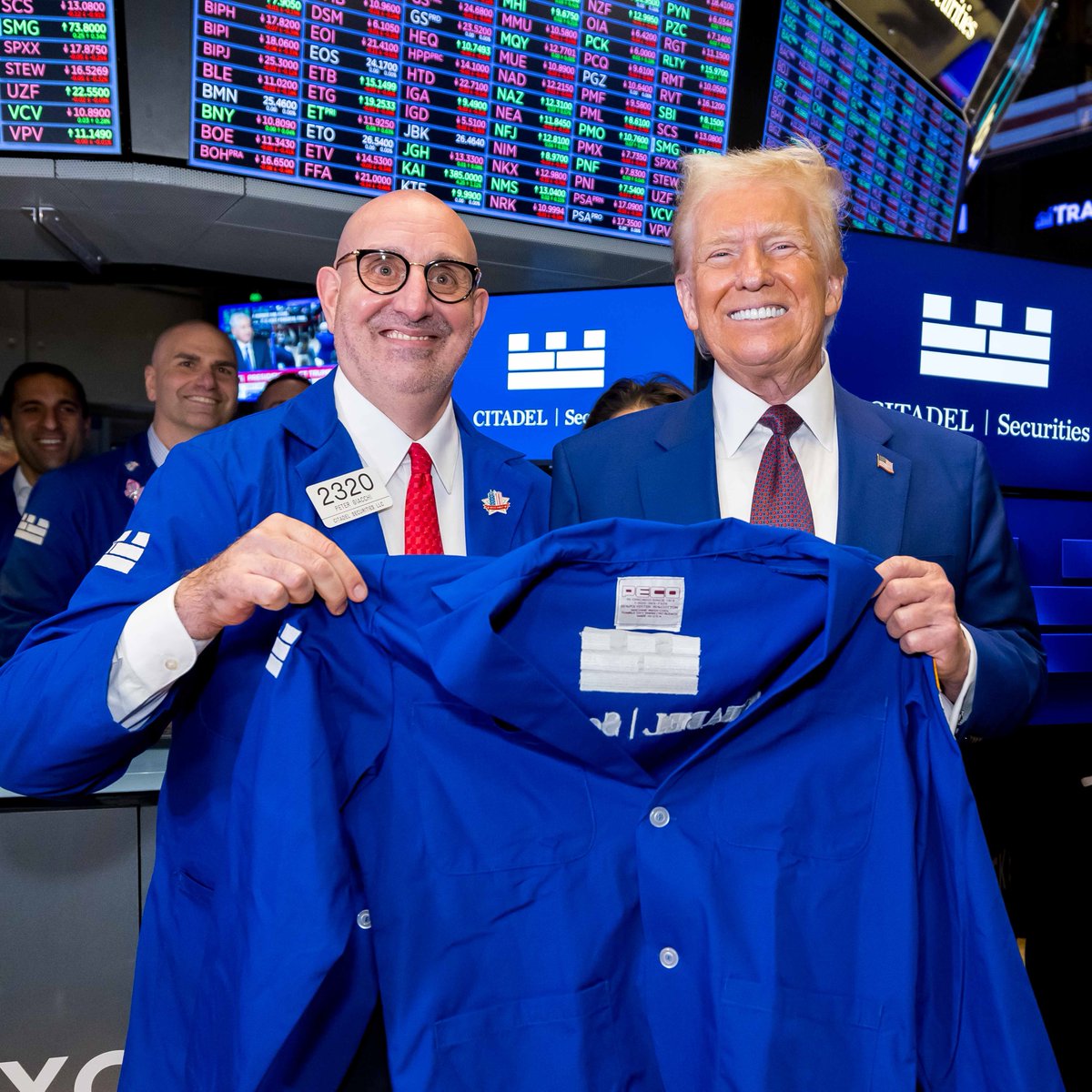
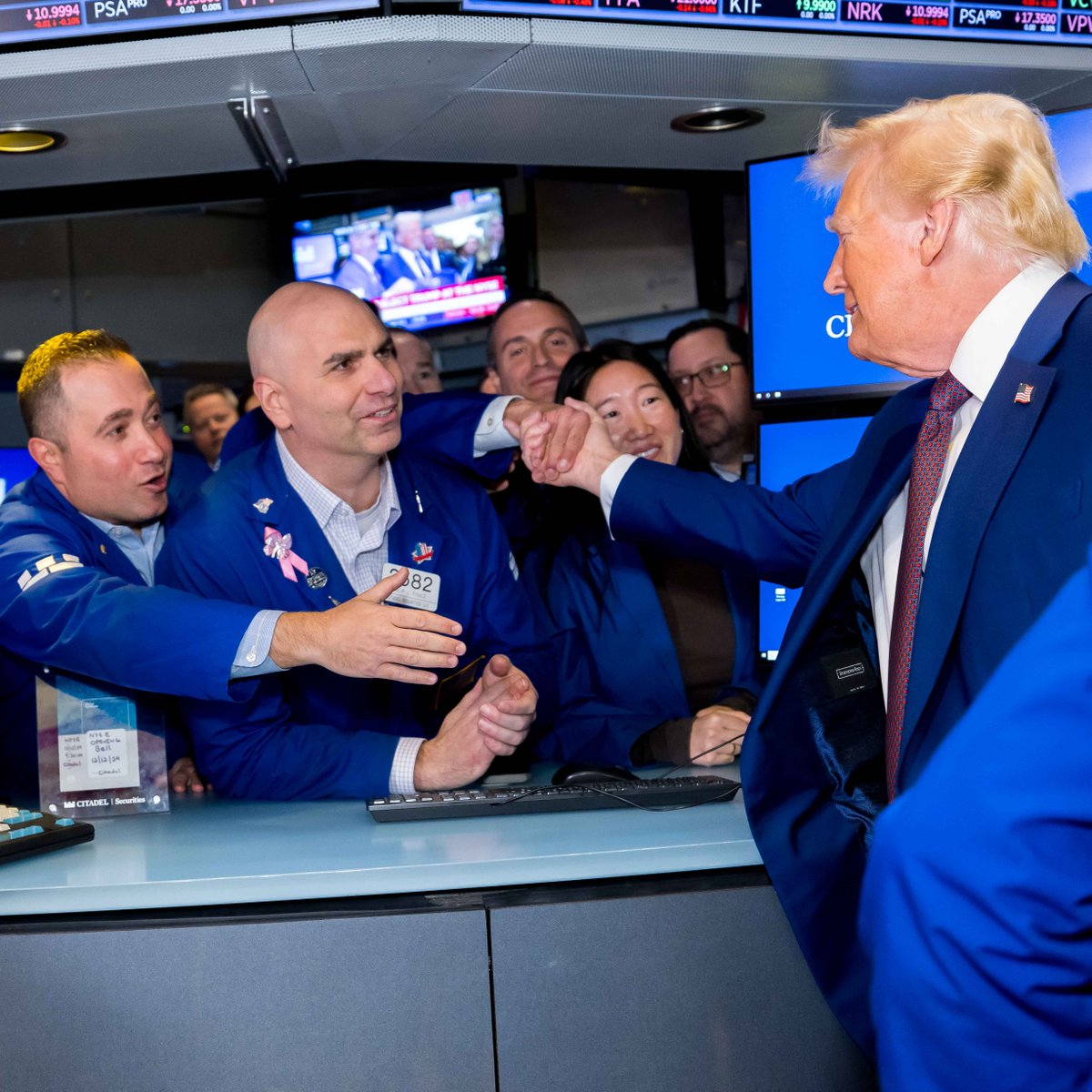
After ringing the opening bell at the New York Stock Exchange, President-elect Trump stopped by to meet the Citadel Securities team. (Photo credit: @NYSE)
2
1
5
247
NiceGuyNtown retweeted

17 Oct 2024
LFG #atAMC 💪
17 Oct 2024

For a limited time, see #DeadpoolandWolverine like it was meant to been seen - on the big screen! Get discounted pricing with Fan Faves. Selection may vary by location. amc.film/3BPwokD

1
3
7
265

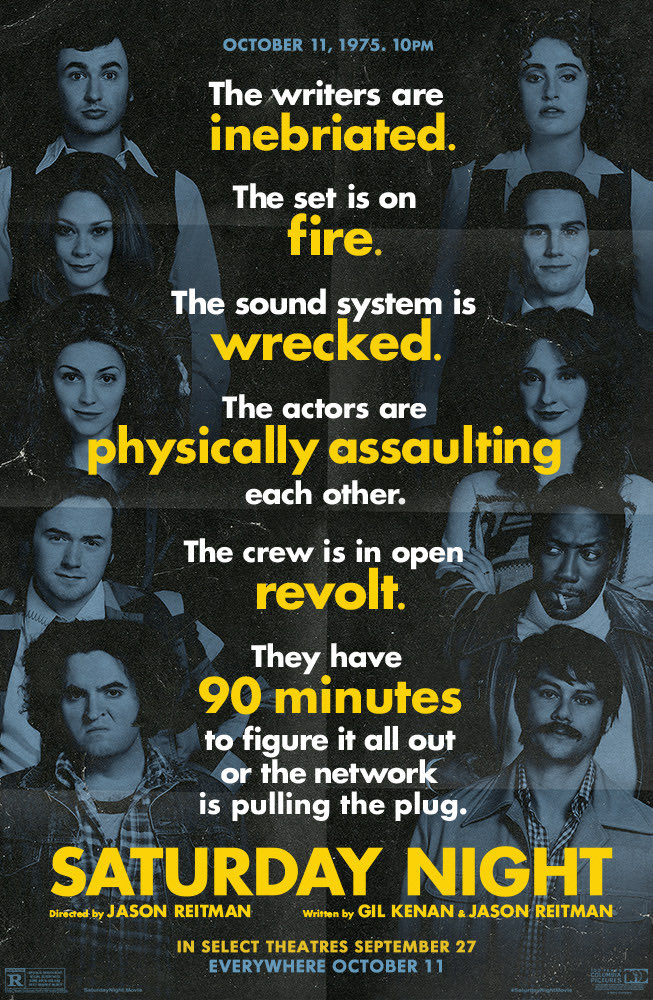
“Live from New York it’s Saturday night” With those words screeched some 49 years ago, a new tradition started for all of America and has continued ever since. The new movie, SATURDAY NIGHT, brilliantly portrays the frenetic, zany, pressure packed minute-by-minute launch of Saturday Night Live.
#SaturdayNightMovie starts this Thursday at AMC in NYC and LA. Using a novel platform release strategy, which helps build word of mouth and anticipation, this weekend it will show only at 5 U.S. cinemas, with 4 of those being AMC Theatres. AMC Lincoln Square 13 in Manhattan, and AMC The Grove 14, AMC Century City 15 along with AMC Burbank 16 in Los Angeles.
More theatres next weekend, then it opens everywhere the weekend after that.
Incredibly directed by Jason Reitman (who previously gave us two Ghostbusters movies, Up in the Air, Juno and Thank You for Smoking), it’s an intimate portrait of the wacky and wild goings on behind the scenes at the real-life 30 Rock.
The script is crisp and hilariously funny.
And the casting is unbelievably good. Right before your very eyes are Chevy Chase, Dan Aykroyd, John Belushi, Loraine Newman, Jane Curtin, Gilda Radnor, Garrett Morris, Al Franken, Andy Kaufman, Paul Shaffer, Lorne Michaels plus Johnny Carson, Milton Berle, George Carlin and the rest — who are all perfectly and I mean perfectly captured.
You will not believe this true story of comedic genius at its infancy. This was one of those times when truth is more unimaginable than fiction.
See entertainment history of the Not Ready for Prime Time Players on full display. From our friends at Sony Pictures, see SATURDAY NIGHT.
266
449
1,454
90,909
NiceGuyNtown retweeted

4 Sep 2024
The Beetle Juice AMC gift card contest starts tonight
Opening weekend for Beetle Juice starts Thursday & all you have to do , is correctly guess how much the juice will make
Rules -
-Global Box Office Total
-9/5 through 9/9 9:30 est
-Box office mojo will be used to for the final number
-Closest without going over
@angela_purser has Juiced up the AMC gift card
You can put your guess here or join us at 7:30 pm est tonight with your total
Live results will be read from
Box Office Mojo at 9:30 pm est
Good luck everyone
@Jim03577857 @Lady_StandBy @BlackManBoating @MehulRRao @KatStryker111 @cvpayne @Nance726 @luckylion23 @LatonaJodi @SMSgt_Zach @chuckm69 @Cece_Villa_ @TechTex21 @DrTrillions @Jawa_Traders
54
19
100
5,335
1 Sep 2024
Which of these Characters do you think will be the top Halloween costume for 2024 😜
#AMC
@AMCTheatres
40%
Deadpool
8%
Wolverine
45%
Beetlejuice
8%
Batman
40 votes • Final results
3
4
325
NiceGuyNtown retweeted

27 Aug 2024
$AMC Squeeze Catalysts x.com/i/broadcasts/1RDxlybQb…
19
86
260
22,611
NiceGuyNtown retweeted
24 Aug 2024
Speaking of whistleblowers what happened to our friend @wallsttraphouze ?
1
1
158
22 Aug 2024
The process of determining how long a movie stays in theaters versus moving to streaming involves a complex interplay of several factors, influenced by both traditional film distribution models and the evolving landscape due to streaming services: - **Theatrical Window**: Traditionally, movies have a theatrical window, which is the period during which a film is exclusively shown in theaters before being released on other platforms. This window has historically been around 90 days, but with the rise of streaming, this period has been shrinking. The decision on how long this window lasts can be influenced by: - **Box Office Performance**: If a movie performs exceptionally well at the box office, studios might keep it in theaters longer to maximize revenue from ticket sales, where they typically split profits with theater chains. - **Contractual Agreements**: The length of the theatrical window might be pre-negotiated with theaters, distributors, or streaming services. For instance, deals with streaming platforms like Netflix or Disney might stipulate shorter windows to get content on their service faster. - **Streaming Release Strategy**: - **Market Research and Consumer Behavior**: Studios look at consumer behavior and market research to decide when to release a movie on streaming. Recent trends show that consumers are increasingly willing to wait for movies to come to streaming platforms, especially if they can watch it at home for a lower cost or as part of a subscription. - **Revenue Models**: Streaming services often pay a flat fee or a percentage of their subscription revenue for exclusive rights to a movie. This can make streaming releases financially attractive, especially if the movie's theatrical performance is underwhelming or if it's expected to perform well on streaming due to its genre or audience. - **Marketing and Hype**: For films like blockbusters or those with significant cultural impact (e.g., "Avengers: Endgame"), studios might opt for longer theatrical runs to capitalize on the communal experience and the buzz around multiple viewings. - **Hybrid Models**: - **Simultaneous Releases**: Some movies, especially those aimed at niche audiences or during global health crises, have been released both in theaters and on streaming platforms simultaneously. This approach aims to capture both audiences who prefer the theatrical experience and those who prefer watching at home. - **Premium Video on Demand (PVOD)**: Before or after a theatrical run, some movies are released on PVOD, where viewers can rent or buy the movie for a higher price than standard streaming. This model allows for an earlier home release while still generating significant revenue. - **Post-Theatrical Strategies**: - **Streaming Exclusivity**: After the theatrical run, movies might go to a streaming service for an exclusive period, which can be negotiated as part of the film's distribution deal. - **VOD and Physical Media**: After streaming exclusivity, films might become available on various Video on Demand platforms or be released on physical media like DVDs or Blu-rays. The decision on how long a movie stays in theaters versus moving to streaming is thus a strategic one, balancing immediate revenue from theaters with long-term gains from streaming, audience expectations, and the evolving dynamics of the entertainment industry. Recent trends, as reflected in discussions and posts on platforms like X, indicate a move towards shorter theatrical windows or even simultaneous releases, driven by consumer preference for convenience and the economic models of streaming services. However, for certain films, especially those with significant cultural or franchise value, the traditional theatrical experience remains a critical part of their lifecycle.
119
18 Aug 2024
Happy New Life Birthday!!!
I'm so glad you kicked cancers ass 💪
We all love ya @MsElaineEHus 🤗
18 Aug 2024

Today is my 1-year anniversary of ringing the bell!
I kicked breast cancer’s butt!!!
#pinkribbonsurvivor
#hardestfightofmylife
#imadeit
1
2
151
14 Aug 2024

1
2
341
NiceGuyNtown retweeted

13 Aug 2024
AMC, Japan at war with wallstreet banks, GOLD, Treasury Explosion, Yen ... youtube.com/live/d-f6aecvytQ… via @YouTube
1
3
29
955
NiceGuyNtown retweeted

12 Aug 2024
Hey everyone!! Please block and report this impersonator @jenk0vaI0v. I’m having issues reporting it on here. Not surprised though.

16
11
50
2,304
