
Executive Producer @60minutes
Joined March 2007
- Tweets 389
- Following 1,022
- Followers 220,820
- Likes 40,744
102 Photos and videos

Pinned Tweet

May 28
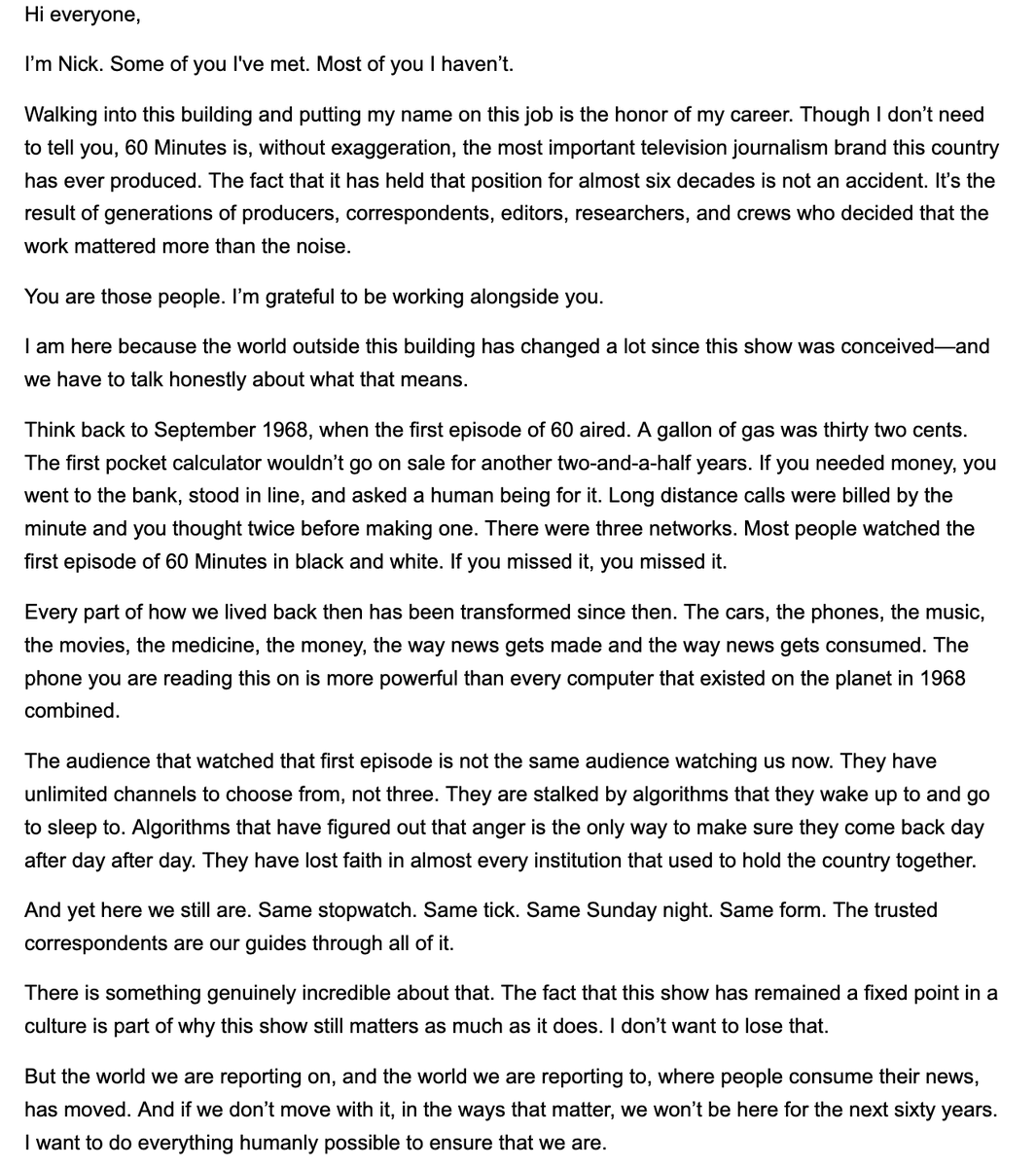
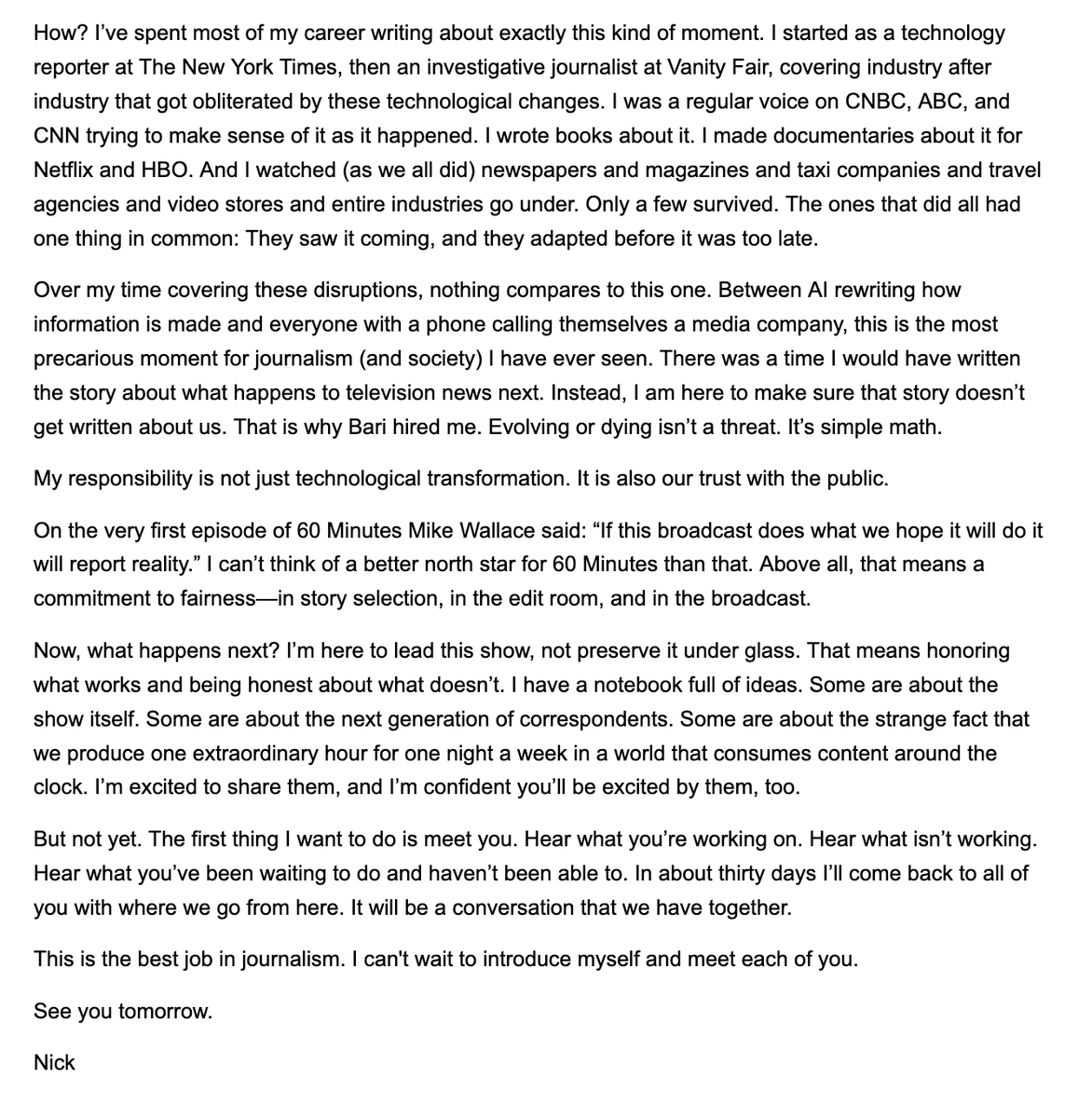
It's the honor of my career to become the executive producer of 60 Minutes. I just shared the note below with the incredible staff and can't wait to get started.
2,552
243
2,088
1,536,824
Nick Bilton retweeted

2 Apr 2025
Dwayne Johnson, Author: Crown Publishing Nabs True-Life, Hawaii-Set Crime Book Co-Written with Nick Bilton (Exclusive) hollywoodreporter.com/busine…
34
9
56
49,572
Nick Bilton retweeted

31 Mar 2025
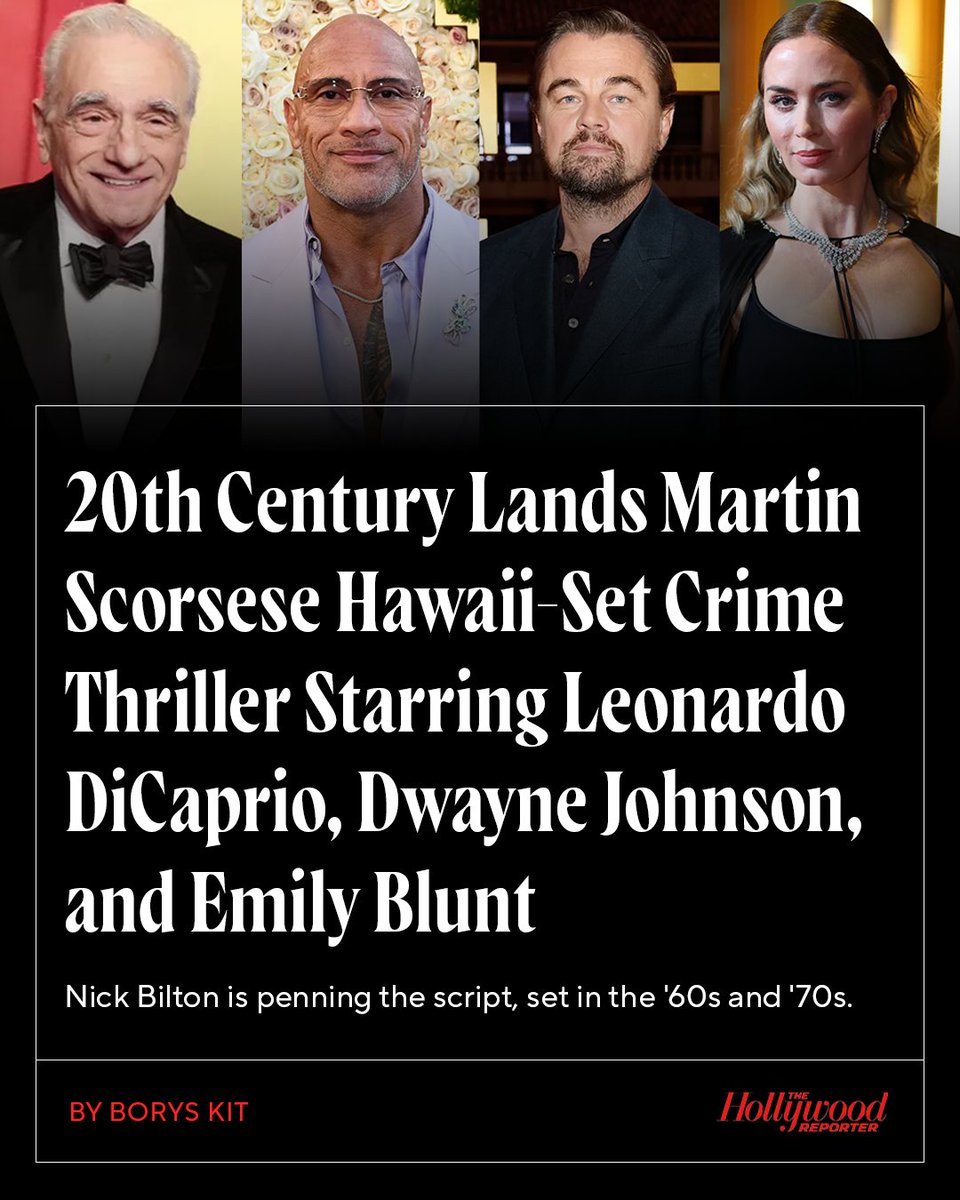
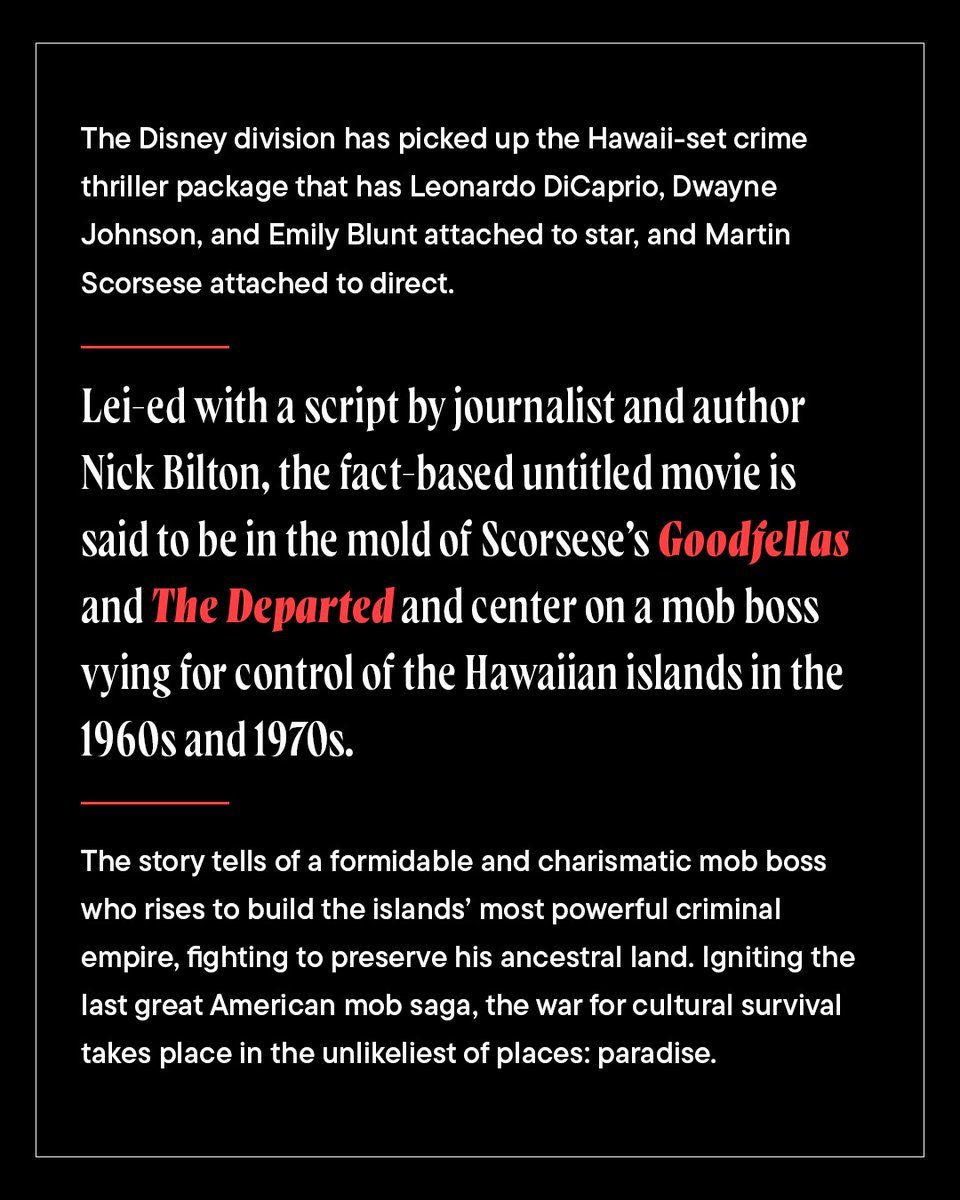
Our Hawaiian crime saga now has a home at 20th Century & Disney.
I was a little boy growing up in Honolulu when this real life story was taking place and these real men - ruthlessly did what they had to do for respect, money, power but more importantly - for the reclamation of our Polynesian culture.
Working closely with Marty as his vision for our story begins to take focus, has been a gift to witness and absorb. I’m honored to work with this inspiring creative team, and even more blessed to call them my friends.
More to come.
Aloha
254
333
2,431
317,898
Nick Bilton retweeted
27 Mar 2025
20th Century Lands Martin Scorsese Hawaii-Set Crime Thriller Starring Leonardo DiCaprio, Dwayne Johnson, Emily Blunt hollywoodreporter.com/movies…
9
46
249
47,251
20 Feb 2025
Some totally wild personal news... I'm writing a movie for Martin Scorsese (!) starring the brilliant Dwayne Johnson, Emily Blunt and Leo DiCarprio.

To be written by Nick Bilton, the film focuses on a turbulent time on the island paradise when an aspiring mob boss battled rival crime factions to wrest control of the underworld of the Hawaiian islands deadline.com/2025/02/scorses…
131
22
715
132,655
8 Jan 2025
Karen Bass cut fire department funding by $17 million. She was in Ghana when the fires started, even though she knew about them (as we all did), days before. This should have been treated like a CAT 5 Hurricane before it started, but instead it was treated by our current mayor as not important enough to even be here.
52
78
619
212,230
19 Nov 2024
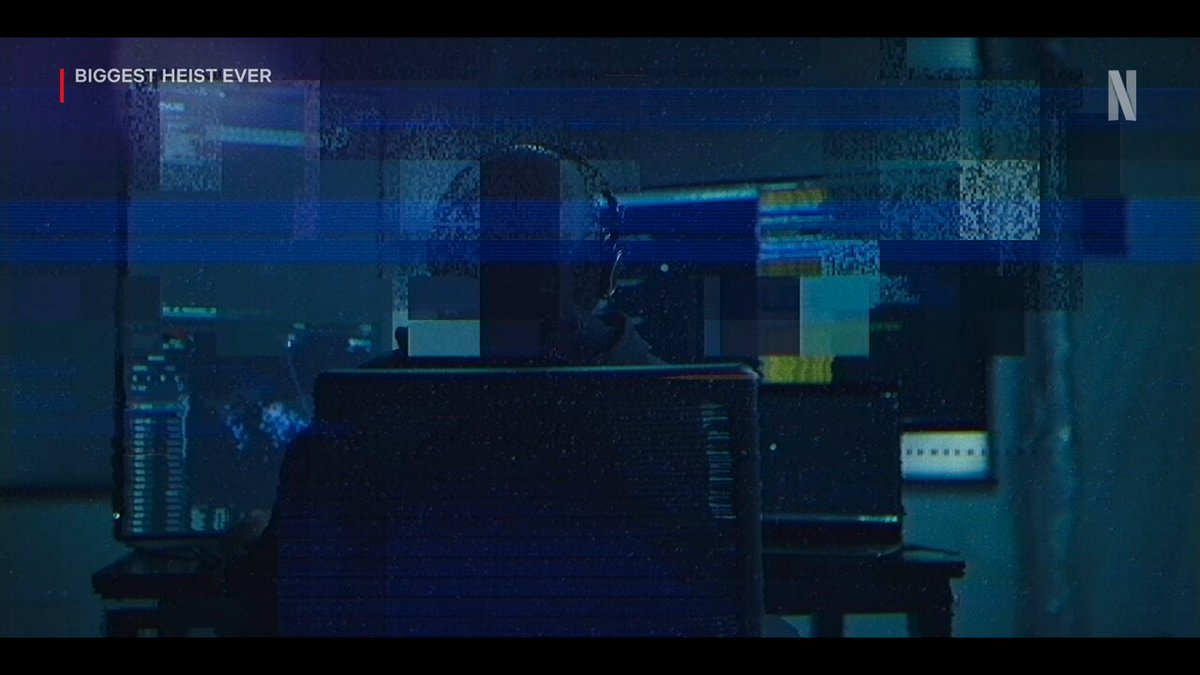
Get ready for BIGGEST HEIST EVER, a crazy, insane, bats**t story about Bitcoin Bonnie & Clyde, the couple behind the biggest financial seizure in U.S. history. It'll be on @netflix on December 6th.
13
11
77
43,746
17 Nov 2024
I’m no RFK fan, but Red Dye 40, Yellow 5, and Blue 1 trigger hyperactivity, allergic reactions, and immune issues. BHT disrupts hormones and is linked to cancer in animal studies… but yes, NYT, these ingredients are the same as blueberries and carrots.
67
386
4,875
333,620
Nick Bilton retweeted

12 Oct 2024
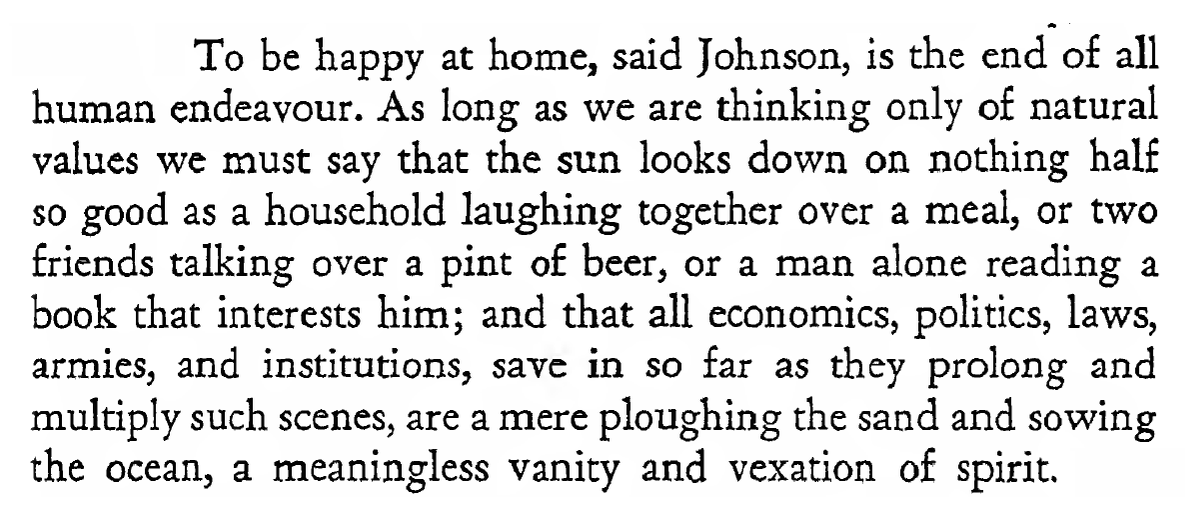
I just want to tweet out this C. S. Lewis quote every weekend
116
3,486
25,402
1,779,969
Nick Bilton retweeted

8 Oct 2024
Timelapse flying by Hurricane Milton about 2 hours ago.
1/6400 sec exposure, 14mm, ISO 500, 0.5 sec interval, 30fps
1,221
15,603
82,502
11,157,561
Nick Bilton retweeted

11 Sep 2024
Want to write thrilling stories? Nick Bilton has the playbook.
He's written for Netflix and The New York Times, and this episode is a tell-all class on how to create tension with hooks, cliffhangers, drama, and conflict.
Highlights below:
1. Evil characters only work if readers care about them.
2. The best way to make readers care about an evil character is to humanize them. You can do that by focusing on simple details like how they lose their keys. Or, you can write about their mother because every murderer has a mother who loves them.
3. You can't look down on your characters. You have to look out with them.
4. Rule for writing screenplays: Get into the scene as late as you can, and get out of it as early as you can.
5. Fiction stories have the opposite shape as non-fiction ones.
6. In fiction, the kicker comes at the beginning and the summary comes at the end. In non-fiction, the summary comes at the beginning and the kicker comes at the end.
7. How’d Nick learn to tell better stories? By reading murder mysteries.
8. If the story's good enough, the book will fly off the shelves. Look at the Twilight series. The books sold like crazy even though the writing stinks.
9. How do you write good cliffhangers? Show people a little bit of the future, but don't reveal everything.
10. Ask the question at the end of one chapter and answer it shortly after. The answer doesn't need to come right away, but you have to answer it soon.
11. There are two kinds of stories that work: Big ones about something small, and small ones about something big. Stories in the middle are usually terrible.
12. Nick once asked the legendary journalist David Carr for advice. The response: “Keep typing until it turns into writing.”
13. You can tell a good story without knowing everything that happened, but you do need to know enough to make the reader feel like they're there.
14. Writers often over-describe their scenes. You only need three details. For example, if you're at a campground, you might only need the sight of the pine needles on the ground, the smell of a nearby campfire, and the sound of crickets in the distance.
15. We admire characters more for trying than their successes (this is rule #1 in Pixar's 22 Rules of Storytelling).
That's just a little taste of what's in this episode with @nickbilton. You can watch the full thing below. If you'd rather watch on YouTube or listen on Spotify or Apple, and I've shared those links in the reply tweets.
17
29
216
80,887
22 Jul 2024
This will be the first election that hasn't had a Bush, Clinton or Biden on the ballot since 1976 (they all started running in 1980).
9
15
69
25,295
14 Jul 2024
I still can’t get over how a single inch difference of that bullet would have changed the course of history forever. It’s truly astounding.
An inch and we’d live in a very different world.
16
3
108
42,305
Nick Bilton retweeted

5 May 2024
The best advice Warren Buffett gave at this weekend’s Berkshire conference had nothing to do with investing.
54
773
3,576
1,649,972
Nick Bilton retweeted

2 May 2024
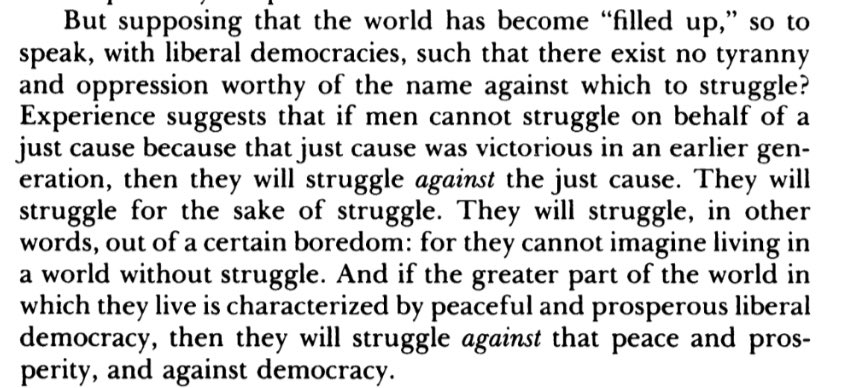
Can’t stop thinking about this Francis Fukuyama paragraph from The End of History.
331
2,654
11,999
2,046,995
Nick Bilton retweeted

1 Feb 2024
Sure, the Tim Cook behind-the-scenes stuff is cool here but really love the ending and the way Nick threaded this story.
1 Feb 2024

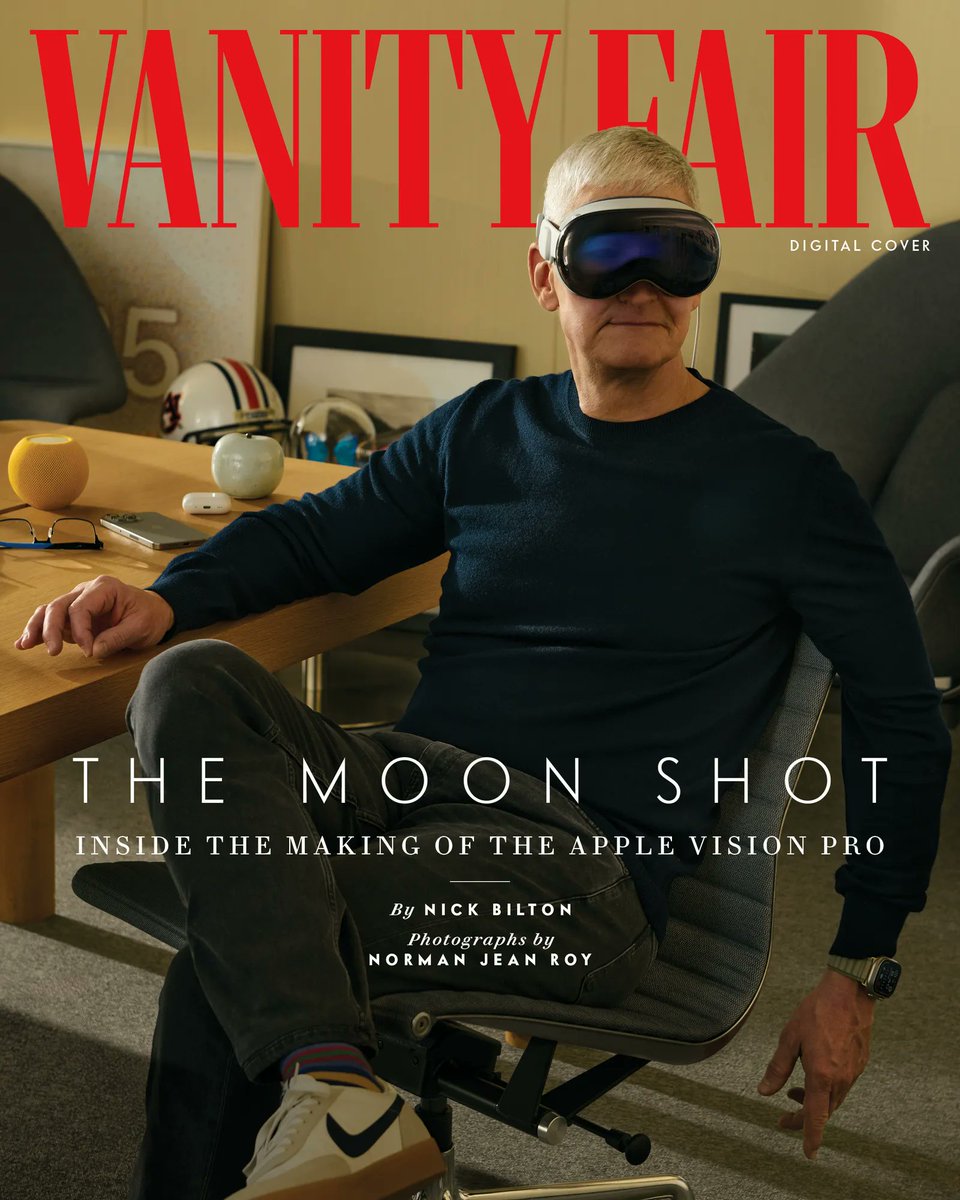
I went up to Apple Park and spent time with @tim_cook and the Apple Vision Pro design team to learn more about the origin of the Apple Vision Pro, and what the future holds for it, and us. vntyfr.com/QOM2EnH
15
21
451
81,206
1 Feb 2024
I went up to Apple Park and spent time with @tim_cook and the Apple Vision Pro design team to learn more about the origin of the Apple Vision Pro, and what the future holds for it, and us. vntyfr.com/QOM2EnH
74
212
1,526
592,971