Family Mediator | Board Member of the Family Mediation Association | Broadcaster | Bespoke Podcasts | Formerly 3000 radio shows at the BBC
Joined November 2009
- Tweets 24,959
- Following 2,166
- Followers 7,315
- Likes 1,429
411 Photos and videos

18 Aug 2025
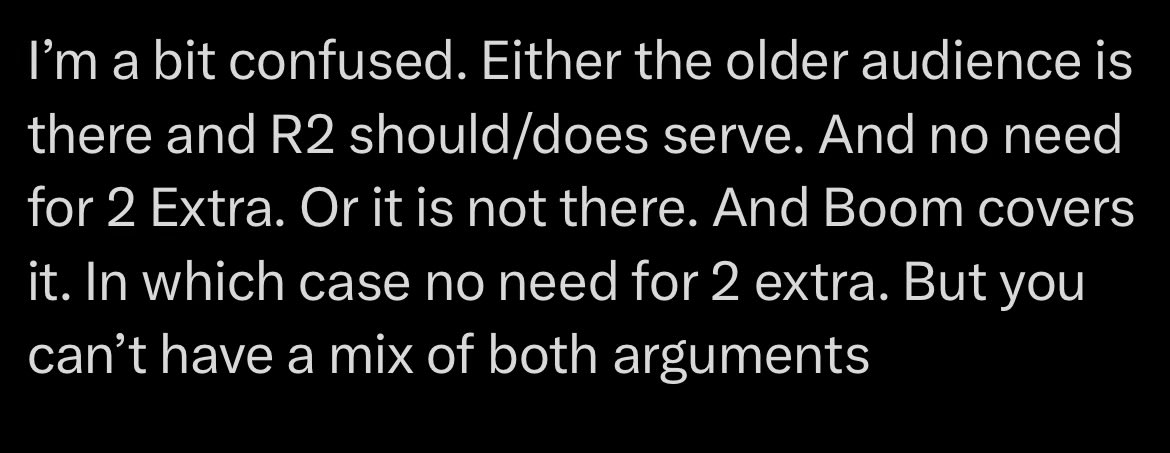
Solid call that to be fair. Good guy, well liked by former colleagues, pro local. Well done @thomprobert
18 Aug 2025

The BBC has appointed Robert Thompson as Interim Director of Production, BBC Local from 9th September. radiotoday.co.uk/2025/08/rob…
2
418
18 Aug 2025
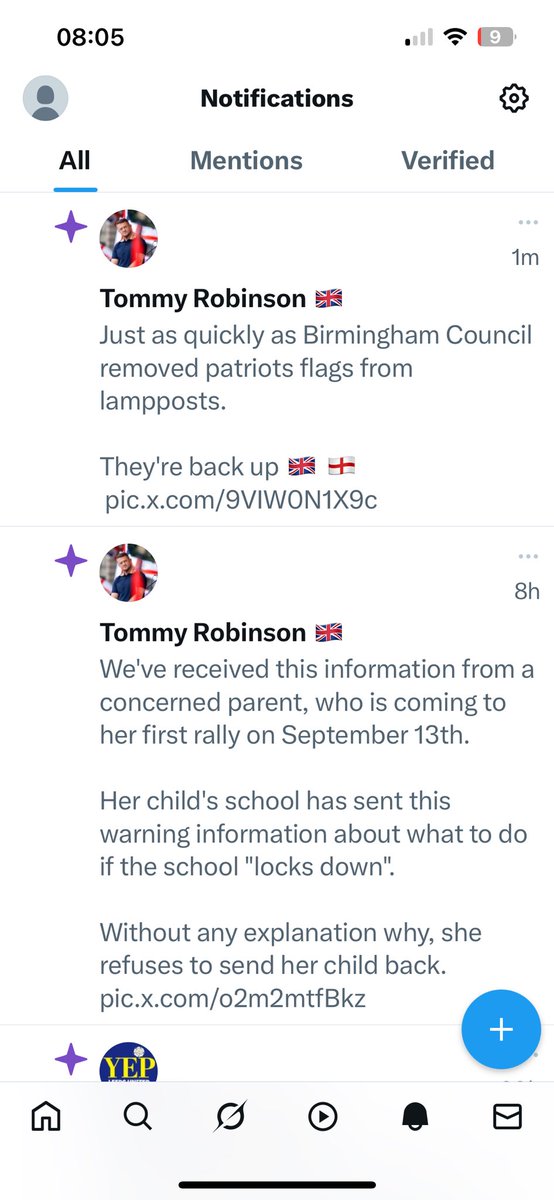
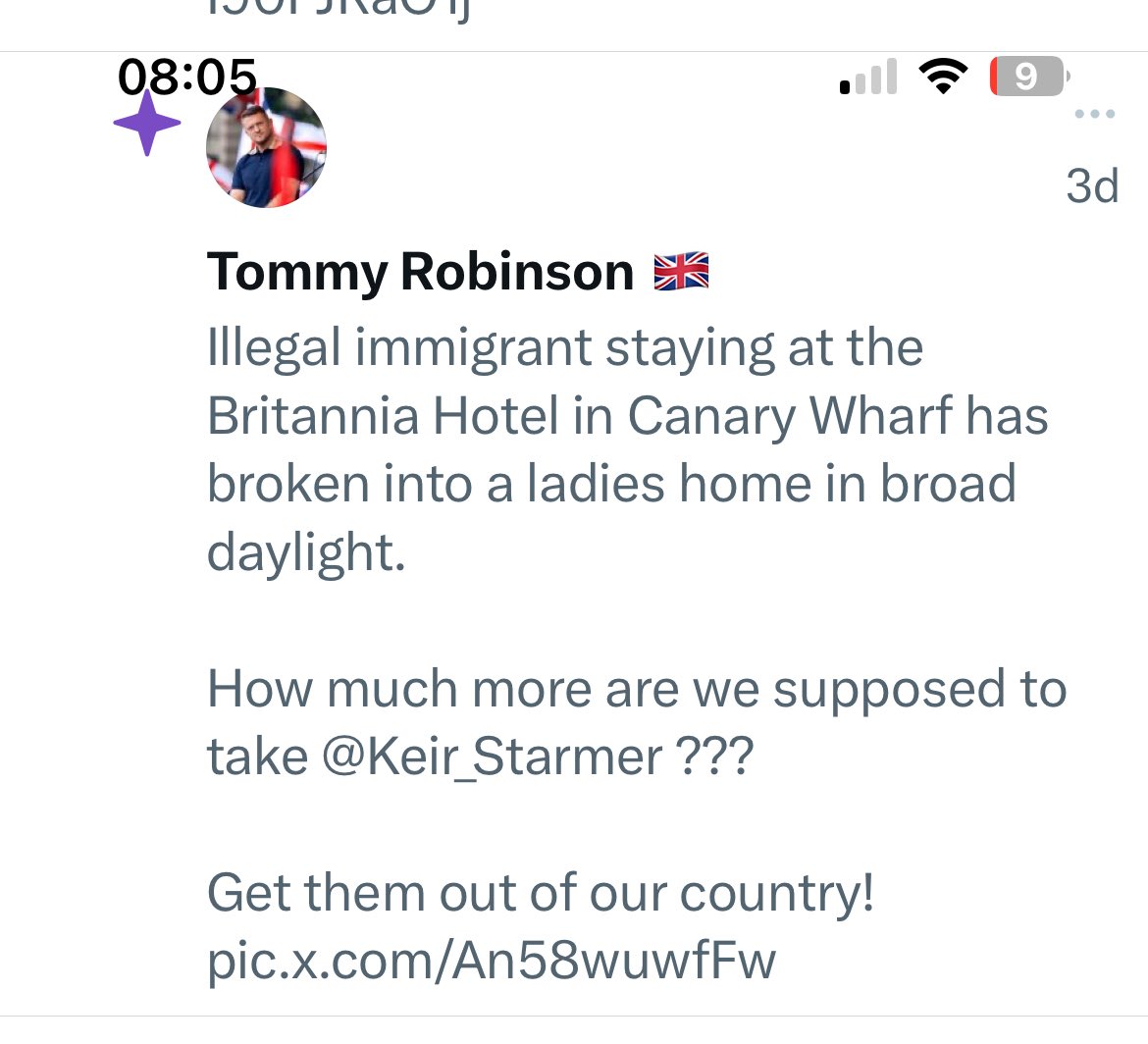
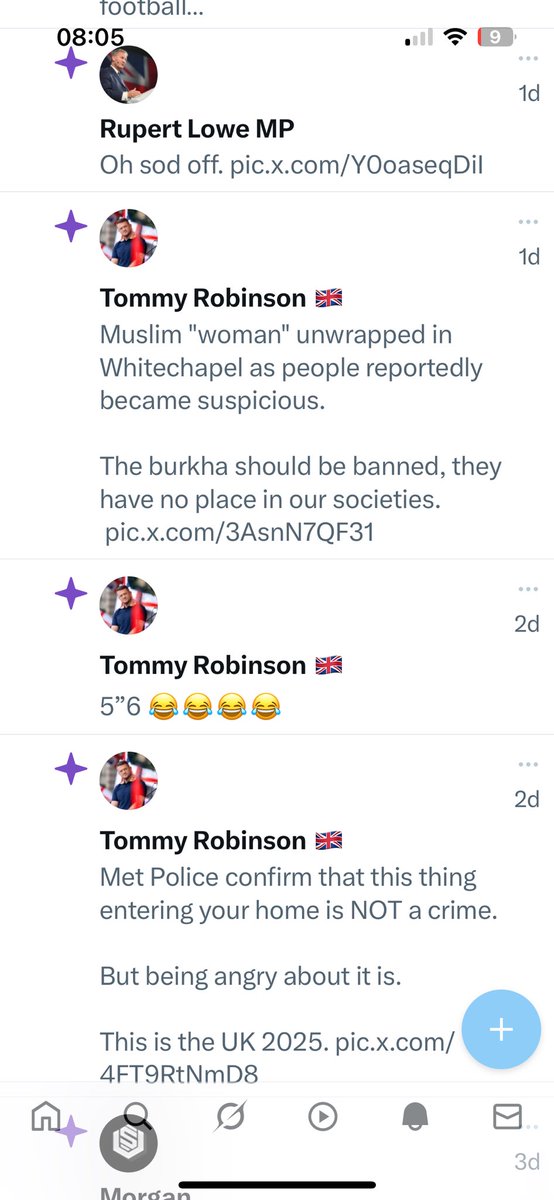
I created a new test account here. I wanted to see what content it pushed to me. I did not follow a single person, do a single search or interact with a single post. Here are the notifications I received.
1
1
2
634
13 Aug 2025
My feed is flooded (99%) with extremist (mainly AI) content in a way I’ve never seen before. It’s happened in the last two days - like someone flicked a switch. It’s not subtle. I’m not even seeing whimsical football posts or jumping cats. The aim is clear. Stir hatred & unrest
2
3
347
4 Aug 2025
I rarely post. I scroll sometimes. But the threads of hatred/bile hours after James Whale died are a final straw. Is this what we’ve become? I didn’t share his politics/views. I disagree with almost all he said. But when I worked in the same newsroom, he was supportive and kind
3
11
657
10 Jun 2025
In my broadcast career, I must have done, who knows, 7-8000 interviews. This was one of the rare ones which stopped me in my tracks and I could feel myself choking up as Eve told her story
10 Jun 2025

Turn Up The Volume!
The Stables' monthly podcast series..
In possibly the post powerful episode yet @eveselis talks to @nickcoffer bout the personal trauma which led to the writing of her latest album.
Listen to more👇
stables.org/welcome-to-turn-…
#MusicPodcast
2
377
8 Mar 2025
@AXS_UK Hi - I have been chatting to someone online who has received an email from you saying his account is suspicious and he must pick up tickets at the box office Sat/Sun. He admitted that he is a tout - he has 8 tickets and is flying over as he needs to sell them (1/2)
1
292
8 Mar 2025
How can I report him (I have his details and copies of your email), and can I have two of his tickets for Sunday night please?
255
14 Feb 2025
This is such a brave episode. Debbie Katy talking openly about the impact of Inflammatory Arthritis on their sex lives and relationships. They're warm, funny, engaging, authentic and vulnerable and deserve your listening ears, esp if you live with IA or an autoimmune condition
14 Feb 2025

❤️Let’s talk relationships & inflammatory arthritis!
From intimacy struggles to setting boundaries, we’re getting real about love, sex, & chronic illness in our latest episode. Tune in for an honest, empowering conversation.
🎧 Listen now: inflammatoryarthritis.org/ep…
#ValentinesDay
3
601
6 Feb 2025
Peter Drury shouts the name of the potential goal scorer even when it’s a penalty - in this case Mo Salah. I mean, there’s hardly a surprise element for him and yet he still shouts the name. As he does every single time someone shoots. In exactly the same way. It’s unwatchable
2
4
1,007
30 Dec 2024
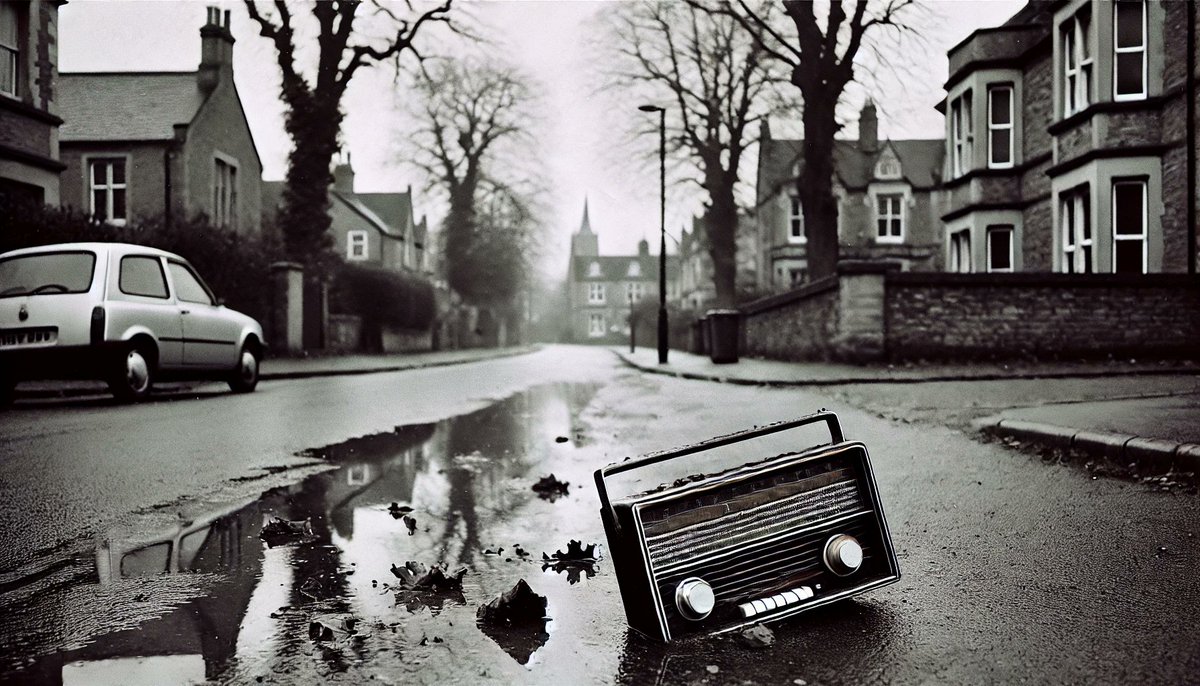
Rob and I don’t always agree. But what he outlines here is a BBC Local Radio that local managers/staff want (I’d put my house on it). This version existed with 2million more listeners. Local radio by locals, for local people, with decisions made locally. Not complicated, is it?
30 Dec 2024

What’s Next for BBC Local Radio? Questions About Creativity, Imagination, and Local Engagement
BBC Local Radio in England faces a crossroads. With debates about restructuring, demographic focus, and the future of place-based journalism at the forefront, it’s time to ask some tough questions about the direction and purpose of local broadcasting. How can BBC Local Radio remain relevant in the lives of the communities it was designed to serve?
Are we rethinking local enough?
In an era of personalised, on-demand media, how can BBC Local Radio offer something that feels distinctively local and indispensable? Is it time to move away from centralised strategies and embrace a more devolved, locally-driven approach?
Why isn’t local creativity prioritised?
Are the current programming models too constrained by top-down editorial control? Could opening the door to local producers, presenters, and creators with strong ties to their communities unlock new and vibrant forms of local storytelling?
Is it sustainable to focus on older audiences alone?
While older listeners form a loyal base, is this demographic focus sustainable? Could a more intergenerational and intercultural approach build bridges across age groups and bring in younger audiences while maintaining loyalty from existing listeners?
What’s the role of local radio in the digital age?
As online platforms increasingly dominate how audiences consume content, how can BBC Local Radio adapt without losing its identity? Should its strength lie in hyper-local, real-time reporting and engagement, rather than attempting to replicate the offerings of digital giants?
Are shared programmes diminishing local identity?
Does regional and national programming dilute the unique local identity that makes these stations meaningful to their audiences? Could fully devolved content, designed and produced locally, better reflect the needs and stories of individual communities?
How can local radio serve diverse communities?
Are the voices of underrepresented groups being adequately reflected in BBC Local Radio’s programming? What steps can be taken to ensure that local radio fosters intercultural understanding and provides meaningful representation for all communities?
Is local radio judged by the wrong standards?
Should local radio be measured by RAJAR metrics and compared to commercial stations, or by its success in fostering community engagement, providing trusted news, and offering a platform for local voices?
How do we balance tradition and innovation?
Local radio has a legacy of community connection, but how can it embrace innovative ideas without alienating its core audience? What role should podcasts, social media, and live-streaming play in shaping its future?
Without a clear, imaginative vision, how can BBC Local Radio avoid losing its audience to other platforms? Should the BBC be a leader in redefining local media for the 21st century, or risk being left behind?
Is centralisation the problem?
Can local radio thrive while editorial and financial control remain centralised? What would it take to devolve decision-making to individual stations, while retaining the benefits of BBC resources and branding?
A Call for Imagination and Action
The challenges are real, but so are the opportunities. Local audiences crave media that reflects their lives, voices, and experiences. If the BBC doesn’t grasp the importance of sustainable, devolved, and locally based media, will audiences turn to other platforms that serve them better?
These aren’t just questions for the BBC—they’re for anyone who values the role of local media in creating vibrant, connected communities. How do you see the future of local radio? What changes are needed to ensure it thrives? Let’s start the conversation.
4
5
28
4,204
13 Nov 2024
Unpopular opinion maybe but what David Coote really needs right now is support, friends and a heck of a lot of supervision. He is clearly vulnerable and the gleeful pile on is actually quite dangerous.
1
7
701
12 Nov 2024
The sense I get is we all moved to Threads and then, sadly, realised it’s absolutely rubbish. I just don’t get interesting content there. Hence the swing in the past few days to 🔵sky
2
266
6 Nov 2024
@NatWest_Help hello. Has everyone disappeared from Mettle? I have been writing to them for days to try to effect the switch from the old Mettle account to the new one, but no reply. You have my money, I cannot do business transactions and my personal account is running low. (1/3)
4
2
345
6 Nov 2024
2/3 I was unable to effect the switch, as there were always pending items in my Mettle account. They assured me it would be fine even after the Nov 4 deadline. But now they have disappeared and my account is frozen. No reply to messages, phone or email.
1
1
232
6 Nov 2024
3/3 The stress being caused is acute. Please resolve by this evening or I will be contacting the ombudsman. (cc @paullewismoney )
1
194
24 Oct 2024
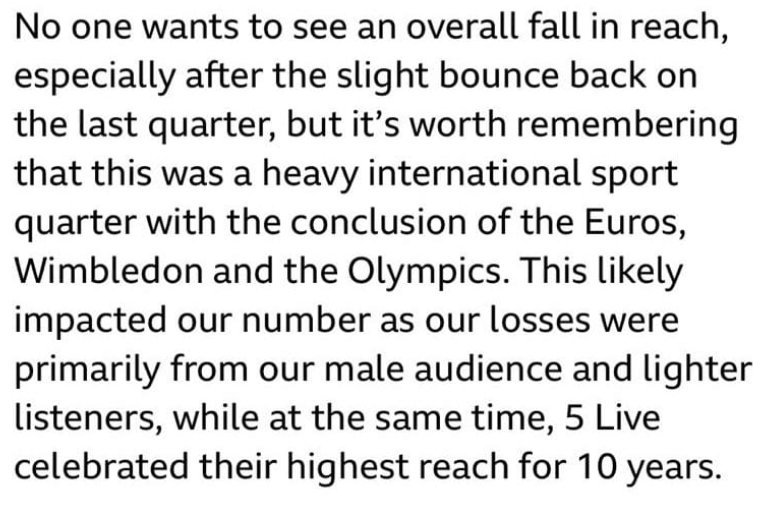
According to the Head of BBC Local Radio, the drop in listening figures (down since last quarter by 298k/6.1%, to 4.56million in total) is due to the Euros/Olympics. In 2022, the figures during the actual World Cup fell only 118k/2% to 5.65mill. The argument doesn't.... stack up?
4
3
17
1,095
24 Oct 2024
I wrote this article about BBC Local Radio in @guardian two years ago. It’s since lost 1.4 MILLION LISTENERS (25%). It’s lost 721k listeners in the last year, 298k since July. Absolutely EVERYTHING I (and many fellow colleagues predicted) has come to pass
amp.theguardian.com/commenti…
11
24
64
10,336
24 Oct 2024
This is not a mere blip. Nor is it a reasonable and justifiable loss, explained by the move to Digital First. It is the irreversible decimation of the previous jewel in the BBC’s crown. I feel so angry for talented and dedicated former colleagues and listeners alike.
2
4
26
1,223
10 Sep 2024
ITV hold the camera on Lee Carsley for 10 seconds during the England national anthem. Give the guy and break and some space. Do better
2
1
923
20 Aug 2024
This interview with @domjoly was one of my favourites in a long time
20 Aug 2024
There are some amazing interviews in the August edition of Turn Up The Volume!
@nickcoffer chats to comedian, writer and broadcaster @domjoly about his book, The Conspiracy Tourist, and his show, The Conspiracy Tour (Mon 23 Sept @StablesMK ).
👇🎧
stables.org/welcome-to-turn-…
1
517
12 Aug 2024
Just popping back here to say that there is a sustained and serious shift to Threads this week. Lots and lots of big hitters moving. I know it’s not perfect and it’s Meta but it actually is much nicer, more old school and MUCH less fascist over there. Maybe if everyone moves……
2
255