
Joined May 2021
- Tweets 2,066
- Following 244
- Followers 411
- Likes 76,276
290 Photos and videos
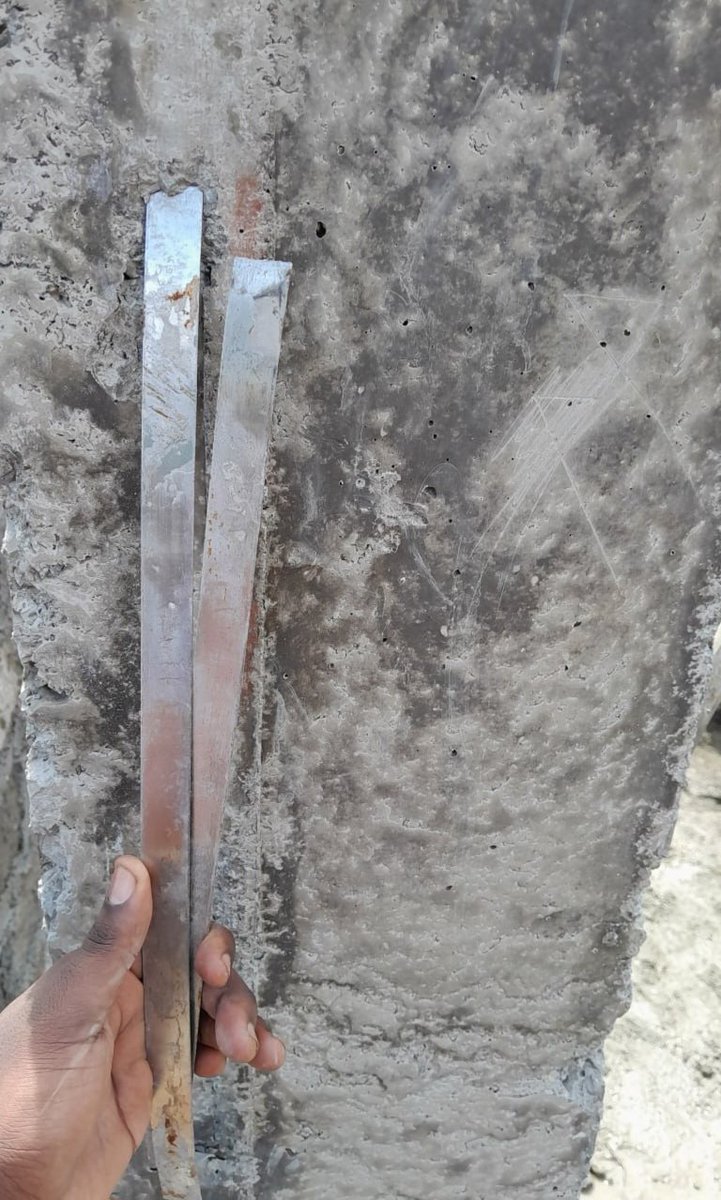


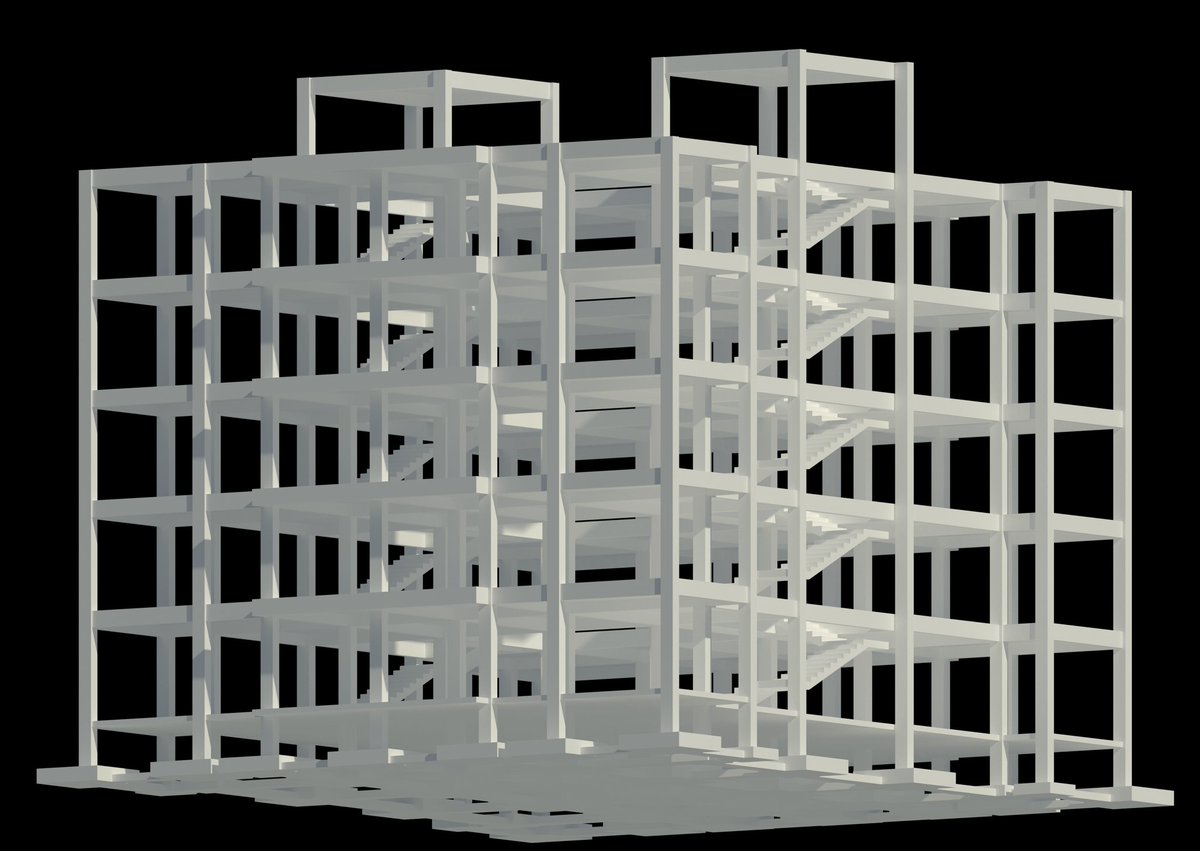


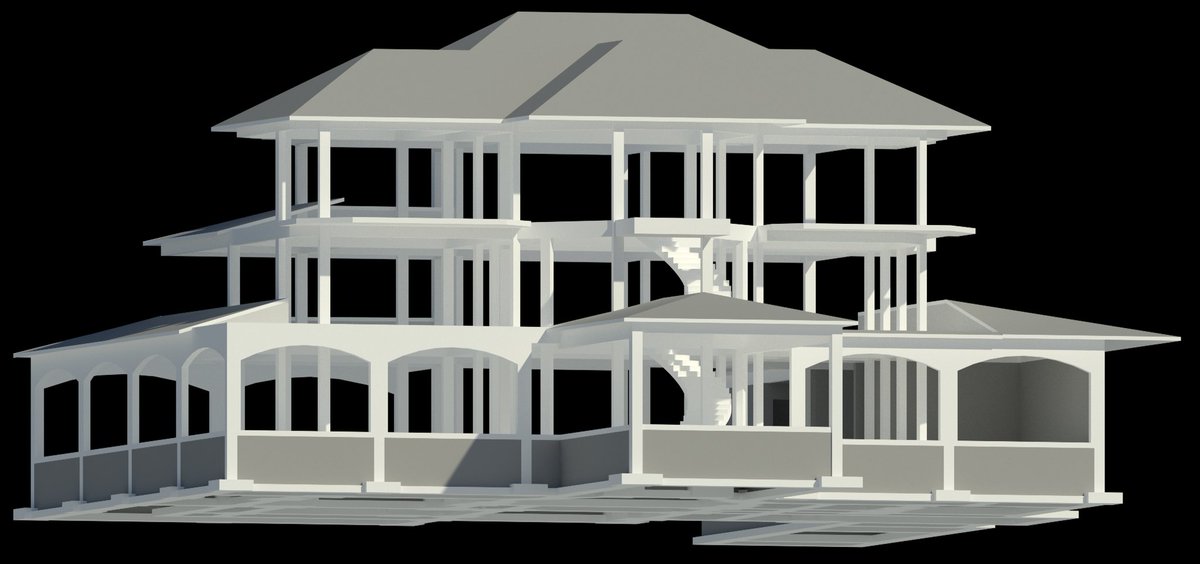


Hoop iron is used in masonry walls to resist tensile stresses and control cracking. Masonry blocks are strong in compression but have limited tensile strength.
It's typically placed after every two alternate courses to ensure adequate tensile reinforcement and crack control.
1
1
8
213
The hoop iron reinforces the mortar joints, enabling the wall to better resist tension induced by settlement, shrinkage, temperature changes, and lateral loading.
1
38
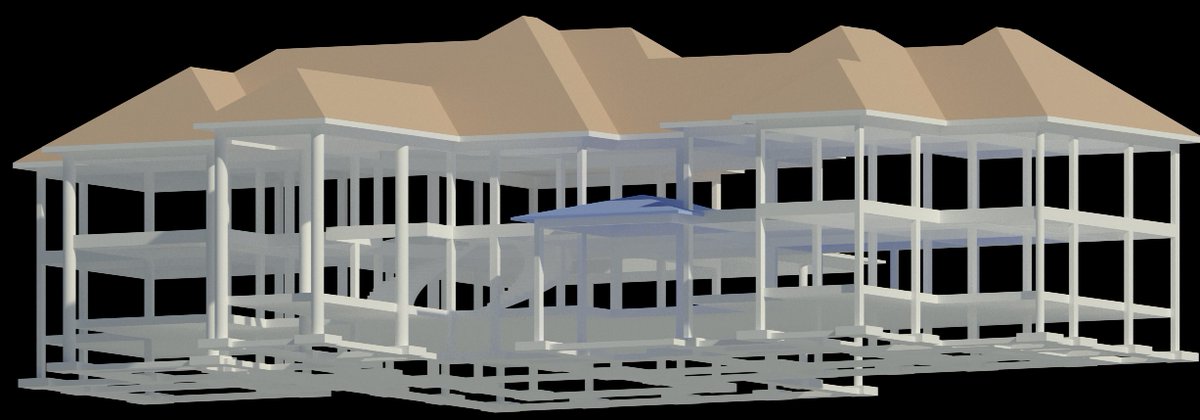
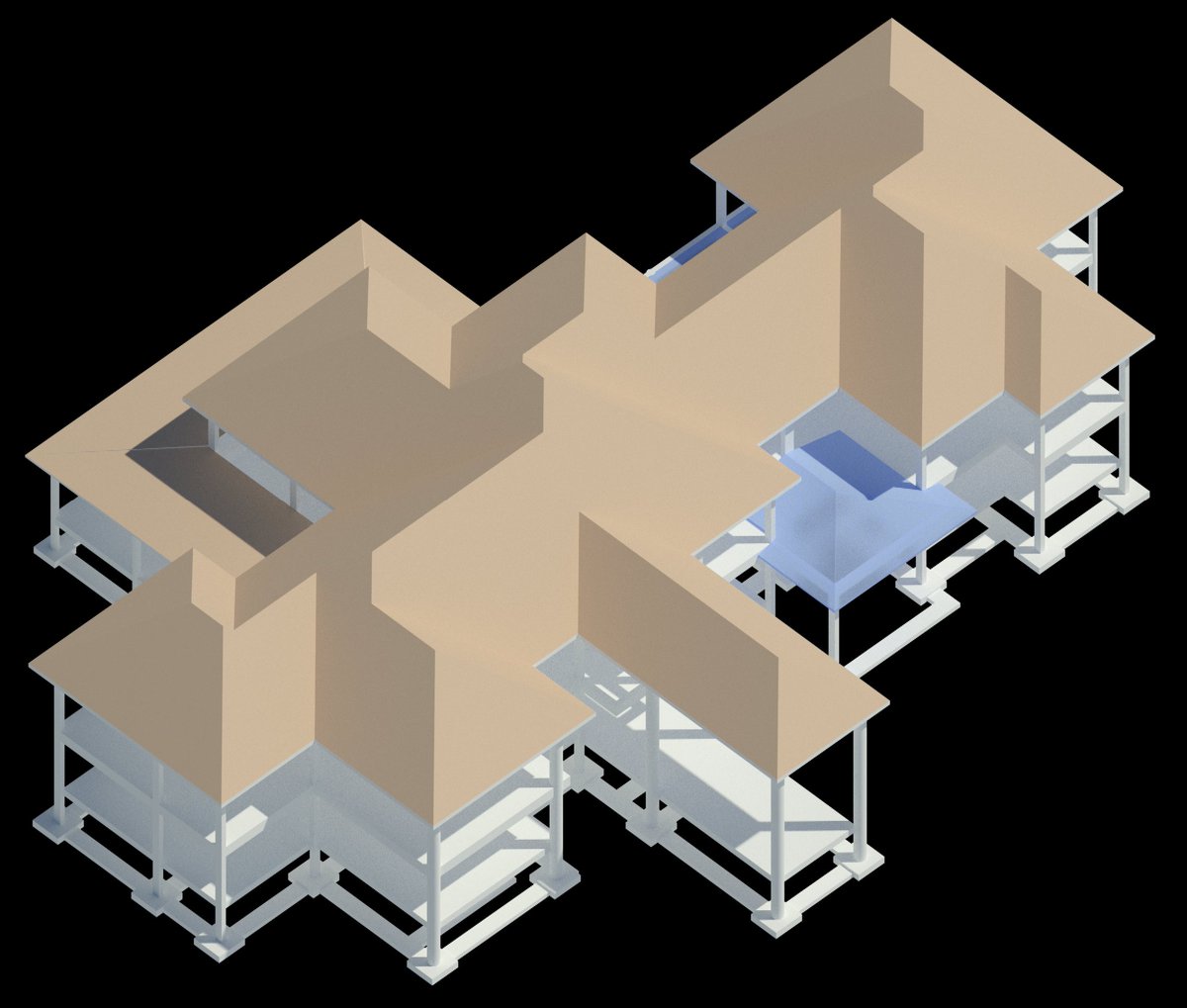



Jun 11
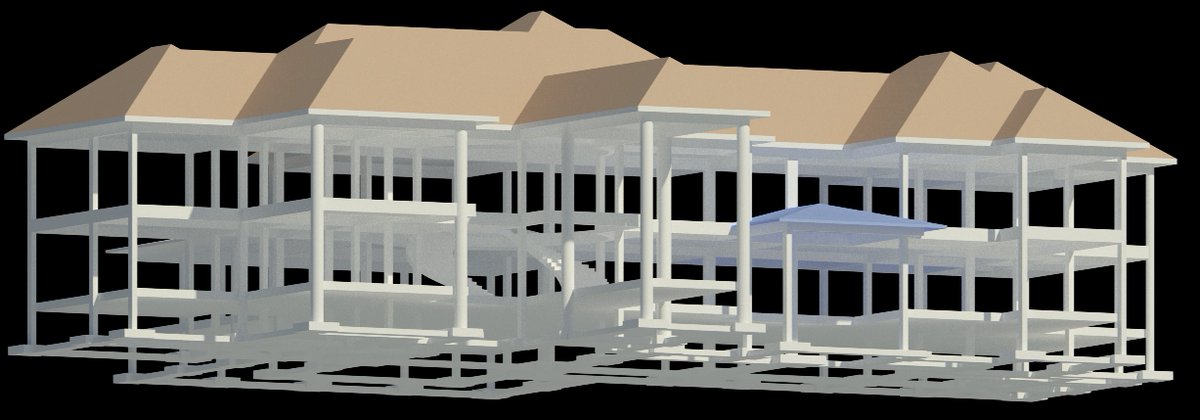
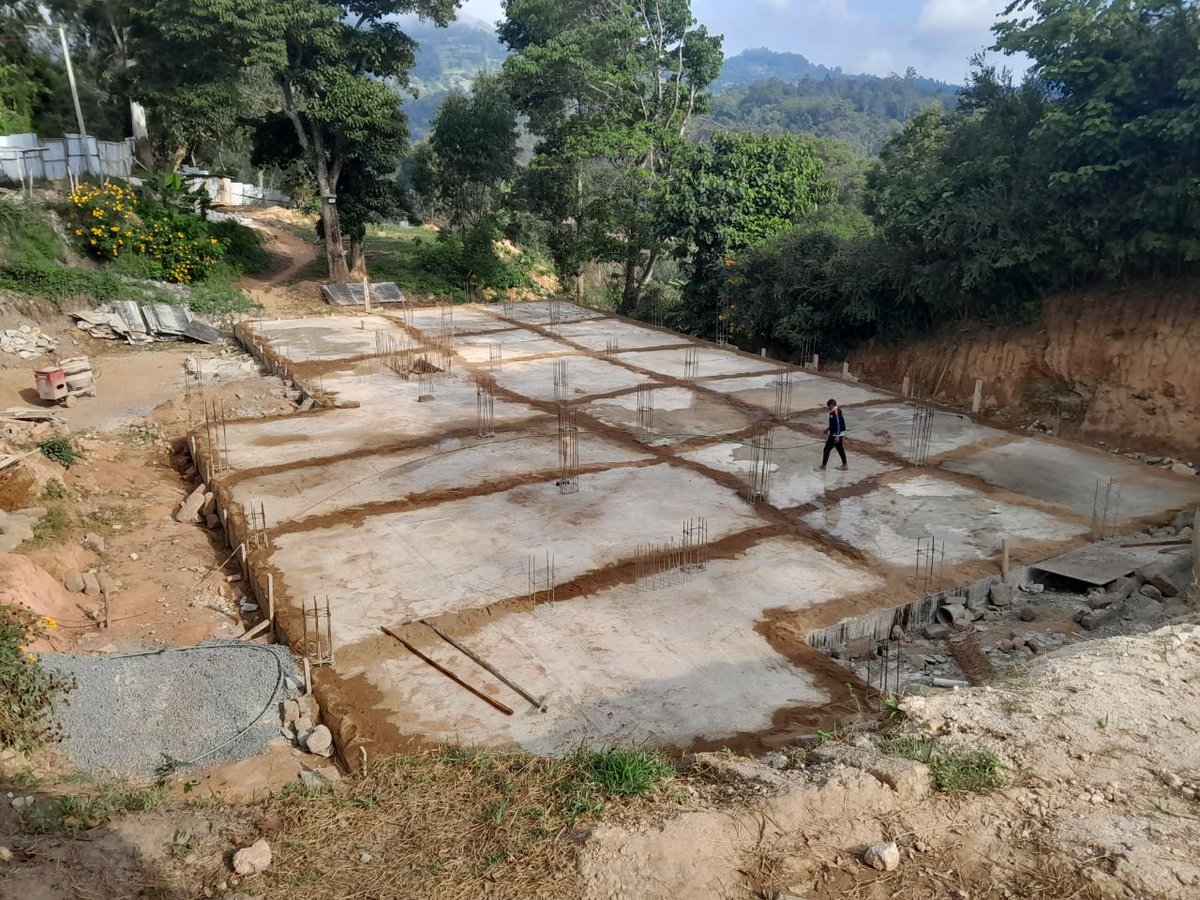
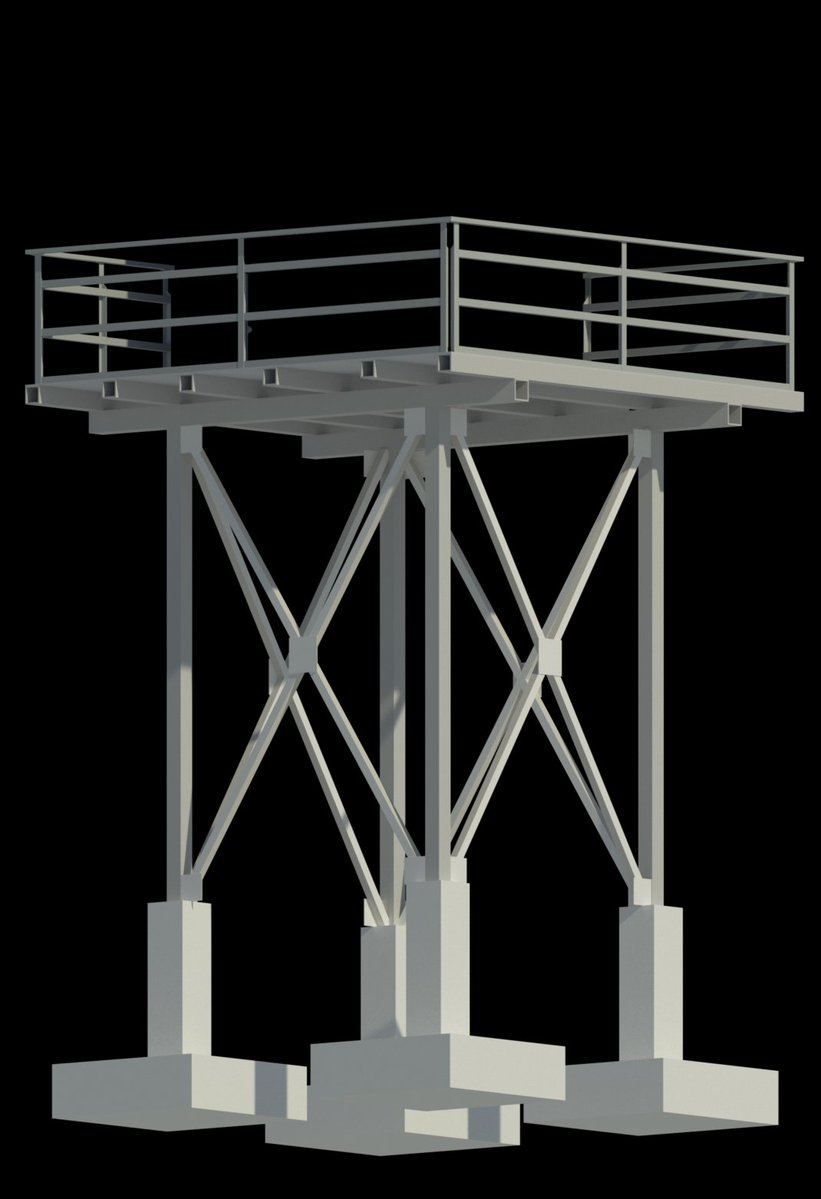
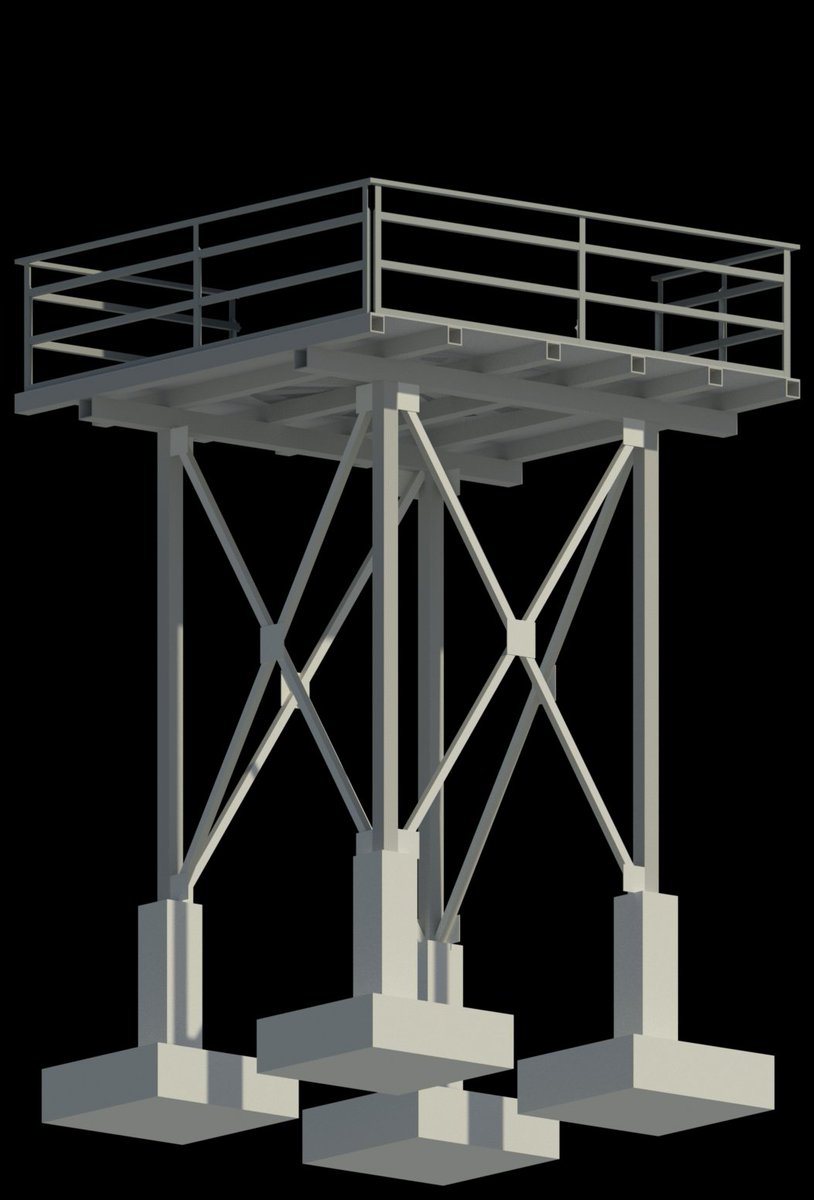
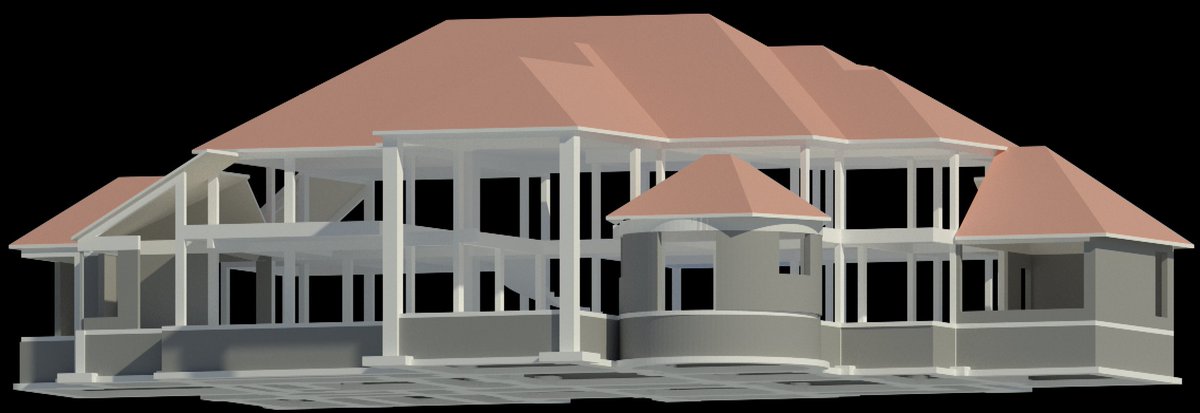
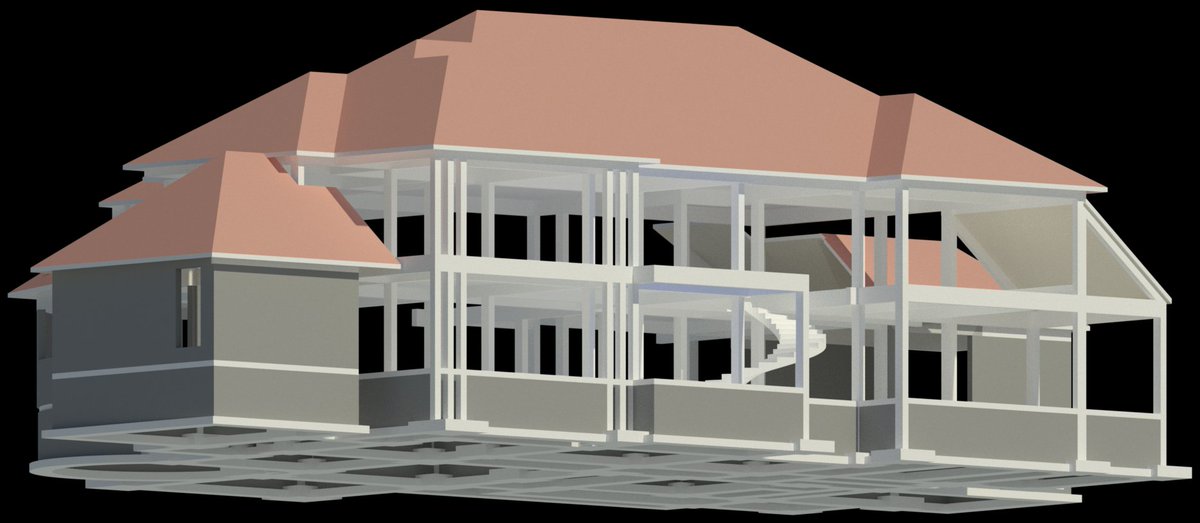
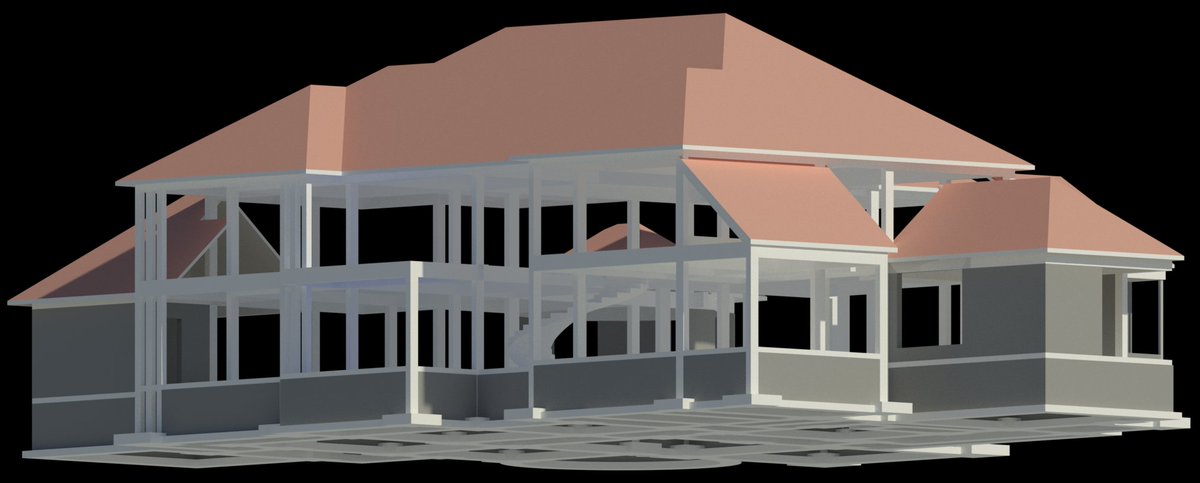
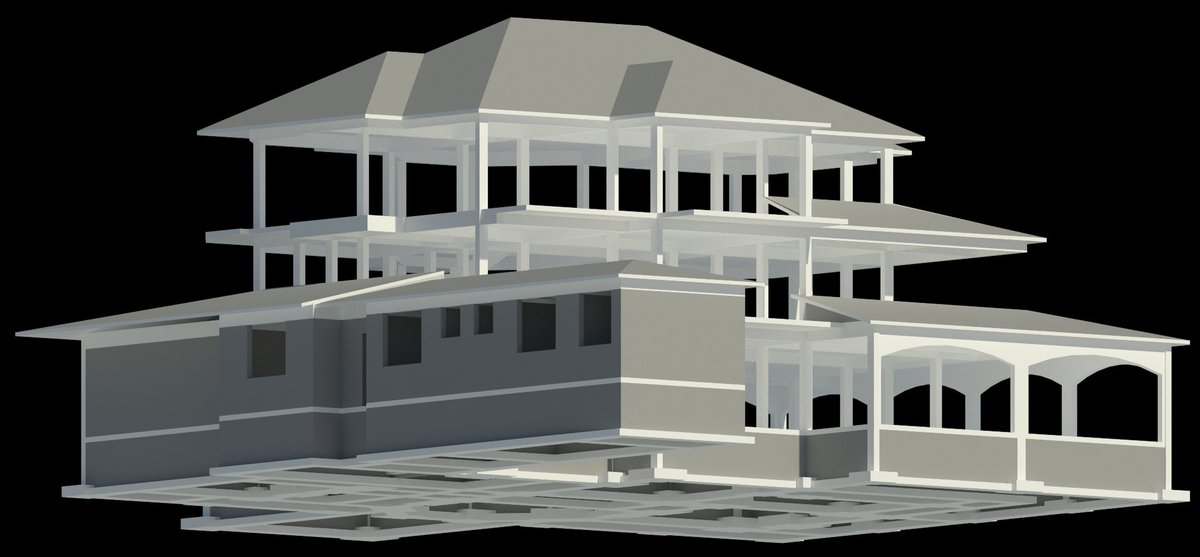
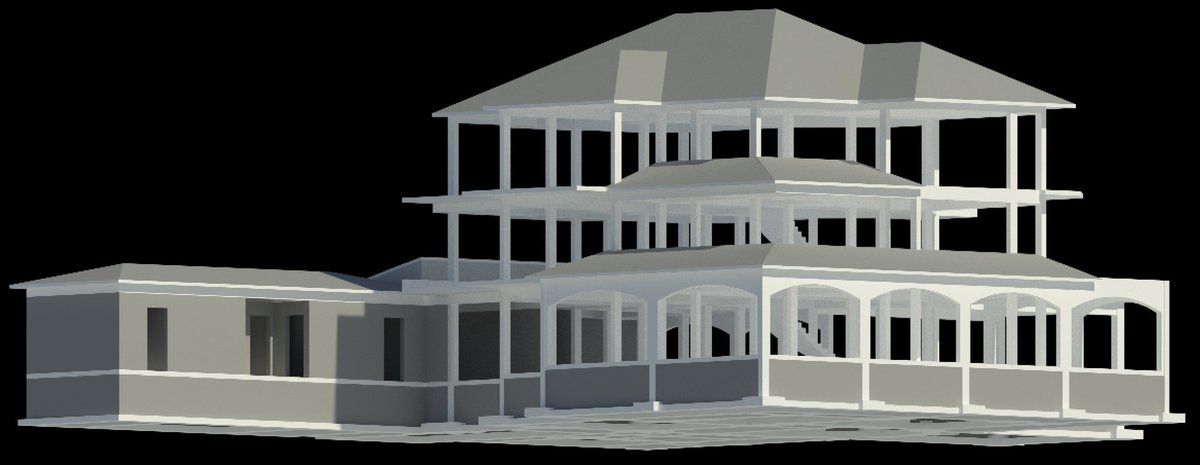
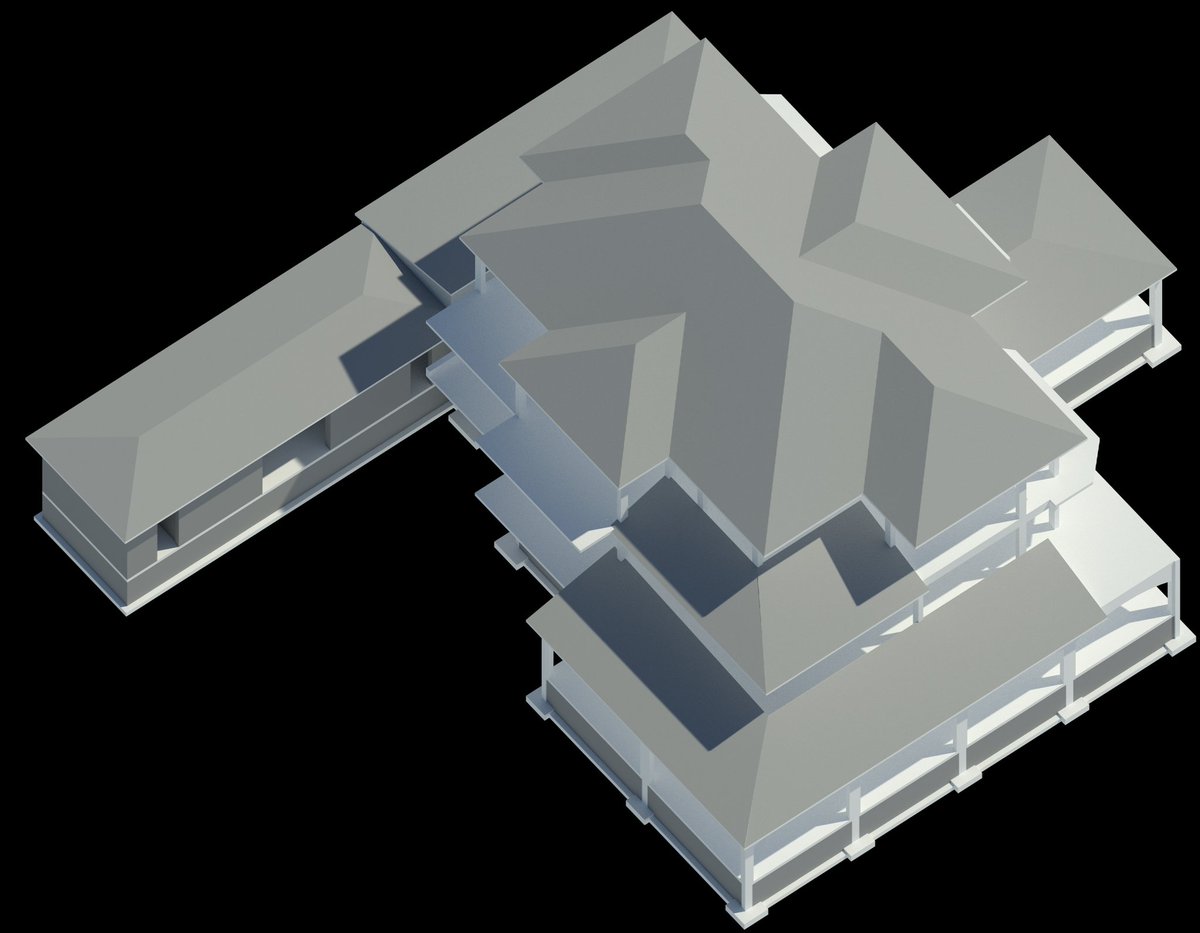
Proposed Residential Development in Oyugis, Homabay.
1
5
43
2,968
Jun 10
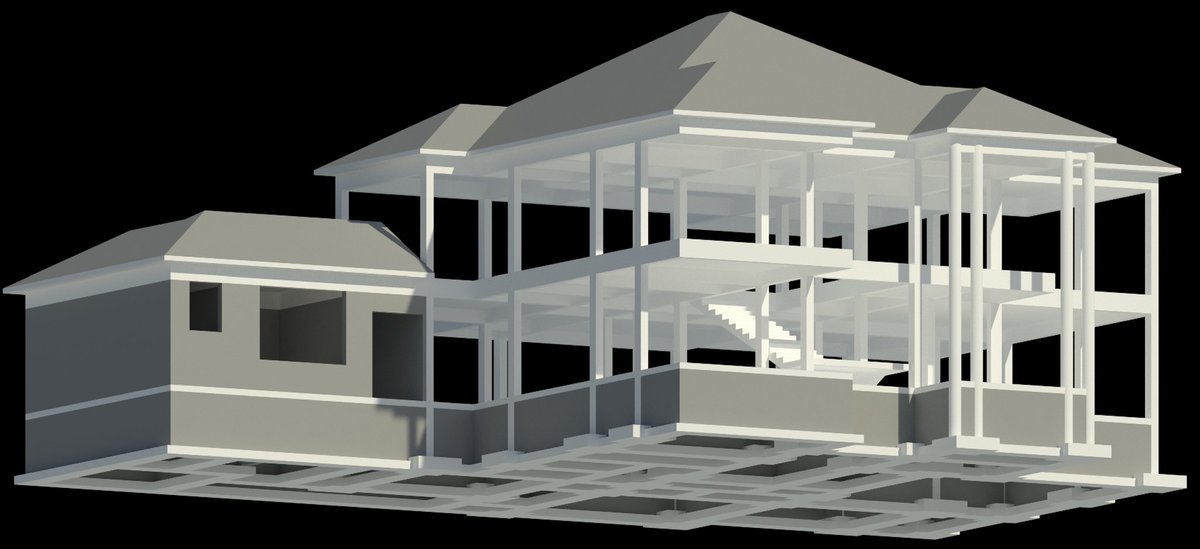
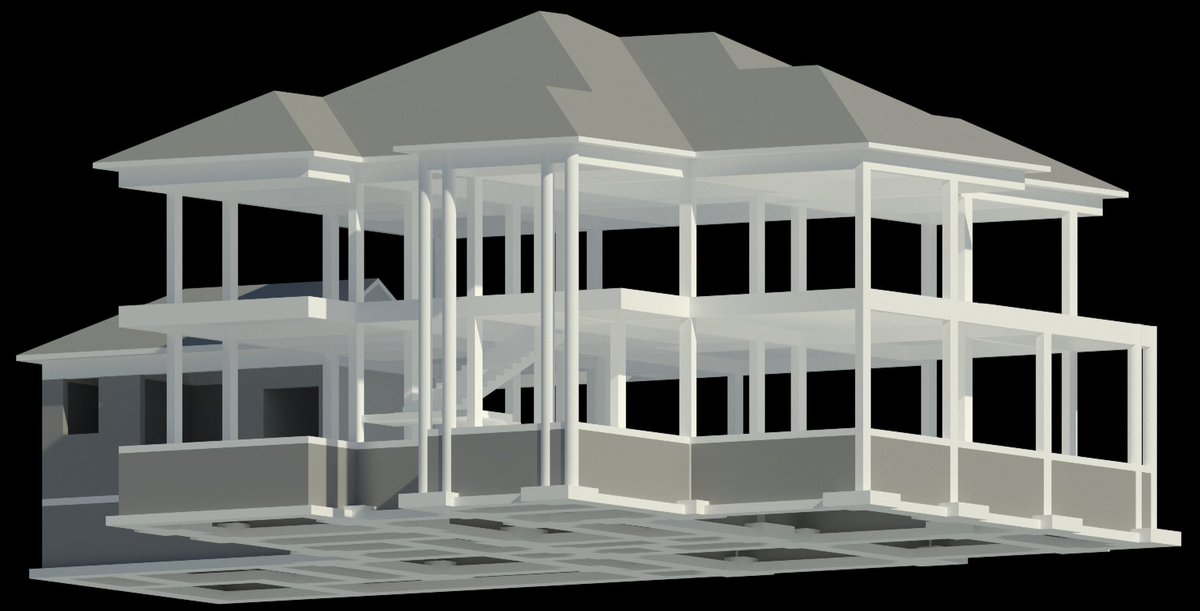
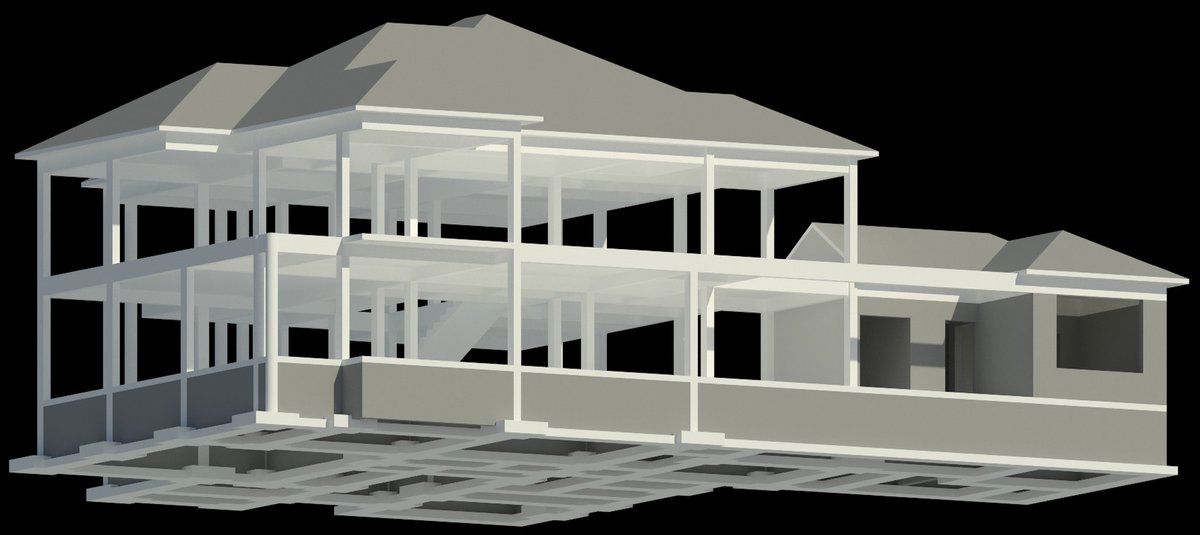
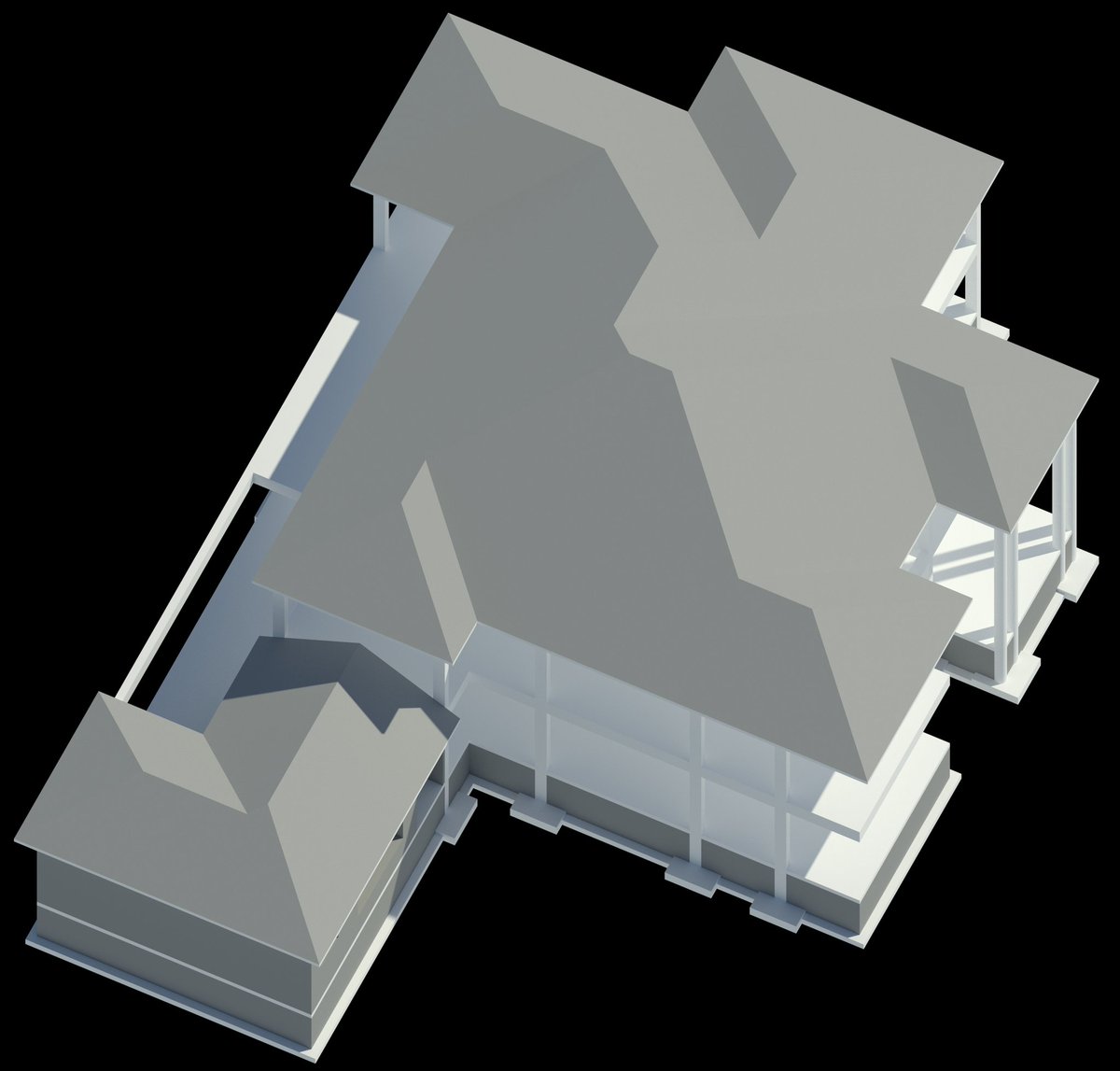
Proposed Residential Project in Mushroom Estate, Kiambu.
3
3
46
2,753
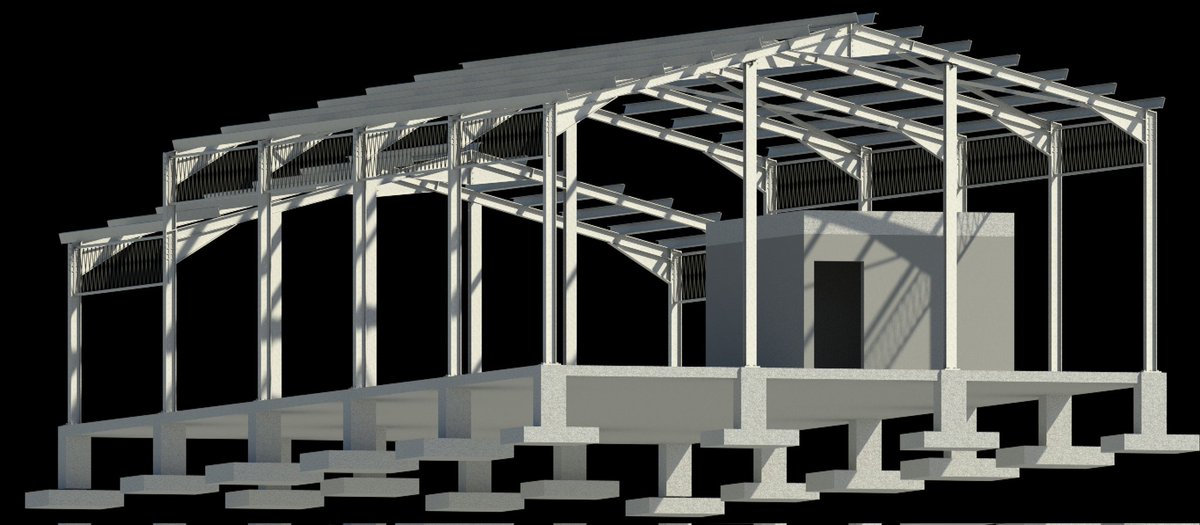
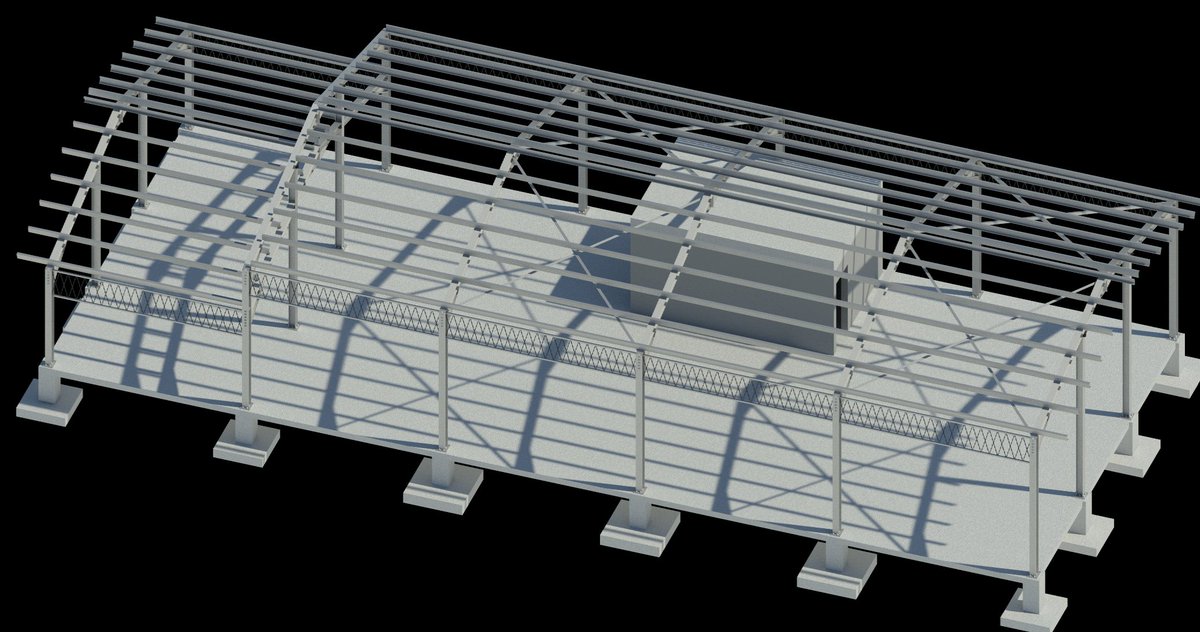
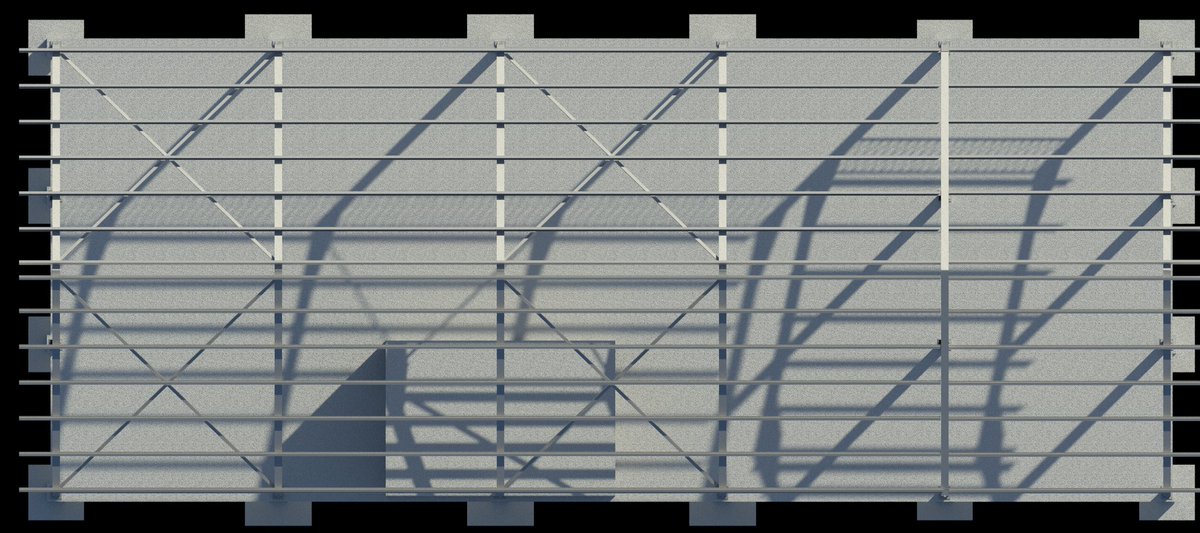
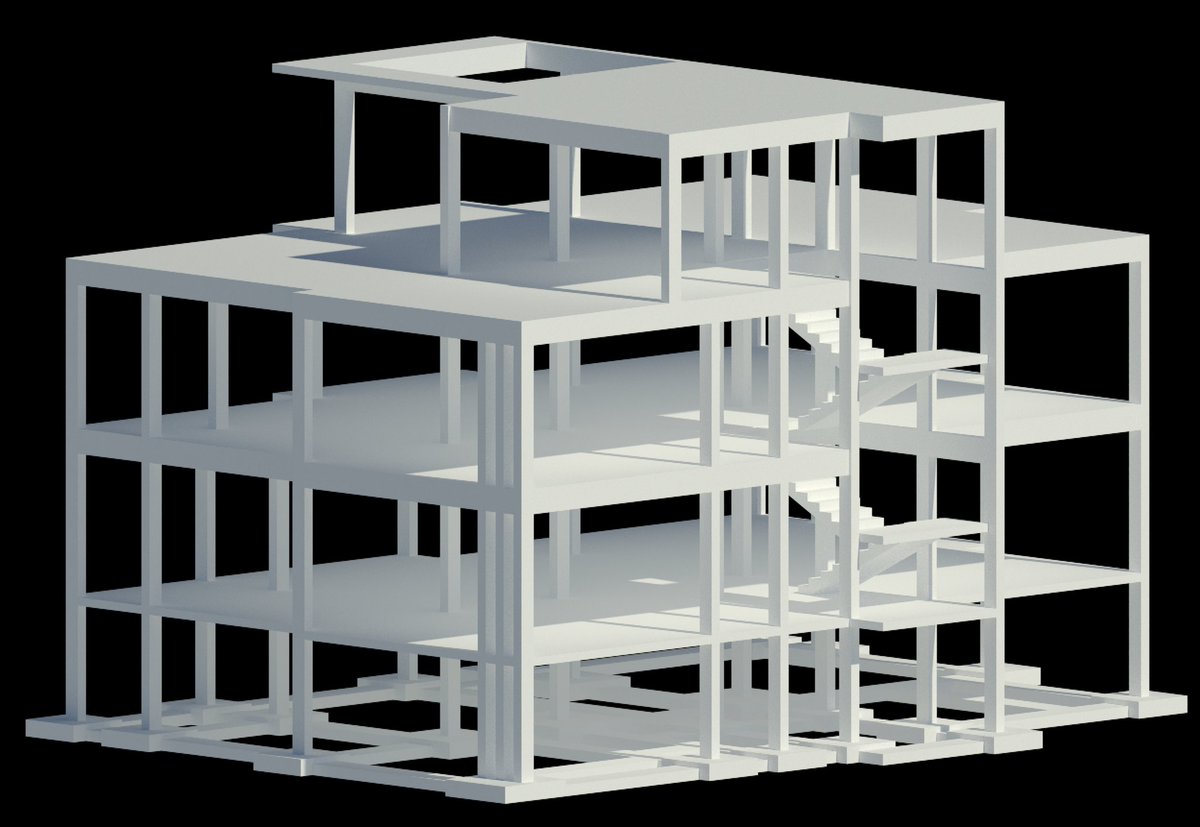
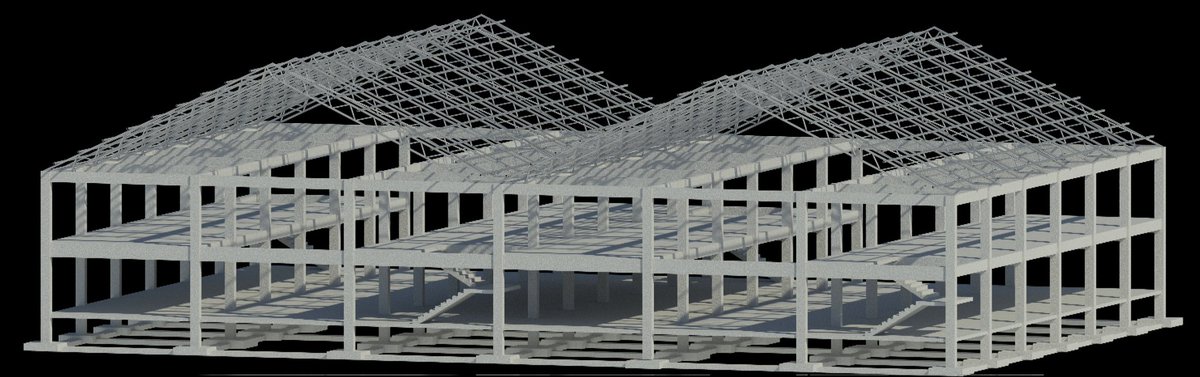
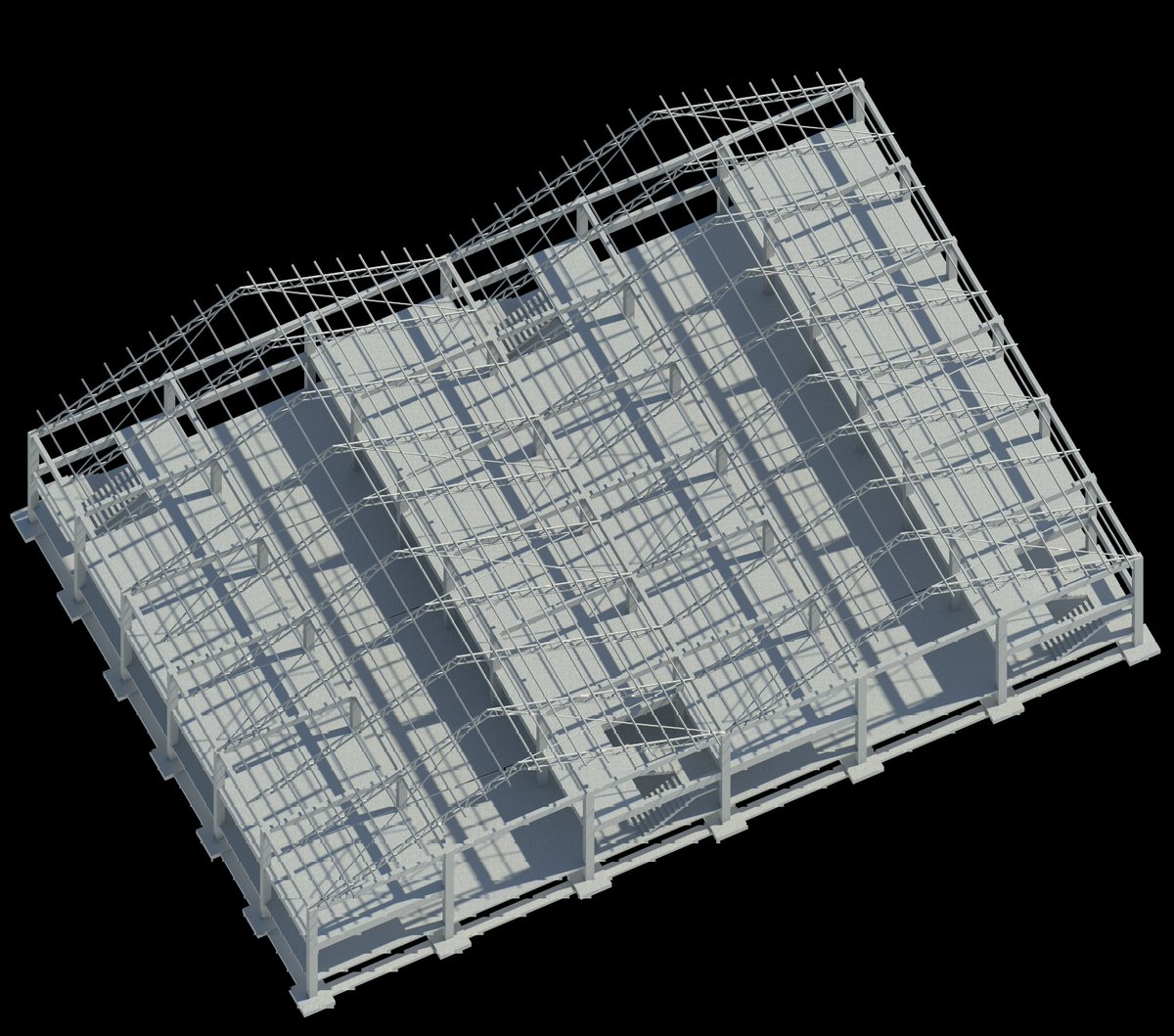
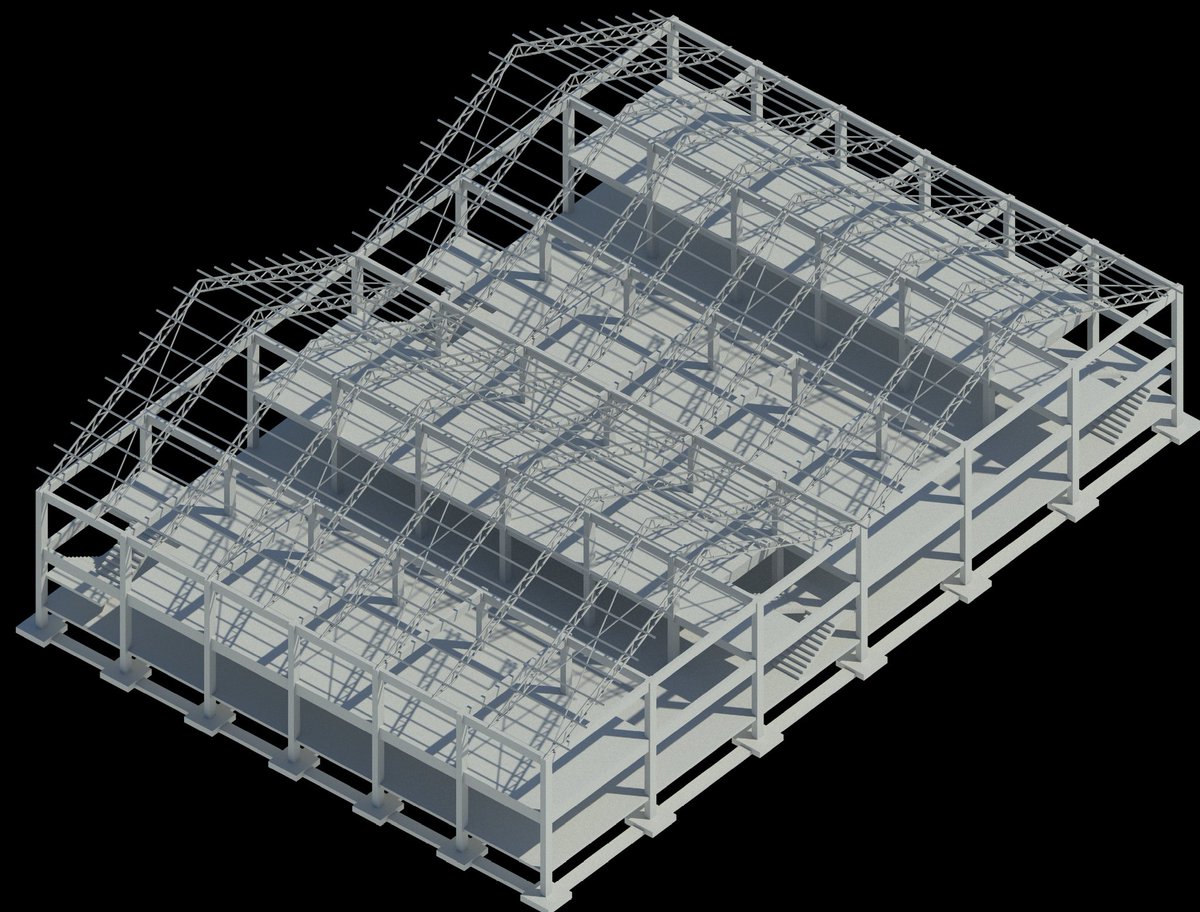
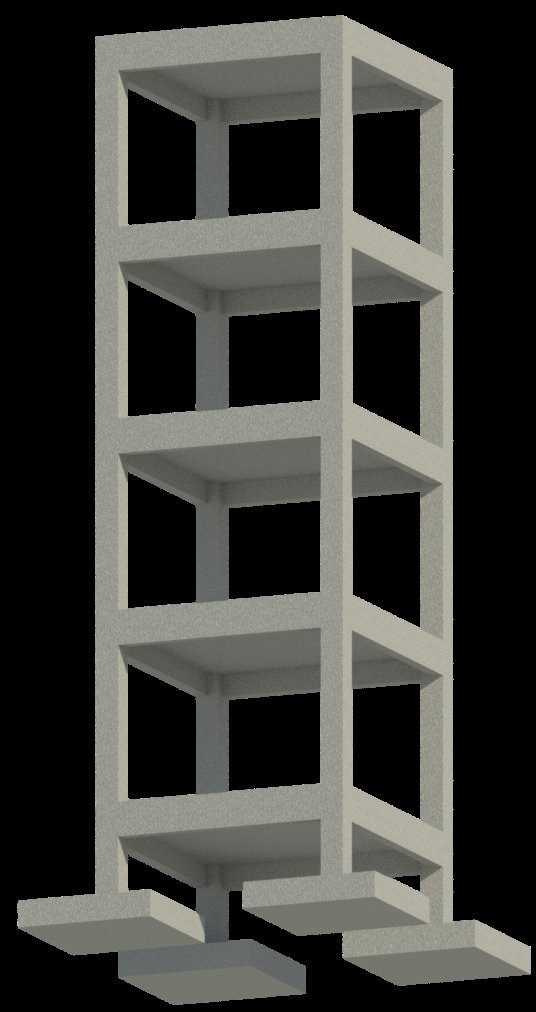
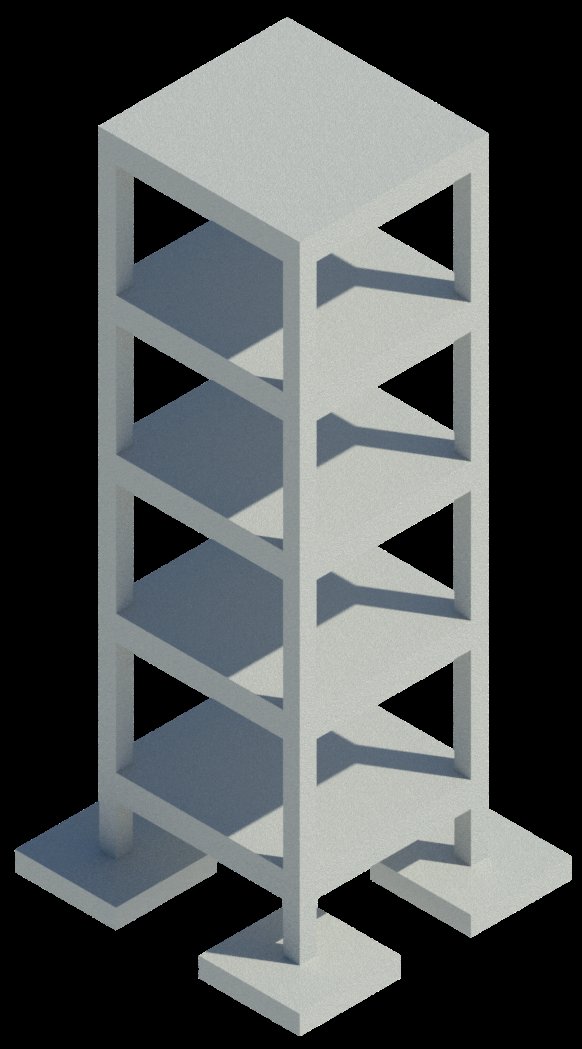
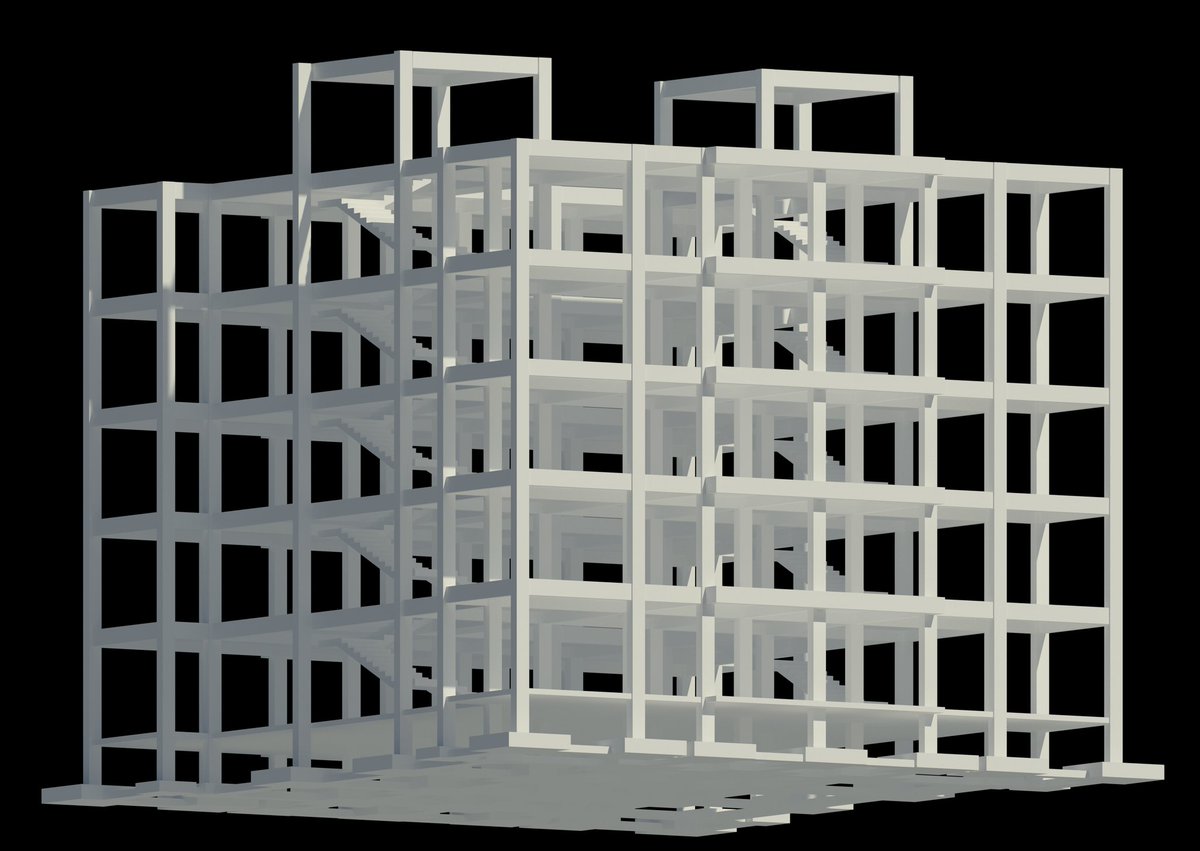
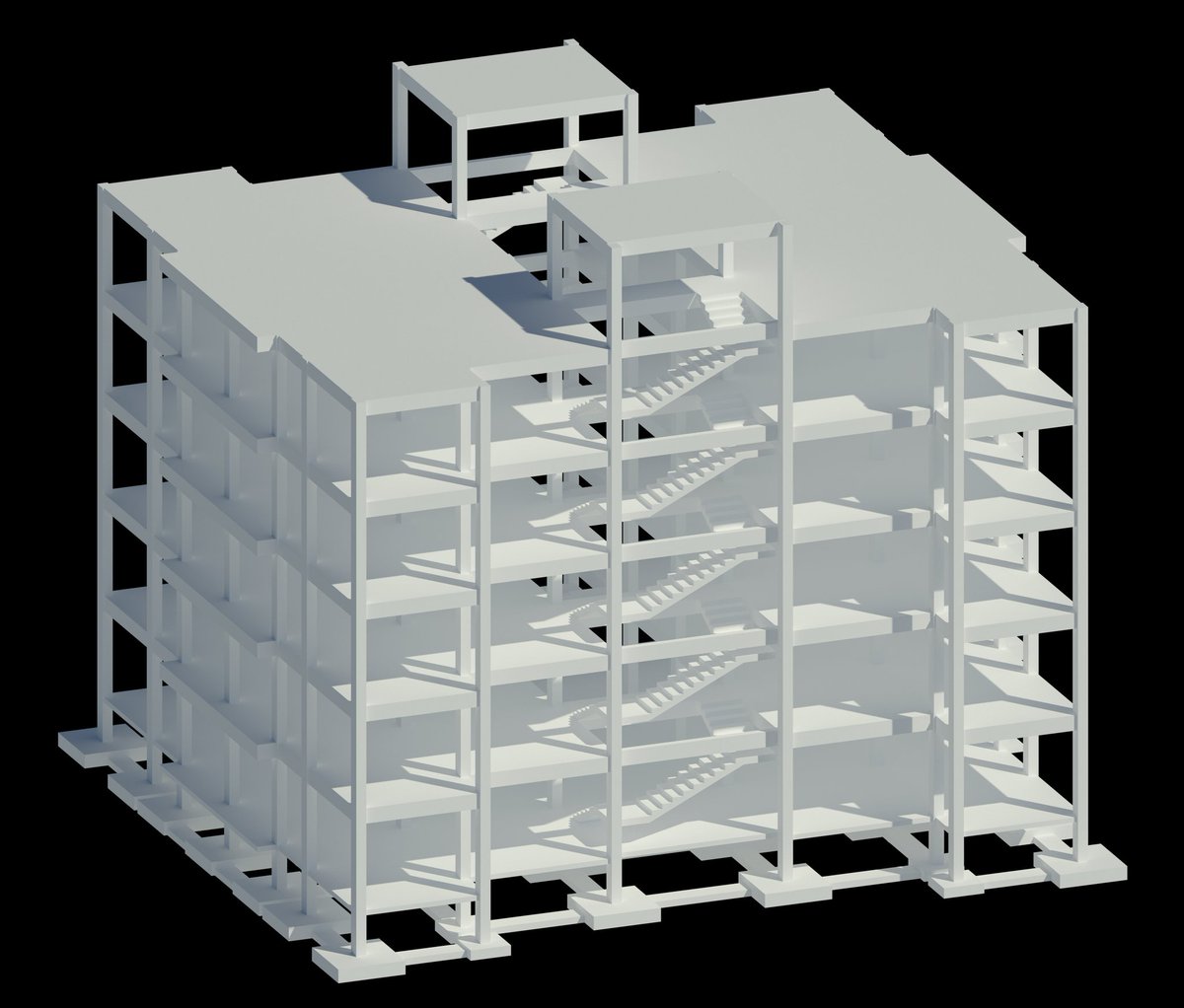
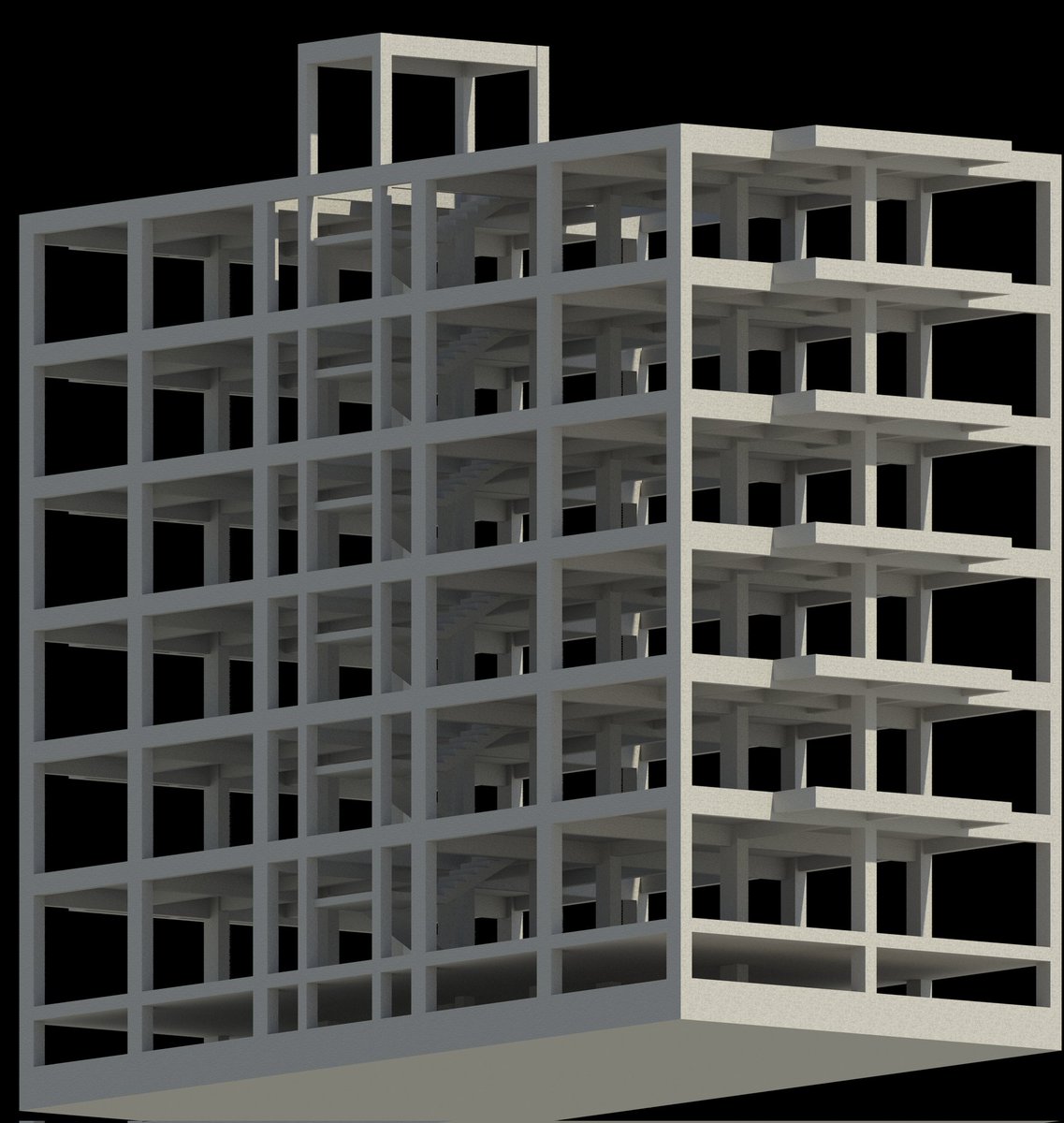
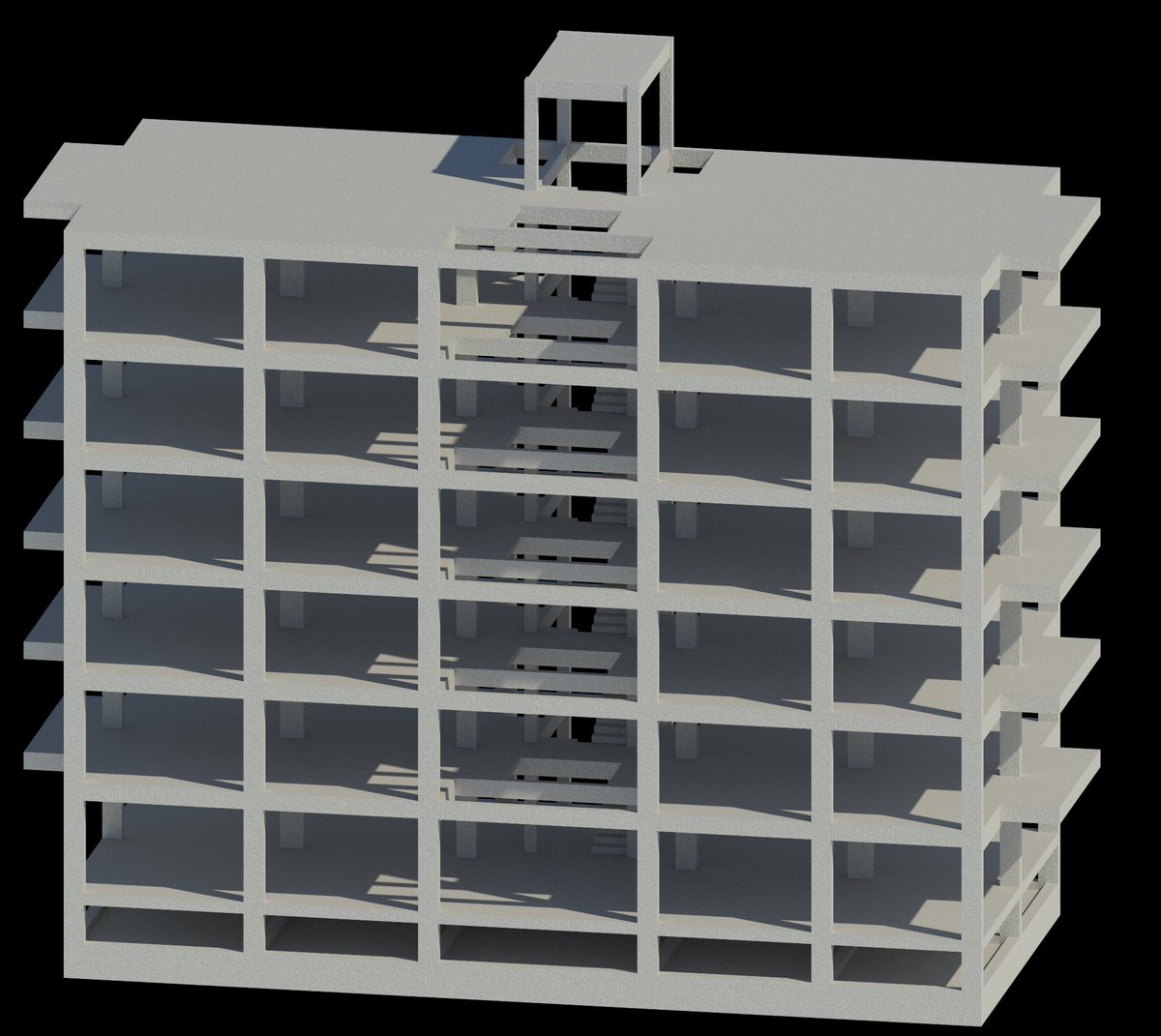
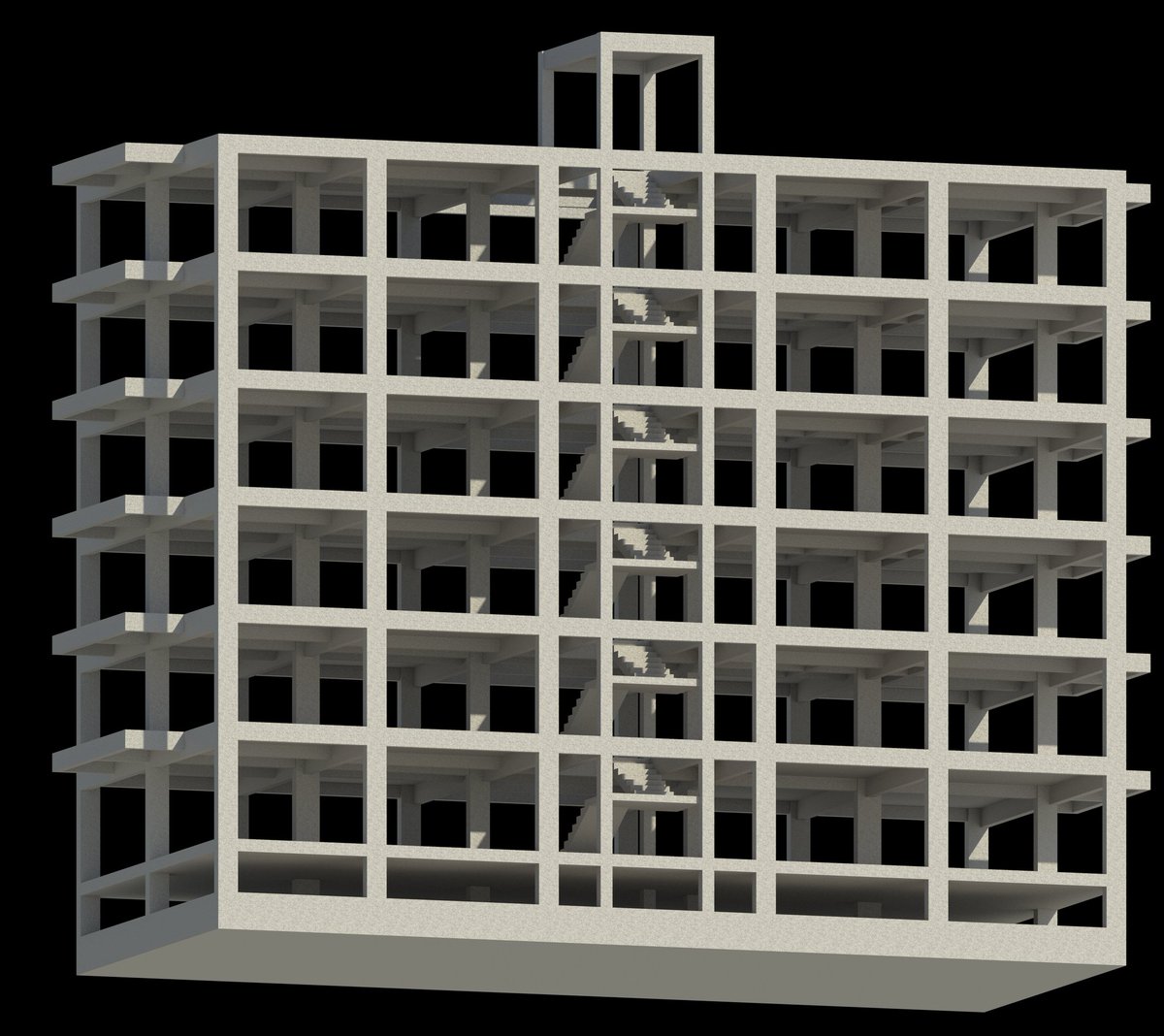
Stub columns are normally introduced when there is a change in the architectural floor layouts and the upper floors need to safely transfer the load to a structural member; in this particular case a transfer beam was required.
This from an already completed residential project.
2
4
29
1,045
Transfer beams typically have greater depths and "heavier" reinforcement because they have to be designed to handle the point load(s).
It was very gratifying to design and see out it's implementation on site.
1
2
190
Layering refers to the arrangement of rebar in levels (layers) within a reinforced concrete beam in order to achieve the area of steel required after structural analysis.
This is a 450×200 beam with 2 layers of rebar as bottom reinforcement for a residential project.
1
2
24
755
The layers of rebar must be correctly spaced in order to allow for proper bonding during concreting and compaction.
1
141
May 31
Attended an Autodesk event earlier this week where the theme was: "Driving BIM Adoption through BIM Collaborate Pro."
It's pretty cool that there's a platform where multi-displinary teams,especially in the built environment, can work together and collaborate more effectively.
1
10
342
May 29
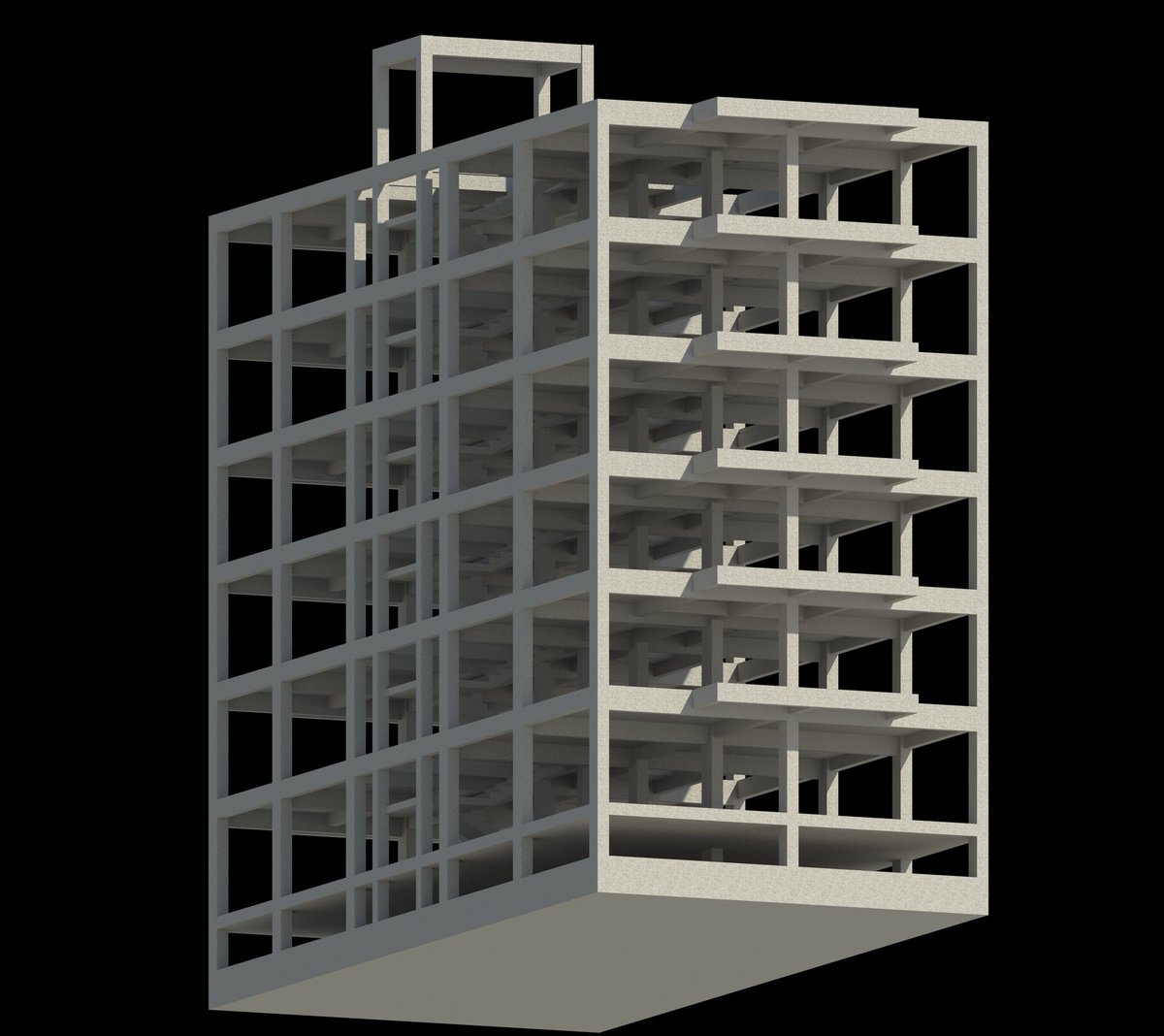
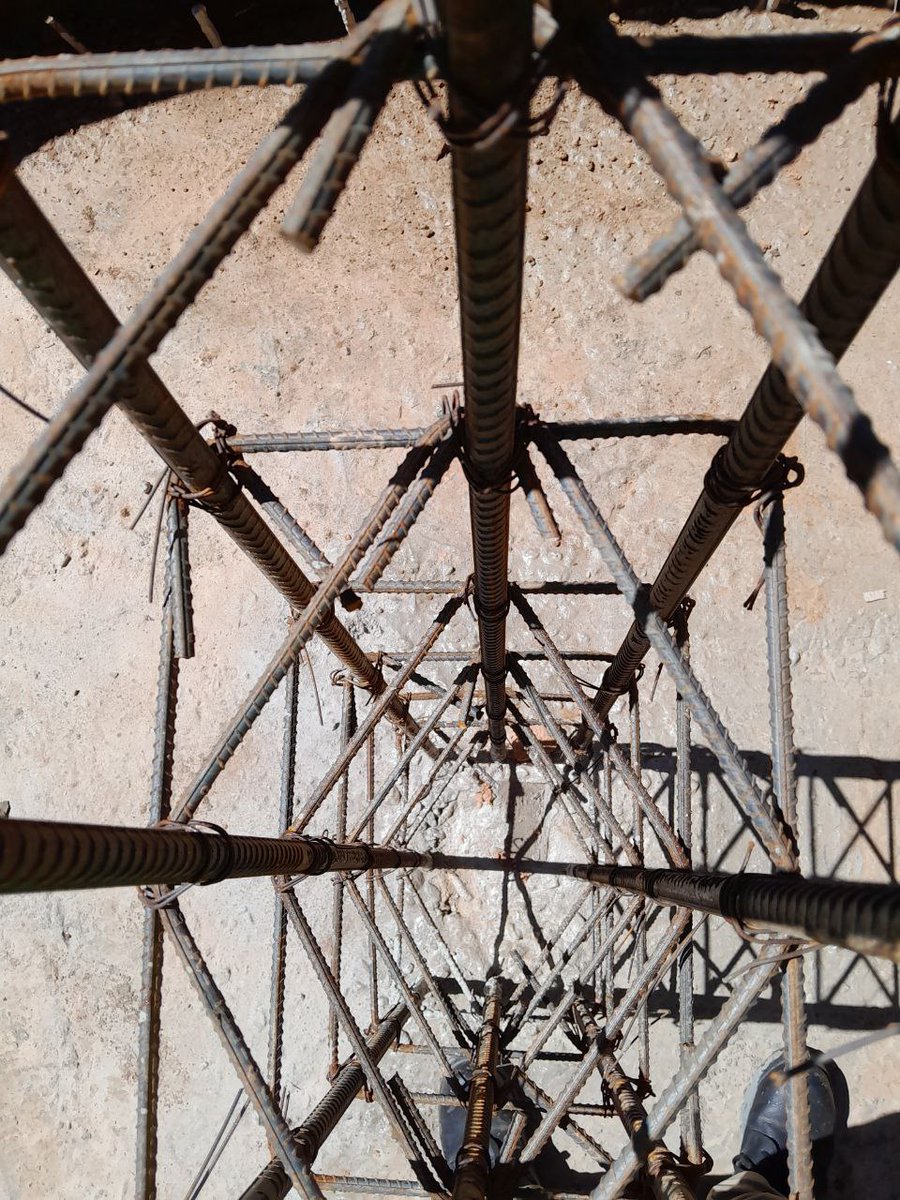
This is a 400x300 column for a G 3 structure.
Notice the 135° hooks and how the links and crosslinks alternate after each layer. This is the recommended way in which the main rebar in columns should be restrained.
1
6
40
1,024