
Joined April 2023
- Tweets 1,518
- Following 828
- Followers 186
- Likes 9,369
64 Photos and videos















Leo retweeted

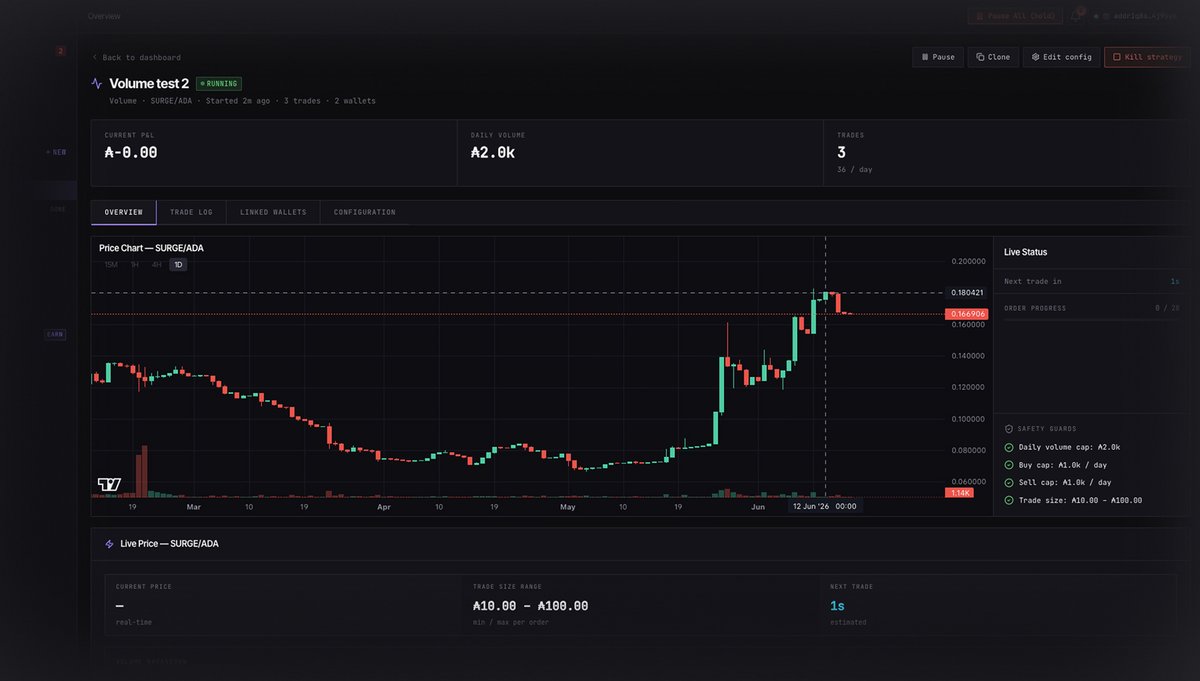
Surge V2 is a thorough evolution of V1, featuring new tools that traders expect from a professional trading platform.
TradingView will be shown on every strategy builder and token page.
1
14
44
457
Leo retweeted

Jun 14
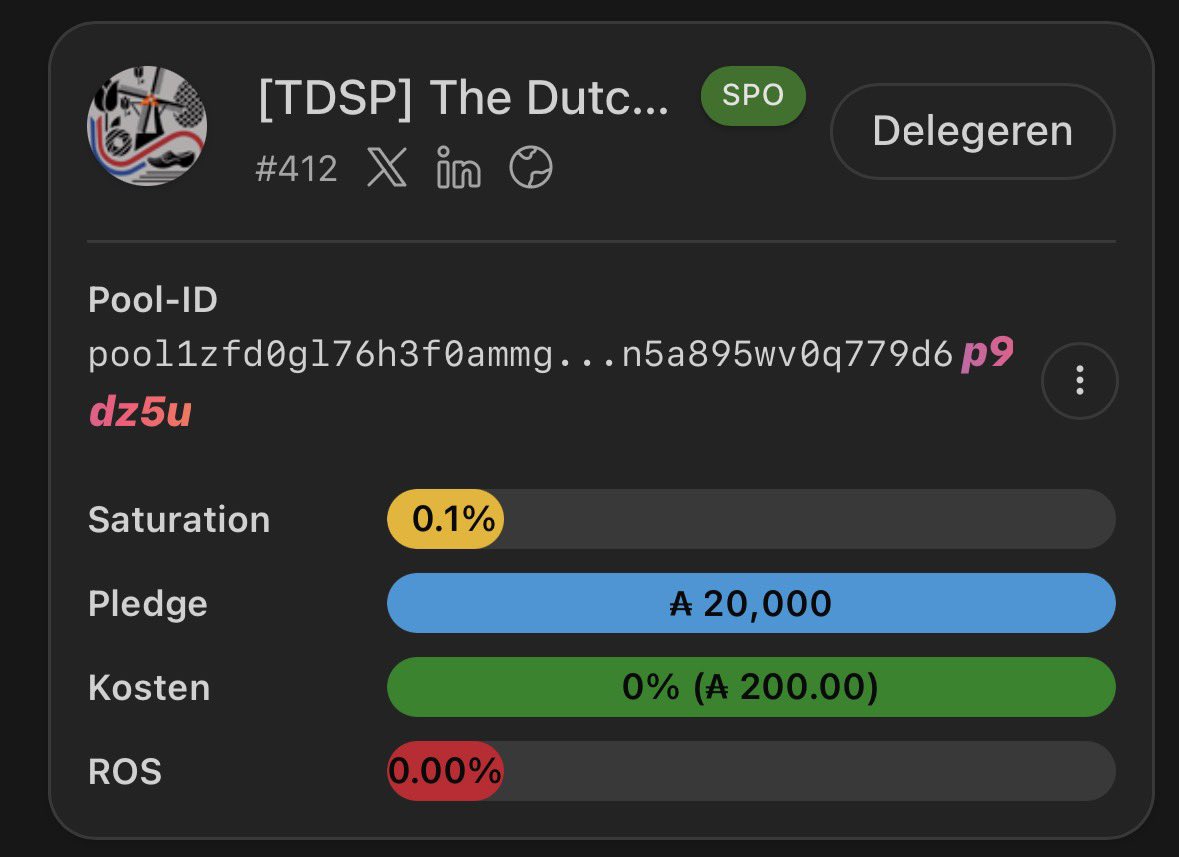
After seeing some Cardano projects and KOLs stop I decided to relaunch my stake pool. The Dutch Stake Pool TDSP is back and here to stay. So if your ADA is looking for a new home stake to TDSP. I still believe in Cardano. 0% fees Mithril signer and Icebreaker node. Web site is undergoing some updated governance % are not correct.
50
65
122
2,769

Leo retweeted

Jun 10
Everyone saying Cardano is dead… but Charles Hoskinson just returned and the ecosystem is shipping hard.
Fireblocks Integration with Cardano
Cardano Featured on Official Olympic Games Website
LayerZero on the Way
CNTs Continue to Climb
Midnight’s Midgard Executes First Real Smart Contract
Midnight Partners with COTI
@lava Announces Liquid Staking for ADA & CNTs
Van Rossem Hard Fork Activated on Testnet
@strikeperps Launches Pre-IPO Perpetual Futures
EMURGO Launches SecondFi
Is Cardano finally waking up?
#Cardano #ADA
17
56
361
6,782

Leo retweeted

May 27
Tech is good. But Cardano needs users. We need marketing.
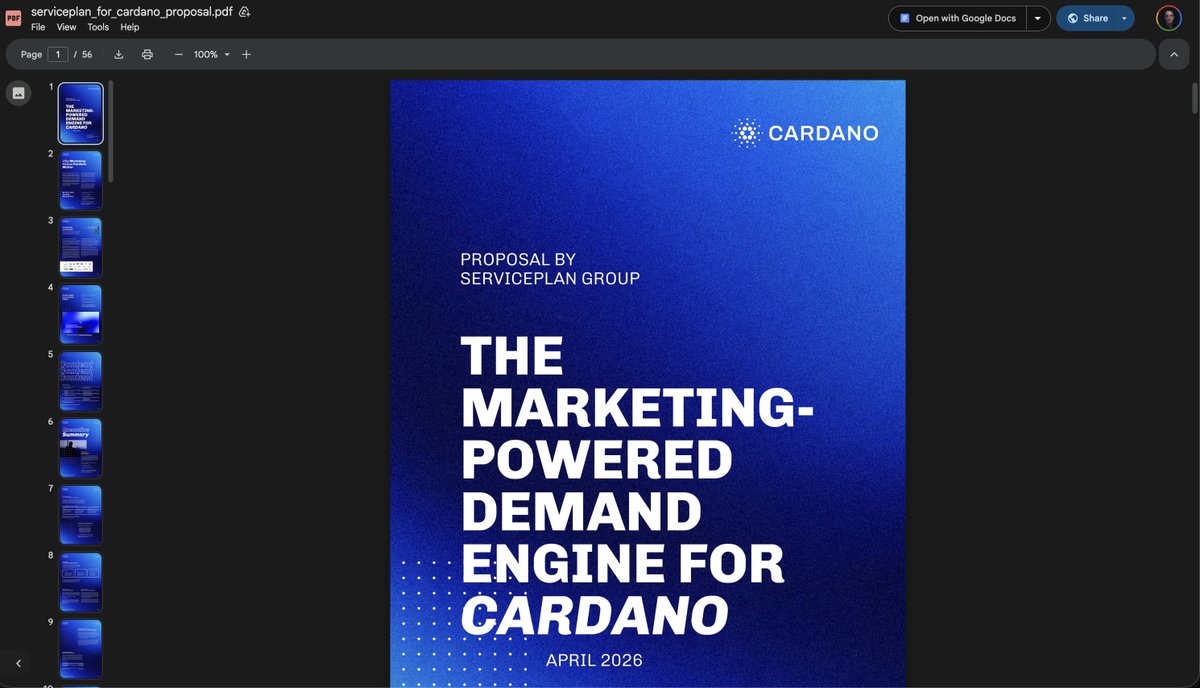
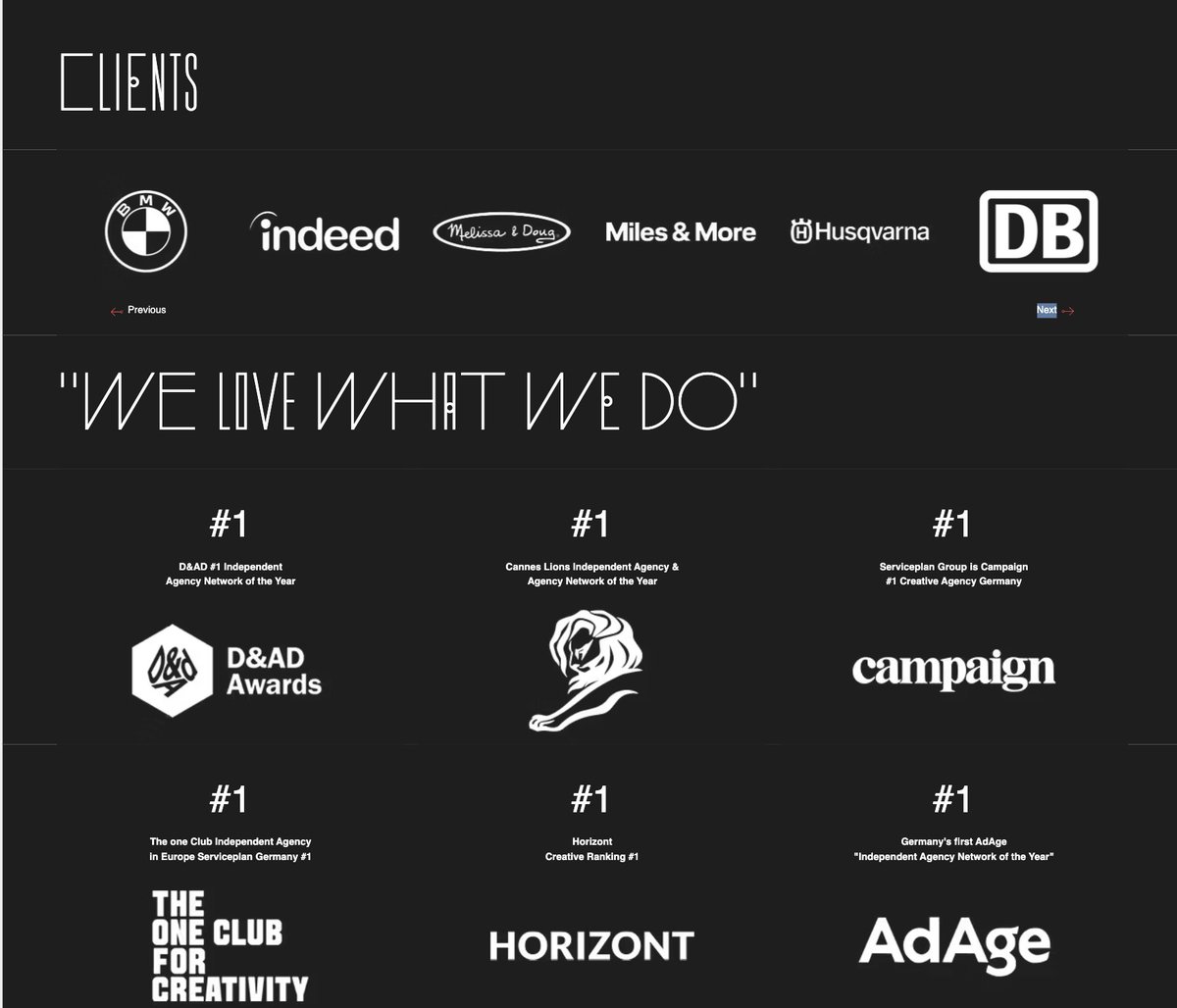
One of the biggest, most prestigious award winning marketing agency groups in the world has created a 56-page proposal for how to position & market Cardano.
Normally they work for companies like Uber, Coca Cola, BMW, Lufthansa, and so on.
This is a unique chance for Cardano.
Let's not waste it.
66
120
530
33,006
Leo retweeted

May 12
Two layers, one stack.
Fireblocks RAW signing @IagonOfficial's Cardano nodes and Insights API now give approved customers an operational path for ADA and CNTs.

51
160
407
41,021
Leo retweeted

May 7
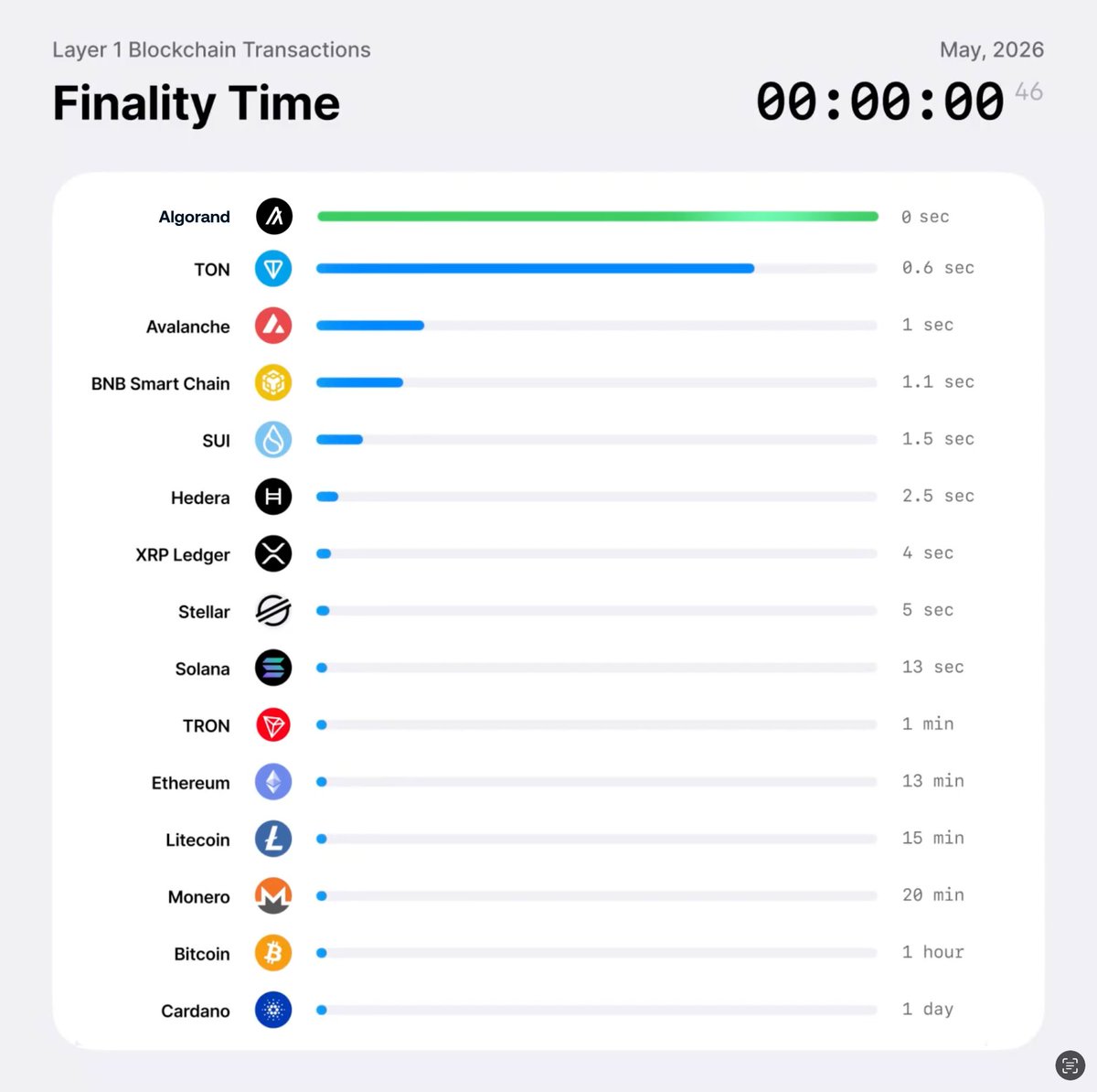
Finality speed only matters after you've solved decentralization and censorship resistance. A 400ms-final chain that 5 companies can collectively halt or censor is a fast federation, not a settlement layer.
Solana, TON, Sui, Algorand cannot function as a global financial OS.
Sub-second finality is bought with a 33% halt threshold concentrated in professional, jurisdictionally identifiable validators. That's not a tradeoff planetary-scale neutral money can make.
Look at how nations vote in the UN. Getting 2/3 of independent sovereign actors to agree on anything is practically impossible. Same arithmetic blocks any BFT chain from being decentralized at planetary scale.
True scalability isn't TPS or finality latency. It's surviving 33% of your validators getting subpoenaed, sanctioned, or jailed.
Two architectures do that:
1. Pure Nakamoto (Bitcoin, Cardano today): degrades smoothly at 33%, recovers without governance.
2. Nakamoto base additive BFT finality liquid stake: fast when validators agree, falls back to Nakamoto when they don't. Cardano's Peras is designed for exactly this.
Speed without that floor is a feature for cooperative environments. Useful, but not a global financial OS.

7
24
109
4,649
Leo retweeted

May 5
Ten years and billions of free ada wasn’t enough to develop cardano into something beyond a bizarre and useless product
So we need more free money or else…
18
27
139
3,838
Leo retweeted

We're proud to announce a strategic partnership with the University of Brasília (@unb_oficial), and the launch of the first Cardano Project Development Lab in Latin America.
Together, we're advancing blockchain research, education, and real-world applications across the region.
cardanofoundation.org/blog/c…
5
67
296
7,471
Leo retweeted

Apr 21
52%
ADA
14%
ICP
30%
KAS
4%
XMR
779 votes • Final results
129
80
235
18,479
Leo retweeted
We’re excited to announce we’ve officially completed our in-house pricing system.
This is core to Surge, as it makes it possible to run automated trading strategies on Cardano with real-time price accuracy (sub 1-second latency).
All pool state changes are detected directly on-chain, with no oracle dependency.
Thanks for the continued support 🫡
8
17
53
1,021
Leo retweeted

Apr 16
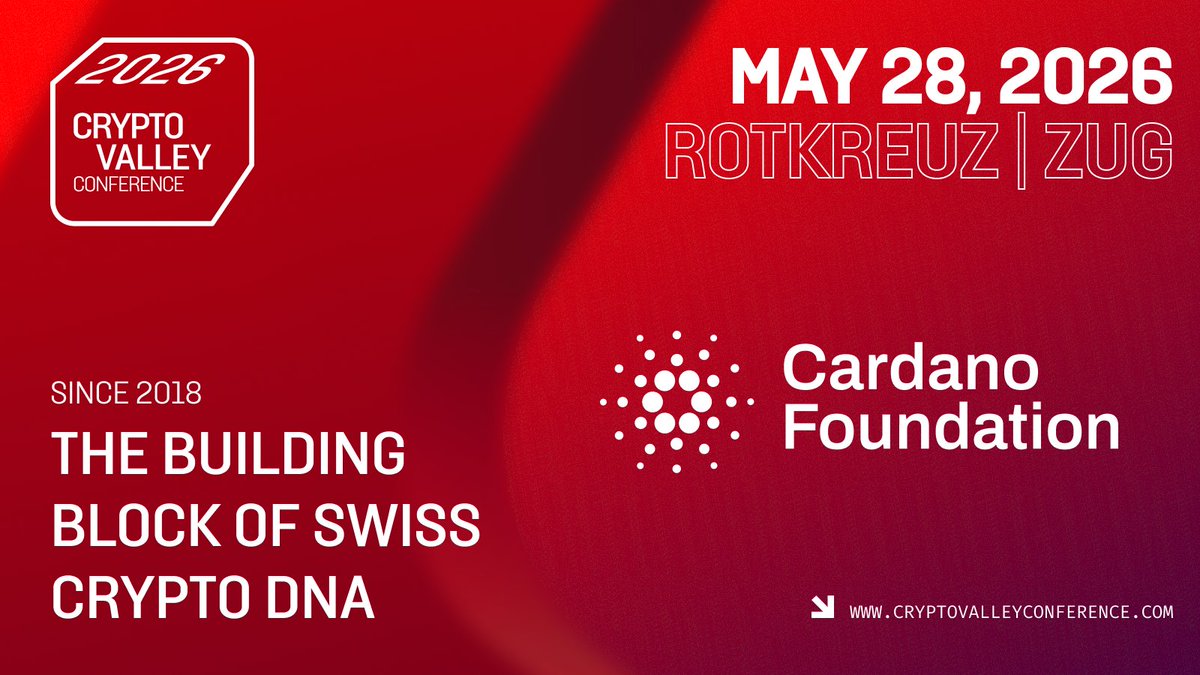
We’re pleased to announce a partner long aligned with the CVC mission: the @Cardano_CF!
The @Cardano_CF is an independent, Swiss-based not-for-profit dedicated to advancing Cardano as a public digital infrastructure across multiple industries. The Foundation provides support from discovery to integration, strengthening the blockchain-readiness of enterprises through education, engagement, and concrete industry uses.
Want to see what they’re building? Go to 👉 cardanofoundation.org
Come join the conversation on May 28 and meet the experts shaping the ecosystem.
4
16
66
5,362
Leo retweeted

Apr 14
Les marchés crypto dorment ? Pas nous. 🛠️
Votre portefeuille self-custody s'agrandit : XRP Ledger et Cardano sont arrivés.
Déposez, envoyez, achetez et vendez $XRP et $ADA directement depuis votre compte courant. La vraie liberté financière ne fait pas de pause.
Own your money. ✊

31
25
112
17,569
Leo retweeted

🚨 New CIP 🚨
I just published a new CIP to help with UTxO contention. It actually benefits staking rewards at the same time. No hardfork is required.
Any feedback is welcome!
6
11
75
2,521
Leo retweeted

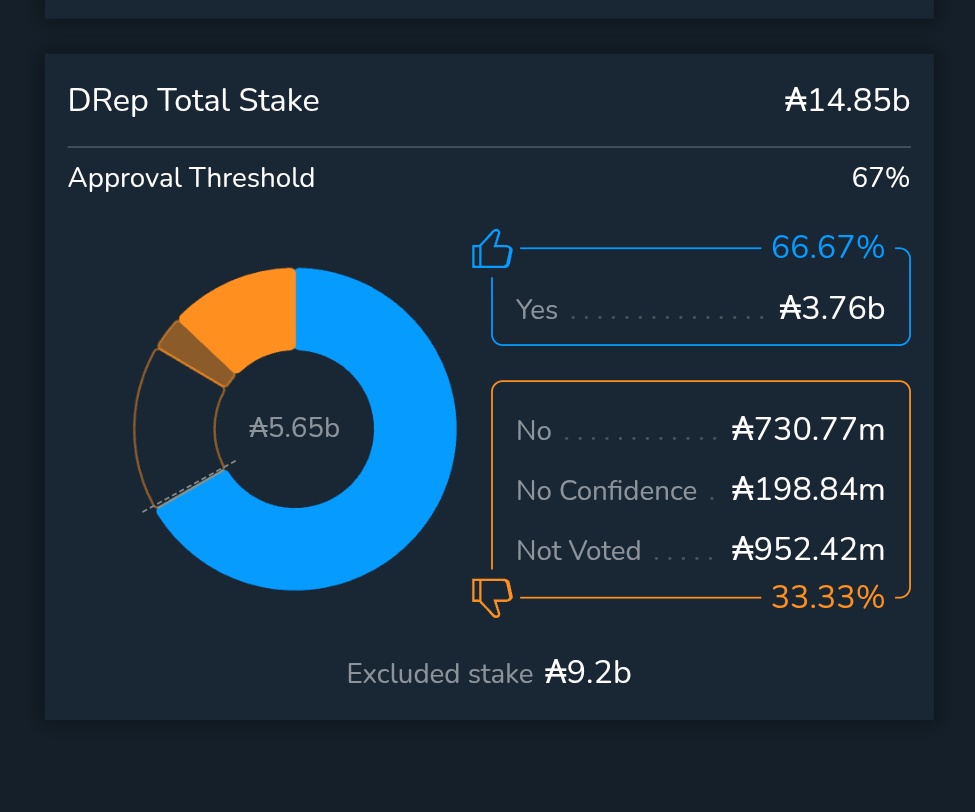
0.33% MISSING FOR DINGO
MOVE YOUR STAKE TO WHO VOTED
AND MOVE TO WHO VOTED YES
8
18
76
6,104
Leo retweeted
Access to $ADA is expanding.
Volatility Shares, an SEC-registered investment manager with over $3B AUM, has launched two Cardano ETFs in the U.S.
Regulated, exchange-traded products like these are how institutional adoption takes shape.
Apr 1

The Cardano ETF (Ticker: CRDD) is live!
@Cardano_CF
10
141
615
25,141

Apr 4
RT @Roshan_Rinaldi: The White House deleted this embarrassing video. So whatever you do- * DON'T REPOST IT. * Donald wouldn't like it if yo…
28,445

Leo retweeted

The @OrionFund will be one of the wisest YES votes that Cardano DReps ever decide to cast.
How do I know? Because I'm on the inside. I'm part of Draper's BitcoinFi Accelerator right now for Charms, and I'm experiencing exactly the benefits they would provide to Cardano projects with this fund.
It's not JUST the money.
They provide you with tailored guidance so you can actually launch a successful product, and will plug you into their partner and investor network so you can properly raise and expand your business.
Just a few weeks ago, we announced a partnership with @GoMaestroOrg, for example. That warm connection was established through Draper, and likely wouldn't have happened without them.
We also had a lot of conversations with crypto investors and other startups. We could ask about what products worked and what didn't, what to write in a pitch deck, and how to work together.
Draper will actually work with you to make you successful, and why wouldn't they? They have equity in you; it is in their financial interest to do so, and they have the expertise to do it properly.
This is something you just won't find in another Catalyst-style grant program. It is going to open doors for Cardano projects that just weren't available to them before, and force players in the eco to really tighten up their operations and perform.
If you want Cardano eco to mature, it needs a professional incubator and investors who care and are incentivized to turn them into business titans.
Draper is just that.

1
27
114
14,847