
Joined August 2023
- Tweets 31,171
- Following 1,205
- Followers 2,131
- Likes 46,734
2,335 Photos and videos








Pinned Tweet

Jun 11
Something big is being built right now and the founding window closes June 18th.
I'm not going to let you miss it without at least understanding what it is.
But here's the uncomfortable truth, most of us have been losing for years without even realizing it.
Every time you searched something, posted something, or built something online, that action went somewhere.
It trained a model. It shaped an algorithm. It fed a system that someone else owns and profits from.
➺ Google crossed $300 billion in annual revenue
➺ OpenAI hit a $90 billion valuation
➺ Meta prints billions every quarter
Your cut? Zero.
All of it built on human behavior, human knowledge, and human creativity.
You were the source. You were never the beneficiary.
@Robocorpco is building the infrastructure to flip that permanently, and right now is the earliest anyone can get in.
Here's the full breakdown 🧵
48
24
105
1,971
Anonymous 🥷🏾🖤 retweeted

Award of 18 followers on her first day on X goes to Elora.
Everything is really slow and tiring.😭
I'll go again tomorrow sha. GN to my 18 mutuals.🌚💕
4
2
6
30
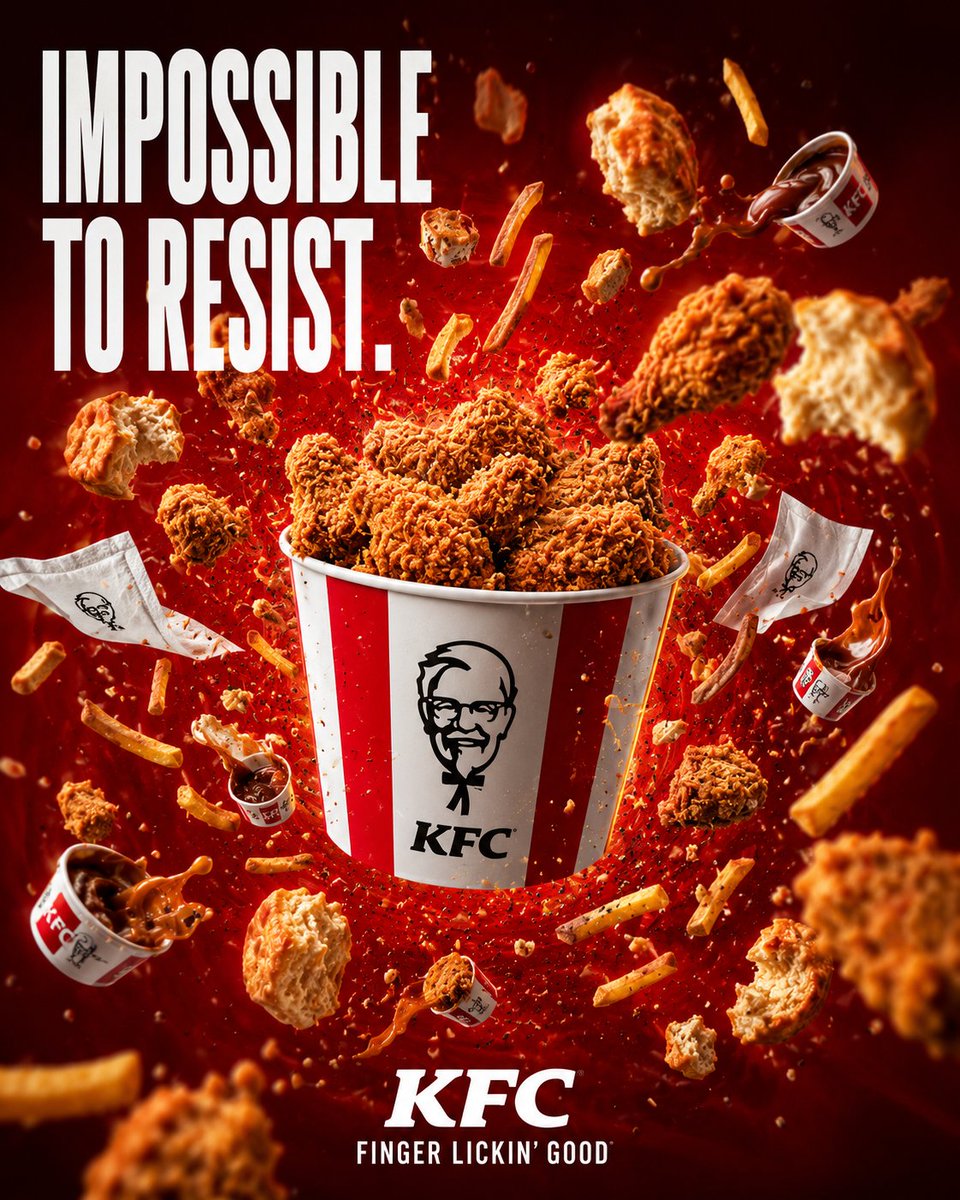
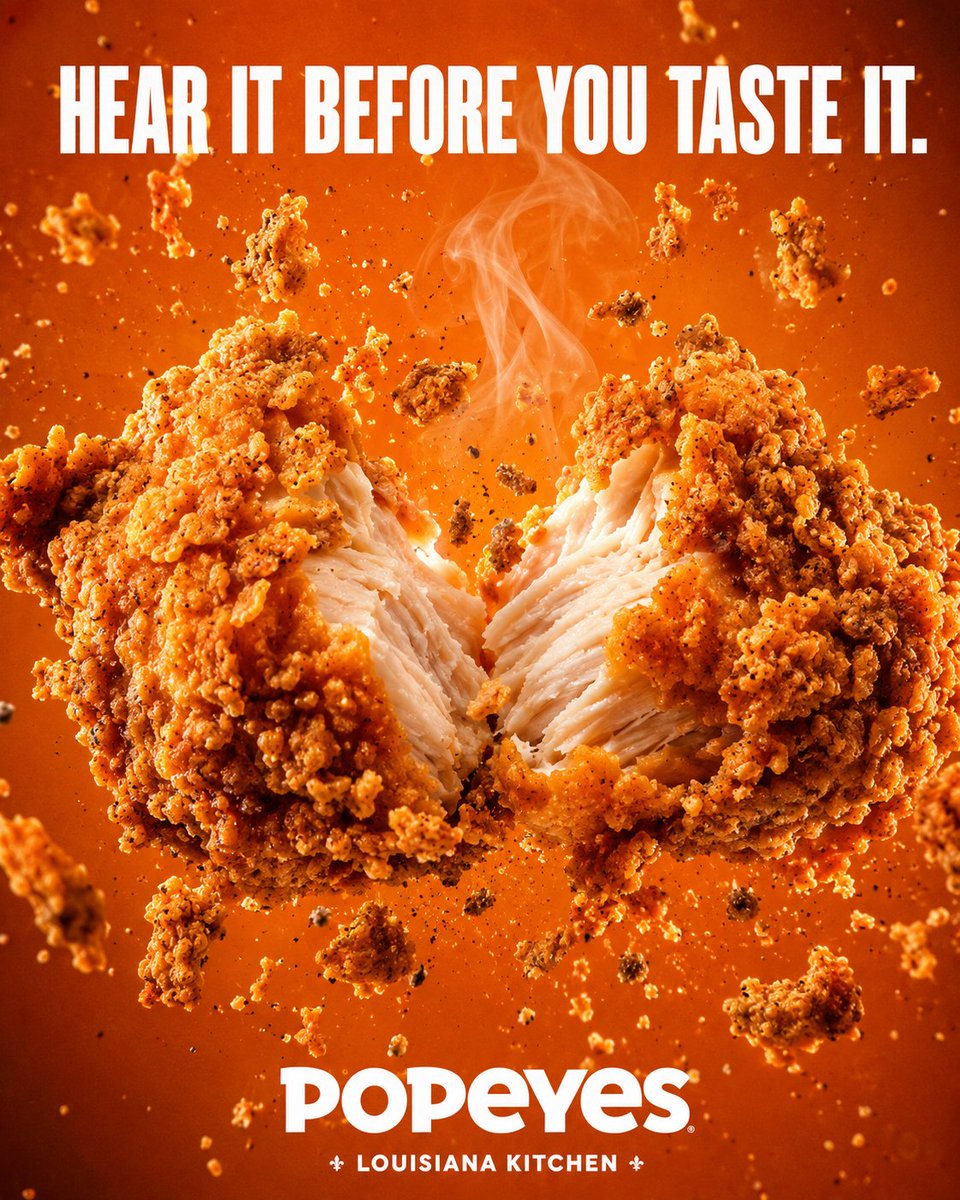
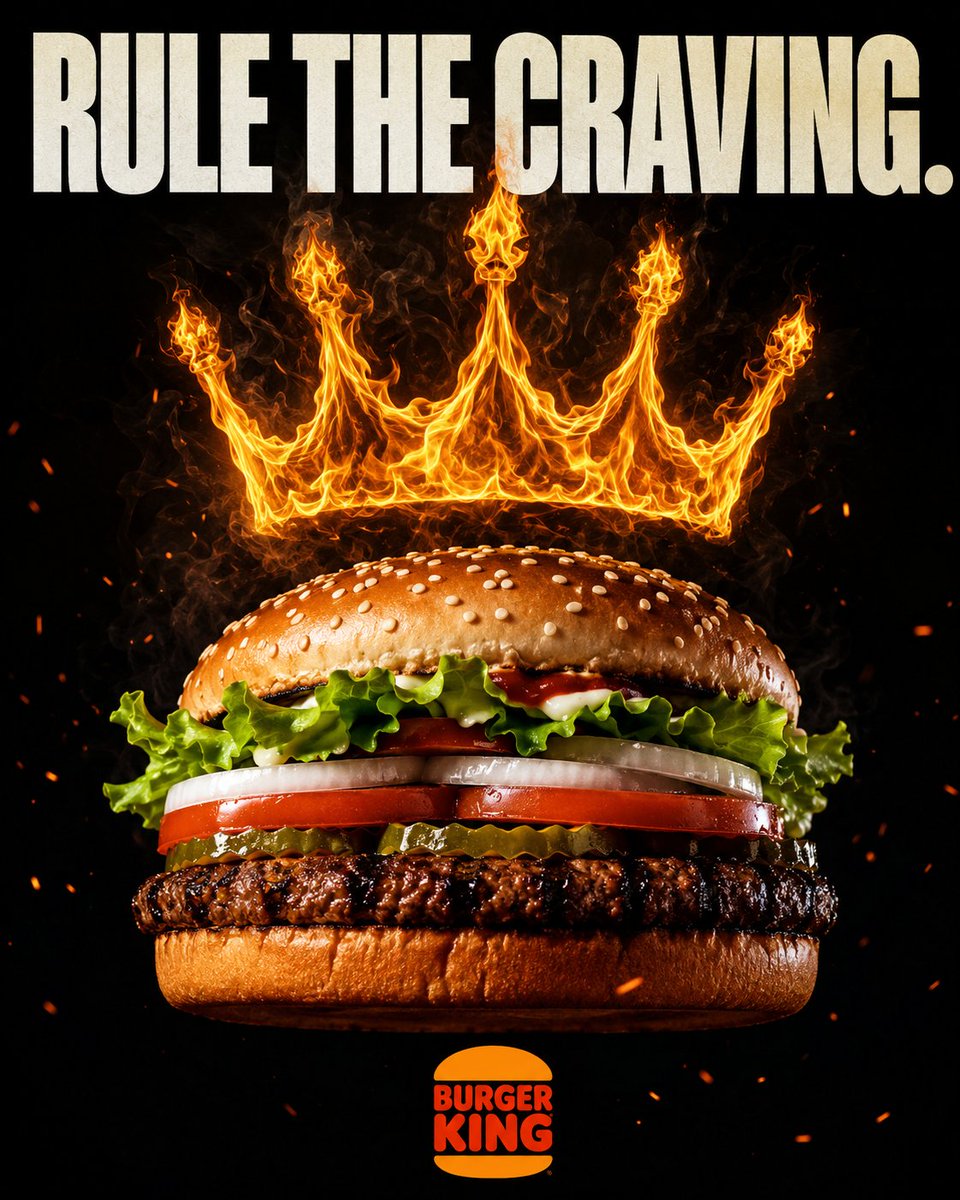
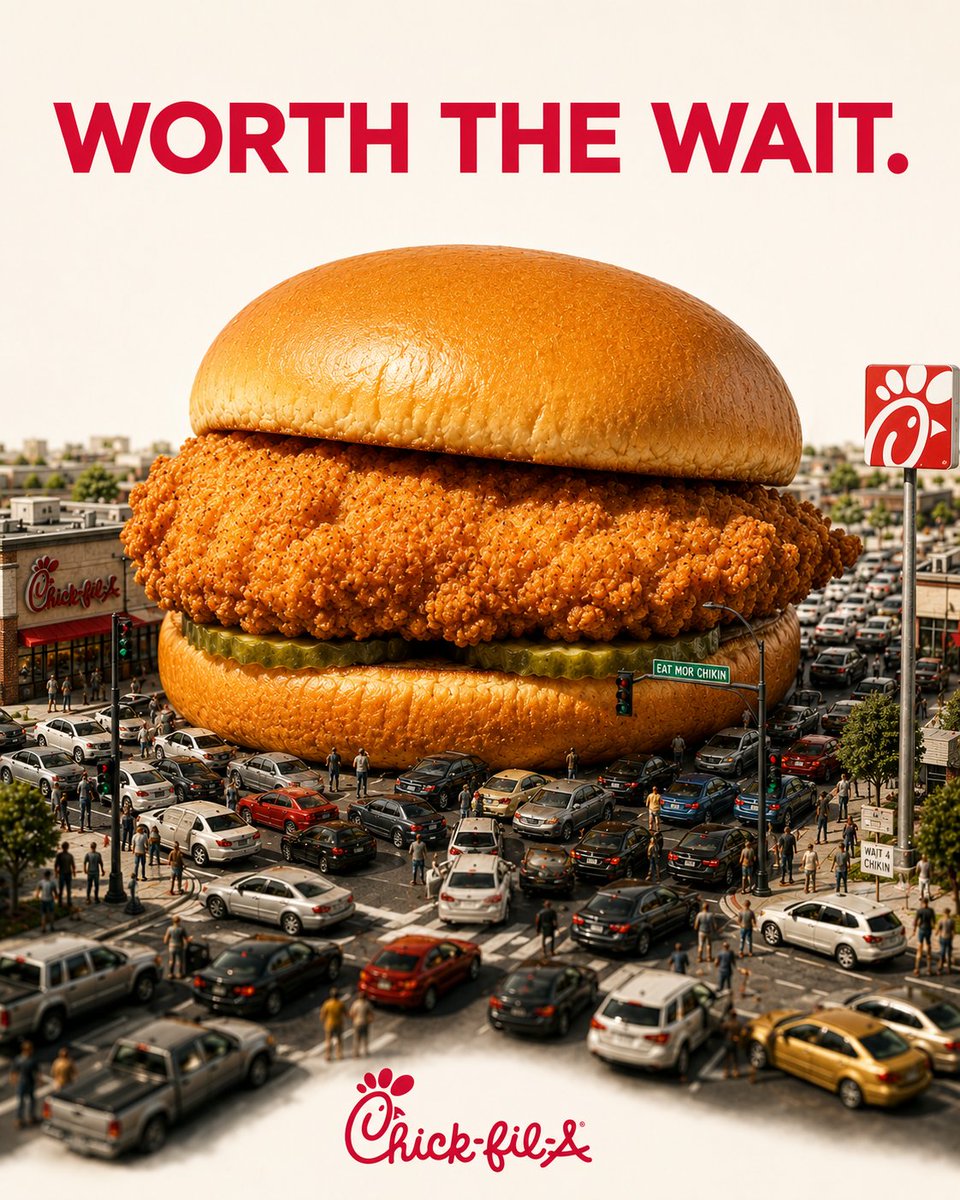
Conceptual AI Designs
The best ads don't sell products. They sell feelings..
Four brands. Four ideas. One creative system built to stop the scroll.
Burger King. Chick-fil-A. KFC. Popeyes.
Generated with GPT-5 Image Generation.
8
14
107
Every ad in this series started with the same three questions:
What's the real insight?
What's the one image that proves it?
What can I cut?
The goal was never AI-generated food posters.
The goal was advertising people actually remember.
Burger King → Flame-grilled isn't a cooking method. It's a crown.
KFC → Irresistible isn't a feeling. It's gravity.
Popeyes → Crunch isn't a texture. It's a sound you see.
Chick-fil-A → Demand isn't a statistic. It's a traffic jam.
One product.
One truth.
What will you rate it guys
4
29
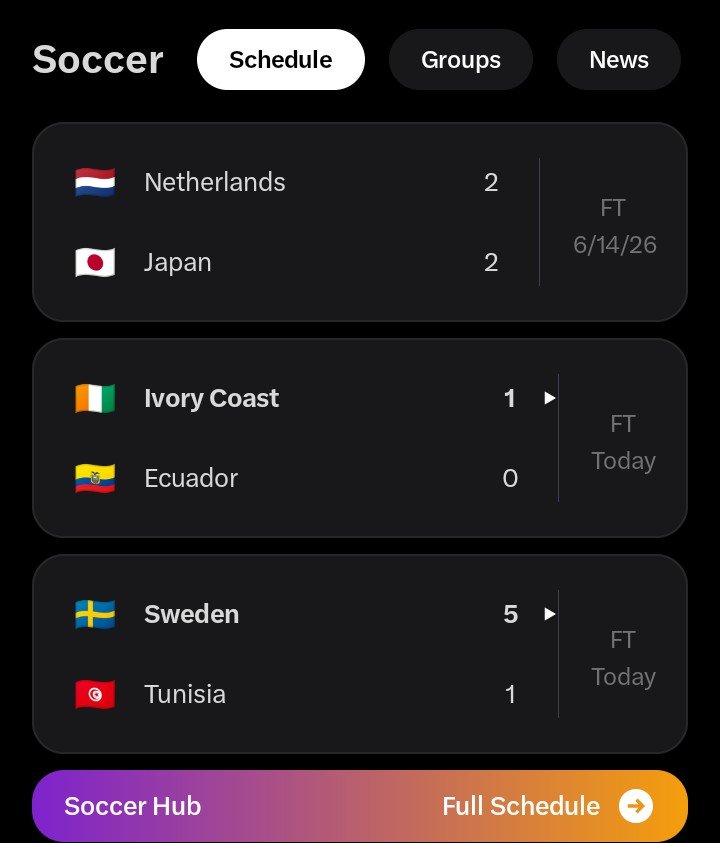
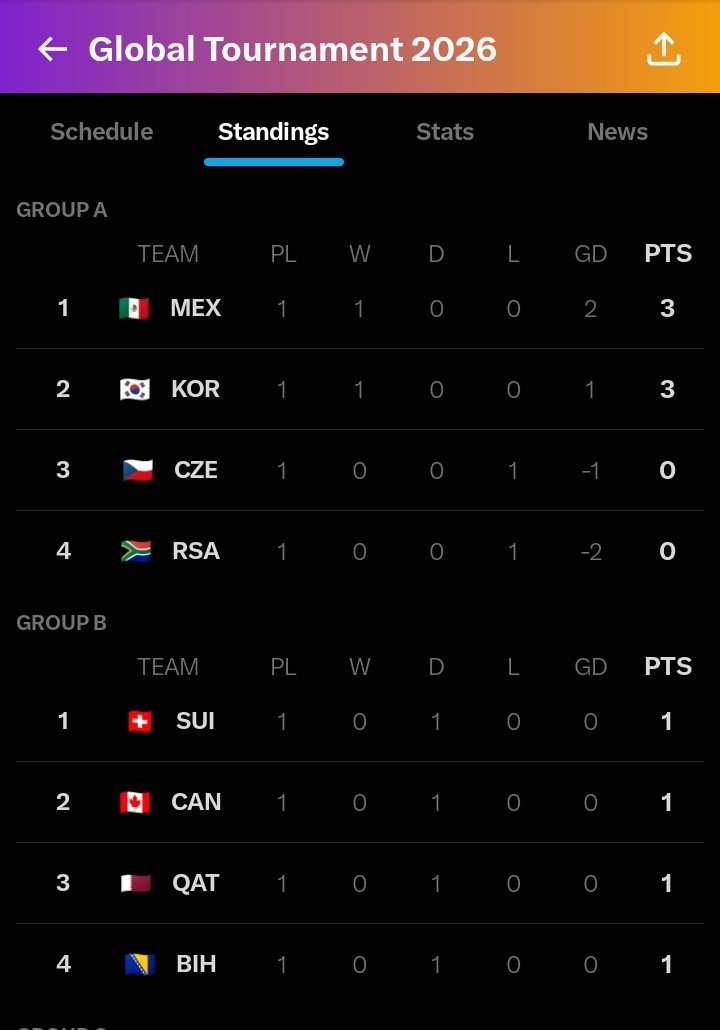
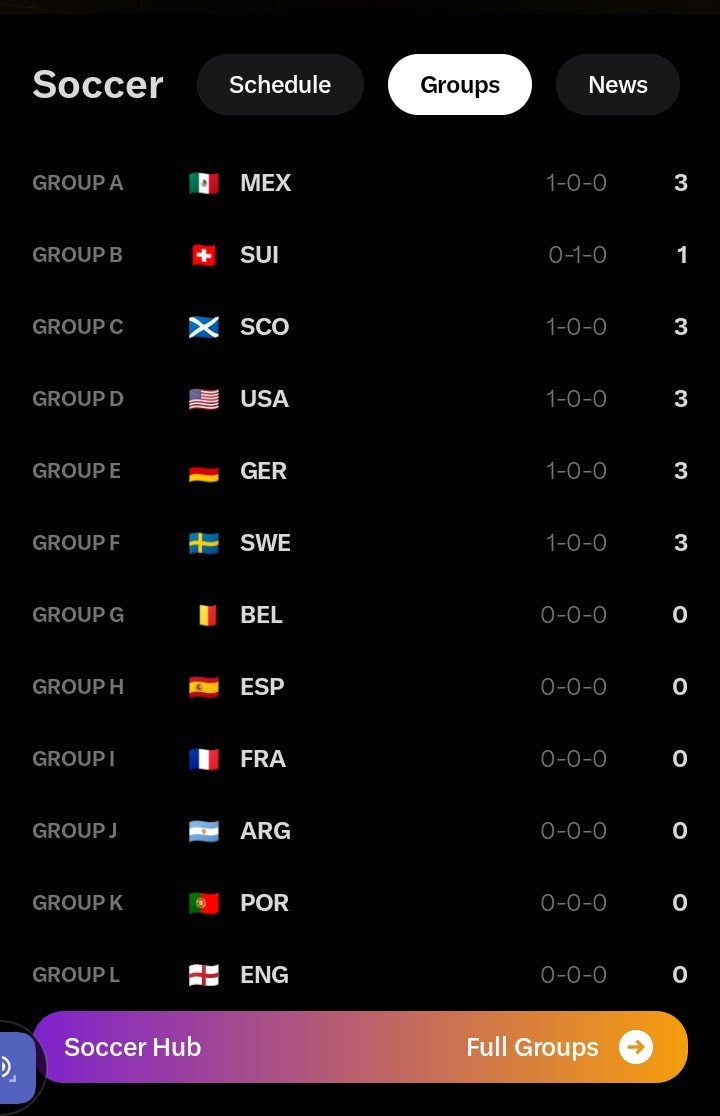
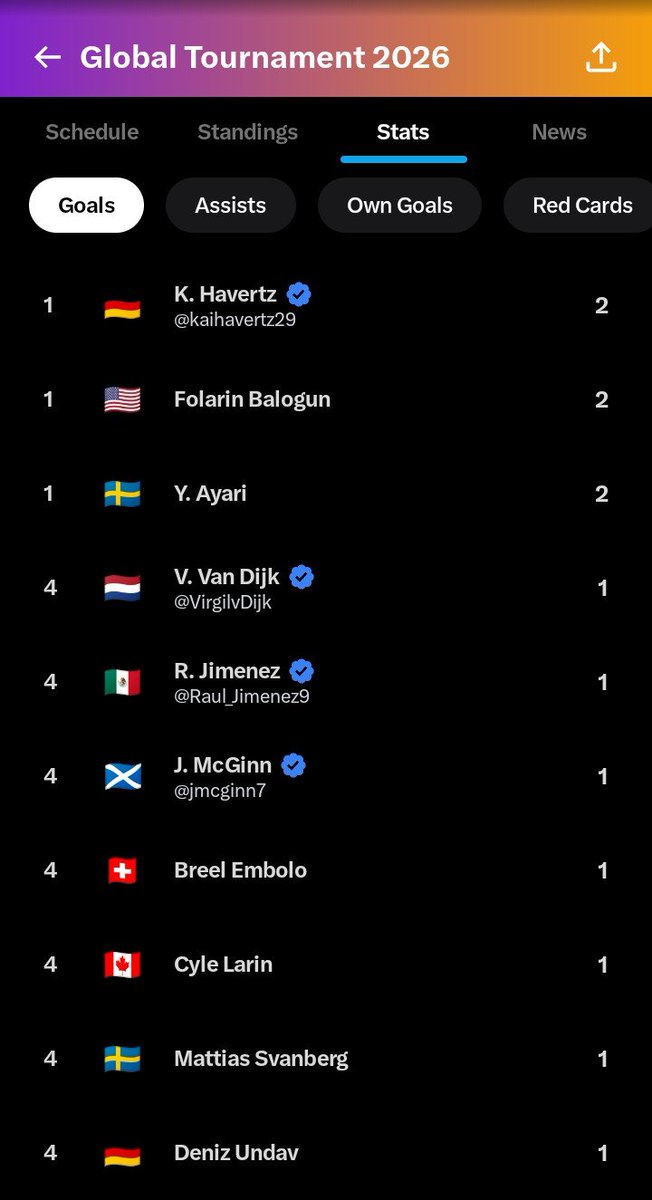
Just updated my X app and stumbled on something 👀
The full World Cup schedule. Live updates. Right here on X.
@grok this is good tek 🔥
6
10
129
Anonymous 🥷🏾🖤 retweeted

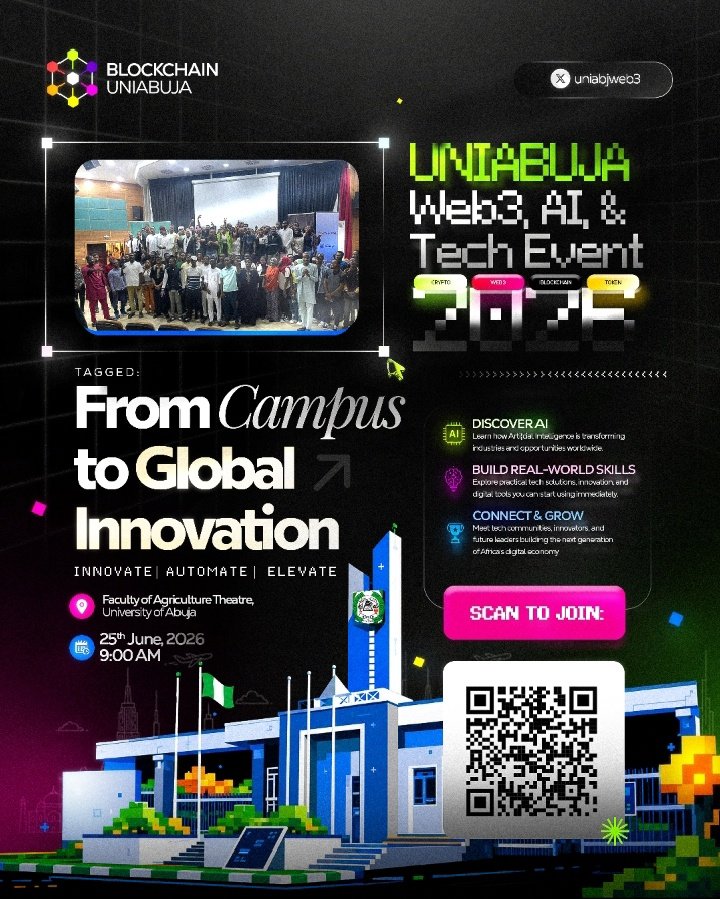
THE BIGGEST TECH, WEB3 & AI EVENT IS HAPPENING
Get ready for an exciting day of innovation, learning, networking, and opportunities as students, builders, creators, and tech enthusiasts come together for one of the biggest Tech, Web3 & AI gatherings on campus.
1
2
3
69
GM CT
It's Monday again.
Let's get to work.
Let's be creative.
Let's collaborate.
Let's be productive.
Let's stay happy while doing it.
Wishing everyone a successful and rewarding week ahead.
Anonymous loves you 🖤
80
1
100
3,770
Anonymous 🥷🏾🖤 retweeted
Jun 12
I've spent the last few days figuring out what kind of creator I want to be.
I think I've finally found it.
Starting next week, this account becomes my AI playground.
Expect experiments, conceptual designs, videos, discoveries, and a lot of weird ideas brought to life.
Make una dey with me.
28
1
56
1,122
Jun 14
Exactly what Madrid is doing ATM.
Funny enough how they will go trophyless again next se
Jun 14

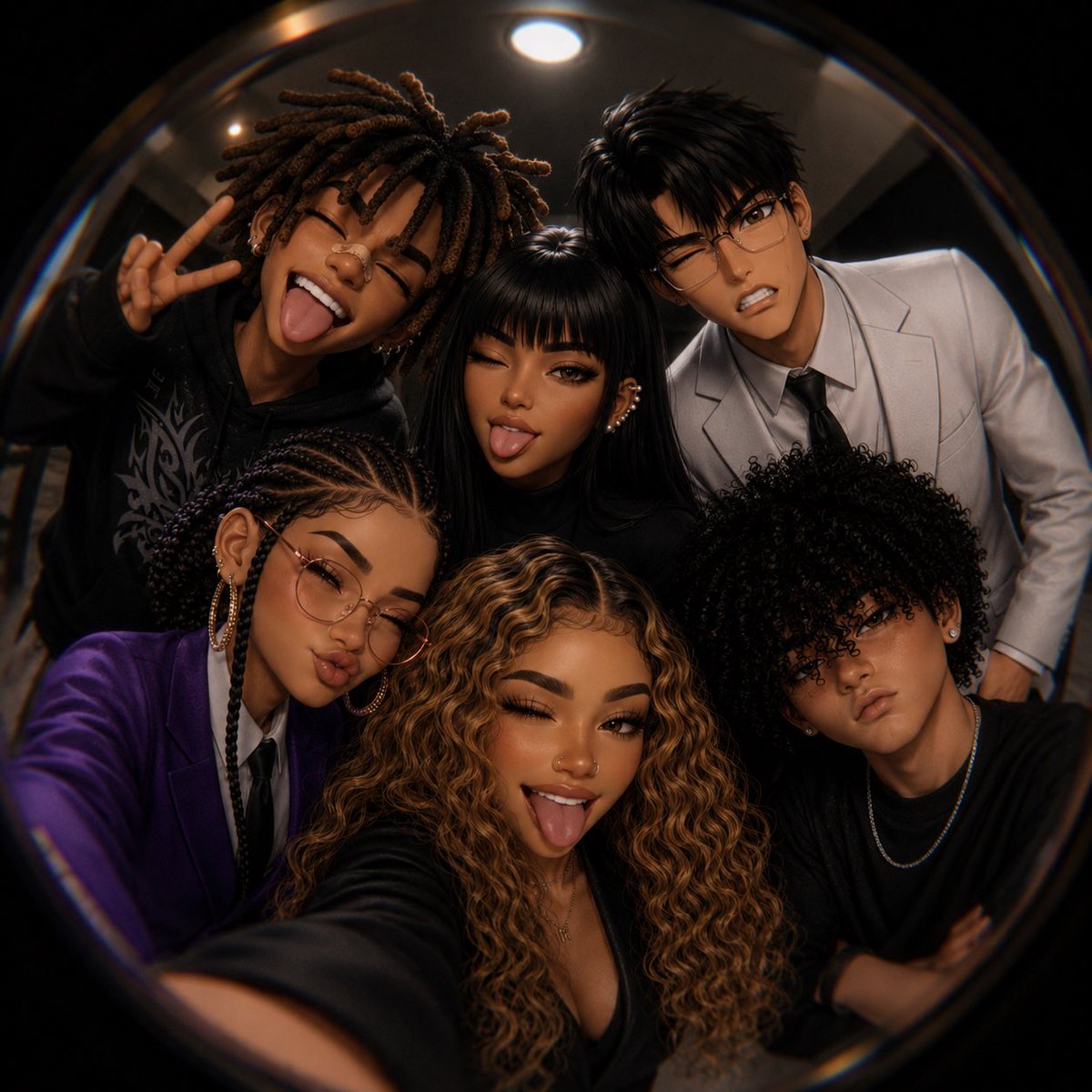
POV: You caught up with your mutuals on sunday evening ✨🫶
How did your weekend go?

1
4
16,228
Jun 14
Exactly what Madrid is doing ATM
People that will still go trophyless next season.
Jun 14
POV: You caught up with your mutuals on sunday evening ✨🫶
How did your weekend go?
1
3
40,559
Jun 14
Can someone tell me how???
Jun 14

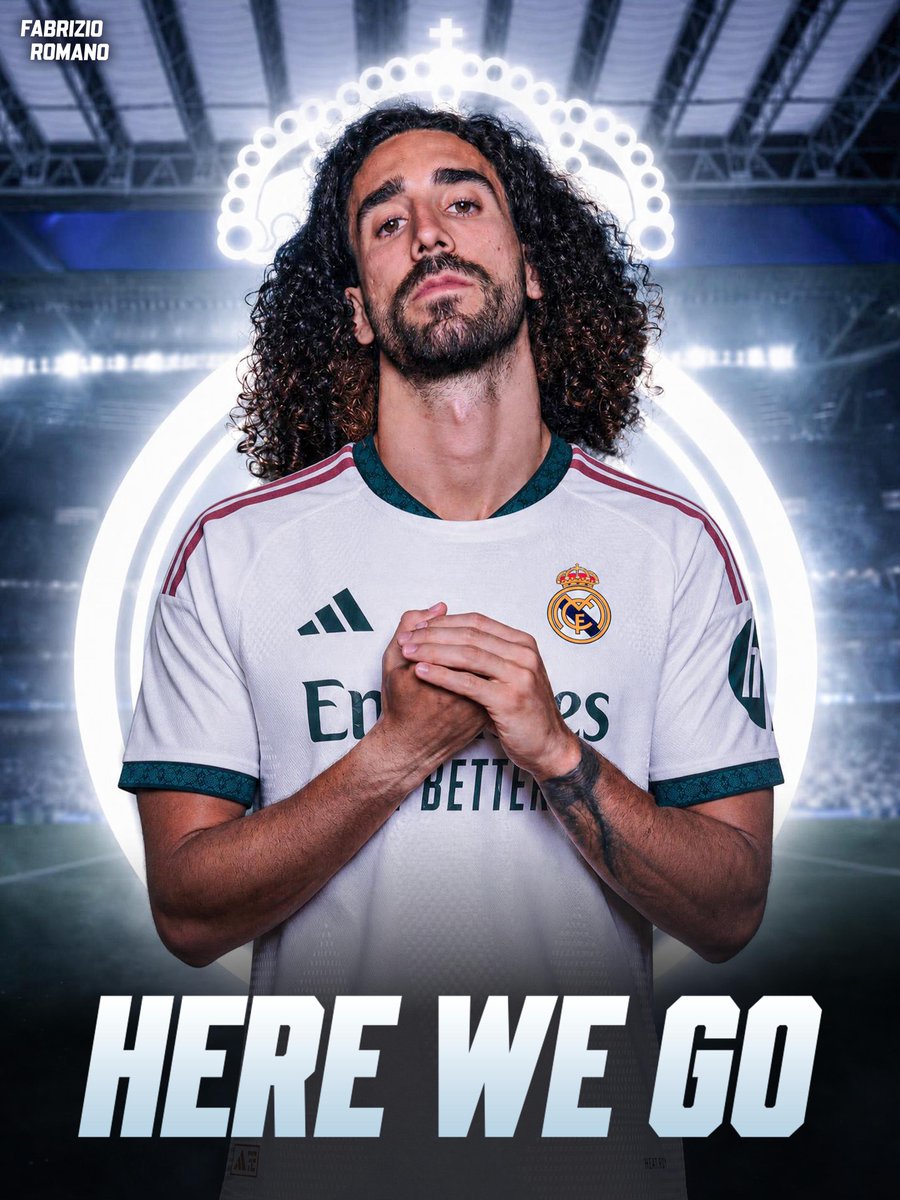
🚨💣 EXCLUSIVE: Real Madrid reach verbal agreement to sign Marc Cucurella from Chelsea, HERE WE GO!
Verbal agreement in place between all parties, player too — he’s the left back wanted by Mourinho. Details to follow.
Cucurella leaves #CFC and joins Madrid after World Cup. ⚪️🇪🇸
2
1,083
Jun 13
Still one of the most important things I've posted this week.
@Robocorpco is building something that doesn't come around often, and the founding window is almost closed.
Read this before June 18th 👇
Jun 11

Something big is being built right now and the founding window closes June 18th.
I'm not going to let you miss it without at least understanding what it is.
But here's the uncomfortable truth, most of us have been losing for years without even realizing it.
Every time you searched something, posted something, or built something online, that action went somewhere.
It trained a model. It shaped an algorithm. It fed a system that someone else owns and profits from.
➺ Google crossed $300 billion in annual revenue
➺ OpenAI hit a $90 billion valuation
➺ Meta prints billions every quarter
Your cut? Zero.
All of it built on human behavior, human knowledge, and human creativity.
You were the source. You were never the beneficiary.
@Robocorpco is building the infrastructure to flip that permanently, and right now is the earliest anyone can get in.
Here's the full breakdown 🧵
8
121
Jun 13
In January 2020, Elon Musk was worth roughly $30 billion. By the end of that same year, $170 billion. Today, over $1 trillion.
Read that again.
Thirty billion to one hundred and seventy billion in a single year. Then from there to a trillion, and counting.
Most people hear numbers like these and say, "Wow, that's a lot of money," and move on. But the money itself isn't the interesting part. It never was.
What's interesting is what the money represents, decades of building, of risk, of creating products and companies and systems that kept generating value long after the hard work was done.
Compounding, in its most visible form.
Here's what strikes me most: at $30 billion, almost anyone would have stopped. At $170 billion, almost anyone would have disappeared from public life entirely. He kept building anyway.
The lesson isn't that you should become a billionaire. The lesson is that compounding is real, and the gap between where you are today and where you could be in five, ten, or twenty years is almost always larger than you imagine.
Right now, someone somewhere is quietly building something that will change their life. You won't hear about it yet. You'll only see it years from now and call it an overnight success, or luck, or timing.
But it won't be any of those things.
So the question worth sitting with isn't why Elon Musk became a trillionaire. It's a simpler one:
What are you building today that will still be creating value years from now?
What skill are you compounding? What audience are you earning?
What reputation are you quietly making?
Because one day, people may know your work before they ever know your name. And that's when the real compounding begins.
The best time to build was yesterday.
The second best time is now.
18
4
41
271
Jun 13
Good Morning Beautiful People
The weekend is here already.
Do well to have fun with Family and Friends.
See y'all later 🤸🤸
42
2
55
822
Anonymous 🥷🏾🖤 retweeted

Jun 12
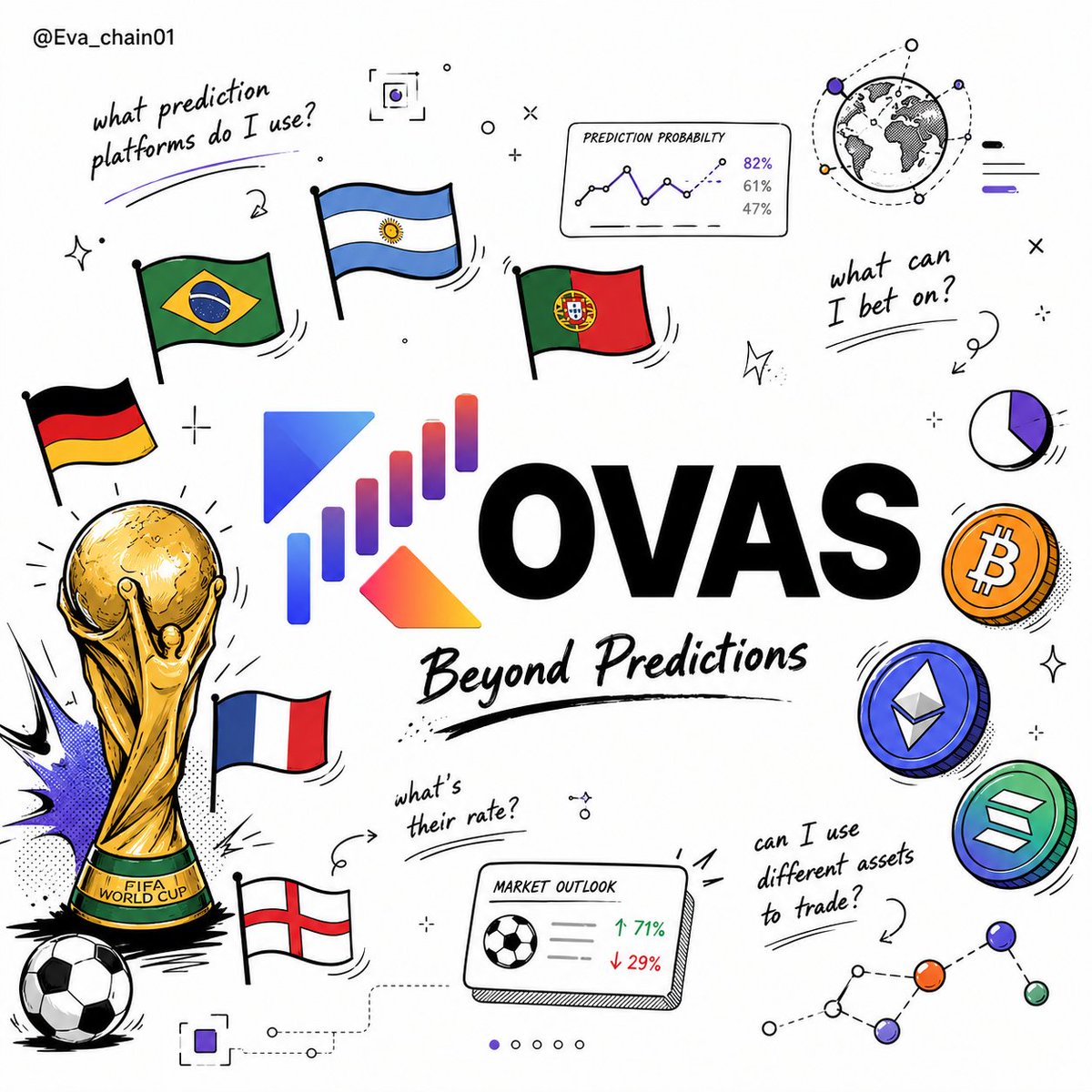
The World Cup is here⚽, and everyone is looking for ways to make the most of it.
Naturally, prediction markets are getting a lot of attention.
But the problem is many people don't know what platform to use because there are so many.
Now, the question isn't which one to use.
It's which one is building the right infrastructure for the future.
Because the biggest challenges facing prediction markets today aren't a lack of demand.
They're things like:
• Users being locked into a single ecosystem
• Limited asset options
• Reliance on liquidity providers
• Settlement systems with single points of failure
• Complex user experiences that discourage mainstream adoption
Polymarket has already proven that people want prediction markets.
The next challenge is making them more accessible, flexible, and reliable.
That's one of the reasons I've been paying attention to @kovas_io.
Rather than focusing solely on being "another prediction market," the team is building around:
✗ Multi-chain infrastructure
✗ Multi-asset participation
✗ A parimutuel market model that removes the need for counterparties and liquidity providers
✗ TOC Protocol for decentralized market settlement
✗ A simpler experience for users
And what's interesting is that this vision isn't just staying in the whitepaper.
The community is already putting it into action.
Currently there are live campaigns ongoing:
World Cup 2026 Prediction Challenge⚽
BTC Prague Challenge🇨🇿
And the normal market value prizes prediction.
With live leaderboards, rewards, and plenty of bragging rights up for grabs.
To get in, do well to check out
kovas.io
Join the Telegram community:
t.me/ gR3-DdF1Nec0Y2Q8
And join the fun.
Maybe the future of prediction markets won't be decided by who launched first.
But by who makes participation feel effortless.
Until then... How good are your predictions?
27
4
47
610
Anonymous 🥷🏾🖤 retweeted
Jun 11
Something big is being built right now and the founding window closes June 18th.
I'm not going to let you miss it without at least understanding what it is.
But here's the uncomfortable truth, most of us have been losing for years without even realizing it.
Every time you searched something, posted something, or built something online, that action went somewhere.
It trained a model. It shaped an algorithm. It fed a system that someone else owns and profits from.
➺ Google crossed $300 billion in annual revenue
➺ OpenAI hit a $90 billion valuation
➺ Meta prints billions every quarter
Your cut? Zero.
All of it built on human behavior, human knowledge, and human creativity.
You were the source. You were never the beneficiary.
@Robocorpco is building the infrastructure to flip that permanently, and right now is the earliest anyone can get in.
Here's the full breakdown 🧵
48
24
105
1,971
Jun 12
GM CT
Weekend mode activated.
Time to reflect on the wins, learn from the losses, and restrategize for what's next.
Have an amazing weekend, frens. And if you have a minute, show some love on my pinned tweet 🖤🤝
73
91
689
Jun 11
You are now my best person on X
Jun 11
Supporting Argentina 🇦🇷 cause I know Messi is ready for this
(Please don't come for me I'm just joining the trend 😹😭)


4
13
172
Jun 11
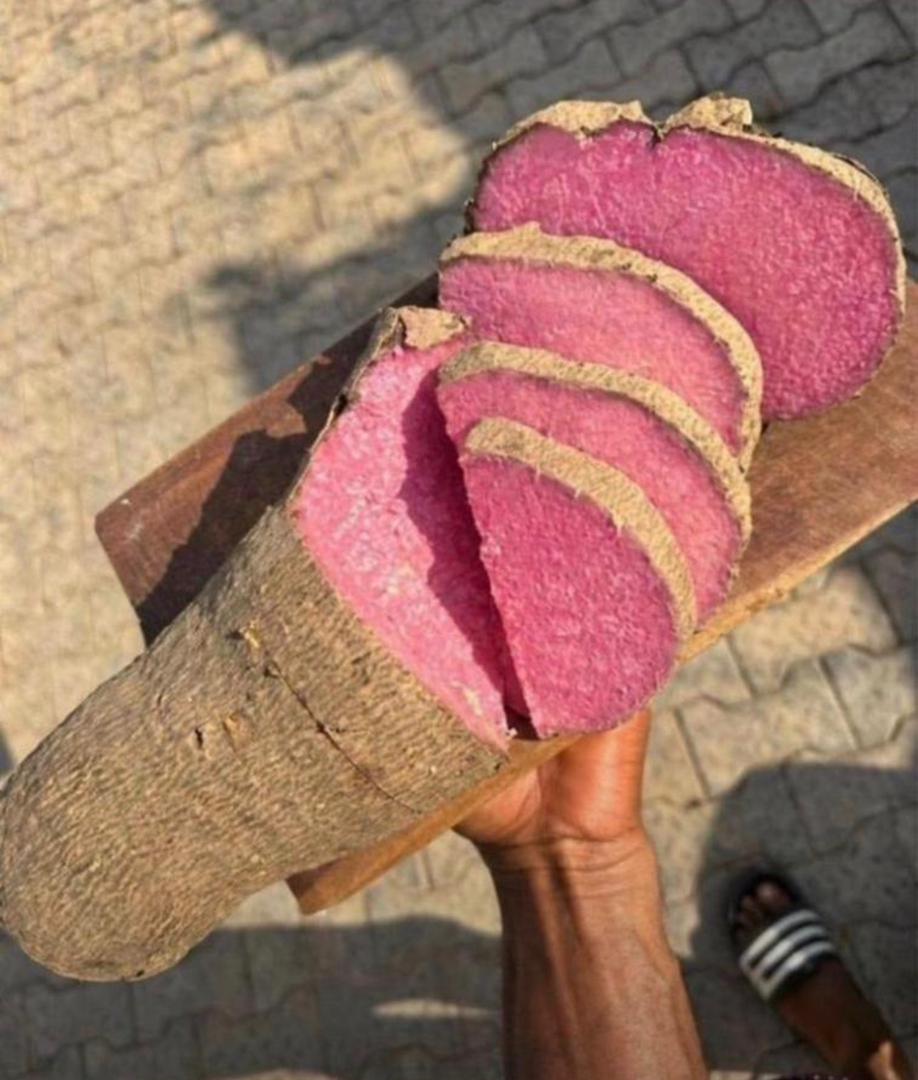
If he hasn't prepared this type of Yam for you.
He doesn't love you.
Jun 11
Something big is being built right now and the founding window closes June 18th.
I'm not going to let you miss it without at least understanding what it is.
But here's the uncomfortable truth, most of us have been losing for years without even realizing it.
Every time you searched something, posted something, or built something online, that action went somewhere.
It trained a model. It shaped an algorithm. It fed a system that someone else owns and profits from.
➺ Google crossed $300 billion in annual revenue
➺ OpenAI hit a $90 billion valuation
➺ Meta prints billions every quarter
Your cut? Zero.
All of it built on human behavior, human knowledge, and human creativity.
You were the source. You were never the beneficiary.
@Robocorpco is building the infrastructure to flip that permanently, and right now is the earliest anyone can get in.
Here's the full breakdown 🧵
7
15
178