AI Creative Director | Co-founder of Labyrinth Studio | Screenwriter | CP @Runwayml @Hailuo_AI @SkyReels @pika_labs and @nimvideo | @CuriousRefuge Alumni
Joined July 2024
- Tweets 1,218
- Following 228
- Followers 681
- Likes 1,861
445 Photos and videos

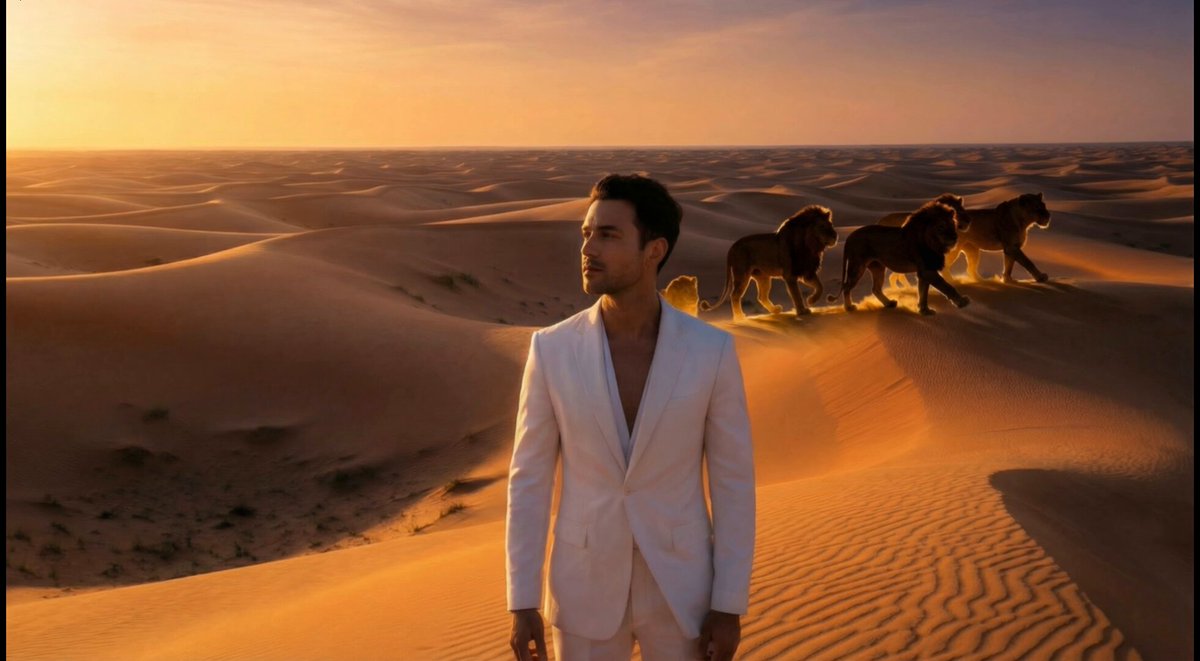
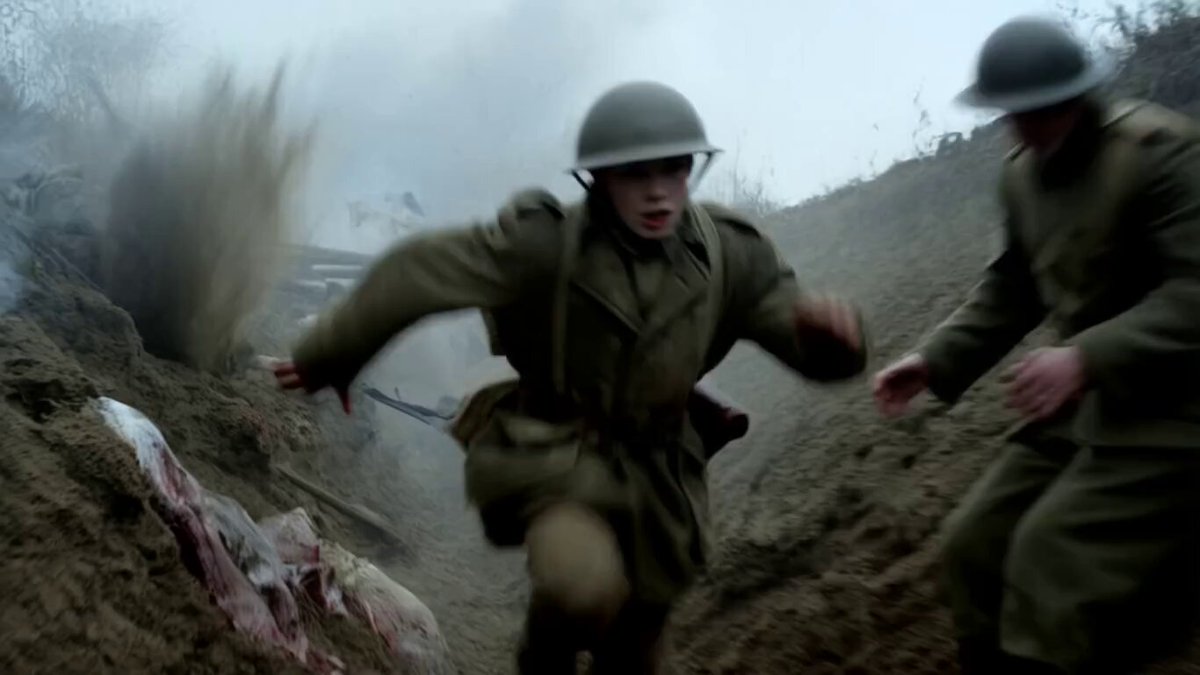
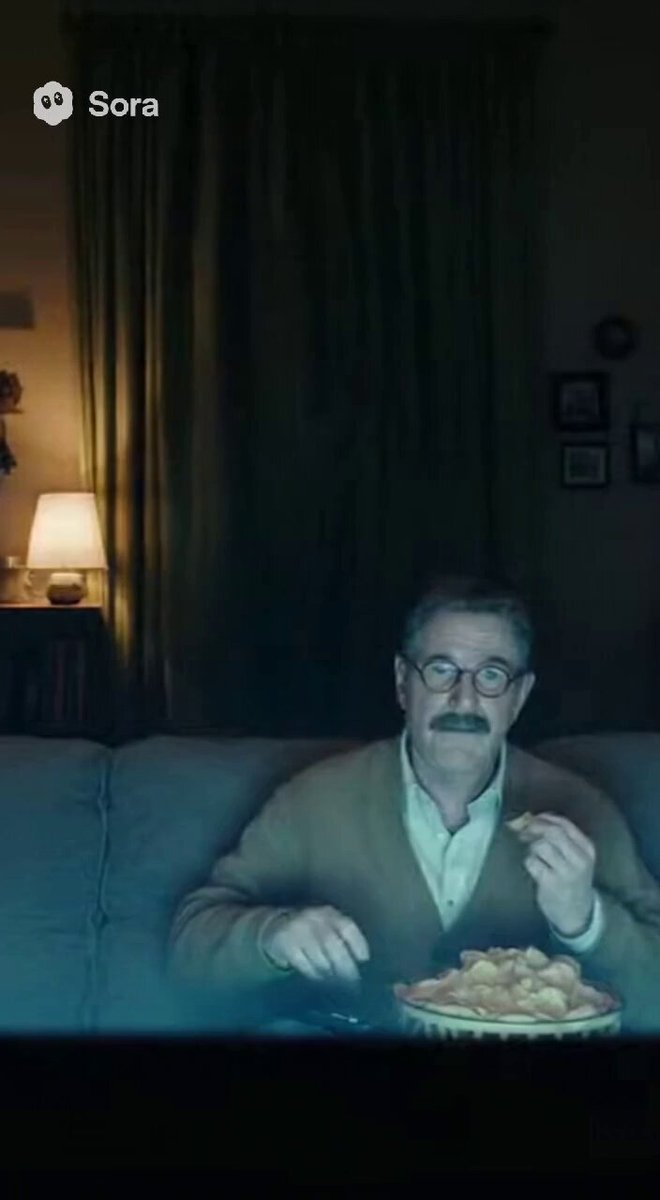
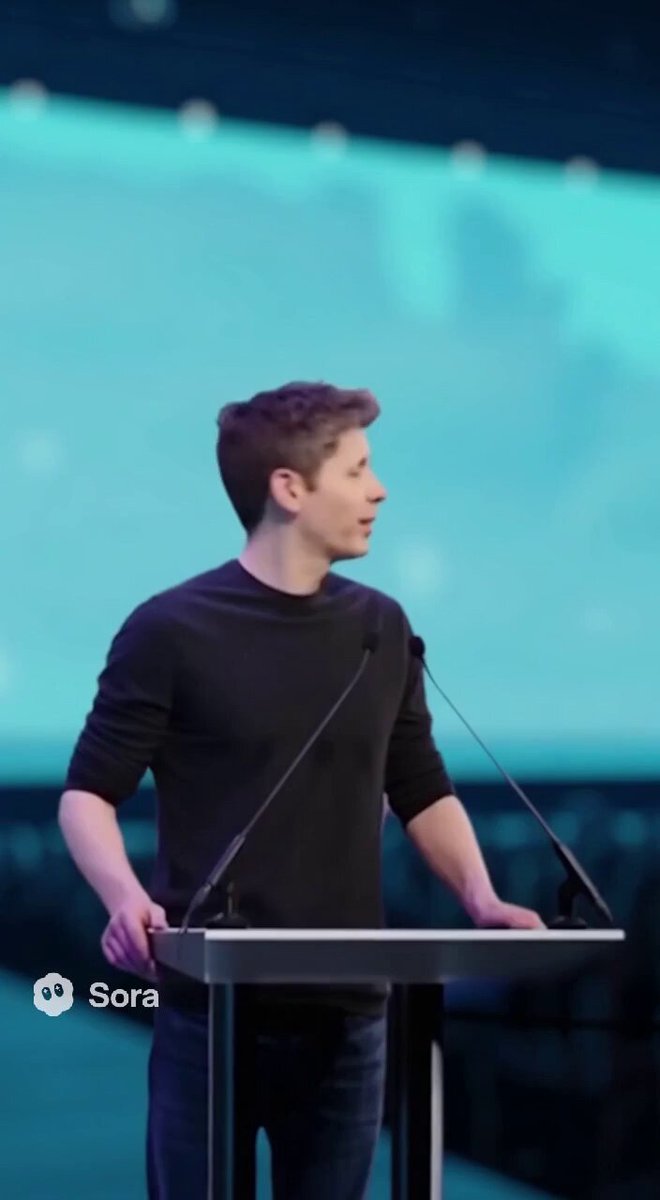
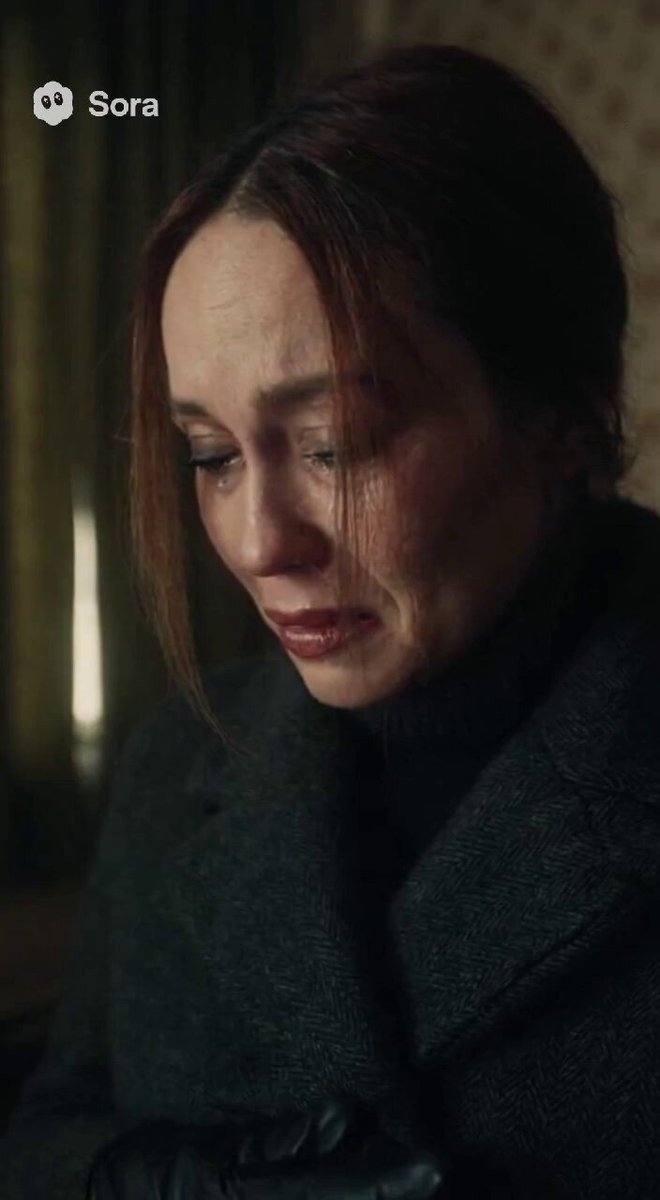
Pinned Tweet
What happens when an AI model starts understanding not only images, but the subtext of a dialogue, the meaning of a silence, or the small hesitation before saying something painful?
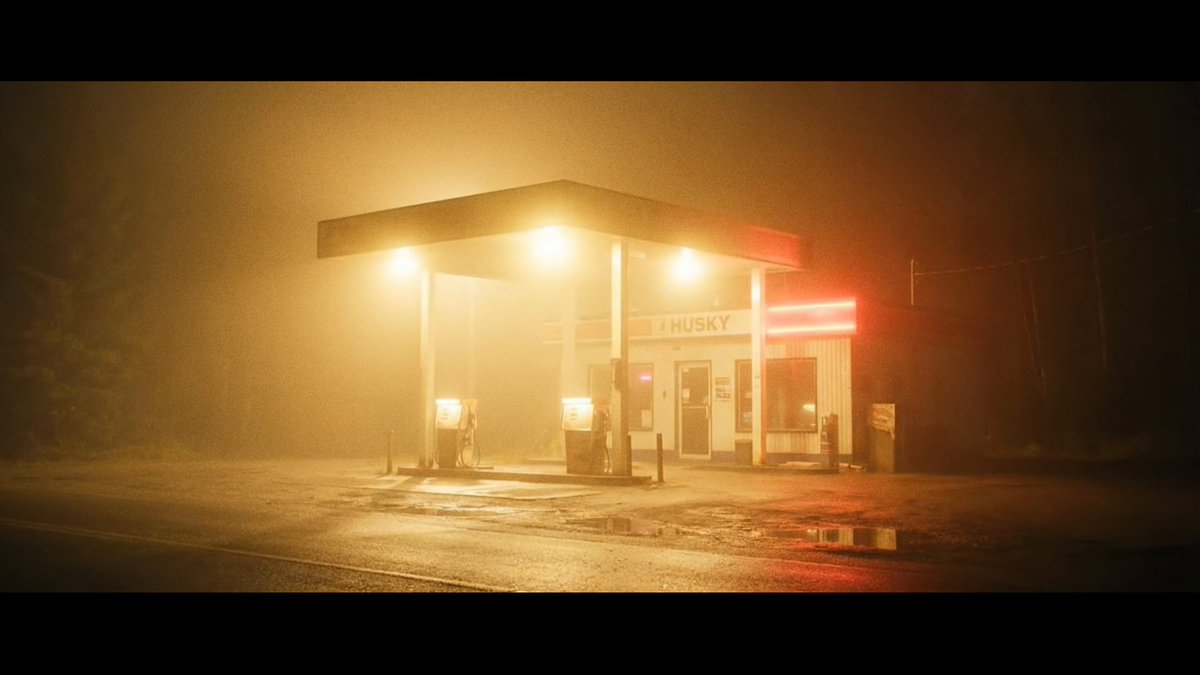
For the global launch of @Kling_ai AI 3.0, the Labyrinth Studio AI team and I wanted to build a small film. That’s how Looking for Bianca was born.
A short film set in Hong Kong that follows a young woman searching for Bianca, her missing husky. Behind these five minutes there was a great deal of writing, staging, and experimentation with the new model. Even when a film is fully AI, the process remains surprisingly close to traditional filmmaking.
And that is exactly where this language will need to grow, in the writing of characters and stories.
It took two weeks and a team of four people to make Looking for Bianca.
Once again @jacopo_reale , @ARisuleo , Aurora Cecchini and I adapted our workflow.
I was especially thrilled to work with the new model and its acting capabilities — its ability to understand context, the subtle nuances of dialogue, and the nuanced characterization of each role, even minor ones, all in service of bringing to life believable exchanges that draw the viewer into a story that feels both authentic and emotionally compelling.
With Kling 3, spatial control inside a scene has become much more precise, and we often chose to start from a wide shot and generate the coverage from there, as we did in the three-character dialogue scene between Sophie and the truck drivers.
A thank you to the entire Kling AI team, and especially to Tony Pu, who has a rare sensitivity when it comes to supporting projects like this.
Watch Looking for Bianca here:
#kling3 #aimovie
1
2
180
This Frame Doesn't Exist retweeted

Mar 6
What happens when an AI model starts understanding not only images, but the subtext of a dialogue, the meaning of a silence, or the small hesitation before saying something painful?
For the global launch of Kling 3.0 @kling_ai, the Labyrinth Studio team and I wanted to build a small film.
That’s how Looking for Bianca was born.
A short film set in Hong Kong that follows a young woman searching for Bianca, her missing husky.
Behind these five minutes there was a great deal of writing, staging, and experimentation with the new model. Even when a film is fully AI, the process remains surprisingly close to traditional filmmaking.
And that is exactly where this language will need to grow, in the writing of characters and stories.
It took two weeks and a team of four people to make Looking for Bianca.
Once again, Giacomo Cannelli @norealframe, @ARisuleo , Aurora Cecchini and I adapted our workflow.
With Kling 3, spatial control inside a scene has become much more precise, and we often chose to start from a wide shot and generate the coverage from there, as we did in the three-character dialogue scene between Sophie and the truck drivers.
A thank you to the entire @Kling_ai team, and especially to @tonypu_klingai , who has a rare sensitivity when it comes to supporting projects like this.
Watch Looking for Bianca here:
36
32
318
44,701
From Still Photography to Directed Motion
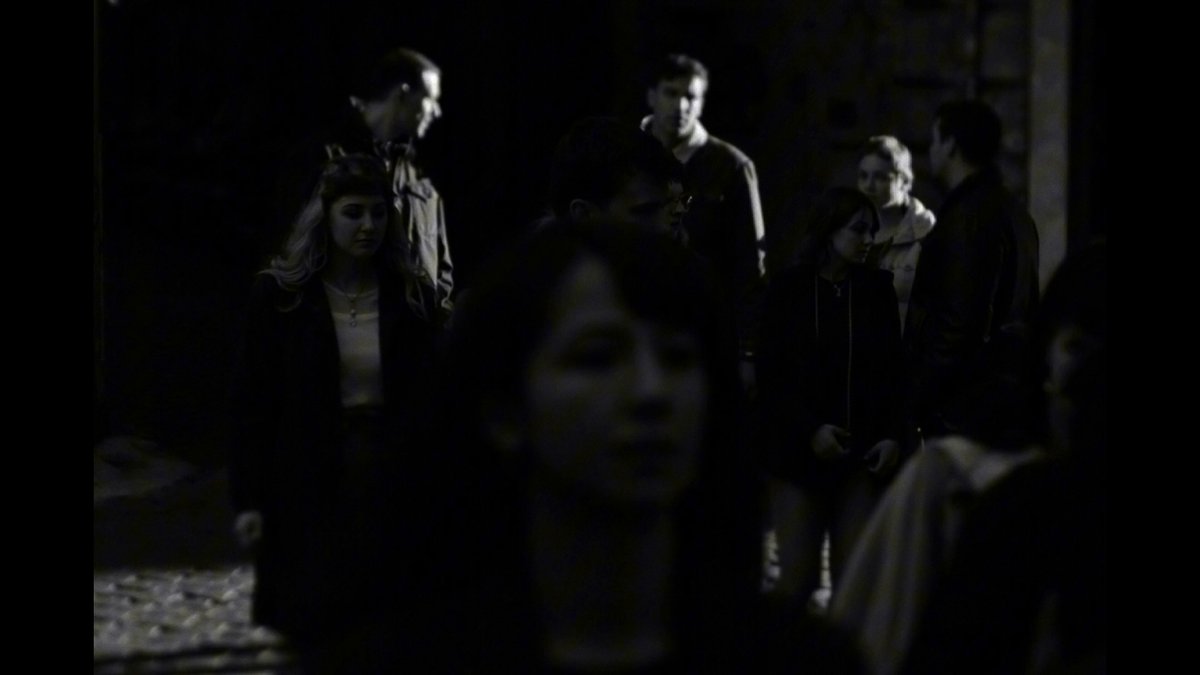
During a day of street photography in Rome, I shot a series of images, mostly in black and white, using a Fuji X-E5 with a very fast 50mm lens (f/0.95).
I wasn’t chasing moments as much as light and waiting.
In Trastevere I came across a perfect setup: a sharp beam of light cutting across the entire square, almost like a natural curtain.
Anyone walking through it would be illuminated for a brief moment before stepping back into shadow.
I shot a lot.
Not to capture the “decisive moment,” but to build small, self-contained frames, each with their own coherence and a clear protagonist — as if the square itself were a set.
Back home, while selecting the images, a simple question came up:
what happens if I try to animate them?
I took a few of the photographs and started working with Kling 2.6, using prompts to construct small tableaux vivants — images that originate in reality but move within the artificial, where motion can be directed and shaped.
This is no longer street photography.
But it’s not full synthesis either. It’s something else.
A hybrid that raises interesting questions: could this become location scouting for an entirely artificial film? A way to study a specific light cut and push it further? A visual reference — LUTs, mood, blocking, rhythm — starting from a real photograph?
I don’t think these tools move in a single direction. There are hybrid paths, and right now they feel like the most fertile ones.
We’re still in a deeply experimental phase.
There is no fixed grammar yet.
Much still needs to be written.
And maybe that’s the most interesting part.
1
229

30 Dec 2025
Over the past months, we’ve seen countless spectacular AI-generated videos.
Epic, hyper-produced, visually overwhelming.
But often that spectacle isn’t driven by vision.
It comes from a paradox: it’s become easy to do difficult things, while it’s still incredibly hard to do simple ones.
That’s one of the most interesting contradictions of generative AI.
It allows you to create “blockbusters at the click of a button” — but it’s easy to stop there.
Powerful images, massive worlds, no real direction. Empty boxes — or empty shells, as Haruki Murakami used to say.
That’s why generative AI needs writing, ideas, and intention more than ever.
Not because it lacks power — but because it often lacks a why.
In 2026, AI has to prove it’s not just a new technology,
but a new language.
This video — a small, ironic boutade — is a personal reminder.
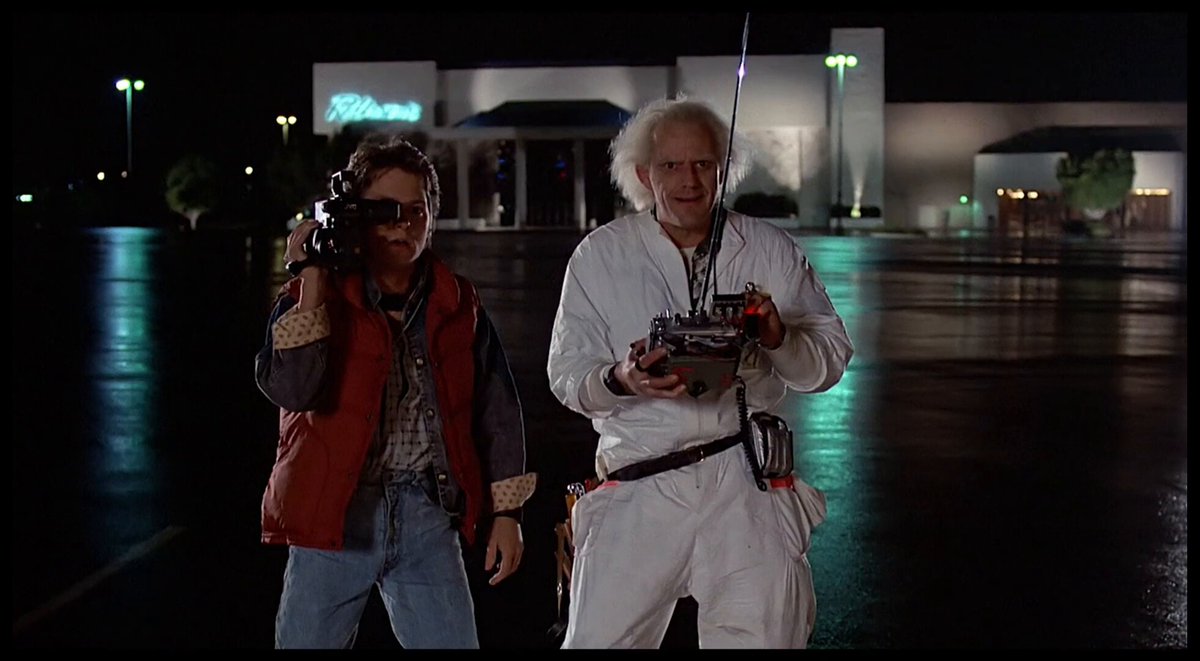
Yes, it’s thrilling to recreate all the films I loved obsessively as a kid.
But at some point, you have to grow, evolve, and start using these tools to carve a new path.
One that allows us to tell stories the market and mainstream productions often don’t allow.
AI can free creativity.
The real question is whether we use it just to make noise —
or to make something that actually counts.
#LabyrinthStudioAI
#GenerateResponsibly
50
This Frame Doesn't Exist retweeted

20 Dec 2025
Pure Emotions! 🌸
Whoa! It’s here, this magnificent sample proves it! 🔥
I just watched this twice. I’m still in shook. I have the stories and this beautiful video shows us all….🎬
The tools are ready, the gates are open.
Unleash your imagination!
Wolf Mike Mozart🐺
@jacopo_reale

2
3
8
743
12 Dec 2025
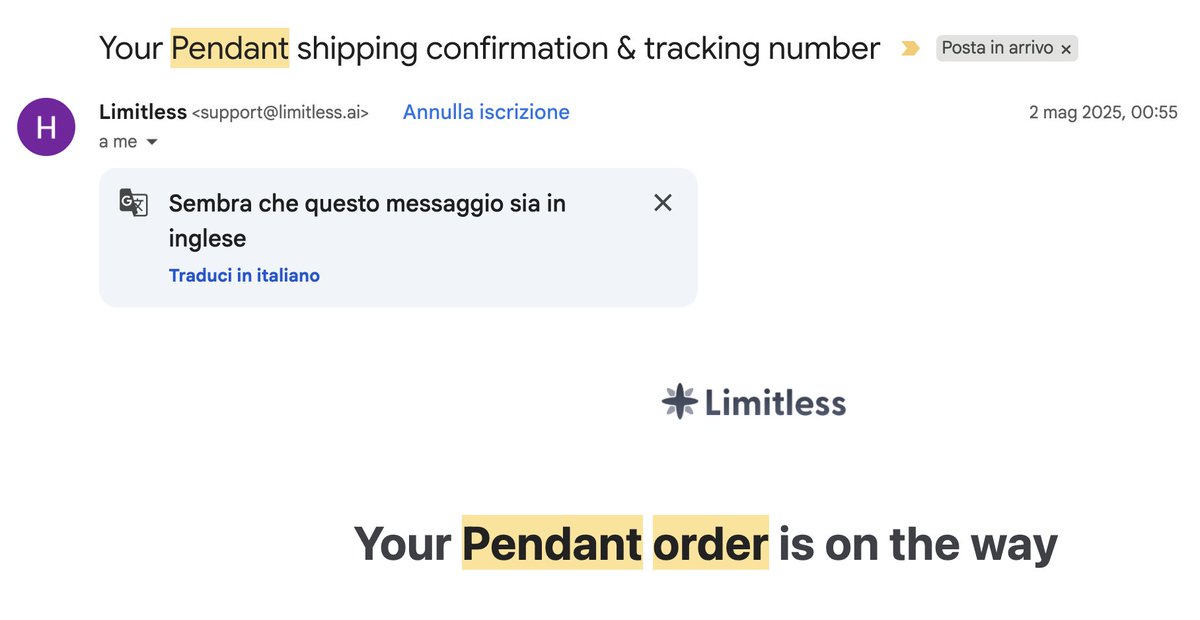
hi there @LimitlessAI I received this message. I'm not able to use my pendant (received not even 6 months ago), lost all my data (I can't use the website not even my recent recording) and my account will be blocked for ever in a few days. Please solve, either full money back or make it work for one year as you said. I wrote to the support too. Please answer. cc @dsiroker
and @brettbejcek | @GiacomoCannelli
4
165
1 Dec 2025
Still getting to know how it works best @Kling_ai 01 but looks promising. Scroll down for more.
2
1
4
355
25 Oct 2025
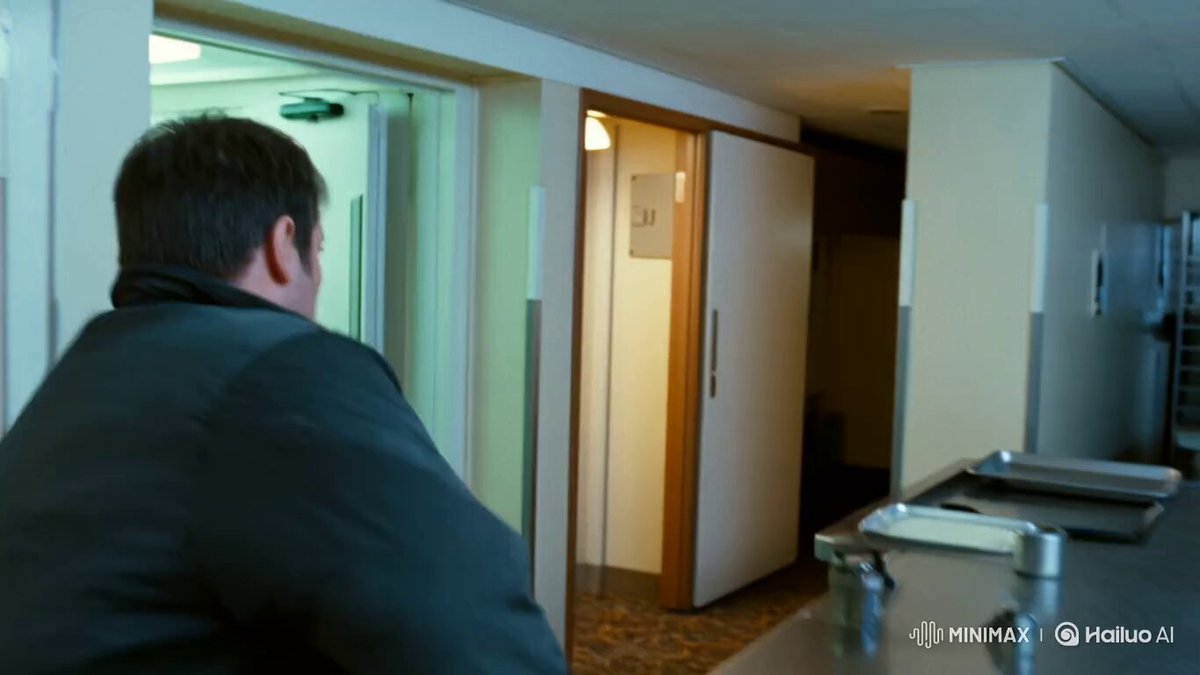
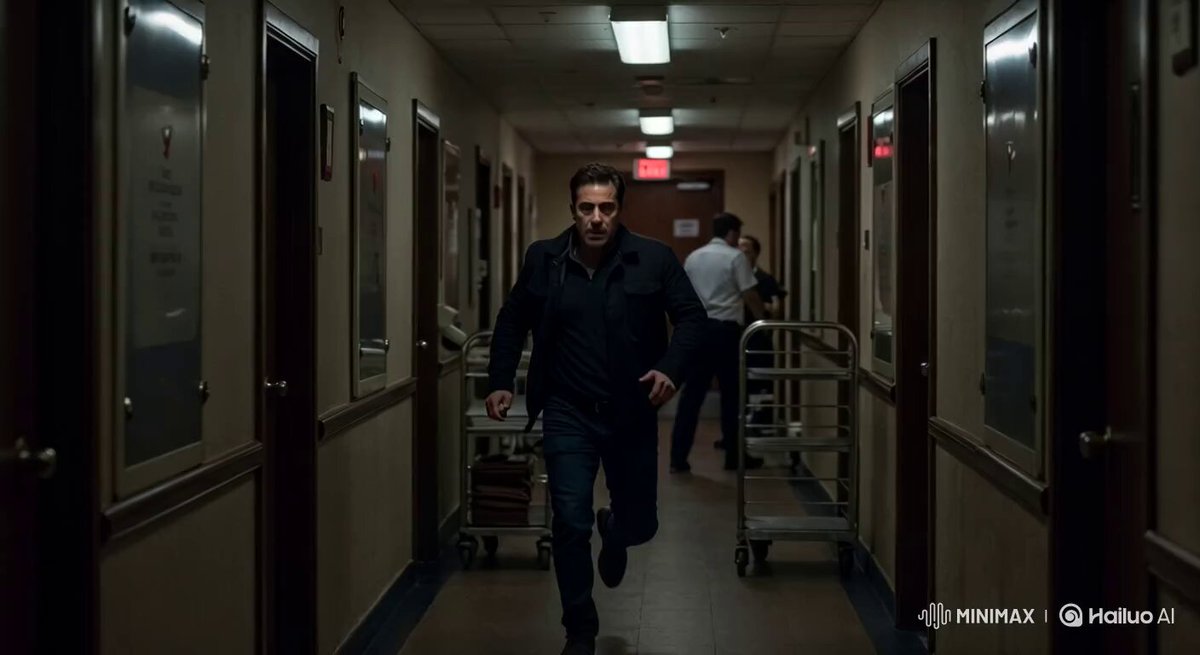
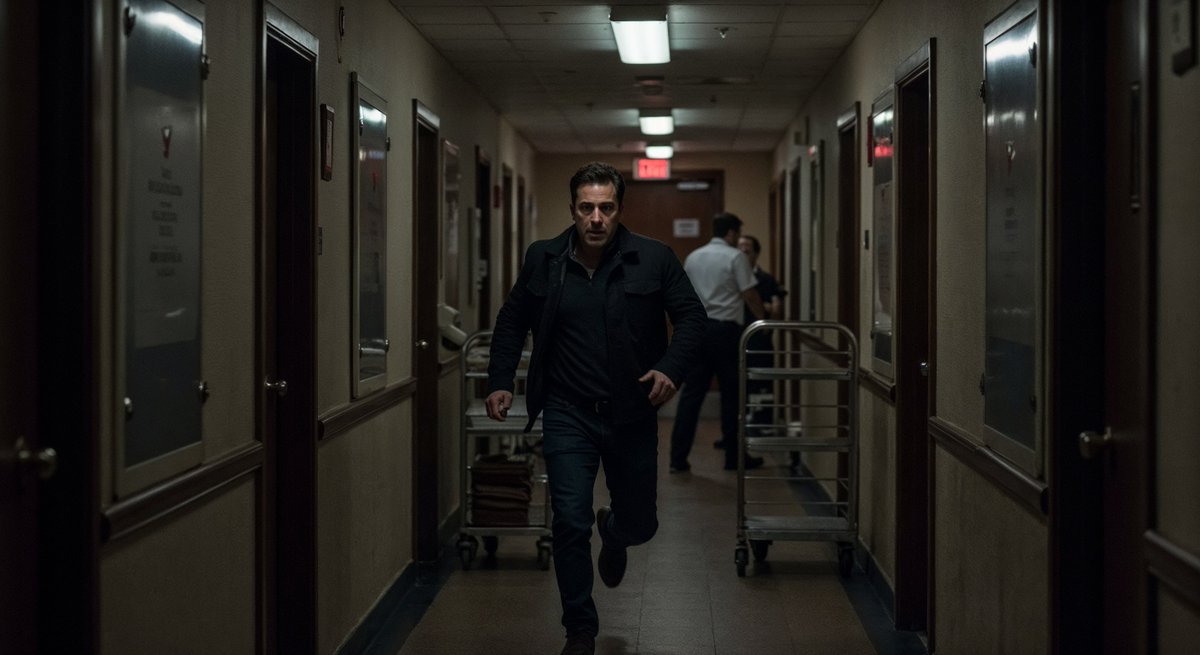
I’ve been experimenting with the new version of @Hailuo_AI 2.3 (preview, not out yet), and it still stands out as one of the models that best simulates handheld camera movement — those small imperfections, micro-shakes, and organic vibrations that make a shot feel alive and real.
In this case, it’s a “leading shot” — the camera moves backward, facing the character as he runs forward. The result, especially in the lighting transitions and motion dynamics, conveys a convincing sense of urgency and tension.
👇 Below is the prompt and the starting image (created with @Magnific_AI Fluid Model :
A man in his 30s wearing a dark jacket and jeans runs through the narrow back corridors of a hotel — passing through the kitchen, service rooms, and staff hallways as he tries to escape, occasionally turning his head to look behind as if being chased. The camera follows closely from the front pulling out with a handheld, shaky movement, capturing the urgency and tension. The lighting is fluorescent and slightly flickering, creating a chaotic, cinematic atmosphere.
3
1
15
2,439
25 Oct 2025
This a text to video I already tried with the 2.0 model. Just to see How it works.
2
62
22 Oct 2025
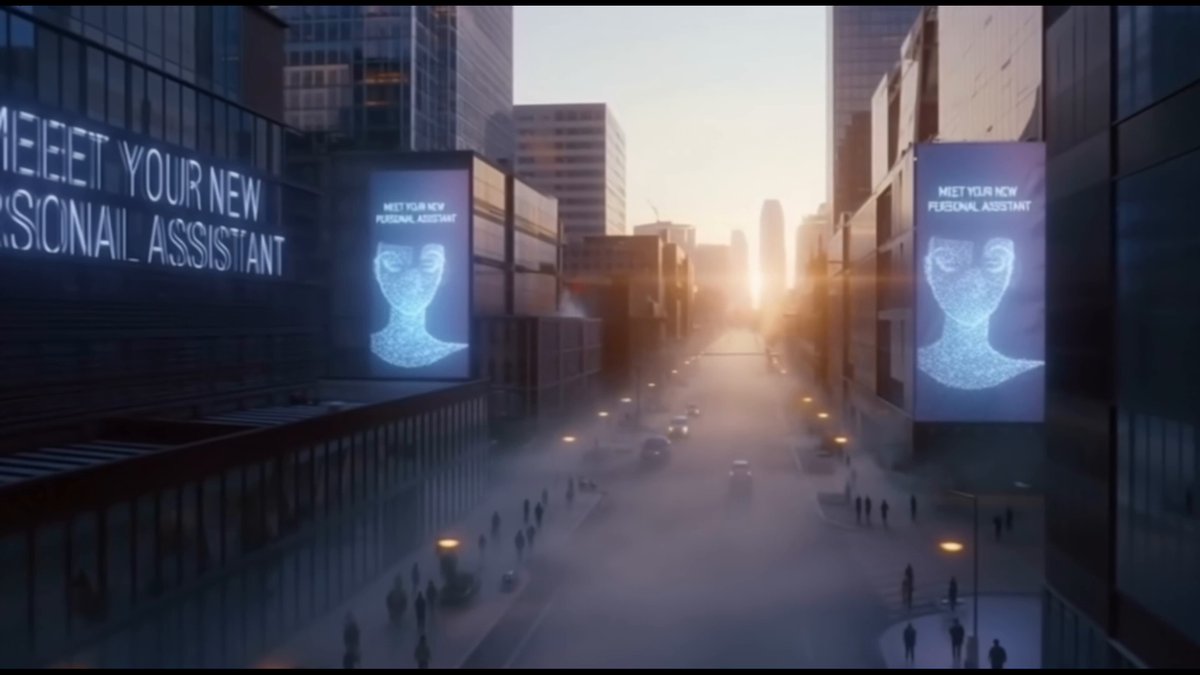
🎥 AI 2027 — a creative experiment.
A 2-minute video generated entirely from text:
ChatGPT → writing & structure based on the pamphlet “AI 2027”, a speculative timeline imagining how advanced AI systems could reshape the world between 2025 and 2027.
Sora 2 → visuals
ElevenLabs → voice-over
Each clip was born from a prompt, then assembled to form a single narrative.
No classic editing — just fragments made to breathe together.
For this test, I let ChatGPT take control — guiding it only with precise instructions.
A pure experiment to see how far AI can turn complex text into coherent cinematic storytelling.
#ai2027 #sora2
82