
Associate professor of political science at @UCLA (by way of Kansas, @nyuniversity, and @Stanford). I use a computer to learn things about war and diplomacy.
Joined February 2010
- Tweets 711
- Following 57
- Followers 1,600
- Likes 519
58 Photos and videos


Pinned Tweet

20 May 2020
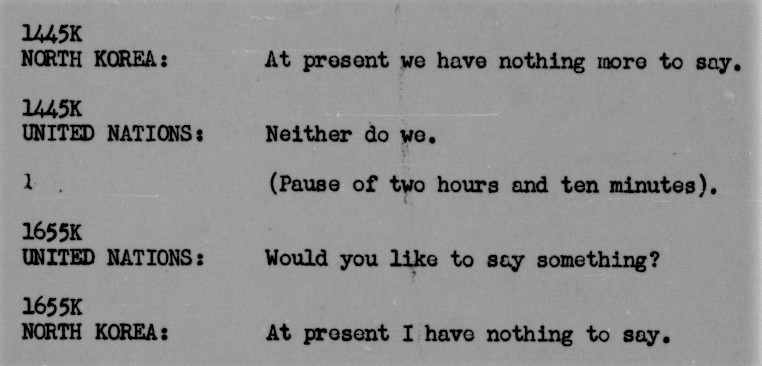
If you ever have moments of uncomfortable silence when teaching a class, remember that there was once a 130-minute pause during armistice negotiations in the Korean War.
62
4,108
16,646
Apr 13
I am happy to say that our article, "Racial Inequality in War," is now officially published in the @apsrjournal.
I made a detailed post about this piece months ago. Please take a look at that... and ideally, at the full article. We're very proud of it.
doi.org/10.1017/S00030554251…
6 Oct 2025

Forthcoming in @apsrjournal with Connor Huff and Robert Schub:
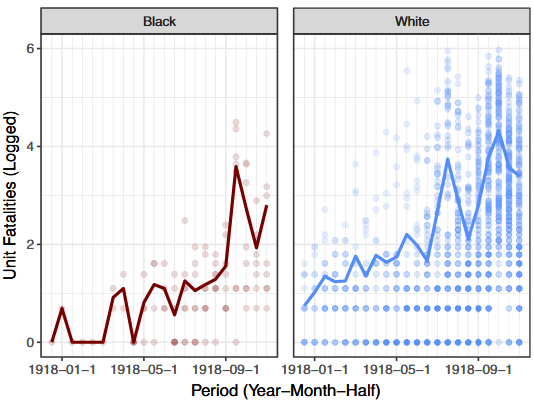
Converting and analyzing over 40,000 U.S. infantry fatalities from World War I, we examine how race and racism influenced who bore the costs of conflict. A thread below for those interested.
cambridge.org/core/journals/…
7
35
3,571
6 Oct 2025
Forthcoming in @apsrjournal with Connor Huff and Robert Schub:
Converting and analyzing over 40,000 U.S. infantry fatalities from World War I, we examine how race and racism influenced who bore the costs of conflict. A thread below for those interested.
cambridge.org/core/journals/…
2
12
58
9,341
6 Oct 2025
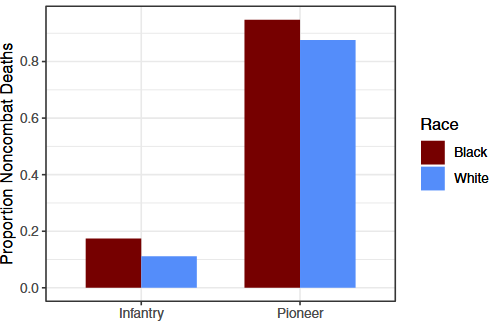
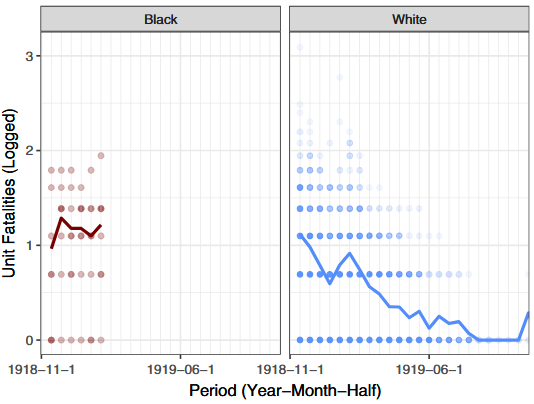
Dying in combat is awful, yet this type of "heroic" sacrifice has historically been a way that marginalized communities have made political gains in the fight for equality. In WWI, many Black soldiers died in hospitals and after the war had ended—conditions not seen as valorous.
1
1
270
6 Oct 2025
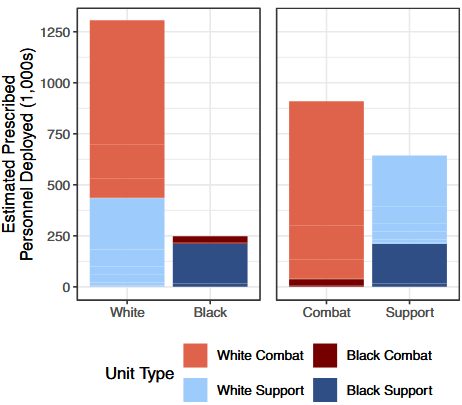
Our article highlights a nuanced form of discrimination that balanced racism with the exigencies of winning a war. In the case of WWI, White commanders—and the society that they reflected—stripped marginalized Americans of a valuable tool to pursue equality.
1
238
11 Sep 2025
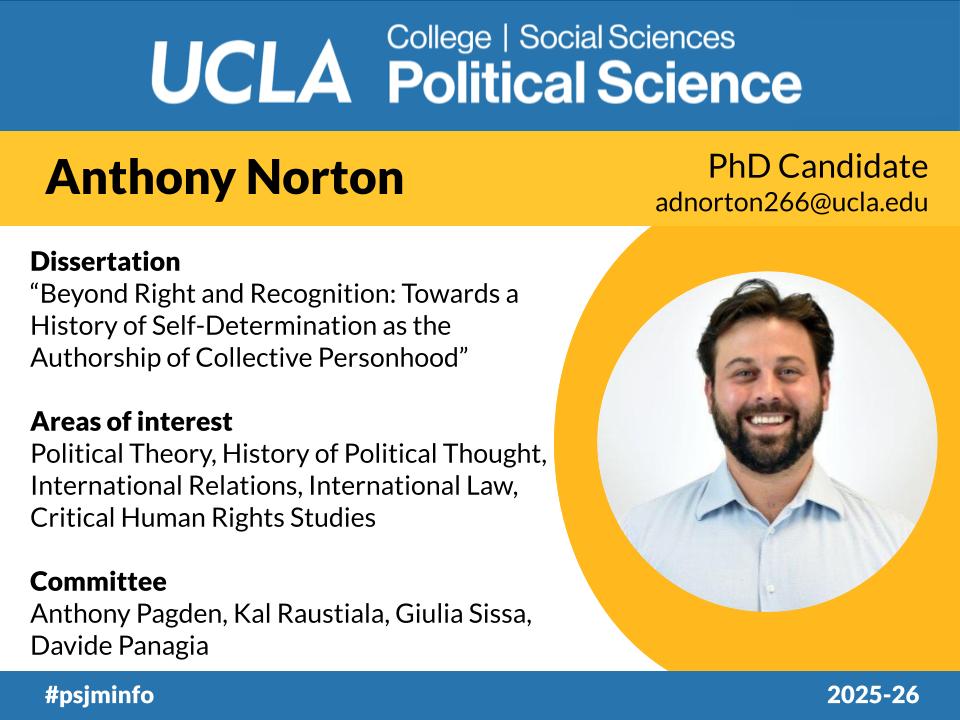
Anthony Dean Norton (@AnthonyDeanNorton) examines the historical evolution of peoples' right to self-determination. His dissertation reveals how the sedimentation of competing understandings of collective self-determination fuels interstate and domestic conflict.
1
1
2
378
11 Sep 2025
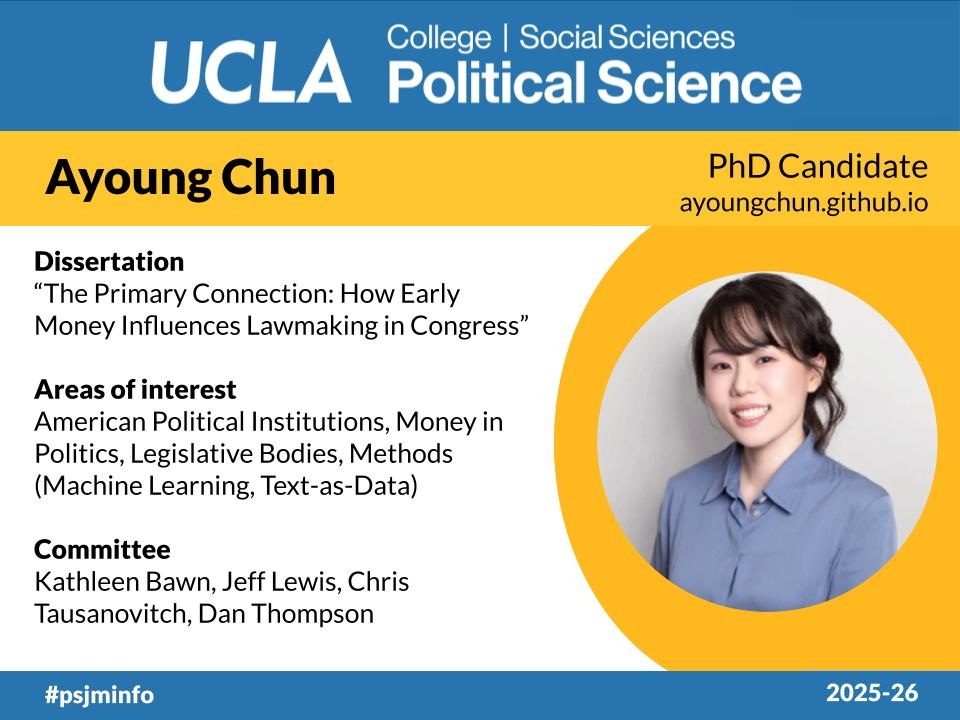
Ayoung Chun studies how campaign donors shape congressional lawmaking. Her research examines the influence of “seed donors” — those who back candidates in their first successful primaries — on lawmakers’ careers and legislative behavior in Congress.
1
323