
Here to piss you off.
Joined April 2025
- Tweets 1,972
- Following 298
- Followers 28
- Likes 3,042
92 Photos and videos






Una go talk nonsense first, once reply comes una go quick block person. Yeye people
4
Coward. Why block me after responding. This is the issue I have with you lots. I don't chop like 4 blocking just this evening from these idiots. You can't stand the heat but you want to be here.
8

Coping with the systematic collapse of our institutions.
When the controversy surrounding the removal of former Chief Justice of Nigeria, Walter Onnoghen, unfolded, I expressed a concern to a friend: that the greatest damage might not be immediate, but the message it sends about the sanctity and independence of our institutions to the world.
Strong economies are built on trust. Investors can manage security risks, policy risks, and even market risks. What they fear most is uncertainty in the rule of law and a judiciary that is perceived to be vulnerable to political pressure.
Today, many Nigerians have lost confidence in systems that should protect them. Businesses increasingly request that their contracts be governed by foreign jurisdictions because they have greater confidence in those institutions than in our own. That should concern every patriot.
We must never sacrifice our sacred institutions on the altar of politics. Nations rise when institutions are stronger than individuals. "The federal High Court Judgement ordering the de-registration of the ADC and other political parties is just one of those activities that further reduces the common man's trust in our legal systems" it should be reversed.
I pledge that we will restore the dignity, independence, and integrity of the Judiciary. The common man must have a voice. The business community must be protected from legal uncertainty and intimidation. Justice must be impartial, accessible, and respected by all.
To our judges, legal luminaries, senior advocates, and lawyers: this is your moment. Rise, defend the rule of law, take back your country!
A New Nigeria is POssible. -PO
485
4,708
8,595
126,135
Me retweeted

Jun 14
Knowing that all Nigerians are not cowards afterall is encouraging.
“Seyi your papa na the worst president”
Someone said to Seyi at a recent event.
20
110
214
6,687
Me retweeted

Jun 11
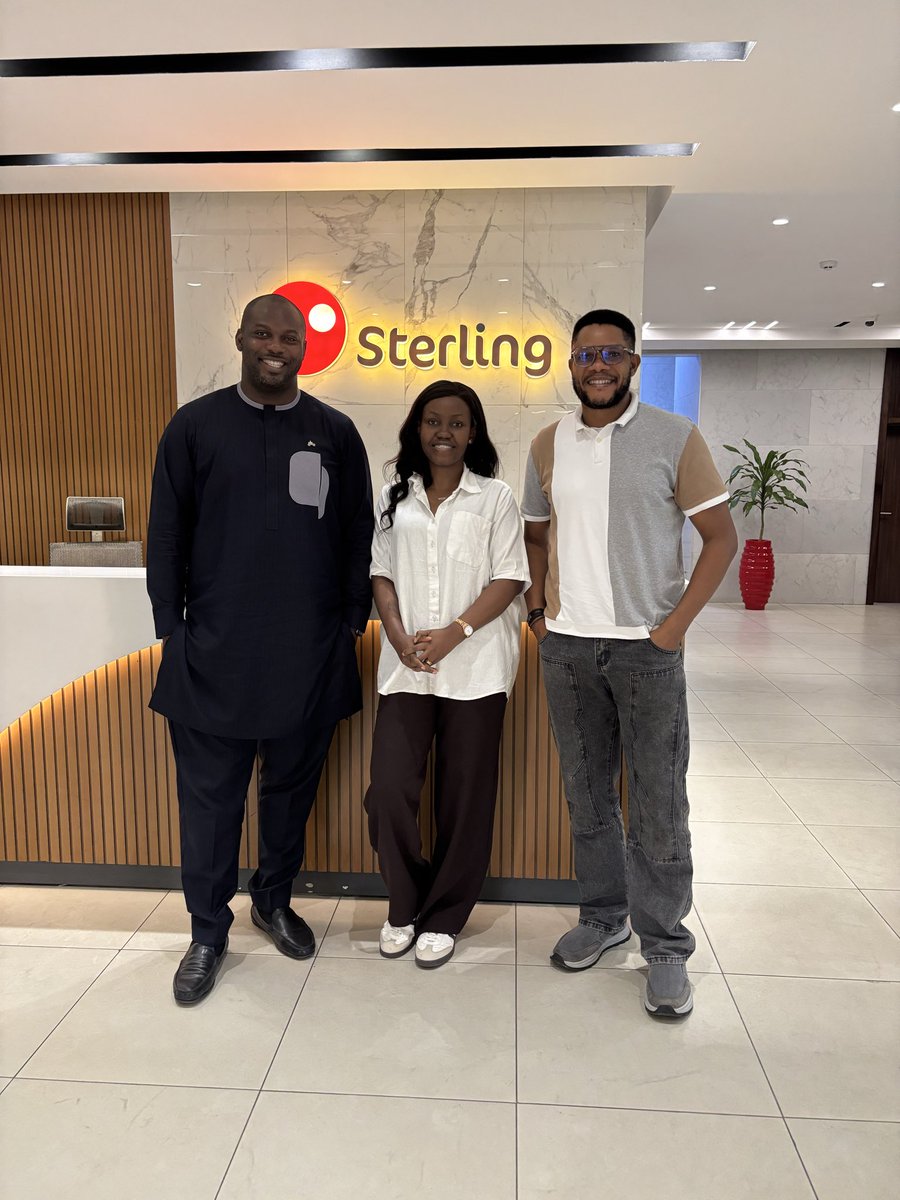
Today, we concluded another partnership with Sterling Bank to launch the Sterling Bank National Mathematics Quiz. A nationwide competition designed to discover, reward, and celebrate Nigeria’s brightest young minds.
Starting Saturday, June 20, 2026, students from Primary 1 to SS3 across Nigeria will compete online every two weeks for the prizes.
1st Prize – ₦500,000
2nd Prize – ₦300,000
3rd Prize – ₦200,000
That’s ₦1,000,000 every two weeks and ₦24,000,000 every year dedicated solely to rewarding academic excellence among Nigerian children.
But this is not just about winning money.
It is about building a culture where intelligence is celebrated.
It is about giving every child, whether in Lagos, Enugu, Kano, Bayelsa, Maiduguri, Aba, or a remote village, an opportunity to compete on a national stage.
Competition Schedule
• Every two weeks
• Saturdays
• 6:00 PM – 6:20 PM
• Online nationwide
The top performers will then advance to a live championship session streamed online next day same time, where Nigerians can watch some of the country’s brightest students solve challenging mathematical problems in real time.
To ensure fairness and give more students the opportunity to benefit, every student can only win once.
And here’s what makes it even better:
Every participant will be able to review their questions after the competition, identify their weaknesses, learn from their mistakes, and prepare for the next challenge.
This means that even students who don’t win become better mathematicians.
Parents, teachers, school owners, and students should begin preparing immediately.
The questions will be tough and the competition will be fierce.
Registration is now open:
exams.educare.school/login/i…
Please share this with every child, parent, teacher, school owner, principal, and education stakeholder you know.
Let’s make academic excellence prestigious again.
171
1,684
4,850
68,515
Me retweeted

Jun 12
Breaking News
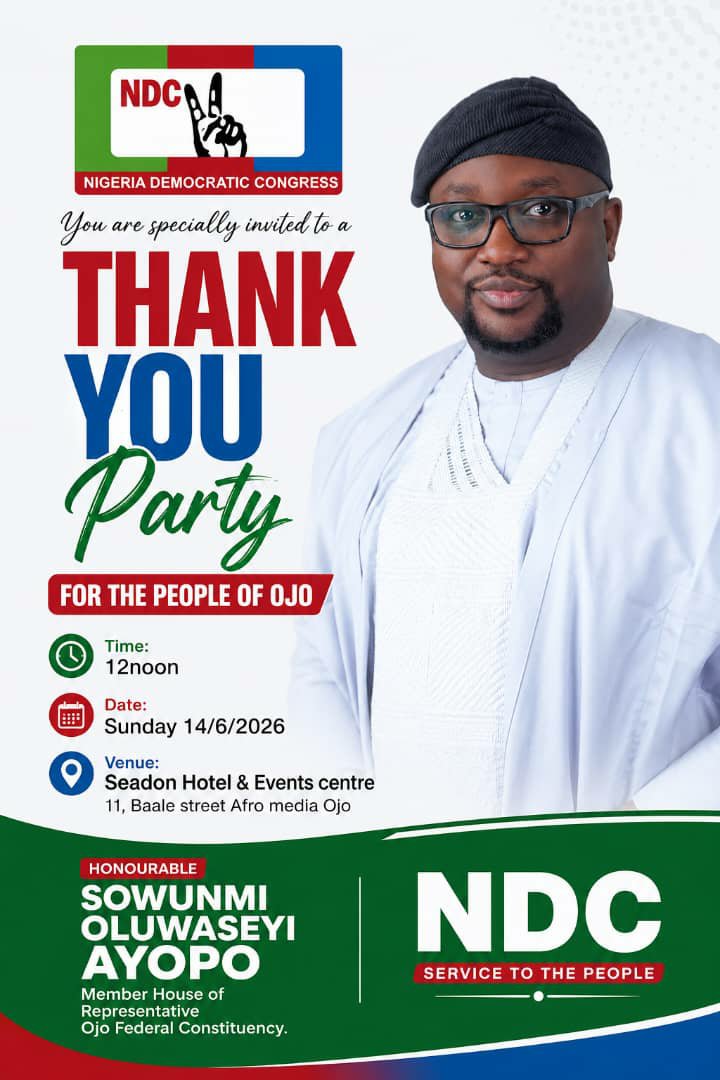
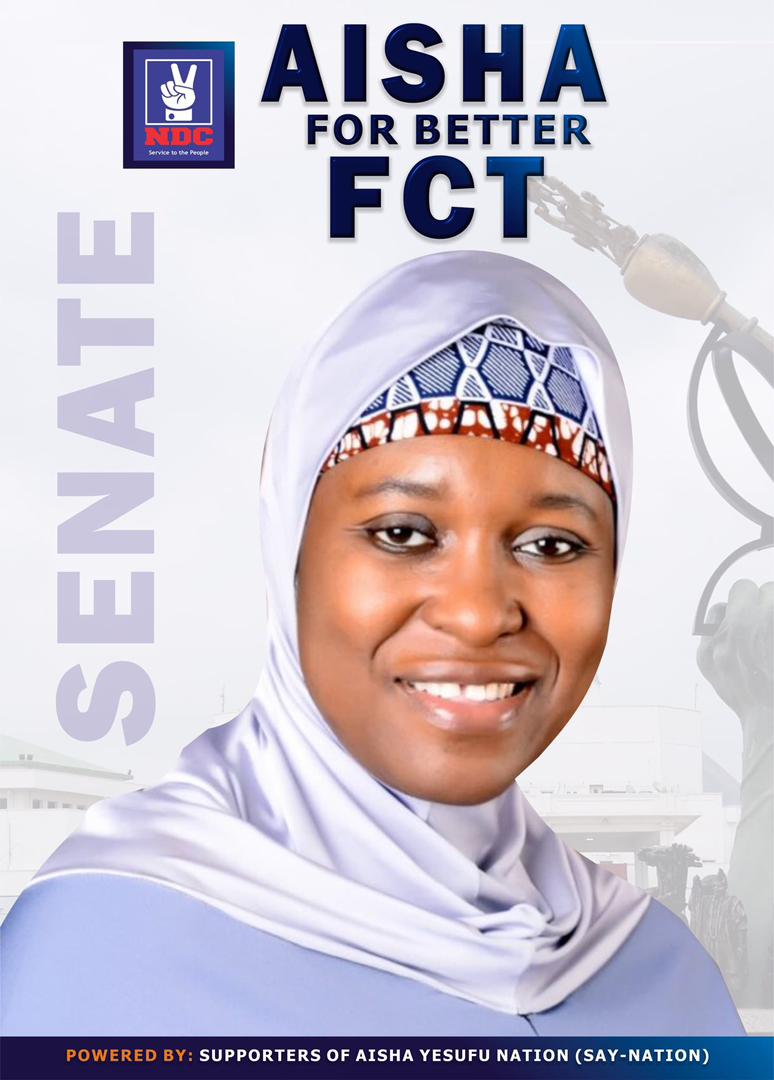
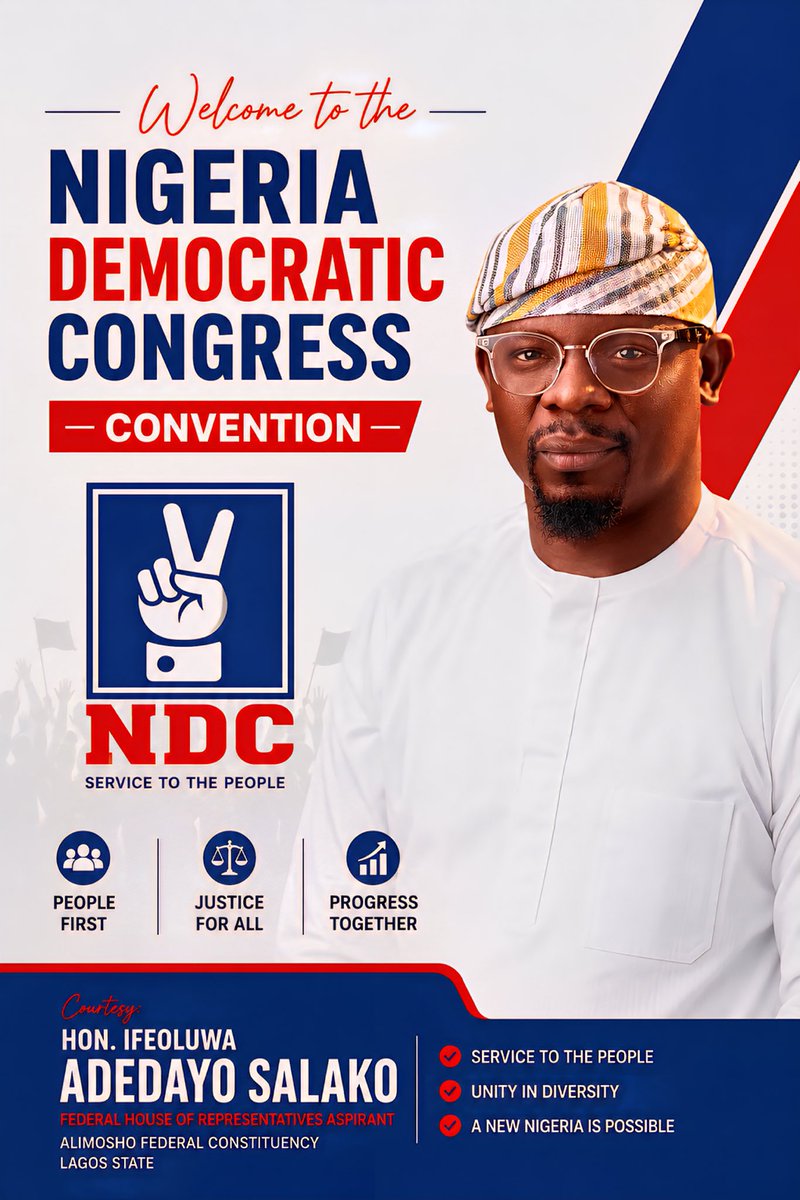
I can confirm to you that our Obidients Brother, Sowunmi Oluwaseyi, has received his form and is our candidate for Ojo Federal Constituency to continue the good work.
@HonSeyiSowunmi
7
88
379
8,003
Me retweeted

Jun 7
See, the standard of this video on another level.
The choreography, the visuals the performance.
Everything is in sync.
The amount of hard work in this project is insane.
All of you joining the bandwagon to say rubbish about this work are just crazy.

59
219
992
40,071
Me retweeted

Jun 8
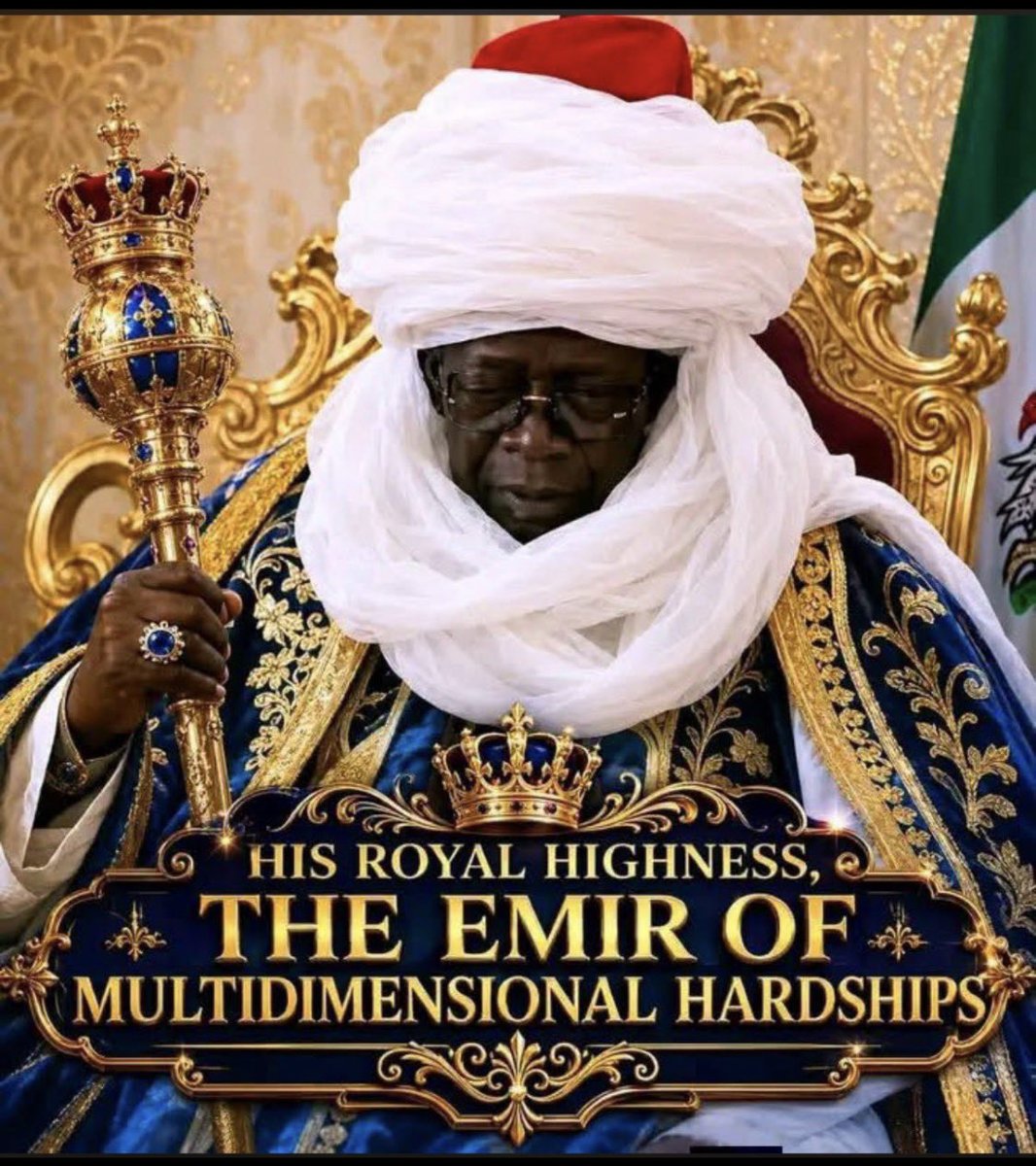
Bola is the architect of bigotry and stereotype-driven politics. A man who has nothing to offer, so he resorts to bigotry to divide people while he ruins and loots the state.
2
11
142
4,266
Me retweeted

Jun 5
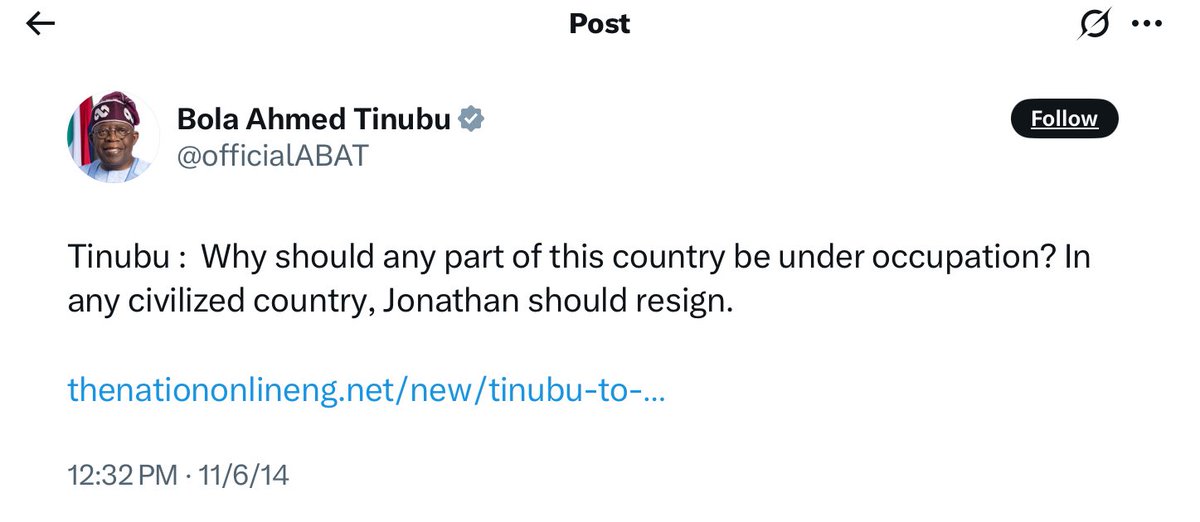
“Why should any part of this country be under occupation? Why should there be endless school abductions? In any civilized country, Tinubu should resign”
Tinubu is a complete and utter failure.
18
65
2,778
Me retweeted

Jun 4
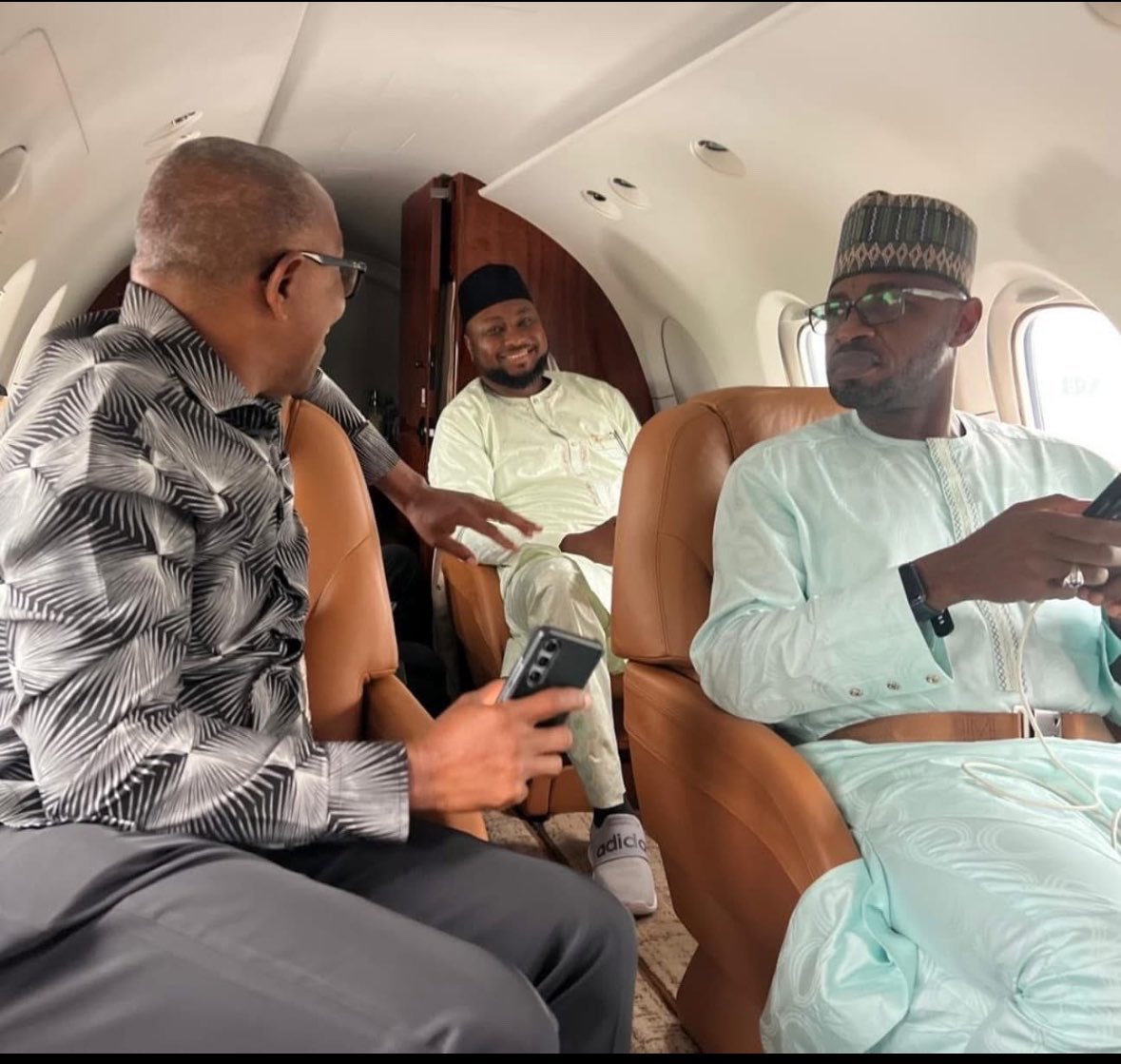
An Obi who does not have any single Igbo person in his inner “daily task” circle, is an Igbo candidate
But Tinubu who’s Chief Spokesperson, Chief of Staff, Advisers & Entire Inner circle are ALL YORUBAS is not a Tribal Candidate
The Paradox you only see in Nigerian politics. 📌
129
2,204
5,695
77,233

Jun 5
Bayo Onanuga arrested the Igbo boy and left Peter Taiwo. 😂😂😂

24
Jun 4
This is a long read but very insightful. I guess the discovery of Oil and the North being in power that early provided easy access to funds for the Northern Elites and therefore insulated them from thinking of ways to empower the people with life changing education and philosophy
Jun 3

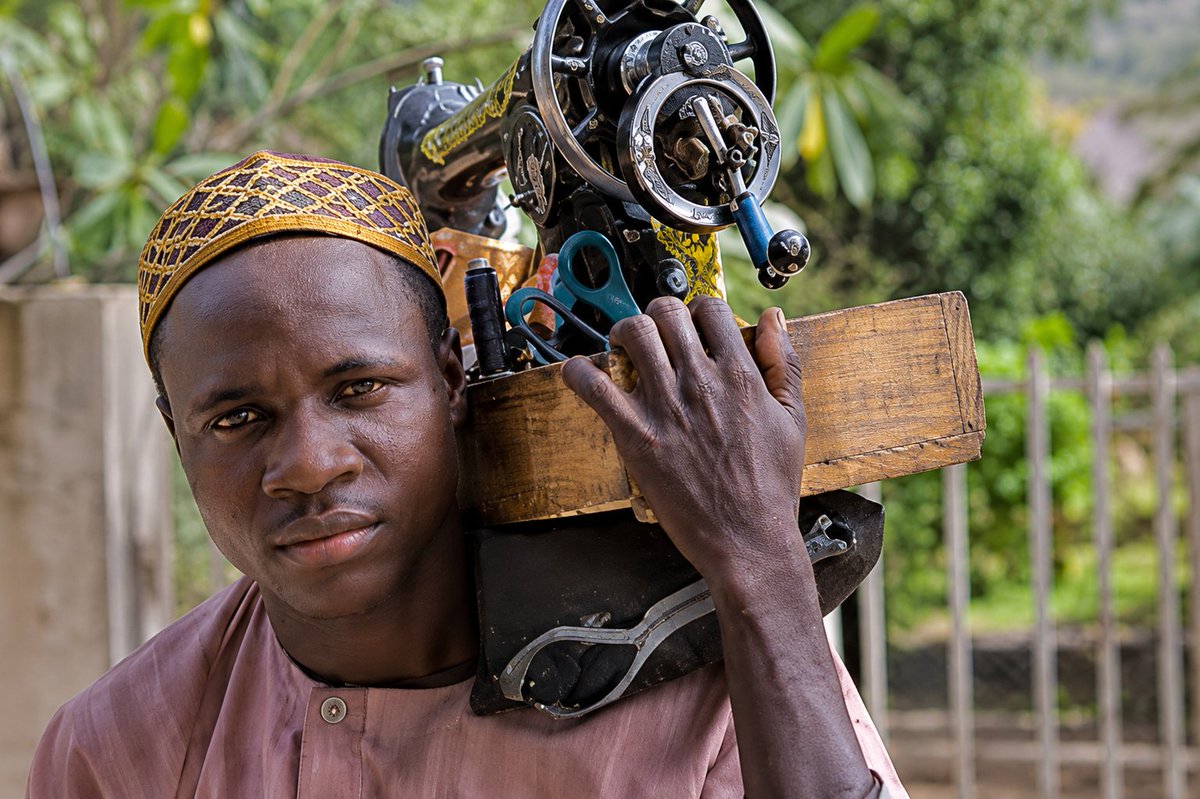
There was a time in Nigeria when the man carrying a sewing machine on his shoulder was called Obioma.
Because almost all the artisanal tailors were Easterners of Igbo descent.
After the Civil War, many Easterners emerged from one of the most devastating chapters in Nigerian history with almost nothing but skill, mobility, discipline, and a survival instinct.
Some carried sewing machines from street to street, patching clothes, repairing trousers, adjusting school uniforms, and moving from compound to compound looking for work.
That image became so common that the name stuck.
Obioma.
A man with a sewing machine on his shoulder, moving under the sun and doing work many people looked down on.
But the same people who were once reduced in the public imagination to street tailoring slowly began to move.
From roadside tailoring to shops.
From shops to markets.
From markets to importation.
From importation to manufacturing.
From apprenticeship to industrial clusters.
From survival to ownership.
Go to Nnewi.
Go to Aba.
Go to Onitsha.
Go to Alaba.
Go to Ladipo.
Go to Ariaria.
You will still see poverty, struggle, disorder, bad roads, poor power supply, and all the normal Nigerian problems. Nobody is pretending the Southeast has become Singapore.
But you will also see something powerful.
You will see a people who took humiliation, displacement, and economic ruin and built a survival machine around trade, apprenticeship, mobility, and family capital.
And this is what makes my heart sink as a Northerner.
Today, the mai guard, mai ruwa, mai shayi, mai kaya, shoe repairer, the man pushing a wheelbarrow, carrying loads, shining shoes, patching clothes, riding okada, clearing construction sites, packing refuse, digging soakaway pits, hawking small goods, or sleeping beside a kiosk in Lagos, Abuja, Port Harcourt, Ibadan, Onitsha, and other cities is often called "Aboki."
That is the story we don't want to face.
One people moved from grass to grace.
Another moved from grace to grass.
This is not to take anything away from the Igbo people. I have nothing but admiration for them.
And it is not an insult to the Hausa people or to menial jobs. I am a proud son of Arewa, and in Arewa we do not look down on any vocation earned through halal means.
This is a history lesson.
Now look at us in the North.
We did not begin from the bottom.
Long before colonial Nigeria existed, Kano was already one of the great commercial cities of West Africa. Merchants from Tripoli, Fez, Agadez, Timbuktu, and Bornu passed through its markets. Caravans crossed the Sahara carrying leather goods, textiles, kola nuts, salt, and livestock. The city walls of Kano were not built around a village. They were built around a thriving urban economy that connected West Africa to North Africa.
We had cities that were centres of commerce when many parts of modern Nigeria were still organized around smaller local economies.
We had emirates that provided administration, taxation, courts, and political order across vast territories.
We had centres of Islamic scholarship that attracted students from across the region. In places like Kano, Katsina, Sokoto, and Borno, generations of scholars produced manuscripts and taught jurisprudence, theology, grammar, astronomy, and history. The reputation of northern scholarship travelled far beyond Nigeria's borders.
We had trade routes that linked us to the wider world. For centuries, merchants moved goods across the Sahara and across the savannah belt. Northern markets were not isolated local markets. They were part of international commercial networks.
We had cattle wealth on a scale few regions could match. Fulani pastoralists moved millions of cattle across grazing routes stretching from Senegal to Cameroon. Livestock was not merely food. It was wealth, trade, transport, status, and economic security.
We had one of the most respected leather industries in Africa. Kano leather was famous across the continent. Tanned hides from northern Nigeria found their way into trans-Saharan commerce and international markets. The famous red goatskin known as Morocco leather often originated from skins processed through West African leather networks in which Kano played a major role.
We had textile industries that employed thousands long before modern factories arrived. Hand-spun cotton was woven into cloth across northern towns. Entire communities depended on spinning, weaving, dyeing, trading, and transporting textiles.
We had the famous dye pits of Kano.
Not one or two pits.
Dozens of them.
For centuries, the Kofar Mata dye pits transformed locally woven cloth into richly coloured fabrics using indigo. Traders came from different parts of West Africa to buy these textiles. The dye pits became one of the oldest continuously operating industrial sites on the continent. They supported craftsmen, traders, transporters, farmers growing indigo, and entire commercial networks built around textile production.
We had the groundnut economy.
There was a time when the groundnut pyramids of Kano were not merely tourist attractions on postcards.
They were symbols of enormous agricultural wealth.
Thousands of farmers cultivated groundnuts across the North. Rail lines carried produce southward for export. Groundnut exports generated foreign exchange, supported industries, created jobs, and helped finance government revenues. The pyramids themselves represented mountains of produce waiting to enter global markets.
And if we move into the colonial and post-colonial era, the advantages become even harder to ignore.
We had numbers.
The North occupies roughly three-quarters of Nigeria's landmass. Depending on how one defines the region, the nineteen northern states account for well over half of Nigeria's population. Kano State alone has a population larger than many African countries.
We had manpower.
For decades, millions of young people entered the labour force every year. We were not a small minority struggling to find relevance. We were one of the largest demographic blocs in Africa.
We had land.
Hundreds of thousands of square kilometres of territory stretching across the Sudan and Sahel savannahs.
Land suitable for millet, sorghum, maize, rice, cotton, groundnuts, and livestock.
Land crossed by major river systems such as the Niger and Benue, and supported by irrigation projects in several states.
We had agricultural potential that many countries would envy.
We had political influence.
From independence onward, northern politicians, military officers, civil servants, traditional rulers, and power brokers occupied some of the most influential positions in the Nigerian state for long periods.
Prime ministers.
Heads of state.
Presidents.
Military rulers.
Senior ministers.
Powerful bureaucrats.
Influential legislators.
Whether one likes that fact or not, the North was never politically invisible.
We had religious authority.
The Sultanate of Sokoto remains one of the most influential Islamic institutions in Africa.
The emirates commanded legitimacy that extended beyond politics.
Mosques, Islamic schools, scholars, judges, and religious networks shaped social life across millions of households.
We had institutions.
Not perfect institutions.
But institutions nonetheless.
Emirate councils.
Traditional courts.
Islamic learning centres.
Agricultural boards.
Marketing boards.
Regional administrations.
Cooperative systems.
Educational establishments.
Commercial associations.
Structures that survived for generations.
We had a head start.
That is what makes the present situation so painful.
Because today, when millions of young Hausa and northern boys enter any big city, what work are many of them known for?
These boys are not lazy.
A lazy man does not leave Kano, Katsina, Zamfara, Sokoto, Jigawa, Bauchi, Kebbi, or Borno and sleep under a bridge in Lagos just to survive.
A lazy man does not push water from street to street.
A lazy man does not carry cement until his back bends.
A lazy man does not guard another man's house all night and still open a kiosk by morning.
The problem is not laziness.
The problem is that too many of our people enter the modern economy from the lowest possible point.
No certificate.
No skill that scales.
No capital.
No protection.
No formal training.
No strong educational foundation.
No industrial ladder waiting for them.
So they sell their bodies first.
Their backs.
Their hands.
Their legs.
Their sleep.
Their youth.
That is the real tragedy.
The Igbo Obioma story became a ladder because it was connected to apprenticeship, trade discipline, family networks, and commercial ambition.
The Hausa Aboki story too often becomes a trap because it is connected to poverty, broken schooling, rural collapse, insecurity, and survival migration.
One system turns a boy into a trader.
The other turns a boy into cheap labour or, worse, a recruitment ground for terrorism.
This is the painful contrast.
The Southeast came out of war and produced commercial networks.
The North came out of power and produced surplus labour.
That sentence is harsh, but look around before you reject it.
Who is carrying the load?
Who is guarding the gate?
Who is pushing the cart?
Who is fetching the water?
Who is sleeping in the market?
Who is leaving the village because bandits have made farming impossible?
Who is entering the city with nothing but strength?
If the answer to all the questions above is Arewa youth, then you must not be offended by the diagnosis. Instead, start asking your leaders the harder questions.
Because what is happening to Arewa is a failure of social organization. We shield our leaders too much and outsource criticism of them.
Our fathers inherited a civilization.
Too many of our boys inherited migration.
Our fathers inherited functioning economic systems.
Too many of our boys inherited survival.
Our fathers participated in trade networks stretching across continents.
Too many of our boys participate only in daily labour markets.
Our fathers built industries around leather, textiles, livestock, agriculture, and commerce.
Too many of our boys now rent out their muscles by the day.
And the painful thing is that the word Aboki, which originally means "friend," now, in the mouth of the Nigerian city, often becomes a class marker.
It becomes a way of saying: the northern poor man who does the work nobody respects but everybody needs.
That should break our hearts.
Not because the work is shameful.
No honest work is shameful.
What is shameful is that a whole region with history, population, religious authority, political influence, institutions, agricultural potential, and vast territory keeps producing young people whose first contact with the economy is desperation.
This is why history matters.
The question is not whether the Igbo are better than the Hausa.
That is a childish argument.
The real question is: what system turns hardship into enterprise, and what system turns heritage into dependency?
Because poverty alone does not explain everything.
War did not stop the Igbo from building trade networks.
Lack of oil did not stop Nnewi from producing industrialists.
Bad Nigerian roads did not stop Aba from becoming a manufacturing symbol.
Weak government did not stop apprenticeship from creating business owners.
So what stopped us?
What happened to the North that inherited thriving cities, trans-Saharan commerce, respected scholarship, textile industries, leather industries, livestock wealth, agricultural exports, demographic strength, political influence, and enormous land resources?
How did a people with so much historical structure produce so many young men with so little modern preparation?
That is the conversation we need.
Not insults.
Not denial.
Not ethnic pride.
Not hiding behind "our culture."
Not pretending every criticism is hatred.
The Obioma story should humble us.
Because it shows that a people can begin with a sewing machine on the shoulder and still build a commercial ladder.
The Aboki story should disturb us.
Because it shows that a people can begin with history on their side and still end up supplying cheap labour to other people's cities.
That is the mirror.
Igbo moved from Obioma to enterprise.
Hausa must not remain trapped inside Aboki survival.
The North needs a ladder.
2
50

Me retweeted

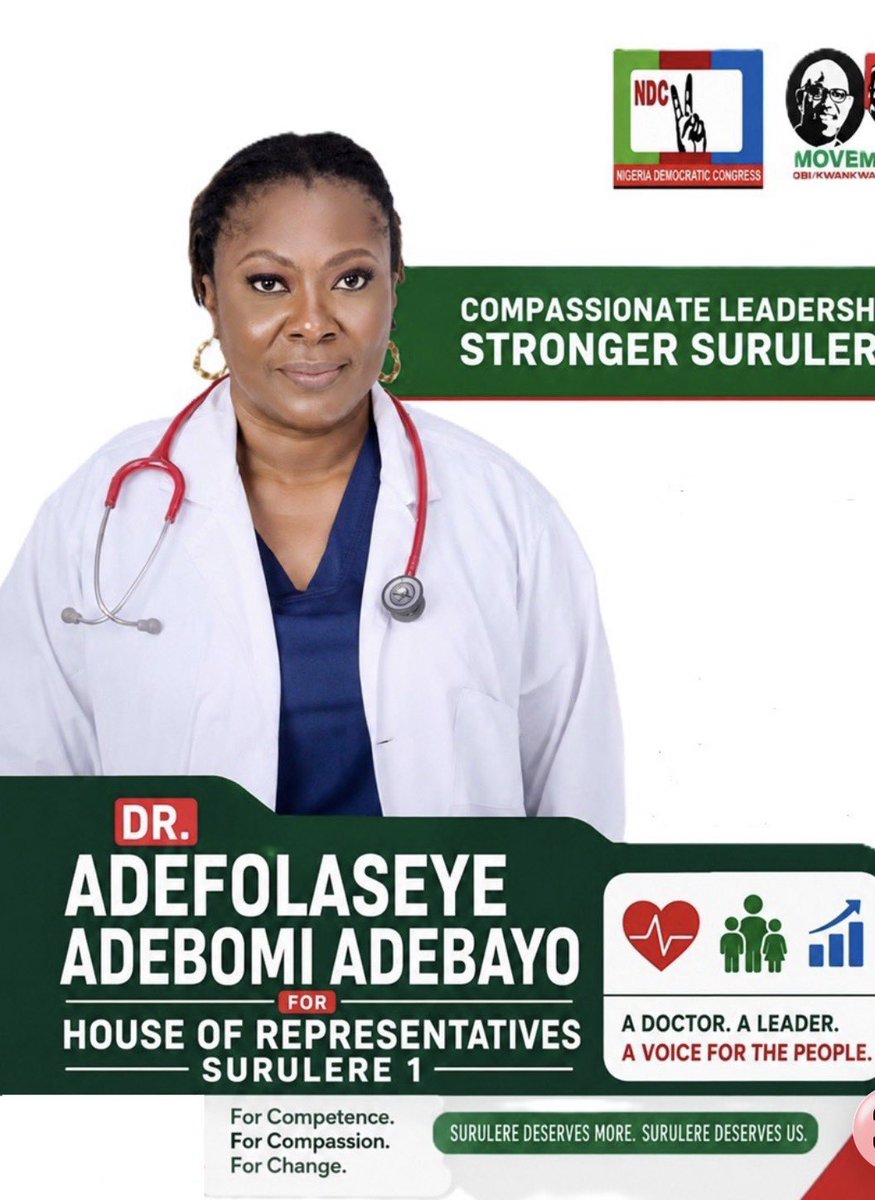
Our work begins!!
Glory be to God
289
1,411
5,015
65,601
Me retweeted

May 9
Reasons Why I Voted for Peter Obi in 2023 — Dike Chukwumerije
This video should be trending, guys:
20
2,046
3,170
36,758
Me retweeted

May 10
In credibility, character with accountability we present them for leadership and service to the people........... A New Nigeria is POssible.

177
1,903
5,145
70,825

Me retweeted

May 9
Earlier today at about 2:31pm along Uturu Road near Abia State University (ABSU), I experienced one of the most traumatizing moments of my life.
I boarded a mini bus to get an item back to my lodge when some policemen without name tags stopped our vehicle at a checkpoint.
They ordered me to step down, which I peacefully did. Immediately, they collected another passenger’s phone and began interrogating him aggressively about what he does for a living.
Moments later, one of them turned to me and asked why I was using 3 phones. I calmly explained to them that I am a student and that the phones were bought with my hard-earned money. Instead of listening, they dragged me, my brother, and another passenger into a nearby bush and started harassing us for absolutely no reason.
Before we knew what was happening, more officers joined them and they began beating us mercilessly like criminals, even though we were just students who came to ABSU to study and build our future.
My brother and I sustained serious injuries during the assault. My ear is currently blocked, I can barely hear properly, and it has been bleeding because of the torture we faced in the hands of these officers...my phone screen also got broken.
The most painful part was the constant threats they made. They said they could shoot us and nothing would happen. They also said they could make sure we never graduate from school. Imagine hearing such terrifying words from the same people meant to protect citizens.
My only “crime” was owning 3 phones.
ABSU students are no longer feeling safe. Police harassment, intimidation, and extortion around Uturu are becoming unbearable. Students are living in fear every day. We came here for education, not to be brutalized and treated like criminals for no reason💔. @PoliceNG
@TunjiDisu1 @PoliceNG_CRU @dammiedammie35 @ChuksEricE @HarrisonBbi18 @MaureenChinaka @alexottiofr @winexviv @aleeygiwa @YomiShogunle
600
4,139
6,677
463,250
"Some men change their party for the sake of their principles; others change their principles for the sake of their party." Winston Churchill
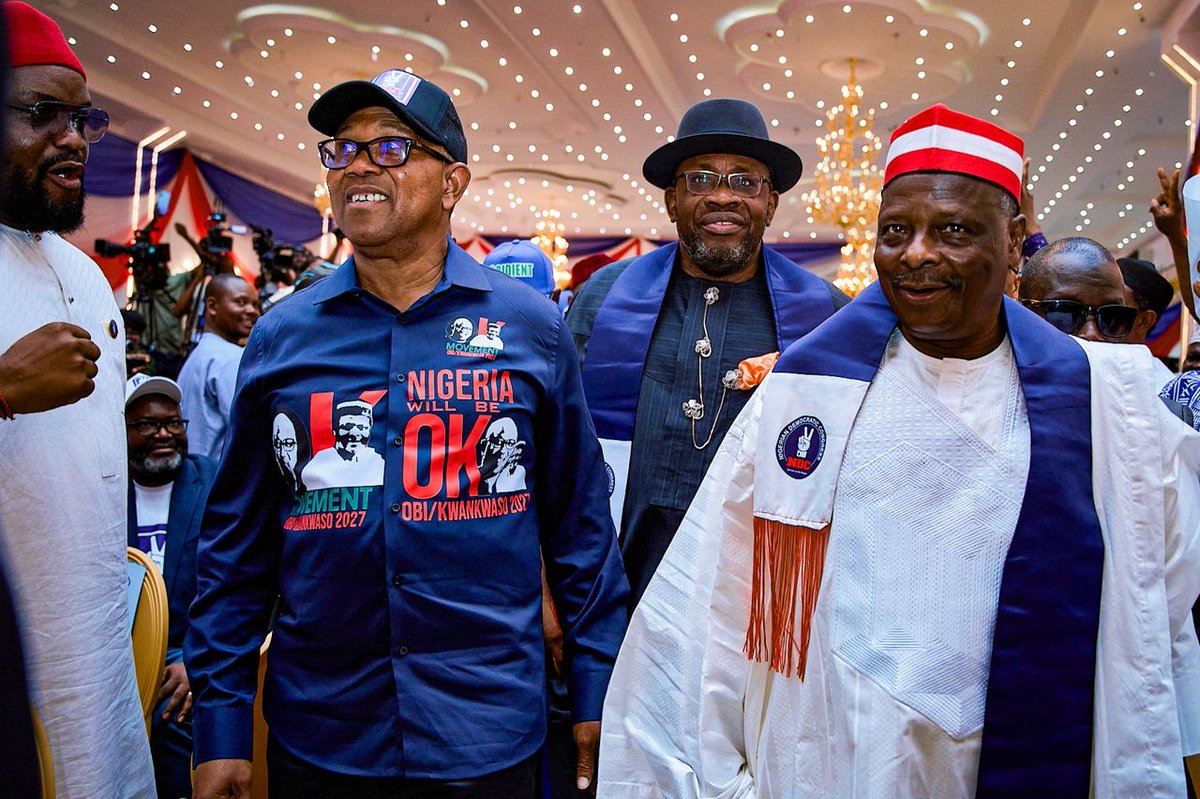
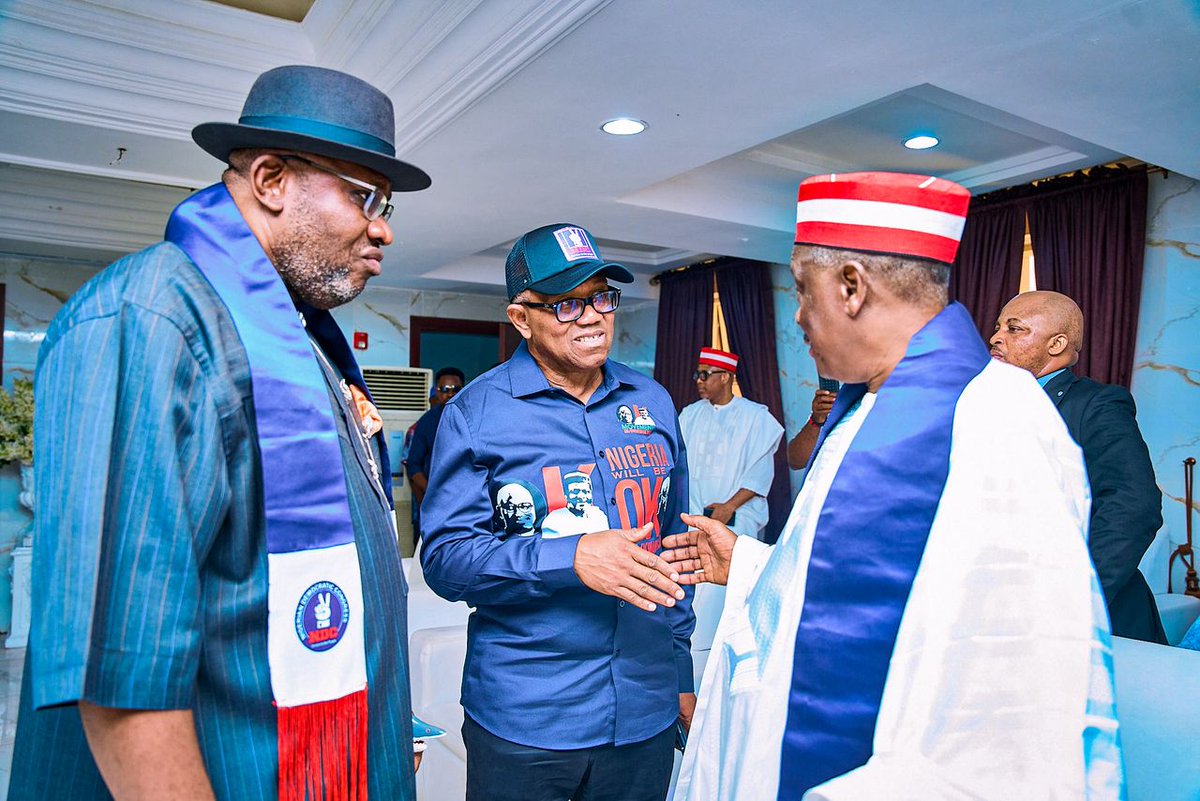
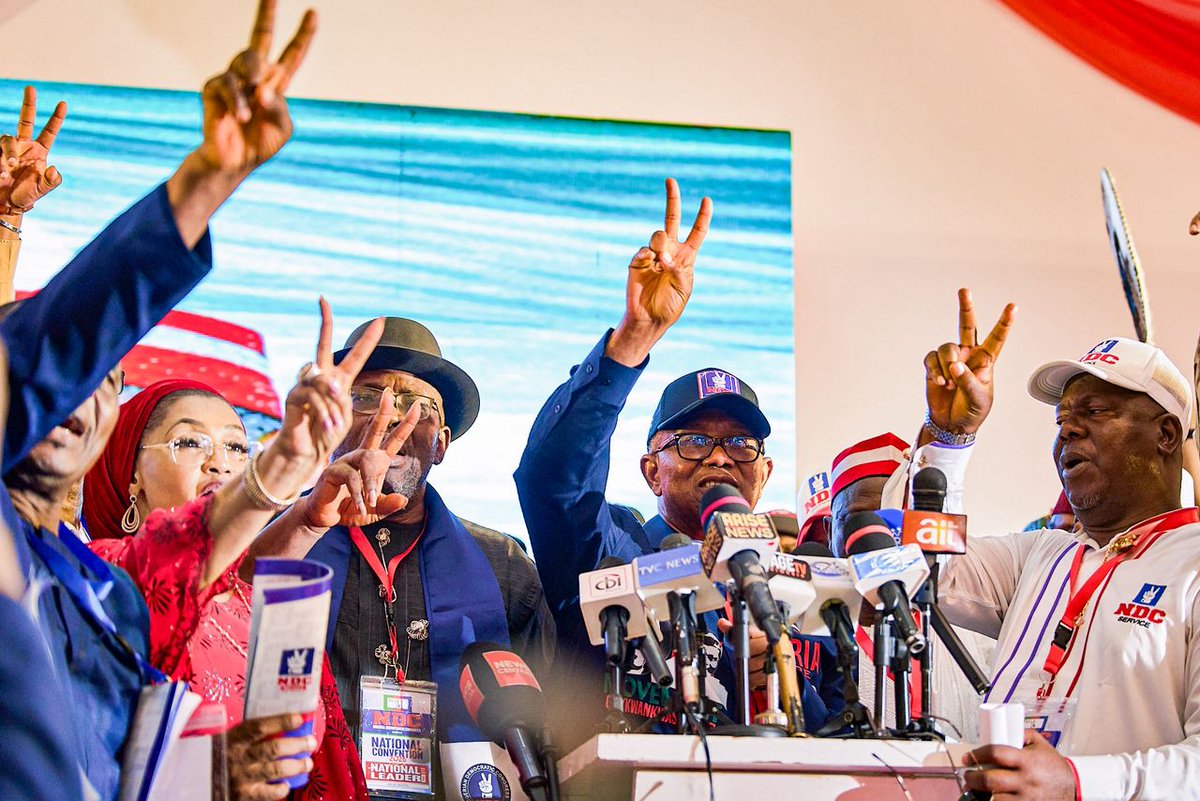
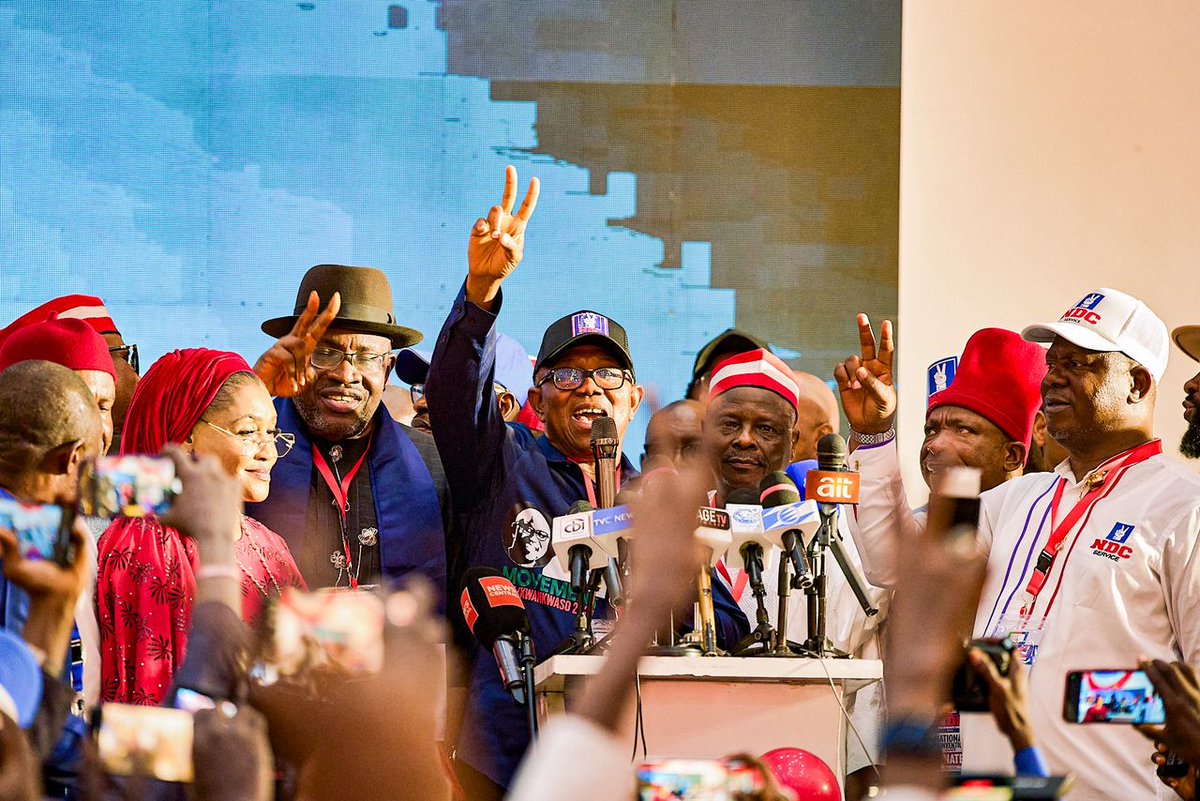
Today, May 9th, I attended the 1st convention of my latest party, the Nigeria Democratic Congress (NDC) in Abuja, Nigeria. The convention was successful and continued to show the resilience of Nigerians to change
I express my sincere appreciation and gratitude to the NDC family, led by the distinguished Senator Henry Seriake Dickson, for inviting us and for the generosity of spirit with which they have accommodated us at this critical moment in our national journey.
I also wish to express profound gratitude to the African Democratic Congress(ADC), particularly Distinguished Senator David Mark, for providing a democratic platform and showing uncommon understanding when the ongoing litigation forced us out of the Labour Party and the New Nigeria People's Party, NNPP respectively. That spirit of solidarity must remain the foundation upon which a better Nigeria will be built.
Today, the most painful aspect of our political existence is that many who once benefited from democratic governance have now become willing accessories to the destruction of democracy itself. Those who once fought for justice now openly celebrate electoral injustice. Those who once spoke against impunity now defend coercion, manipulation, intimidation, and outright political gangsterism, especially against opposition voices. What we are witnessing is not politics; it is a systematic assault on democracy and the will of the people.
Nigeria today stands at a dangerous crossroads. Our democracy is under severe threat. Our nation is drifting without direction, and our people are passing through immense suffering. Across the world, Nigeria is increasingly described as a failing and disgraced nation. This is not the destiny God ordained for our great country. It was not always so, and it must never be allowed to remain so.
Across virtually every recognised indicator of good governance - accountability, political stability, rule of law, control of corruption, government effectiveness, regulatory quality, and the separation of powers - Nigeria continues to record alarming failures. The institutions that should protect the people are weakening daily, while the burden on ordinary citizens grows heavier with each passing moment.
Today, over 140 million Nigerians live in multidimensional poverty. Tens of millions of young people remain unemployed or underemployed. Inflation continues to crush families. Businesses are shutting down. Farmers can no longer safely access their farms. Communities live in fear. In this month alone, hundreds of innocent Nigerians have lost their lives to insecurity, while many others have been kidnapped, displaced, or thrown deeper into poverty.
The most heartbreaking question confronting us is this: Who consoles the grieving mother whose child was abducted on the way to school? Who speaks for the father who can no longer feed his family despite working every day? Who defends the young Nigerian whose dreams have been destroyed by a nation that rewards connections over competence and corruption over character?
Our present tragedy is not accidental. It is the direct consequence of years of deliberate sabotage by a political class that prospers by dividing the people and weakening the nation. Nigeria is not a poor country; rather, we are being looted into poverty. We have abundant human and natural resources, yet we remain trapped in deprivation because leadership has failed to place the common good above personal interest.
Our choice as a people is therefore clear: whether to surrender to despair and national decline, or to summon the courage to rescue our country and rebuild it on the foundations of unity, equity, justice, competence, and productivity.
1,989
12,398
32,013
606,002