
1,731 Photos and videos


Pinned Tweet
Who is MICHAEL Burry?
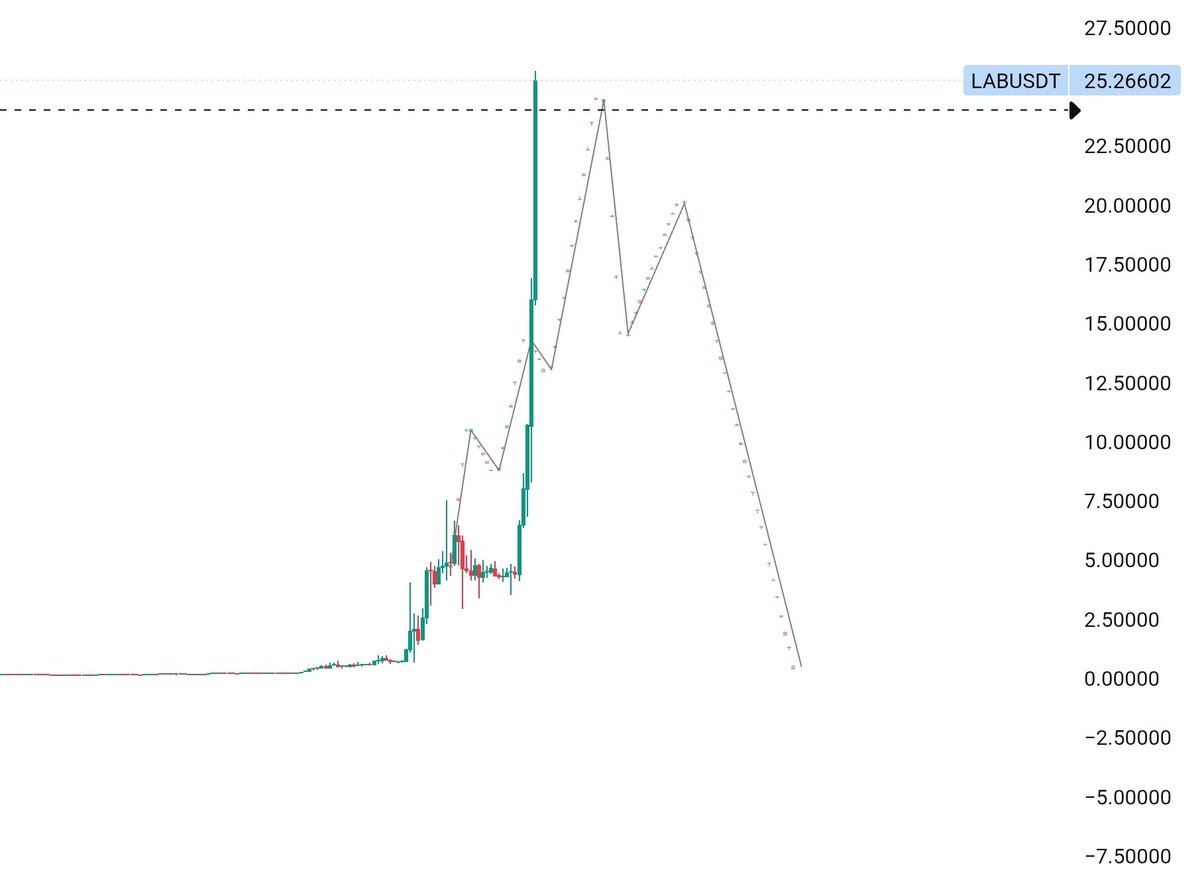
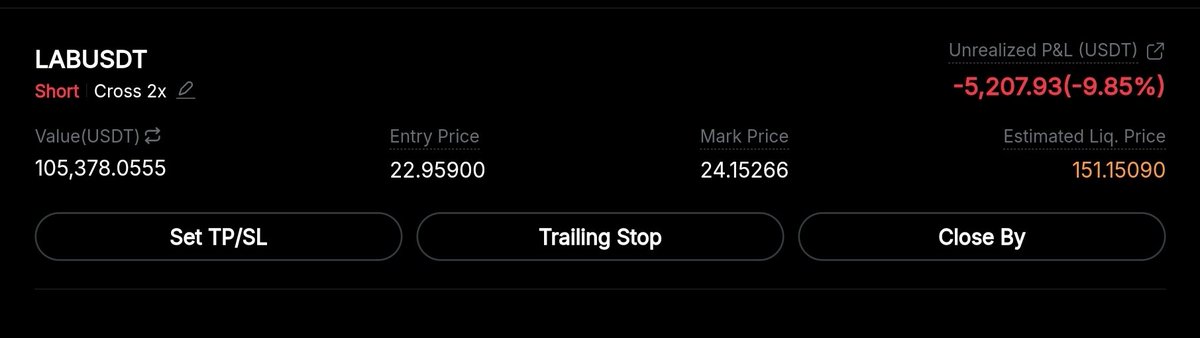
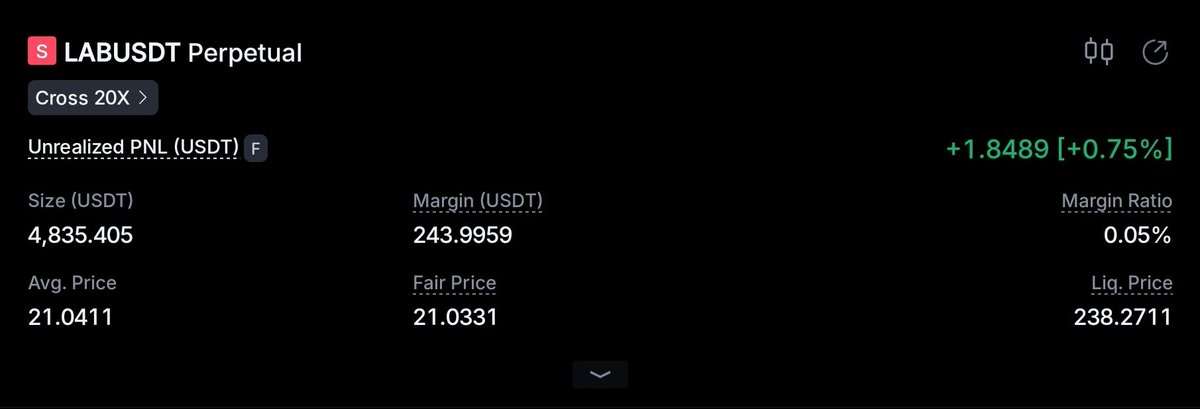
$LAB
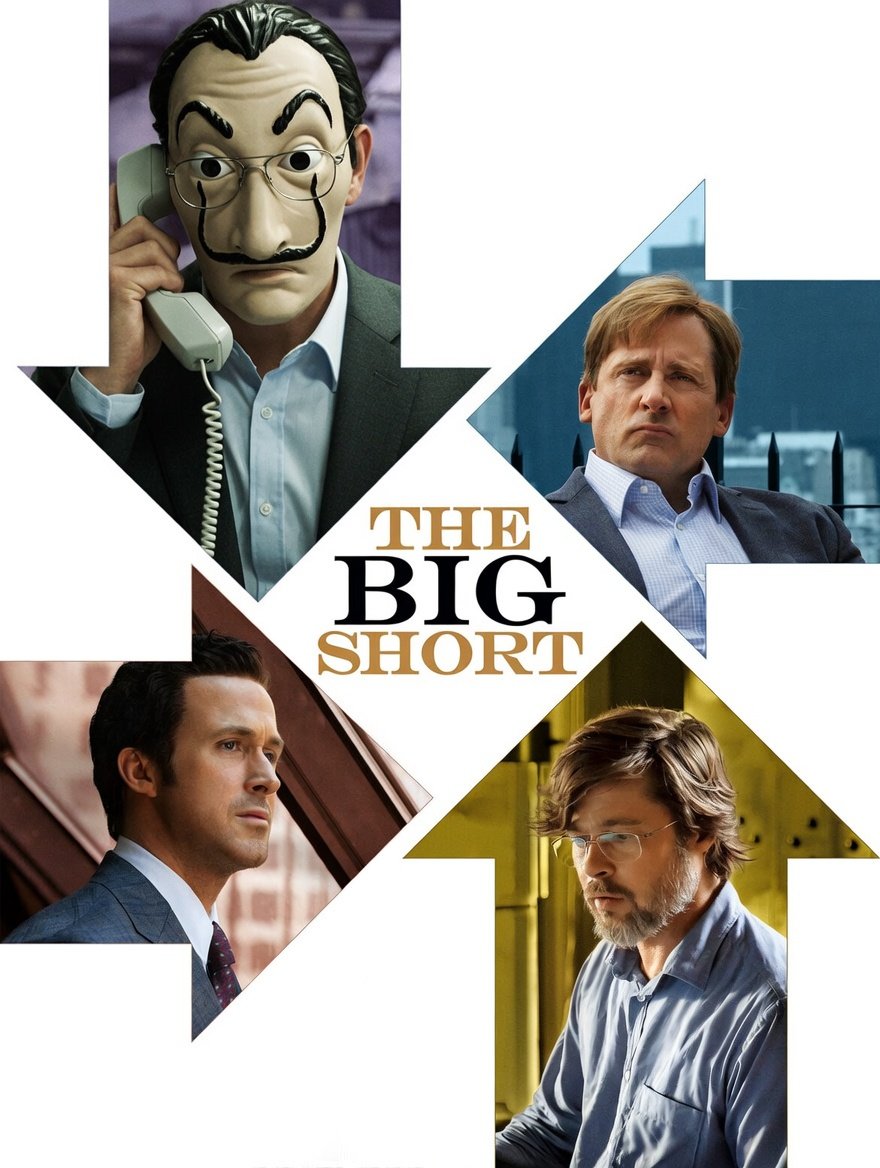

🚨 ALERT 🚨
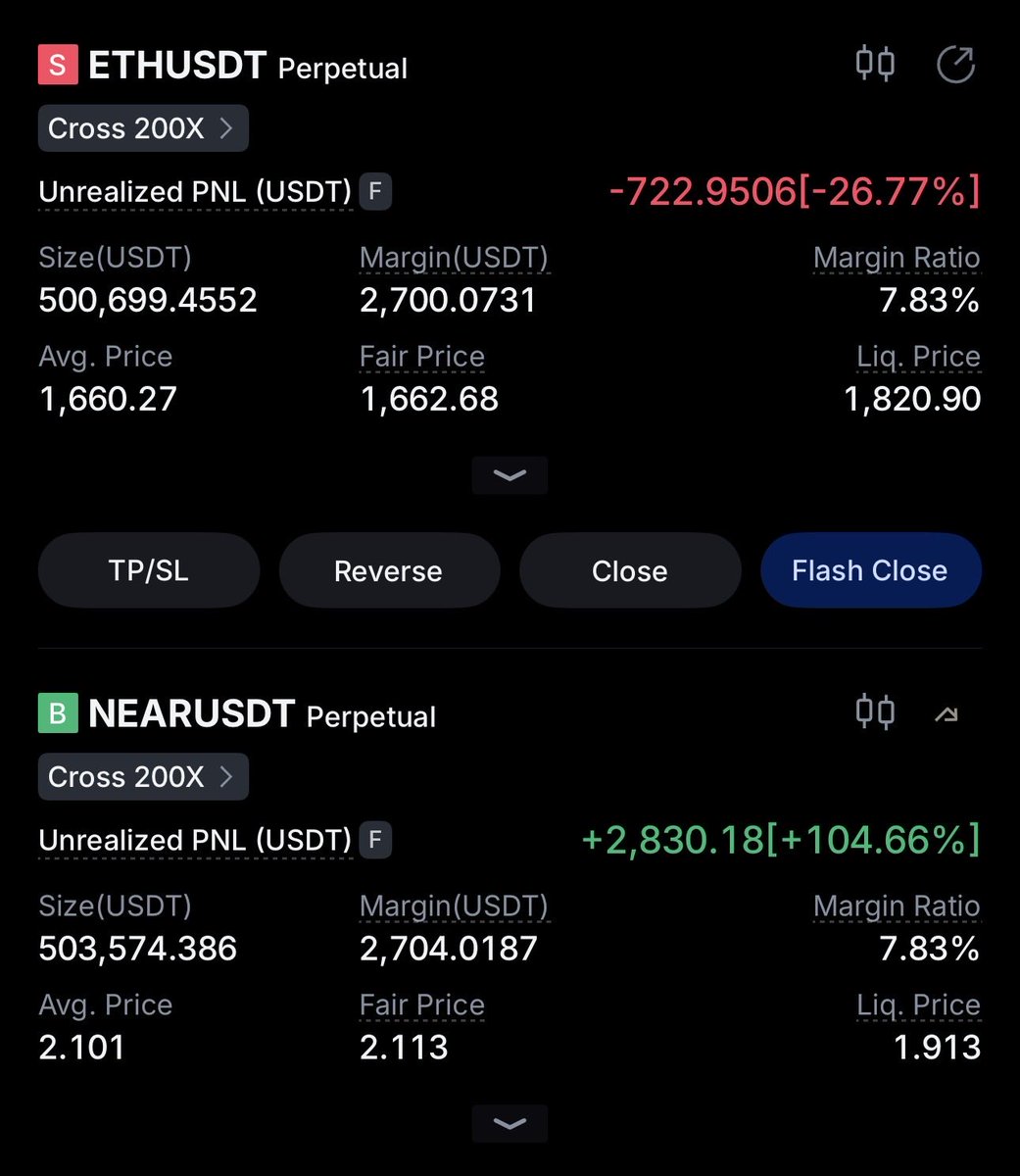
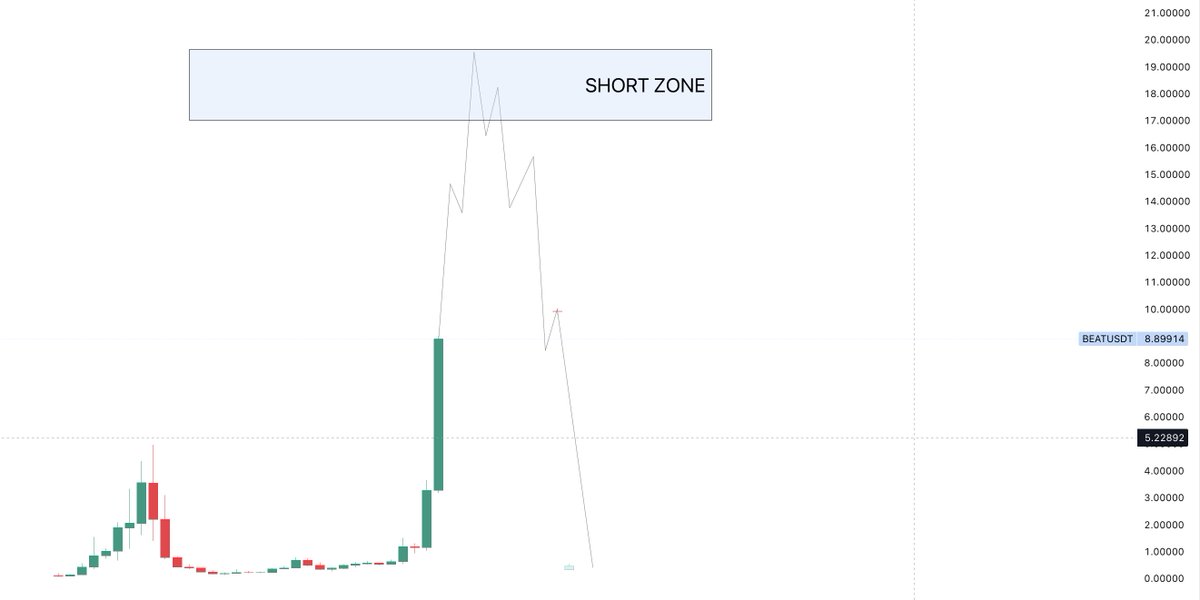
Shorted $100,000 of $LAB.
Also added another $5,000 short on a different account.
Let's fucking go.
I have enough margin and I'm comfortable with the risk.
Can it pump higher? Sure.
Will it become bigger than Bitcoin? No.
That's my thesis.
If needed, I can add more margin and sit through the volatility. I'm not trading for the next few hours. I'm trading for what I believe happens in the end.
Maybe I'm wrong.
Maybe I'm right again.
The market will decide.
$OM $RAVE And now $LAB.
Let's see what happens.
Professor
10
5
32
9,793
It’s amazing, isn’t it?
Two people look at the exact same chart.
They receive the exact same information.
They read the exact same analysis.
One says:
“Scammer. Impossible. Fake.”
The other says:
“What can I learn from this?”
The first spends his energy attacking.
The second spends his energy executing.
At the end of the day, one has comments.
The other has profits.
The market does not reward the loudest voice.
It rewards discipline, patience, and the ability to recognize an opportunity when it appears.
Biblically speaking, many stood before the same miracles. Some doubted, some believed. The miracle was the same the response was different.
The lesson:
Information alone does not create wealth.
Wisdom applied creates wealth.
One trader sees manipulation.
Another sees opportunity.
One sees reasons why it cannot work.
Another sees reasons why it might.
And the Lord multiplied what was placed in faithful hands.
Amen
4
3
13
689

Jun 15
This weekend I had the opportunity to spend several hours talking to someone from a special intelligence unit.
I expected to learn how they catch people.
Instead, I learned how they think.
The conversation was not about force, technology, or secret methods.
It was about patterns.
The truth is that people rarely become predictable because of what they say.
They become predictable because of what they repeatedly do.
A lie leaves a pattern.
Fear leaves a pattern.
Success leaves a pattern.
Failure leaves a pattern.
The trained eye simply learns to see what others ignore.
As I listened, I realized that this principle reaches far beyond intelligence work.
It applies to business.
It applies to life.
And it certainly applies to trading.
Most people think they are trading charts.
They are not.
They are trading human behavior.
Every candle is a decision.
Every trend is collective psychology.
Every crash is fear.
Every euphoric pump is greed.
The chart is merely the visible result of invisible human emotions.
The more I travel and the more exceptional people I meet, the more convinced I become of one thing:
God speaks through patterns.
In nature.
In history.
In human behavior.
Nothing in creation is random.
The seasons repeat.
The tides repeat.
Human nature repeats.
And because human nature repeats, opportunities repeat.
The wise are not necessarily those who know the most.
They are those who recognize the pattern before everyone else.
As it is written:
“There is nothing new under the sun.”
The game changes.
The technology changes.
The players change.
But human nature remains the same.
That is why the Professor is not studying charts.
The Professor is studying people.
Amen 🙏
7
3
18
1,243
Jun 15
Jun 14
15
5
38
7,092
Jun 14
Jun 14
9
4
50
7,426
Jun 14
10
3
35
18,392
Jun 13
When the Professor launches Copy Trading and his followers arrive at the family dinner
9
4
24
1,274
Professor Crypto 🧠 retweeted
Jun 12
5
6
16
2,158
Jun 12
7
6
18
4,160

Jun 12
Currently sitting on a plane, looking out of the window, taking some time to think and write.
I recently had a conversation with a billionaire.
And my biggest takeaway wasn’t about money, business, or investing.
It was about perspective.
Most people focus on what’s missing.
Successful people focus on what’s already there.
Ask someone how their day was.
Most people will tell you what went wrong.
The people who achieve extraordinary things often do the opposite. They focus on what they learned, what they gained, and what they’re grateful for.
What surprised me most was that when I showed him some of my trades and market analysis, he was genuinely interested and wanted to learn more.
Think about that for a second.
A person worth over $1 billion was excited to learn from someone else.
At the same time, there are people in comment sections spreading negativity and attacking others.
Life becomes much easier when you realize who deserves your attention and who doesn’t.
Another lesson:
I believe God built certain laws into this world.
What you focus on grows.
If you constantly focus on problems, you’ll find more problems.
If you focus on opportunities, you’ll start seeing opportunities everywhere.
Call it the Law of Attraction if you want.
To me, it’s simply one of God’s laws.
Gratitude attracts abundance.
Curiosity attracts knowledge.
Action attracts opportunity.
The quality of your life depends on the quality of the questions you ask.
Not:
“Why is this happening to me?”
But:
“What can I learn from this?”
“How can I improve?”
“What opportunity am I missing?”
“How can I help?”
The most successful people I have met often ask the simplest questions:
“What do you need from me?”
“How can I help?”
Value creates value.
Anyway, just some thoughts from seat 03B before landing.
Professor
10
8
25
1,202
Jun 11
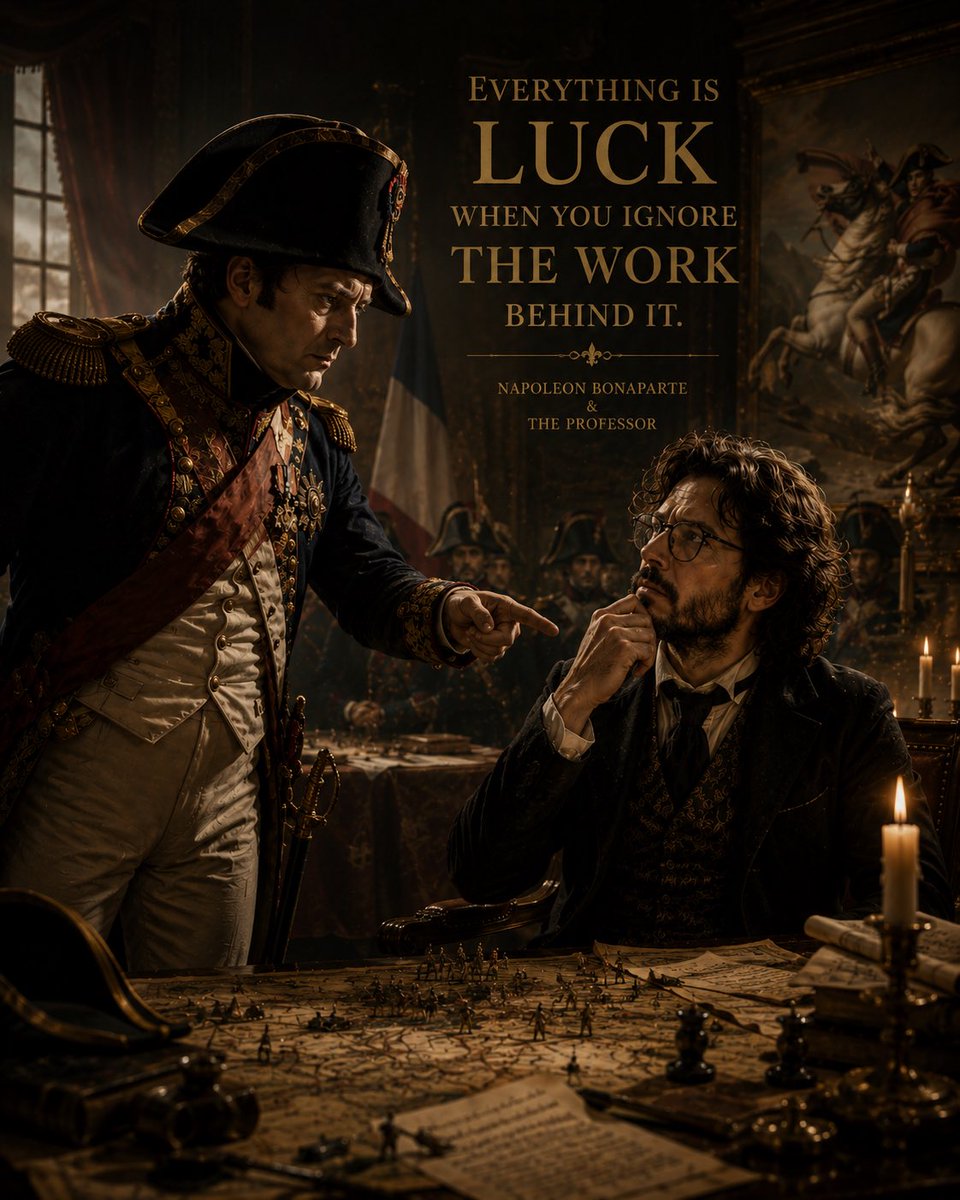
Lesson of the Day: What Is Luck?
The word luck is one of the most misunderstood concepts in human history.
Psychologists, statisticians, philosophers, and economists have studied it for decades, and their conclusion is uncomfortable:
What we call luck is often a combination of probability, preparation, and survivorship bias.
Humans are wired to see results, not processes.
When we observe someone becoming wealthy, building a great company, or making a perfect trade, our brains create a simple story:
“He got lucky.”
Why?
Because the alternative is more difficult to accept.
The alternative is that success may have required thousands of hours of invisible work, years of uncertainty, countless failures, emotional pain, discipline, and persistence when nobody was watching.
Research in cognitive psychology shows that people systematically underestimate preparation and overestimate chance when evaluating the success of others.
Nassim Taleb described this phenomenon beautifully:
We observe the winners and forget the graveyard of those who tried and failed.
This is called survivorship bias.
Luck exists.
Being born in a stable country is luck.
Meeting the right person is luck.
Being healthy is partly luck.
Being alive at the right moment in history is luck.
But luck alone rarely creates greatness.
A lottery winner receives money through luck.
A great investor compounds wealth for decades through skill.
One is random.
The other is prepared to benefit when randomness presents an opportunity.
In statistics, there is a concept called “surface area for luck.”
The more attempts you make, the more people you meet, the more skills you develop, the more risks you take, the larger your surface area becomes.
The world calls the outcome luck.
Mathematics calls it increased probability.
The ancient Stoics had a different definition:
Luck is when the things outside your control meet the things inside your control.
You cannot control the wind.
You can control the sails.
And perhaps that is the deepest definition of luck:
Luck is not the cause of extraordinary lives.
Luck is the reward that often arrives after years of preparation, disguised as coincidence.
The unprepared person sees a miracle.
The prepared person sees an opportunity.
Professor 🎩
11
9
20
1,744