Bringing people together to strengthen collaborations, synthesize science, and enhance science application to fire management challenges.
Joined May 2012
- Tweets 2,534
- Following 351
- Followers 2,272
- Likes 2,537
342 Photos and videos
Pinned Tweet

29 Sep 2023
What is NRFSN? Watch this new promo video to learn more about what we do youtu.be/MwXczk4EgCE
1
2
1,087
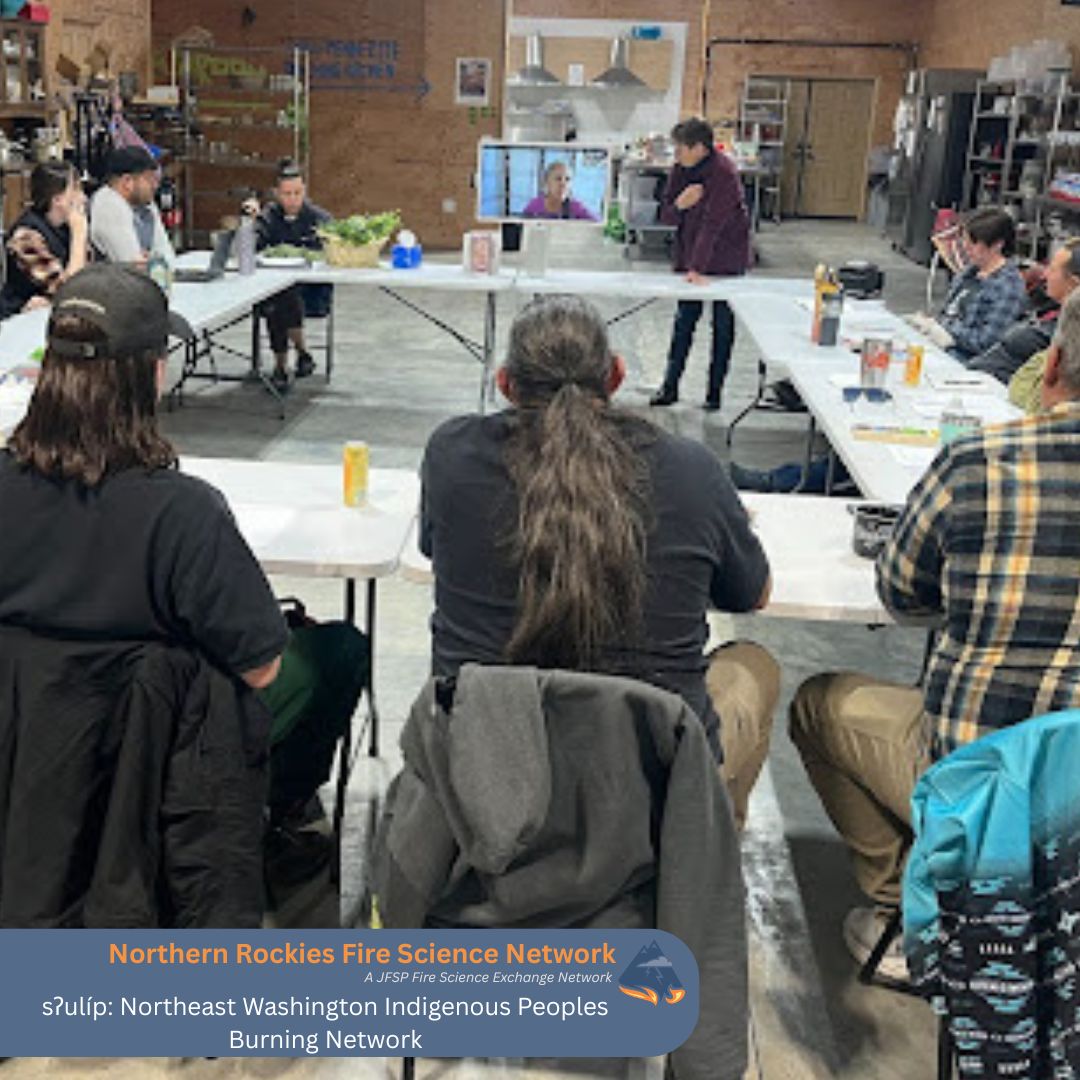
Learn about sʔulíp, a recent addition to the Indigenous Peoples Burning Network, restoring cultural burning practices and supporting Indigenous fire sovereignty in Northeast Washington. buff.ly/co2XR0c
33
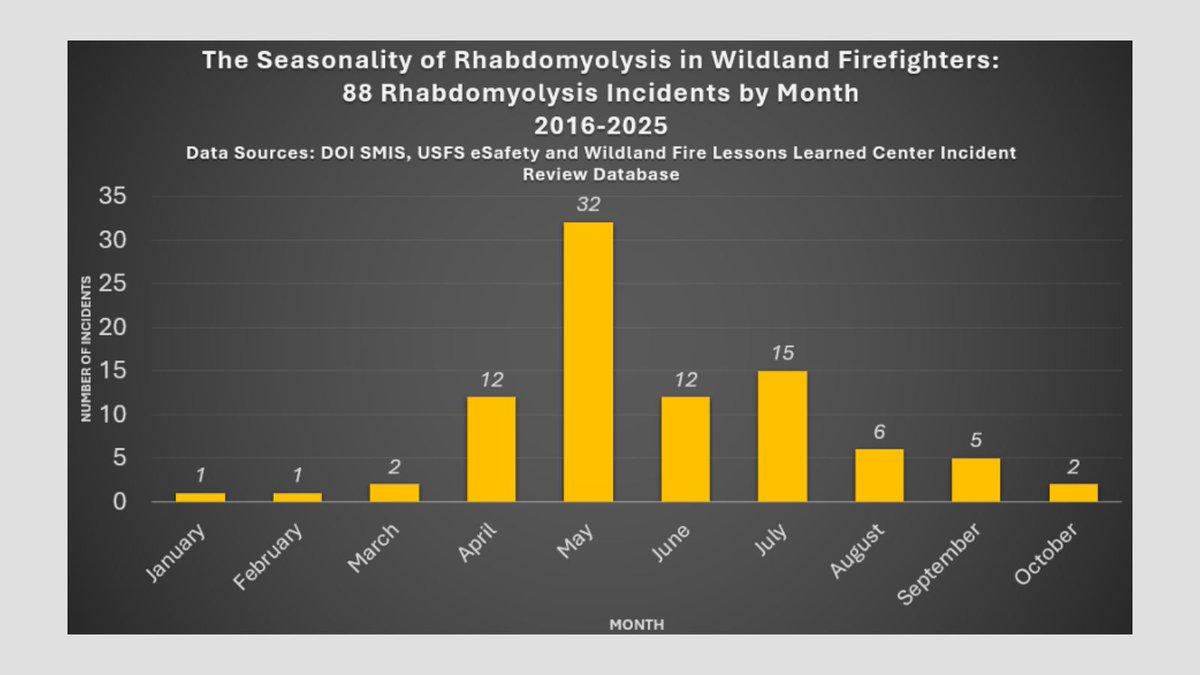
The NWCG Risk Management Committee has issued a safety bulletin about thabdomyolysis in wildland firefighters. Rhabdo is common at this time of year during work capacity tests. Be aware of the signs! buff.ly/qM3Tq7d
2
49
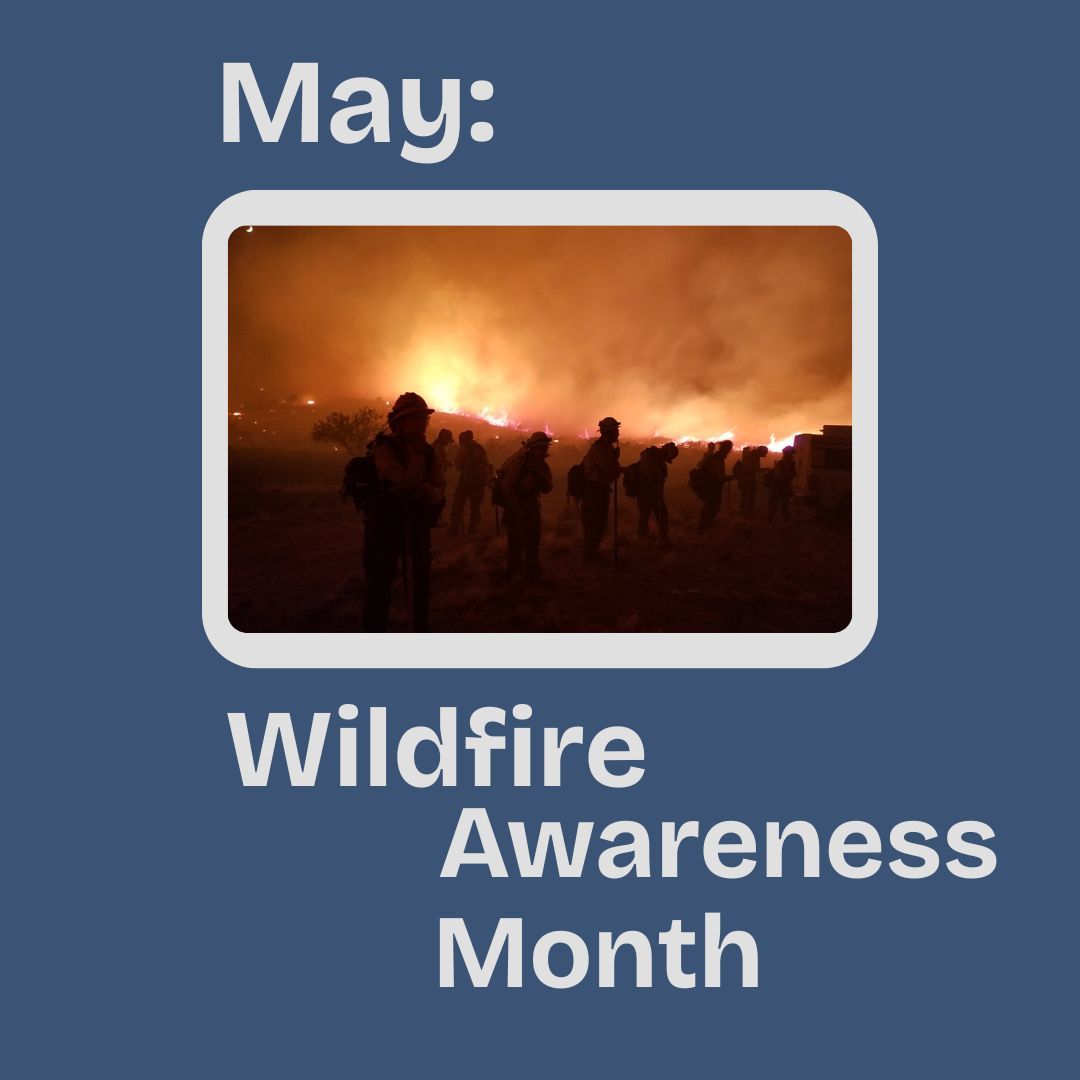
May is Wildfire Awareness Month. Our website offers a wealth of resources to help people learn more about fire in the Northern Rockies. Looking to spread the word? Send them to nrfirescience.org
2
55
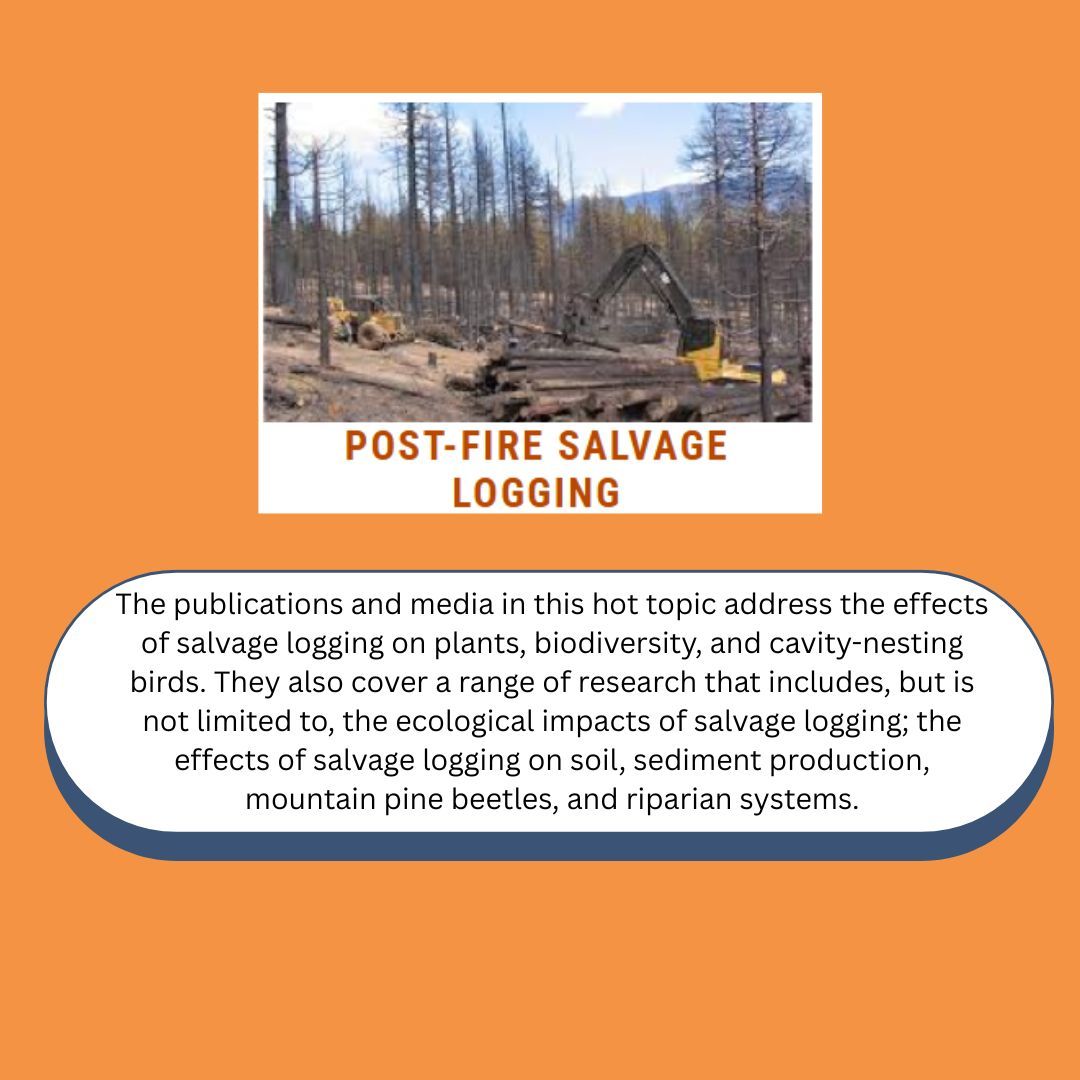
Interested in learning more about post-fire salvage logging? Check out our Hot Topic on the subject: buff.ly/lx96IBI
61
May webinar roundup! There's a lot going on this month. Visit our website for a full list of webinars and registration details. buff.ly/IiOuJBv
1
1
70
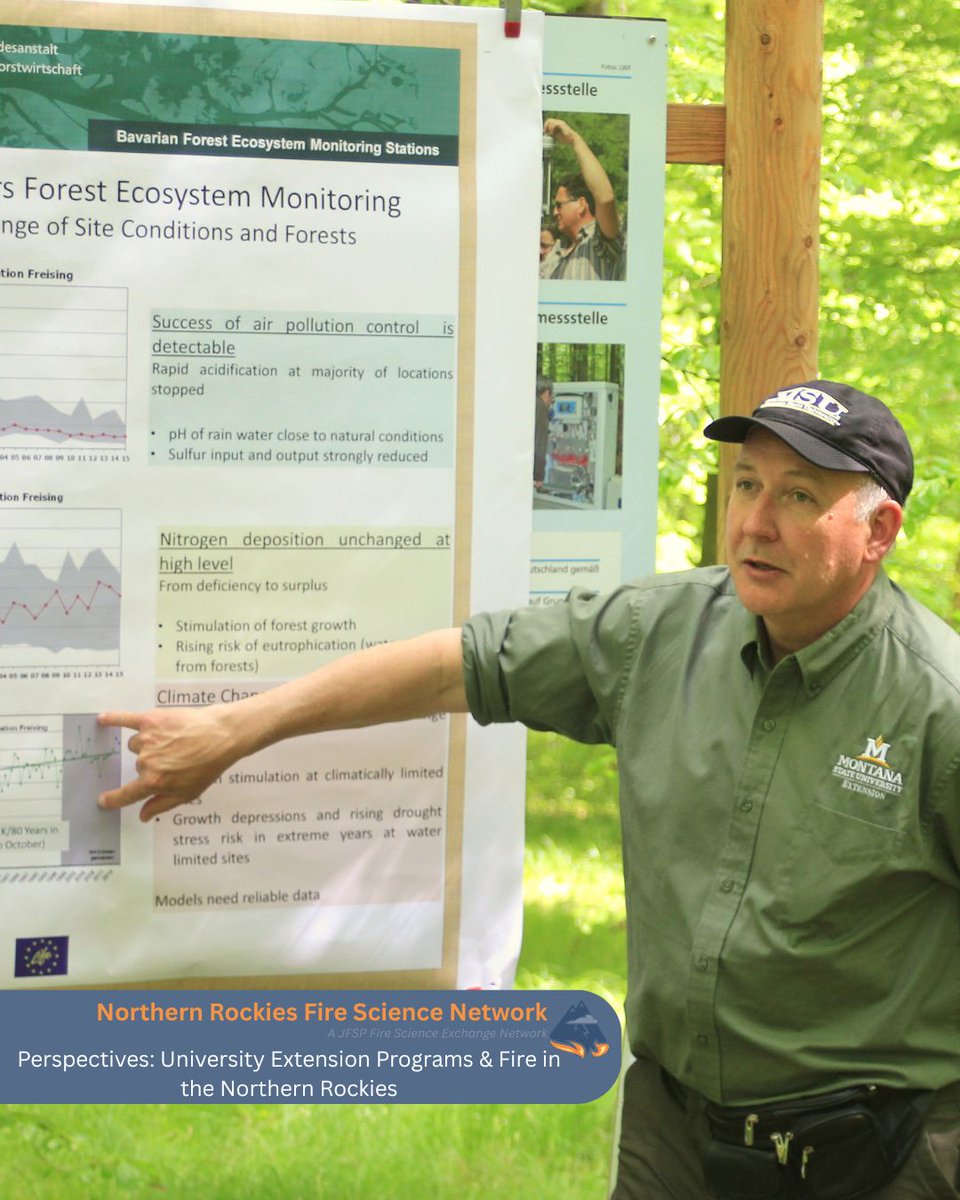
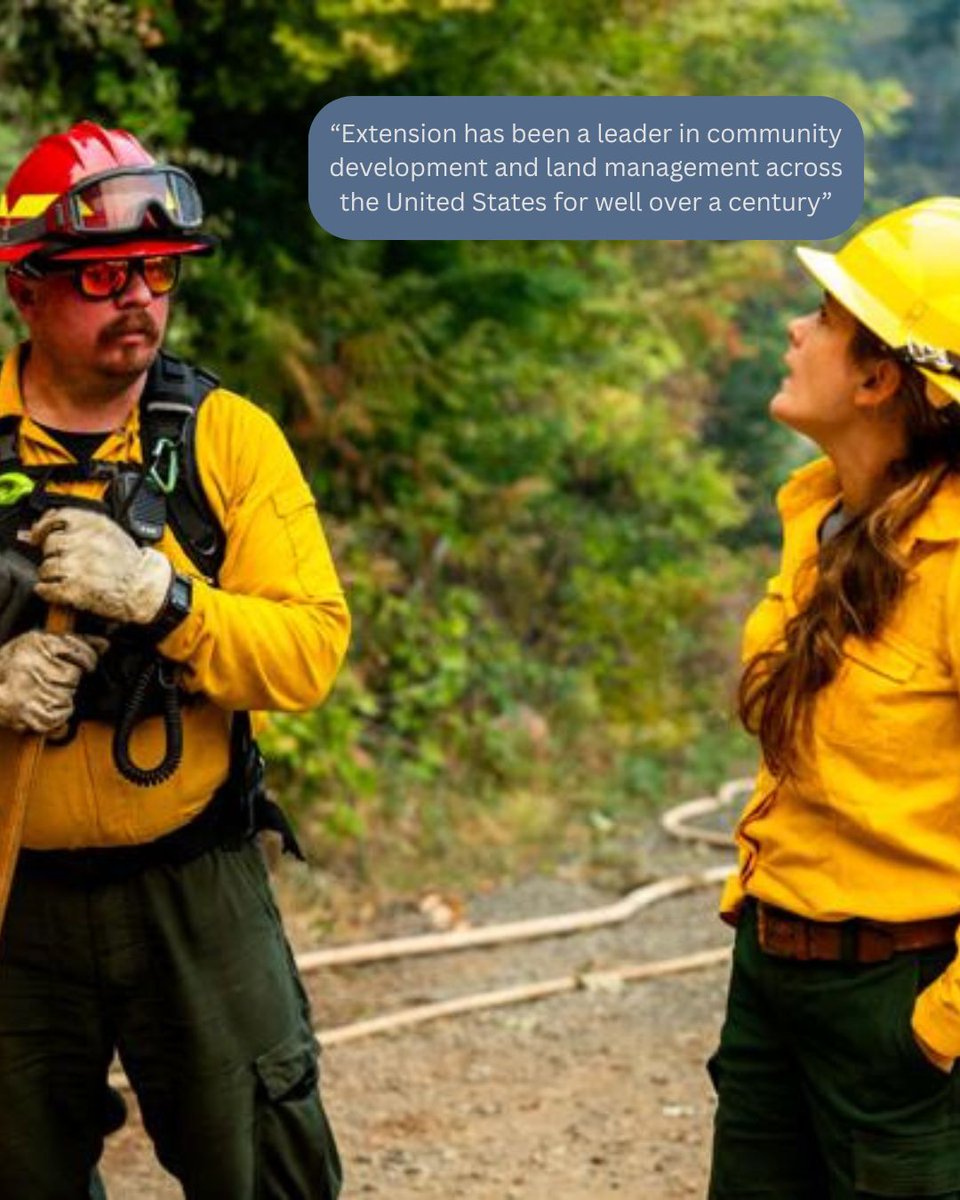
How do university extension programs incorporate wildfire education and adaptation into their work? Read our latest Perspectives piece to find out: buff.ly/MDRgdw2
44
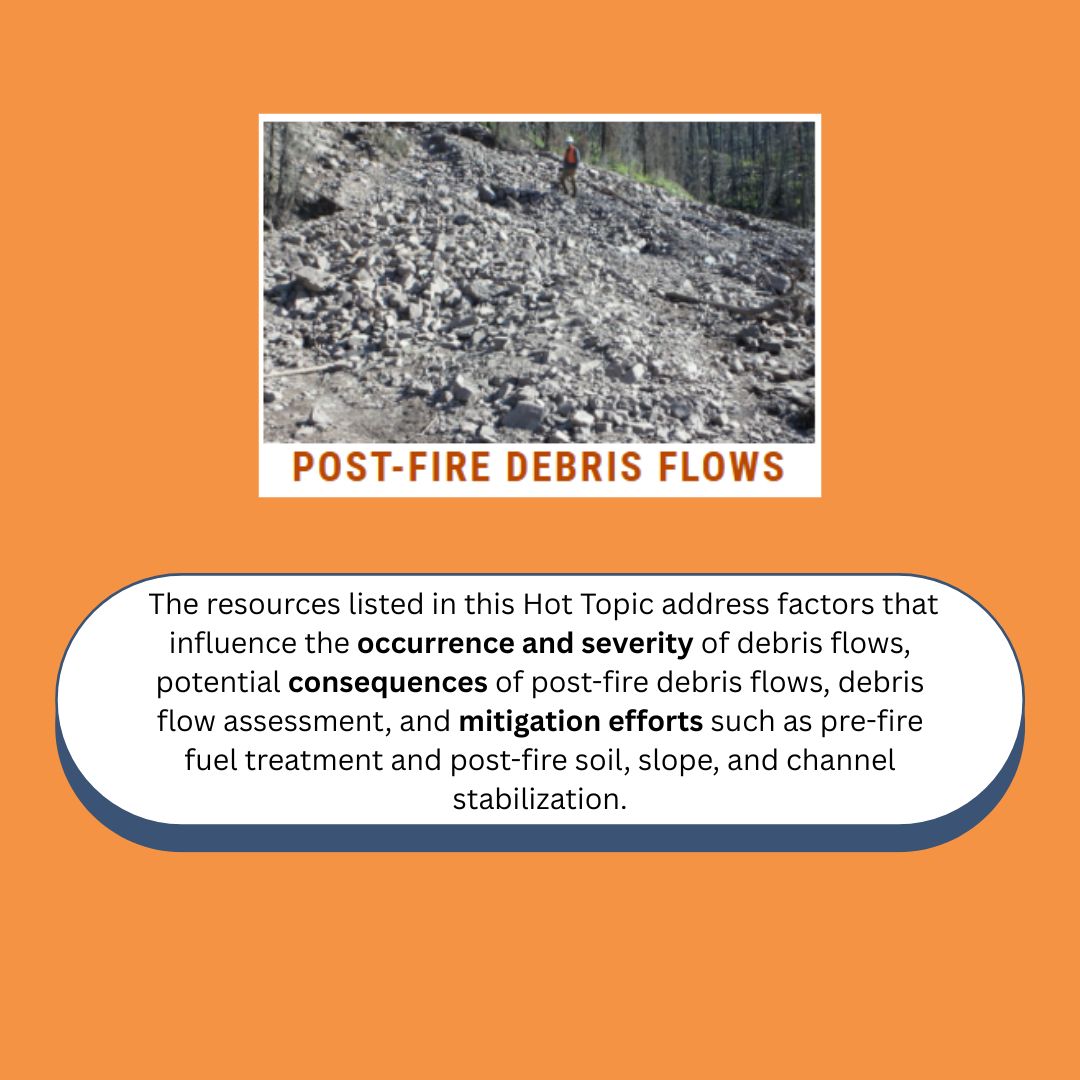
Want to learn more about post-fire debris flows? Check out our Hot Topic page, developed in partnership with Montana State University and the Rocky Mountain Research Station. buff.ly/XqDRj2X
47
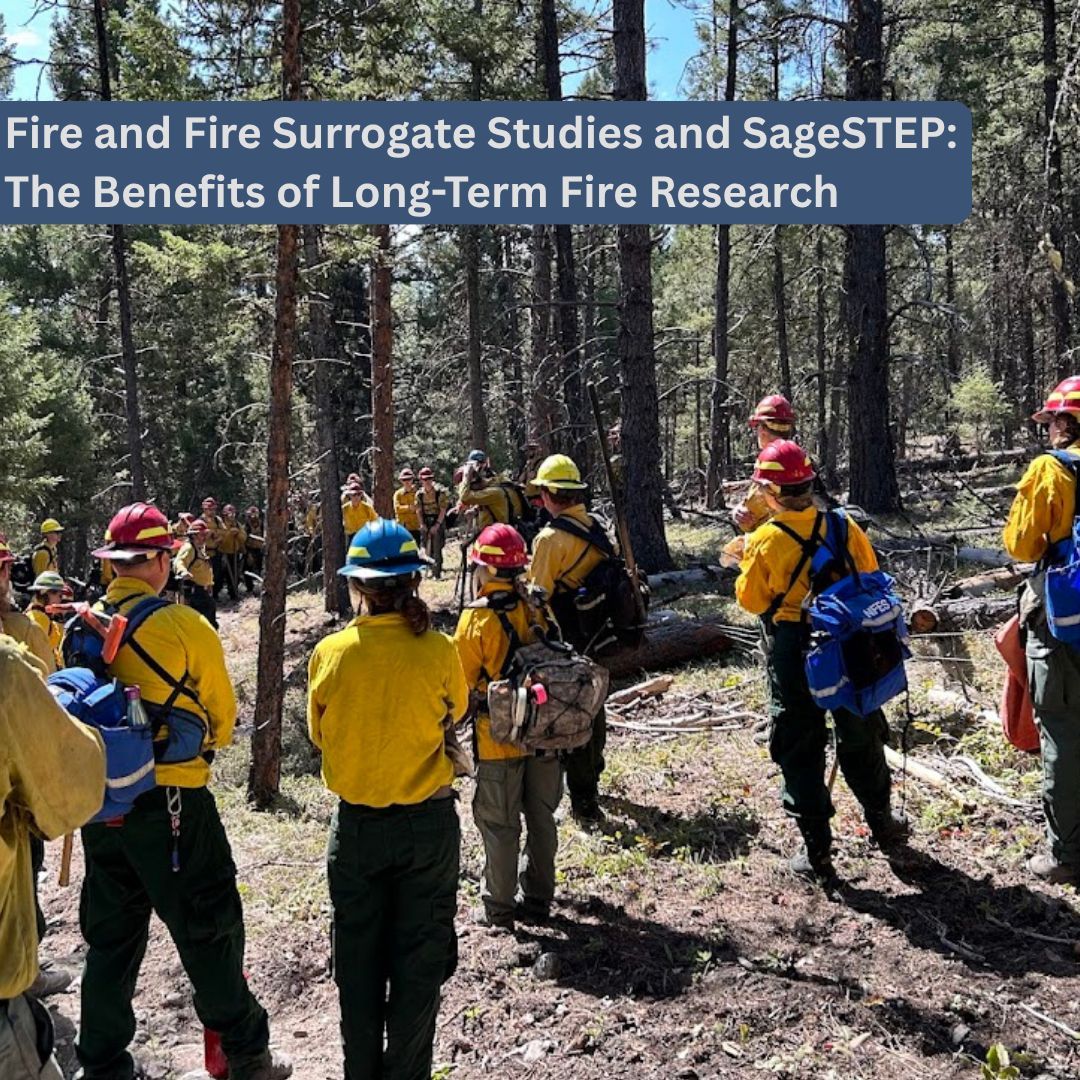
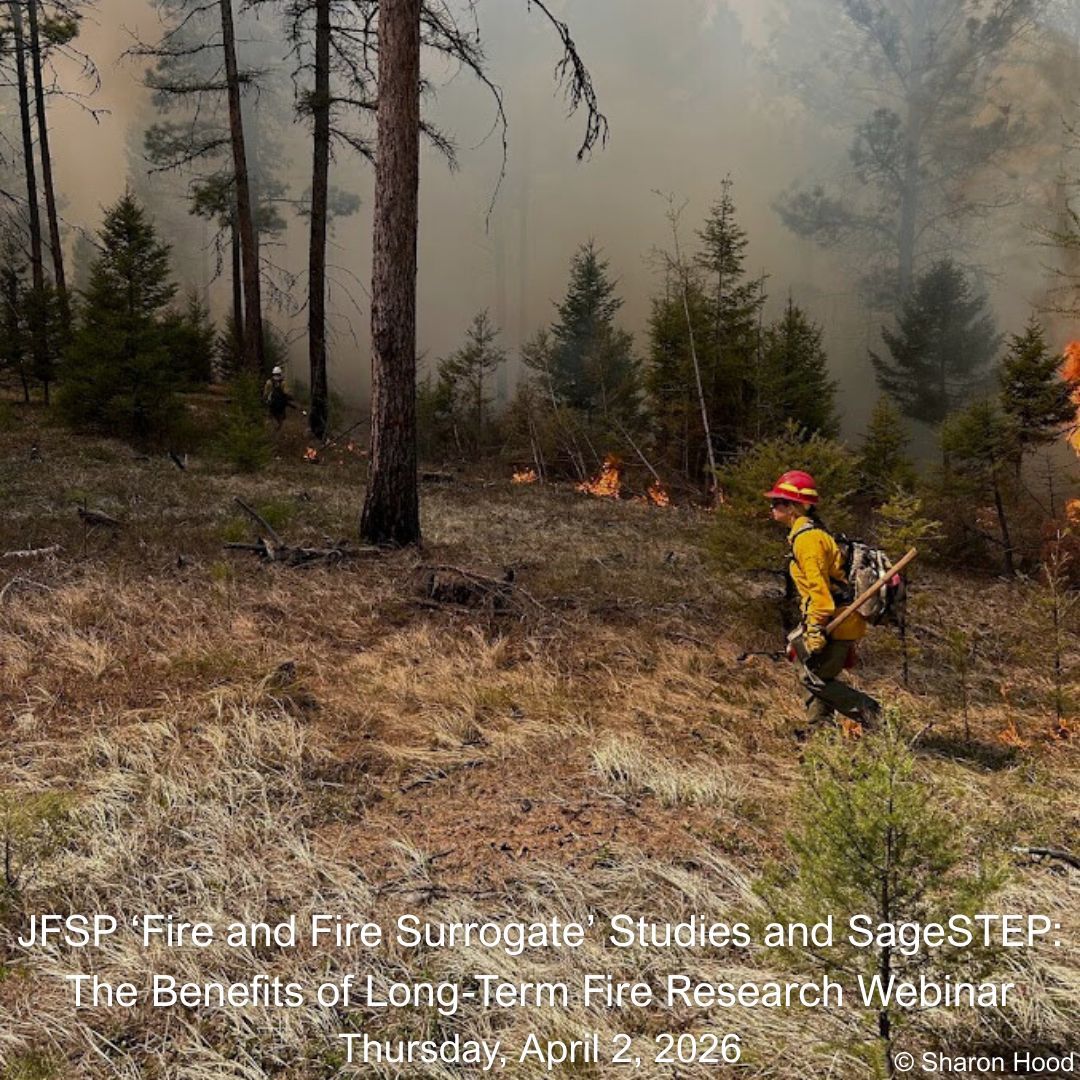
Recording posted! Revisit the webinar that takes an in‑depth look at two of the most influential long‑term fire research efforts supported by @firesciencegov: the Fire and Fire Surrogate Study and the Sagebrush Steppe Treatment Evaluation Project. buff.ly/McH4WxO
34
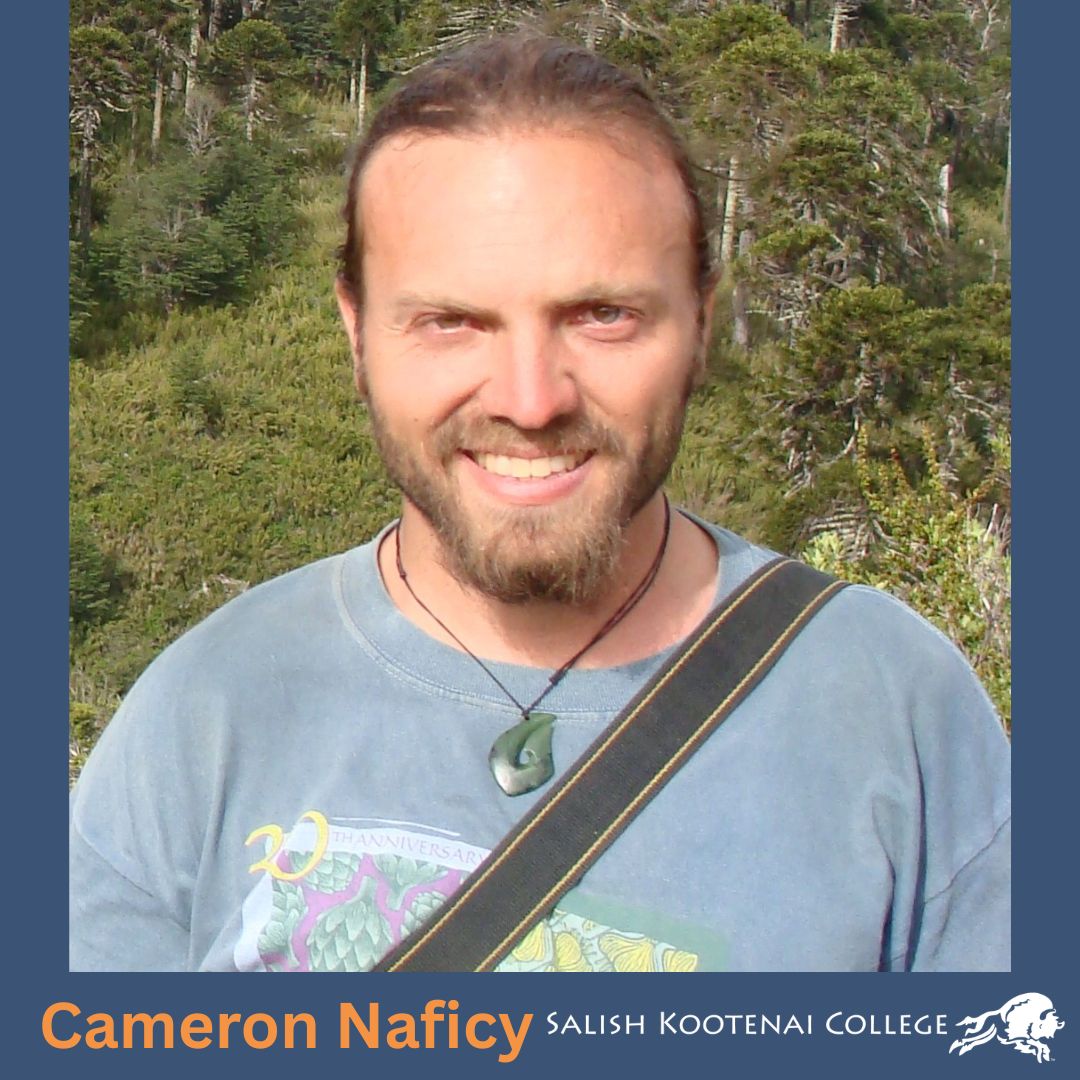
We're excited to welcome Cameron Naficy to our Project Team! Cameron is a professor of wildland fire at Salish Kootenai College, a longstanding NRFSN partner. See our full Project Team here: buff.ly/bJJbOhy
92
Northern Rockies Fire Science retweeted

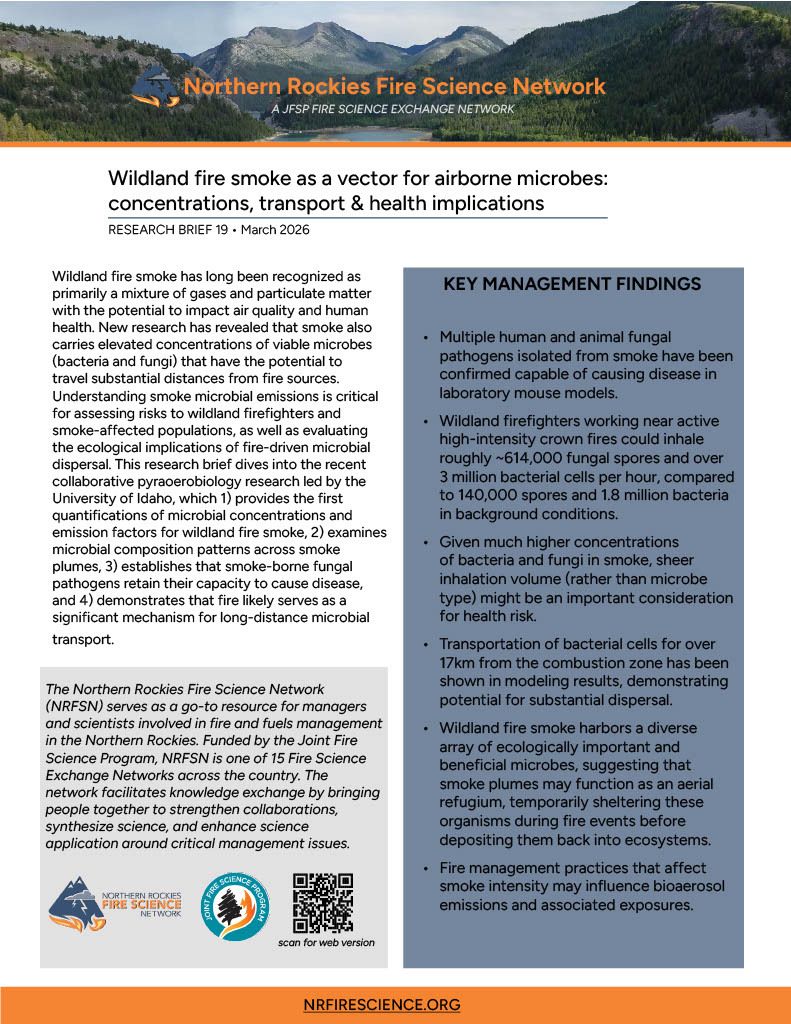
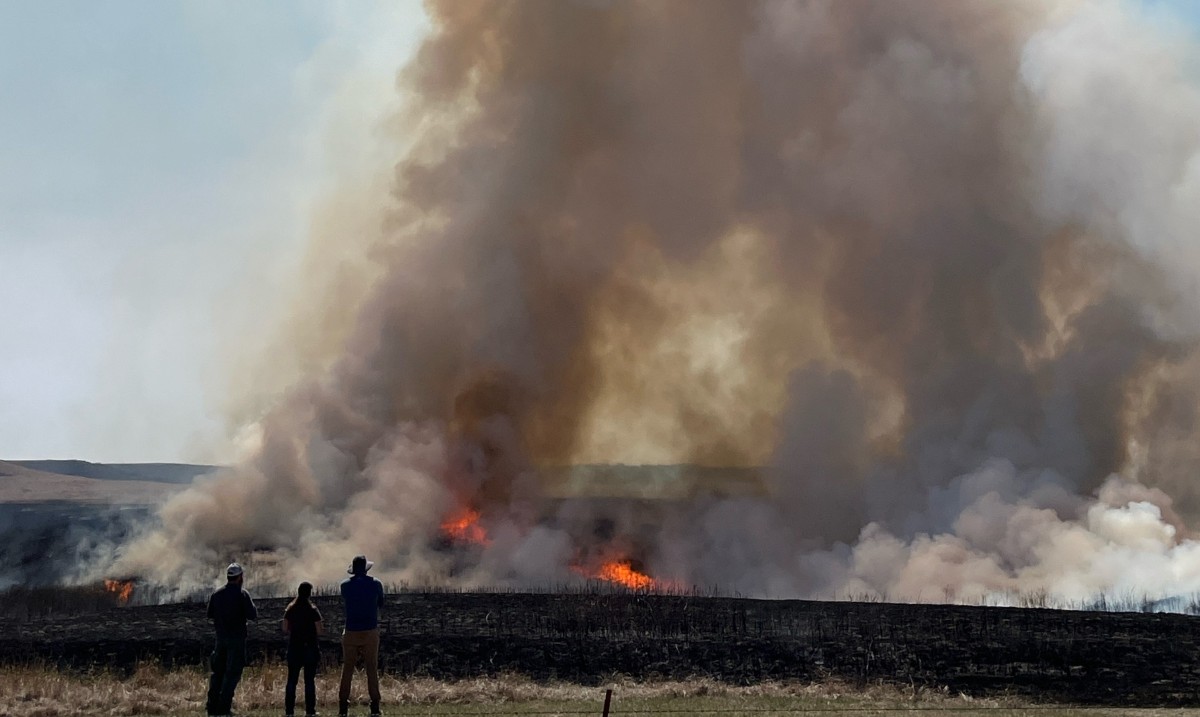
Explore new research briefs from @nrfirescience. One is on the redesign of federal prescribed fire training. Another looks at wildland fire smoke as a vector for airborne microbes, including concentrations, transport & health implications. Read the briefs nrfirescience.org/science-re…
2
4
307
Our April newsletter is in your inbox now! In this edition, we welcome a new project team member, share a new research brief, and much more! Read it here: buff.ly/ZLN4wmf
29
Northern Rockies Fire Science retweeted
Will you be in Missoula for the 2026 North American Forest Ecology Workshop? @nrfirescience is co-hosting a field trip to one of the National Fire-Fire Surrogate Study Sites to explore 25 years of fuel treatments at the Lubrecht Experimental Forest. nafew2026.org/
3
7
207
Northern Rockies Fire Science retweeted
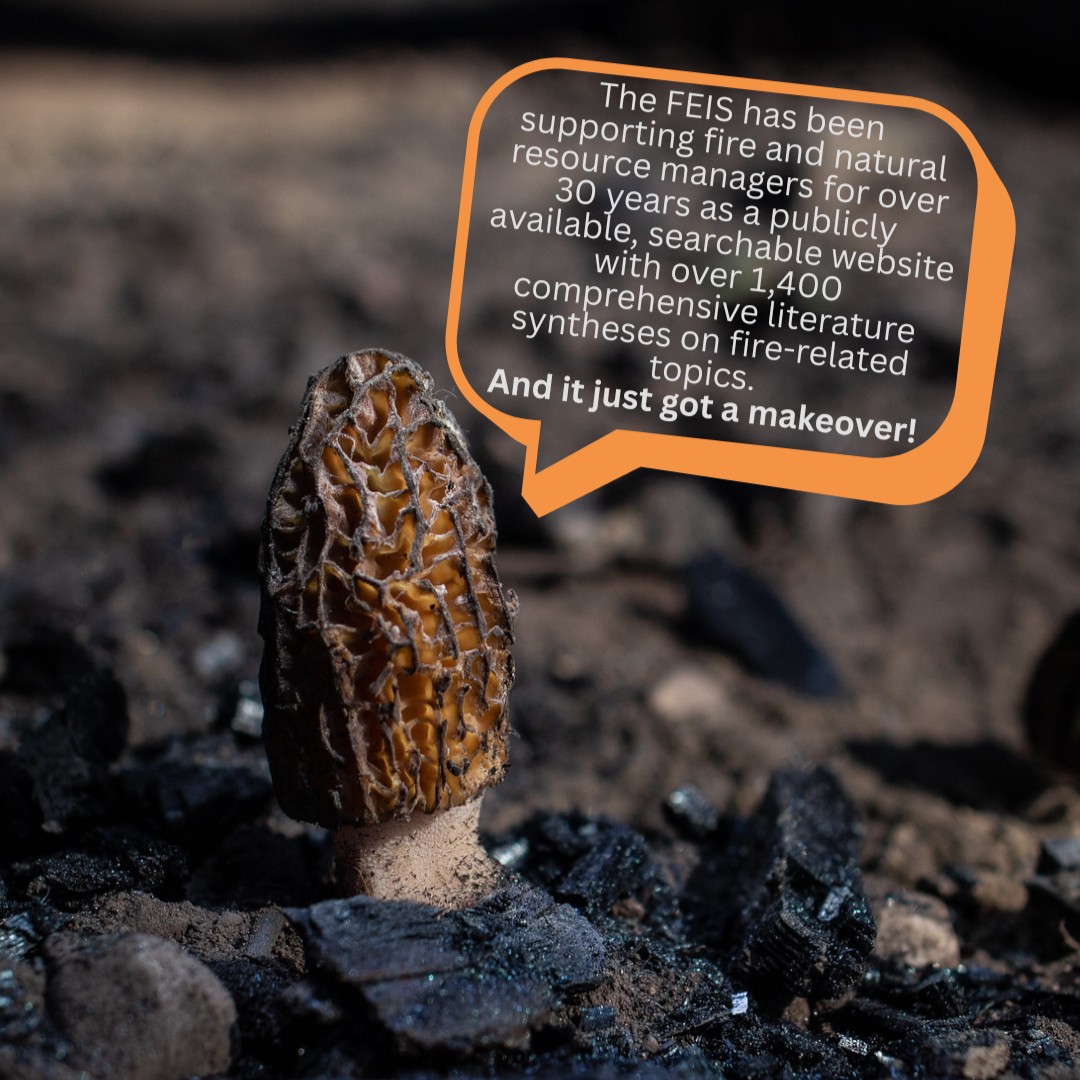
Did you know the Fire Effects Information System just got a makeover? Led by @nrfirescience co-investigator, Ilana Abrahamson, the new website makes accessing fire resources easier than ever. Explore over 1,400 literature syntheses on fire-related topics: research.fs.usda.gov/feis
2
2
206
Don't miss this webinar! Happening this Thursday, April 2, at 11am MST. The webinar will explore the results and benefits of two Joint Fire Science Program-funded long-term (20-year) research projects. Register here: buff.ly/SVaMnon
3
49
The Missoula Fire Lab Seminars continue! Seminars are offered on Thursdays from 11:00am to 12:00pm MST. Visit our upcoming events page to register for tomorrow's webinar: buff.ly/YgePJw5
1
2
68
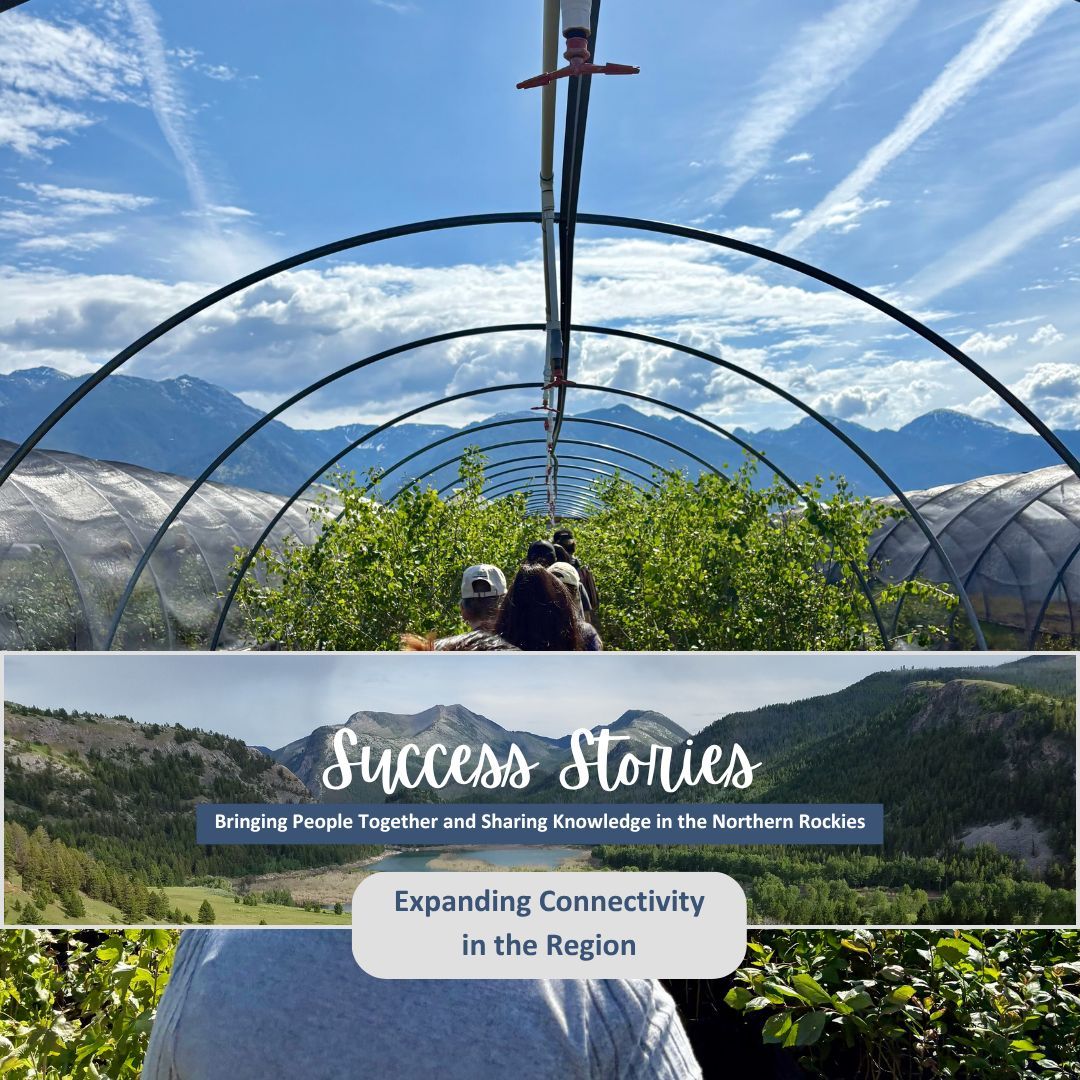
Building a system of strong relationships throughout the region is an ongoing project for NRFSN and a focus for FY2025. Read about our new partnerships, expanded outreach, and recent connections in our last Success Story highlight: buff.ly/lMxyZ24
1
28
Check out our latest research brief! Understanding smoke microbial emissions is critical for assessing risks to wildland firefighters and smoke-affected populations, and evaluating the ecological implications of fire-driven microbial dispersal. Read it: buff.ly/YJeAvfk
2
2
86