73 Photos and videos





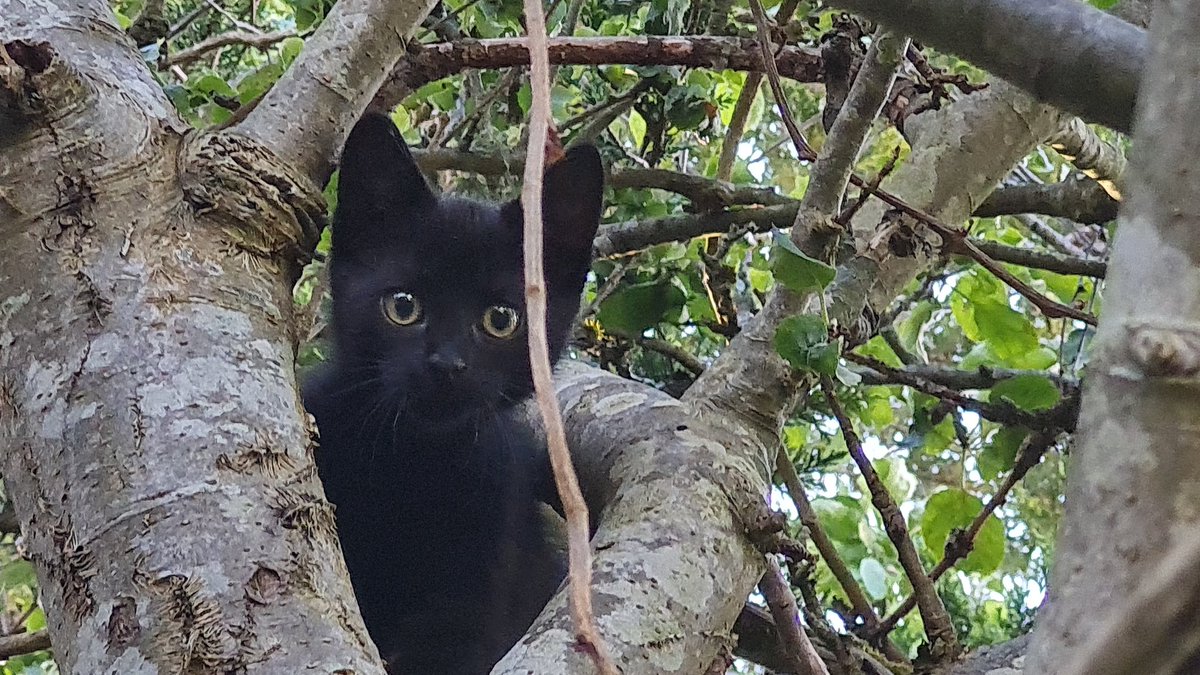
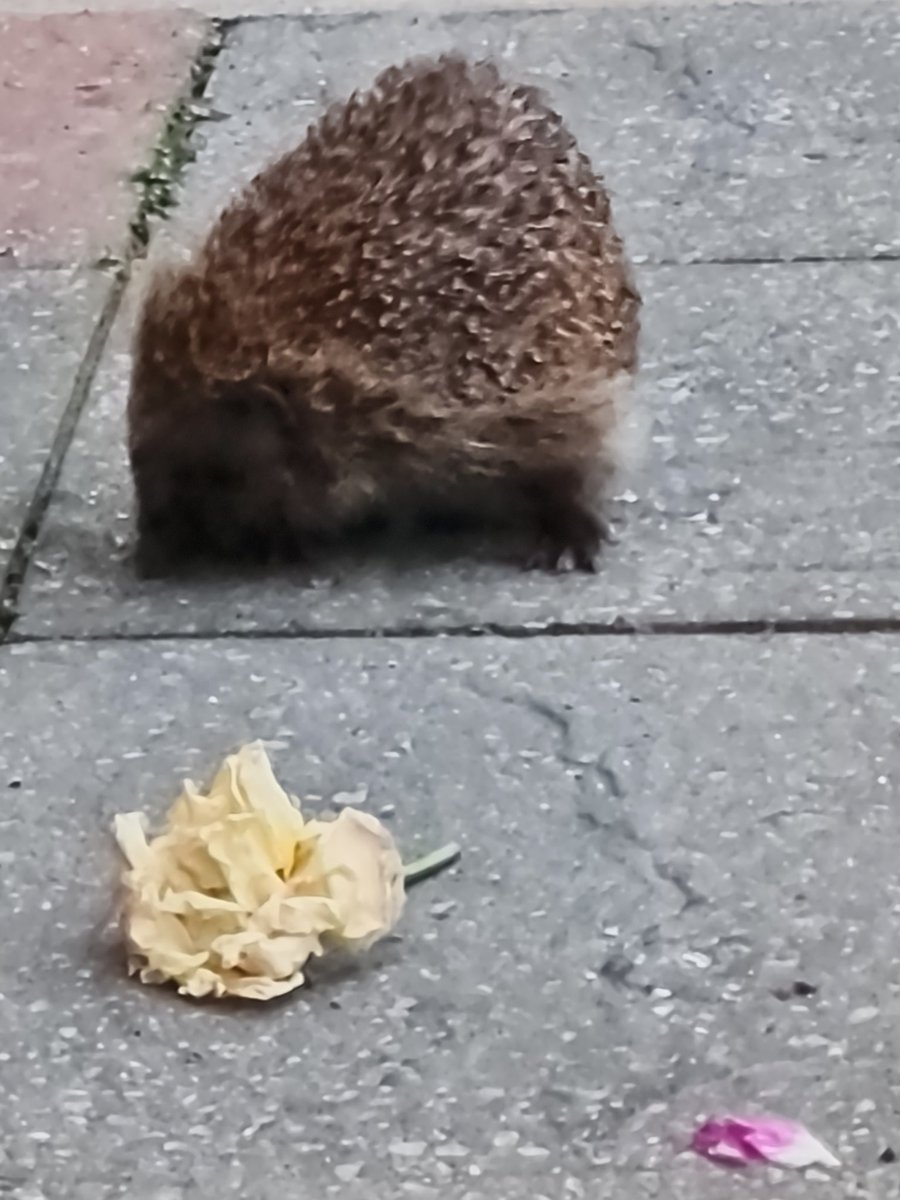

Second-level schools are coming under increased pressure to introduce individual electronic devices for students as a result of a new senior cycle curriculum rte.ie/news/education/2026/0…
25
16
31
35,279
Ian Clancy retweeted

5 Jun 2025
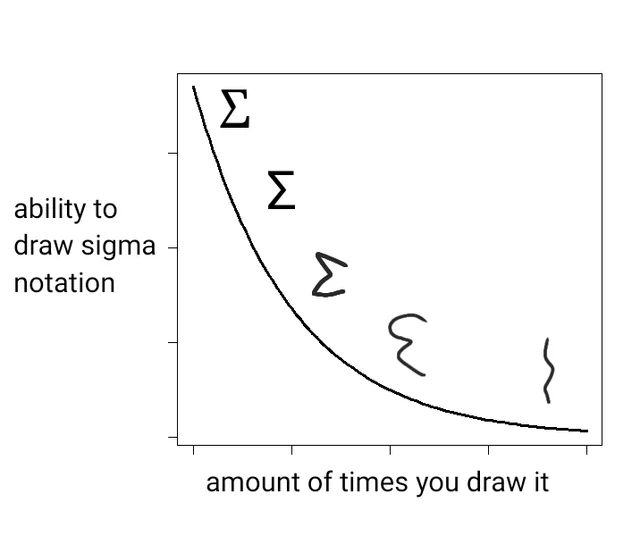
My writing in every math lecture
12
124
1,380
39,206
Ian Clancy retweeted

29 Apr 2025
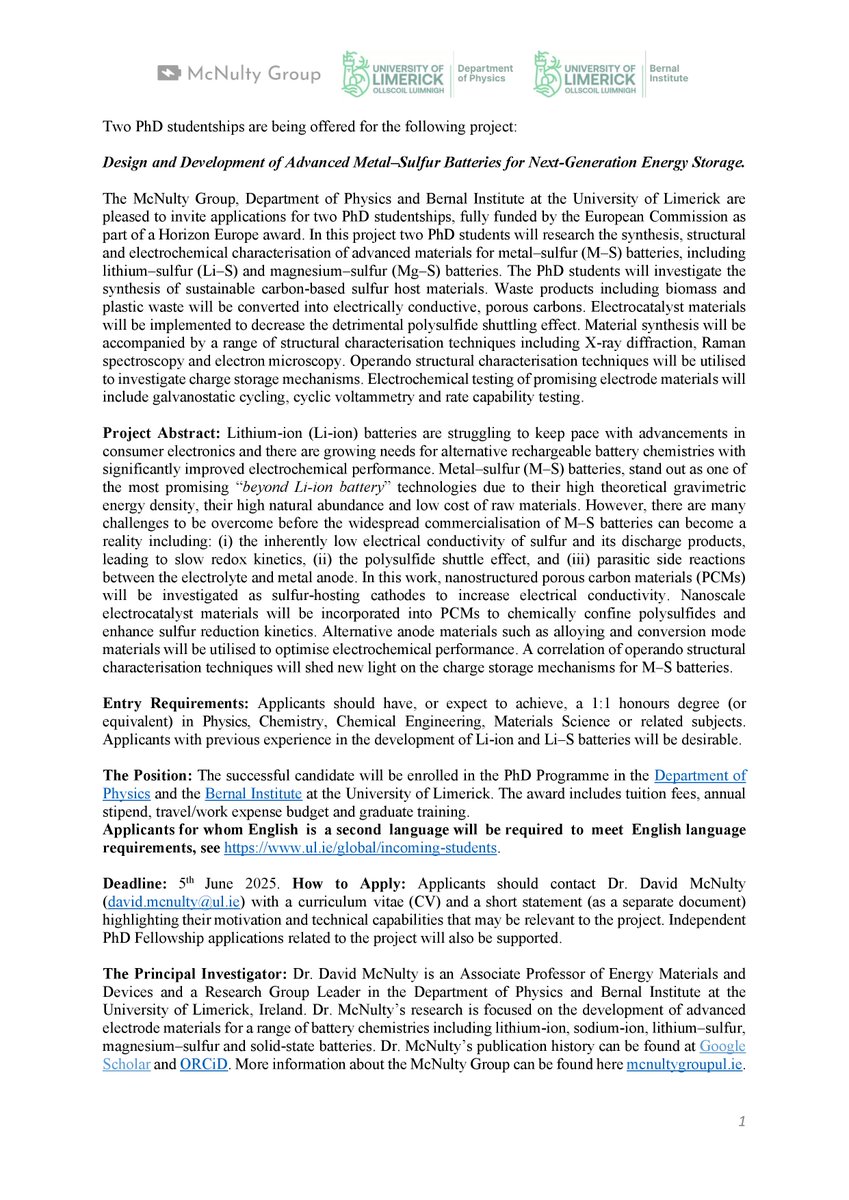
Two fully funded PhD positions are available in the Department of Physics and Bernal Institute in the University of Limerick to develop materials for metal–sulfur batteries. 🔋 🔋
𝗗𝗲𝗮𝗱𝗹𝗶𝗻𝗲 𝗳𝗼𝗿 𝗔𝗽𝗽𝗹𝗶𝗰𝗮𝘁𝗶𝗼𝗻𝘀: Thursday 5th June 2025.
Reposts appreciated!
8
12
1,043
Ian Clancy retweeted

26 Feb 2025
I have a pi-day challenge for all the physics students among you (or anyone willing to set up an experiment). If you share your results with me by March 10th, I may feature them in a video, depending on how good the results are and how many I get.
Many years ago I made this video about how two colliding blocks on a frictionless plane can compute pi. My challenge to you is simple: Implement this in practice.
The original puzzle assumes zero friction and zero energy loss in collisions, so obviously there are limits to how far you can get. I can tell you the real limiting factor is energy lost in collisions, more so than friction.
Also, it's a wildly inefficient way to compute pi, to even get "3.14" you'd need this to work with a 10,000-to-1 mass ratio and have a way to count all 314 collisions. Matt Parker and I actually gave this a go, and the results were...okay, but could definitely have been improved :)
Note, there's no reason to restrict yourself to powers of 100. For example, you could use powers of 4 to compute pi in binary. A mass ratio of 64-to-1 should give 25 collisions, which is 11001 in binary, and pi looks like 11.001...
More generally, with a mass ratio of N-to-1, the number of collisions is around π / arctan(1 / sqrt(N)). So any big mass ratio gives you an approximation of pi by multiplying the number of collisions by arctan(1/sqrt(N))
If you do this, you can reach out to the channel via this page: 3blue1brown.com/contact
Be sure to have a link to footage of the experiment. If anyone can get it to work with 100-to-1, I'd be happy, and if anyone can do it for 10,000-to-1, I'd be both delighted and amazed.
42
205
2,536
177,317
Ian Clancy retweeted

22 Jan 2025
Was at a Physics day on Monday. The experiments are to be supervised but the write ups don't have to be. I asked about the use of generative AI. If they can tweak the prompts to produce a great output, it shows that they understand the subject was the message I got back
2
4
4
1,941
Ian Clancy retweeted

7 Jan 2025
My official retirement video for @sixtysymbols (though @BradyHaran might tempt me to make some emeritus productions…).
youtu.be/axN5sveQ06M
19
6
85
3,391
Ian Clancy retweeted

5 Jan 2025
Doing VHS archaeology to train AI on very unique data sources has afforded me to see things. I suspect I should’ve never of seen sometimes I believe blank tapes manifest images and conjure up a past that only quantum physics can explain.
Schrödinger’s Spock:
76
103
642
58,175
Ian Clancy retweeted

20 Dec 2024
We are deeply concerns at the naive and negligent attitude of the Department of Education towards the integration of AI into teaching and learning and, in particular, project based work for assessment. gov.ie/pdf/?file=assets.gov.…
2
12
33
5,373
Ian Clancy retweeted
13 Dec 2024
The ISTA has issued a important statement on the Additional Assessment Components proposed for Senior Cycle Biology, Chemistry and Physics.
ista.ie/ista-statement-on-th…
#edchatIE
3
17
44
4,732
Ian Clancy retweeted
11 Dec 2024
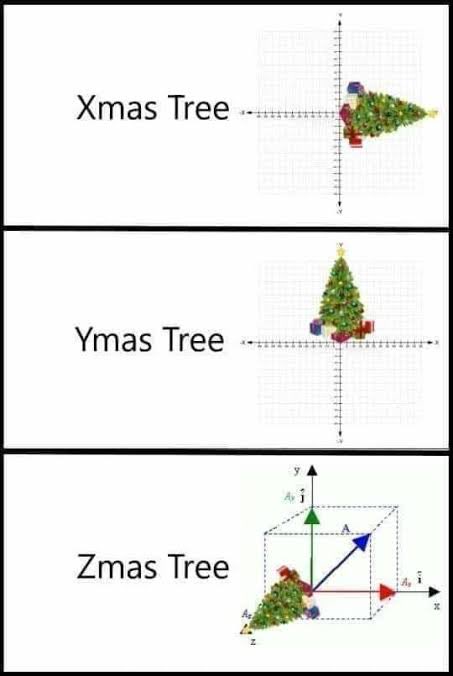
As a mathematician, I must repost this every Christmas season. I don’t make the rules
57
937
4,797
237,298
Ian Clancy retweeted

11 Dec 2024
Omg this guy is fucking awesome 😎 🤣🤣🤣
392
4,241
54,704
4,325,312

9 Dec 2024
RT @ciaraquill: It has taken FAR too long for graduates of DCU, UL (I’m a graduate of those two universities), Technological Universities (…
1
Ian Clancy retweeted

5 Dec 2024
TUI Gen Sec Michael Gillespie outlined teachers' serious concerns around AI and the integrity of Leaving Cert project work in interviews on Newstalk’s Breakfast and RTE’s News At One today. Interviews also due on Today FM’s Last Word and Newstalk’s Hard Shoulder this evening
1
6
31
1,738
Ian Clancy retweeted
3 Dec 2024
The NCCA have published guidelines for teachers to support the AACs in the new Senior Cycle Sciences.
Chemistry: curriculumonline.ie/getmedia…
Biology: curriculumonline.ie/getmedia…
Physics: curriculumonline.ie/getmedia…
1
12
12
4,542
Ian Clancy retweeted

3 Dec 2024
just 2 dudes in 2003 not realizing they just made one of the best songs ever x.com/copiumx/status/1863980…
2,642
38,828
383,771
39,648,100
Ian Clancy retweeted

3 Dec 2024
€12m funding for Leaving Certificate Science subject implementation 👉 gov.ie/en/press-release/9529…
Maoiniú €12m d’fheidhmiú an ábhair Eolaíocht na hArdteistiméireachta 👉 gov.ie/ga/preasraitis/0490d-…
1
15
22
14,009
3 Dec 2024
RT @ciaraquill: Interesting article worth a read in today’s @Independent_ie re: Leaving Cert & the proposed reforms being zealously pushed…
18
Ian Clancy retweeted

26 Nov 2024
it's time to try defining gravity
5
26
100
18,792