
Business training that works
Joined July 2014
- Tweets 529
- Following 179
- Followers 94
- Likes 30
240 Photos and videos










Pinned Tweet

16 Mar 2020
Introducing "Work from Home Wednesdays", a new weekly webinar series by @oakandreeds designed to help you navigate the world of remote and virtual working.
zoom.us/webinar/register/WN_…
This week's topic: "Empowering Your Team's Remote Culture"
1
14 Sep 2023
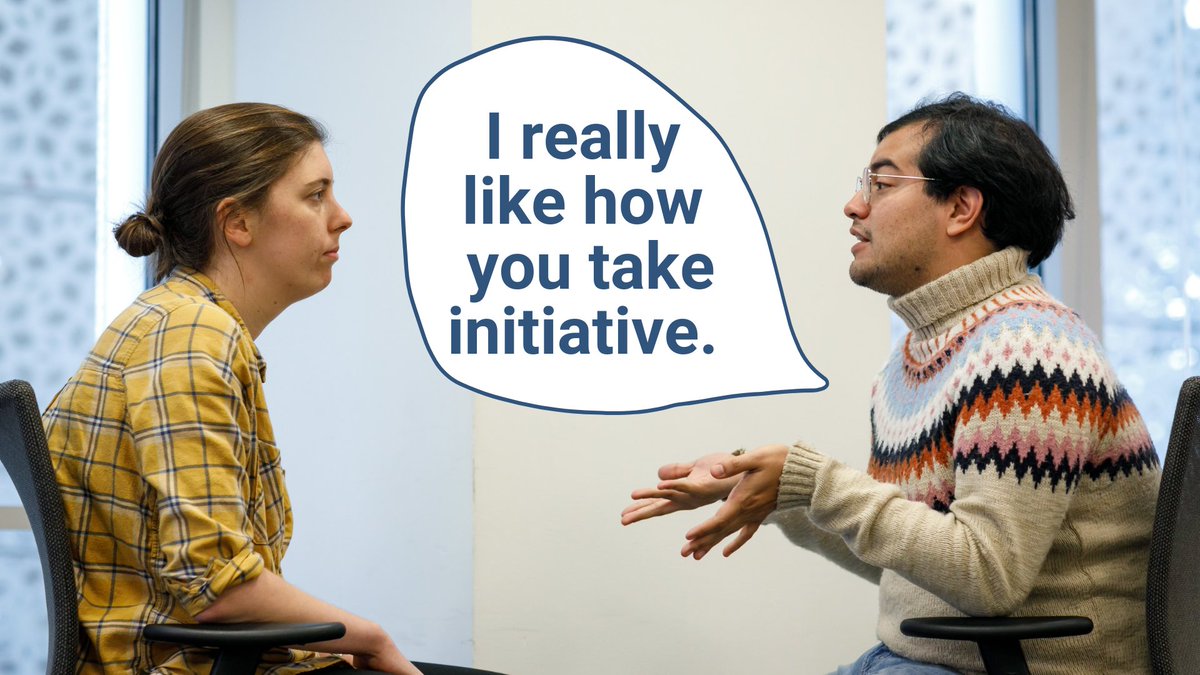
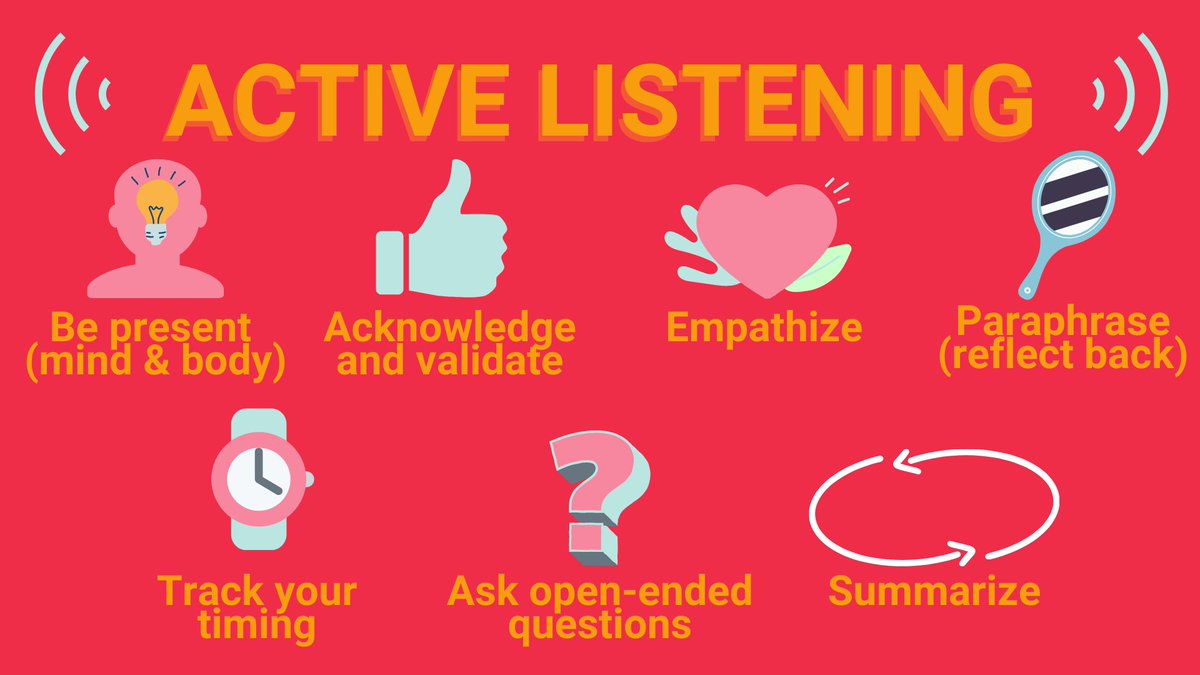
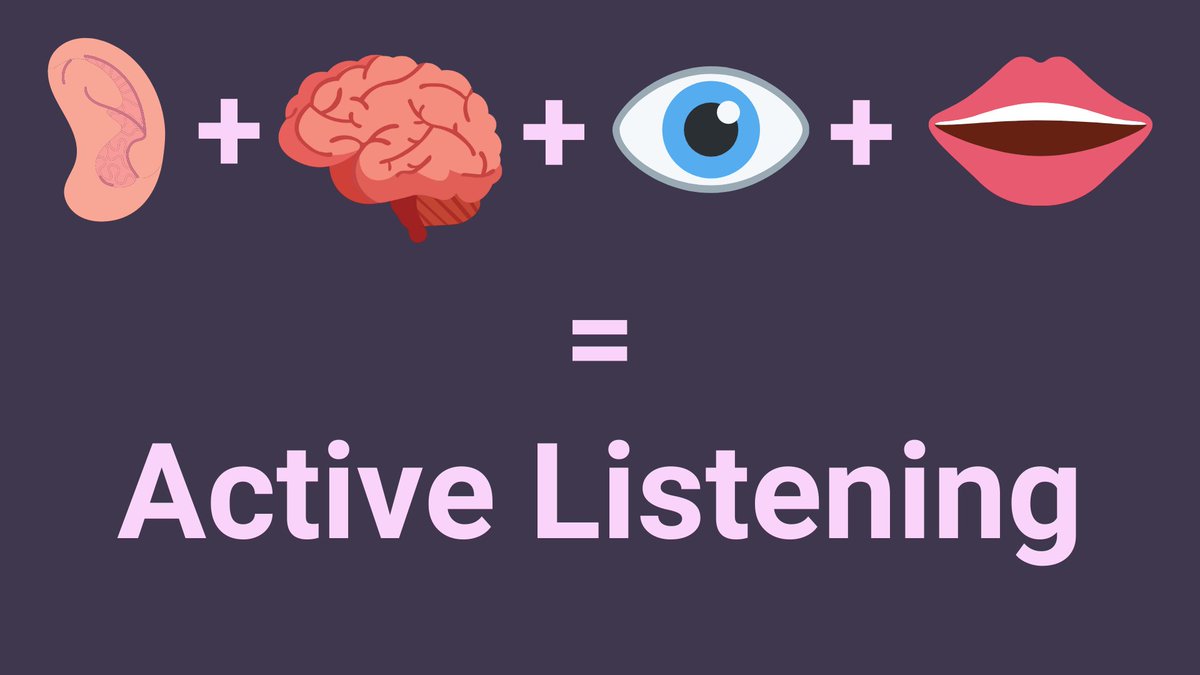
From reflecting to asking open-ended questions, active listening techniques are a key element to add to your workplace communication toolkit. Dive into our post on active listening techniques and see how they can reshape your conversations.
oakandreeds.com/blog/active-…
9
28 May 2021
“Yes, and” implies there are only two people engaged in an exchange - one to share an idea, and the other to build on it. Collaboration, however, is anything but that.
Our solution: “Yes, and... and”.
Introducing a third person forces non-binary decision-making, allows (1/2)
27 May 2021
Many companies are beginning to fully accept remote work as the norm, which means collaboration is now more essential than ever.
Check out this video to discover tools that will enable your teams to work together virtually.
What tools does your organization use to promote (1/2)
26 May 2021
“Yes, and” is a great tool for collaboration. However, it can also lead to unproductive ideas, sidetracked meetings, or delayed decision-making since you will not always agree with every idea that was proposed.
Sometimes “No, but” is a more viable solution, especially if (1/2)
25 May 2021
One situation where “Yes, and” is especially helpful is a team brainstorm.
Adopting “Yes, and” in brainstorming sessions helps people feel that their input is valid and allows them to turn off their internal editors. This generates a conversational flow that builds towards (1/2)
24 May 2021
One useful tool for promoting collaboration at work is the idea of “Yes, and”.
“Yes, and”, a rule-of-thumb in improv comedy, is a technique where you agree with and build on another person’s line of thought. In business, and in other aspects of life, it means treating all (1/2)
21 May 2021
Q: When is coaching most efficient?
A: When the coach validates the person’s abilities and appeals to their strengths.
When individuals are struggling or learning a lot of new things, they will start to feel uncomfortable. As a coach, it helps to remind them of their (1/2)
1
22 May 2021
strengths and skills to keep them feeling confident as they develop solutions to new problems.
Click here to bring manager coaching skills to your leaders: ow.ly/bbno50ENwsy
#workfromhome #management #coaching #virtualcollaboration #culture #communication #learning (2/2)
19 May 2021
Q: What skill must every coach have?
A: Active listening!
Active listening involves more than just paying attention. It's about making a conscious effort to go deeper in your understanding of what a person is trying to express.
Active listening is key to every coaching (1/2)
1
22 May 2021
session. Without it, it's impossible to guide another person towards their goal.
To learn more about bringing active listening skills to your team, click here: ow.ly/BE3850ENwkO
#workfromhome #management #coaching #virtualcollaboration #communication #remotework (2/2)
18 May 2021
A really helpful coaching tool is the GROW model. GROW helps prepare you to ask effective and thought-provoking questions in your coaching conversations. The structure is the following:
G - Goals. What do you want?
R - Reality. What is the current situation? (1/2)
1
22 May 2021
O - Opportunities. What could you do?
W - Will. What will you do next?
To learn more about the GROW model, check out our webinar: ow.ly/M79E50EN1kH
#workfromhome #management #coaching #virtualcollaboration #communication #remotework #freeresources #remotelearning (2/2)
20 May 2021
As a coach, active listening is a muscle that needs consistent practice. To sharpen your active listening skills, it helps to become aware of key listening behaviors and what they look like in practice.
How do you practice these key listening behaviors? Tell us in the comments!
17 May 2021
Coaching doesn’t mean solving another person’s problems or spoon feeding them solutions. Coaching enables individuals to practice problem solving and empowers them to find solutions on their own.
As a leader in your organization, what are your best practices for coaching (1/2)
1
17 May 2021
employees? Let us know in the comments below!
#workfromhome #leadership #management #coaching #changemanagement #virtualcollaboration #personaldevelopment #culture #communication #bestpractice #remotework #freeresources #learning #remotelearning #microlearning #training (2/2)
14 May 2021
Engaging with new ideas in a repeated, consistent and meaningful way allows adult learners to retain information for longer.
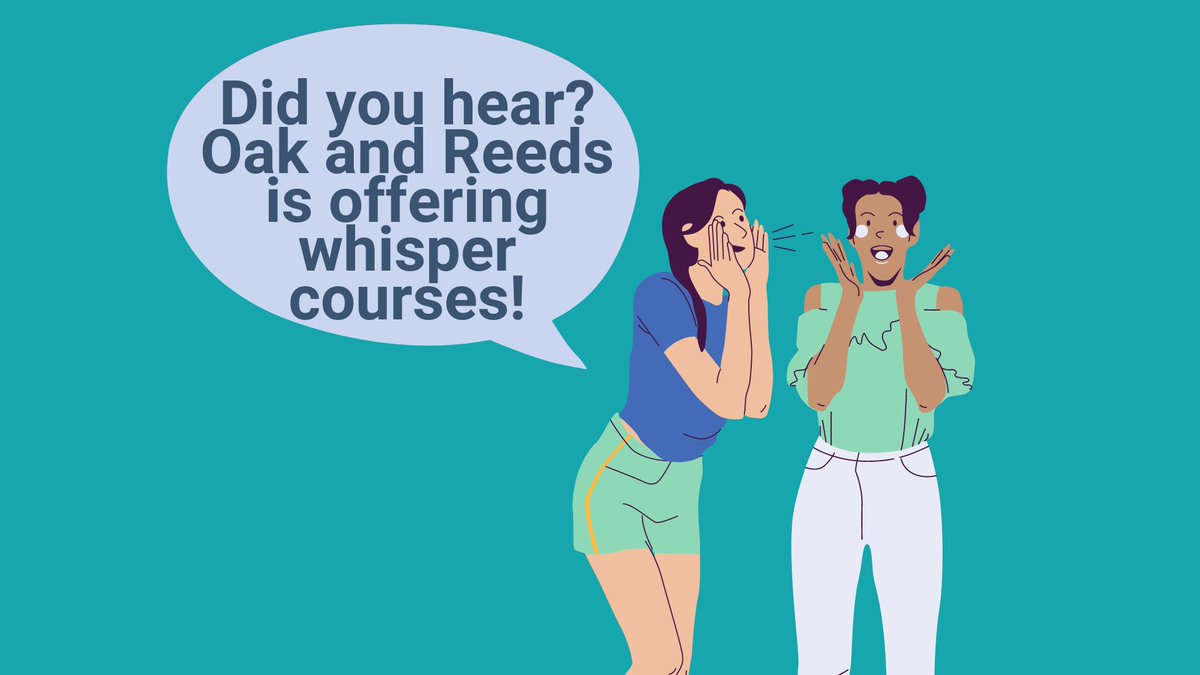
That is why Oak and Reeds has been offering whisper courses to supplement our live, instructor-led training content.
Our whisper courses provide (1/2)
1
17 May 2021
learners with relevant and easy to complete tasks at the point of need to help them apply what they’ve recently learned.
Learn more about whisper courses by reading our blog post here: ow.ly/PQQt50EBwe5
#management #virtualcollaboration #communication #learning (2/2)
13 May 2021
Adult learners crave practical tools they can apply right away. Theory is quickly forgotten, while ideas they can use to improve their lives are much easier to retain.
The best way to ensure they retain these new techniques is to create opportunities to practice! (1/2)
1
17 May 2021
To learn more about how adults learn, check out our webinar: ow.ly/K9lg50EBxon
#workfromhome #leadership #management #changemanagement #virtualcollaboration #culture #communication #bestpractice #remotework #freeresources #learning #remotelearning #microlearning (2/2)
12 May 2021
Stories don't just inspire and entertain - they are also effective tools for teaching.
Stories provide actual steps you can follow if you find yourself in similar situations. A good story also releases dopamine in the brain, which is tied to memory. The more memorable (1/3)
1
17 May 2021
and exciting your story is, the more likely will the “controlling idea” or "moral of the story" stick.
To learn more about bringing storytelling skills workshops to your teams, click here: ow.ly/sR8S50EBxaM
#workfromhome #leadership #management #changemanagement (2/3)
1
11 May 2021
"Think/Pair/Share" is a helpful learning strategy for teaching beginners a new skill.
Whether you’re teaching your team a new technology or process, conducting company-wide soft skills training, or onboarding new hires, the Think/Pair/Share technique allows individuals to (1/3)
1
17 May 2021
work together to better understand new concepts and theories.
Watch this video or check out our webinar to learn more about how to employ Think/Pair/Share in your learning program: ow.ly/A3G950EBxpL
#workfromhome #leadership #management #changemanagement (2/3)
1