Lichens. Anyone with a hand lens can make discoveries. Add a microscope and a couple of chemicals and you can help rewrite the books.
Joined March 2017
- Tweets 17,998
- Following 1,770
- Followers 1,784
- Likes 4,280
6,027 Photos and videos


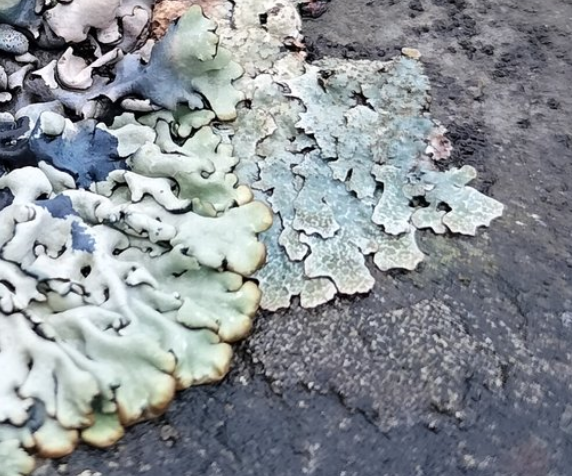
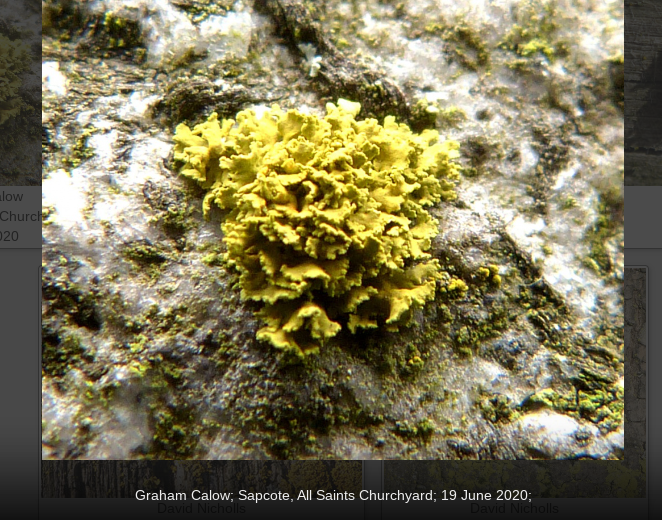
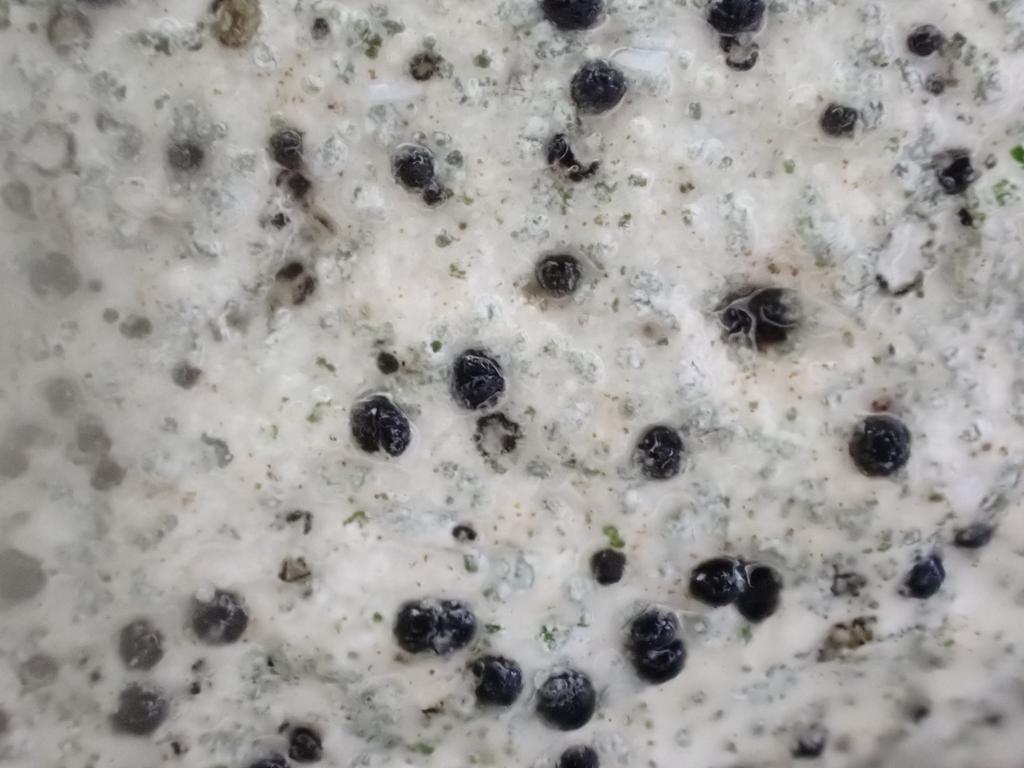
Pinned Tweet

21 Dec 2019
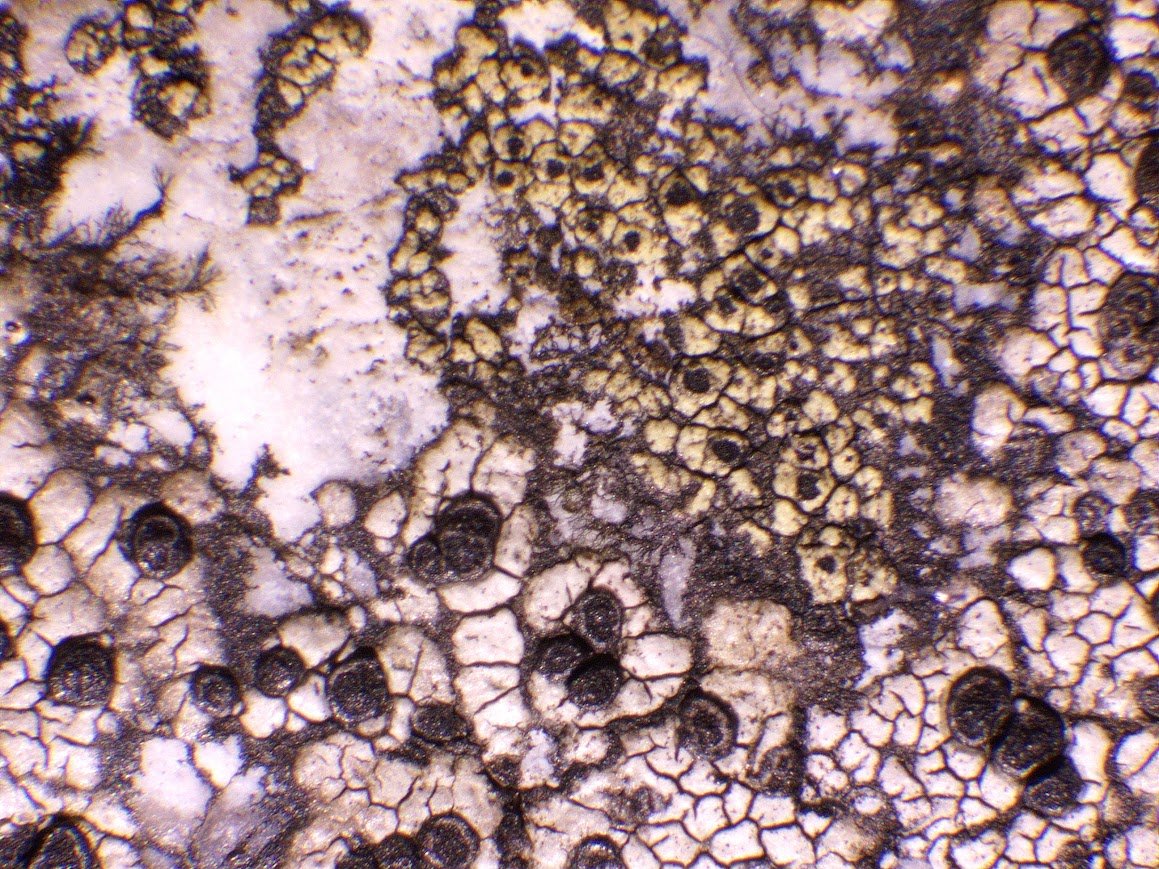
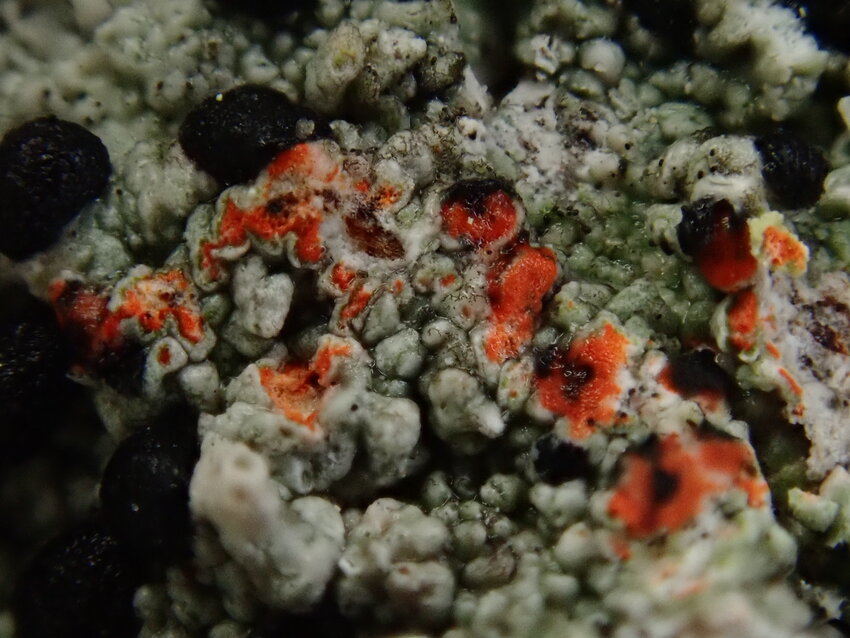
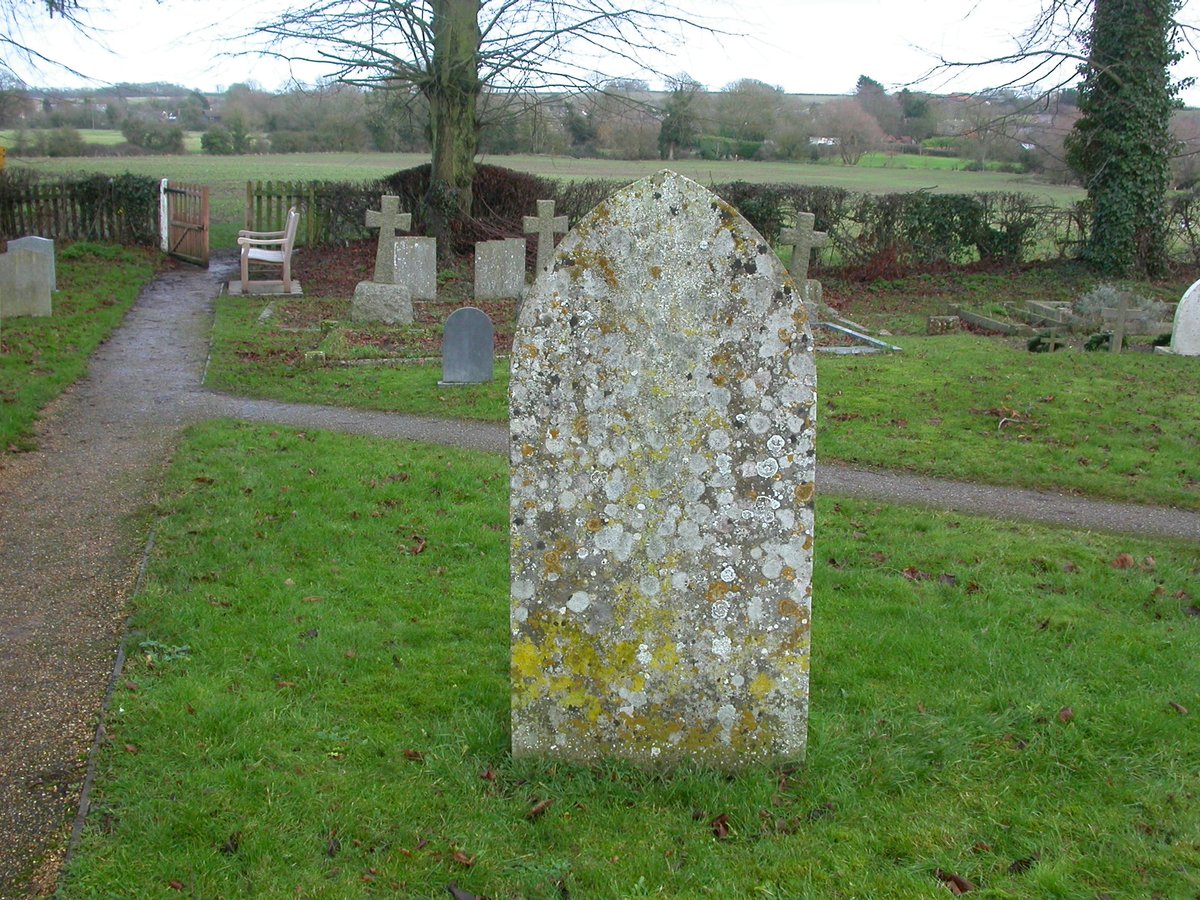
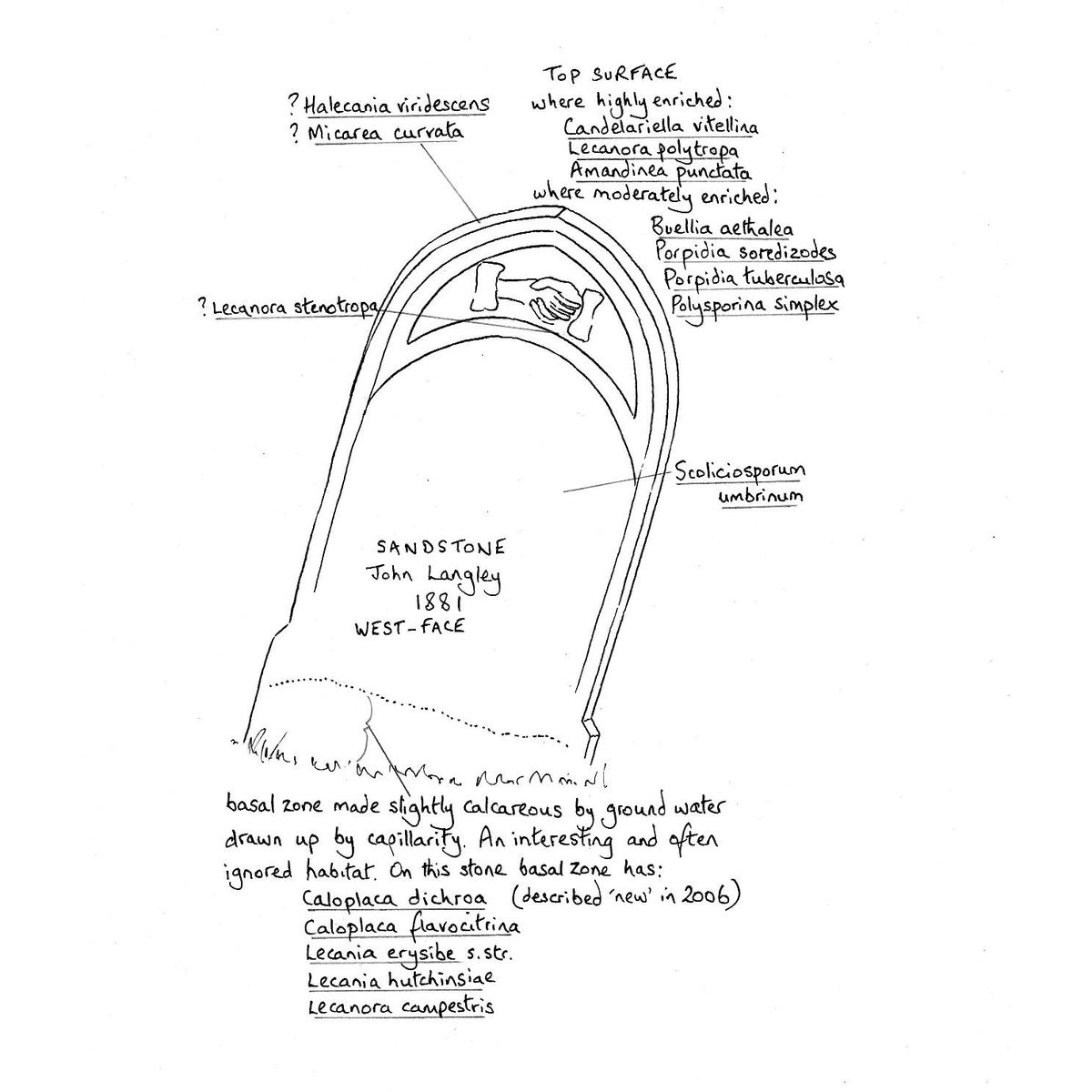
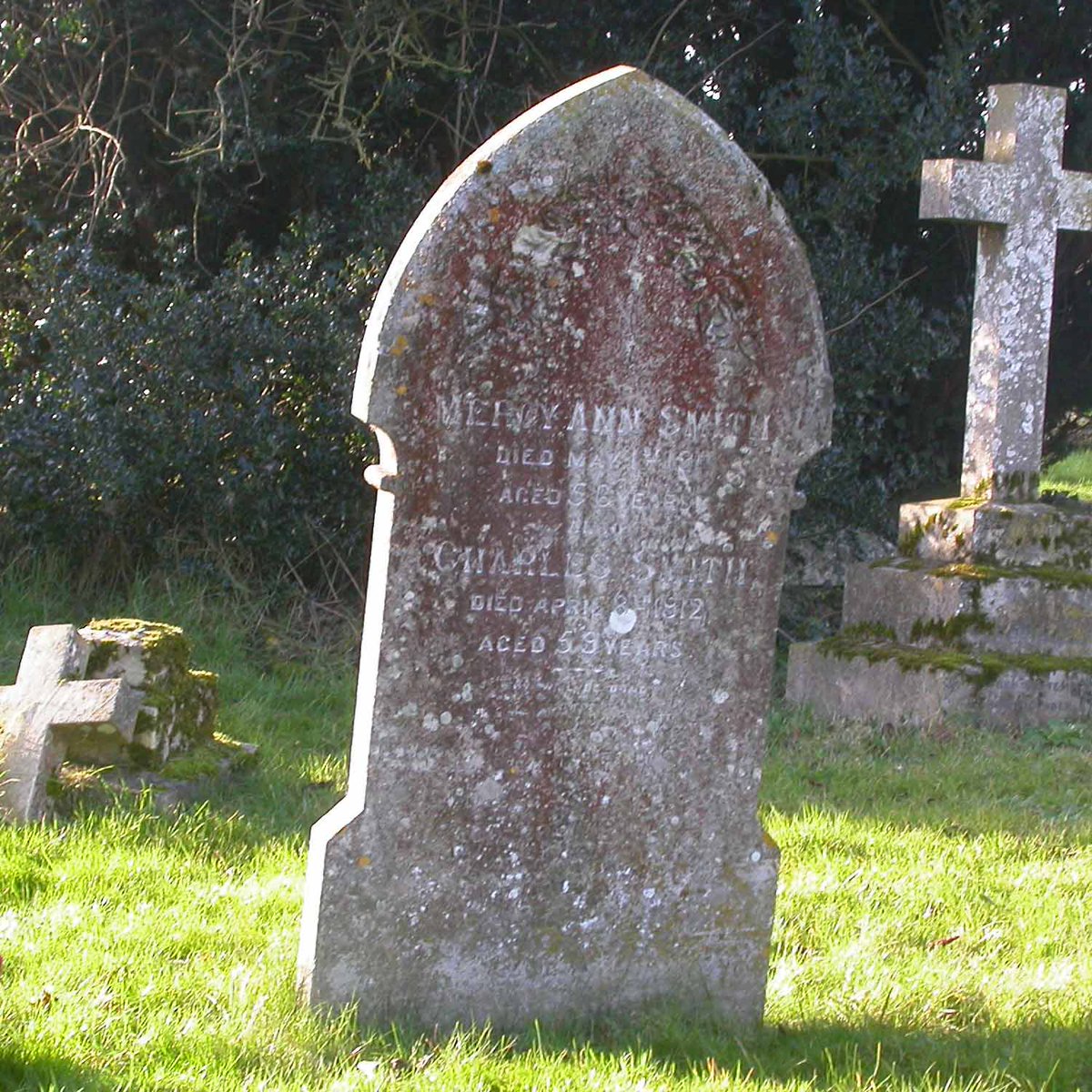
Twelve years ago, knowing almost nothing about lichens, I stared at this gravestone and something inside me longed to decipher the complicated mosaics. Now I can name almost every lichen on the stone but there are still mysteries.
5
6
81
Mark Powell retweeted
23 Oct 2019
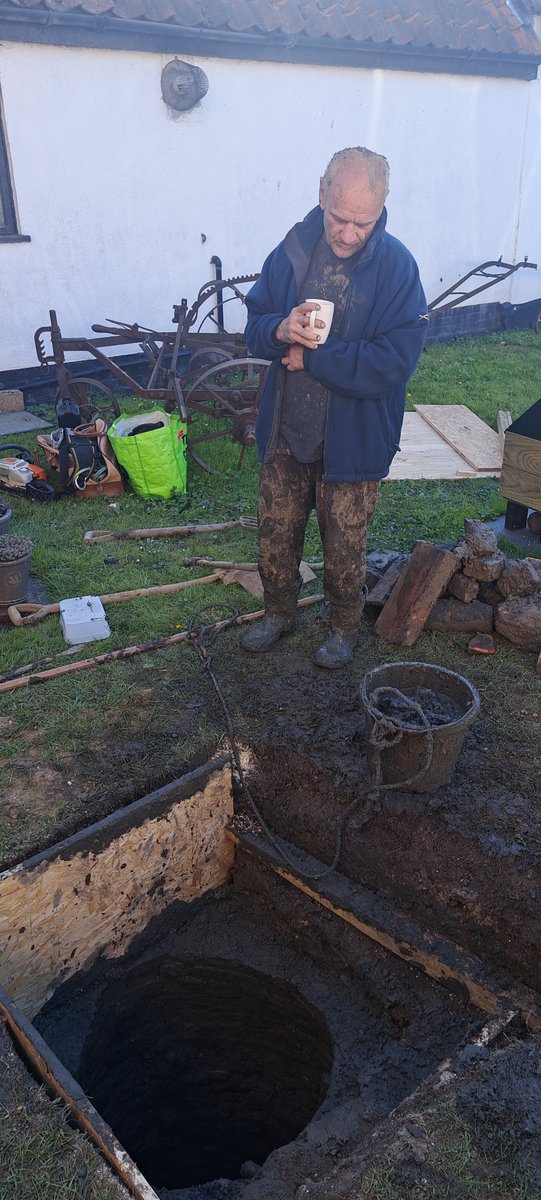
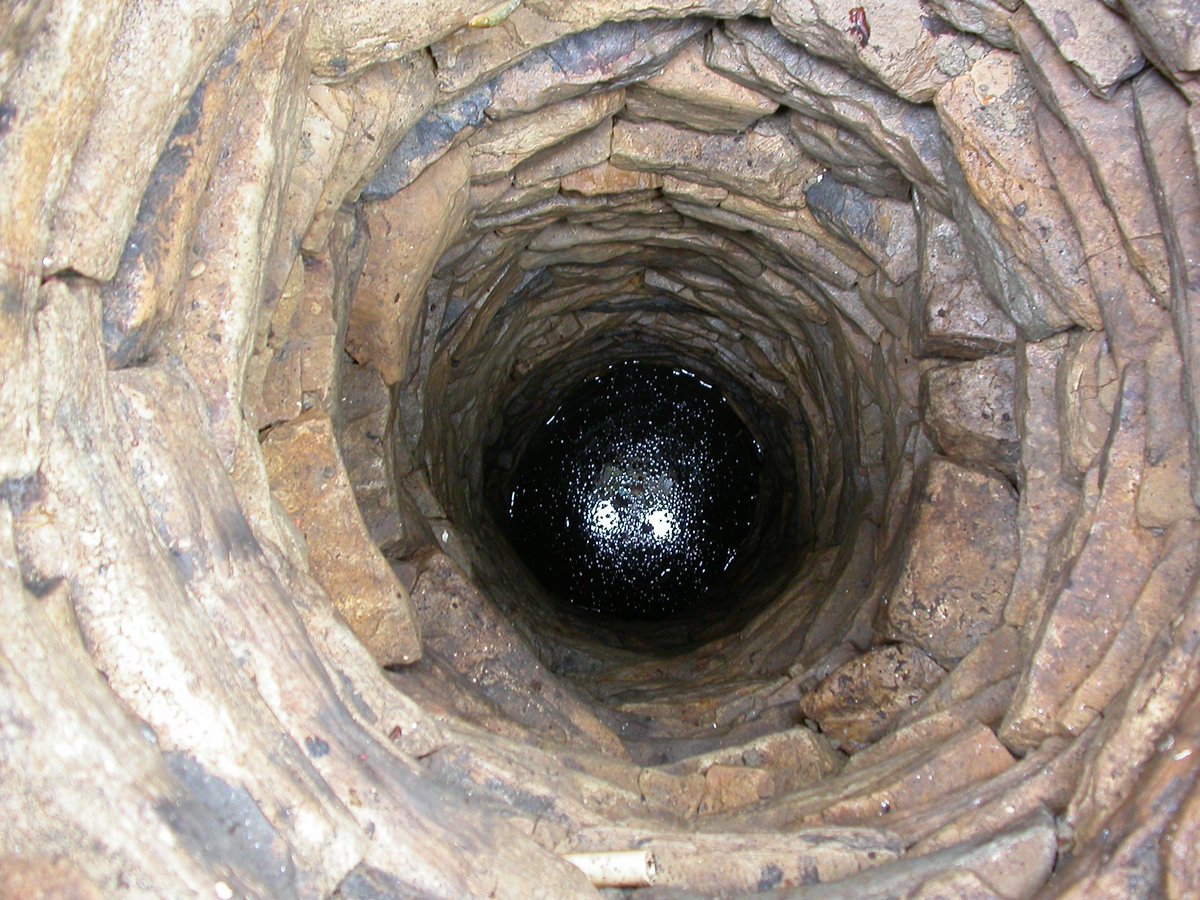
I had always wondered how traditional wells were dug and what the aquifer is that is about 14 feet deep in my lane (the stable water level of several local wells). I had guessed it was a bed of fractured limestone, I was wrong.

1
1
3
Apr 23
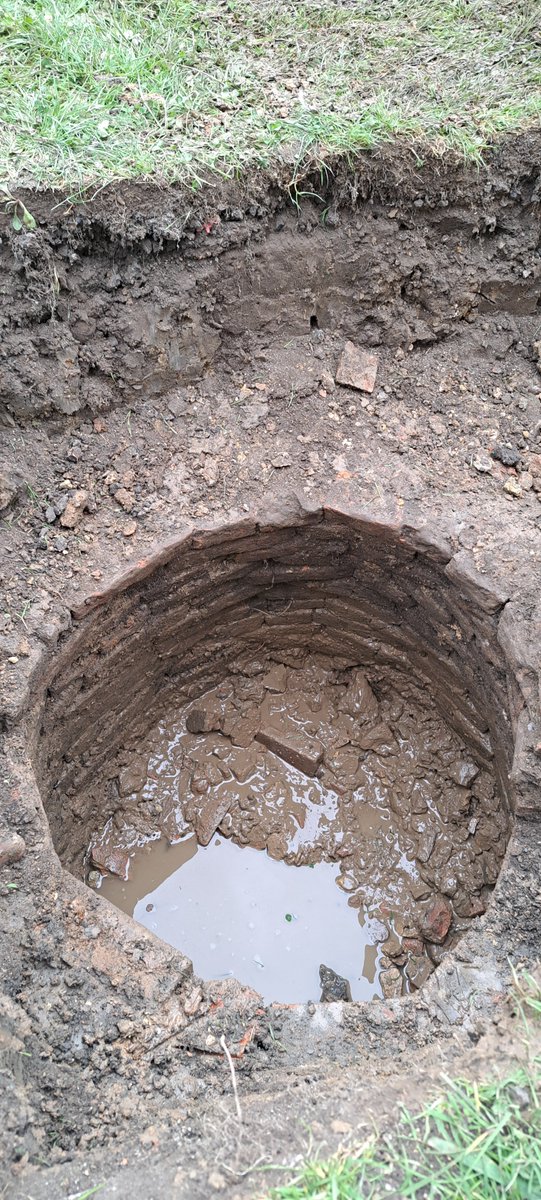
On St George's Day I am completing the restoration of a 17th C stone-lined well (brick corbelling at the top), filled in with rubbish in the 1950s and almost completely forgotten about.
1
3
99
Mark Powell retweeted
3 Apr 2018
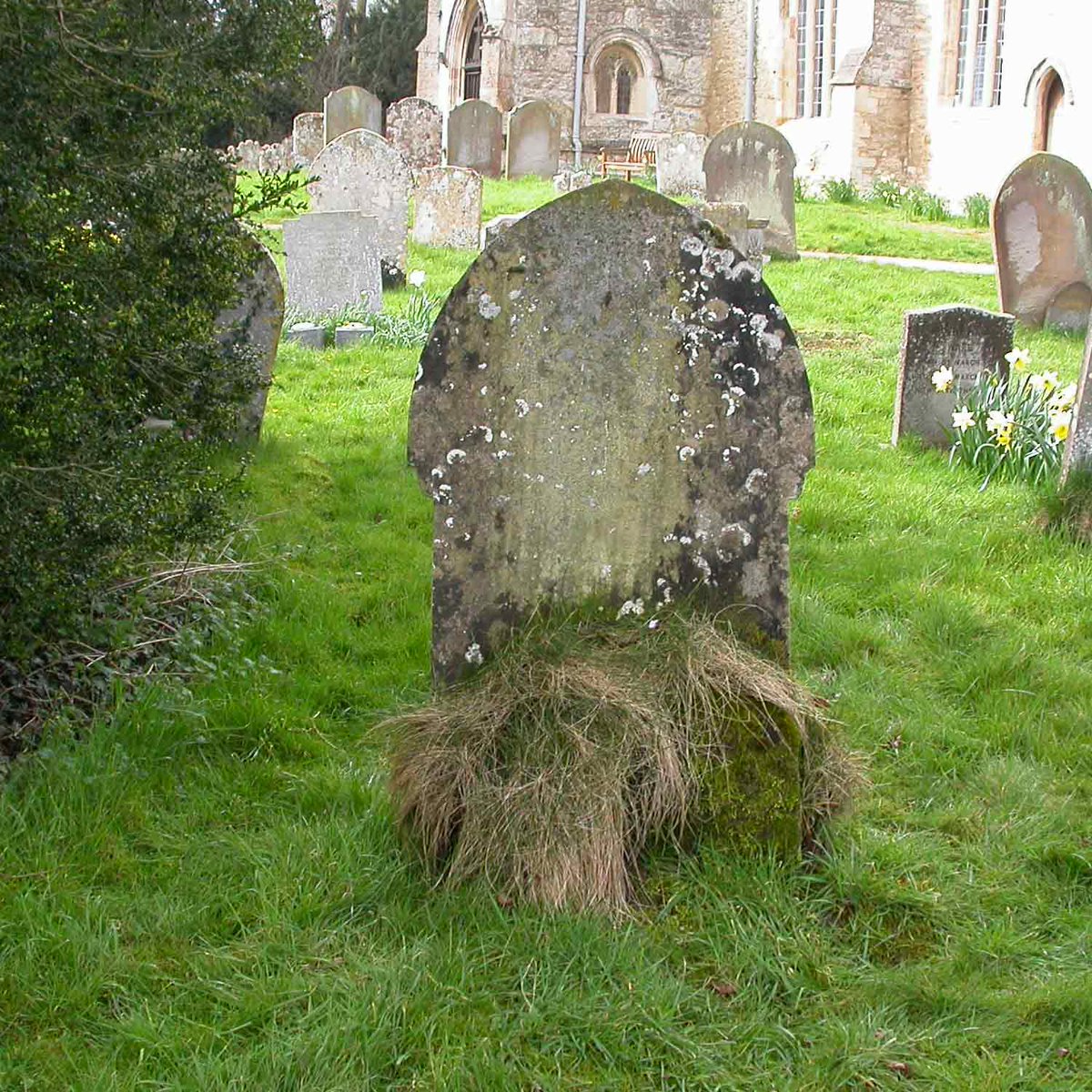
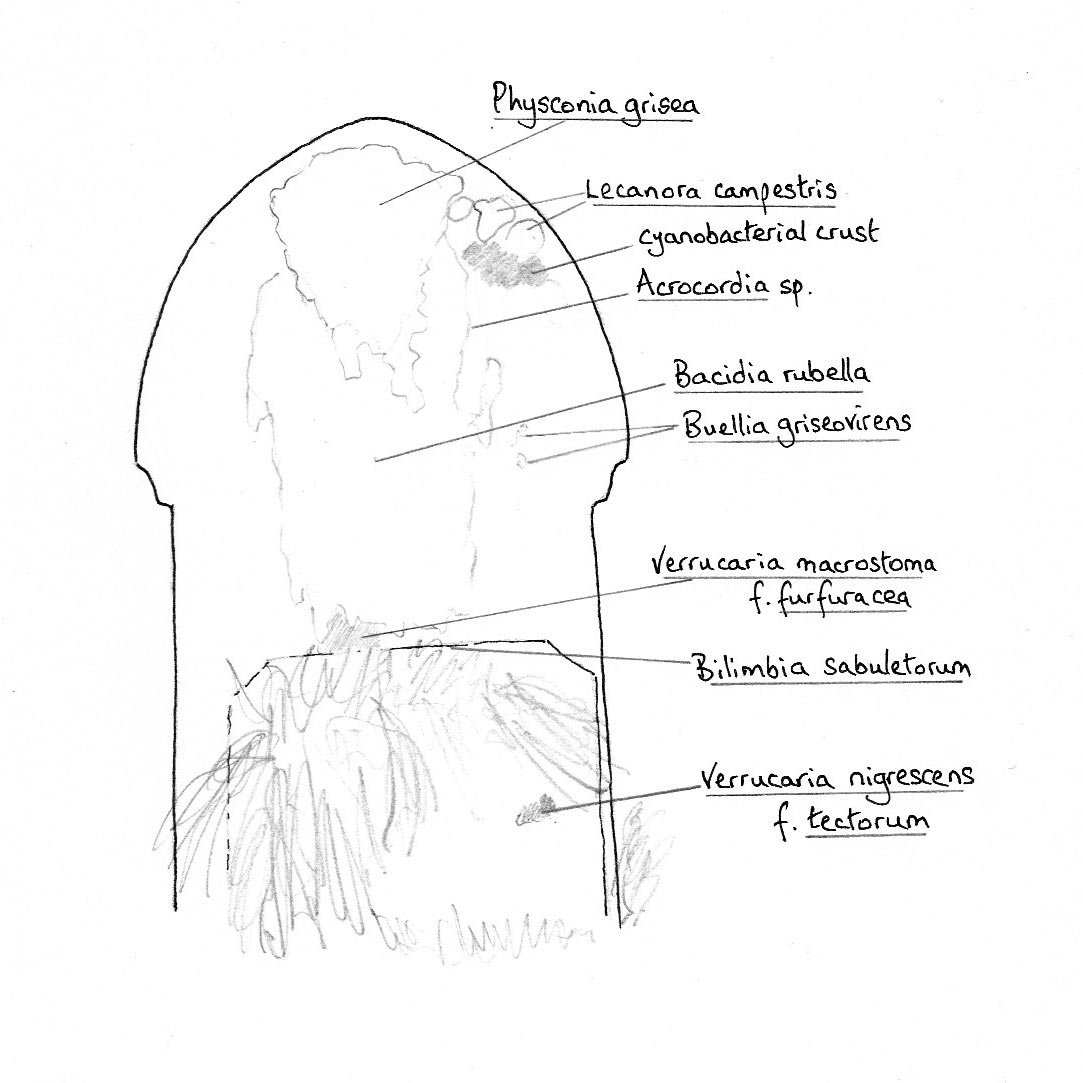
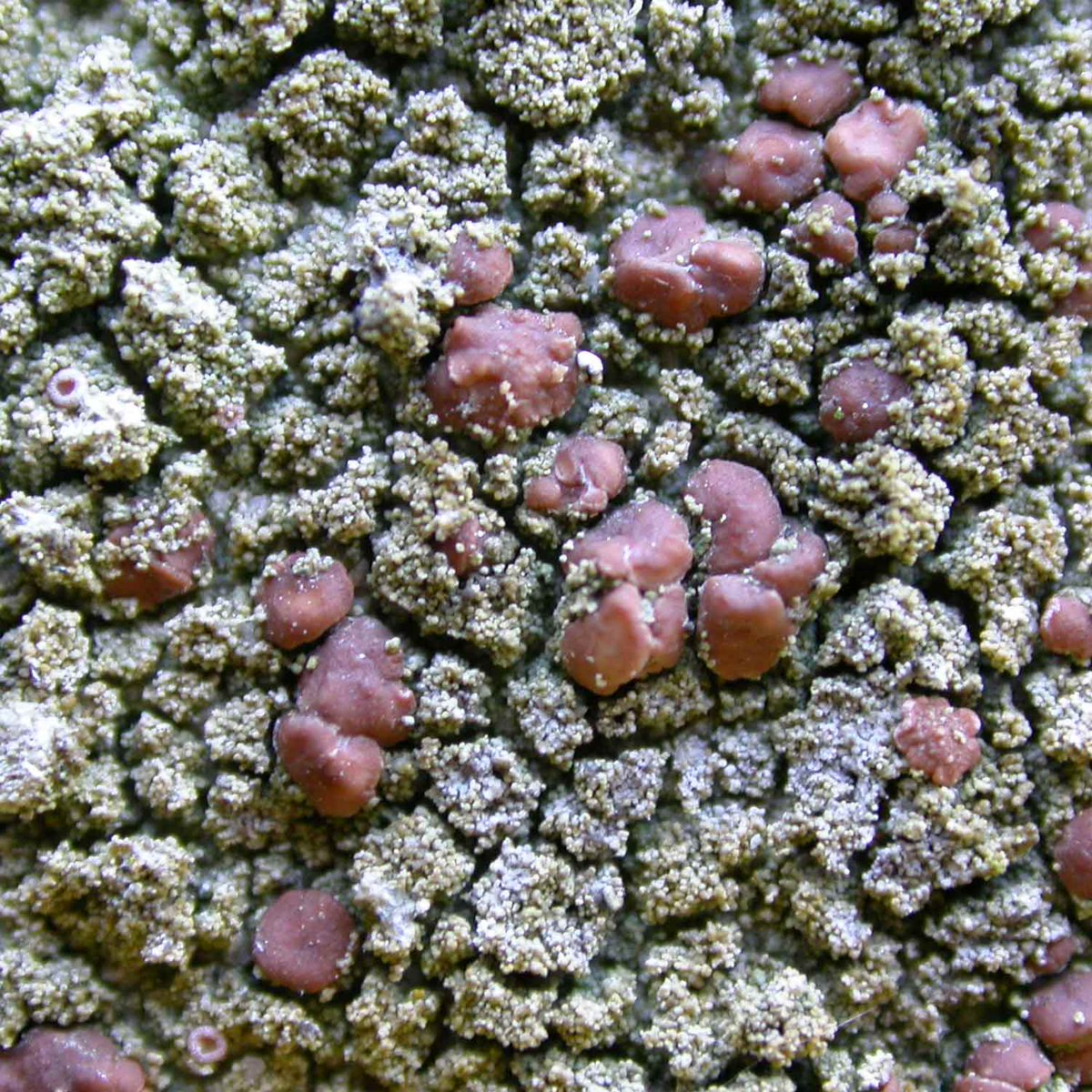
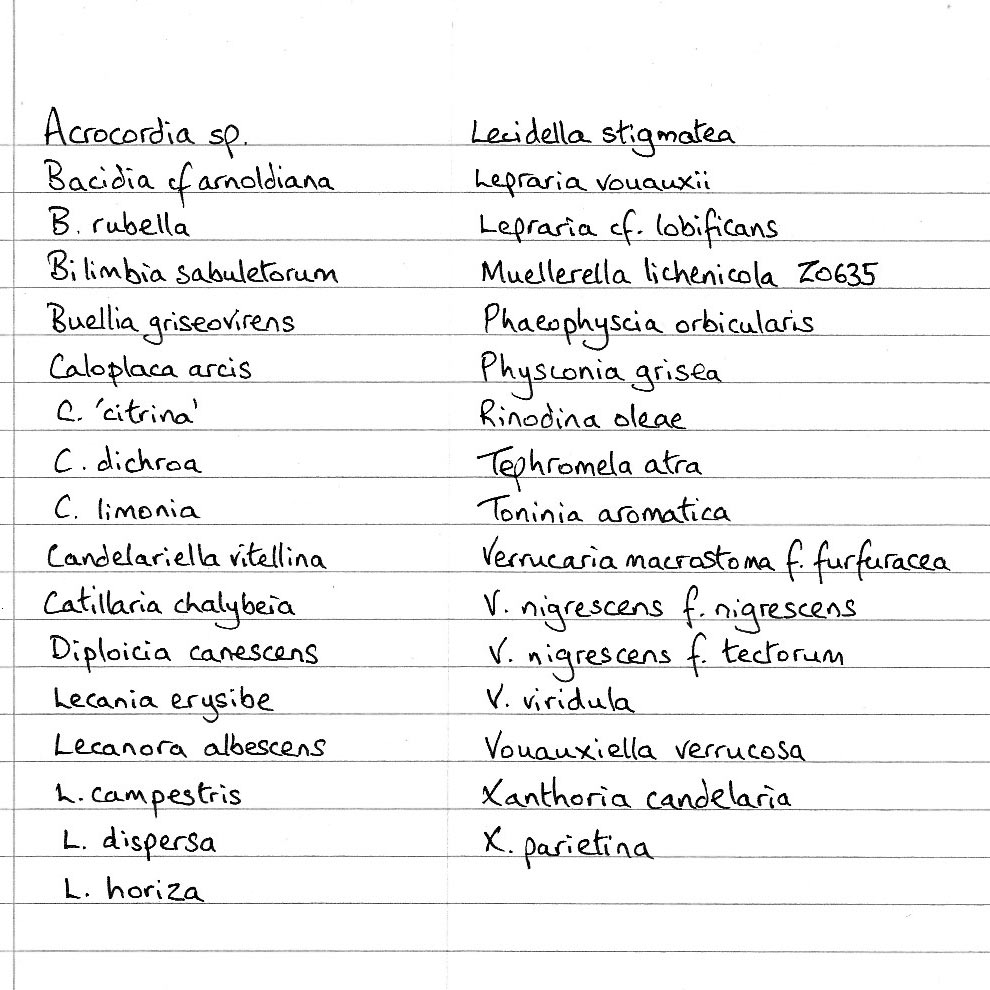
A single Home Counties gravestone: 31 lichen spp. and 2 lichenic. fungi. Calcareous sandstone so a rich mixture of species straddling the acid/basic divide. Superb colony of Bacidia rubella (much more common on gravestones than on trees around here).
2
4
34
Mark Powell retweeted
12 Feb 2018
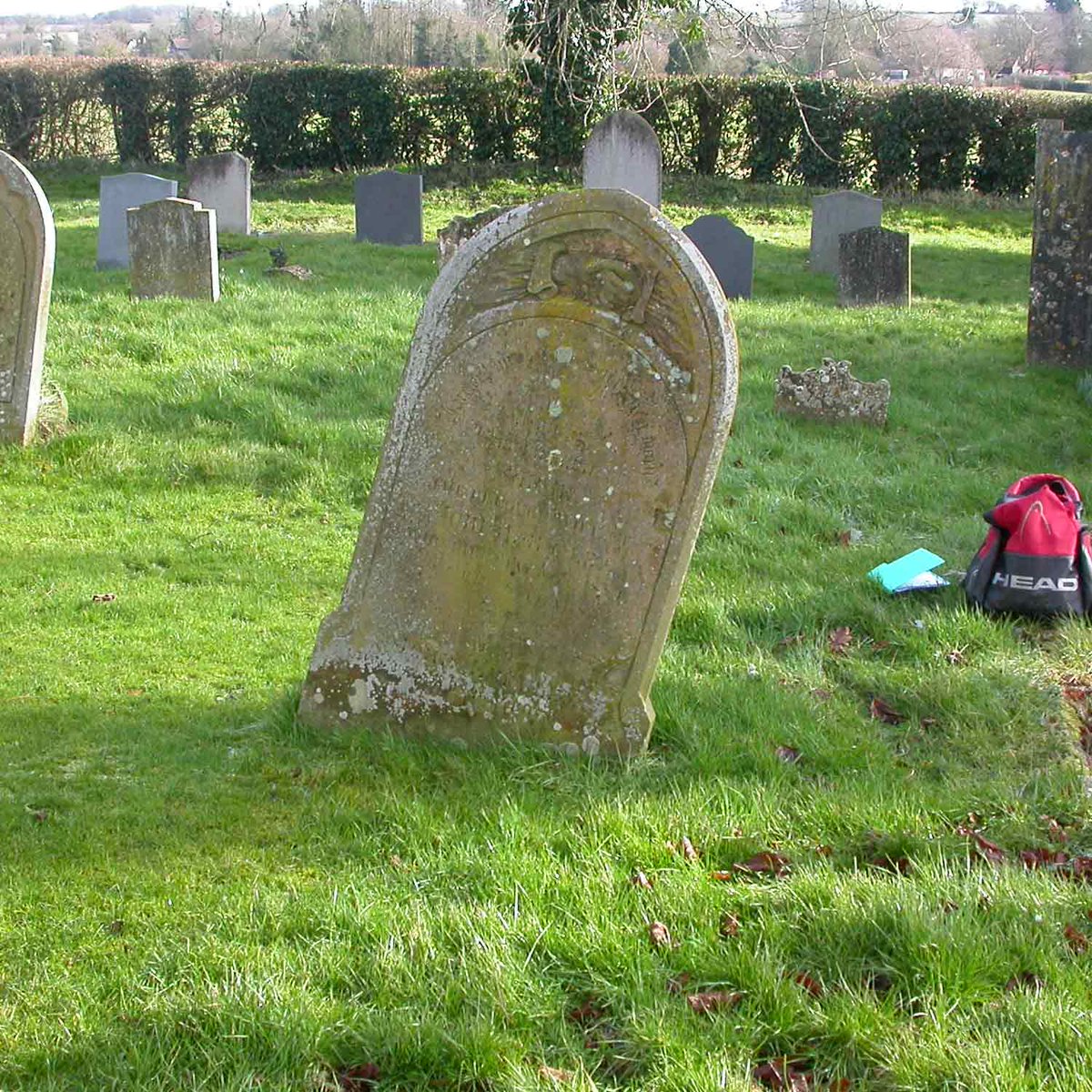
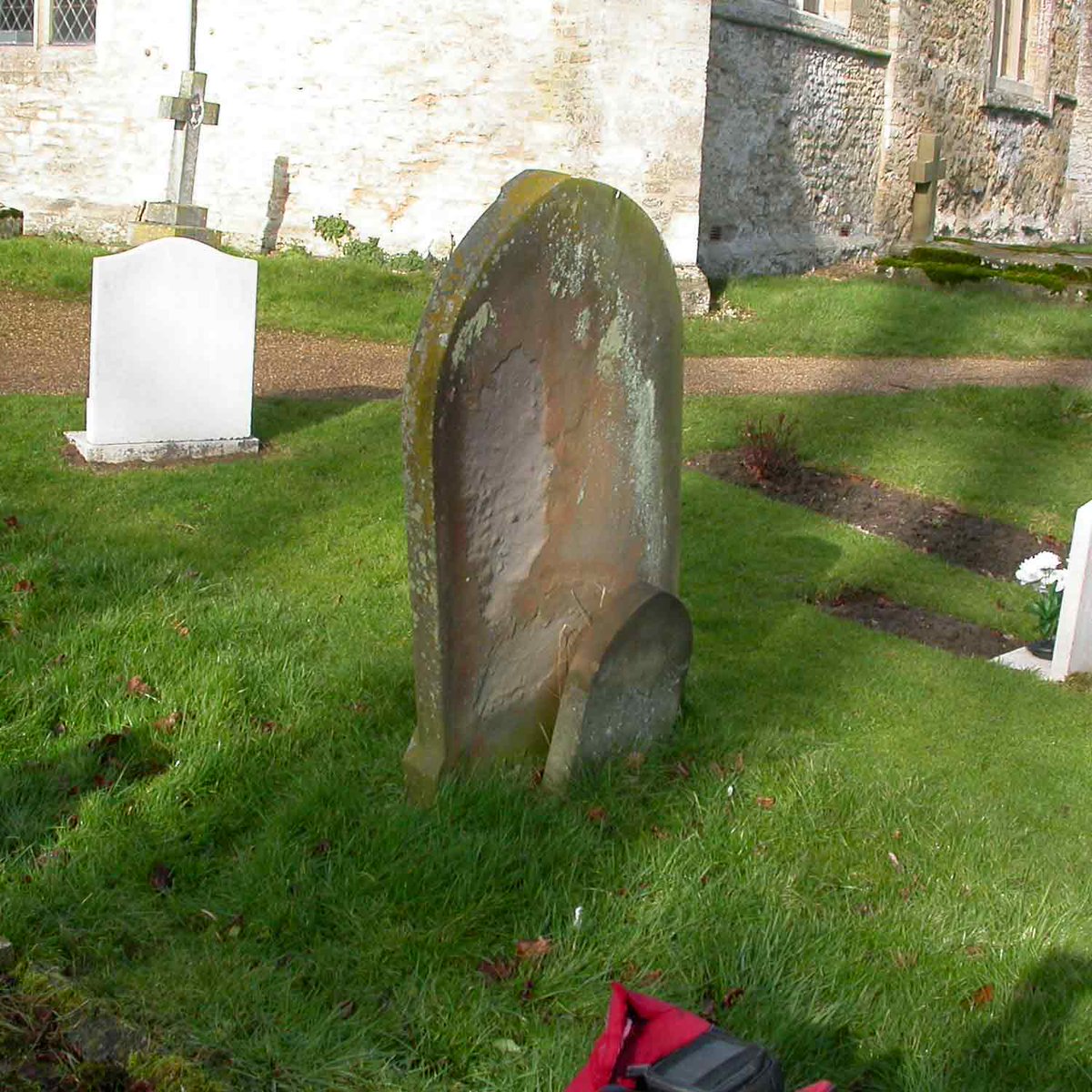
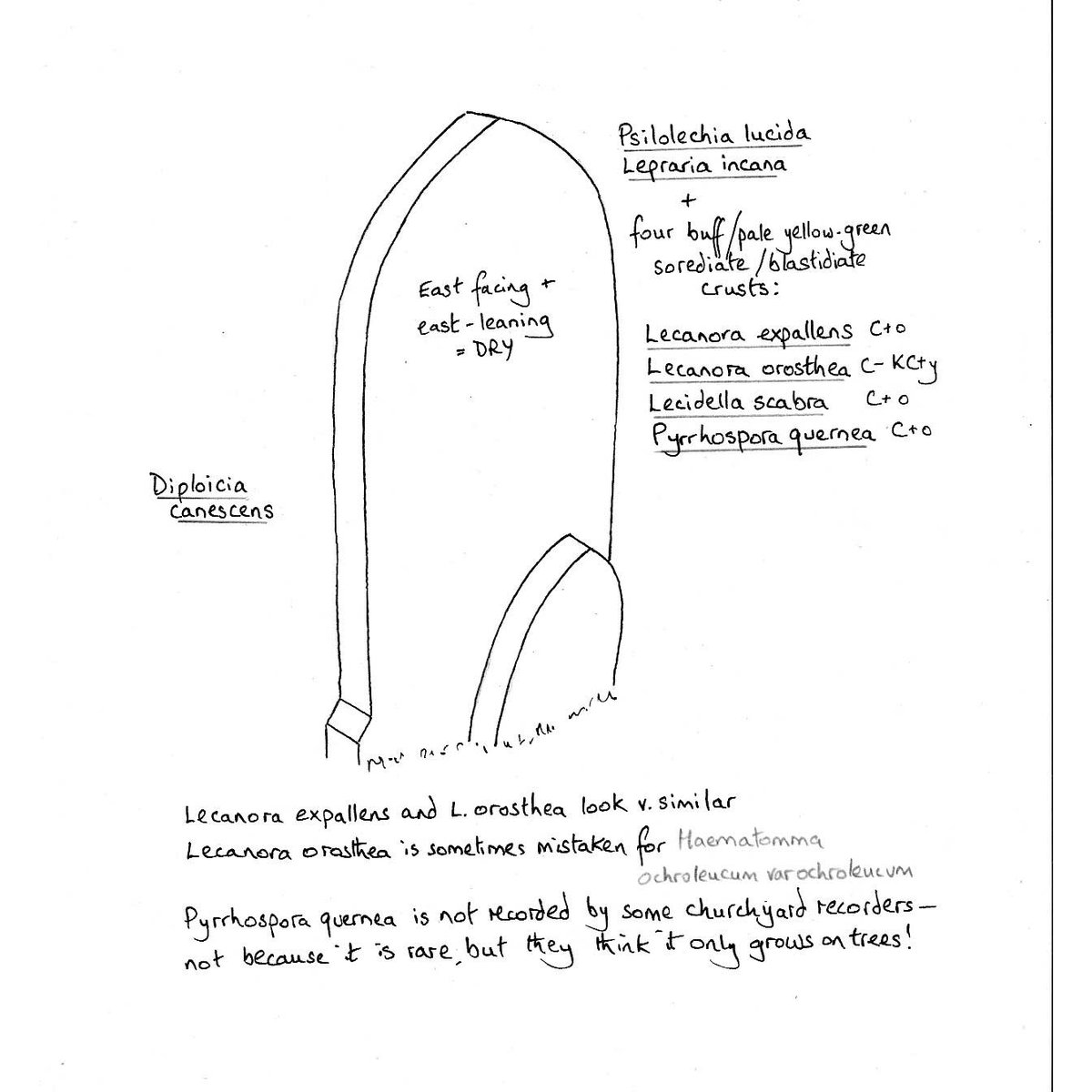
One English gravestone, ten years experience, ten minutes examination, 23 species of lichen (three of which will require checking microscopically). To many people's surprise, Pyrrhospora quernea is much more common on gravestones than on trees in E. England
2
4
18
Mark Powell retweeted

6 Nov 2025
“Transmitting one's flaws [through procreation] to someone else is a crime. I could never consent to give life to someone who would inherent my ailments.”
— Emile M. Cioran
4
14
570
Mark Powell retweeted

20 Apr 2024
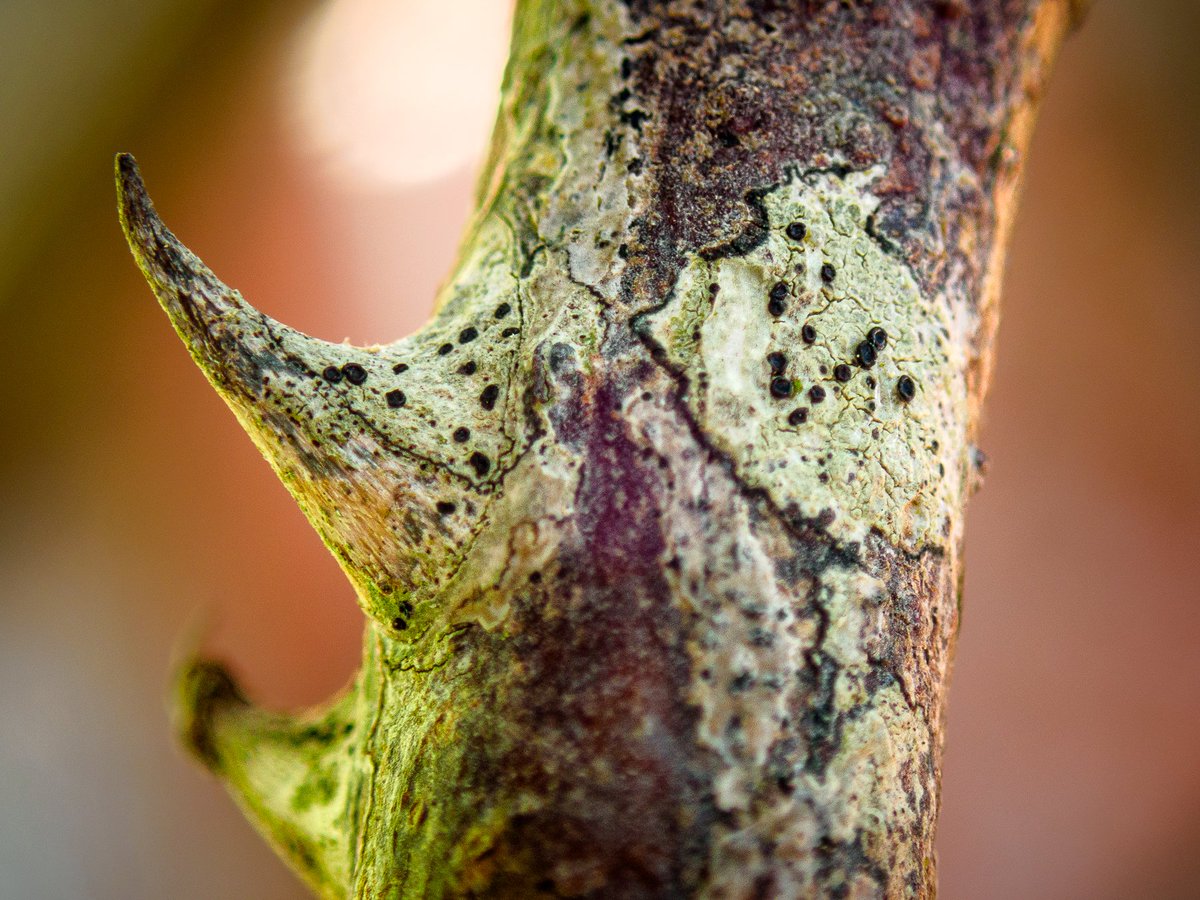
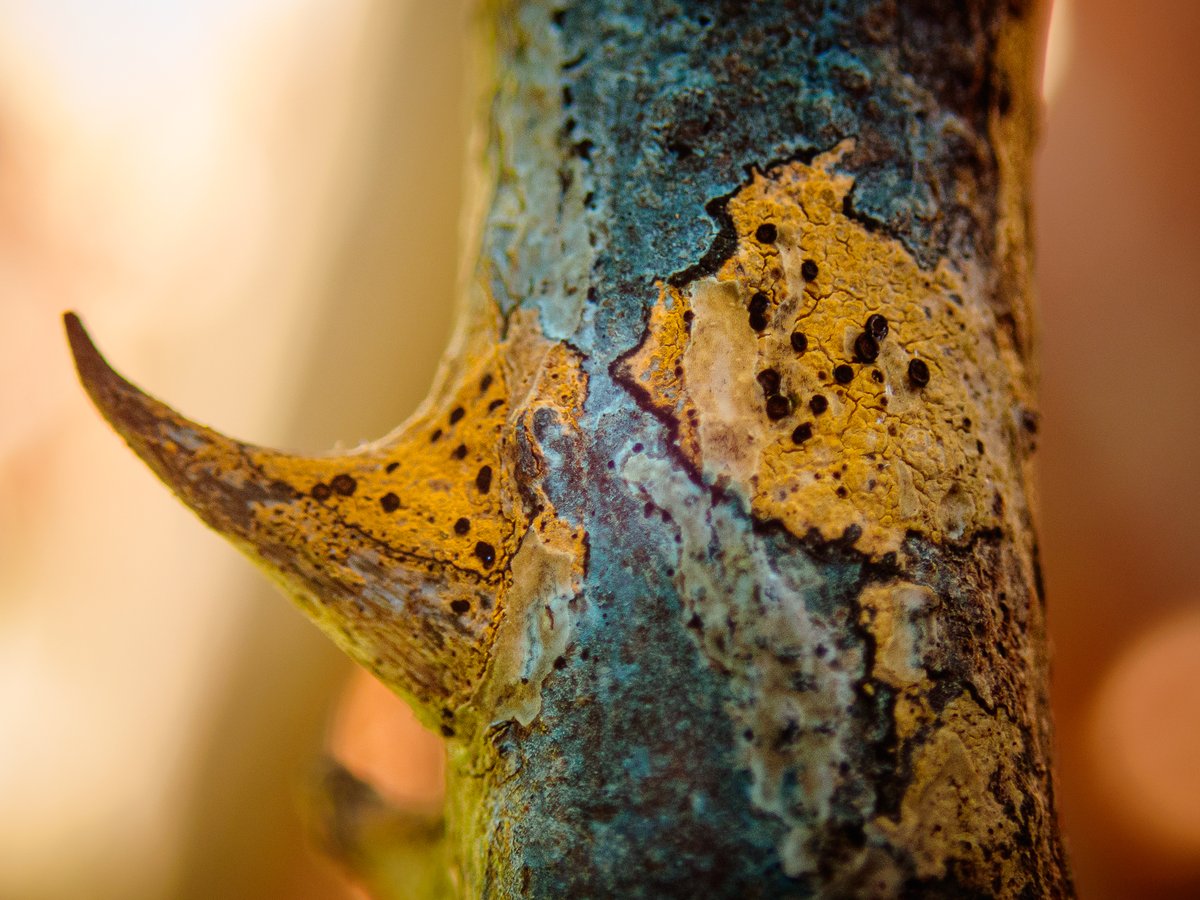
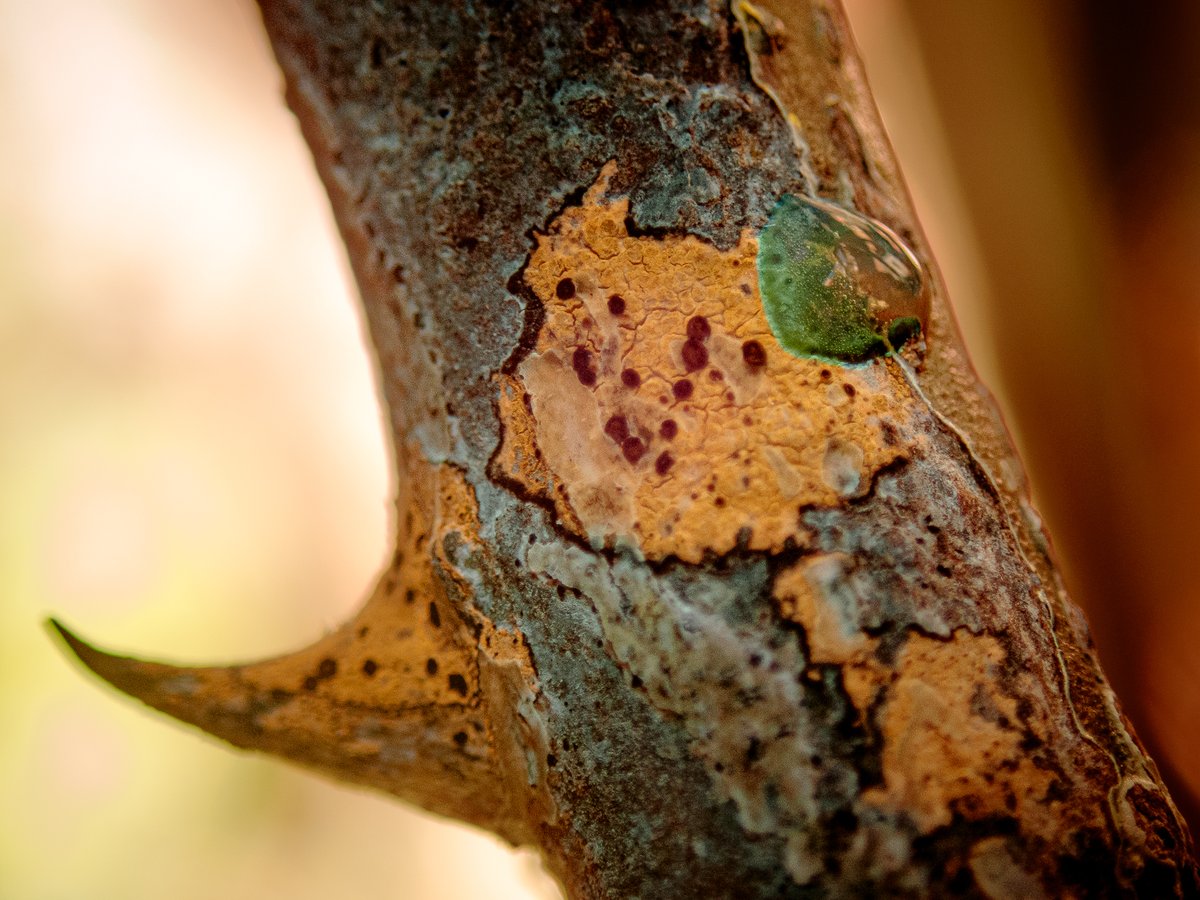
Lecidella elaeochroma contains arthothelin, a xanthone that gives a characteristic UV orange reaction. This can be weak, and sometimes easier to observe as a K/UV (wet) mint-green reaction. My lichen shown in (shaded) visible light, in UV light, and with K-test in UV-light. /2x
2
12
1,489
Mark Powell retweeted
15 Apr 2024
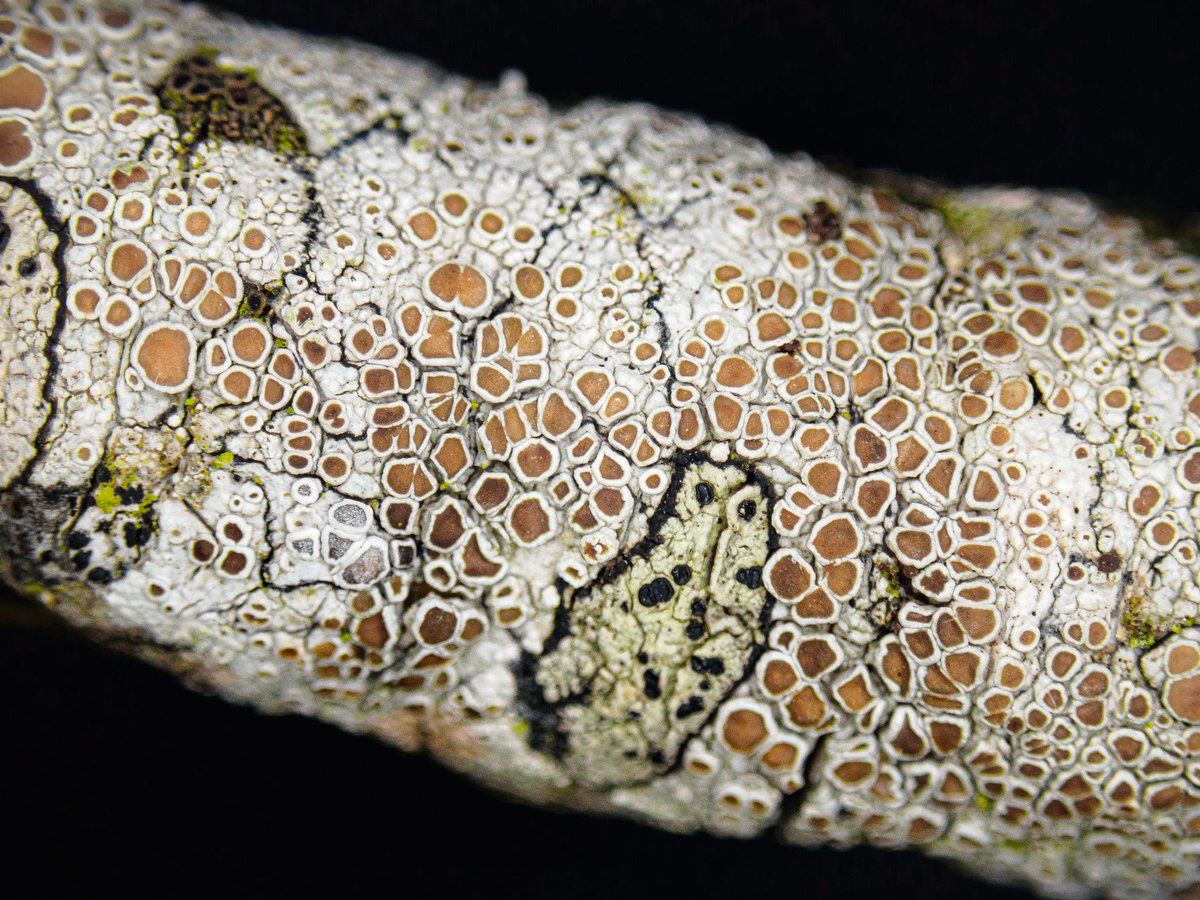
Lecanora hybocarpa auct br from same High Force oak as Glaucomaria carpinea below. (Note small G carpinea thallus on left.) L hybocarpa auct br is probably England’s most widespread L subfusca-group #lichen, but it has few records in this area. Thread. /1 x.com/specanatura/status/177…
14 Apr 2024

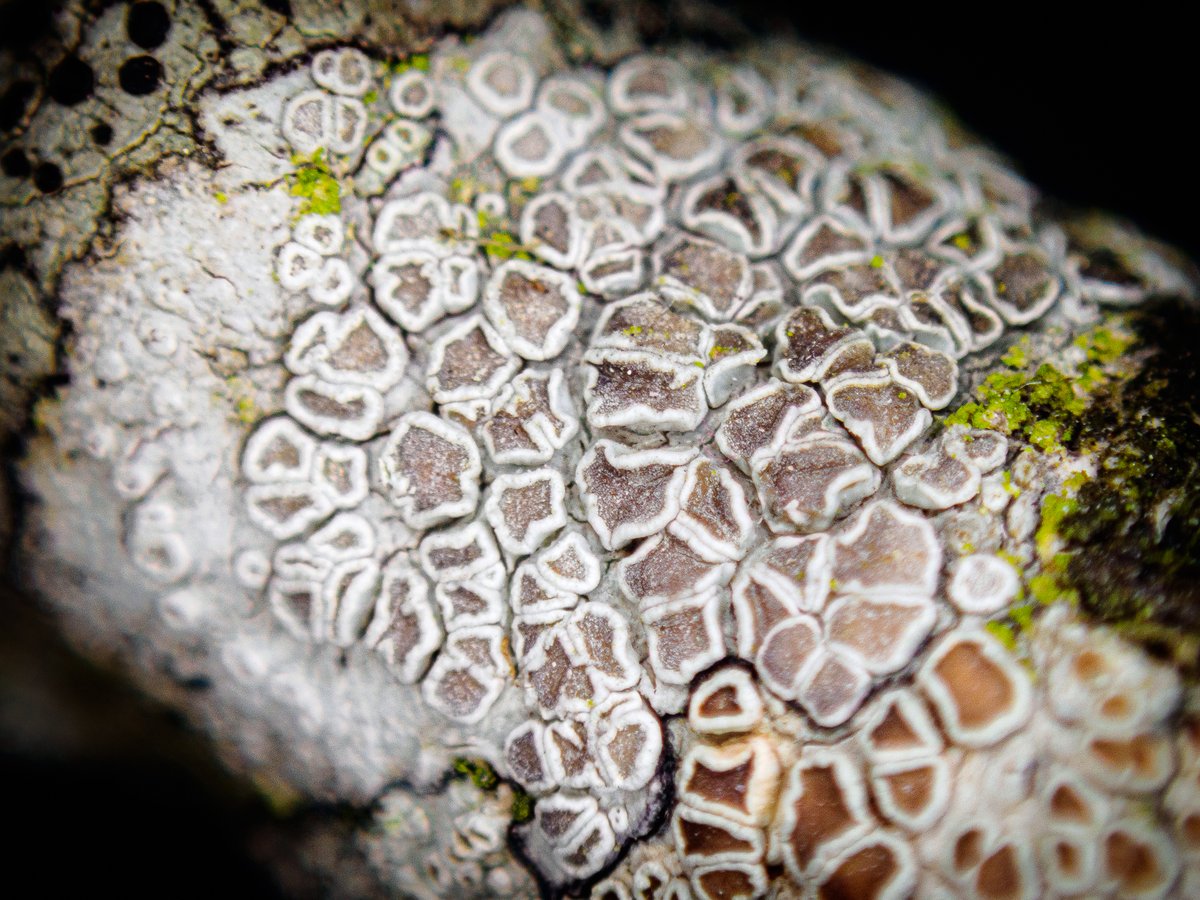
Glaucomaria carpinea on oak twig collected just near High Force (VC66/NY82/Dec23). Apothecia not as thickly pruinose as I’ve normally seen on East Anglian material, but there were many G. carpinea thalli on the twig, some more pruinose than others. ID confirmation in thread. /1
1
2
11
1,796
9 Apr 2024
Various lichens which used to be largely restricted to 'old woodland' have recently spread into the wider landscape. Normandina pulchella and Strigula taylorii are just two that spring to mind. Perhaps C. luteum is starting to behave in the same way?
10
1,423
9 Apr 2024
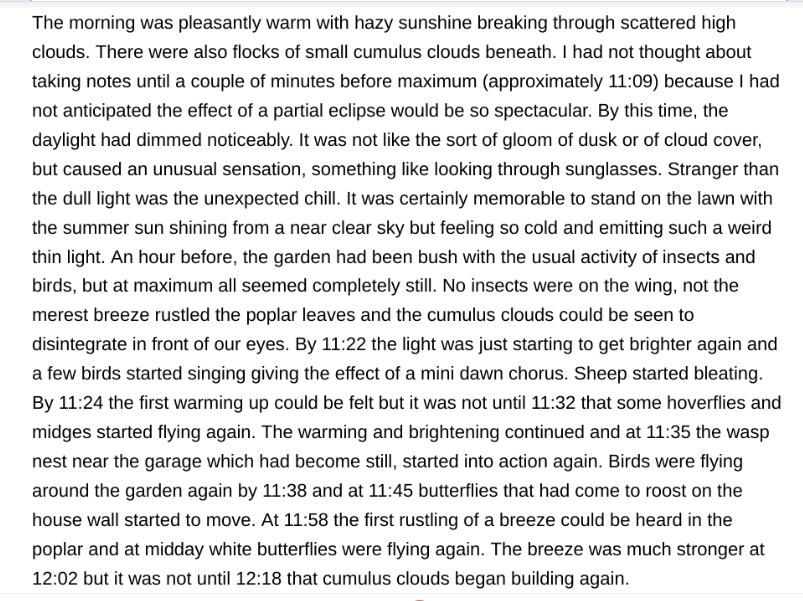
I still have vivid memories of the 1999 solar eclipse, undoubtedly the most spectacular one that I will ever witness.
30 Jan 2023

Observations of the solar eclipse, 11th August 1999, Bedfordshire.
I have rediscovered the notes I took.
I'm glad I didn't rush off to Cornwall where totality was largely obscured by cloud. I preferred to witness near-totality (in good conditions) at home.
7
813
Mark Powell retweeted

#地衣類 everyday
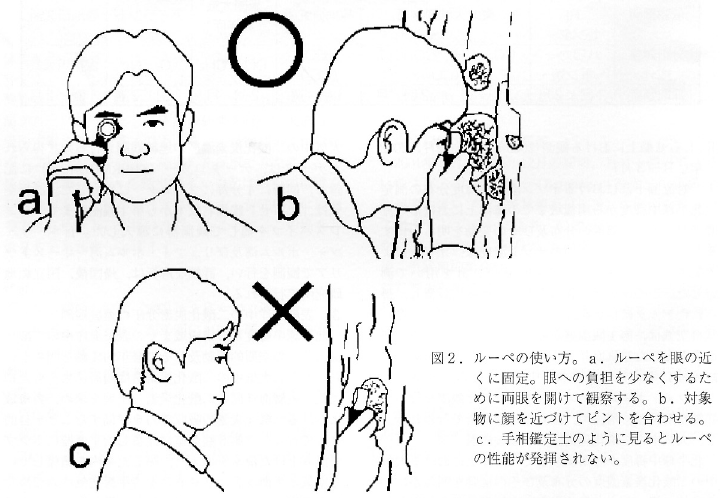
地衣類観察に用いるルーペは10~15倍程度がよい。正しい使い方は、①ルーペを眼の近くに固定し自分が対象物に近づいて観察。②眼の負担軽減のために両眼をあけて観察。【ライケン13(1)参照】
16
58
14,909
Mark Powell retweeted
27 Feb 2023
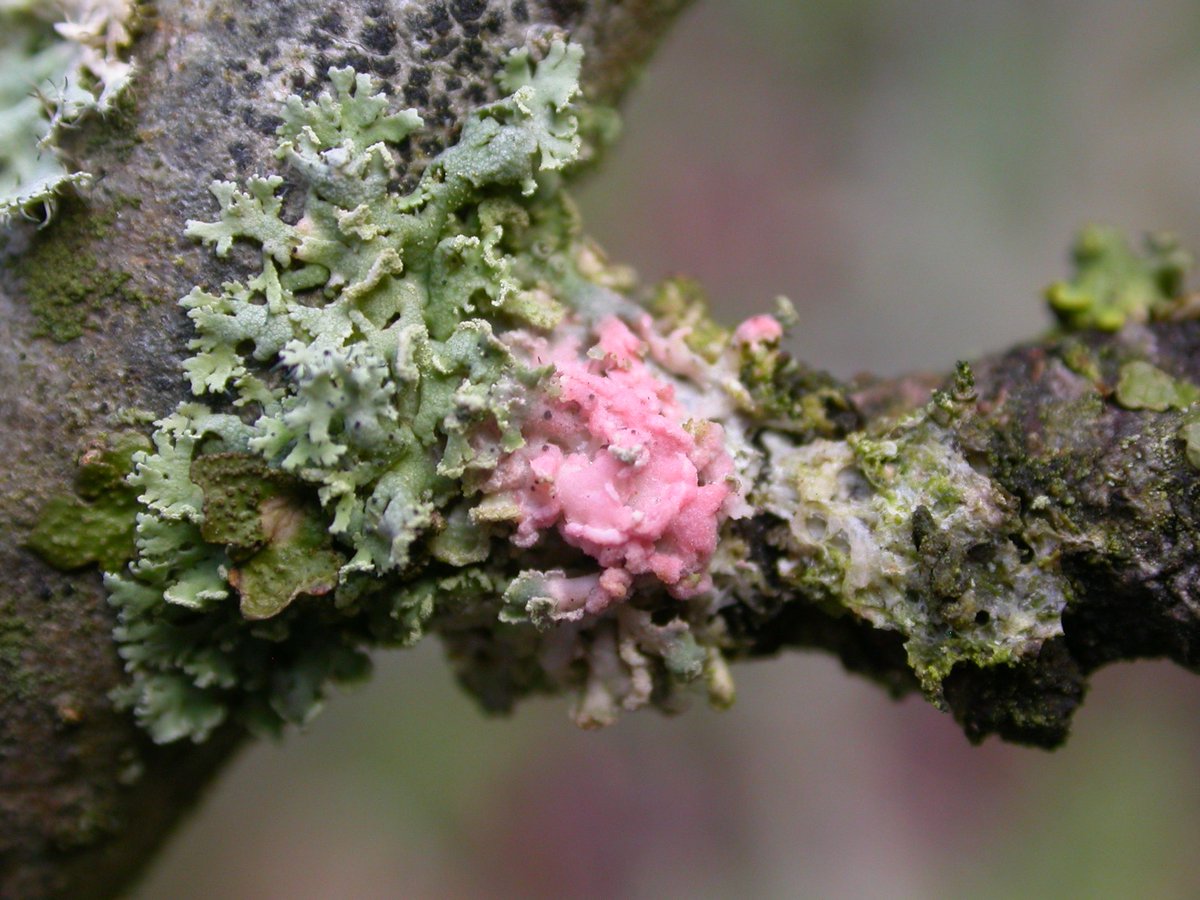
A thread about the lichenicolous fungus Laetisaria lichenicola, including the surprising way it was added to the British list in 2015 and hints about identifying/recording it.
2
14
98
7,376
Mark Powell retweeted
30 Jan 2022
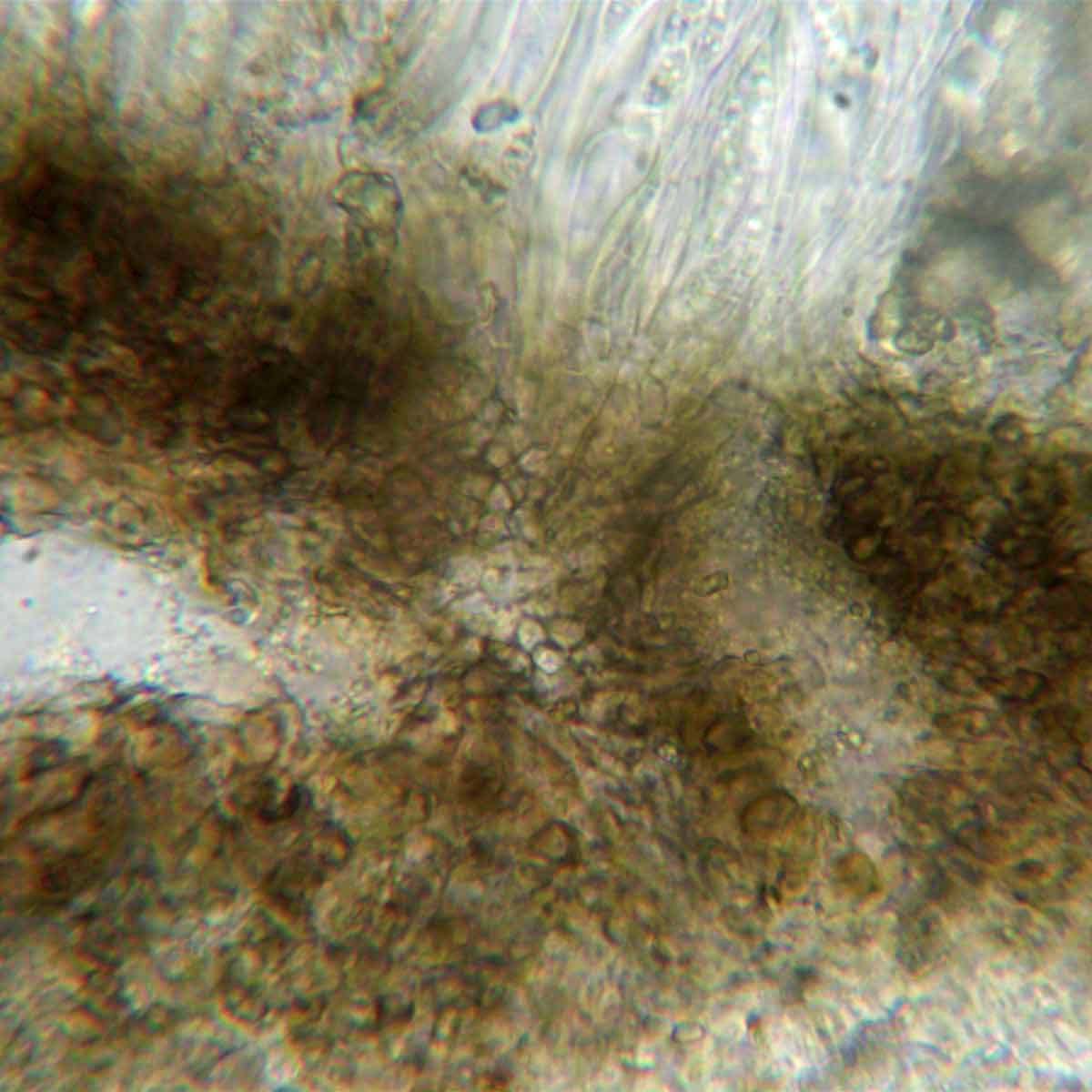
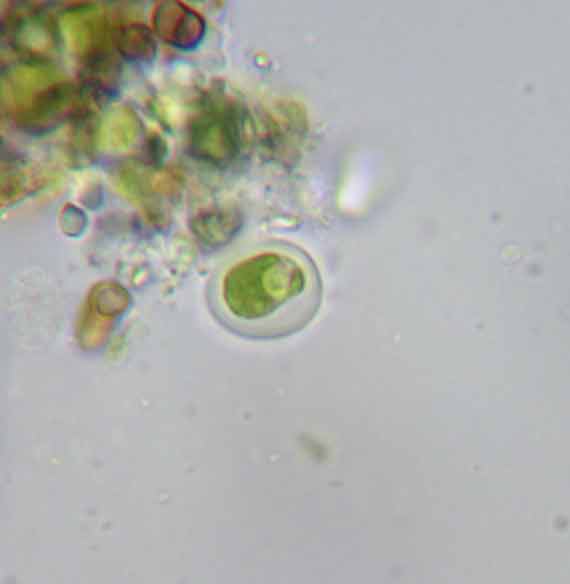
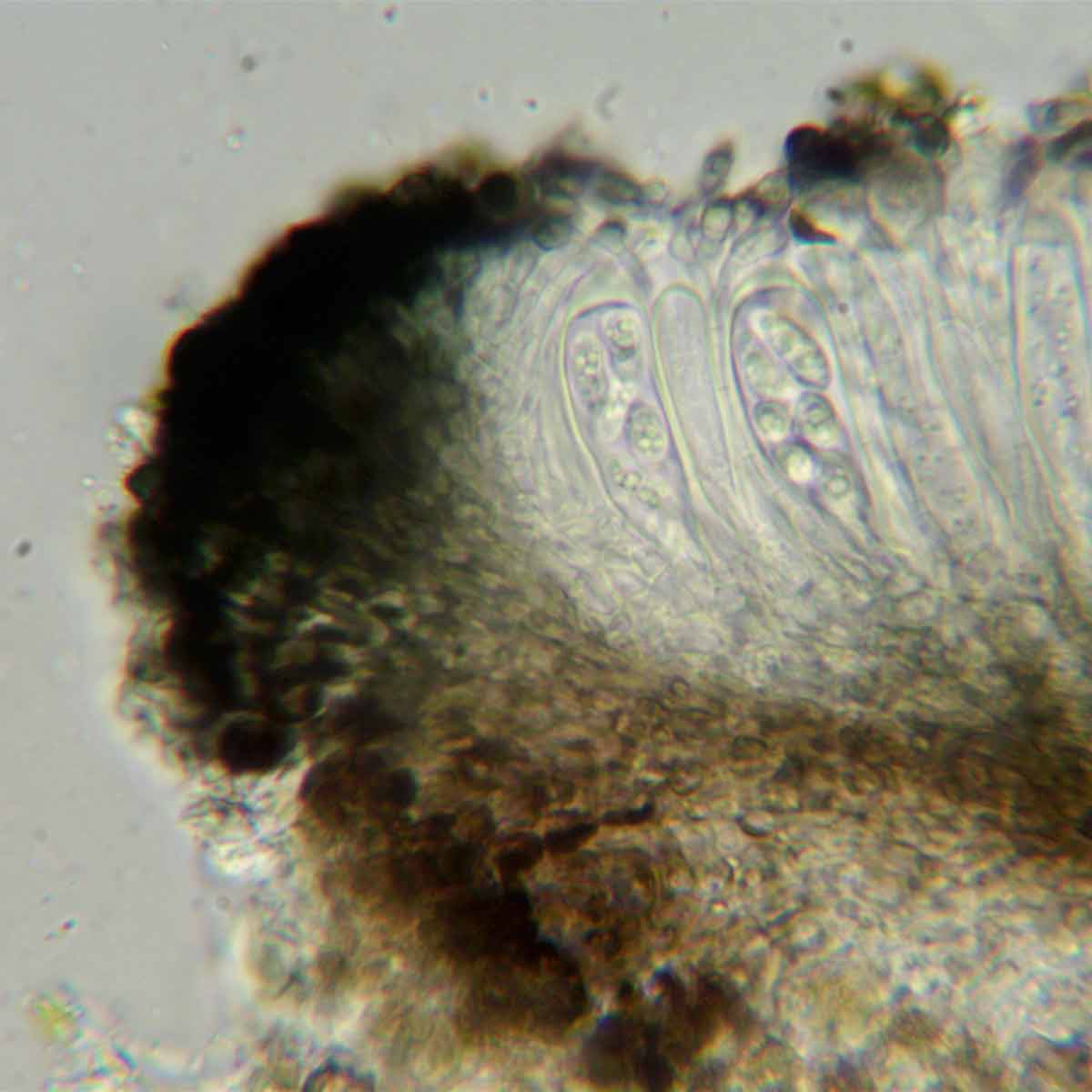
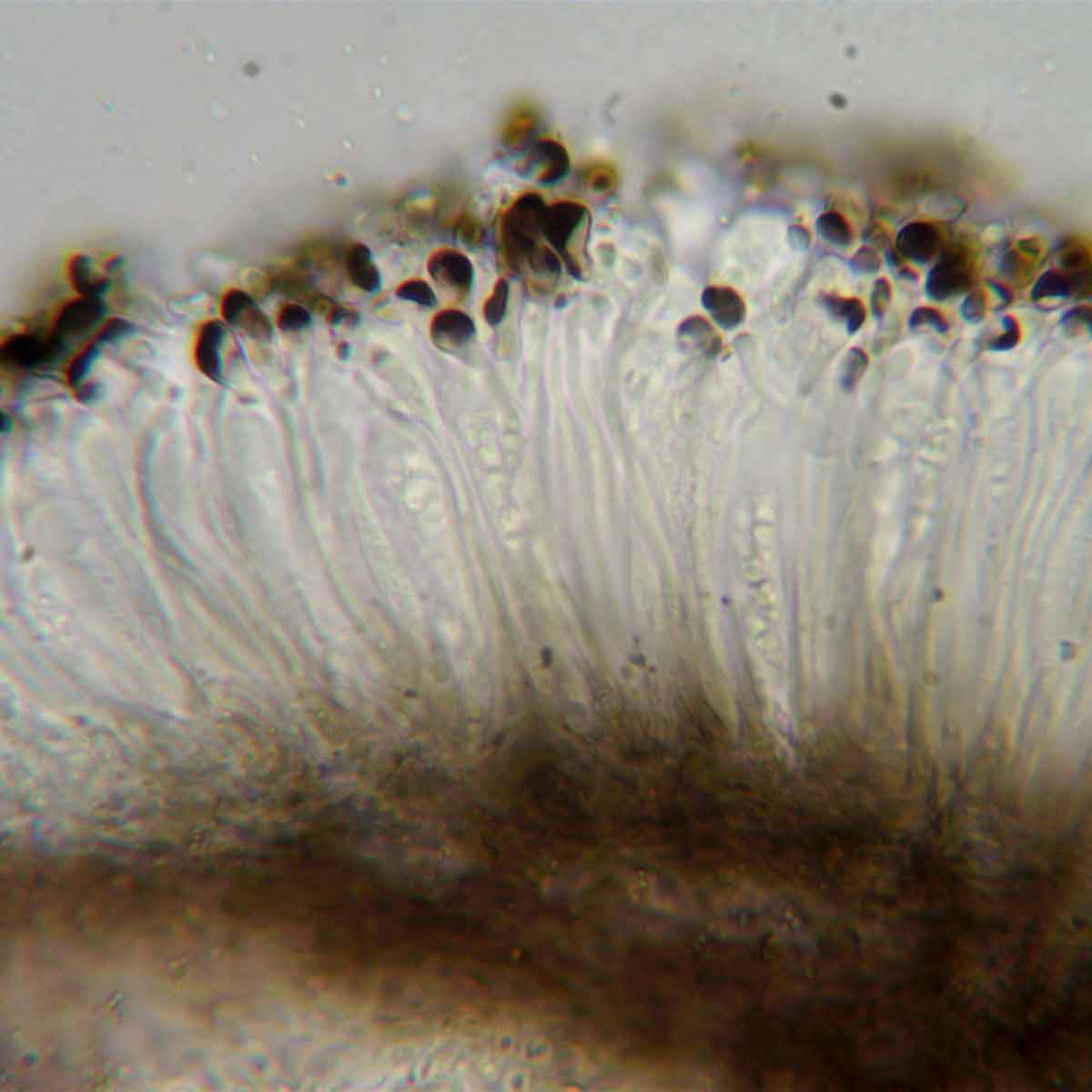
During my early microscope investigations, I noticed two features of C. chalybeia not mentioned in the books. The rounded hyphae of the hypothecium are somewhat distinctive. At the time I first saw the pale patches on the photobiont cells, I had no idea they were haustoria.
1
1
7
Mark Powell retweeted
30 Jan 2022
Catillaria chalybeia in section. Some individuals lack the dark green pigment and then they may be confused with the var. chloropoliza which is a different sort of thing occurring in more specialised habitat.
1
1
8
Mark Powell retweeted
22 Feb 2022
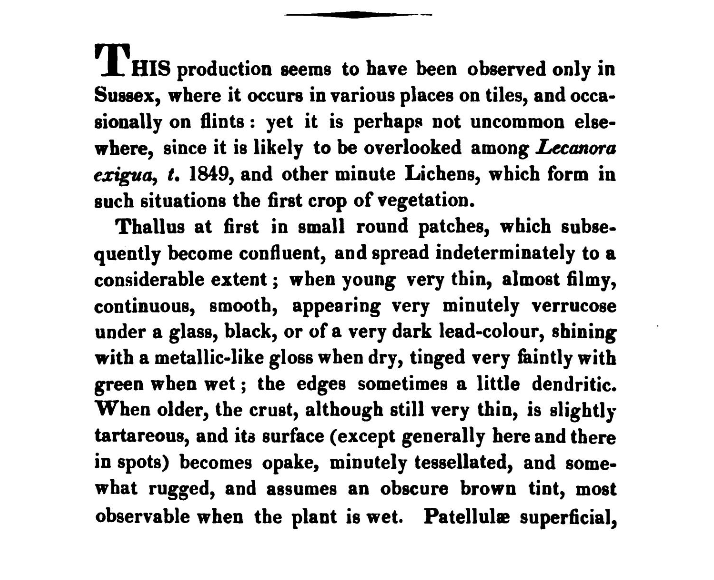
William Borrer's description of the thallus of Catillaria chalybeia, written in the 1830s, captures its appearance better perhaps than any other account that I have seen.
1
2
4
Mark Powell retweeted
30 Jan 2022
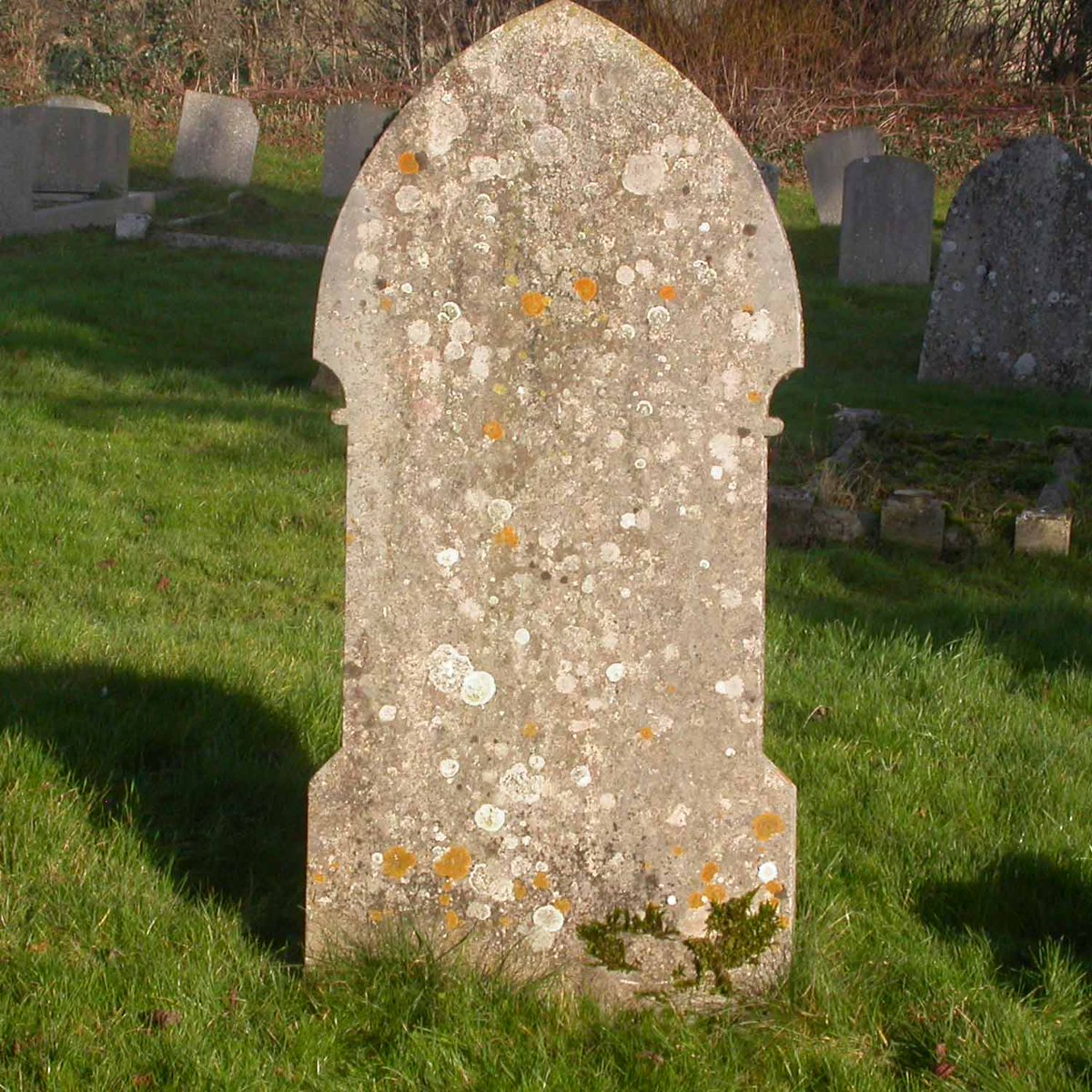
West and East facing sides of the limestone gravestone to Mercy Ann Smith, died 1911. The latest stone to be scrutinised in detail. 24 lichen spp. present, over a third of which would have been unrecognised or likely misinterpreted at the start of this century.
Thread
2
8
26
Mark Powell retweeted
16 Apr 2021
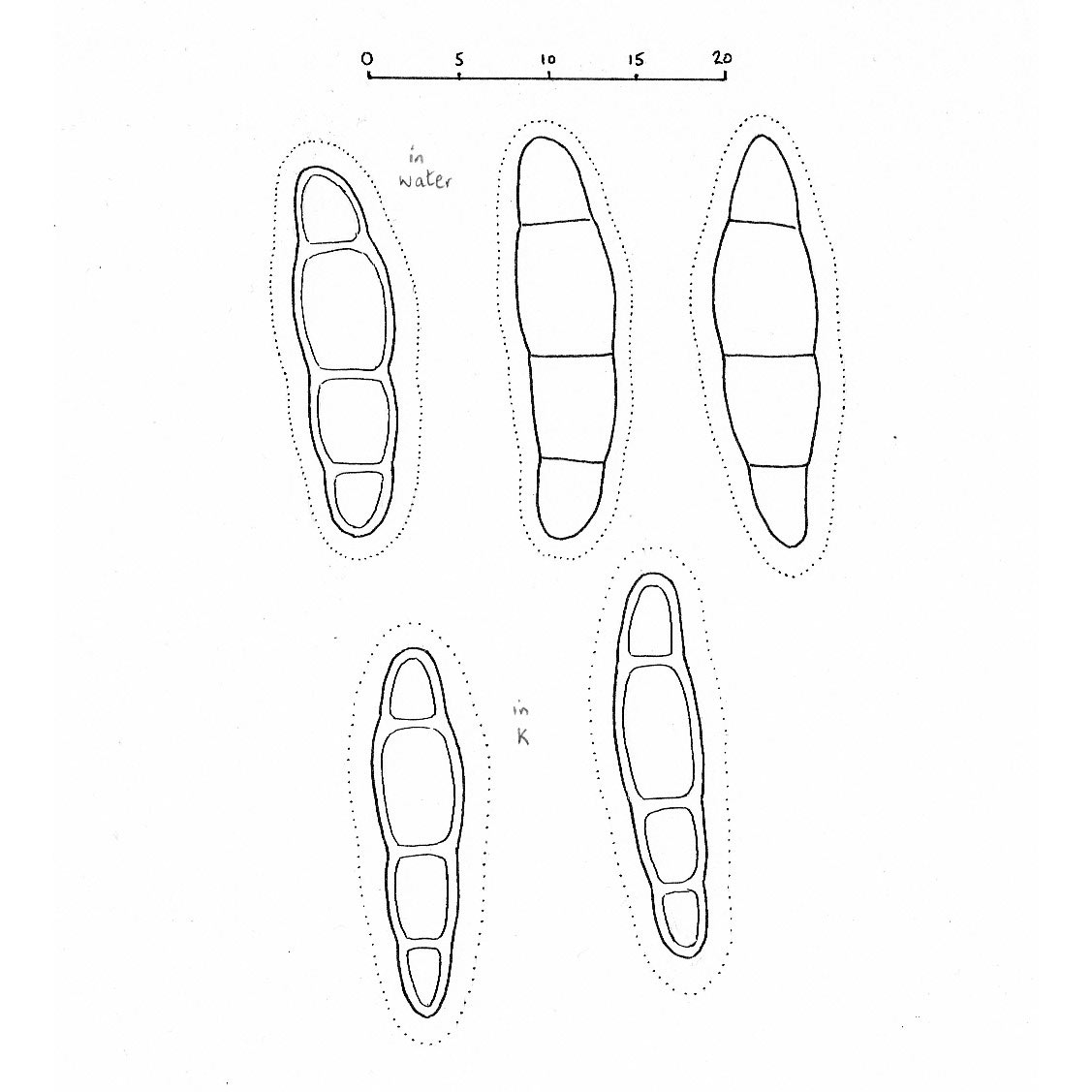
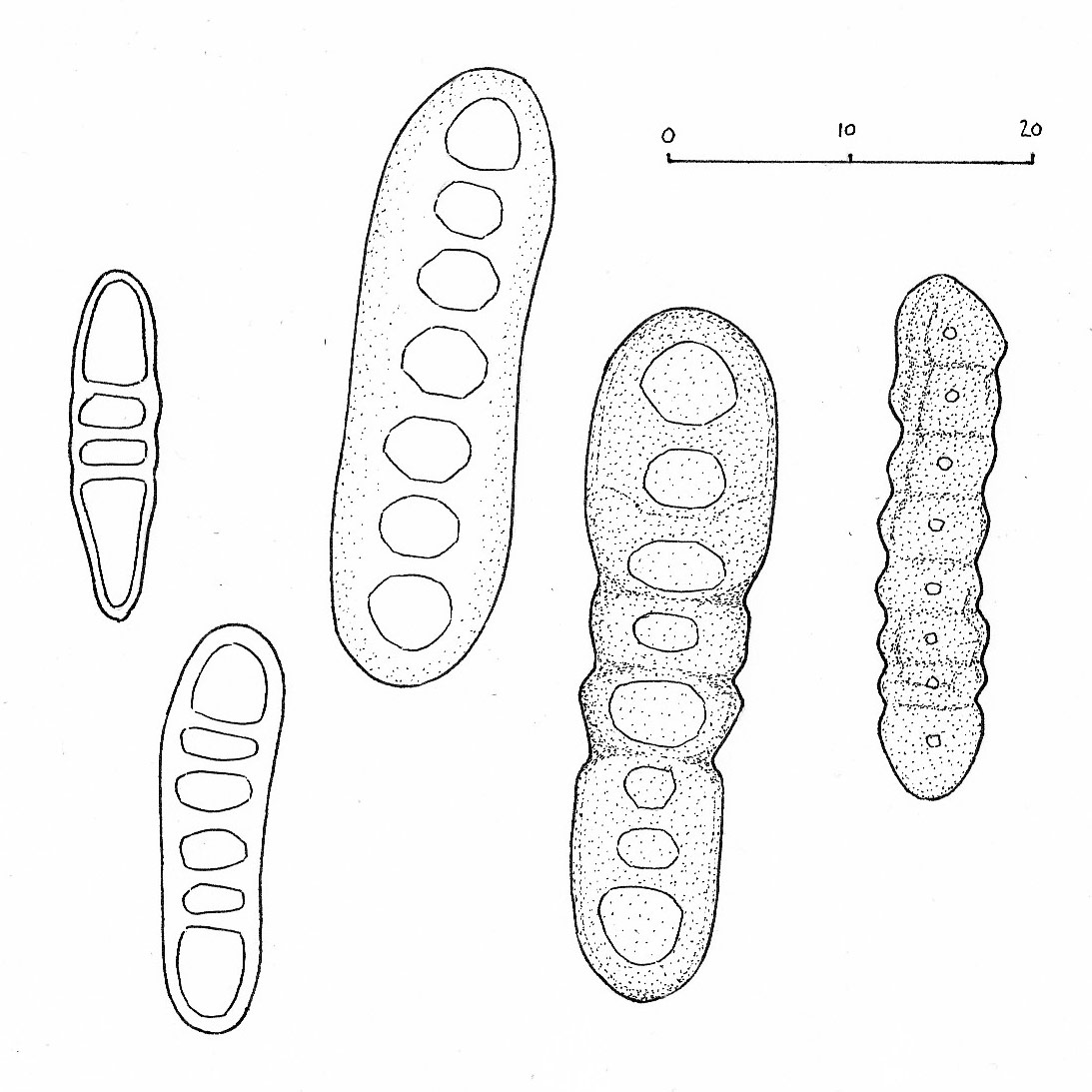
I found a technique to make reasonably good drawings, initially of microscopic features, but it works for anything that can be shown on a laptop screen.
There are however some advantages to drawing freehand...
Thread.
12 Dec 2019
Tracing or thin paper is placed over screen and basic outline gently traced. Then the detail, annotations etc. can be added from direct observation.
2
1
7
Mark Powell retweeted
12 Feb 2023
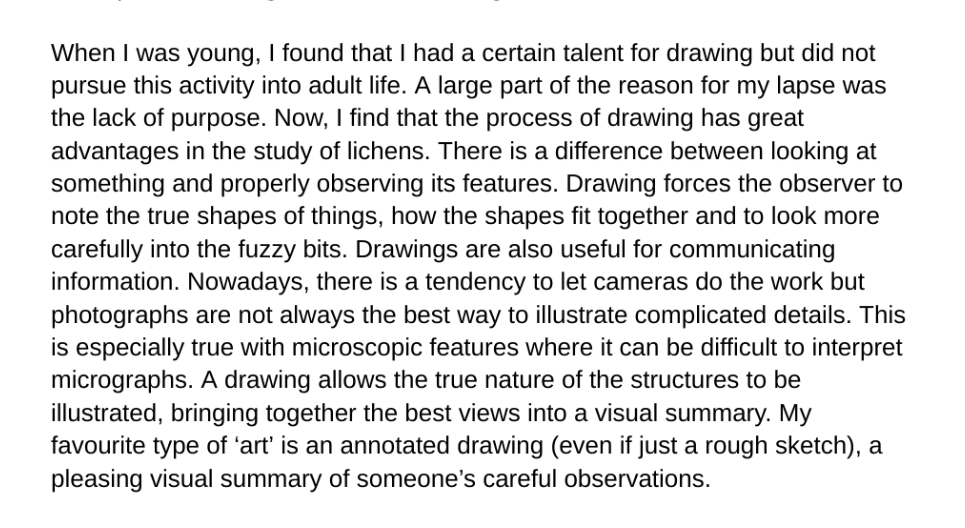
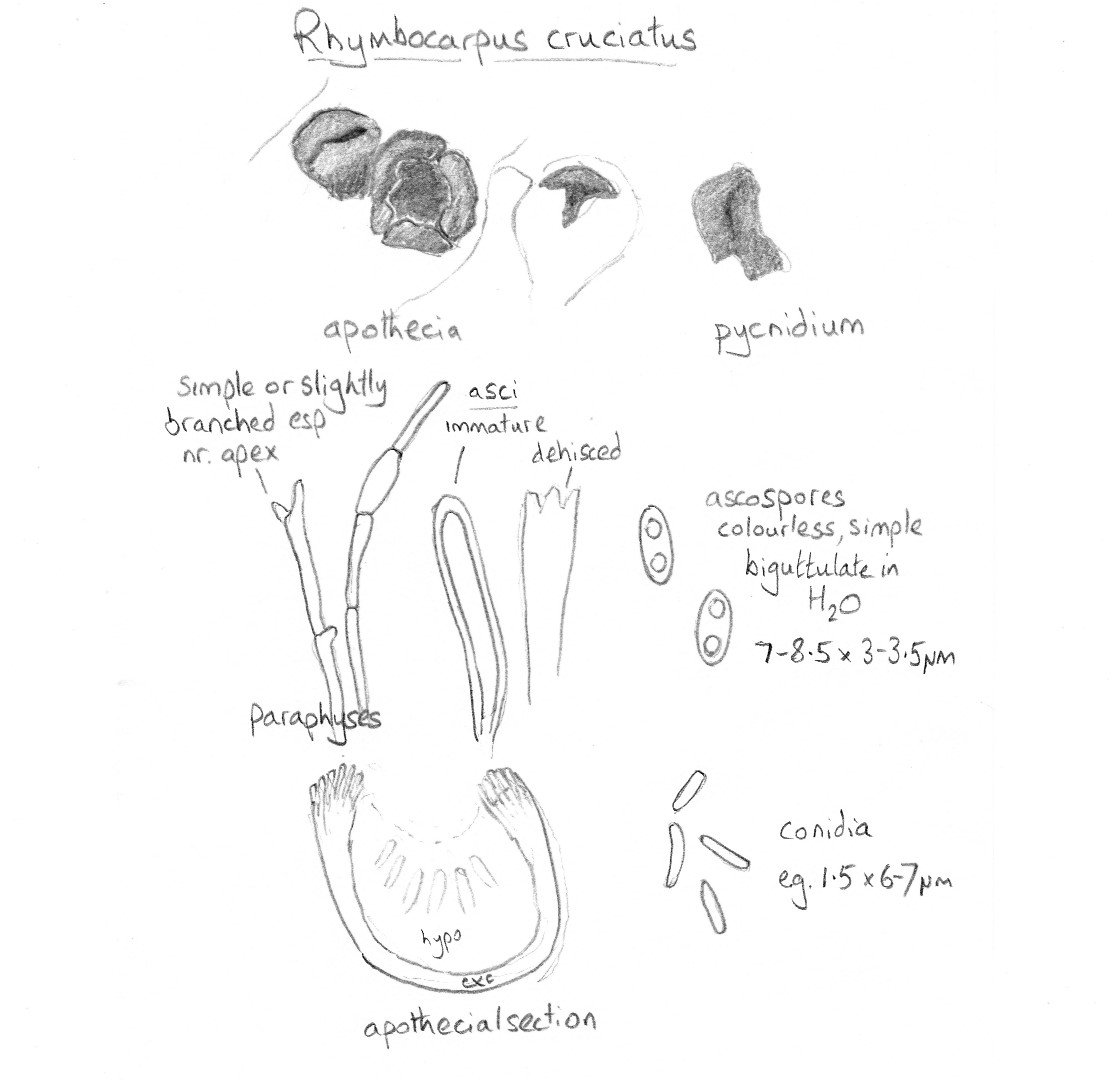
My favourite type of 'art' is an annotated drawing (even if just a rough sketch), a pleasing visual summary of someone’s careful observations.
1
18
1,139
Mark Powell retweeted
9 Feb 2024
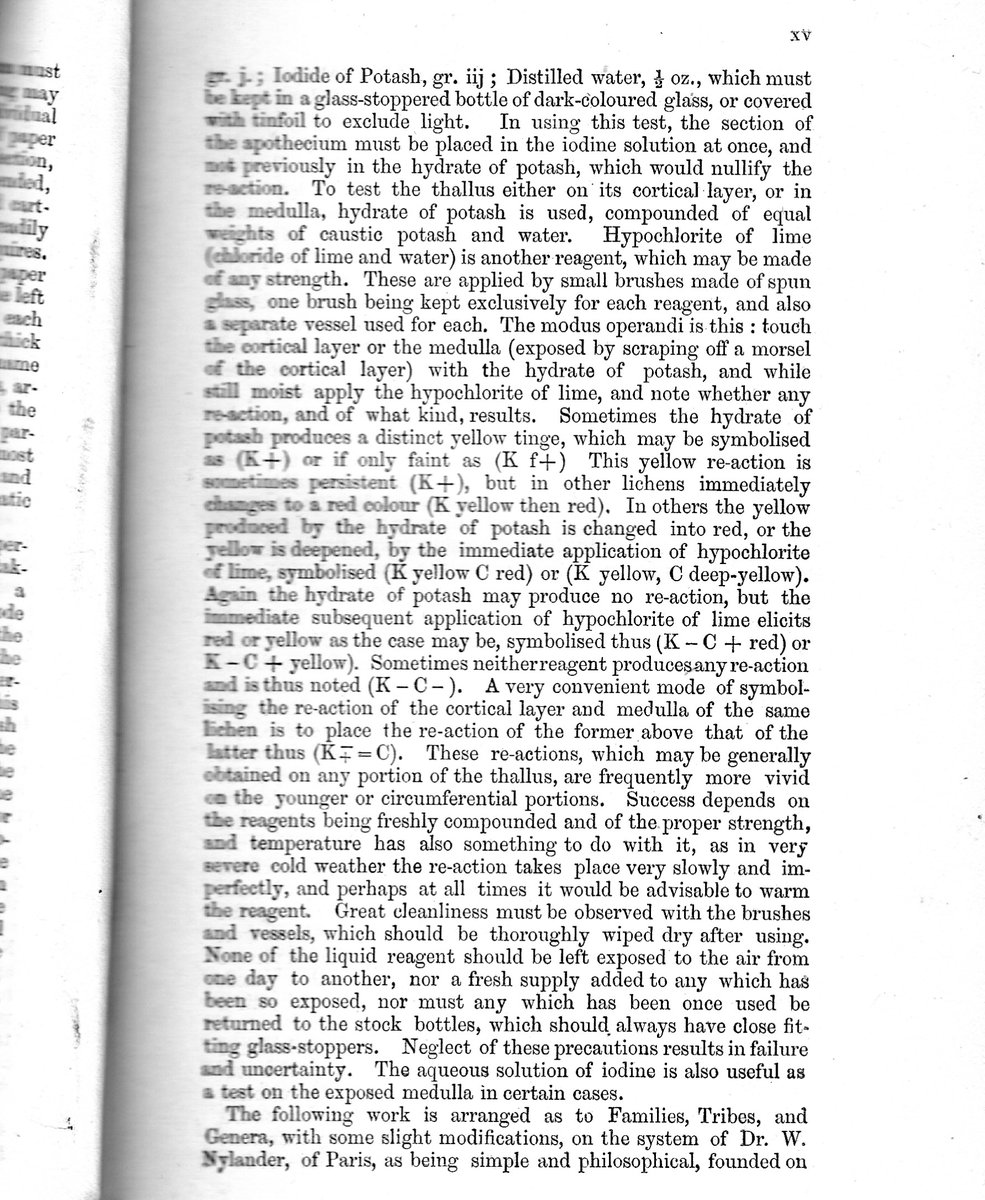
The Lichen Flora of Great Britain, Ireland and the Channel Islands
Rev. W. A. Leighton (1879)
C and K were already in use at this stage. Many of Leighton's comments still seem apposite today.
Thread
1
1
5
550
Mark Powell retweeted
6 Feb 2024
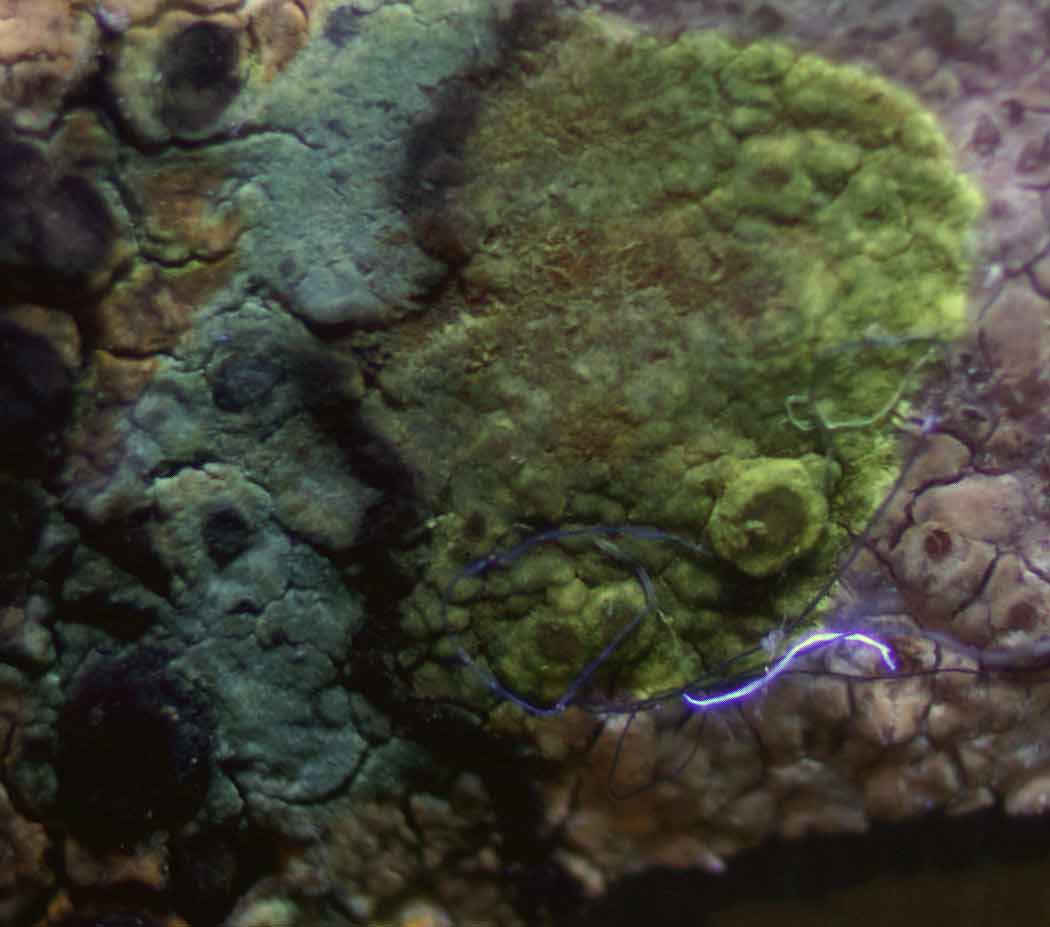
I recommend practising the K/UV reactions before using them to aid identification.
L. elaeochroma (K/UV pale green when wet) on the left.
L. hybocarpa (K/UV yellow developing as the spot dries) on the right.
Thread
1
2
3
1,573