
PhD Researching: Sci Events. Known for: SciComm. Public Engagement. STS. History. Festivals. She/Her. All tweets just my opinion. 💁🏻♀️This Barbie Does STEM.
Joined November 2009
- Tweets 47,653
- Following 1,409
- Followers 1,340
- Likes 44,084
3,572 Photos and videos






I feel like I have to make mention of it because it feels disingenuous not to, but the MIT Media Lab features significantly in the Epstein Files. If you do a search there are over 1,000 mentions and several staff implicated. Some of which are still there and teaching.
1
34
While some of this was uncovered years ago and people removed themselves (Joi Ito for example); has MIT actually addressed this in any meaningful way? Have they begun to take on the legacy left behind of some of their most illustrious scholars and their degenerate behaviour?
1
50
You can't be a university that touts how you were the home of Marvin Minsky when that same man was literally a criminal who had sex with trafficked women. theverge.com/2019/8/9/207989…
1
40

Julie Ann of Rohan retweeted

Aliens (completely bewildered): so the groundhog
Me: is clairvoyant, yes
139
17,308
158,427
2,299,619
Julie Ann of Rohan retweeted

Chairman Paul Birdsong from a newly formed Black Panther Party in Philly:
“An unarmed woman was killed by ICE…so we’re here to protect the community. If ICE thinks they’re going to brutalize the people on our watch? Fuck around and find out.”
728
5,471
26,420
902,805
Reposting for the afternoon crowd, just want @SpursStadium @SpursOfficial to know how inaccessible it is to get tickets at your venue for concerts! :) Thanks so much for being terrible!

Time to blast @SpursStadium because I emailed at least a couple of weeks ago to ask about accessible tickets to see Bad Bunny and no one!! emailed me back and now the tickets are sold out. @AccessAbleUK @DisRightsUK @DisabilityGovUK
2
45
Oh why don't disabled people get out more - WE CAN'T lmao. We can't when places like @SpursStadium make it impossible to book things and don't answer queries from their contact forms. Good lord either make it straight-forward or don't bother.
1
3
99
Time to blast @SpursStadium because I emailed at least a couple of weeks ago to ask about accessible tickets to see Bad Bunny and no one!! emailed me back and now the tickets are sold out. @AccessAbleUK @DisRightsUK @DisabilityGovUK
1
1
92
Now I'm trying to go to another concert that has chosen Tottenham as a venue and I'm terrified to even try to get tickets because of the lack of accessibility, the absolute idiocy of the ticketing system online and the fact that I'm just sending YET ANOTHER email into the void
1
1
75
This isn't access, this is embarrassing. Thanks for making me miss a show I really wanted to go to and potentially making me miss more shows in the future. So depressing and disappointing honestly.
1
31
Julie Ann of Rohan retweeted

Looking at our schedule of upcoming keynotes, talks, paper submissions, and over-all service dog in labs related stuff, something struck Mom. We've done this job for over a decade, and learned a lot in the process:
The conversation isn’t really about dogs in labs 🐕🦺
Some make it out to be so.
However, it’s really about how institutions make decisions in complex spaces.
When people who rely on service dogs are excluded—whether as researchers or participants—science loses perspective. Data becomes narrower. Outcomes become less representative.
Inclusion strengthens rigor. Exclusion weakens it.
Institutions that use individualized risk assessment, collaboration, and evidence-based decisions show what ethical research really looks like. Accessibility and innovation aren’t competing values—they’re mutually reinforcing.
Inclusive science is better science. That is the bottom-line.
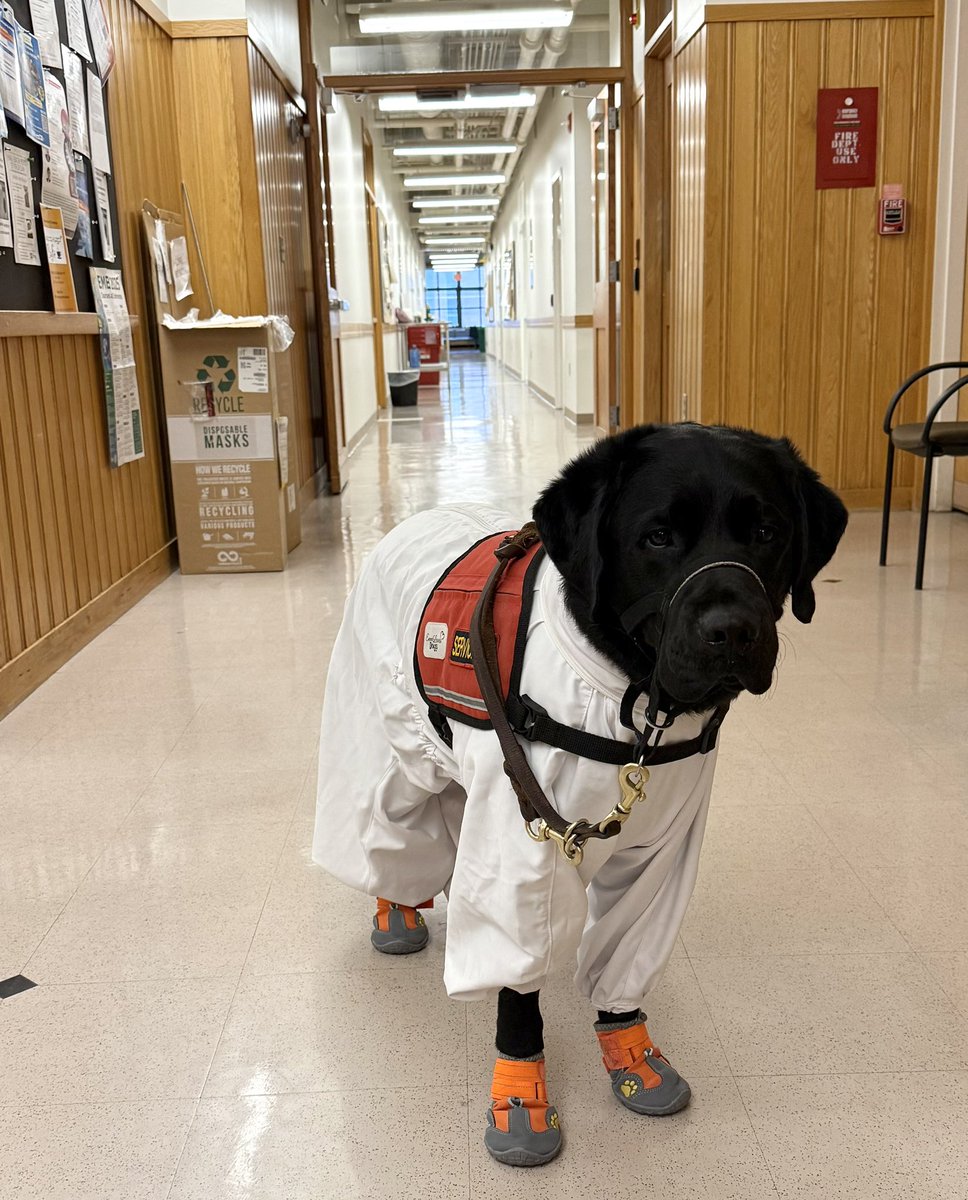
ALT Pax standing in a hallway wearing a white service dog lab coat and boots and a red service dog vest.
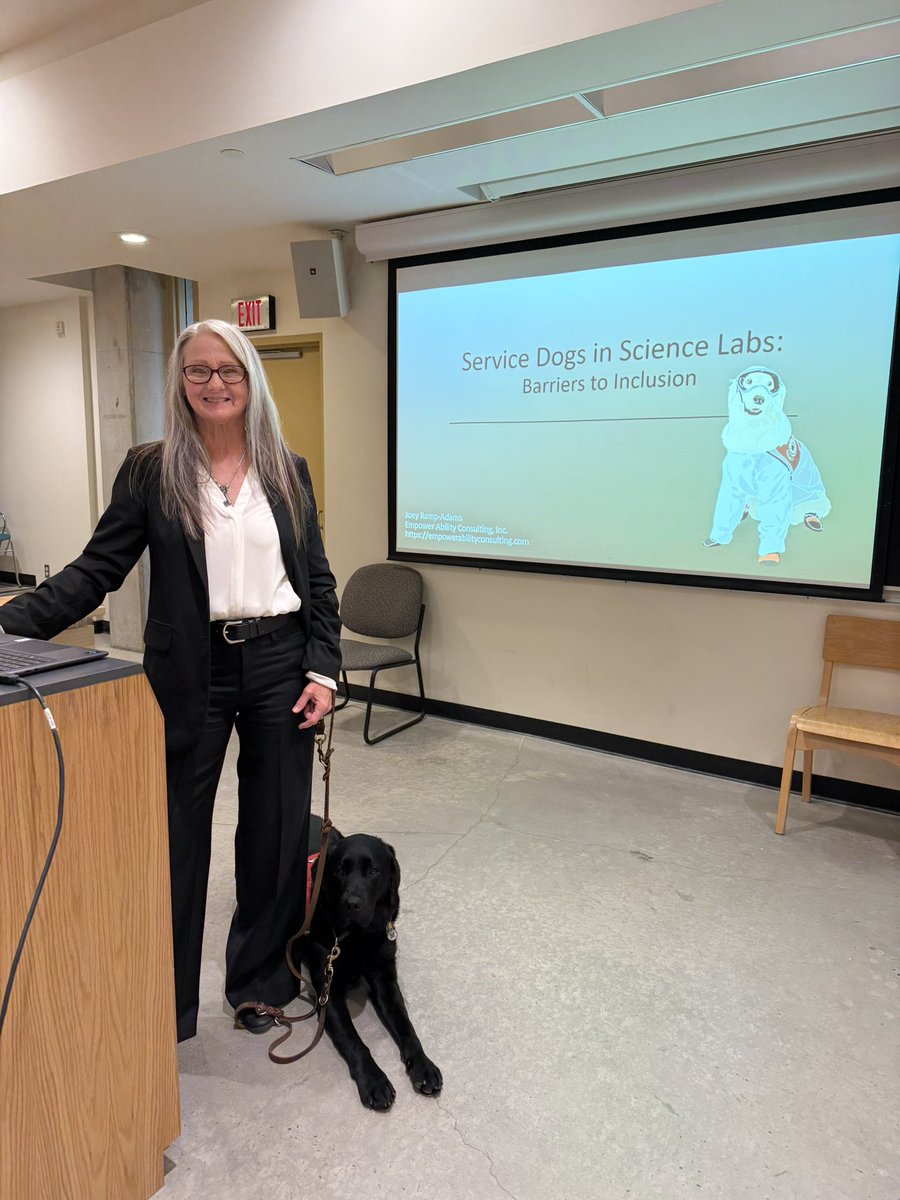
ALT Joey is a female with long gray hair standing casually next to a podium wearing a black business suit and white bouse and glasses. She is smiling. Pax is lying next to her wearing a red service dog vest. Behind them is a screen with a drawn photo of Sampsons wearing a white lab coat and safety goggles, and boots. The presentation is titled, "Service Dogs in Science Labs: Barriers to Inclusion."
9
33
345
3,147
This. Add to this trying to go into an accessible loo with an assistance dog and your poor animal is trying to sit and the floors are covered in human filth. A lot of times I just give up and leave. It's absolutely abhorrent.
Jan 6

Since I became disabled I have been shocked at the state of accessible toilets in the UK.
So many of them are absolutely disgusting.
Nothing makes you feel less welcome as a disabled person than having to use neglected toilets, with sanitary bins overflowing with human waste.
I’m often forced to take my waste with me, carrying it round in a rucksack and disposing of it at home.
It’s heartbreaking and it happens a lot.
Sadly, it’s very common. Venues across the UK simply don’t respect customers with disabilities and expect us to go to the toilet in repulsive surroundings.
That’s why it’s such a treat when you go somewhere with an accessible loo that’s properly looked after.
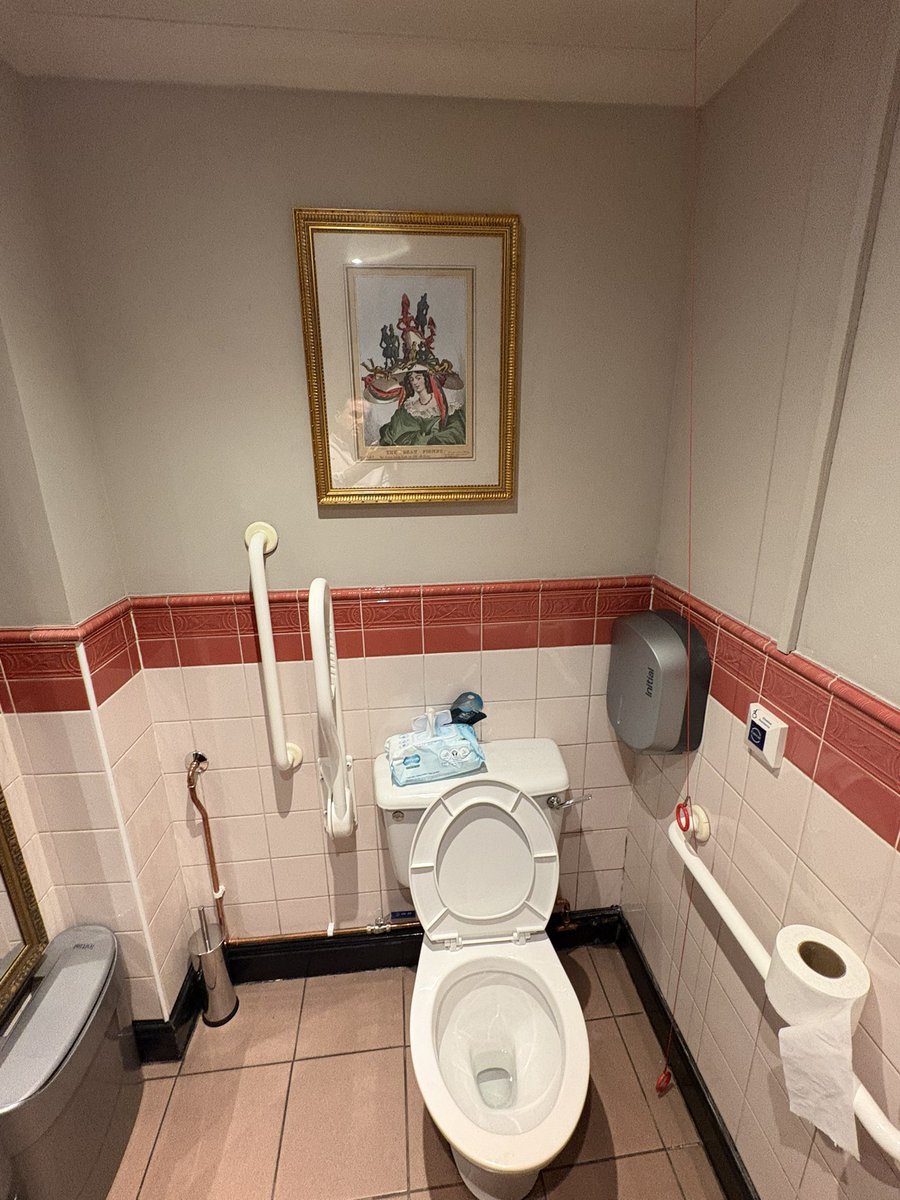
The Hyndland Rock in Glasgow has the best accessible toilet of any pub I’ve been in.
It’s immaculate, smells fresh and even has a framed print on the wall. Art! In a disabled toilet!
I cannot tell you how happy it makes me to find a toilet like this. It’s a massive relief and it makes me feel less sad about my situation.
I’m an optimistic chap but when I’m catheterising myself or emptying my colostomy bag in a foul room full of flies, it doesn’t make me feel good about my life.
So if you have a venue, please look after your accessible toilets. The basics are the most important thing: empty the bins and keep the room clean and free of junk.
Those simple things really mean a lot to people like me.
They’re not on X so I can’t tag them, but thank you to all the staff at The Hyndland Rock!
40

25 Dec 2025
Celebrities who have a sudden onset disability when they need to travel by air for the holidays with their large dog are insane. And it's like, they will ride SO HARD for their disability rights in the comments but the rest of the year? #disability #disabledrights
1
86
25 Dec 2025
You suddenly lose your voice when it comes to housing discrimination for people with service dogs? Or the Trump administration practicing eugenics on people with disabilities? Or the loss of PIP benefits in the UK? But YOU NEED TO FLY DAMNIT!!!!
1
36
25 Dec 2025
So if you see me yelling at celebrities about it, mind your business or join in tbh.
1
1
31