
Report on @ALALibrary for 25 years. “Meddling minority” says NJ Sen @AndrewZwicker. Founder @SafeLibraries @WLibraryA. GSG: tinyurl.com/FundParents
Joined August 2015
- Tweets 216,852
- Following 6,813
- Followers 9,516
- Likes 165,942
6,948 Photos and videos

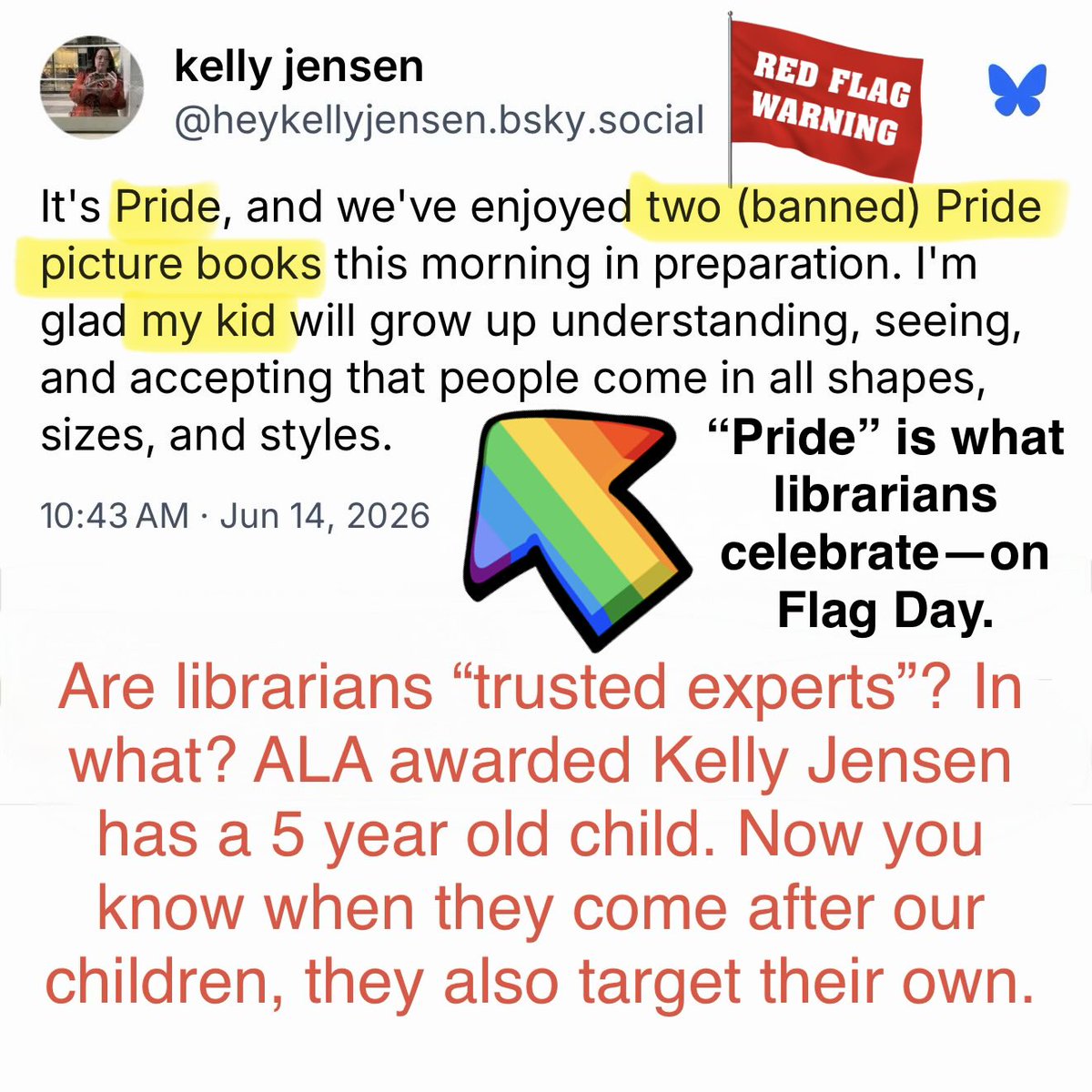
Pinned Tweet

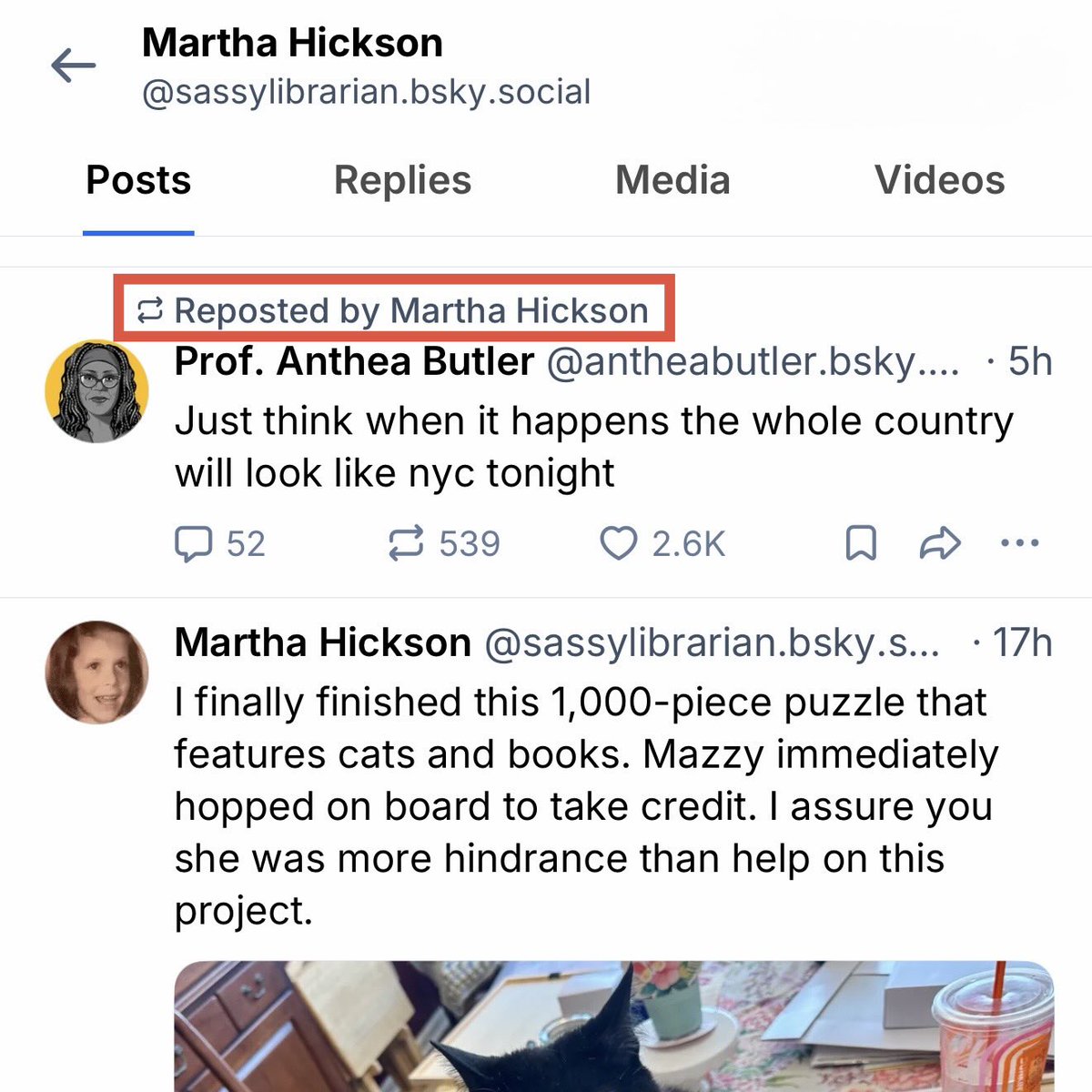
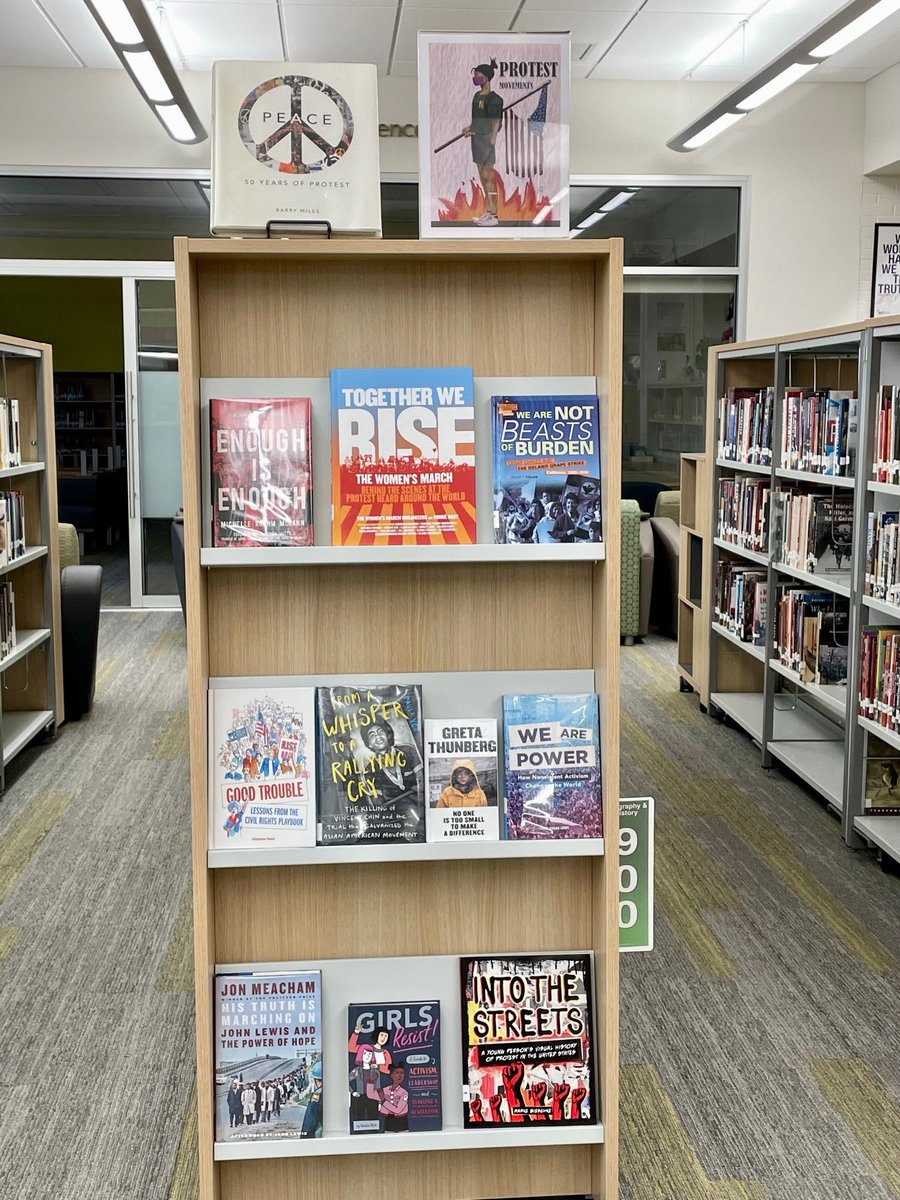
School librarians create displays to indoctrinate students, as shown here.
Do you see the books there, like “Good Trouble” and the one with multiple Marxist fists? Do you see the indoctrination?
What about this isn’t indoctrination?
Defund ALA.
(Photo source: Martha Hickson)
138
447
934
306,991
Dan Kleinman @OccupyLibraries retweeted

JUST IN: NJ Burn Antifa BLEACHING Themselves From the "LIZZY PORT PROTEST," Signal Chat After Our New Antifa Investigation
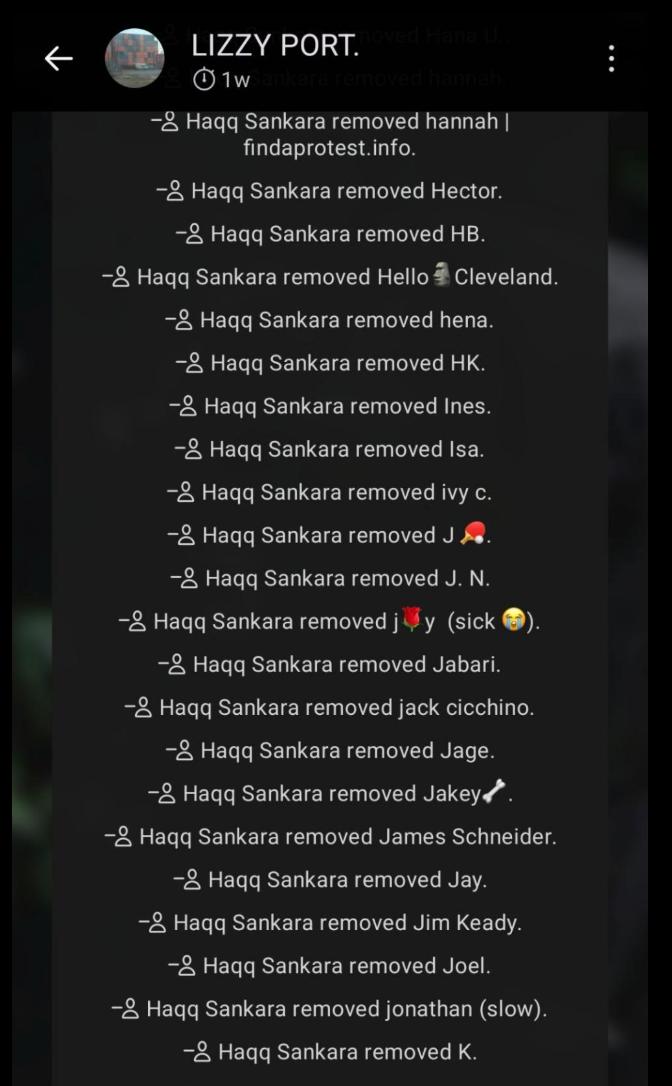

O’KEEFE INFILTRATES NJ ANTIFA: Inside “NJ BURN” — Rutgers University Director, T-Mobile AI Leaders, OpenAI /ChatGPT Engineer, Reverend From Princeton Theological Seminary, and ACLU Board Member Discuss Port Newark–Elizabeth Blockade Riot, Road Spikes, Tire-Slashing of New Jersey Police Vehicles, “Ukrainian-Style” Protest Tactics, and Celebrating Charlie Kirk’s Murder.
NJ ANTIFA INDIVIDUALS IDENTIFIED:
• Alexyss P. - New Jersey Coalition Against Sexual Assault Community Council Member @NJ_CASA
• Jim Keady @JWKeady - Former New Jersey Democratic Candidate
• Woojin Ko - OpenAI Research Engineer @OpenAI
• Beleckecom Moffouk - T-Mobile AI Automation Expert @TMobile
• Zainab Tanvir - Imaging Director at Rutgers University @RutgersU
• Amanda Marie Dominguez - Rutgers University PHD Student in Education @RutgersU
• Aditi Rao @aditilrao - Princeton University Classics @Princeton
• Shannon Smythe - Princeton Theological Seminary Field Education Director @Princeton
• Cres Vellucci @CresVellucci - National Lawyers Guild Co-Founder/Co-Member & ACLU Board Of Directors @NLGnews @ACLU
• Celine Semaan @celinecelines - Co-Founder Slow Factory Labs @theslowfactory
40
927
2,644
66,858
Dan Kleinman @OccupyLibraries retweeted

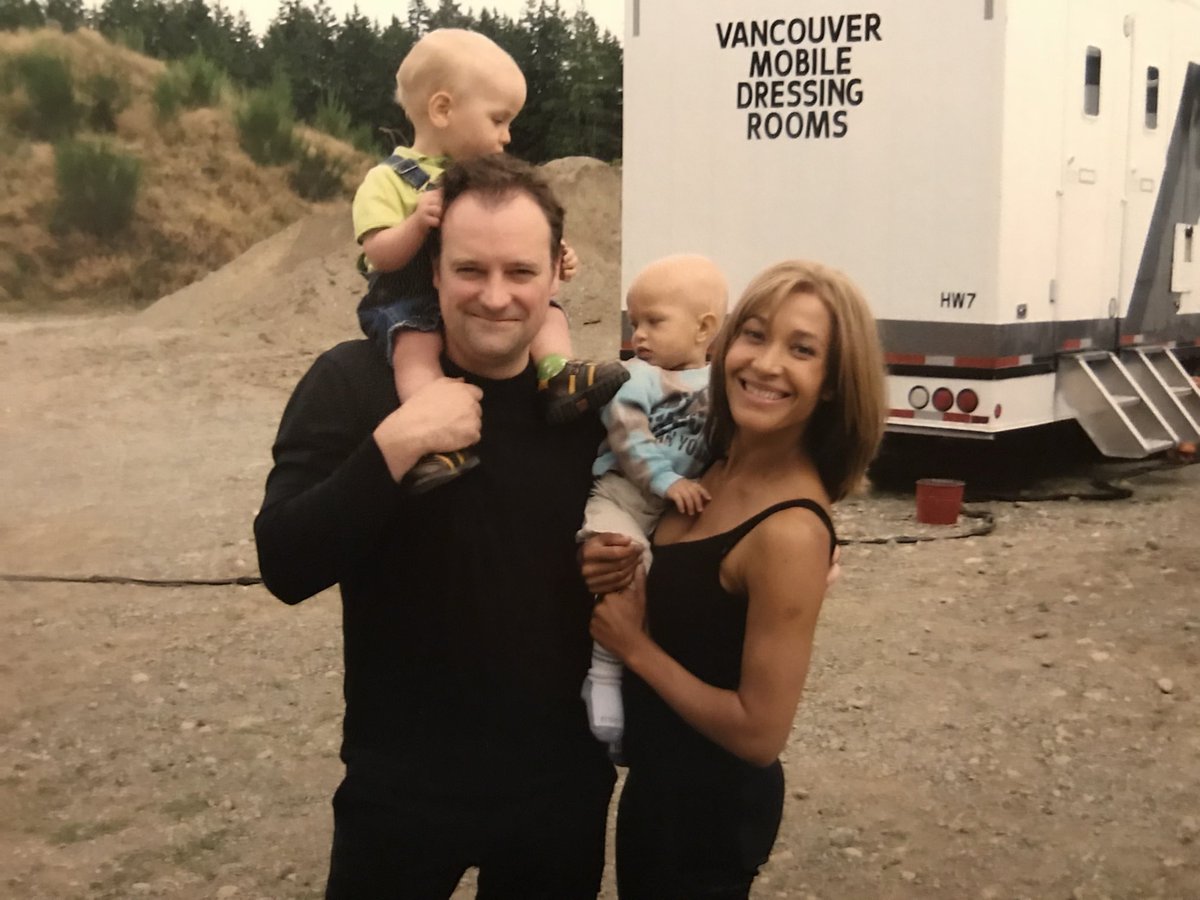
Years later and this fandom still shows up.
Loudly. Passionately. Together.
That’s the magic of Stargate. 💙
#SaveStargate
@dhewlett

36
305
1,707
10,320
Dan Kleinman @OccupyLibraries retweeted
An OMG journalist spent the past eight months undercover inside New Jersey ANTIFA, infiltrating the private Signal chats of a group known as NJ BURN.
What we uncovered proves ANTIFA is not just an idea. It is a network of real people organizing, coordinating, and operating inside America.
Inside the group's Signal chats, members discussed plans for port blockades, riot activity, support networks for criminal defendants, and celebrated acts of political violence. Using names, profile photos, and digital receipts, OMG traced individuals to positions throughout some of America's most influential organizations.
The same network connected to disruptive port blockades in New Jersey was also active during the unrest surrounding Delaney Hall, where activists confronted law enforcement and journalists outside the immigration detention facility.
Among those identified were an engineer affiliated with @OpenAI & @OpenAINewsroom, an AI Automation Leader at T-Mobile, Rutgers University students and personnel, a Princeton doctoral candidate, a former New Jersey congressional candidate and city councilman, board members connected to the American Civil Liberties Union, and National Lawyers Guild, and nonprofit executives with ties to United Nations-affiliated initiatives.
Some messages in the Signal chats showed these individuals celebrating Charlie Kirk’s assassination and hoped that the past attempts on President Trump were successful.
The American people deserve to know when individuals involved in activist networks also hold positions within institutions that shape public policy, technology, education, and culture.
These are not simply anonymous individuals organizing online. OMG identified numerous individuals and organizations connected to members of the NJ BURN network and reached out to them for comment. We will update our reporting with any responses we receive.
The identities referenced in this report are based on evidence gathered during our investigation, including social media activity, public records, and other corroborating information. Some identifications remain unknown, and additional information may emerge following publication.
84
1,455
3,710
46,401
Dan Kleinman @OccupyLibraries retweeted
On set with my first born💙
#SaveStargate

53
241
1,633
10,206
Dan Kleinman @OccupyLibraries retweeted

Hitting the road this weekend 🇯🇲 for screening of my latest role … sticking to my preferred mode of travel but had to re-arrange delivery system due to recent SNAFU.
#Apophis sez #saveStargate

19
120
584
4,174
Dan Kleinman @OccupyLibraries retweeted
BREAKING: NJ ANTIFA Group Gets Infiltrated and Exposed by O’Keefe x.com/i/broadcasts/1mGPaanqk…
25
984
2,930
98,739
Dan Kleinman @OccupyLibraries retweeted
Hello Stargate universe!
Sharing photos I dug out yesterday, from the archives. BTS Stargate Atlantis … all attitude 😂
💙
#SaveStargate

50
274
1,524
11,281
Dan Kleinman @OccupyLibraries retweeted

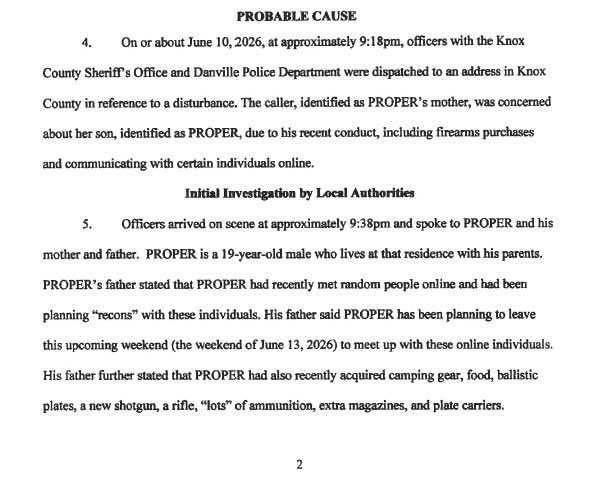
MORE: Feds say Proper’s mother made the initial call to police when she became concerned about his activities - then the wider web/plot was uncovered.
68
387
1,698
84,772
Dan Kleinman @OccupyLibraries retweeted
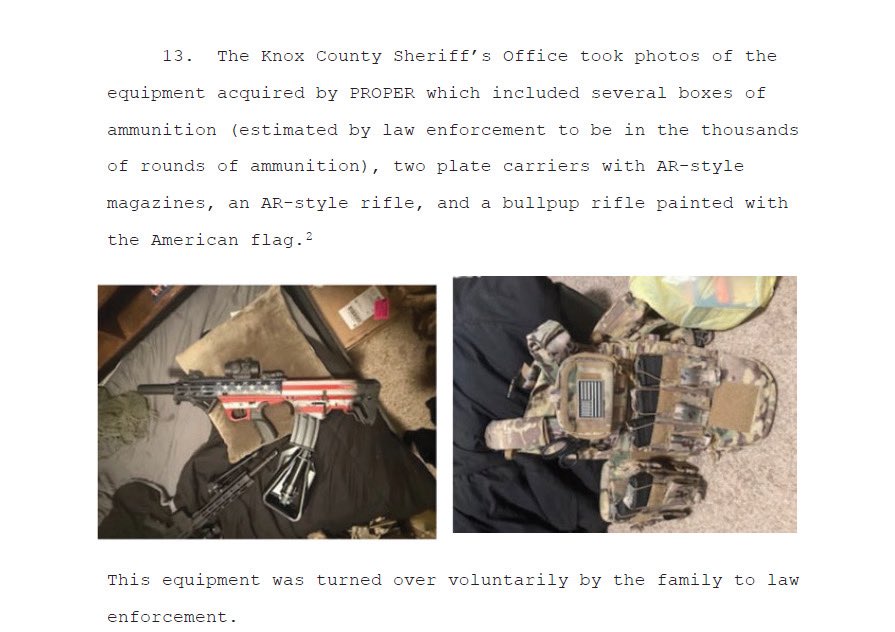
Correction: Phone and weapon photos are from a separate defendant, a 19-year-old Ohio man named Tycen Proper, also arrested by FBI.
According to the complaint, Proper allegedly spent 3k of his "graduation money" to purchase "lots of" ammunition, guns, extra magazines and other things for the alleged attack. Had quit his job to meet up with people he had met online to conduct "missions" and "recons."
34
311
1,499
127,172
Dan Kleinman @OccupyLibraries retweeted
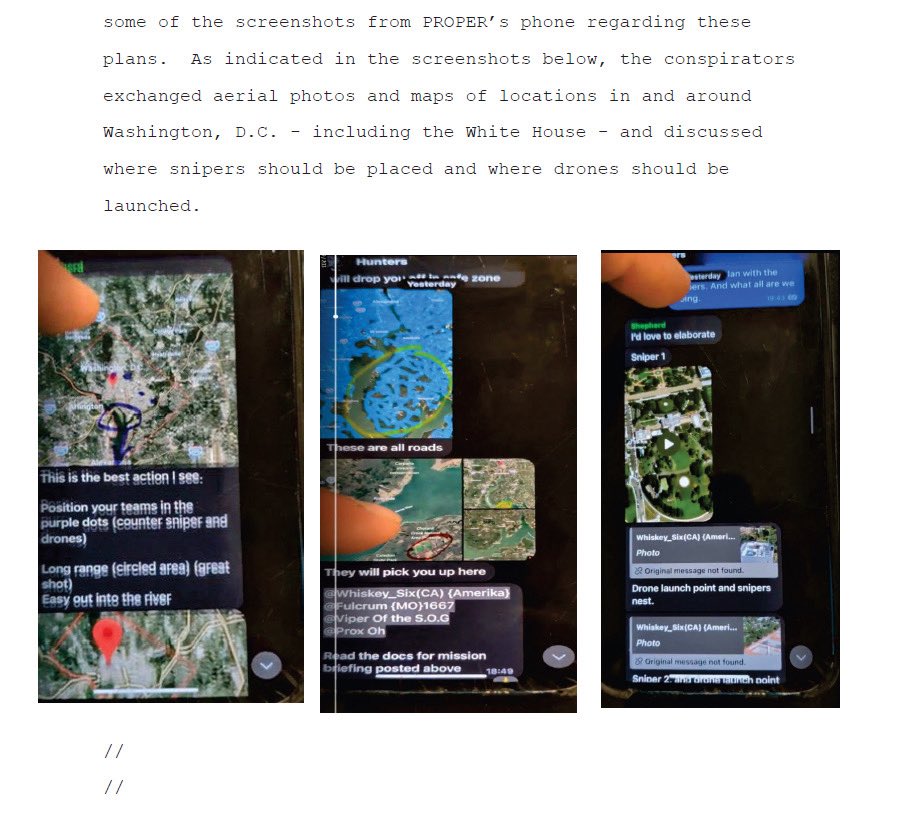
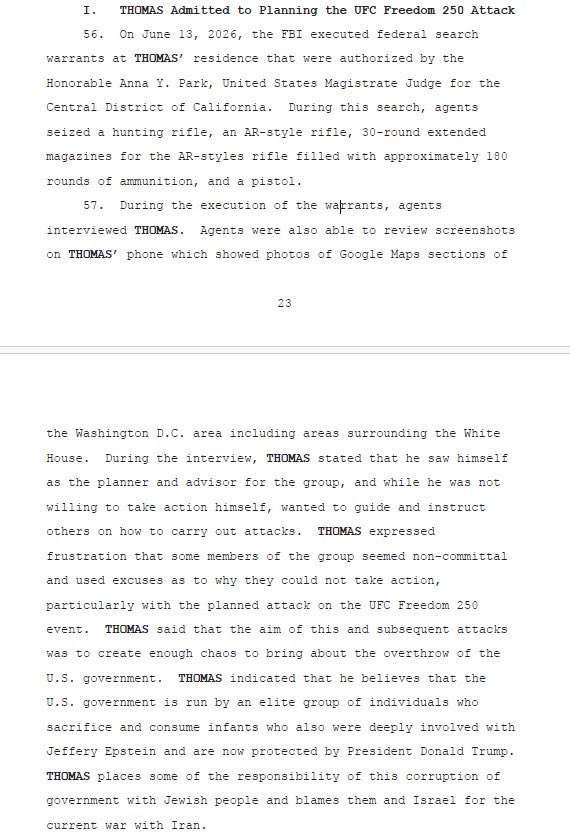
BREAKING: Details via federal arrest affidavit reveal that a California man named Michael Alan Thomas was one of the alleged organizers of the alleged UFC White House terror plot. Feds say he admitted he believes the U.S. government is run by elites who sacrifice and eat children, had involvement with Jeffrey Epstein, and are protected by President Trump.
Investigators took screenshots of his Signal chats in which details of the plot were discussed and maps of the UFC event were shown with suggestions on where snipers should be placed. Feds also recovered rifles & ammo.
Sources tell colleague @davidspunt those in custody are American citizens snd there is no foreign nexus believed to be at play.
567
2,188
6,150
1,441,148
Dan Kleinman @OccupyLibraries retweeted

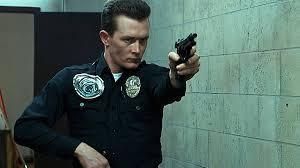
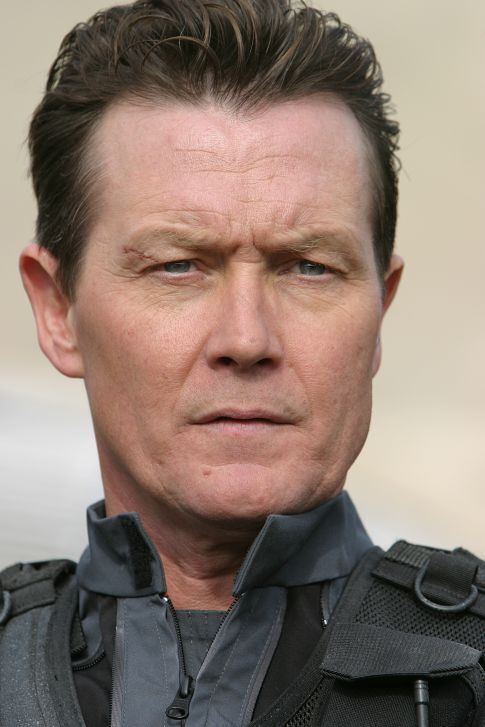
Robert Patrick, famous for playing T-1000 as well as Colonel Marshall Summer in Stargate: Atalntis, joined the #SaveStargate campaign and urged fans to keep it going:
"Hey Stargate fans! I will be taking part in the Tweet storm tomorrow (Tuesday 6/16) at 10:30am PT/ 1:30pm ET) #SaveStargate I signed the petition! "
Are you doing your part?
17
251
1,207
10,960

Trump won we don’t have to do this anymore

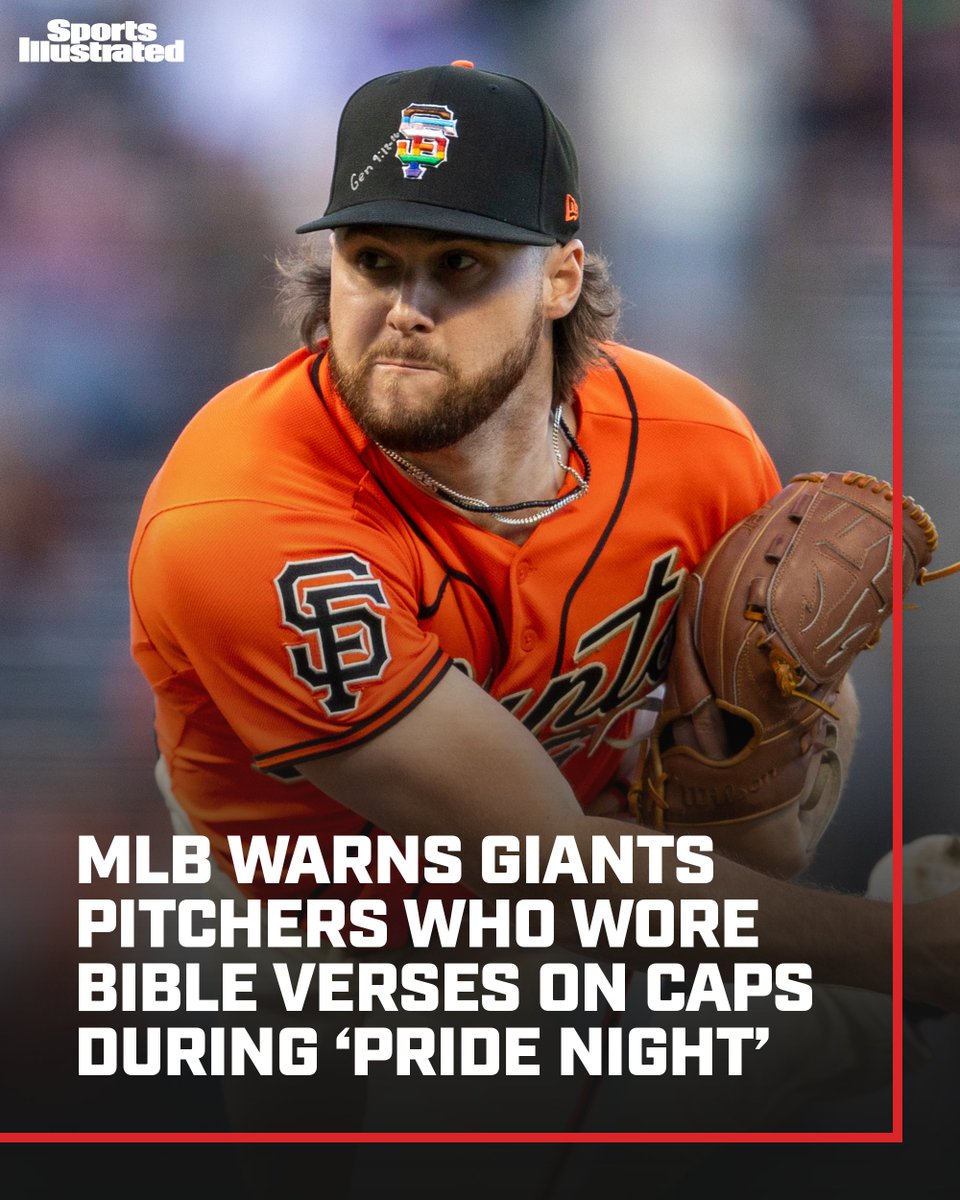
Three Giants pitchers wore Bible verses on their Pride Night caps during Friday’s game.
MLB has since issued a warning to them.
3,078
7,259
80,218
4,439,775
Dan Kleinman @OccupyLibraries retweeted

Jun 15
Zohran Mamdani’s intern Hadeeqa Arzoo Malik explains that electing him was all part of a Holy War and jihad:
“This is all jihad, this is all ibadah, this is all counted by Allah. How committed am I to this? What am I willing to sacrifice for this noble cause?”
813
4,912
8,428
132,816
Dan Kleinman @OccupyLibraries retweeted

New Jersey wasn’t always one of the highest-taxed states in America.
In fact, for much of its history, New Jersey operated without a state income tax at all.
That changed in 1976.
Governor Brendan Byrne pushed for New Jersey’s first state income tax, promising it was necessary to fund public education and provide property tax relief.
Many New Jerseyans opposed it, fearing that once Trenton gained the power to tax income, it would never stop.
Nearly 50 years later, New Jersey has:
📈 One of the highest property tax burdens in America.
📈 A state income tax.
📈 One of the highest corporate tax burdens in the country.
📈 Some of the highest costs of living in the nation.
Since then, there’s a pattern of which governors have presided over a steady expansion of New Jersey’s tax burden:
📈 Brendan Byrne (D) – Created the state income tax in 1976.
📈 Jim Florio (D) – Enacted one of the largest tax increases in state history, raising numerous taxes and fees.
📉 Christine Todd Whitman (R) – Cut income taxes by approximately 30% over several years and made tax relief a centerpiece of her administration.
📈 Jon Corzine (D) – Increased various taxes and fees while expanding state spending.
📉 Chris Christie (R) – Vetoed several proposed tax increases and restrained some spending growth.
📈 Phil Murphy (D) – Increased the top income tax rate on high earners, expanded various taxes and fees, and presided over substantial growth in state spending.
Knowing this, how are there any Democrats left in the state of New Jersey?
New Jersey residents today face some of the highest taxes, housing costs, utility costs, and overall living expenses in the United States.
Informed voters would never vote Democrat again.

⁉️Did you know⁉️
When the 16th Amendment was ratified in 1913, Americans were told the new federal income tax would primarily affect the wealthy.
The top tax rate was just 7%, and most working Americans paid little or nothing at all.
The argument was simple:
“Let the rich pay.”
But government has a habit of growing.
📈 Under Woodrow Wilson, the top rate jumped to 77% during World War I.
📉 It fell during the 1920s under Harding, Coolidge, and Hoover.
📈 Franklin Roosevelt raised it again, eventually reaching 94% during World War II.
📈 Under Eisenhower, the top rate remained above 90% for much of the 1950s.
📉 John F. Kennedy pushed for significant tax cuts that were enacted after his death.
📉 Ronald Reagan reduced the top rate from 70% to 28%.
📈 George H.W. Bush raised taxes.
📈 Bill Clinton raised them again.
📉 George W. Bush lowered rates.
📈 Barack Obama expanded the federal government’s reach through the Affordable Care Act, adding new taxes, mandates, and regulations that affected individuals, businesses, and healthcare markets.
📉 Donald Trump reduced rates through the Tax Cuts and Jobs Act.
But here’s what most Americans never stop to think about:
In 1913, there was no Social Security tax.
No Medicare tax.
No federal withholding from every paycheck.
No massive federal bureaucracy.
A worker in 1913 kept the overwhelming majority of what he earned.
Today, Americans pay federal income taxes, payroll taxes, state income taxes, property taxes, sales taxes, gas taxes, utility taxes, vehicle taxes, permit fees, and countless hidden taxes embedded in the cost of goods and services.
What started as a tax aimed at a small number of wealthy Americans eventually became a system that reaches into virtually every paycheck in the country.
The lesson isn’t about one party or one president.
It’s about a promise.
The income tax was sold as something that would only affect the wealthy. A century later, nearly every working American is paying into a system that never stops growing.
The most expensive words in government history may have been: “Don’t worry, it will only affect the rich.”
8
24
85
3,141
Dan Kleinman @OccupyLibraries retweeted

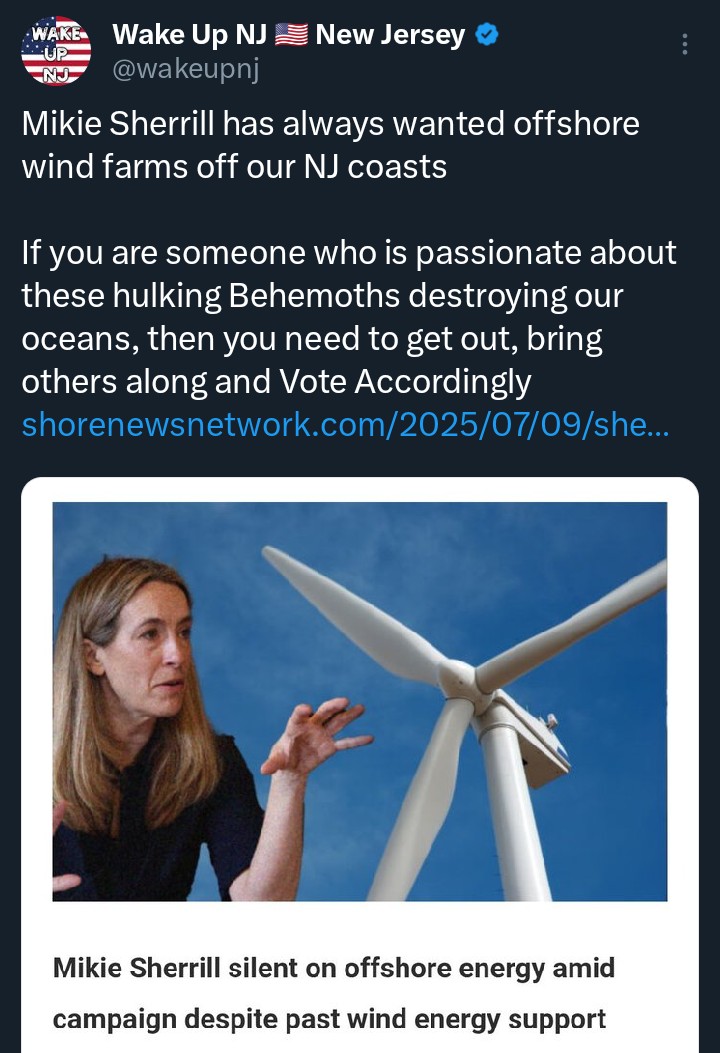
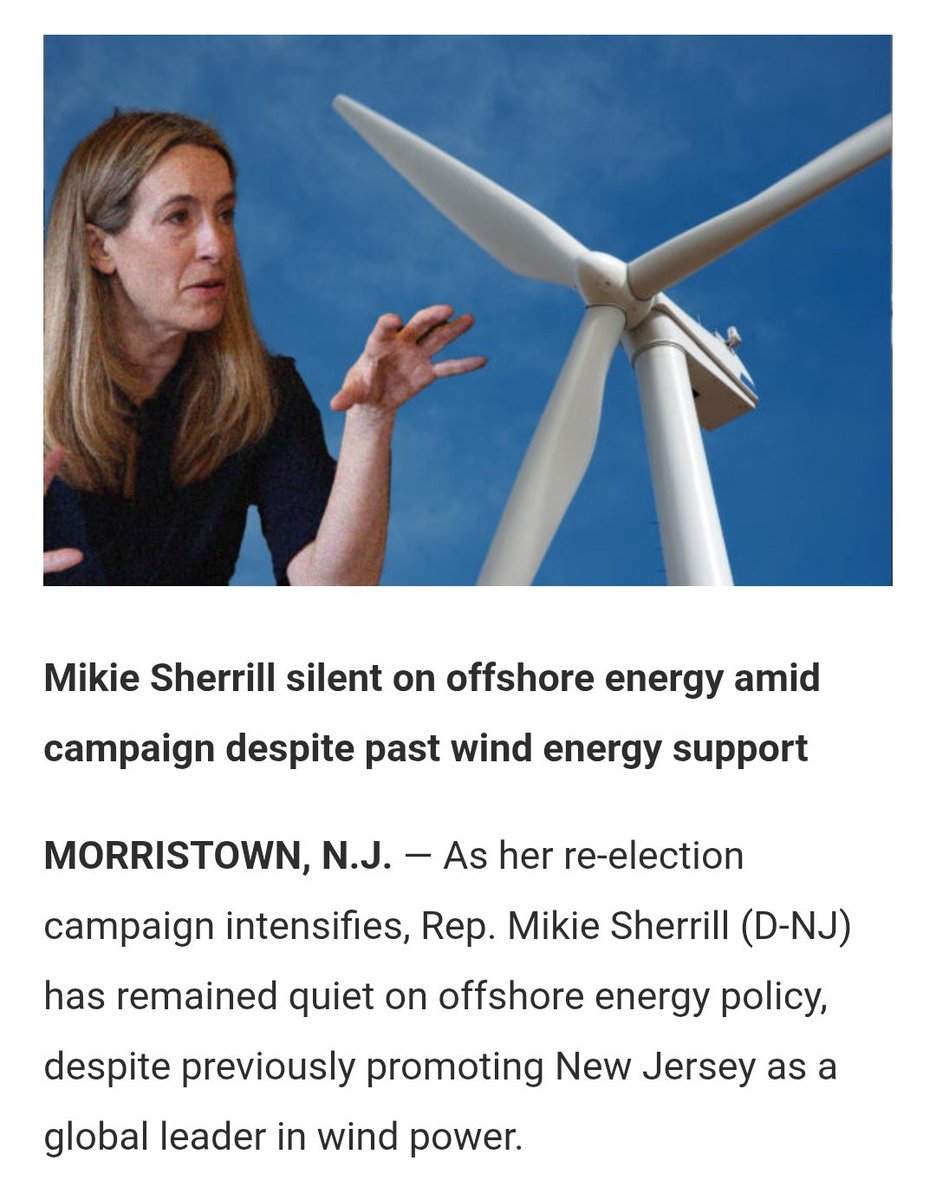
It was called out almost a year ago Mikie Murphy wants offshore wind in Jersey while being silent on it. Democrats must love killing whales 🐋, since they don't ever stop pushing this insanity
10 Jul 2025

Mikie Sherrill has always wanted offshore wind farms off our NJ coasts
If you are someone who is passionate about these hulking Behemoths destroying our oceans, then you need to get out, bring others along and Vote Accordingly
shorenewsnetwork.com/2025/07…
18
46
114
1,891
Dan Kleinman @OccupyLibraries retweeted

The cross-burning incident in Chicago that was blamed on white supremacists was actually a leftist anti-Trump protest by an Asian American man. @thisisUIC senior Merlin Lu said he was protesting Christian nationalism and MAGA.
502
3,329
10,651
139,641
Dan Kleinman @OccupyLibraries retweeted

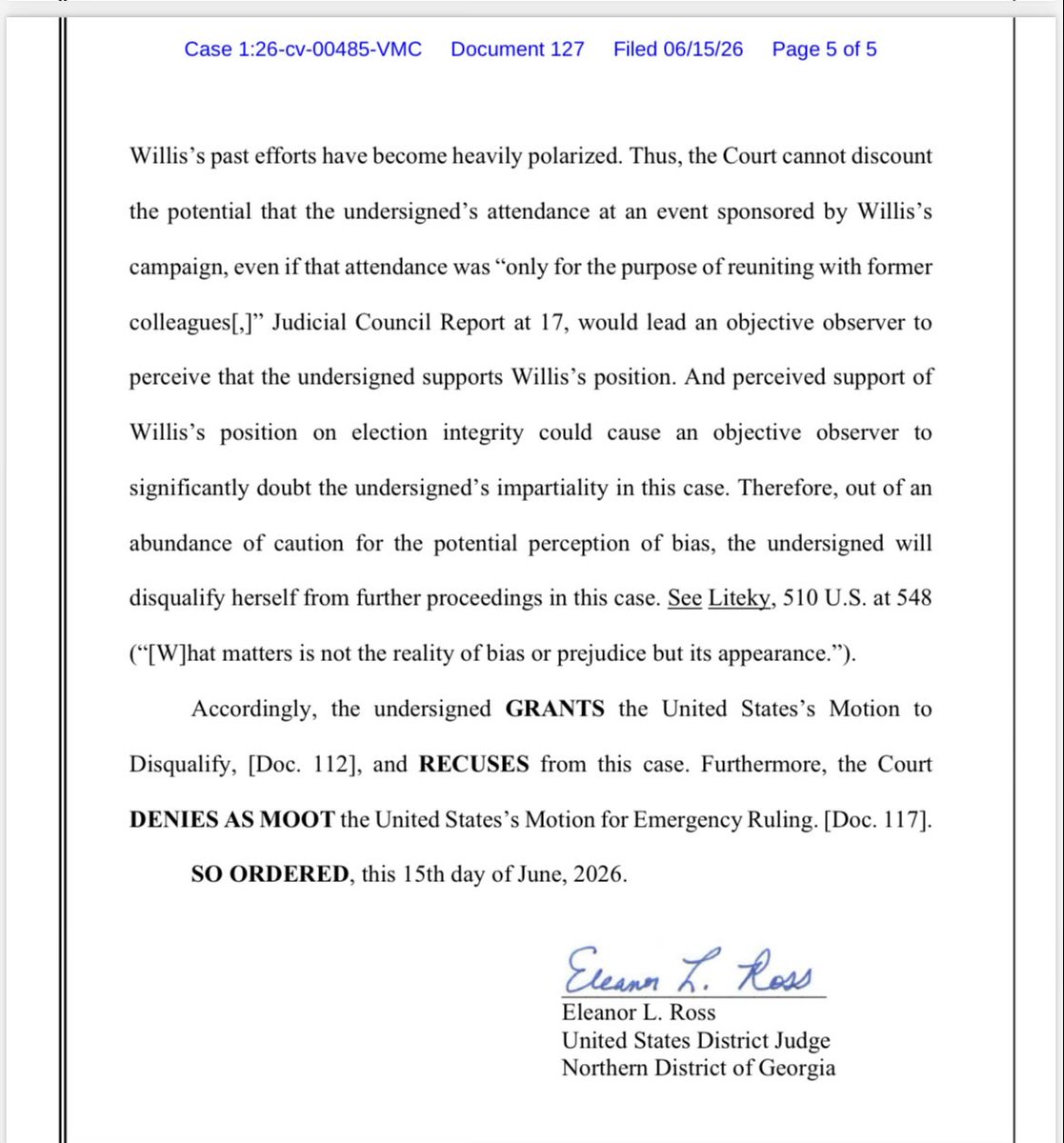
A sitting federal judge improperly attended Fani Willis’ election night party.
She was sanctioned.
When this came to light, she didn’t voluntarily recuse from our high profile election integrity case.
Instead, we had to move for her recusal—and sought expedited consideration.
Two weeks later, and less than a day after threatening a writ of mandamus, the judge recused.
Great team effort led by @AAGDhillon
162
2,666
9,331
198,568
Dan Kleinman @OccupyLibraries retweeted

In Arvada, CO when you donate to the “arts” you are funding this trash. Seriously parents stop bringing your kids to this crap.
36
177
709
6,974
Dan Kleinman @OccupyLibraries retweeted

“Warned” them? For what? Quoting the Bible? That’s now an employment offense? You’ve got to be kidding me. God bless these players. MLB has some explaining to do
Three Giants pitchers wore Bible verses on their Pride Night caps during Friday’s game.
MLB has since issued a warning to them.
680
1,249
7,557
125,212
Dan Kleinman @OccupyLibraries retweeted

All the Western Marxists were praising Mao's tactics in the 1960s, and most of them claimed Maoism as their model going forward. What we're dealing with with "Woke" is Western Maoism, adapted to our societies and their particulars.

In 1968, while teenage Red Guards beat their professors to death with clubs in Beijing courtyards, Jean-Paul Sartre sat in Paris calling Mao's Cultural Revolution a model of revolutionary democracy. The most celebrated intellectual in France looked at a country burning its own libraries and saw liberation. He sold the Maoist newspaper La Cause du Peuple on French street corners himself, holding it aloft like a sacrament.
Consider what he was endorsing. Between 1966 and 1976, the Cultural Revolution killed somewhere between 500,000 and two million people. Schools shut down across the entire country. Students dragged teachers onto stages, hung placards around their necks, forced them to kneel on broken glass, then murdered them. The historian Bian Zhongyun, vice-principal of a girls' school in Beijing, died on August 5, 1966, beaten by her own students with nail-studded clubs. Sartre called this the people governing themselves.
You should understand why a man this intelligent got it this wrong. Sartre believed knowledge served power, that truth was whatever the revolution required, that the individual existed to be dissolved into the collective will. So when Mao abolished the distinction between teacher and student, between expert and mob, Sartre cheered. He had spent decades arguing that bourgeois reason was a class weapon. Here was a regime taking him at his word and clubbing the reasoners to death.
This is what economic illiteracy buys you. A university, a price, a contract, and a peasant's grain stockpile all carry knowledge that no central planner can seize or replicate. Mises explained the calculation problem in 1920. Hayek explained dispersed knowledge in 1945. Sartre had access to both and chose the dunce cap of the collective instead, then handed out its propaganda on the Rue de Rennes.
He died in 1980, mourned by 50,000 followers, never having retracted a word about Mao. The professors of Beijing got no such funeral. They got a ditch, and a philosopher in Paris explaining that their murder was freedom.

19
181
818
18,473