
Citizen journalist covering the PNW.
Joined August 2025
- Tweets 1,876
- Following 91
- Followers 8,634
- Likes 12,015
456 Photos and videos




oceanplot retweeted

Mar 20
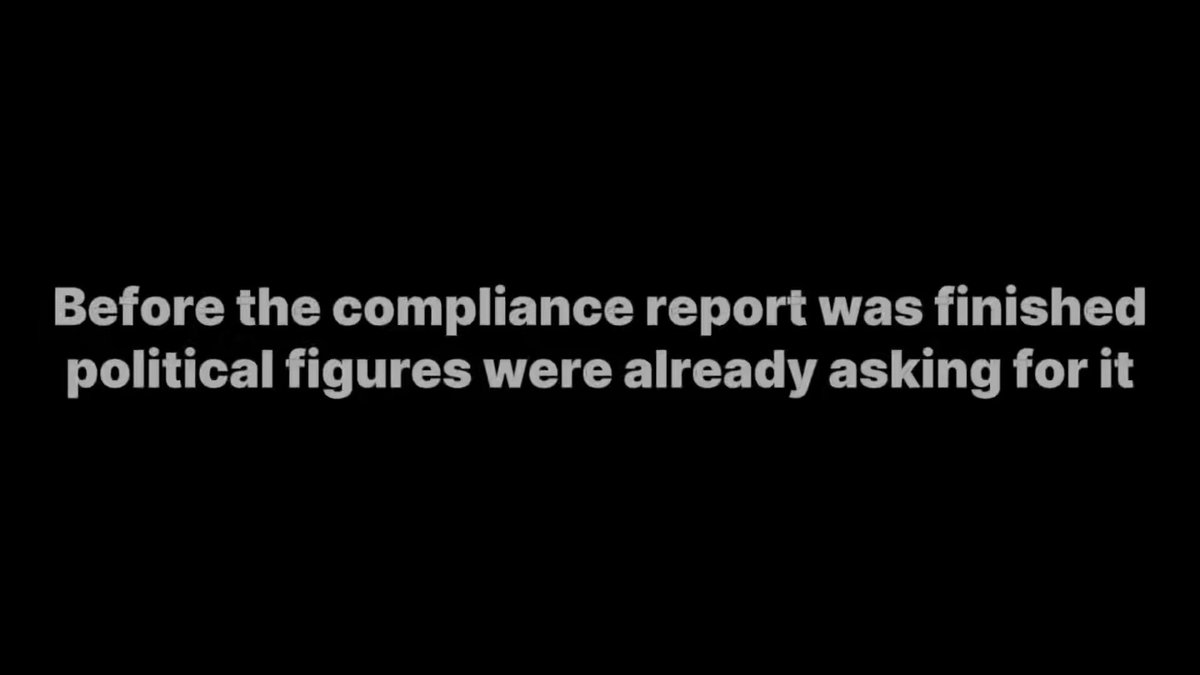
Before the report was finalized, internal emails show regulators shaping the findings while under conflict and political pressure.
Read the full investigation ↓

1
14
44
3,258
Mar 19
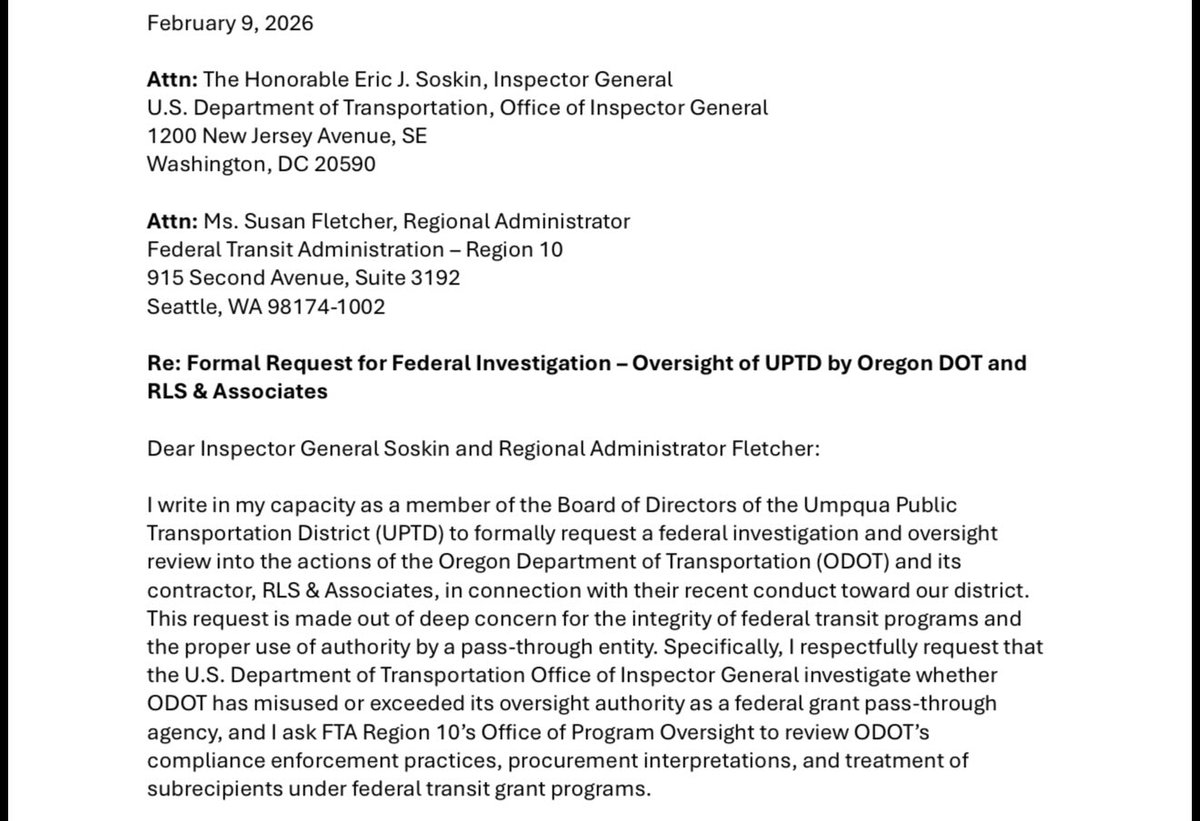
BREAKING — Exclusive federal complaint details UPTD compliance dispute
An exclusive document obtained after publication of the investigation below reveals the full complaint behind a request for a federal investigation into ODOT and its contractor, RLS & Associates.
The February 9, 2026 letter, sent to the U.S. Department of Transportation’s OIG and the FTA, alleges the 2025 UPTD compliance review conducted by RLS for ODOT relied on incomplete information, misapplied federal rules, and imposed findings on actions previously cleared.
The complaint raises concerns about ODOT’s role in shaping findings, its involvement in local decision-making, and whether the contractor’s conclusions reflected independent analysis.
It also disputes claims of fraud or improper lobbying and questions how the compliance report circulated before its formal release.
The existence of the investigation request was previously reported. This document provides the most detailed account to date of the allegations behind it.
Federal officials say they can neither confirm nor deny whether an investigation is underway.
1
15
37
1,602
Mar 19
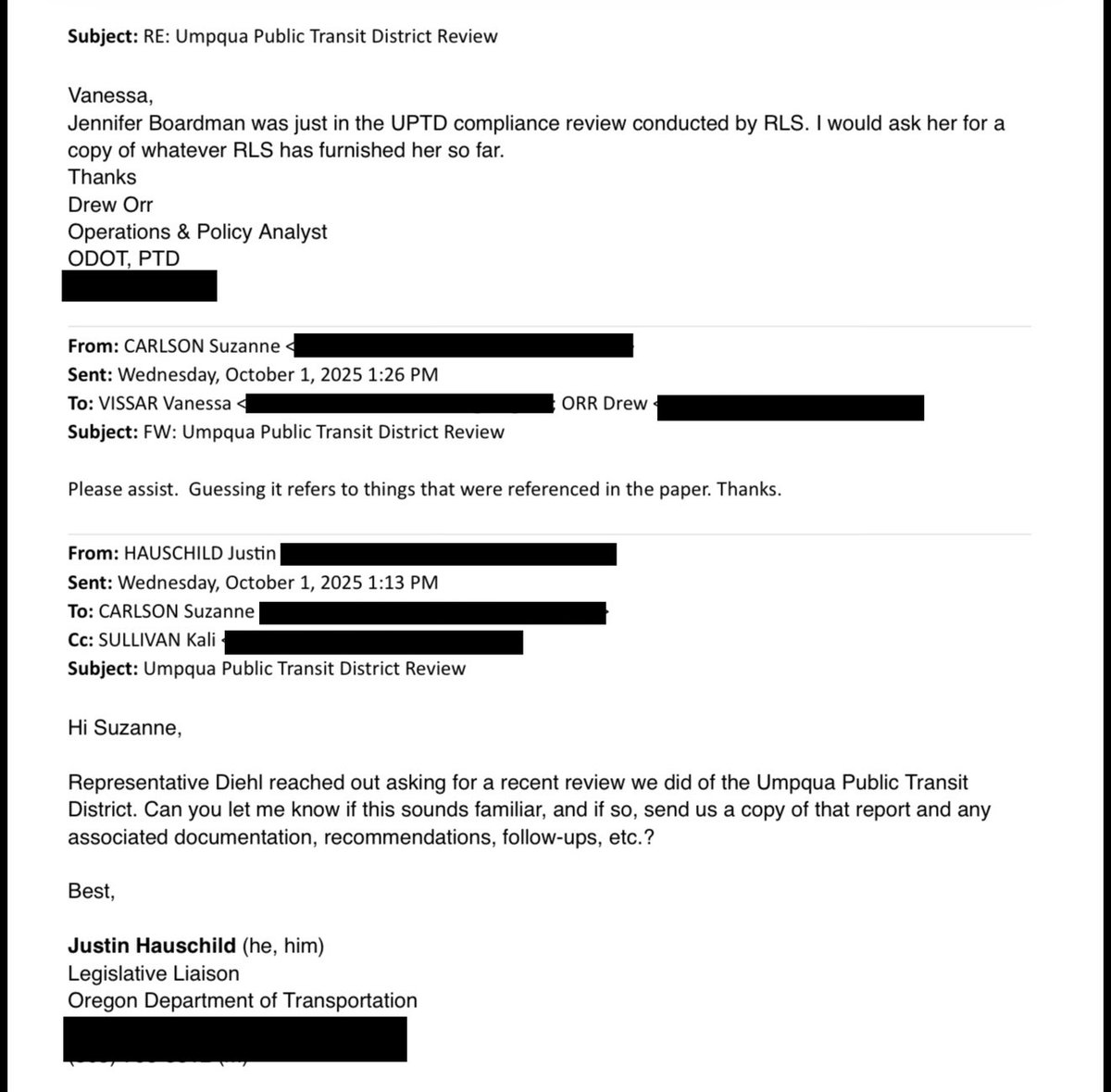
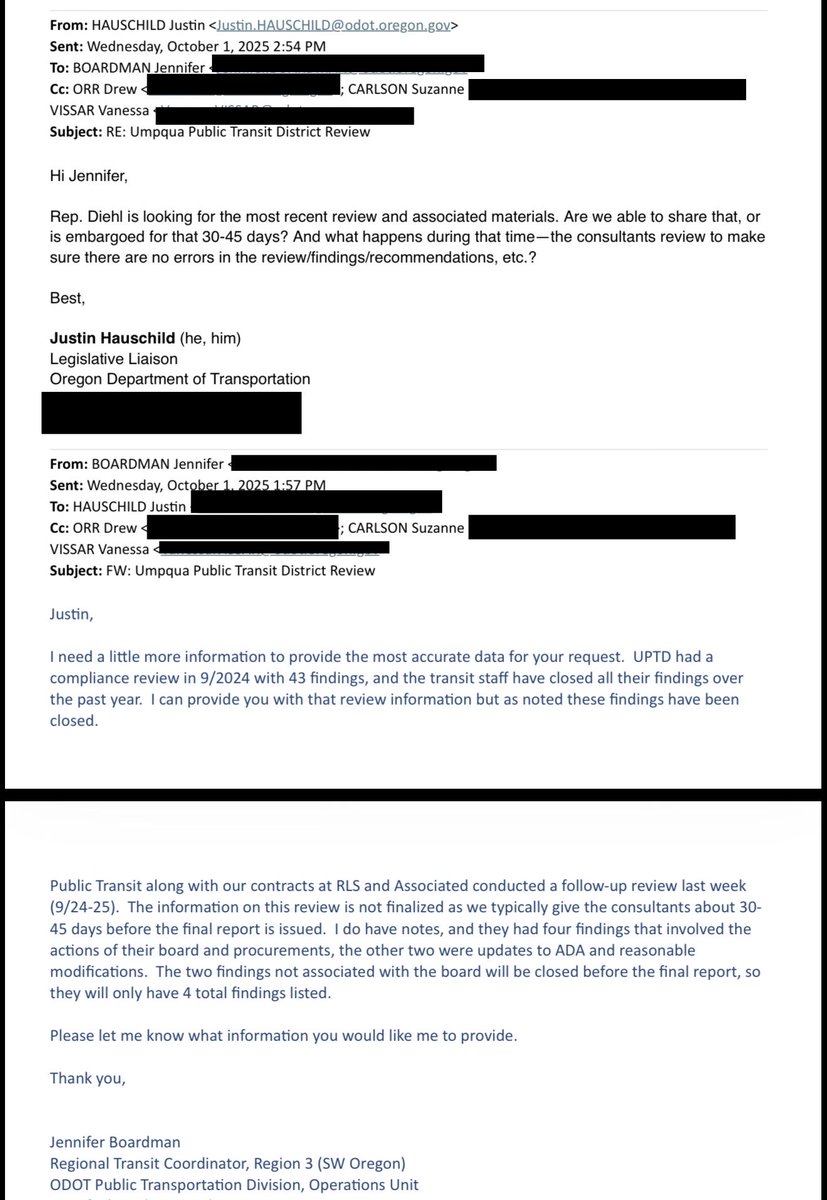
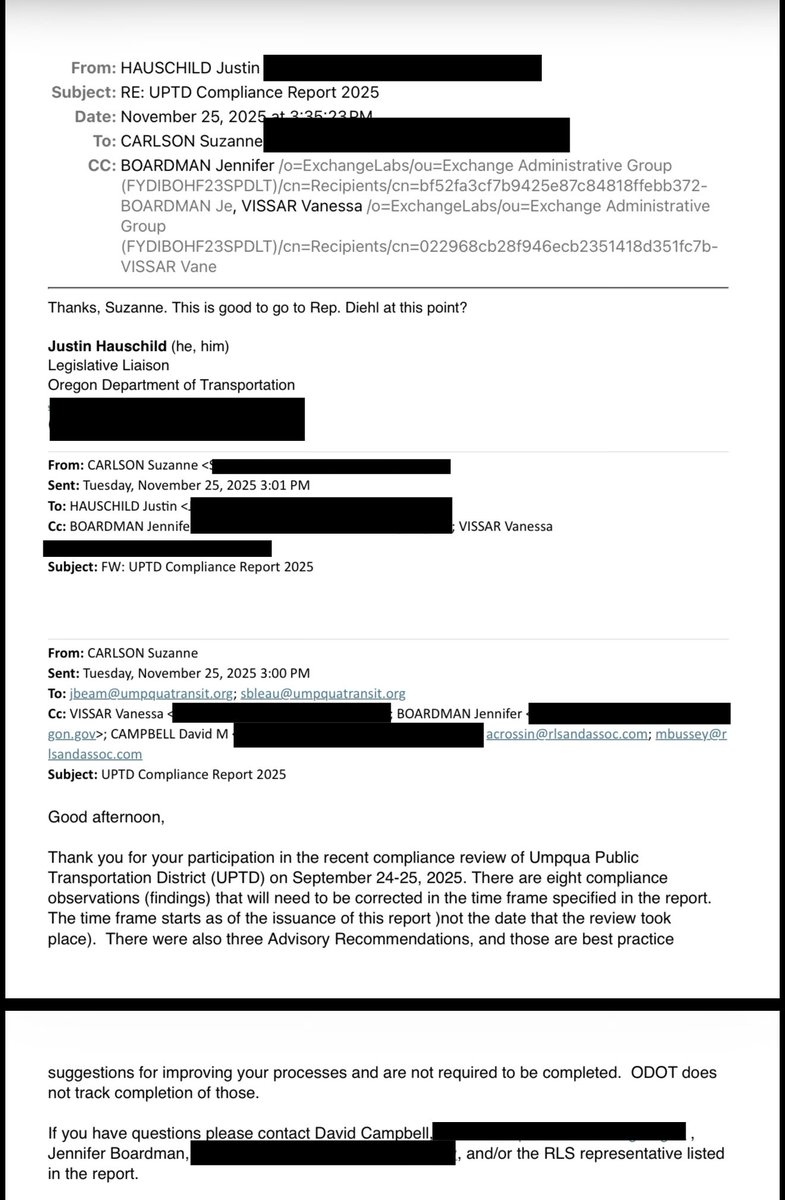
The following emails show internal ODOT communications in October-November 2025 regarding Representative Ed Diehl’s request for access to the UPTD compliance review.
Contact information has been redacted where clearly identifiable. Some institutional email addresses are shown where no individual is directly identified.
2
18
33
1,695
Mar 19
Before a state compliance review of a small Oregon transit district was finalized, a sitting lawmaker who would later run for governor had already sought access to it.
Internal emails show state officials discussing how findings should be framed for the contractor writing the report, while facing pressure to share preliminary materials with Portland political figures.
What is typically an invisible, technical process became a broader conflict involving regulators, contractors, journalists, and elected officials.
This investigation is based on years of internal ODOT communications, compliance documents, and public records obtained exclusively by oceanplot.
Read the full story below.
7
26
55
4,241
Mar 18
Tomorrow, 8:00AM PST.
X | Substack | Facebook
Mar 15
I've been quietly working on a major story the past few months. It’s one of those stories where the layers keep giving way, a real rabbit hole.
It happens to intersect with someone running for governor in Oregon.
The investigation publishes this week. Stay tuned…
2
9
52
2,582
oceanplot retweeted
Mar 18
Tomorrow, 8:00AM PST.
X | Substack | Facebook
Mar 15
I've been quietly working on a major story the past few months. It’s one of those stories where the layers keep giving way, a real rabbit hole.
It happens to intersect with someone running for governor in Oregon.
The investigation publishes this week. Stay tuned…
2
9
52
2,582
Mar 15
I've been quietly working on a major story the past few months. It’s one of those stories where the layers keep giving way, a real rabbit hole.
It happens to intersect with someone running for governor in Oregon.
The investigation publishes this week. Stay tuned…
24
70
562
17,943
oceanplot retweeted
Mar 14
EXCLUSIVE — Police report delay raises questions after suspect in two East Portland assaults released from custody
A set of Portland police reports describing two assaults in East Portland took more than three months to obtain through a public records request, a delay that raises questions about how crimes intersecting with immigration policy are handled and reviewed before release.
The suspect identified in the reports is Santos Thomas Puerto Rios, 24. Officers wrote that he was identified using a passport found on his person, and police records list Honduras as his place of birth.
The records describe two separate assaults on the morning of November 25, 2025 along SE 122nd Avenue in East Portland.
In one incident, a man standing at a bus stop told officers that Puerto Rios approached him, looked at him twice, and then struck him in the face without warning. The victim required a friend to translate during the encounter with police.
Investigators later connected the same suspect to a second assault earlier that morning involving a 69 year old woman. According to the report, this victim was taking out garbage from her residence when a man approached her, said “Hi,” and punched her in the face, knocking her to the ground.
The victim initially did not want to pursue a police report. According to public documents, her family later obtained power of attorney and contacted police so charges could be pursued on her behalf.
Records released to oceanplot also show the suspect was assigned both a federal and state criminal identification number, including an FBI identifier, both of which were redacted in the released documents. Those identifiers are used in national fingerprint databases that track individuals across law enforcement systems.
The time it took for the report to be released is notable, as other routine police report requests are typically processed quickly. These records were not produced for more than three months, even after repeated attempts to resolve the request in writing. In the time between, Puerto Rios proceeded through the court system without the public having access to the underlying police reports describing the assaults.
Taken together, the delay and the purported crimes illustrate a broader fault line that has emerged in the national immigration debate.
President Trump has recently pivoted to argue that immigration enforcement should focus primarily on removing illegal immigrants who commit crimes. At the same time, cities such as Portland have adopted sanctuary policies that block local police from sharing immigration status information or cooperating with federal immigration enforcement, including when someone is arrested or released.
In practice, this leaves cases like the one described in these reports in a gray area. A suspect may be identified through foreign documents or statements about place of origin, while local authorities remain restricted from confirming immigration status or coordinating with federal immigration authorities.
Court records show Puerto Rios pled not guilty but was later found unfit to proceed in the criminal case and ordered to undergo a psychological evaluation. A court notice indicates he was released from custody on February 20, 2026 while the evaluation process continues.
The result for Portland is a system in which violent incidents are investigated locally while immigration questions remain largely outside the public record. In this case, a suspect accused of two unprovoked assaults, including against a vulnerable individual, moved through the competency process and was ultimately released from custody while the broader immigration questions surrounding the case remain unresolved.



4
24
64
2,573
Mar 11
NEW — Unconfirmed reports suggest two Iraqi oil tankers are on fire outside the Port of Umm Qasr with Iraqi officials saying it was the result of an unspecified attack.
The reports follow a Thailand-flagged bulk carrier that was hit by a projectile north of Oman just hours before.
"Get ready for oil to be $200 a barrel, because the oil price depends on regional security, which you have destabilised," Ebrahim Zolfaqari, a spokesperson for Iran's military command, told Reuters in comments addressed to Washington.
x.com/osint613/status/203185…
1
1
5
771
Mar 2
EXCLUSIVE — A disabled mother in Portland says she couldn’t access housing unless she claimed to be an addict. So she lied to enter a wet building.
Since 2019, records show 400 police reports tied to the building, roughly one every six days.
Read the full investigation below.
2
22
76
5,051
oceanplot retweeted
Feb 28
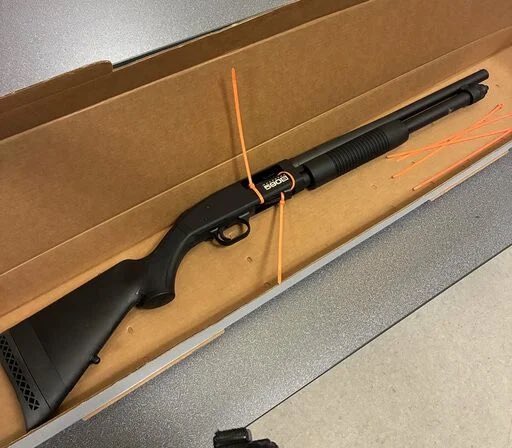
BREAKING — Portland Police just arrested an alleged drug dealer operating out of Hazel Heights. Officers say they seized 57 grams of fentanyl, mushrooms, suspected counterfeit Xanax, a firearm, stolen IDs, a commercial grade fake ID printer, stolen checks, and a manipulated passport.
Police said it was "like a drugstore" operating out of the complex.
This is the same publicly-funded Hazel Heights complex oceanplot reported on this week, where public records show more than 400 police reports associated with the address since 2019.
Police say yesterday's arrest followed complaints about drug activity and a targeted enforcement operation tied to an open air market near 122nd and Glisan.
Seven years into Portland’s housing first experiment, this question is getting more pressing: What happens when stabilization fails inside the building itself?
Read the full story and my original reporting on the building below.
16
73
243
8,947
oceanplot retweeted
Feb 27
Watch the full interview here — youtube.com/watch?v=qyGy6_kO…
1
7
22
2,386