Looking forward to our workshop about glacial-interglacial changes in the oceans oxygen contents during our PO2 workshop in Bristol in November, supported by @PAGES_IPO. 76 participants from all over the global joining online and in person😀.
Excited about this review about benthic foraminifera (= microorganisms that live at the bottom of the ocean) stable isotopes sciencedirect.com/science/ar…
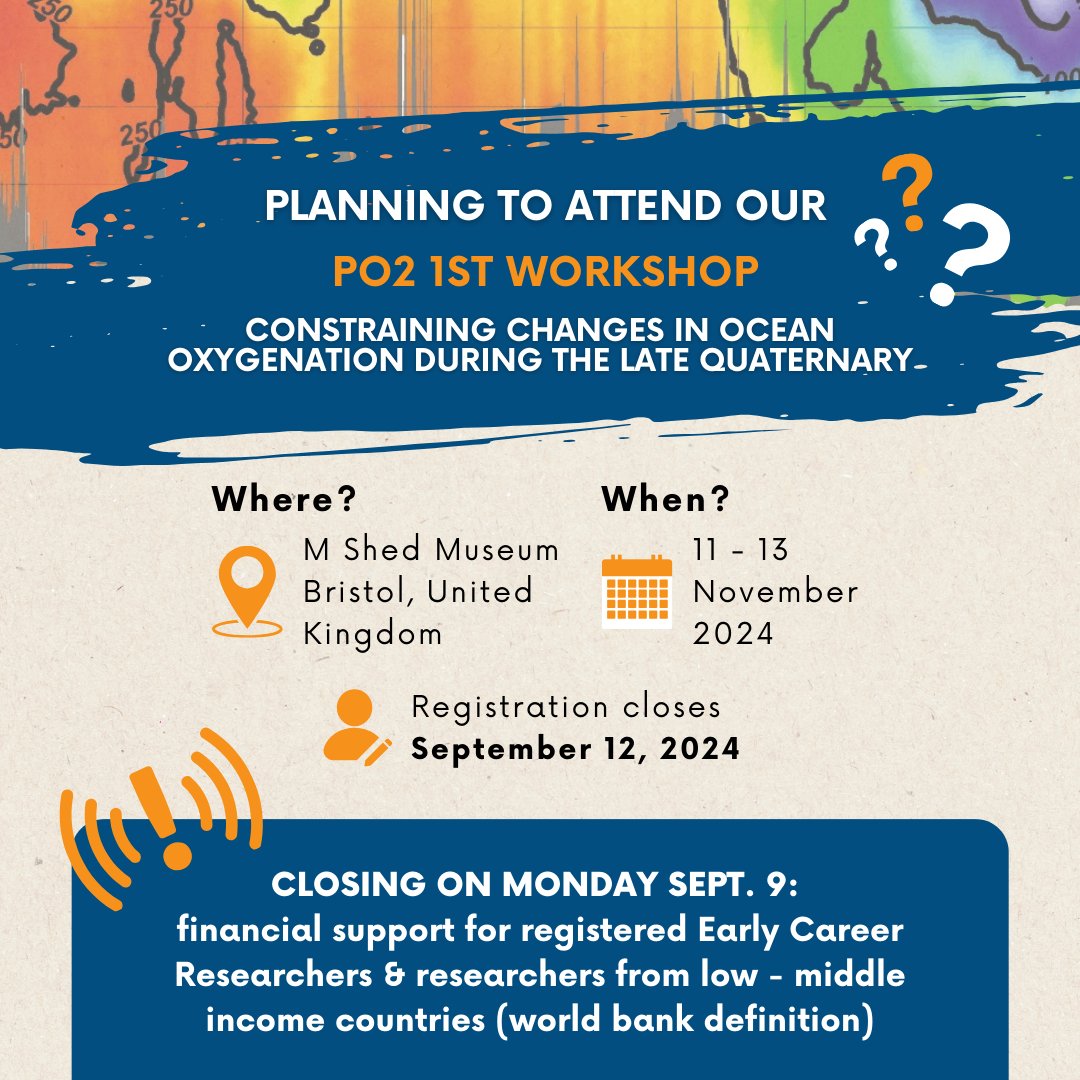
‼️‼️ the deadline to apply for financial support is next Monday, September 9 2024 ‼️‼️
📢 The deadline to register for our very first PO2 workshop is also near (Sept 12) 🏃♀️🏃♂️
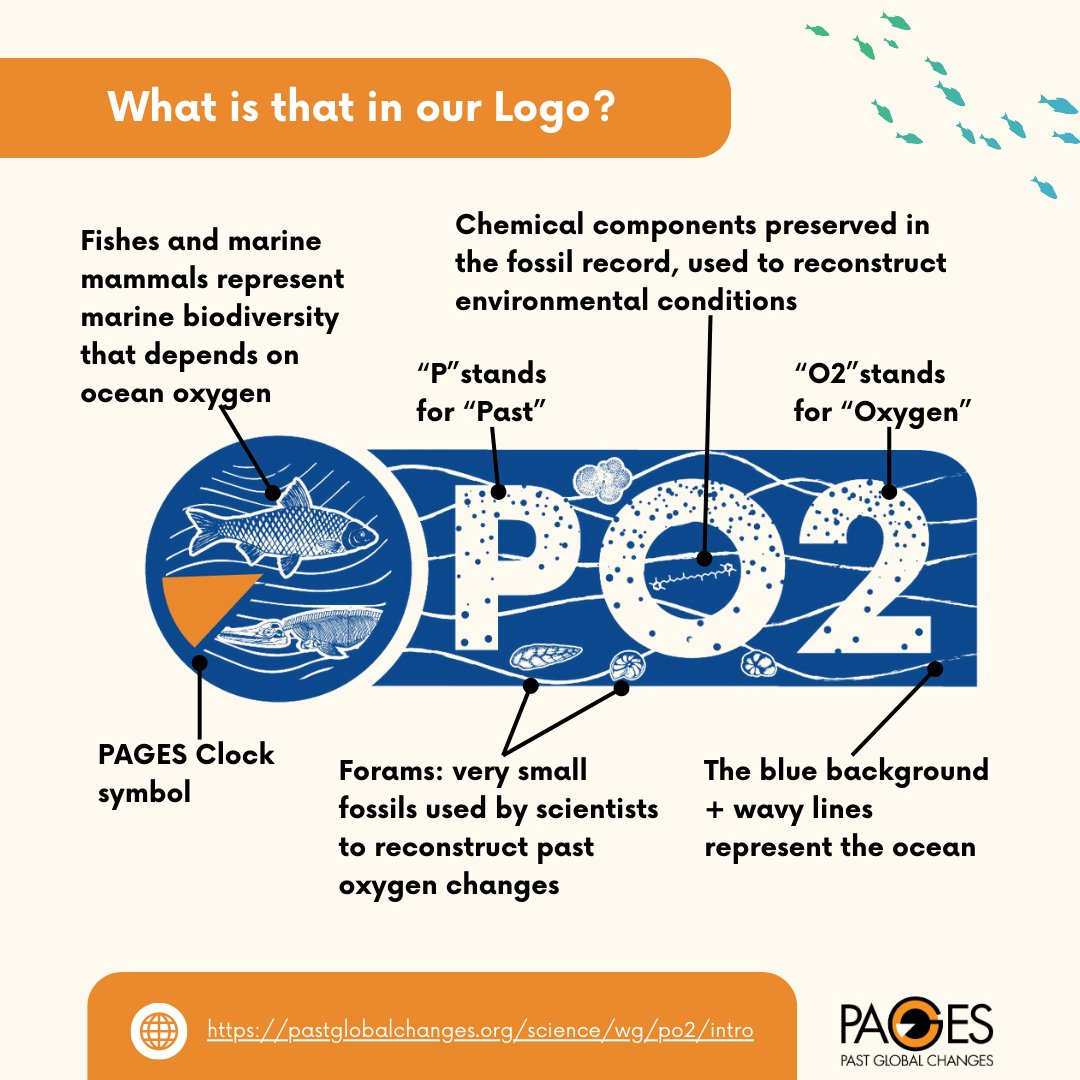
Hi! We're excited to share all about ocean oxygenation 🌊What is that & why study it? How do we reconstruct its changes in the past?👩🔬These & more questions answered here by our experts🤓Kicking things off we want to show off our logo😎created by @PAGES_IPO thank you!
ALT This is our Logo: On the left we have the PAGES clock representing time, inside you can see fishes and marine mammals representing the marine biodiversity that depends on ocean oxygen (although there is much more biodiversity down there…). To the right, we see the PO2 which stands for “Past Oxygen”, floating in a blue background with white curves representing the Ocean. If you look closer inside the “O” you can see a symbol representing the chemical components preserved in the fossil record, one of the tools that scientists use to reconstruct environmental conditions. Also floating in the blue background we have four different forms of foraminifera (or “forams” for short). These are very small (microscopic) organisms that inhabit the oceans at almost all depths and geographic locations, which due to their diversity and abundance are a key tool to understand how oxygen changed in the past some thousands or even millions of years ago!
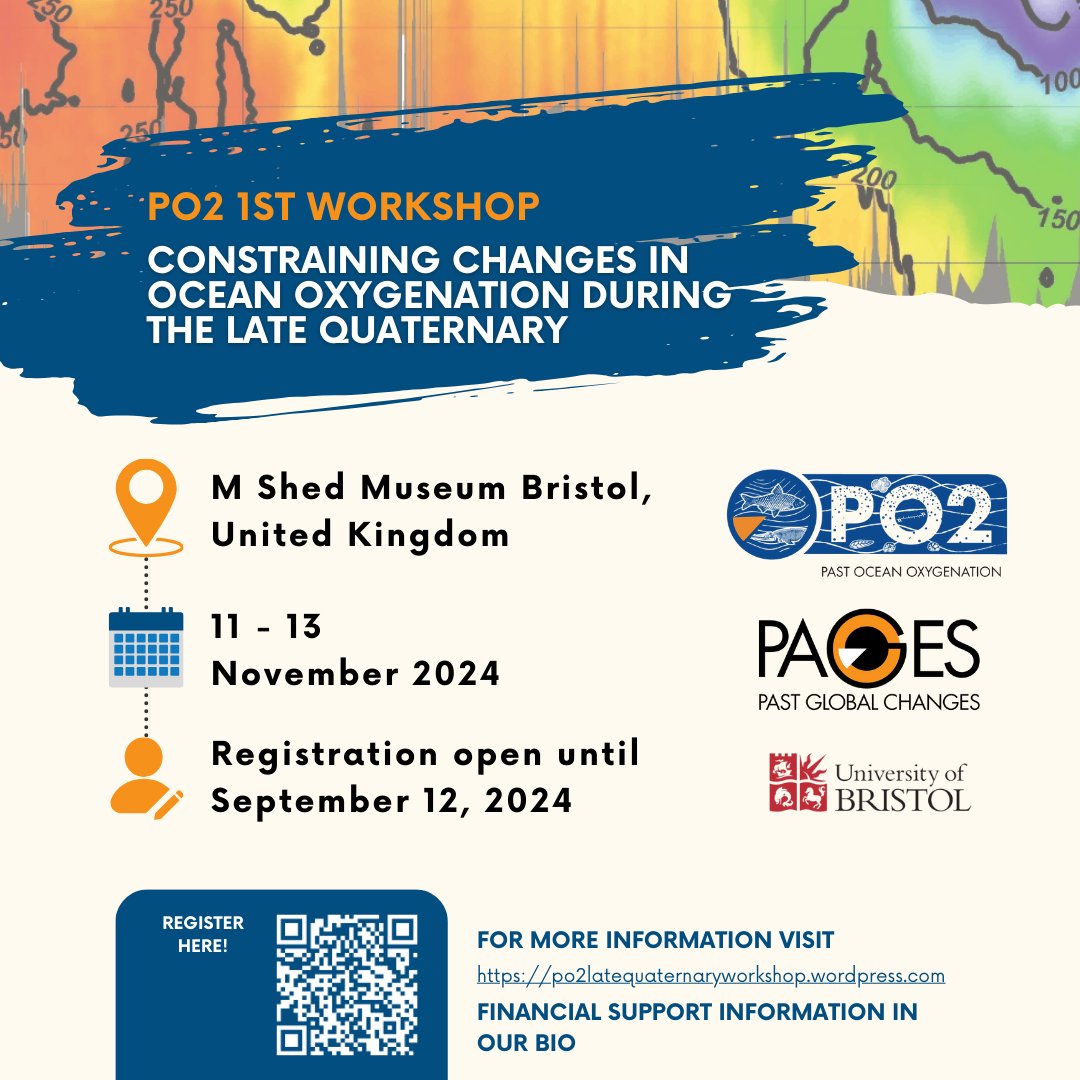
📢We will have our 1st workshop "Ice sheets, ocean oxygenation, and the carbon cycle: Constraining changes in seawater oxygenation during the late Quaternary" 🗓️on November 11-13 in Bristol (UK) online💻To register & more information visit bit.ly/3SESc86
ALT We are planning our very first PO2 workshop: "Ice sheets, ocean oxygenation, and the carbon cycle: Constraining changes in seawater oxygenation during the late Quaternary". We will meet on November 11, 12, and 13 in Bristol (United Kingdom) and online. For more information on the workshop, registration and financial support for registered early career researchers visit the website https://po2latequaternaryworkshop.wordpress.com
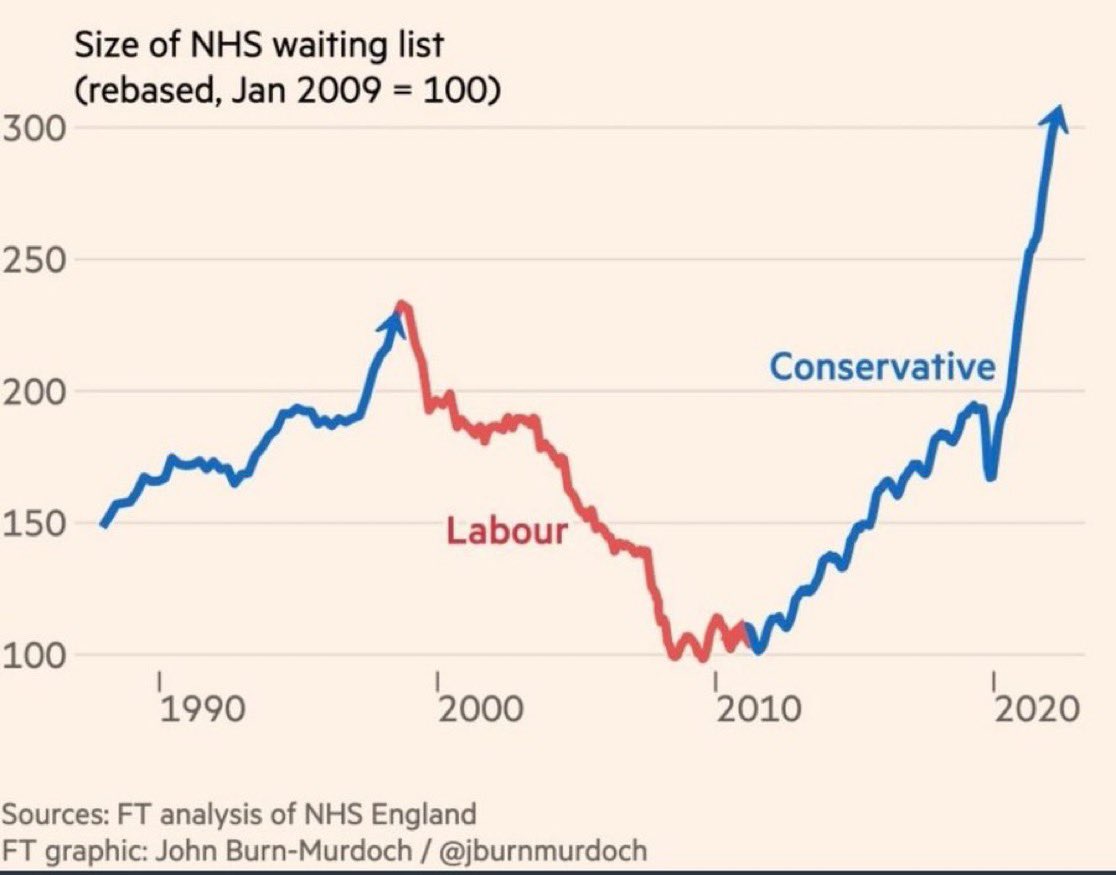
Every single time the Conservatives come to power they increase the size of NHS waiting lists
Please don't let them blame it on Covid or anything else; they were doing exactly the same thing in the 90s
Please RT if you think everyone should be clear on this
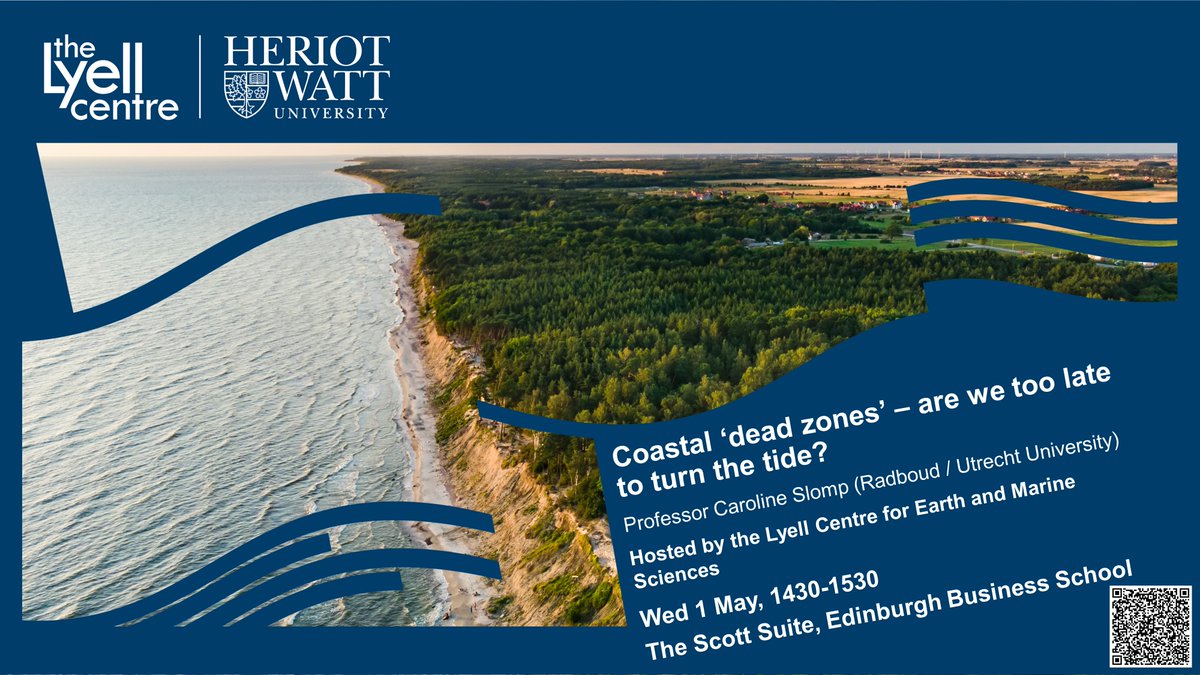
We are hosting a keynote talk from #geomicrobiology expert Prof. @CarolineSlomp on 1 May 🗓️
Join us @EBS_Global to learn about the effects of ocean deoxygenation on coastal waters and what can be done to manage their recovery 🌊
Online and in-person 🎟️: go.hw.ac.uk/sJoiPx
‼️ We're seeking a Research Associate to join the CHALKY project & support #coccolithophore physiology analysis.
This exciting @NERCscience project will encompass extensive field work in the Iceland Basin in summer 2024.
enzj.fa.em3.oraclecloud.com/…
🗓️Closes 28 Feb
#HEJobs
Review paper submitted to Biogeosciences with lots of fantastic co-authors making this happen. Hopefully reviewers are not put off by its length.... @alexauderset@DharmaReMacaya @katrinanilskerr @jcocardich@seavdavis @OGG_CUBoulder
🥳Getting excited for our next seminar 🥳
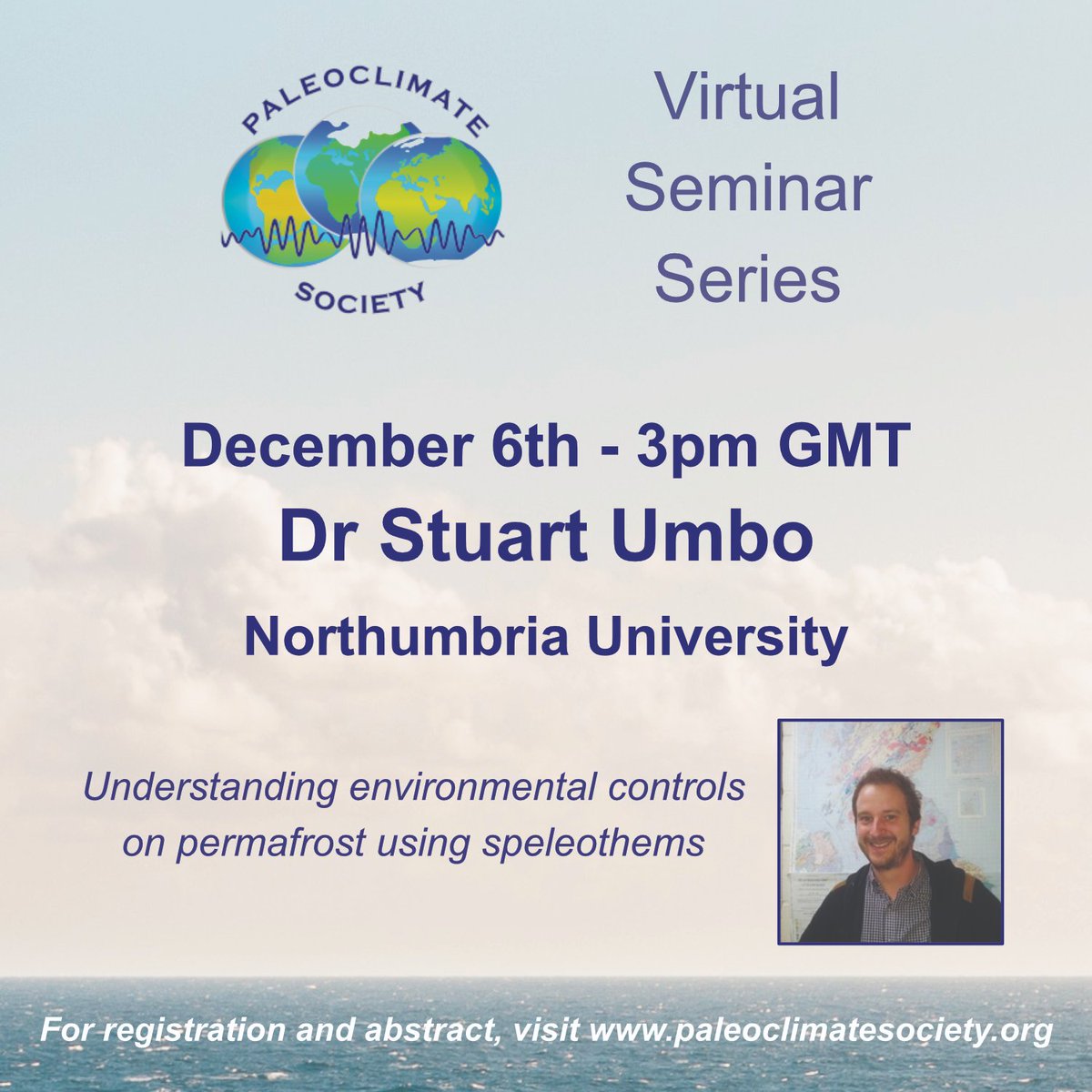
On Wednesday 6th December, Dr Stuart Umbo (@UmboStuart), will be talking about 'Understanding environmental controls on permafrost using speleothems'.
Registration and abstract: paleoclimatesociety.org/home……
Funded PhD position in paleoceanographic proxies and past climate change: Past ocean oxygenation at Heriot-Watt University on FindAPhD.com at @LyellCentre and @HeriotWattUni with @BritGeoSurvey . Application deadline 1 December. Interviews week of 11 December.
If you are wondering what happens to sea-ice during other interglacials (including in the Pliocene) we are advertising a PhD position in paleoclimate modelling: sea-ice and past ocean oxygenation at findaphd.com Project Reference: EGIS2023-BH1 with Leeds and HW Uni