|Non-Conformist | Catholic| Aspire Leader ,2025 | PK Amoabeng Ambassador |Journalist @theVaultzNews | Member Ghana’s Inaugural Youth Advisory Board|
Joined March 2020
- Tweets 2,008
- Following 2,205
- Followers 1,147
- Likes 64,315
216 Photos and videos


Evans Junior Owu retweeted

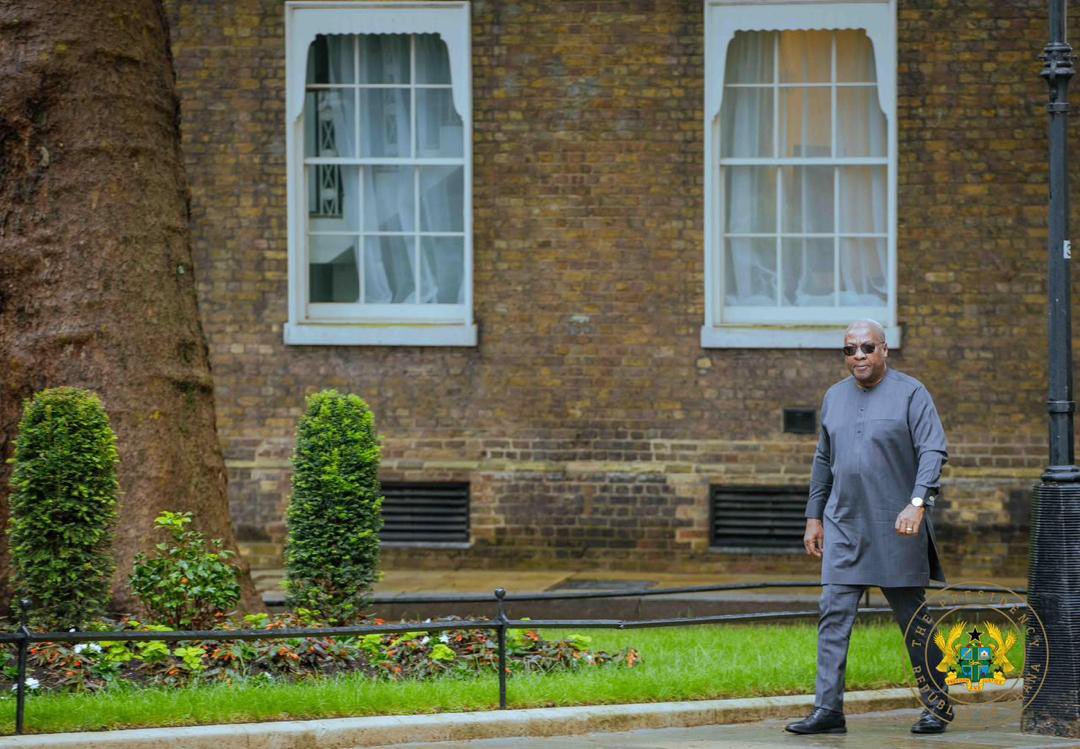
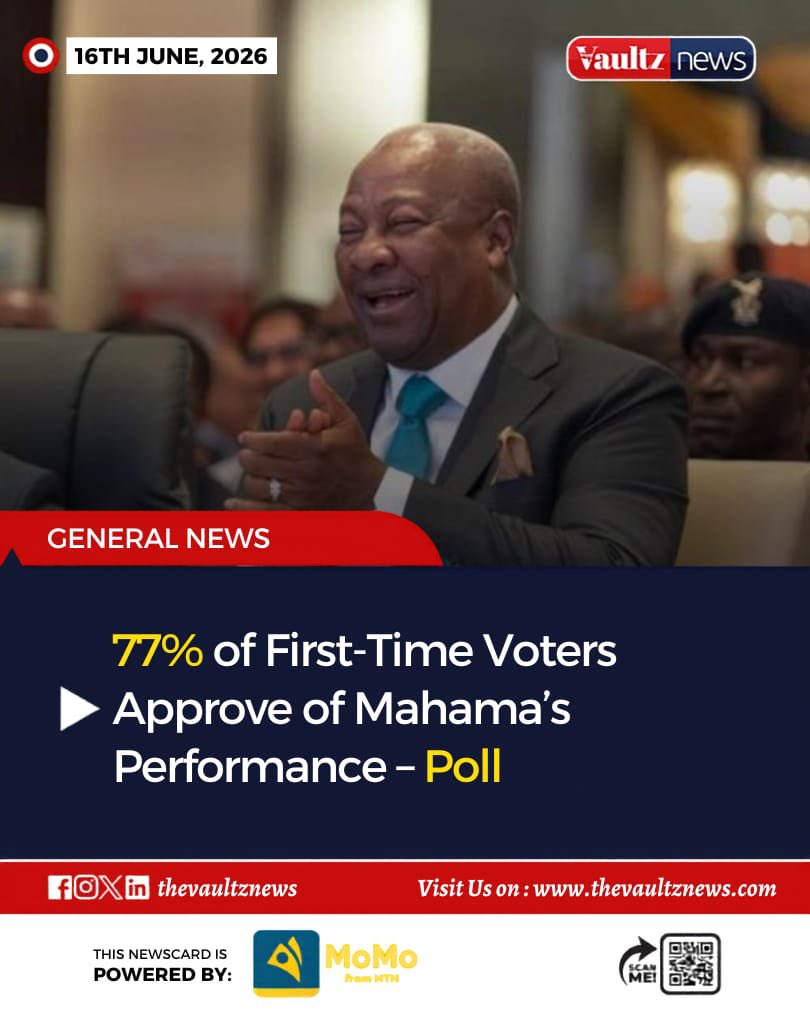
This level of approval among first time voters, if stays high going into the 2028 election, will significant consequences for the opposition.” ~ Mussa Dankwa
Read more:
thevaultznews.com/2026/06/16…
Read | comment | share
1
3
23
Evans Junior Owu retweeted
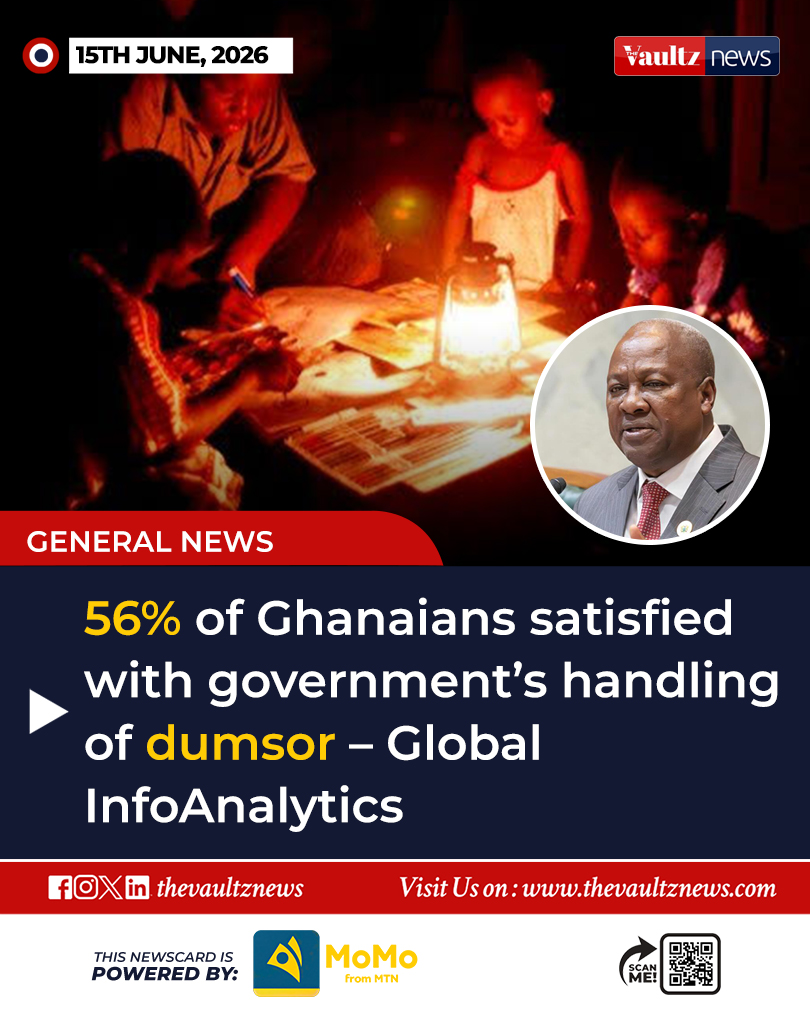
More than half of Ghanaians say they are satisfied with the Mahama government’s response to the country’s ongoing power outage challenges, according to the June 2026 National Tracking Poll by Global InfoAnalytics released on Sunday.
1
1
2
45
Evans Junior Owu retweeted

Jun 15
Read to know more than the headlines, guys.
The news article is obviously a good analysis of an important public expense like presidency compensation yet with a narrowed headline quote:
The article says compared to 2023 and 2024 where presidency compensation was 125m and 153m, the actual 2025 compensation was 100m. Now that’s 53m less than the 2024 figure.
However, the 2026 budget projects compensation of GH¢248 million.
The analysis further attribute this increase to three likelihood: the implementation of the new salary adjustment for Art 71 officeholders approved in 2025 by Prez Akuffo Addo, the payment of salaries arrears owed to previous govt staffers and third, possible increment of current staffers in 2026.
At least for the 2nd likely reason, it’s well known to us courtesy the spirited advocacy by Ekow Essuman who’s repeatedly called on Ato Forson to pay him and his former colleagues salaries arrears due them.
Jun 15

Presidency cuts political appointees by 124, but compensation bill jumps 148% and staff classifications raise questions #AMShow myjoyonline.com/presidency-c…
1
4
5
731

Jun 15
Congratulations, Solomon
Wishing you greater exploits

Solomon Boakye of THSJ Named Among Top 5 Winners at UNECA’s Inaugural ADIF Hackathon wp.me/pfOUlK-y7j @Boakye_Solomon_
1
1
2
170
Jun 14
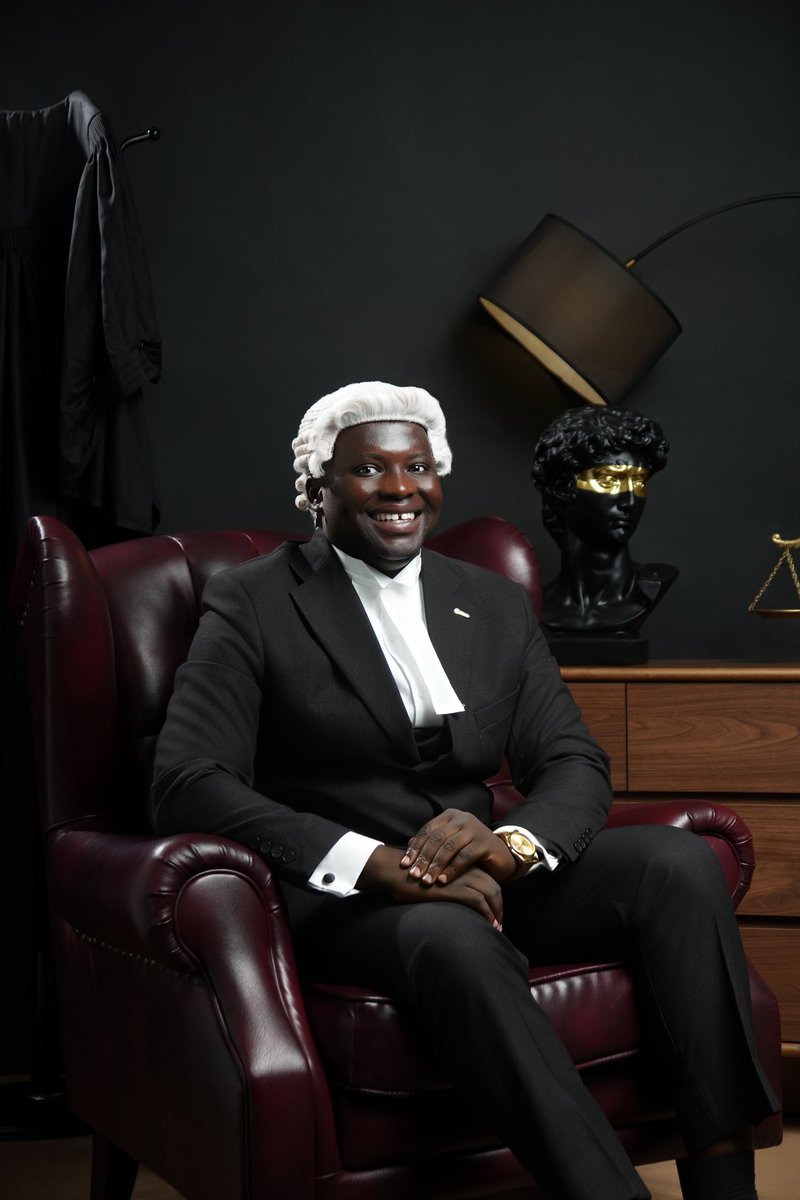
Afehyia Pa, Counsel and Mr President
Cheers to a season victories 🥂❤️

It's another year around the clock. God has a beautiful plan.
Sincere gratitude to everyone who has helped me this far.
2
7
134
Evans Junior Owu retweeted

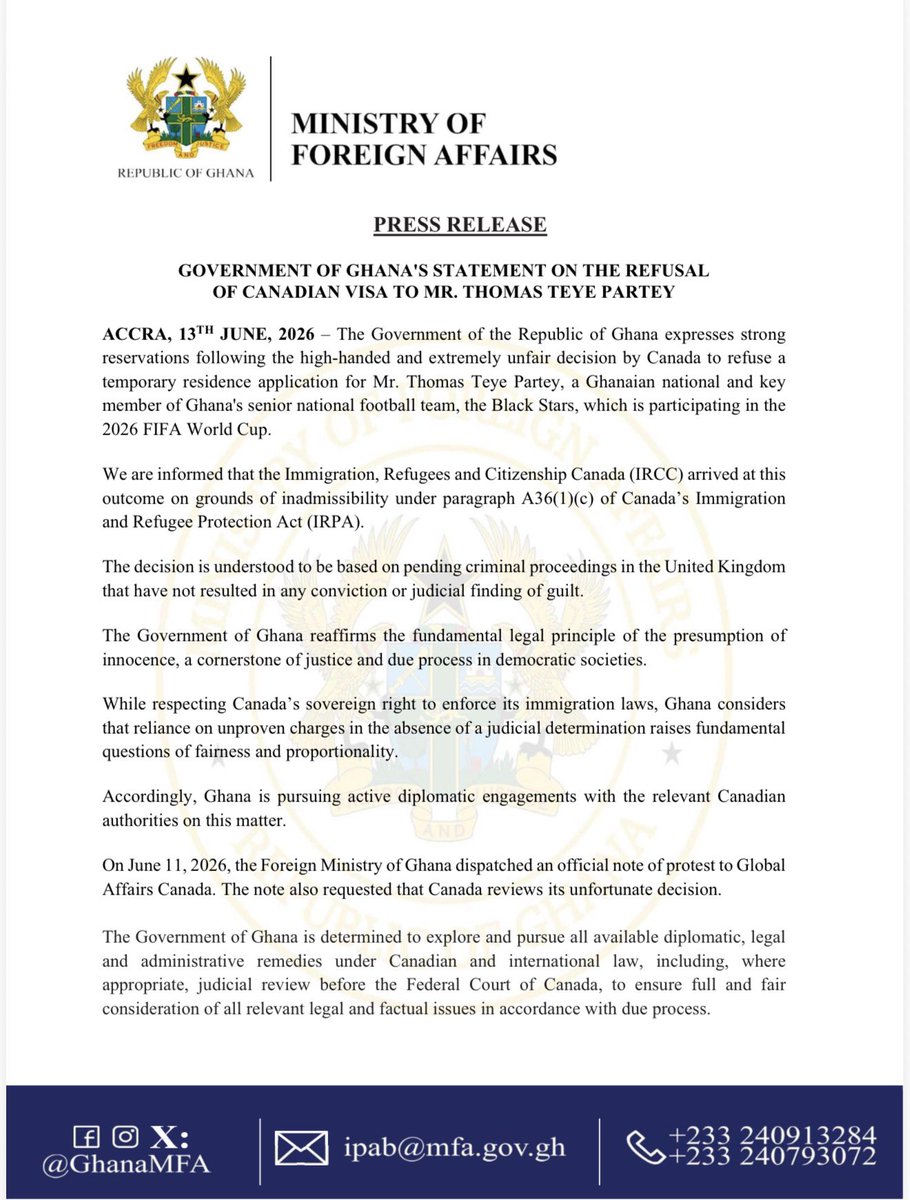
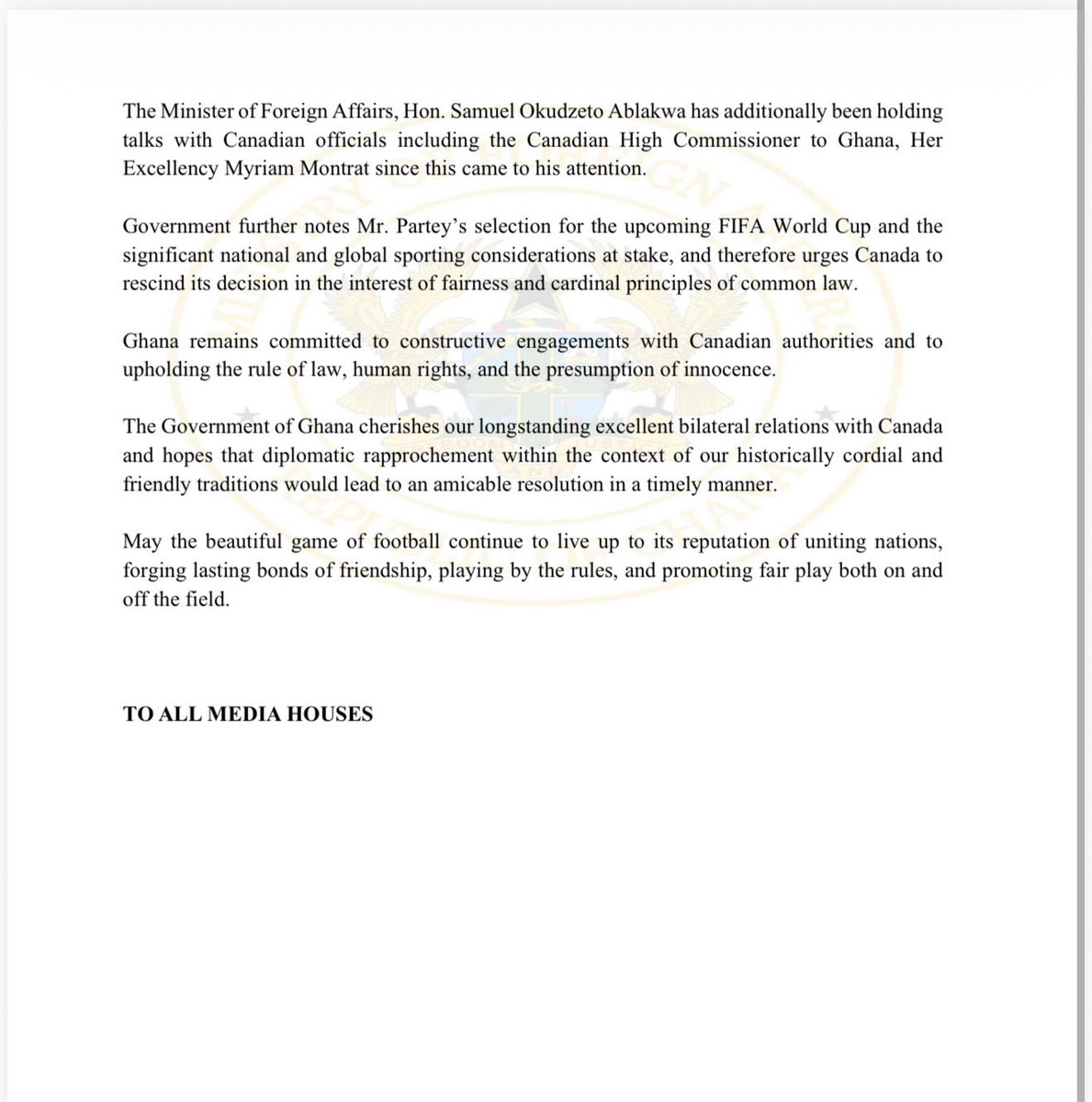
Government of Ghana’s strong reservations and high stakes diplomatic interventions following the Canadian Visa Refusal of Thomas Teye Partey of the Black Stars FIFA World Cup team.
679
2,661
11,635
655,896
Evans Junior Owu retweeted
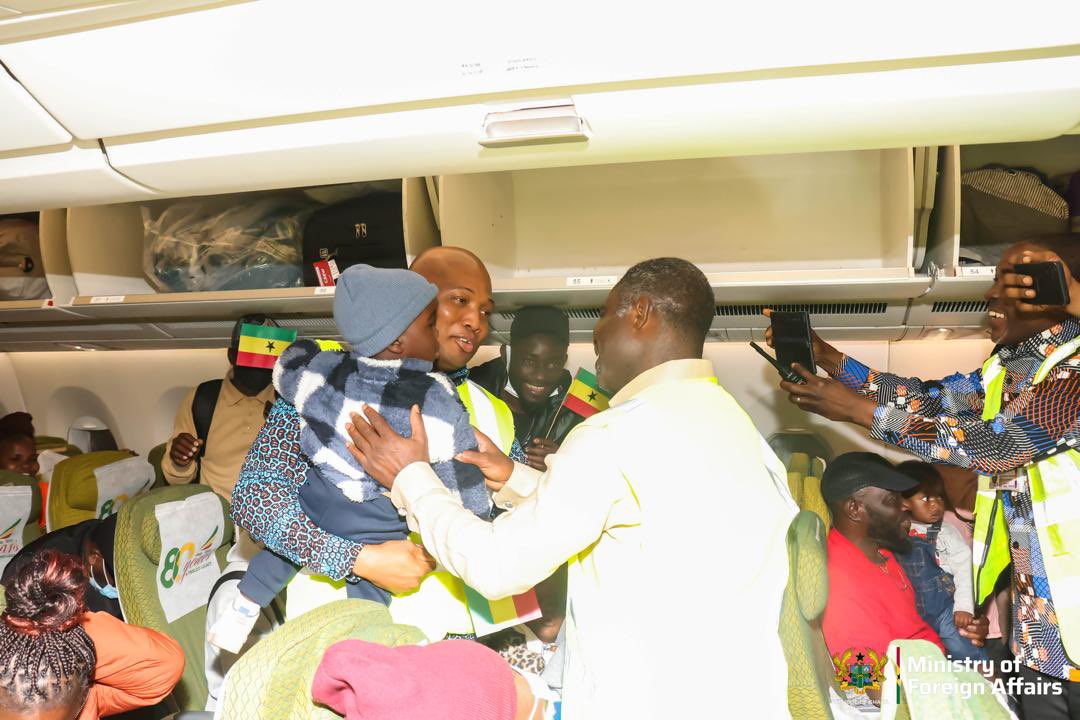
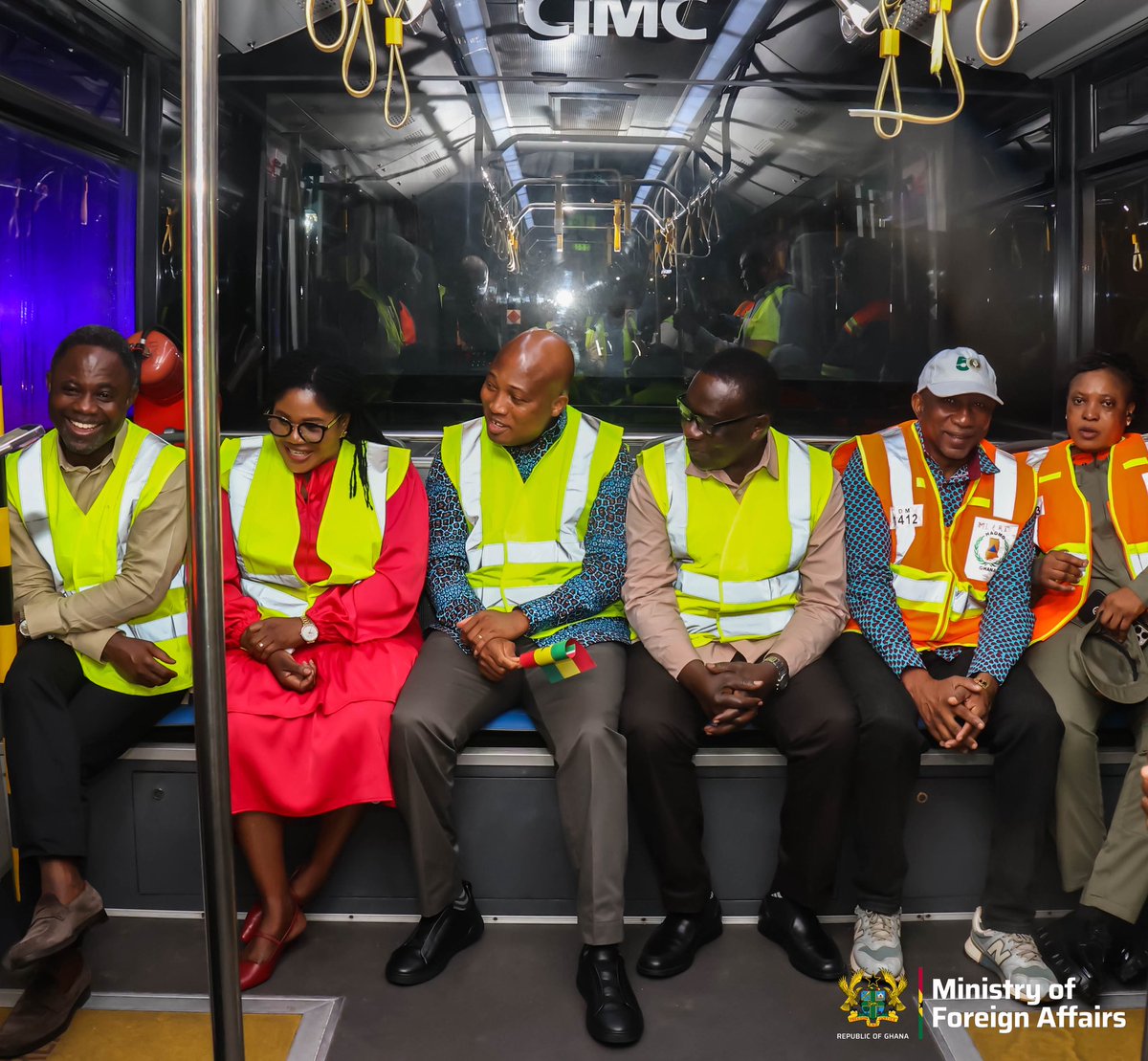
We kept our promise.
No Ghanaian has been abandoned in harm's way.
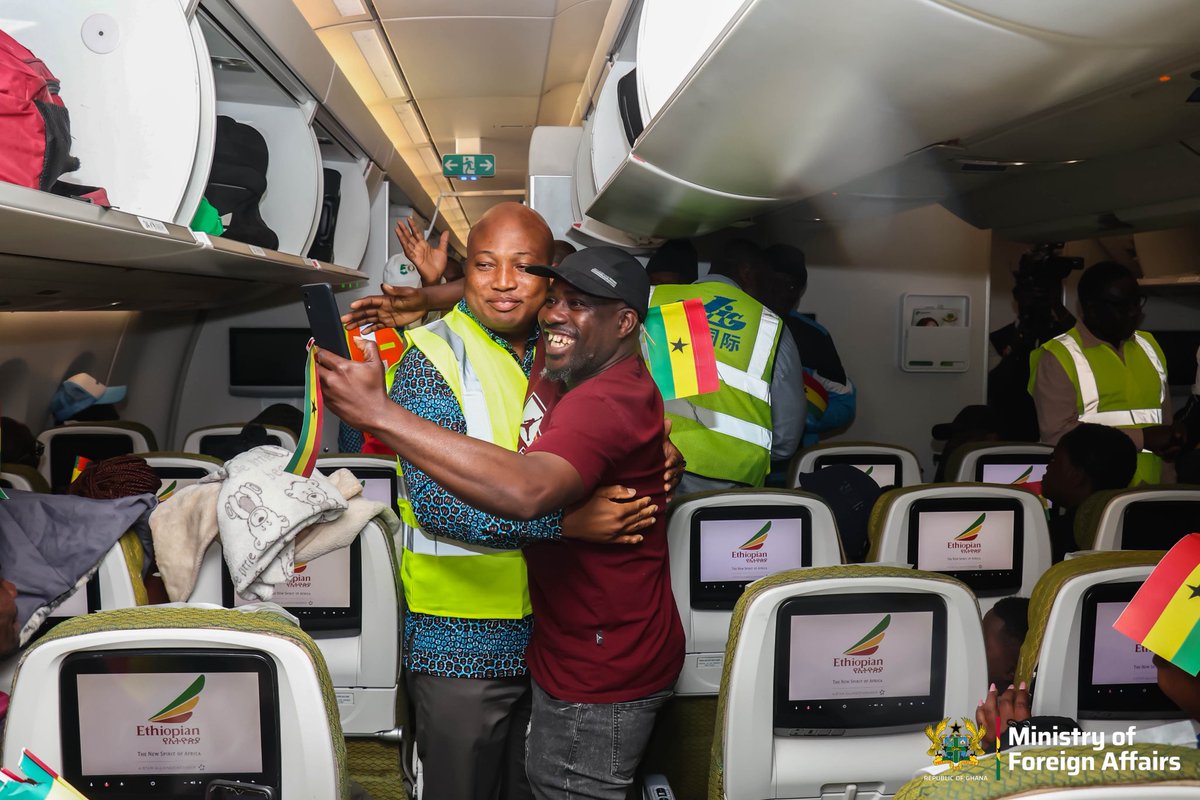
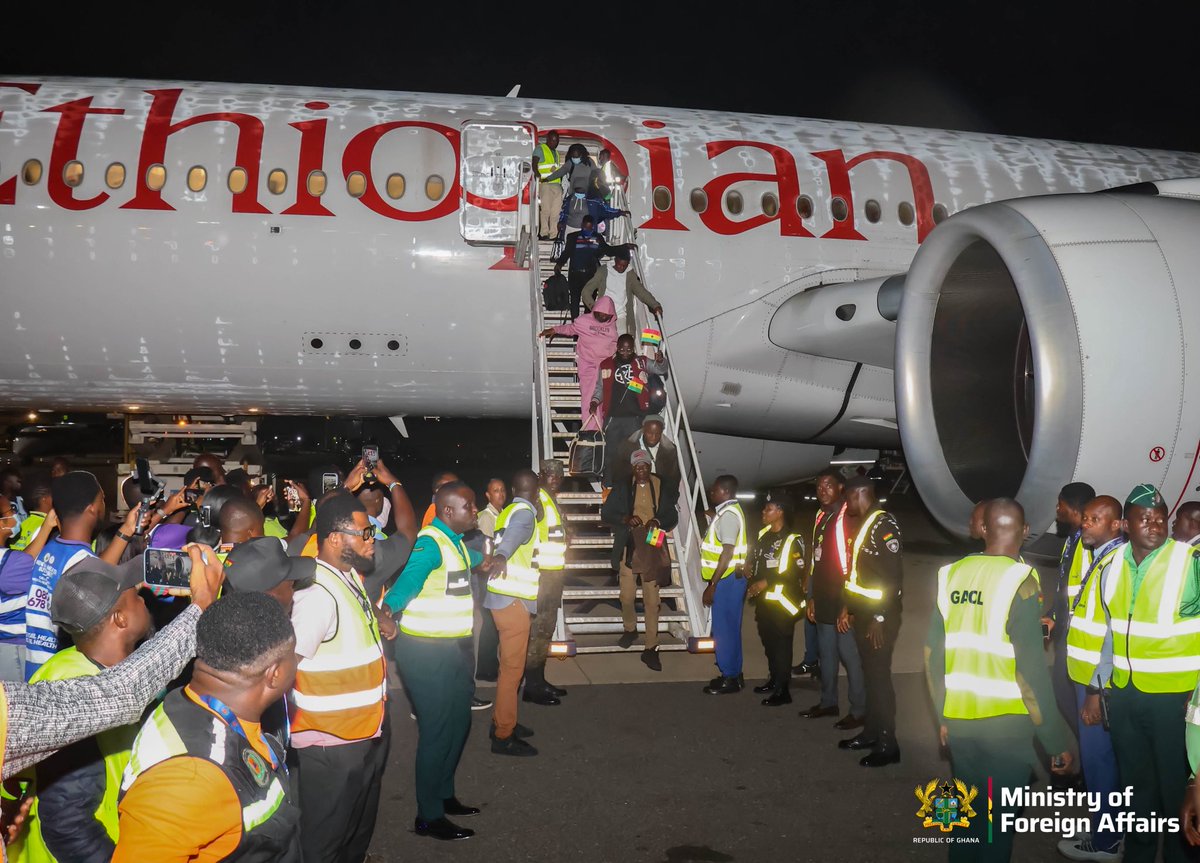
About a thousand Ghanaians have now been evacuated from South Africa by the Government of Ghana following the latest wave of xenophobic attacks.
Last night, it was a profound honour to welcome our fellow nationals with love, warmth and the pride of being a servant leader in a great country which does not forsake our citizens, particularly in time of distress.
But our work is far from over — we shall ensure reintegration with dignity, medical and psychosocial support, pursue compensation for those who have left properties and businesses behind, secure jobs for folks able to work and intensify our efforts towards achieving Osagyefo Dr. Kwame Nkrumah's Pan-African dream of genuine African integration.
I commend dedicated staff of the Foreign Ministry; our High Commission in Pretoria; colleague ministers; senior government officials; partner state institutions including GAF, GACL, GCAA, NADMO, GIS, GPS; the IOM; Ethiopian Airlines and the media for the flawless and efficient execution.
We are grateful to Ghanaian CEOs for their remarkable partnership with us aimed at creating employment opportunities for our returning nationals.
God bless President John Mahama for his inspiring and outstanding leadership and guidance.
The Mahama Administration shall continue to defend the rights of our cherished citizens, serve with compassion and safeguard the welfare of ALL GHANAIANS.
For God and Country 🇬🇭 🙏🏾
518
771
4,836
148,740
Evans Junior Owu retweeted
The boundless JOY of returning to the motherland.
For God and Country 🇬🇭 🙏🏾
131
254
1,989
44,522
Evans Junior Owu retweeted

It is factually incorrect to say revenue shrank.
1Q25 revenue: GHS 43.3bn
1Q26 revenue: GHS 57.5bn
This is 32.8% y/y growth NOT a shrink.
You can however say revenue underperformed target by GHS 2.7bn in 1Q26, albeit an improvement over the GHS 4.5bn under-performance in 1Q25.

New article:
Nearly GH₵24bn of 2026 Q1 budget left unspent as revenue shrinks by GH₵2.7bn – Finance Ministry data
myjoyonline.com/nearly-gh24b…
5
11
45
9,383
Evans Junior Owu retweeted

Jun 7
PUBLIC OFFICE, PUBLIC TRUST
I support recognising public officials who perform their duties well and make a meaningful difference in the lives of Ghanaians. Public service demands sacrifice, commitment, and leadership. When public officials deliver exceptional results, we should acknowledge and celebrate their contributions.
However, I am concerned about the standards that govern such recognition.
Citizens place confidence in government when public officials act with integrity and exercise sound judgement. For this reason, we must address not only actual conflicts of interest but also situations that create the perception of impropriety.
The current debate surrounding the Ghana Ministers of State Excellence Awards is not simply about those who attended the event or those who received awards. Rather, we should ask a more important question: should public officials receive awards from events that solicit sponsorships or financial contributions from the institutions they supervise or lead? This is an ethical question that must be settled.
Public officials should be recognised on the basis of performance, measurable outcomes, and genuine impact. Public recognition should never be linked, directly or indirectly, to financial contributions. When organisers seek sponsorship from institutions and subsequently honour officials from those same institutions, they create legitimate concerns about fairness, independence, and credibility. Even where no wrongdoing has occurred, such arrangements can weaken public trust and diminish the value of genuine excellence.
Professor Michael Kpessah-White has publicly alleged that organisers requested payment in connection with an award nomination. Another public sector Chief Executive Officer privately shared a similar experience with me and chose not to participate in the event after organisers made financial demands. These allegations raise serious concerns and warrant careful scrutiny.
I also wish to correct a few misconceptions.
First, the State did not organise these awards. They were organised by a private event management company.
Second, this was not the inaugural edition of the awards. Public officials under the previous administration also participated in and sponsored these events. However, we cannot justify a practice simply because others engaged in it before us. We criticised many of these practices in the past because we believed they weakened accountability and encouraged mediocrity. We should not defend them today.
Ghanaians elected this government on a promise of reform. They expect us to uphold higher standards, strengthen public institutions, and demonstrate a clear departure from practices that undermine public confidence. We cannot advance a Reset Agenda while tolerating conduct that raises avoidable ethical concerns.
Following my engagement with the Deputy Chief of Staff, Hon. Nana Oye Bampoe Addo, she assured me that the government would develop a regulatory framework to guide the Corporate Social Responsibility activities of State-Owned Enterprises. I understand that the committee responsible for this work has already commenced its task. I welcome this initiative and hope it delivers clear standards that promote transparency, accountability, and good governance.
We hold public office in trust for the people of Ghana. We must therefore conduct ourselves in ways that strengthen public confidence in our institutions. We should recognise excellence on merit, reward performance fairly, and reject practices that cast doubt on the integrity of public service.
Ghanaians will judge the Reset Agenda not by our rhetoric but by the policies we implement and the standards we uphold. If we are to build lasting public trust, we must lead by example and hold ourselves to the same principles we demanded of those who came before us.
I conclude by saying; MAY WE NOT BECOME WHAT WE CRITICIZED !!!!
#BuiltToLast
#GhanaFirst

106
394
919
45,464
My Minister, @S_OkudzetoAblak ❤️❤️

We kept our promise.
No Ghanaian has been abandoned in harm's way.
About a thousand Ghanaians have now been evacuated from South Africa by the Government of Ghana following the latest wave of xenophobic attacks.
Last night, it was a profound honour to welcome our fellow nationals with love, warmth and the pride of being a servant leader in a great country which does not forsake our citizens, particularly in time of distress.
But our work is far from over — we shall ensure reintegration with dignity, medical and psychosocial support, pursue compensation for those who have left properties and businesses behind, secure jobs for folks able to work and intensify our efforts towards achieving Osagyefo Dr. Kwame Nkrumah's Pan-African dream of genuine African integration.
I commend dedicated staff of the Foreign Ministry; our High Commission in Pretoria; colleague ministers; senior government officials; partner state institutions including GAF, GACL, GCAA, NADMO, GIS, GPS; the IOM; Ethiopian Airlines and the media for the flawless and efficient execution.
We are grateful to Ghanaian CEOs for their remarkable partnership with us aimed at creating employment opportunities for our returning nationals.
God bless President John Mahama for his inspiring and outstanding leadership and guidance.
The Mahama Administration shall continue to defend the rights of our cherished citizens, serve with compassion and safeguard the welfare of ALL GHANAIANS.
For God and Country 🇬🇭 🙏🏾
2
113
Evans Junior Owu retweeted
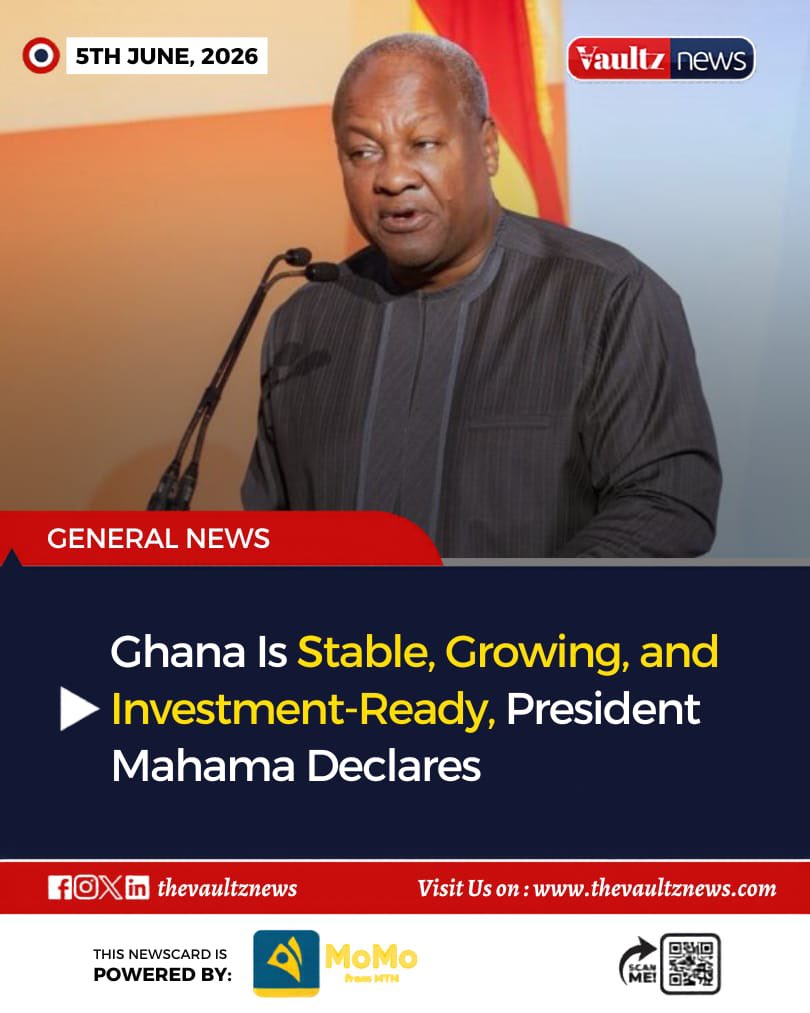
*“Ghana is open for business, Ghana is stable, and Ghana is growing. This is the time to join us on this journey of opportunity and shared success.”~ President Mahama*
Read more: thevaultznews.com/2026/06/05…
Read | comment | share
1
2
26
Evans Junior Owu retweeted
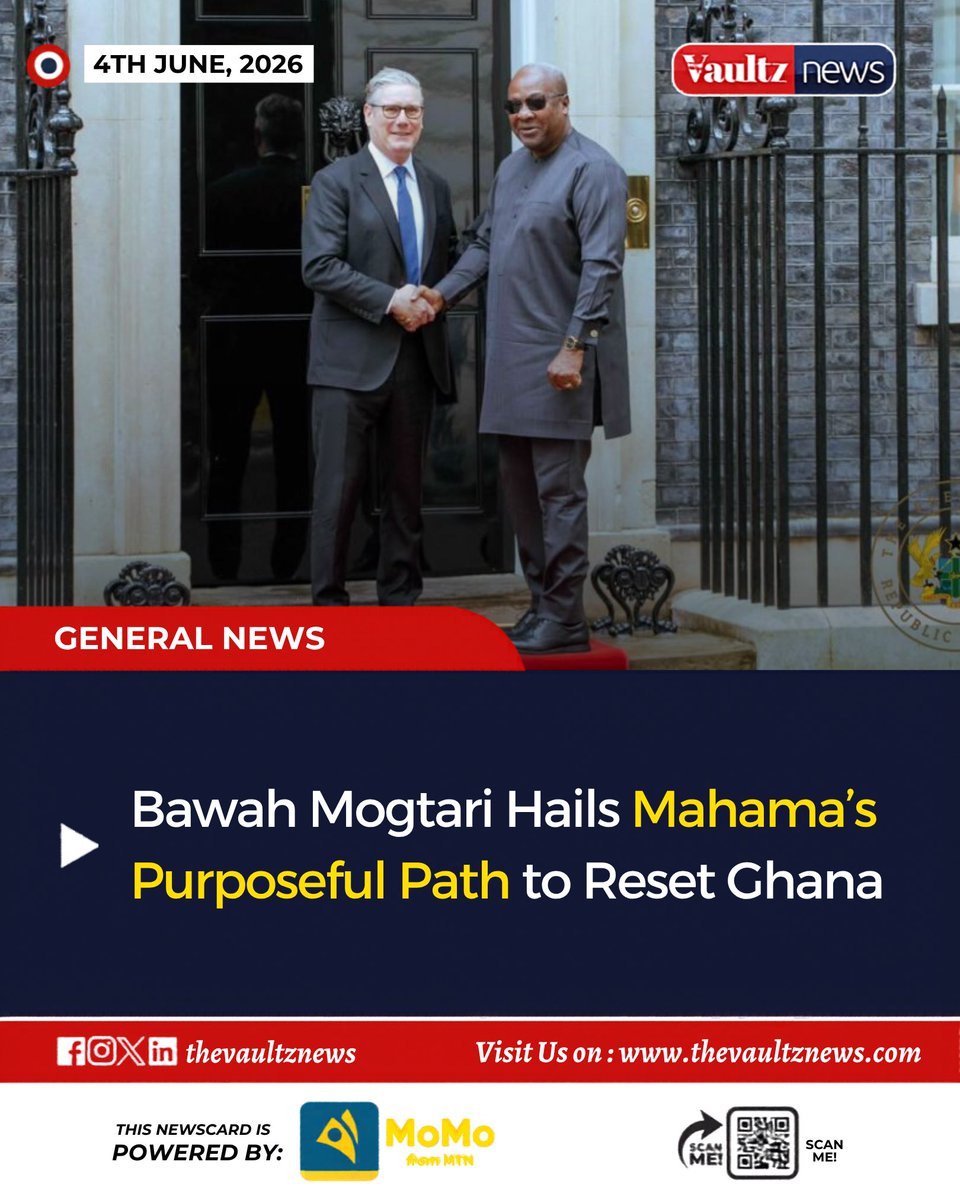
The message remains clear: President Mahama is on a purposeful path towards #ResettingGhana, and the world appears ready to engage with us, she stated.
Read more:
thevaultznews.com/2026/06/04…
Read | comment | share
1
2
30
Evans Junior Owu retweeted
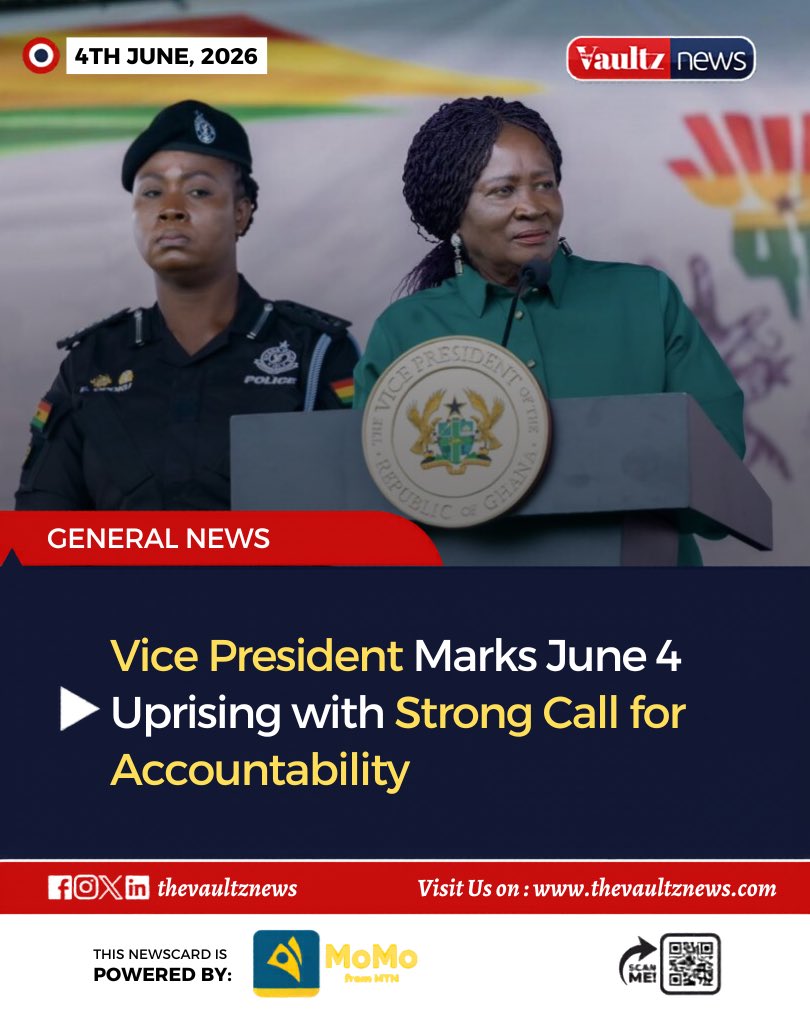
*She stated, “We still have far to go as a nation. We continue to encourage every citizen to play an active role in building the Ghana we all want.”*
Read more: thevaultznews.com/2026/06/04…
Read | comment | share
1
3
25
Evans Junior Owu retweeted

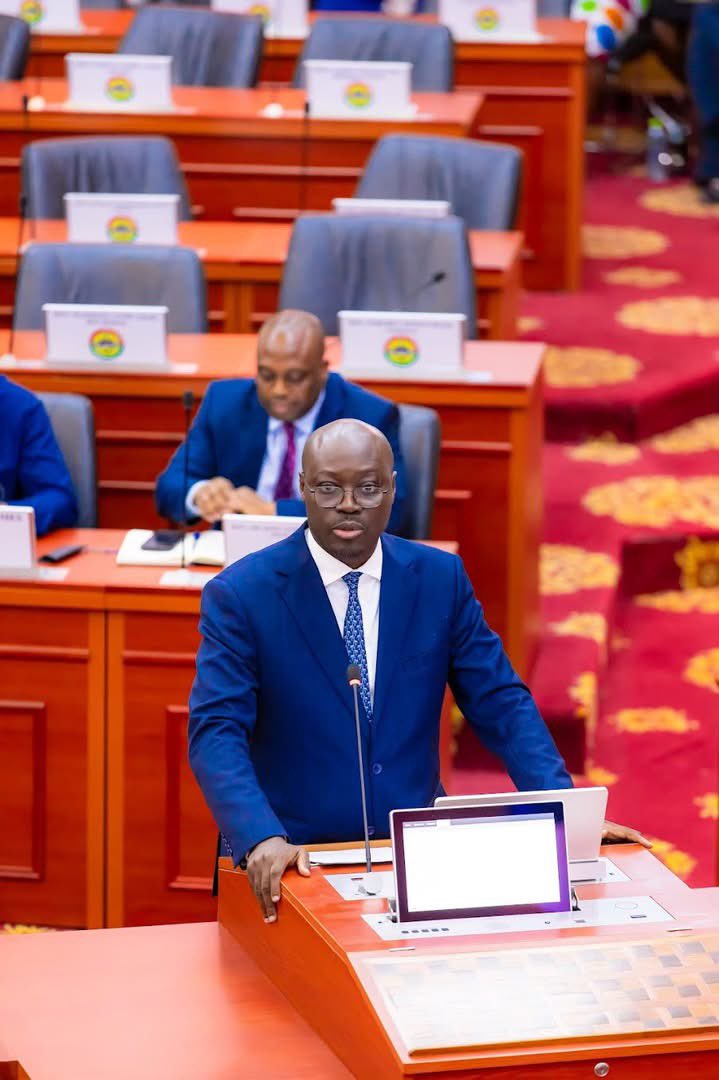
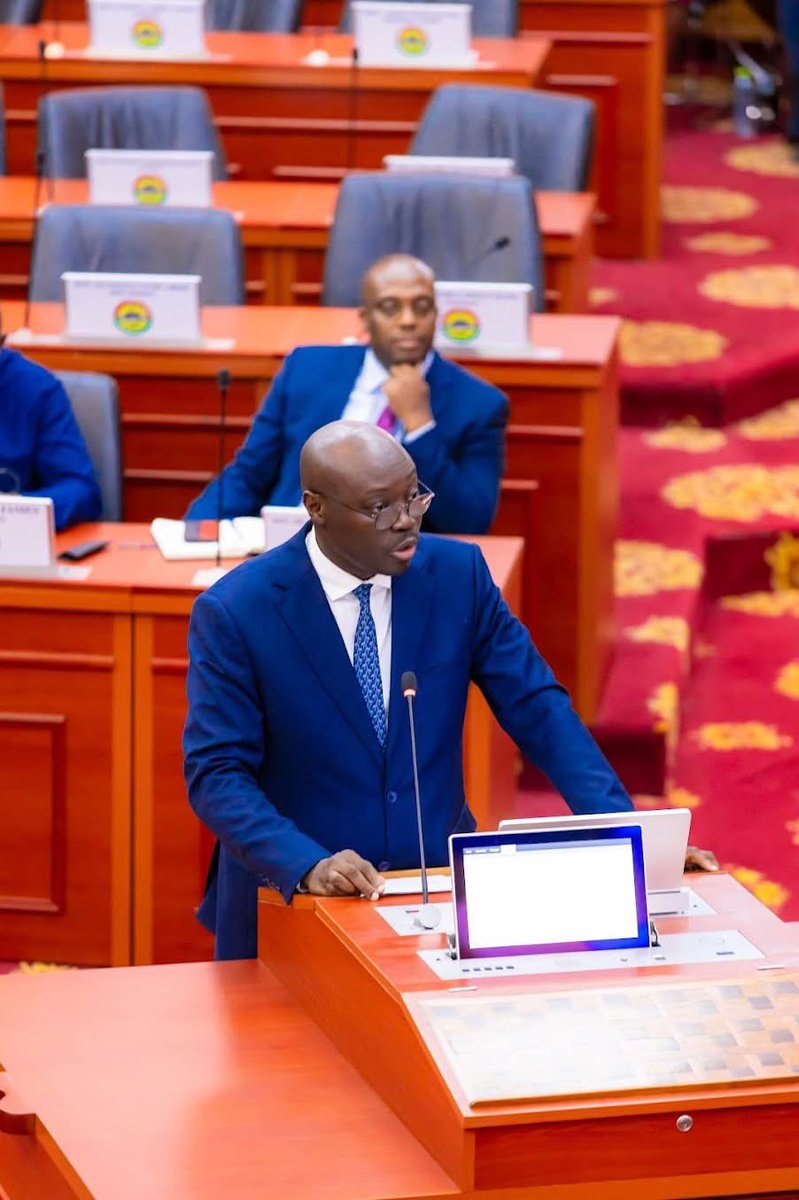
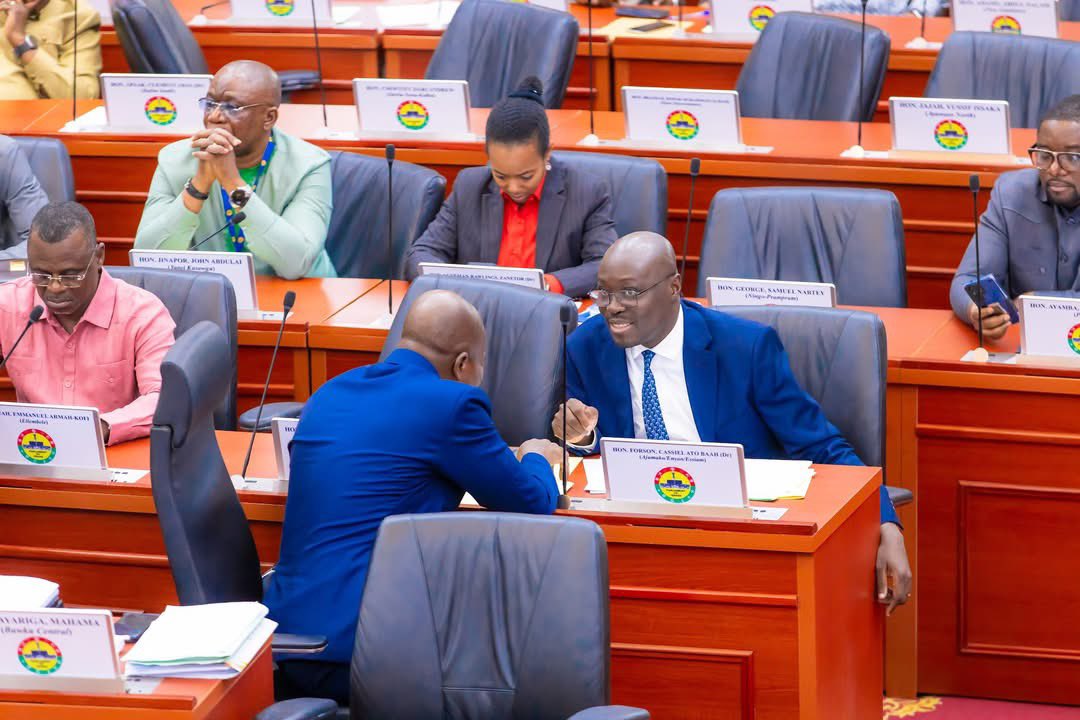
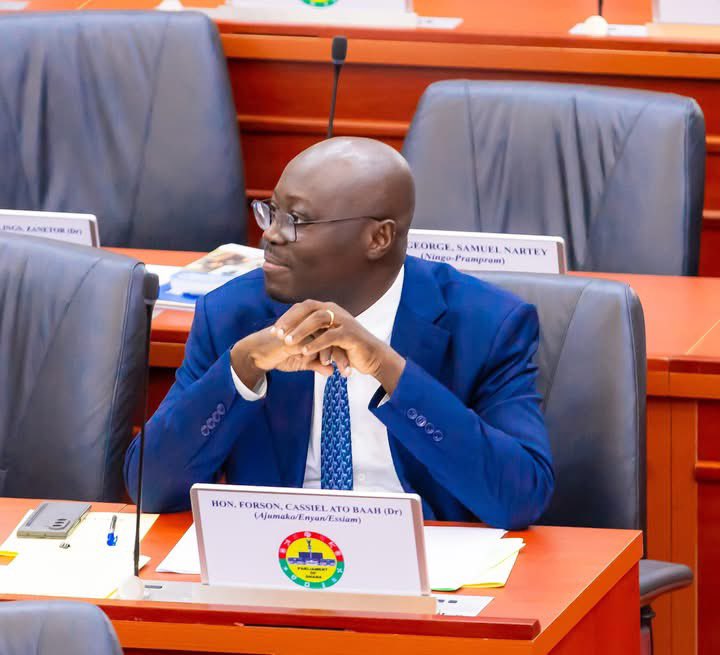
STATEMENT ON GHANA’S NEW ENGAGEMENT WITH THE IMF
1. Rt. Hon. Speaker, I come before this House to provide an update on the substantial progress we have made in restoring macroeconomic stability and debt sustainability ahead of the original timeline.
2. This address will also announce a new chapter in Ghana’s engagement with the International Monetary Fund.
3. Mr. Speaker, this is a consequential moment in President Mahama’s Reset Agenda and, indeed, in the life of our Nation.
4. It signifies Ghana’s passage from crisis management to stability, from dependence on financial bailout to partnership in reform, and from uncertainty to renewed confidence in our economic future.
5. Mr. Speaker, to appreciate the significance of this moment, we must briefly recall the gravity of the crisis Ghana faced in 2022.
6. On 1st July 2022, the previous administration turned to the IMF for a financial bailout after their gross mismanagement of the economy had driven the country into fiscal, balance of payments and debt crises.
7. President Mahama, the then NDC flag bearer, acknowledged the decision as necessary, though a belated intervention to arrest the decline and to ease the severe hardship being borne by the Ghanaian people through no fault of theirs.
8. The scale of that crises was profound, if not traumatic:
• The cedi came under intense pressure;
• inflation rose to painful levels, investor confidence deteriorated sharply;
• external reserves were strained; and
• Ghana lost access to the international capital market.
9. As a result, credit rating agencies responded by downgrading Ghana’s sovereign rating, repeatedly, in 2022, to levels never seen in our country’s history:
• In February that year (2022), Moody’s downgraded Ghana to Caa1.
• In August, S&P downgraded Ghana to CCC .
• Again, in August, Fitch downgraded Ghana to CCC.
• And in September, Fitch again, downgraded Ghana to CC.
• Finally, in October 2022, Ghana lost access to the international capital market with Ghana’s Eurobond spreads widening to an all-time high of 3400 basis point.
10. This further deepened the economic and financial crises, to the point that COCOBOD was unable to secure a syndicated loan for the first time in many years.
11. Also, some domestic commercial banks could no longer obtain external funding or establish letters of credit, as international banks declined to confirm those instruments.
12. Mr. Speaker, on 5th December 2022, following the announcement that Ghana could not meet its maturing domestic debt obligations, the NPP administration introduced the Domestic Debt Exchange Programme (DDEP), imposing significant haircuts on domestic bondholders.
13. On 13th December 2022, Ghana formally requested debt treatment under the G20 Common Framework in order to restructure its bilateral debt portfolio of more than US$5 billion.
14. On 19th December 2022, the NPP administration again defaulted on the servicing of Ghana’s external commercial debt obligations.
15. The far-reaching haircuts affected:
• The Bank of Ghana;
• commercial banks;
• non-bank financial institutions;
• pension funds;
• insurance companies;
• individual bondholders; and
• even pensioners were not spared.
16. Mr. Speaker, ordinary Ghanaians bore the heaviest burden of that crisis. The consequences were felt across households, businesses, and institutions through:
• rapid depreciation of the cedi;
• runaway inflation of more than 50 percent;
• massive erosion of disposable incomes and savings;
• painful haircuts on domestic bondholders, including pensioners;
• punitive interest rates that constrained private sector activity;
• the imposition of nuisance taxes including E-Levy, Betting Tax, COVID-19 Levy and Emissions Tax;
• job losses, business distress, and weakened investor confidence; and
• a sharp rise in poverty and economic insecurity.
12
132
605
9,084