Father, Husband, Seeker of truth Freedom and peace. Former Trawlerman, Lover of life, Music Family and Unofficial government critic. Stand up to the WEF, No dm
Joined November 2023
- Tweets 1,389
- Following 165
- Followers 66
- Likes 1,255
19 Photos and videos

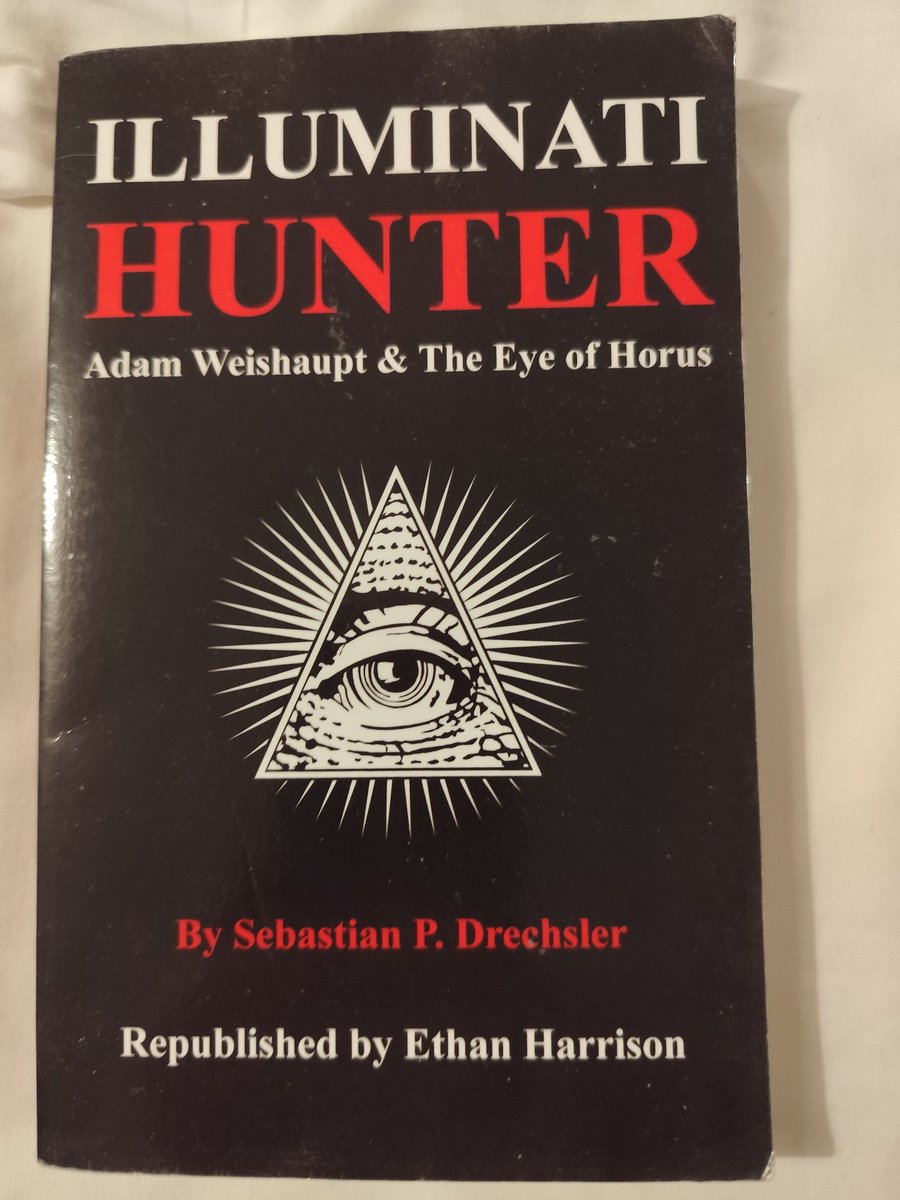
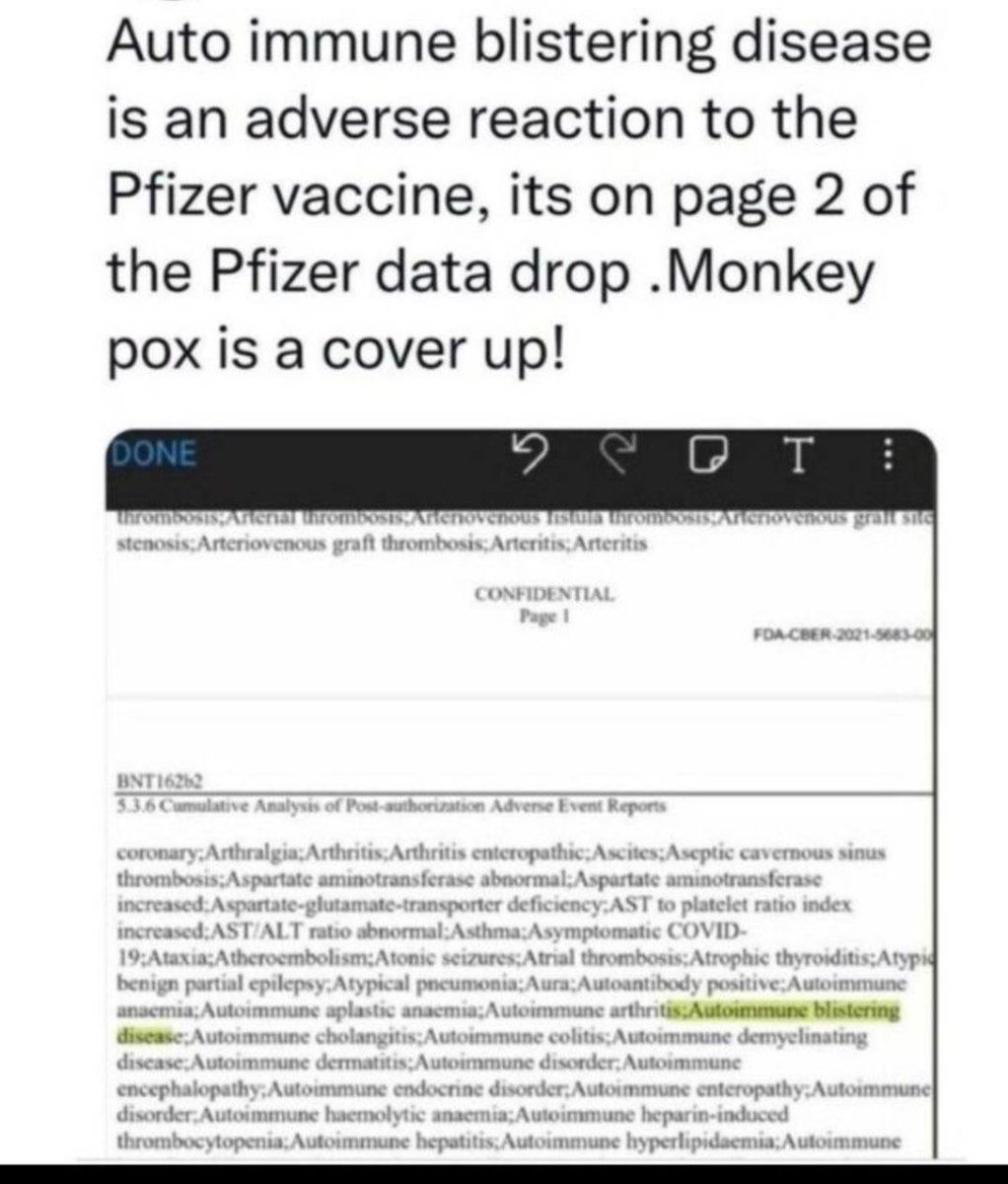




This!
Jun 10

Imagine if Restore Britain wins the next election and Keir Starmer is prosecuted for crimes against the British people?
1
Stuk23 retweeted

Jan 8
Restore Britain is undertaking a major research study into crimes against Christian places of worship, and how the data sets given by the police are so chaotic in comparison to other religions.
Our findings so far are shocking.
Why are we so ashamed of our Christian heritage?
399
3,355
12,446
136,691
Quite!
Jan 22

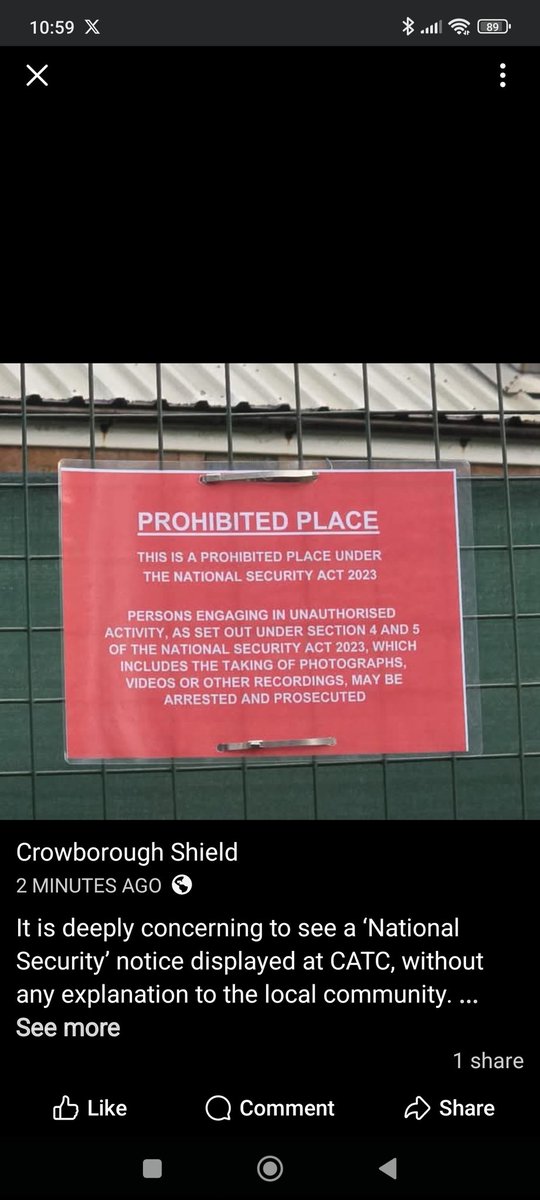
Britain has begun repurposing its military infrastructure to house large numbers of single male asylum seekers. That is the fact. In Crowborough, a former Army training base that once prepared cadets, police and fire crews is now being filled with undocumented men who crossed the Channel illegally. Twenty-seven arrived before dawn. Up to 540 will follow. The decision was made without local consent, without a vote, and without meaningful scrutiny.
The Home Secretary Shabana Mahmood insists this is about closing migrant hotels and restoring order. But order is not restored by displacing it. What is happening in Crowborough is not a solution; it is a signal. When the state can quietly convert a military site into mass accommodation, bypass planning law, override local objection and present the result as settled fact, something fundamental has shifted in how power is exercised.
Crowborough did not ask for this. Its residents protested peacefully. They organised. They raised funds. They sought legal review. None of it mattered. Special development powers were invoked. Consultation was bypassed. The decision was implemented first and explained later. That pattern should feel familiar, because it has become the governing method of modern Britain.
These sites are chosen for a reason. Former barracks are fenced, controlled and already securitised. Places once used to train those who upheld the state are now repurposed to manage the consequences of a border the state no longer controls.
For local families, the consequences are not abstract. Parents think twice about walking routes. Women adjust routines. Children absorb unease they cannot name. Communities are told there is no risk, no reason for concern and no right to object. Public reassurance is offered from a distance, while the burden of proximity is imposed on those with no power to refuse it.
The government frames this as temporary. Three months, we are told. Processing, then removal if claims fail. But the public has heard this language before, and it no longer believes it. Removal is not a plan; it is a slogan. In practice it is strangled by appeals, injunctions, human rights lawyers and the ECHR, where almost every case becomes an obstacle course designed to exhaust the state into surrender. Temporary measures harden. Emergency arrangements normalise. Infrastructure built for short-term use acquires a long-term logic of its own. Once a site is designated, services follow. Staffing follows. Contracts follow. Reversal becomes harder than continuation, and "temporary" quietly becomes permanent by default.
What makes this moment more serious is not just who is being housed, but how the decision was made. Planning law was sidestepped. Environmental assessment was waived. Democratic consent was treated as an inconvenience. This is governance by exception, justified by urgency, sustained by fatigue, and insulated from accountability by process.
This is the warning. When government acts without consent in the name of necessity, necessity grows. When communities learn their objections change nothing, trust evaporates. When courts become the only recourse, politics is already dead.
This is about authority and limits. A state that cannot control its borders but can override its citizens has reversed its purpose. Power is protected at the centre. Consequences are distributed to the periphery.
If this model endures, more sites will follow. More powers will be used. More communities will be informed after the fact. Each step will feel normal. Each objection will count for less. And when that moment passes, Britain will not merely have lost trust. It will have lost consent, self-government, and the right of its people to decide what is done in their name. That is the quiet end of sovereignty.
"Crowborough did not ask for this. Its residents protested peacefully. They organised. They raised funds. They sought legal review."
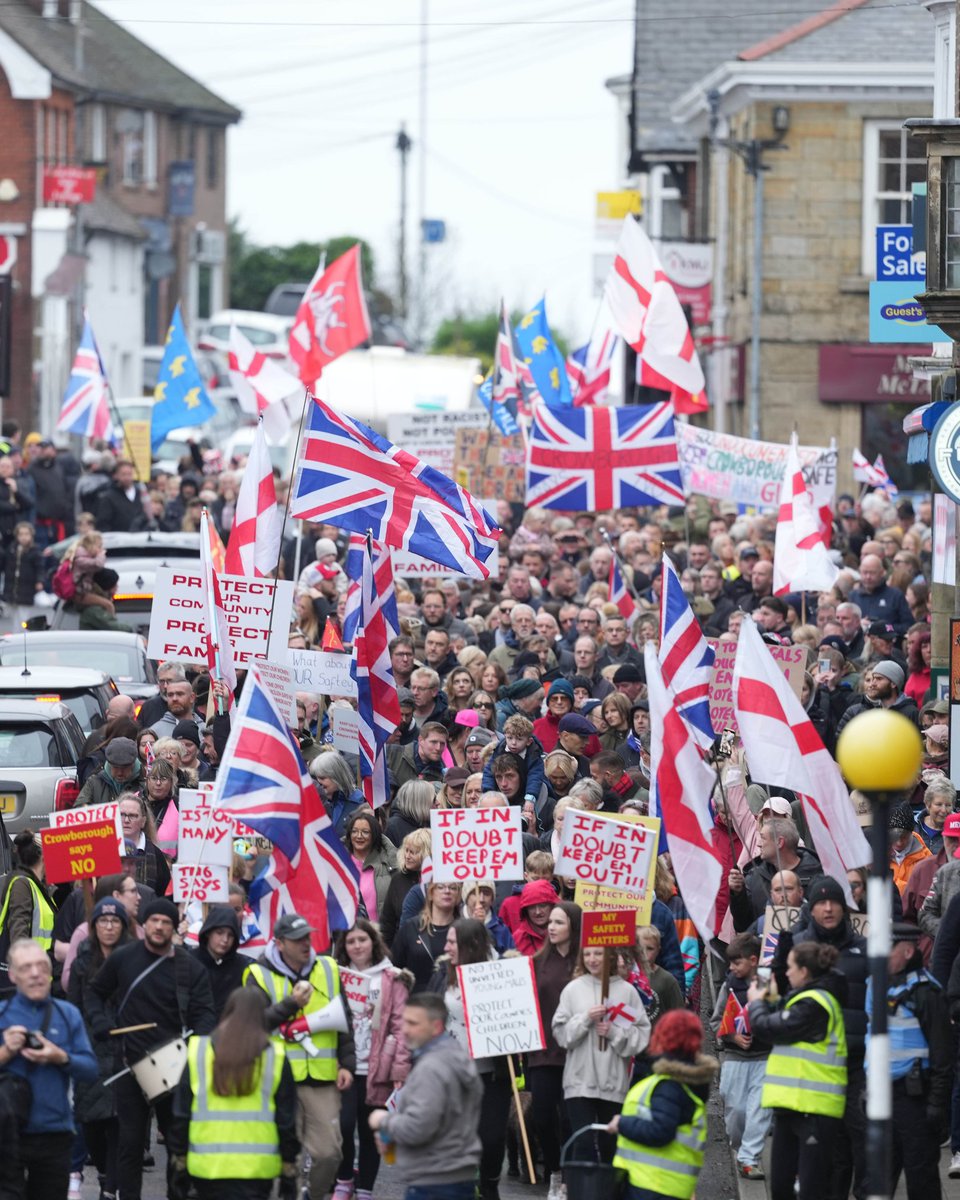
ALT Crowborough Protest
35
On point this avenue!
Jan 21
🚨WE NEED TO DISCUSS THE POSSIBILITY THAT THE PRIME MINISTER OF THE UK IS A CHINESE ASSET
"Only a government that’s seriously stupid, or seriously compromised by China, would behave this way"
Chagos
Spy Embassy
Keir Starmer is a traitor
9
Ha ha, world peace one step at a time! 😂🤣

8
Finally!
22 Dec 2025

Who thinks that the World Economic Forum should be declared a global terrorist organisation ?
11
We need to stand together just like them!
11 Dec 2025

BULGARIA: GOVERNMENT RESIGNS after days of mass protests across the country against government corruption.
22
Stuk23 retweeted

7 Dec 2025
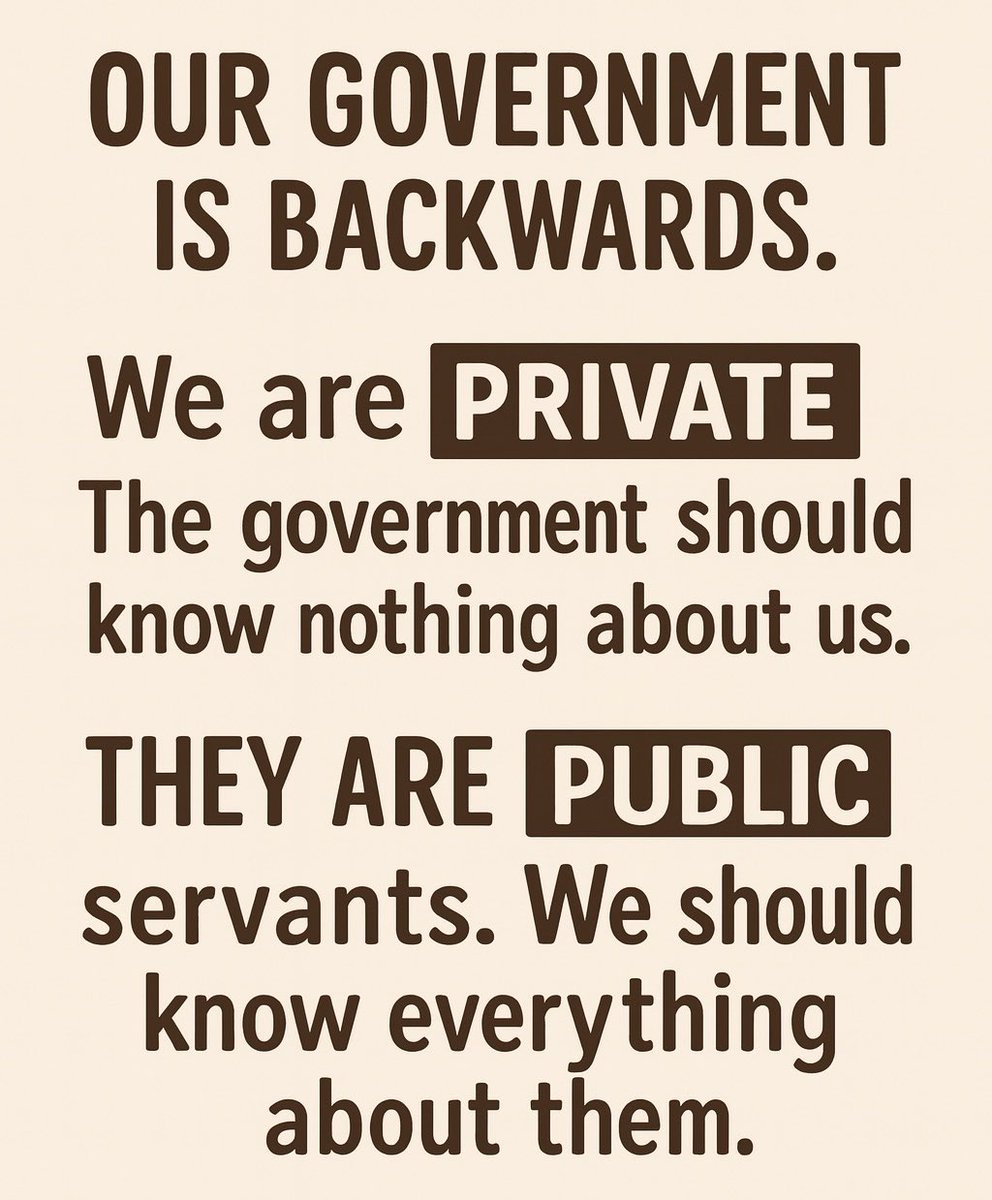
Absolutely right:

104
2,295
8,708
103,895
Best post I've seen today!
28 Nov 2025
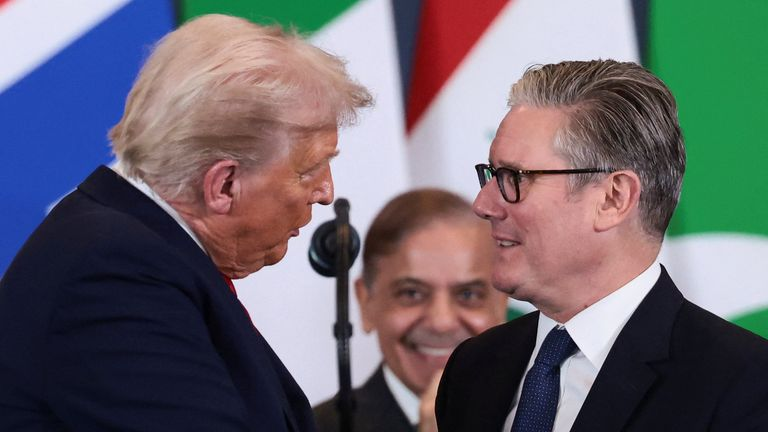
🚨U.S OFFICIALS HAVE ORDERED DIPLOMATS IN THE UK TO START COLLECTING MIGRANT CRIME DATA
Trump isn't stopping.
He wants the world to know what is happening to our country.
He will expose the Starmer regime for what it is
Keir is terrified of the truth getting out
1
31
Oh dear, that's the mind boggling with grimness! 🤣😂
28 Nov 2025

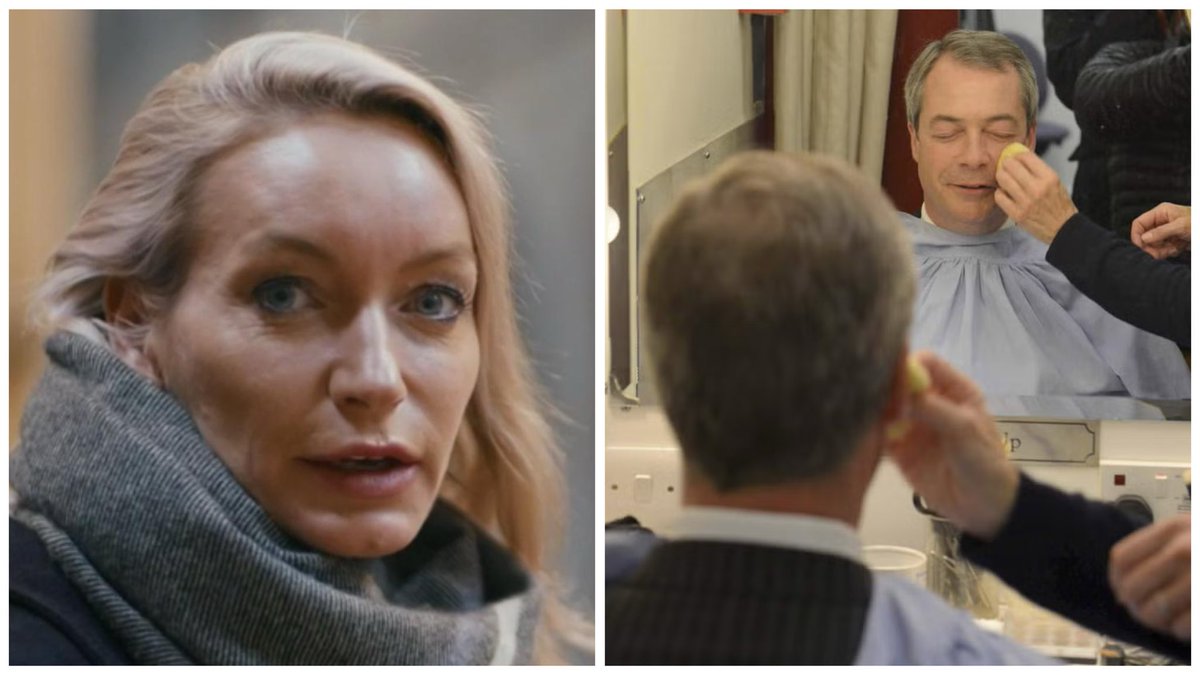
BBC presenter Lisa Hilton has revealed that makeup artists at the channel were putting “human saliva” and “other bodily fluids” on Nigel Farage’s face.
This is not just disgusting, it is criminal. There must be a full investigation.
Scrap the licence fee. Enough is enough.
24
So we need to know who our ministers work for.
Do they work for us or the WEF?
Ask your mp's if they answer then fair if they don't we have our answers.
The public have a right to know!
So far I have asked @RupertLowe10 and @ABridgen and @davidkurten
We shall await responses!
8

Stuk23 retweeted

19 Sep 2025
Nothing will change unless the public are given a meaningful say in what politicians are allowed to do. There should be referendums on all major issues and spending. The electorate should be able to remove MP's and governments between elections. Will Reform commit to major reforms such as this?
18 Sep 2025

British people have been made second class citizens in their own country.
77
135
491
8,449
Quite!
17 Sep 2025

England used to be such a wonderful country, I cannot understand the mentally of those who wish to destroy it.
9
It's a no from me!
16 Sep 2025

I've had it confirmed by the Department for Science, Innovation and Technology that the Government is officially considering Digital ID.
Looking at how it can 'help' 'bring benefits to people’s everyday lives.'
We must say NO to Digital ID.

15
Just like bill gates pie face! 🤔
6 Sep 2025
Was Starmer so bullied at school that he decided to spend the rest of his life getting revenge?
19
Quite!
19 Aug 2025

We don't have government, we have organised crime syndicates.
1
17
Stuk23 retweeted

13 Aug 2025
The Online Safety Act isn’t about protecting children — it’s about protecting the state from criticism. Ofcom should not have the power to decide which legal opinions you’re allowed to share online.
76
1,637
5,824
53,918
The WEF controls 99.9% of our government. @Nigel_Farage you sold us down the river again! Reform is a Trojan horse!
7 Aug 2025
🚨The W.E.F's (World Economic Forum) Bassim Haidar has donated £1 million to Reform UK
20