
Husband; disinformation exposer par excellance; investor; former entrepreneur; proud Zionist.
Joined April 2023
- Tweets 2,933
- Following 567
- Followers 269
- Likes 351
639 Photos and videos
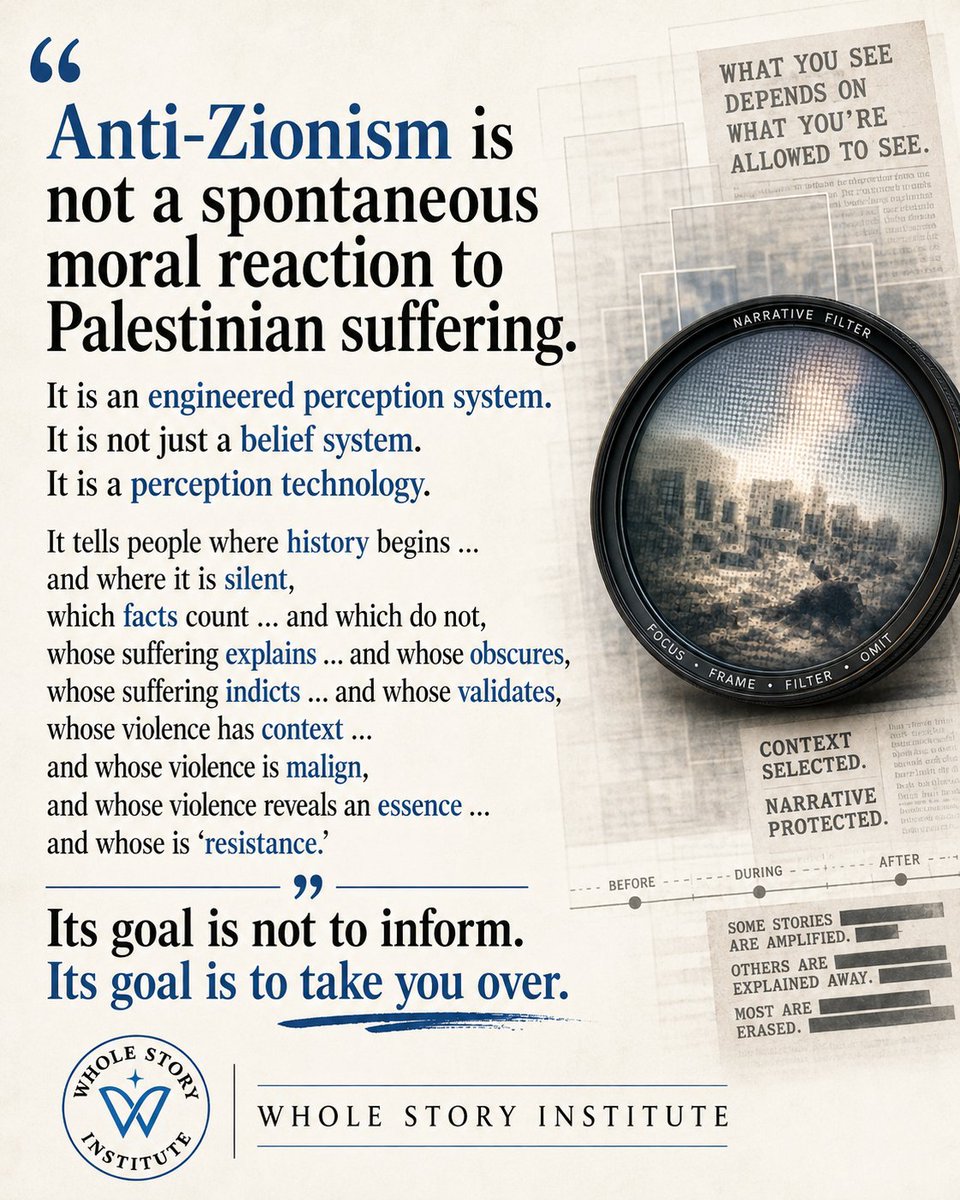
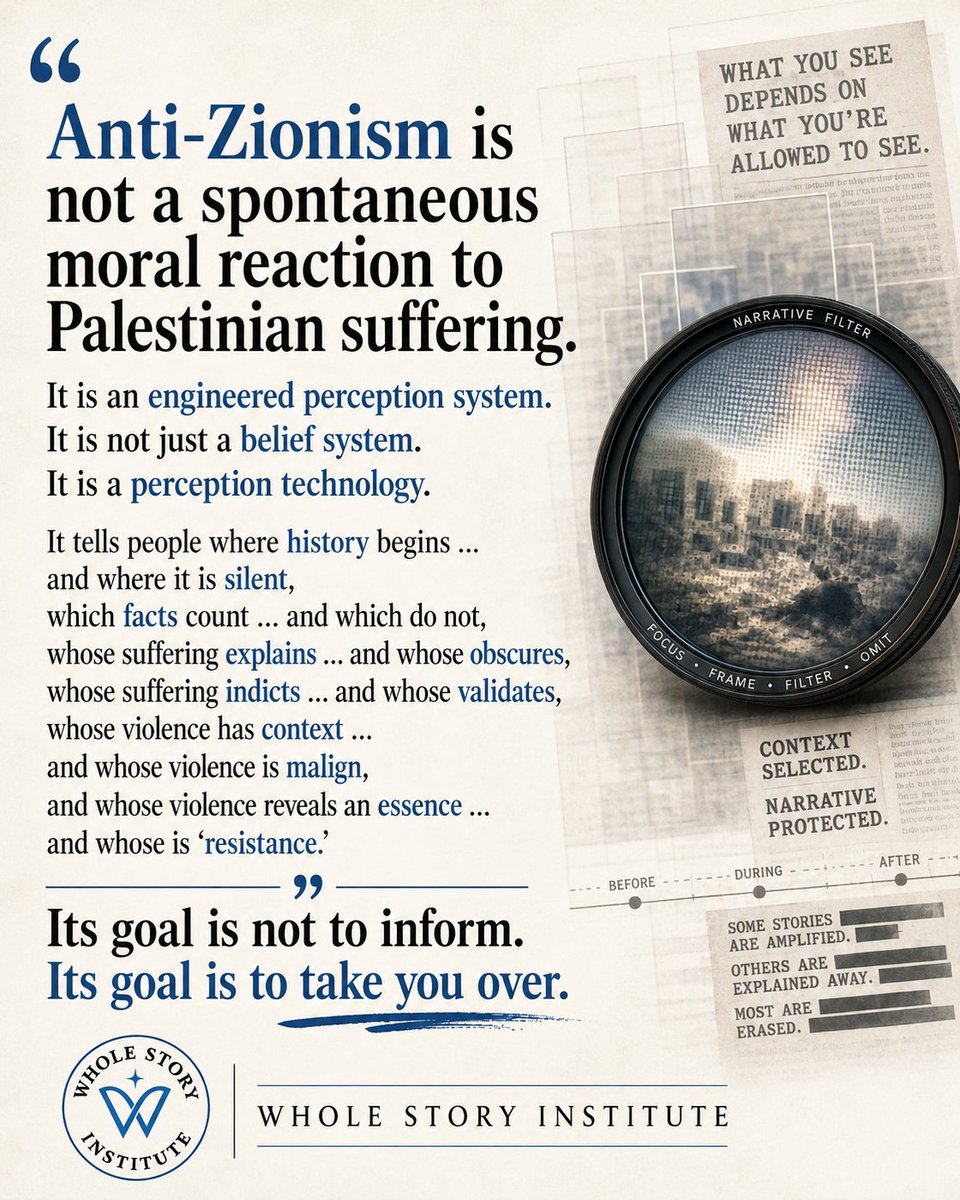
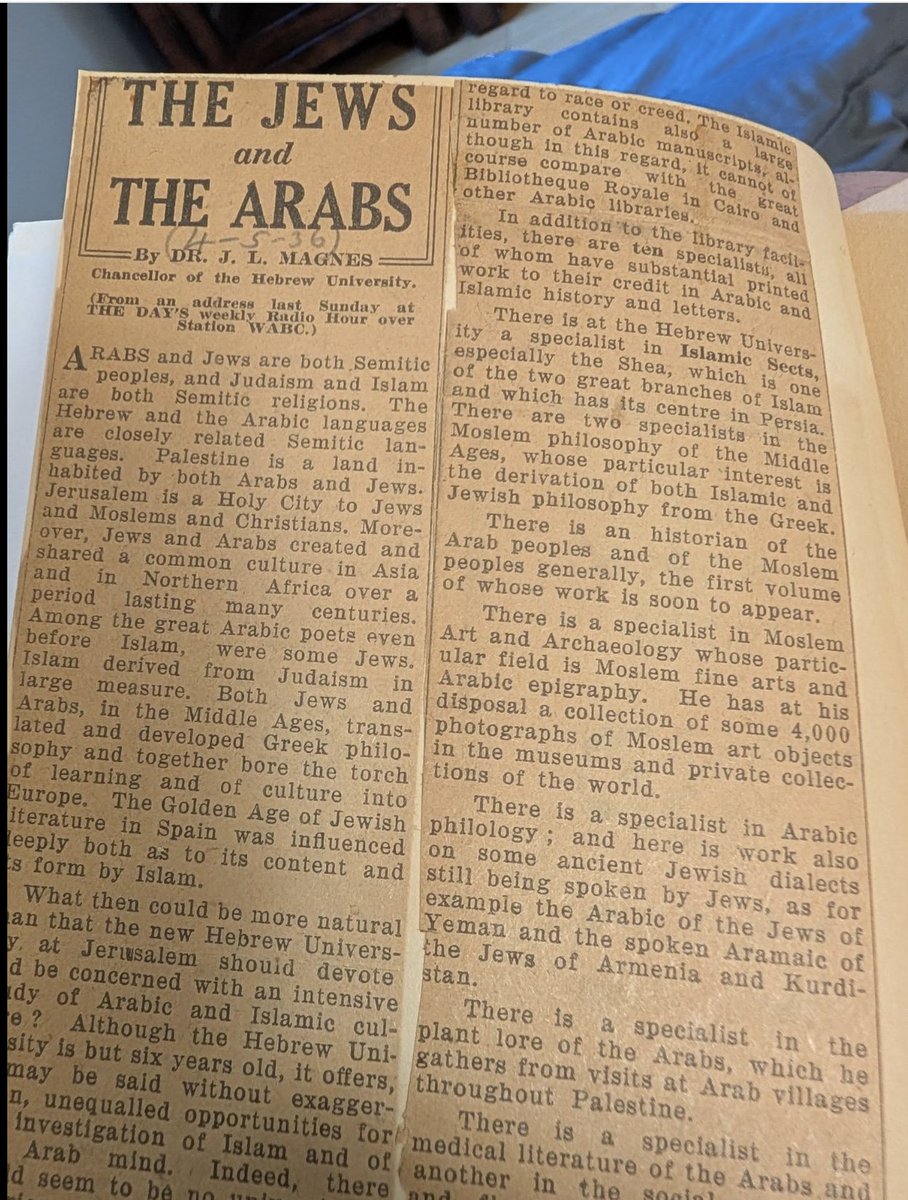
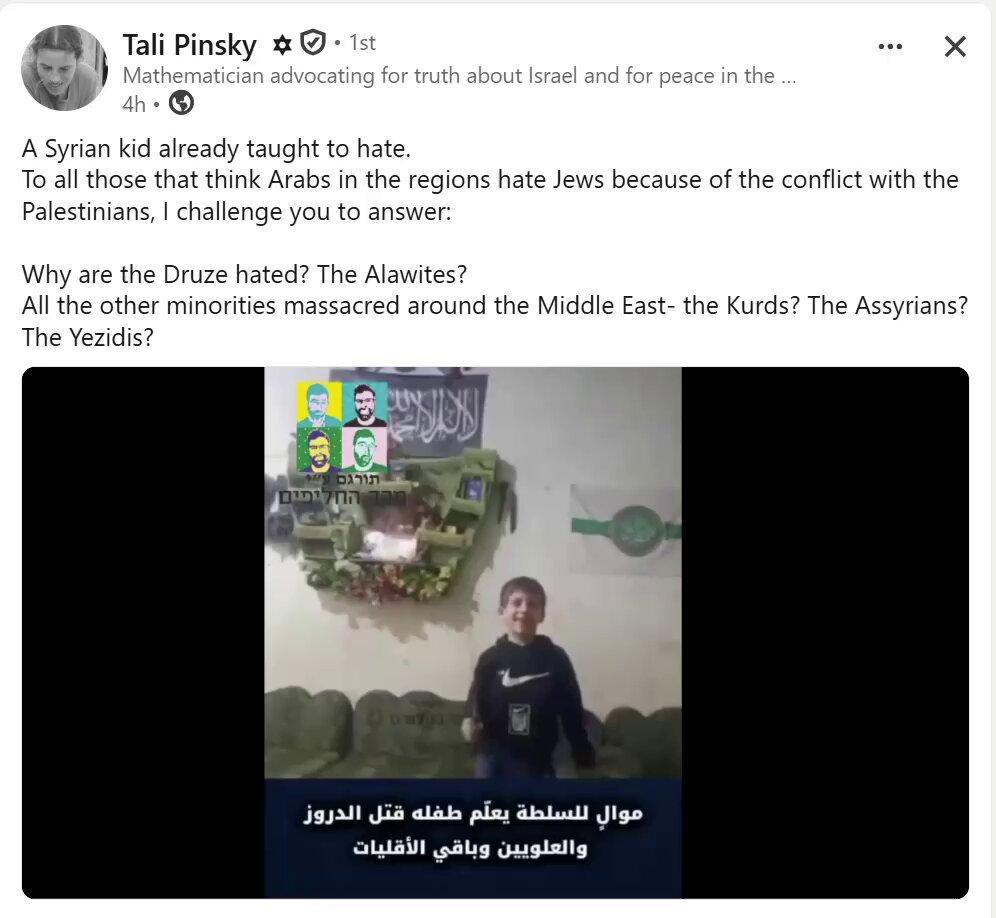



Jun 11
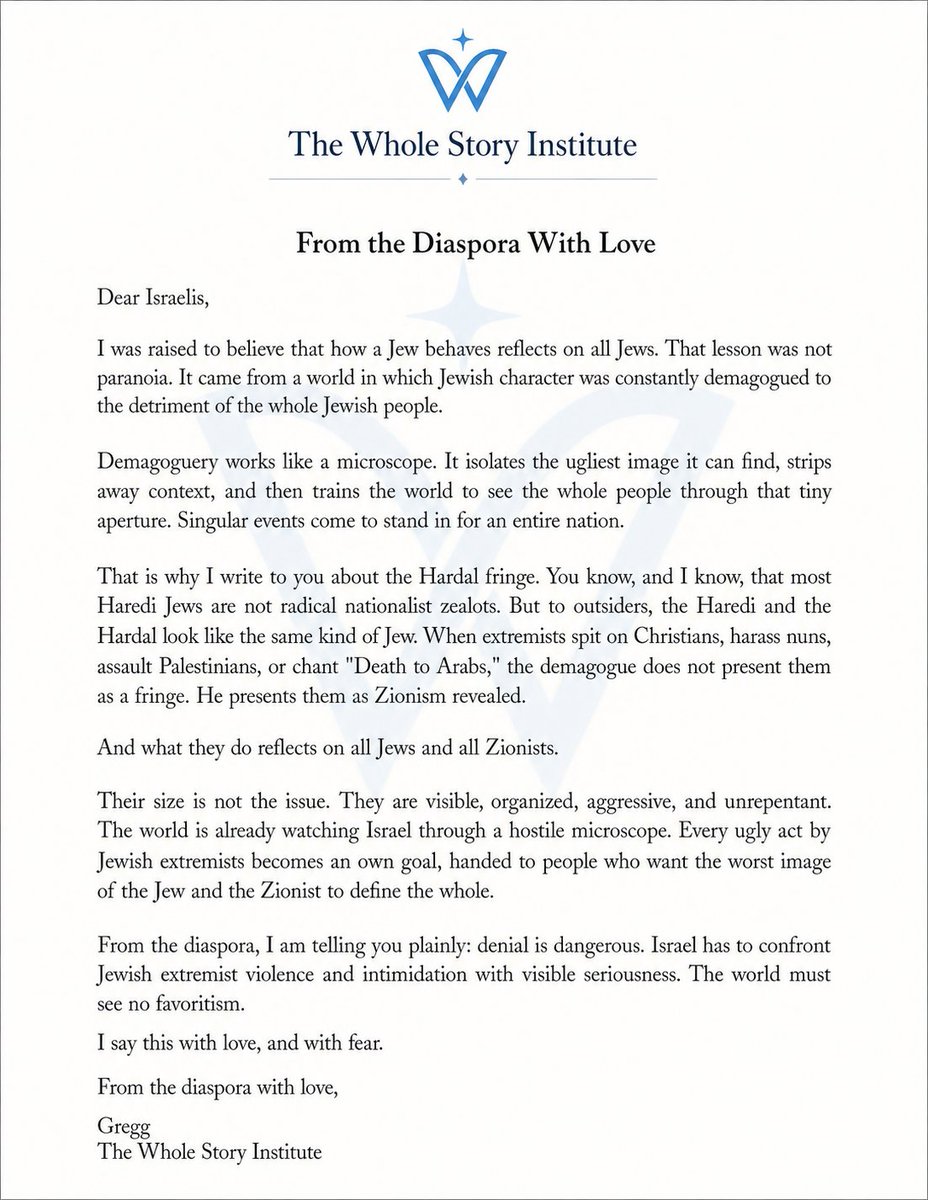
A MacGuffin is the thing everyone chases in a movie — the diamond, the briefcase, the secret file.
In modern antizionism, Israel plays that role.
It keeps incompatible movements moving together, while preventing the world from asking what the chase is really about.
Link in the first comment.
1
153

Yes
Jun 10

In LOTR, the shire spent so long sheltered from evil that it began to think evil did not exist.
The west is like the shire.
We must save the shire.
4,138
13,441
124,541
25,808,245
Gregg Rosenberg retweeted

Massie's "Justice Delayed" speech on the House floor today asserts that Israel deliberately attacked the USS Liberty with the intention to murder its crew, and that the US government covered it up.
However, the comprehensive documentary record—spanning more than a dozen official US and Israeli investigations, including reviews by the CIA, NSA, and Joint Chiefs of Staff—completely refutes these claims, proving the incident was a tragic case of mistaken identity and friendly fire. You don't have to take their conclusions granted; you just need to look at the evidence.
Massie and his gang have no intention of doing that-- none of these people have looked at the evidence; there are no "Liberty Truthers" who ever engage with the specific evidence, because then they look too obviously grotesque and ideologically-motivated.
If the facts of the case don't matter, why are these people obsessed with a friendly-fire incident that happened in 1967? Because they want to convince you--despite all evidence and lack of motive--to hate Israel and Jews. There is absolutely nothing else going on here, and the proof for that is how enthusiastically they lie about what actually happened that day.
They need to say Israel attacked deliberately, because that's how they fool Americans into distrusting and hating Israel. And they need to say the US covered it up, because that's how they explain the lack of evidence for their claims.
I promised a debunking, so here it is.
****************************
Massie: Israel deliberately attacked the ship with the intent to leave no survivors. There is absolutely zero evidence it was a premeditated strike. The Israeli military correctly identified the ship at dawn, but a duty officer erased the ship's marker from the naval plot hours later because the information was considered stale. Later, misread explosions on the coast led to a severely flawed speed calculation by Israeli torpedo boats (estimating 30 knots instead of 5), which classified the ship as a hostile warship that was then misidentified as an Egyptian supply vessel.
If Israel had intended to sink the ship, they would have used iron bombs—but the Israeli air controller deliberately diverted the flight carrying iron bombs away from the ship.
When an Israeli pilot recognized Latin letters on the hull (Arab warships used Arabic script), the attack was immediately halted with the order, "Leave her!" Israel then dispatched rescue helicopters, ceased fire immediately, and apologized within hours, before Washington had even publicly acknowledged the incident.
Massie: The attack was a 25-minute unprovoked assault using napalm, and lifeboats were machine-gunned. In reality, the air attack lasted approximately 14 minutes, and every official investigation confirms there were only two Mirages and two Super-Mystères involved. (Even survivor advocates who previously claimed there were up to 30 sorties have conceded on the record that there were only two initial jets).
The jets dropped napalm because they had been diverted mid-mission from bombing Egyptian infantry, not because of a surgical plan to sink a steel ship.
Furthermore, the torpedo boat did not machine-gun lifeboats to execute survivors; it actually recovered a damaged life raft put overboard by the crew that was marked "US Navy." This recovery is exactly how the Israelis realized the ship was American.
Massie: It was a clear day with unlimited visibility and the American flag was flying proudly. While Massie argues the flag should have made the ship's identity obvious, gun-camera film from the attacking pilots and shipboard photos confirm that the smoke from the burning ship was rising straight up--meaning there was essentially no wind. Because of the calm conditions, the flag hung limp and drooping against the mast rather than extended. The Navy Court of Inquiry specifically concluded that the calm weather and slow speed "may well have made the American flag difficult to identify."
Massie: US rescue planes were recalled and the crew was left stranded for 17 hours. Massie implies that the recall of rescue planes points to a sinister cover-up-- but the US response was paralyzed by the fear of nuclear escalation. LBJ initially feared the attackers were Soviet, stating, "if this attack is by the Russians, this means war." The Sixth Fleet recalled its defending aircraft out of fear of sparking World War III, and this recall occurred long after the attack was already over.
The USS Liberty was only in the war zone to begin with because of severe US communication failures. Five separate messages ordering the ship to withdraw 100 miles were misrouted and never reached the ship before the attack.
Massie: Ward Boston declared the inquiry invalid, proving a cover-up. He asked Congress to enter a declaration by Ward Boston into the record, claiming the official court of inquiry was invalid. Boston's much later affidavit recanting his original findings is hearsay (the admiral he quoted was deceased) and self-incriminating, as Boston himself co-authored the original findings under oath.
Admiral Isaac Kidd, who actually led the Naval Court of Inquiry, said in 1991 that his investigation found zero evidence of a deliberate attack. When asked if they found a "smoking gun," he said, "we didn't even find a water pistol."

200
356
1,186
131,698
Gregg Rosenberg retweeted

Jun 7
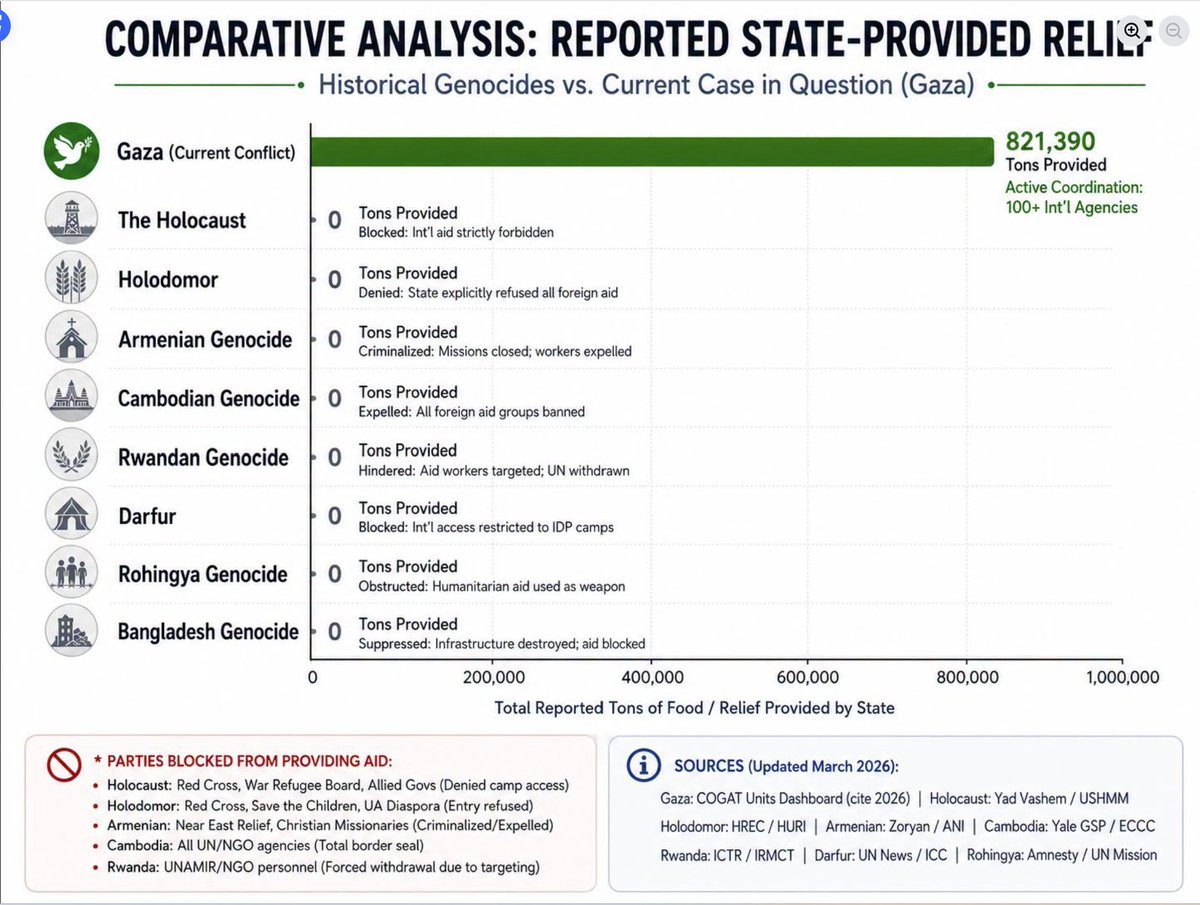
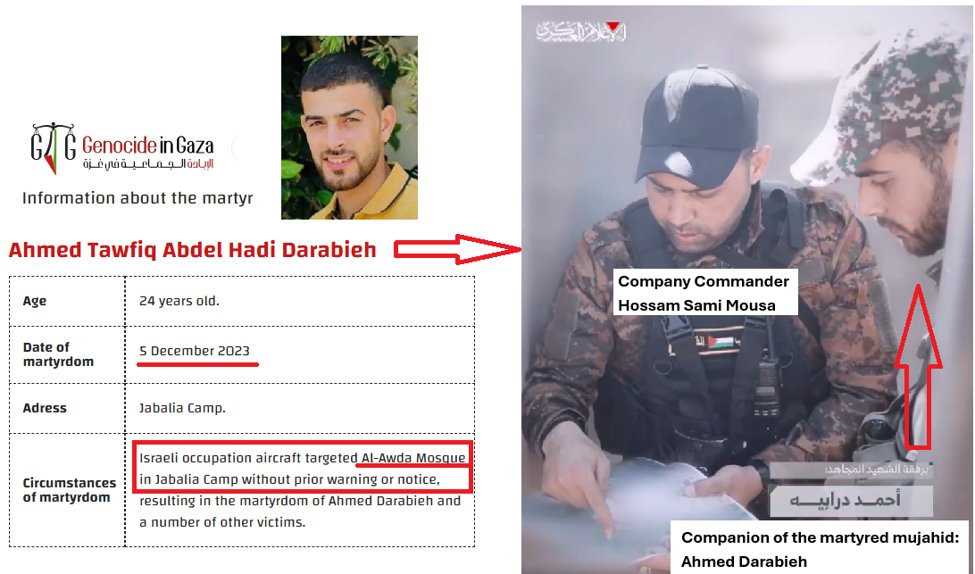
Slowly but surely, every IDF attack that was reported by Gazan "journalists" to have "targeted civilians" will be proven to have killed combatants. The "genocide" narrative is falling apart, which is why South Africa asked for a 3 year delay. And Hamas is providing the evidence.
Jun 7

🧵An IDF strike on Al-Awda Mosque in Gaza on Dec 5, 2023 was covered in global media as an illegal attack on a religious site, killing 4 civilian Darabieh brothers. But Hamas admitted that one, Amhed Darabieh was a Qassam fighter. Others were likely combatants too. Details: 1/
13
437
1,224
24,303
The PLO’s 1964 charter did something strange.
It claimed Palestine — while disclaiming the West Bank and Gaza.
That detail matters more than people realize.
If Palestinian identity were ancient and organic, why did its political definition keep changing with Israel’s borders?
Link in the first comment.
1
2
20
Waking Up From The Antizionist Slumber open.substack.com/pub/ghrose…
5
May 31
A society is not defined by everything its people privately feel. It is defined by what its institutions, leaders, armed factions, and red lines allow to become real.
What if “don’t generalize” is not a moral insight, but a way to protect a political reality from being named?
First link in the comments.
1
5
May 31
A society is not defined by everything its people privately feel. It is defined by what its institutions, leaders, armed factions, and red lines allow to become real.
What if “don’t generalize” is not a moral insight, but a way to protect a political reality from being named?
First link in the comments.
2
May 27
A soldier sees an ambush. A camera sees a child with a stone. An NGO sees a report. The world sees an opportunity for outrage-driven activism.
The most effective weapons in asymmetric warfare are not always guns. Sometimes they are images.
Why use kids with stones when adults with guns are available? Because the story is the weapon.
Link in the first comment.
1
6
May 26
Last night while I slept, "Zionism and Anti-Zionism" reached a milestone I never expected it to see: its 25,000th person reached.
Welcome to everyone who now has shown interest in learning about the history, law and politics of the conflict between the refugee society of Israel and the reactionary society of the Arabs, and what each side is saying about it. I am so glad to connect with you!
To celebrate this milestone, I wanted to answer a question a dear and old friend of mine, Hal Hardin, asked me recently: "How do you know so much about Zionism?"
His asking this question meant a lot to me. In the 2 years I've been speaking out so openly on these issues, he was the first non-Jewish friend to ever show interest in what I was doing, and the first to openly express support. Hal is among the righteous.
The direct answer to Hal's question goes back to my Ph.D. work in the 1990s. I was pursuing my Ph.D. with a double major in philosophy and cognitive science, and the philosophy section of that pursuit brought me in touch with a small cadre of professors whose focus was ethics and politics.
I recall being taken aback a little by how tightly they all fit the academic stereotypes I had heard as a "civilian:" Every single one was a hard leftist and socialist. The women professors were all intersectional feminists. Every seminar centered on "Equality" as the pre-eminent goal of culture and politics, with a capital "E," with basically no discussion about balancing values such as freedom, threat, safety, peace, fairness, competitiveness, prosperity, culture particularity, advancement, merit, etc.
In this milieu I heard for the first time voices who despised and condemned Israel.
What was my reaction? Like a lot of young Jewish people in that situation, I was surprised. I really hadn't heard all these charges before. I thought maybe things had been hidden from me in my upbringing which I needed to know. Had I been brainwashed into being a "Zionist?" Did I support something evil? It was an honest question I had for myself.
My education about Israel in Hebrew school had been pretty lightweight. In my generation, nobody talked about a "conflict" between Israelis and "Palestinians." The conflict we all heard about was the Israeli/Arab conflict, and it centered on Israel's wars with the Arab nations. The PLO was a terrorist side issue, not the main course.
We learned the highlights: the aliyahs, the miracle of victory in 1948, the miracle of the 1967 war, the bad scare of Yom Kippur in 1973 and the ongoing terrorism. That was about it.
Maybe my professors were right? It was not as if I knew a lot. It certainly seemed like they did.
But ... I had doubts about them too. Things they were saying didn't align with important parts of my personal experience.
I had had some Israeli teachers in Hebrew school. I personally lived through the Camp David accords in 1979, and had vivid memories of the whole school gathered together in an auditorium to watch on TV as the signing occurred. I recalled the tears of joy, the hugs, and the hope.
I remember each and every Israeli in the school excitedly and hopefully talking about how "land for peace" was going to be the formula. Israel would give land, and the Arabs would give peace. That is all they wanted.
The joy was sincere. The longing for peace was sincere. The willingness to give land was sincere. It was burned into my brain.
Yet ... when my professors spoke, they talked about how Israelis were greedy for land. They talked about how they didn't really want peace. How they were racists.
It didn't add up. I had known too many Israelis and saw what they wanted with my own eyes. Their tearful, happy, joyful, expectant reactions to Camp David had made too clear an impression on my young mind.
Also, I had come into graduate school somewhat of a young expert in economics. It was one of my side passions, and I knew a lot about the mathematics of price signaling and self-organizing systems. In graduate school, I had had one too many conversations with smug socialist graduate students and professors who were dismissive of the whole idea of an "invisible hand" which organized benefits for society without central planning.
When I would explain why I believed in such a thing, referring to concrete mathematical systems which modeled it, and general theoretical grounds which explained it, my words were met with guffaws and really, really dumb replies. When I compared case studies and historical examples, they were dismissed on flimsy grounds. Their ignorance appalled me only a little less than their arrogance.
So, in that area at least, I could see how what today is called "virtue signaling" controlled opinions in this crowd, and made them impervious to evidence.
That was enough to make me want to learn the truth about Israel for myself, and not take anyone else's word for it.
I used these exchanges as motivation to seek primary sources and to seek writings by scholars on both sides of the Israel controversies. As a Ph.D. candidate, and later a Ph.D. philosopher., I had the benefit of knowing how to learn for myself, of having access to a university library and its vast resources, to ask skeptical questions, and to view arguments through the lens of logical rigor.
It didn't take long to discover my socialist professors, just as they had done with their opinions about capitalism, had left a lot out. It took a bit longer for me to sort through the lies and half-truths and spin.
In the end, I had learned a lot I was never taught in Hebrew school, and I had learned this corner of the academic world was not a place of much integrity: these writers were activists seeking community, not scholars seeking truth.
The writers in this corner of academia had no compunctions at all about skewing, changing and suppressing facts inconvenient to the beliefs they pre-selected to fit their ideology. They often seemed to be emotionally attached to subversion for its own sake, in a way detrimental to truth-seeking and indicative of a kind of moral self-regard and narcissism. They seemed to get a thrill out of attack and mischaracterization. Much of what I read left me feeling dirty for having read it.
I had satisfied myself and put away these things for a long time, mentally classifying these weirdo academics as a fringe. I left academia and started a tech company.
October 7th changed all that. While I had been doing other things, the "weirdo academics" had become the dominant culture within the academy, and had spread their half-truths and false narratives to the student body, radicalizing a large part of the nation.
While I was off taking care of myself and earning money, they had executed their long hoped for subversion of American young people, and they had leveraged hatred of Israel to glue together an "intersectional" coalition of people who had little else in common.
I hadn't been paying attention. A lot of people who should have cared hadn't been paying attention.
I thought, at the very least I needed to put what I knew into writing and try my best to get it out there. I didn't have much of a voice but I would use what little voice I had.
To learn, in plain language, the many things they don't want you to be told, buy the book "Zionism and Anti-Zionism" here: a.co/d/06VcBLoL
1
27
May 24
There was a time when people said Jews were cursed by God.
Then they said Jews were a pollutant: corrupting the race, the nation, the revolution, the economy.
Now they say “Zionists” are corrupting humanity.
At what point do we admit we are watching the same story repeat?
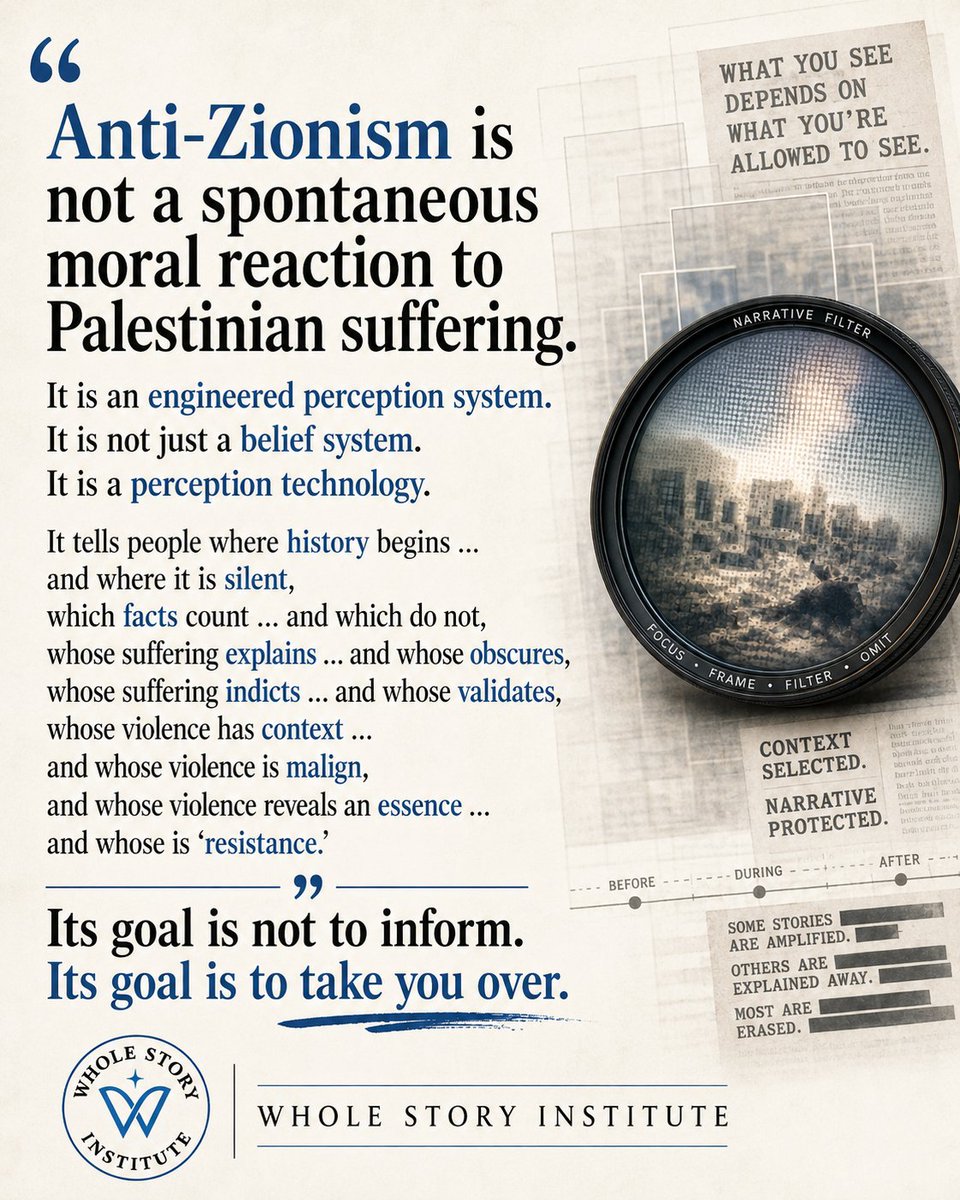
Jew-hatred almost never presents itself as prejudice.
It presents itself as courage. As divine will. As justice. As resistance. As moral clarity.
That is why good people keep falling for it throughout the ages. This is the story of how it performs the trick.
Link in the first comment.
1
5
Gregg Rosenberg retweeted
May 22
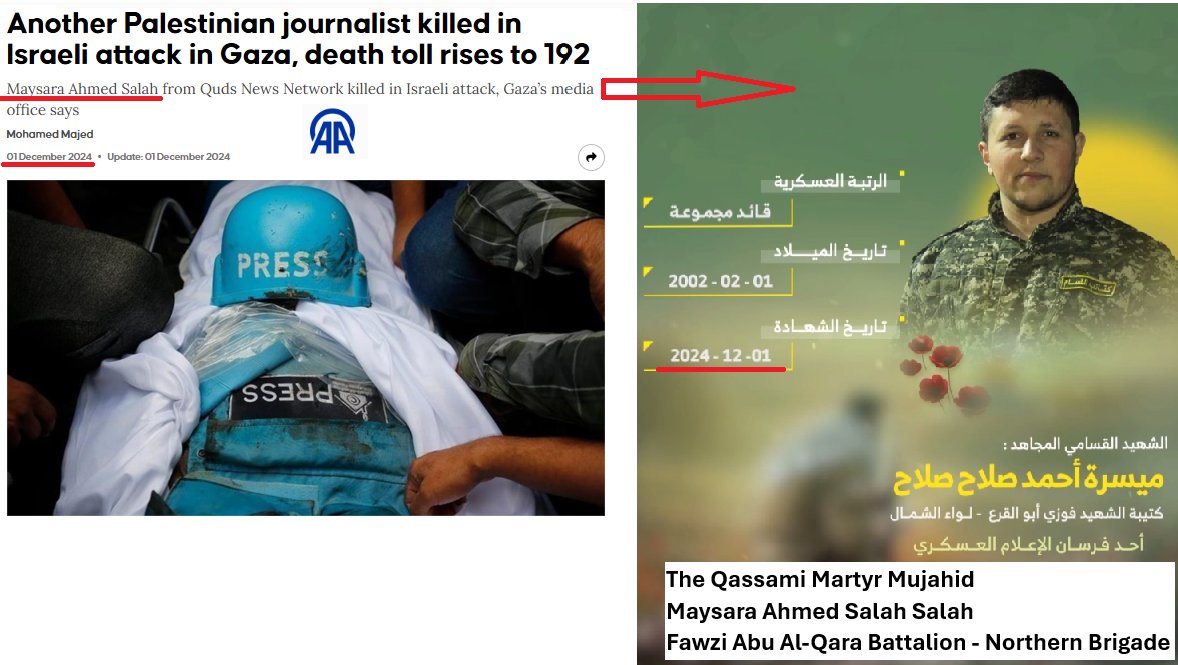
🧵Hamas admitted today that Maysara Ahmed Salah was a Qassam commander posing as a “journalist”— Hamas publicly admits it now, it is no longer “Israel says so.” This is a systematic human shield strategy. EIGHT other recent examples below, out of dozens of cases: 1/
23
602
1,343
60,250
May 22
In 1925 Palestine, something extraordinary happened.
Arab workers began striking against Arab employers for shorter hours, better pay, and dignity — and Jewish labor Zionists helped them win.
Then the Arab elites discovered the formula which could break Jewish-Arab worker solidarity: race and religion.
Link in the first comment.
1
4