
Traveler, hiker, biker, nature lover, 🐈, Rosogolla is the only true sweet , RT is not endorsement. if you are offended then stay away. Rescue and get adopted.
Joined November 2010
- Tweets 150,735
- Following 5,128
- Followers 932
- Likes 226,159
1,169 Photos and videos








Tapas Sharma retweeted

15h
On carnivore, the weekly shop takes four minutes.
Past the cereal. Past the bread. Past the snacks. Past the "free from" aisle, twelve feet of food liberated from the one ingredient that made it edible. Past the protein bars cosplaying as chocolate.
Beef, eggs, butter, bacon. Done.
The supermarket is a maze built to keep you drifting past things you came in not wanting. You have found the exit on the first go.
33
65
532
11,284
Tapas Sharma retweeted

"Dynamic pricing" ke naam par apni g@@nd marwa lo aur angrezi pelo
Lekin sawaal ye nahi karoge ke itna exploitative dynamic pricing kyu hai

Akal nahie hai to hum kya karein? Chutiya that's the result of dynamic pricing based on time.
1
1
4
210
Tapas Sharma retweeted

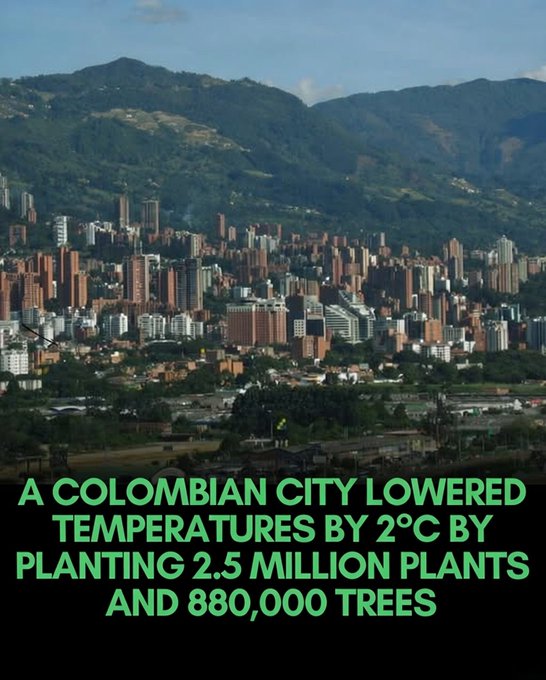
A major city in Colombia cooled itself by 2°C simply by planting millions of trees and shrubs—demonstrating that nature provides one of the most effective cooling solutions available.
Medellín has turned its urban environment into a cooler, more livable space through its innovative Green Corridors project, launched in 2016. The initiative planted nearly 880,000 trees and 2.5 million smaller plants along busy roads and waterways, replacing heat-trapping concrete with lush vegetation. This created an extensive network of interconnected green zones that function like natural cooling systems, reducing the city's average temperature by more than 2°C.
Beyond cooling, the project delivers wide-ranging benefits: it purifies the air, boosts urban biodiversity by welcoming back wildlife, and fosters a healthier atmosphere through shade and evapotranspiration—the natural process by which plants release water vapor. Honored with the 2019 Ashden Award for Cooling by Nature, Medellín's approach has become an inspiring model for cities worldwide seeking sustainable ways to adapt to rising temperatures and combat climate change.
28
154
456
26,548
Tapas Sharma retweeted

ट्रम्प की सेना ने हिंदुस्तानियों की हत्या की
और नरेंद्र मोदी हाथ मिला कर खिखिया रहे हैं
हद बेशर्मी है भाई
368
1,044
3,880
48,482
Tapas Sharma retweeted
Suggest to someone with awful digestion that the fix might be removing foods rather than adding more, and you can watch the cogs jam.
They've spent years going the other way. More fibre, more probiotics, kefir, sauerkraut, a spoon of psyllium husk in water every morning like a penance. Layer after layer piled onto a gut that was already waving the white flag.
The idea that you could take a few of the offending things out and let the whole system settle seems to genuinely never occur to anyone.
A bloated, gurgling gut has quite enough on its plate already. The kindest thing you can do is hand it less.
13
41
302
8,047

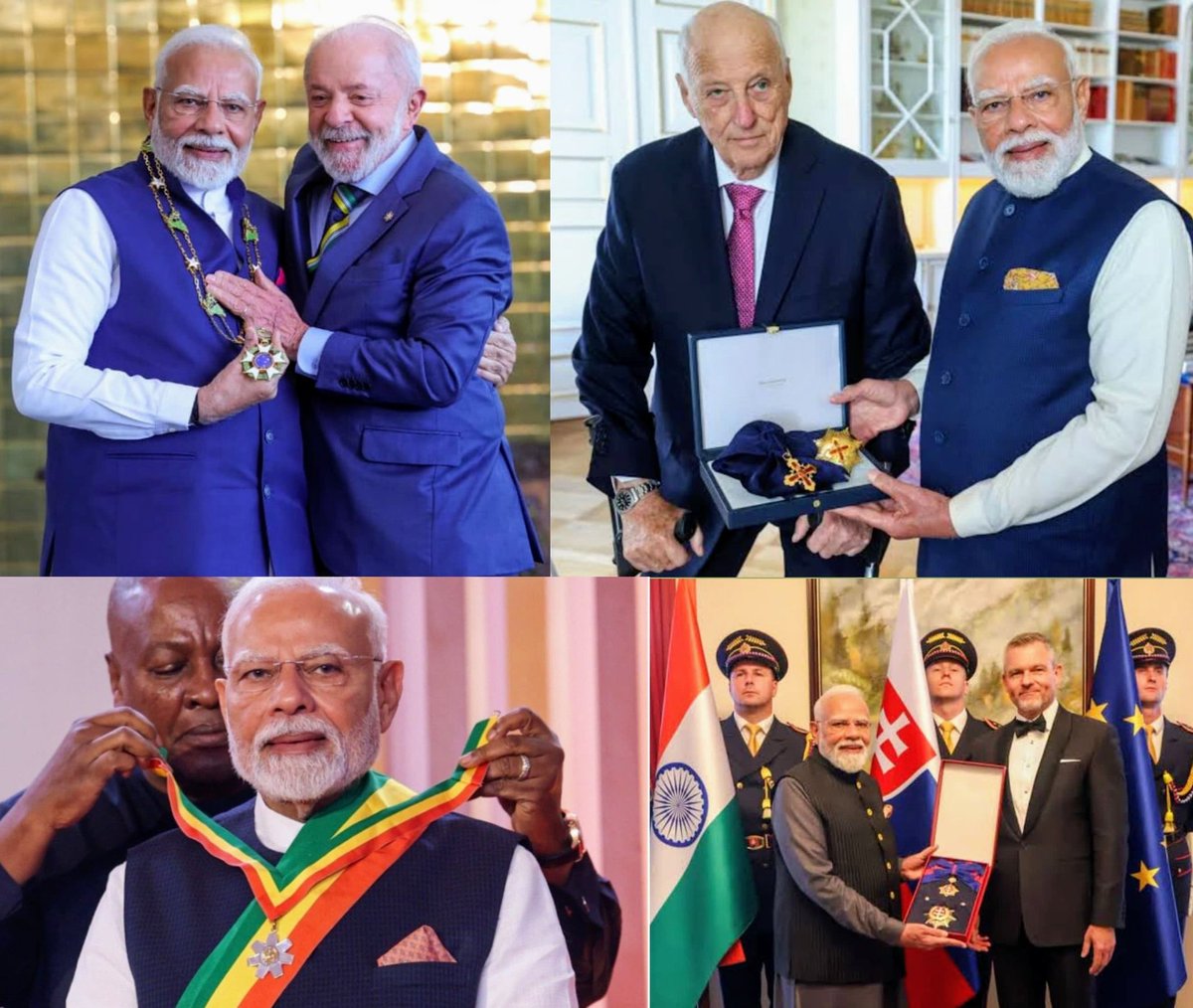
Medal Man Mr. Modi -
Has India become corruption-free because of all these medals, become pollution-free, and exam papers will not leak?
Why does the Prime Minister of India not get any award in India?
In other countries, even in small countries, awards have been received, even from Norway.
If the Prime Minister of India were to be given medals in India, then which medals would he get?
Prime Minister of India Narendra Modi has been given several highest civilian awards (Highest Civilian Awards) by various countries. These honors are generally given for strengthening relations with India, diplomacy, global leadership, economic cooperation, and contribution to peace and development.
Saudi Arabia
Order of King Abdulaziz (2016)
For strengthening India-Saudi relations.
Afghanistan
State Order of Ghazi Amir Amanullah Khan (2016)
For the development of Afghanistan and cooperation.
Palestine
Grand Collar of the State of Palestine (2018)
For peace and bilateral relations.
United Arab Emirates
Order of Zayed (2019)
For India-UAE strategic partnership.
Russia
Order of St. Andrew the Apostle (2019)
For the special India-Russia partnership.
Maldives
Order of the Distinguished Rule of Nishan Izzuddin (2019)
For bilateral cooperation.
Bahrain
King Hamad Order of the Renaissance (2019)
For strengthening India-Bahrain relations.
United States
Legion of Merit (2020)
For global strategic leadership.
Bhutan
Order of the Druk Gyalpo (2021)
For India-Bhutan friendship.
Papua New Guinea
Companion of the Order of Logohu (2023)
For regional leadership and cooperation.
France
Grand Cross of the Legion of Honour (2023)
For global leadership and India-France relations.
Greece
Grand Cross of the Order of Honour (2023)
For enhancing India-Greece relations.
Nigeria
Grand Commander of the Order of the Niger (2024)
For India-Nigeria partnership.
Kuwait
Order of Mubarak Al-Kabeer (2024)
For bilateral relations and cooperation.
Mauritius
Grand Commander of the Order of the Star and Key (2025)
For India-Mauritius relations.
Sri Lanka
Sri Lanka Mitra Vibhushana (2025)
For India-Sri Lanka friendship.
Ghana
Officer of the Order of the Star of Ghana (2025)
For global leadership.
Trinidad and Tobago
Order of the Republic of Trinidad and Tobago (2025)
For global leadership and connection with the Indian diaspora.
Brazil
Grand Collar of the National Order of the Southern Cross (2025)
For India-Brazil cooperation.
Namibia
Order of the Most Ancient Welwitschia Mirabilis (2025)
For leadership and bilateral relations.
Slovakia
Order of the White Double Cross (1st Class) (2026)
For diplomacy and global leadership.
By 2026, Prime Minister Narendra Modi has received more than 30 international honors from foreign countries, which are considered the highest number of foreign honors received by any Indian Prime Minister.
29
49
148
5,847
Tapas Sharma retweeted

🤯🤯🤯🤯🤯🤯💪🏽💪🏽💪🏽💪🏽💪🏽🔥🔥🔥🔥
25
194
4,478
125,884
Tapas Sharma retweeted

Indian Railways has launched a new safety feature:
No seats, no space, no guarantee. Just bring your own rope and tie yourself to the train.
Welcome to “Amrit Kaal Travel Class.” 🙏
26
109
483
13,459
Tapas Sharma retweeted

दूध का कारोबार करने वाले भाई ने नितिन गड़करी से प्रभावित होकर M 20 दूध लाने का सोचा है - 20% मिनरल वाटर युक्त दूध 😂😂
यदि आप M-20 और M-80 को उसी रूप में रखना चाहते हैं, तो परिष्कृत पाठ इस प्रकार होगा:
आगे चलकर M-20 दूध को एक साल के भीतर हम M-80 दूध भी देने लगेंगे, यानि 80 प्रतिशत मिनरल वाटर युक्त दूध, इसके कई चमत्कारिक फायदे हैं और ये जेब पर भी काफी हल्का होगा, लगभग 20 रुपये लीटर 😆
126
2,336
5,616
91,517
Tapas Sharma retweeted

13h
It's been 62 years since our late Jawaharlal Nehru ji passed away and 12 years since the BJP came to power. If every question about today's problems is answered with But Nehru did this or But Congress did that , then what has the government been doing for the last 12 years? In a democracy, those in power are accountable for the present. If the BJP is governing the country, then it is the BJP that must answer for today's challenges, not a Prime Minister who died over six decades ago. Stop using the past as a permanent shield against scrutiny of the present. A government that seeks credit for every success must also accept responsibility for every failure. Let's do one thing @narendramodi if every question has to be answered by @INCIndia then step down, and let Congress take over then we will question Congress.
22
57
155
3,212
Tapas Sharma retweeted
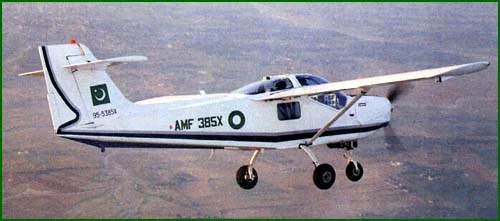
A Super Mashaq of Pakistan Air Force crashed and destroyed due to technical malfunction in the city of Mardan, Khyber Pakhtunkhwa.
Both pilots on board were killed in the accident.
FI-395 Super Mushshak is a basic trainer, version of Saab Safari (MFI-15)
1
10
328

In 1957, Bhupen Hazarika, then an emerging singer, read a story by Mahadevi Verma that felt a bit like Rabindranath Tagore's Kabuliwala. He loved the story and discussed it with another young, upcoming director, Mrinal Sen, who was just one film old at the time. Sen wrote the script, but couldn't find anyone willing to finance the project. Enter Hemanta Mukhopadhyay. Already an established singer and a fine composer, Hemanta was shuttling between Bombay and Calcutta like a daily passenger back then, and he was thinking of producing a movie. Bhupen Hazarika introduced Hemanta to Mrinal Sen, and after reading the script, Hemanta saw its immense potential and invited Sen to Bombay. There, Mrinal made a few more changes to his script and gave Hemanta Da a final reading, flanked by two other fellow Bengalis: Hrishikesh Mukherjee and Salil Chowdhury. Hemanta Da made up his mind right then to produce the film, giving Mrinal Sen full freedom to choose his cast and crew.
Using his political contacts, Hemanta Babu even organized a special screening at Rashtrapati Bhavan in the presence of Prime Minister Jawaharlal Nehru, President Dr. Rajendra Prasad, and Vice President Dr. S. Radhakrishnan, among others. Nehru later spoke highly of the film within his party circle. However, due to the Sino-Indian political tensions of 1962, the movie was briefly banned. When Hemanta Mukherjee got an opportunity to meet the Prime Minister and explained the issue, Nehru immediately instructed the ban to be lifted. Because of this, "Neel Akasher Neechey" earned the unique tag of being the very first Indian film banned in independent India, leaving Hemanta Mukhopadhyay to bear the brunt of the political turmoil as its producer.
Hemanta Babu wasn't just a singer or a music composer, he was a towering personality and a truly great human being.
On his birthday today, let’s remember this titan of Indian music.
1
17
75
3,250

BJP-RSS ने श्री राम मंदिर परिसर के निर्माण से लेकर चढ़ावे तक में घोटाला किया है।
इससे साबित होता है कि BJP-RSS के लोगों की नीयत न पहले साफ थी और न आज साफ है। BJP ने हमेशा प्रभु श्री राम के नाम का व्यापार किया है।
इस मामले में उच्च न्यायालय के सिटिंग जज के द्वारा समयबद्ध जांच हो और दोषियों पर कठोर कार्रवाई की जाए।
आज ही एक प्रकरण और सामने आया है कि 1250 श्री राम शिलाएं गायब हो चुकी हैं।
BJP-RSS ने जिस तरह से प्रभु श्री राम पर आस्था रखने वालों को धोखा दिया है, उससे पर्दा उठ चुका है।
: यूपी की CLP नेता @aradhanam7000 जी
📍 दिल्ली
126
921
2,824
33,028
Tapas Sharma retweeted

Jun 15
Looks like Jaishankar's @meaindia missed the Digital India bus.
Massive mess at immigration when returning to India. Some daft bureaucrat decided to make every passenger on every airline fill up a stupid and pointless "self declaration" health form related to Ebola, with details most of which should already be in the system.
Then other daft bureaucrats decided to not inform passengers landing in the middle of the night about this innovation.
Then exactly two people stood in a corner somewhere holding on to these forms handing them out one by one.
The poor chaps at the immigration counter had to deal with irate passengers who had walk all the way back and pick up the form and spend time filling out unnecessary details.
The immigration counter folks just dumped the forms. What's the point?
A website form with a QR code would have taken 30 min to set up. A little more time, depending on the system, could have been integrated with the MEA passport database to auto fill details
38
87
371
45,290
Tapas Sharma retweeted

Garam masala should smell deep, warm and powerful.
But some cheap mixes are bulked up with husk, seed shells and spice dust left after cleaning whole spices.
It still looks like masala.
But the real oils, aroma and flavour are missing.
Health impact: Usually not toxic, but dusty waste material can irritate the throat, trigger acidity, and may carry mould if stored badly.
Good garam masala needs only a little.
If you need 3 spoons for flavour, something is wrong
3
2
16
2,186
Tapas Sharma retweeted

Jun 15
How tribal communities in Shahapur are navigating wildlife-human conflict — and the solutions that work without destroying either side: malpanismrititrust.org/wildl…
3
3
208
Tapas Sharma retweeted
Jun 15
Wildlife conservation sounds noble until the people who live next to the wildlife are absorbing all the costs. A Mumbai conservationist loses nothing. A Shahapur farmer loses his year's income. #TribalRights
2
2
4
352
Tapas Sharma retweeted

Jun 15
ग्रीन पार्क का भविष्य तय करने का समय है।
आज ग्रीन पार्क की क्षमता लगभग 32,000 है जबकि लखनऊ का एकाना 50,000 और कोलकाता का ईडन गार्डन्स 68,000 दर्शकों को समायोजित कर सकता है।
अगर रीडेवलपमेंट हो ही रहा है तो क्या कानपुर को भी 50,000 क्षमता वाला विश्वस्तरीय स्टेडियम नहीं मिलना चाहिए ?
@irameshawasthi @CommissionerKnp @UPCACricket
5
11
36
1,181
Tapas Sharma retweeted

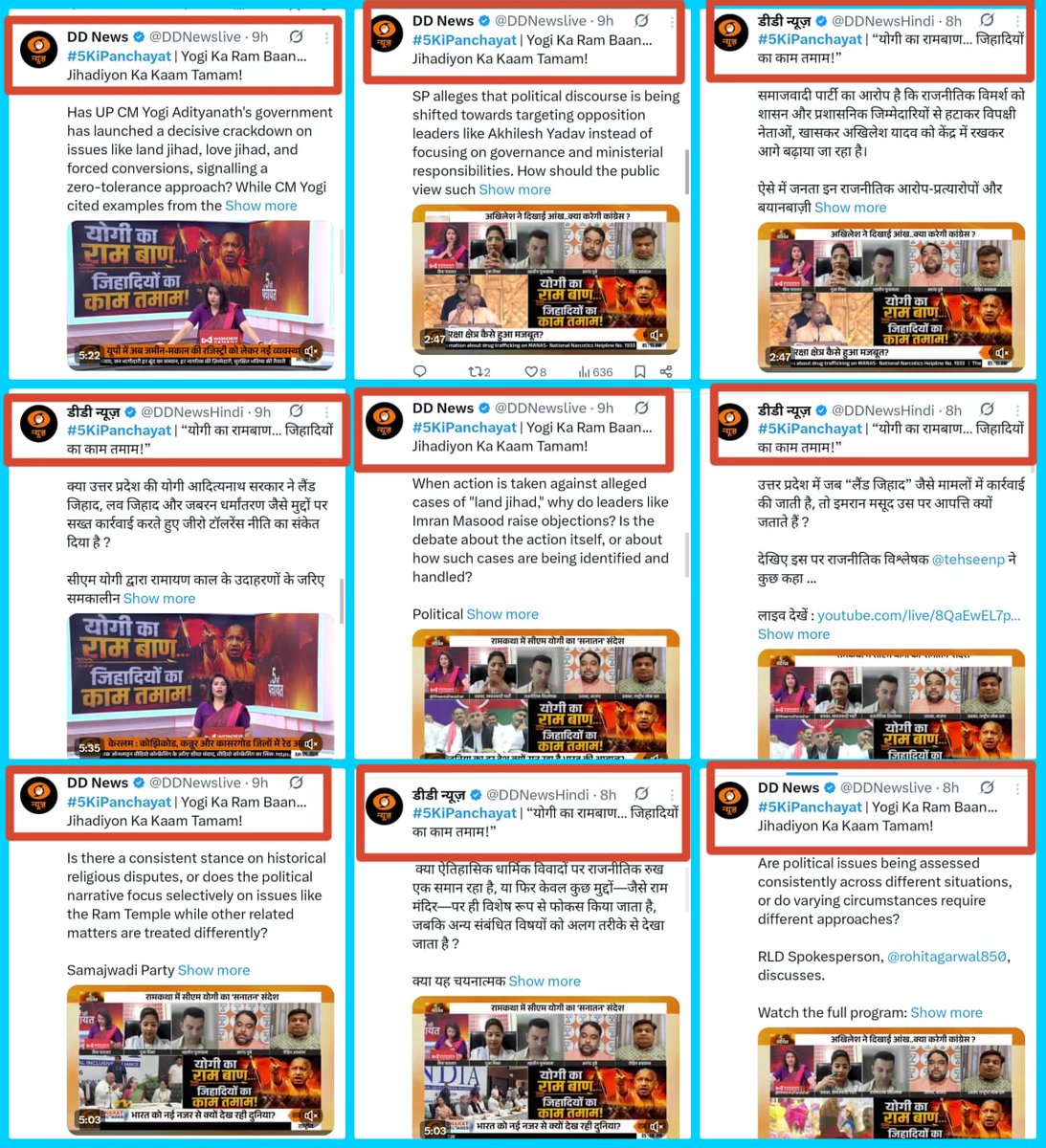
Hello Minister for Minority Affairs @KirenRijiju, This is how hate against Muslims is normalised by Elected representatives and Govt funded News Channels.
Head of the state refers to Muslims as 'Jihadis' and Govt funded News Channels like @DDNewslive propogates it by running a hashtag "Yogi ka Ram Baan, Jihadiyon ka Kaam Tamam".
17
296
593
8,576