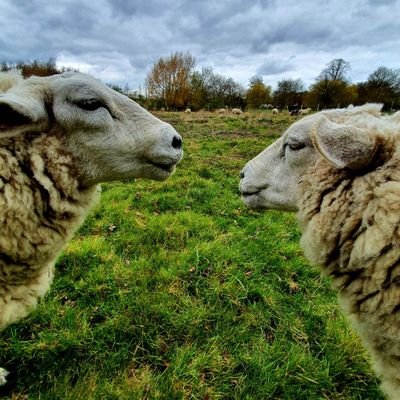
Registered Charity & Vegan Sanctuary for abused or abandoned Sheep 🐑 & Goats 🐐 - We are putting right to what humans do wrong..
Joined March 2015
- Tweets 1,617
- Following 2,725
- Followers 3,159
- Likes 2,884
666 Photos and videos

Pinned Tweet

6 May 2024
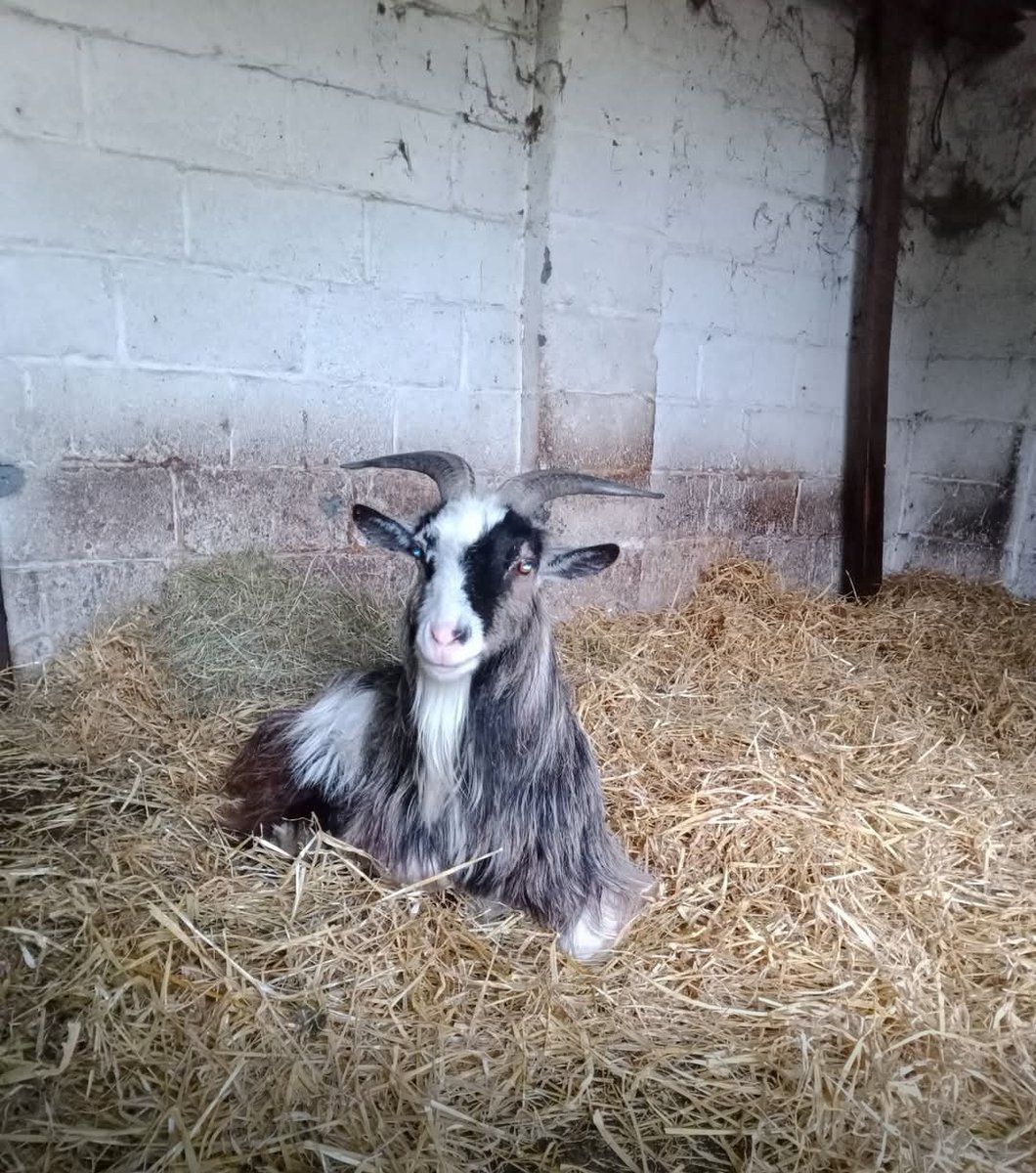
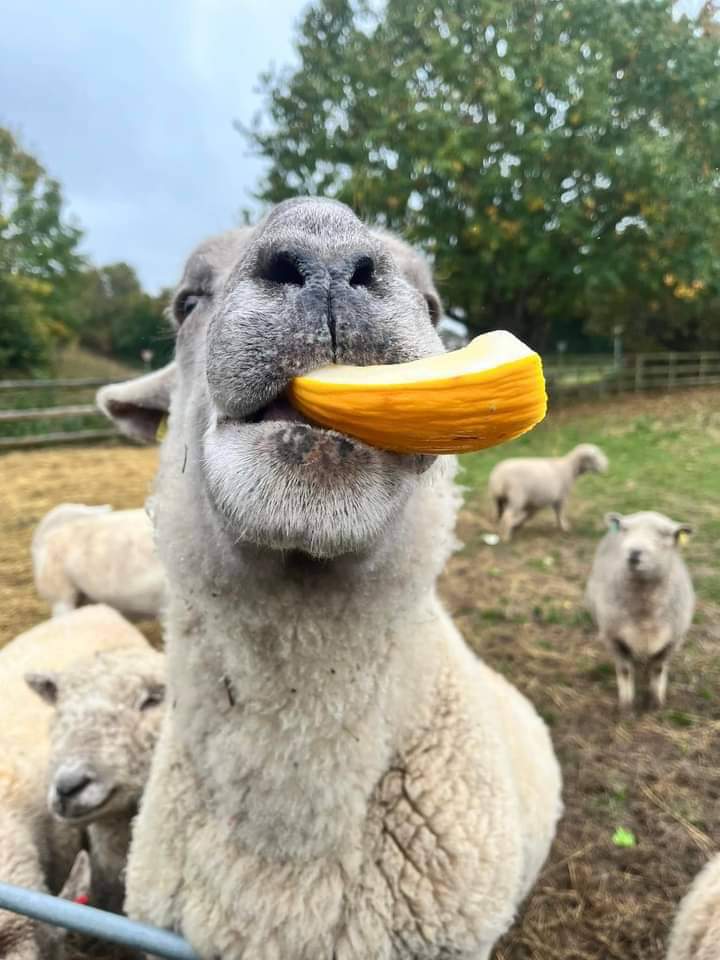
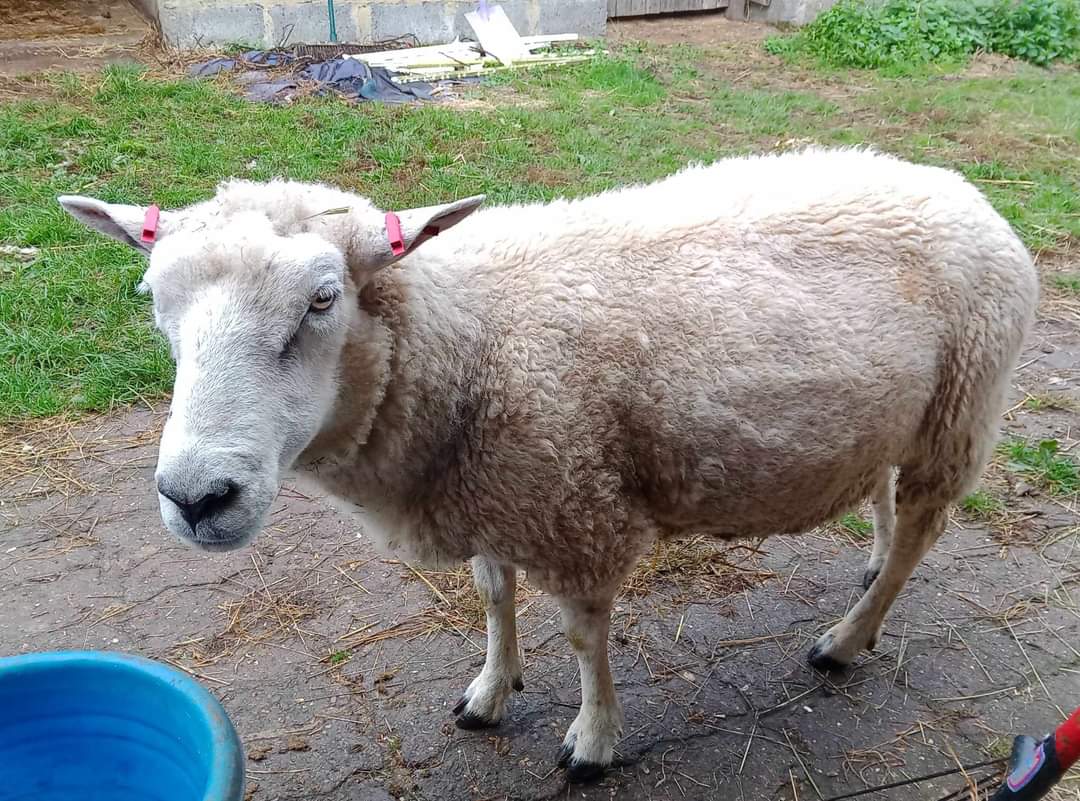
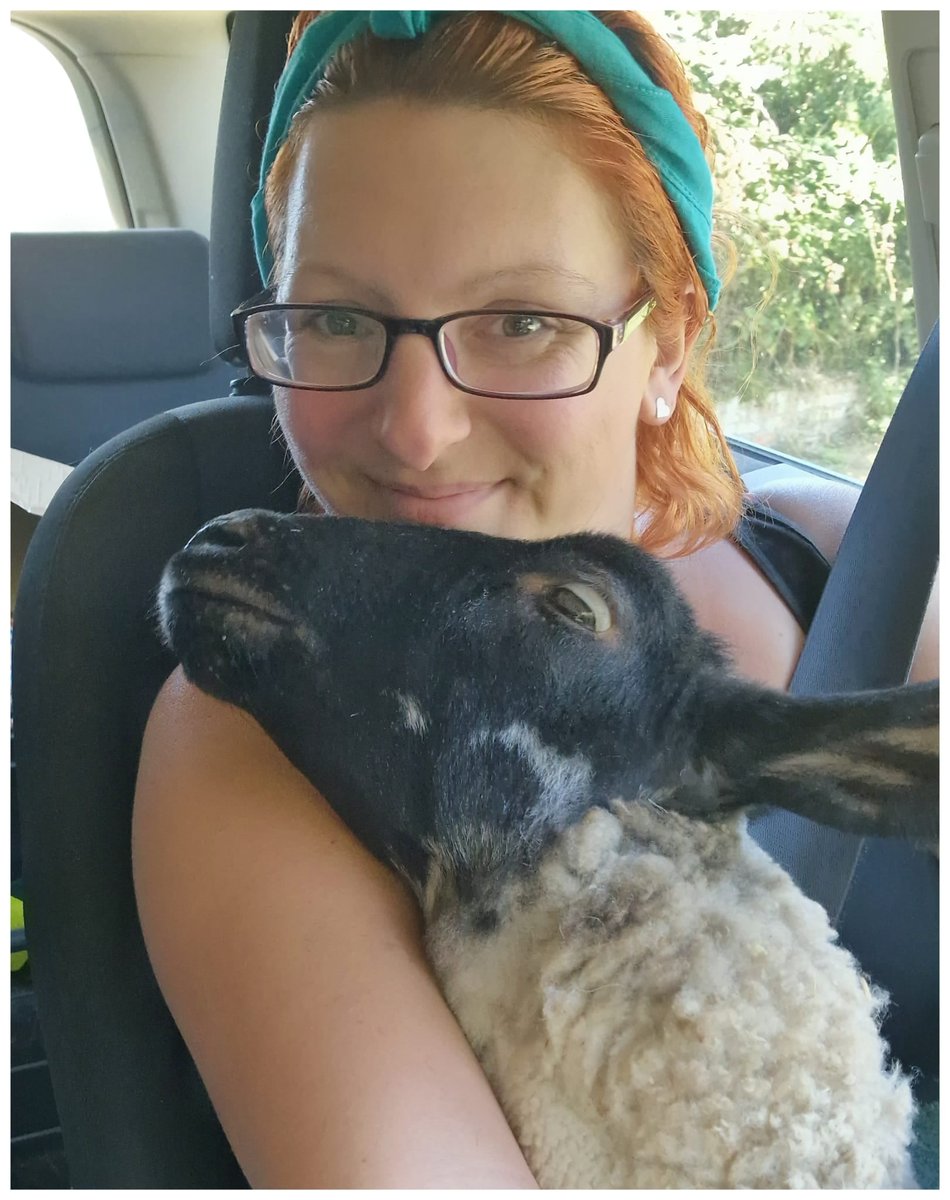
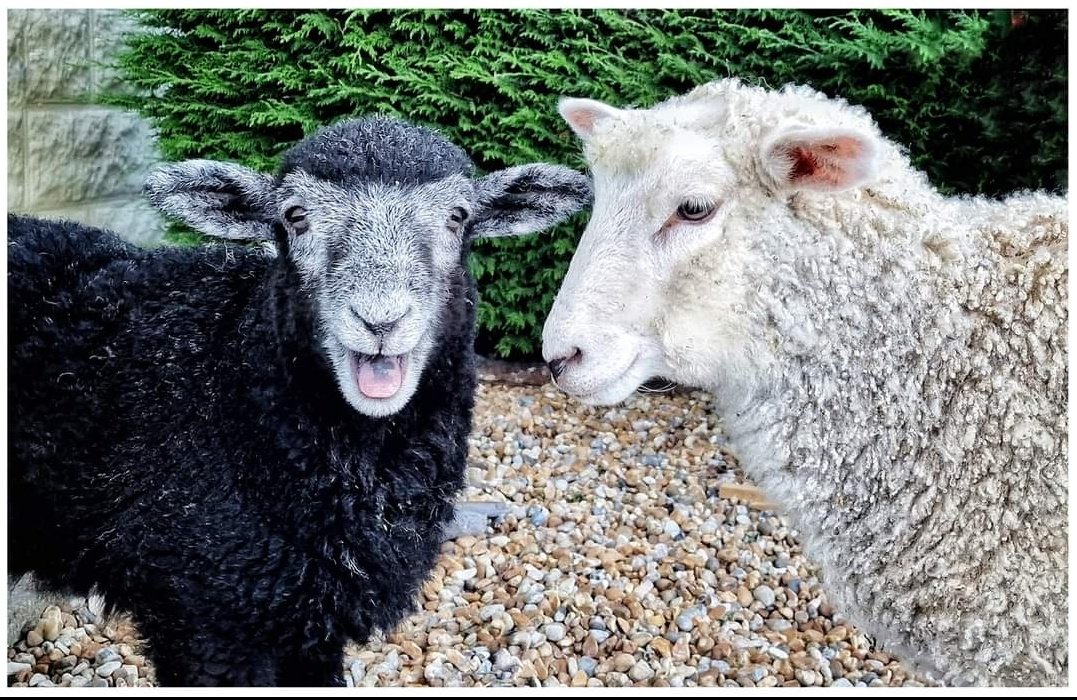
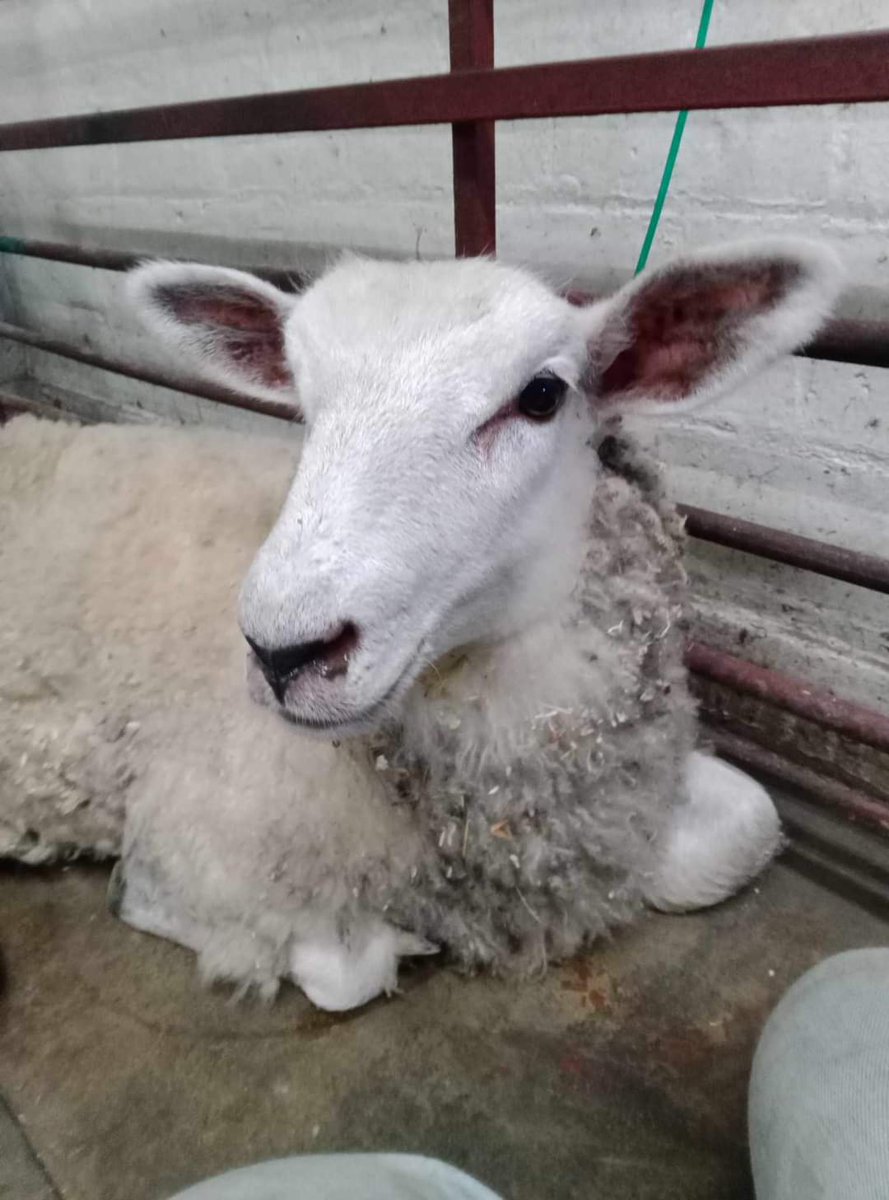
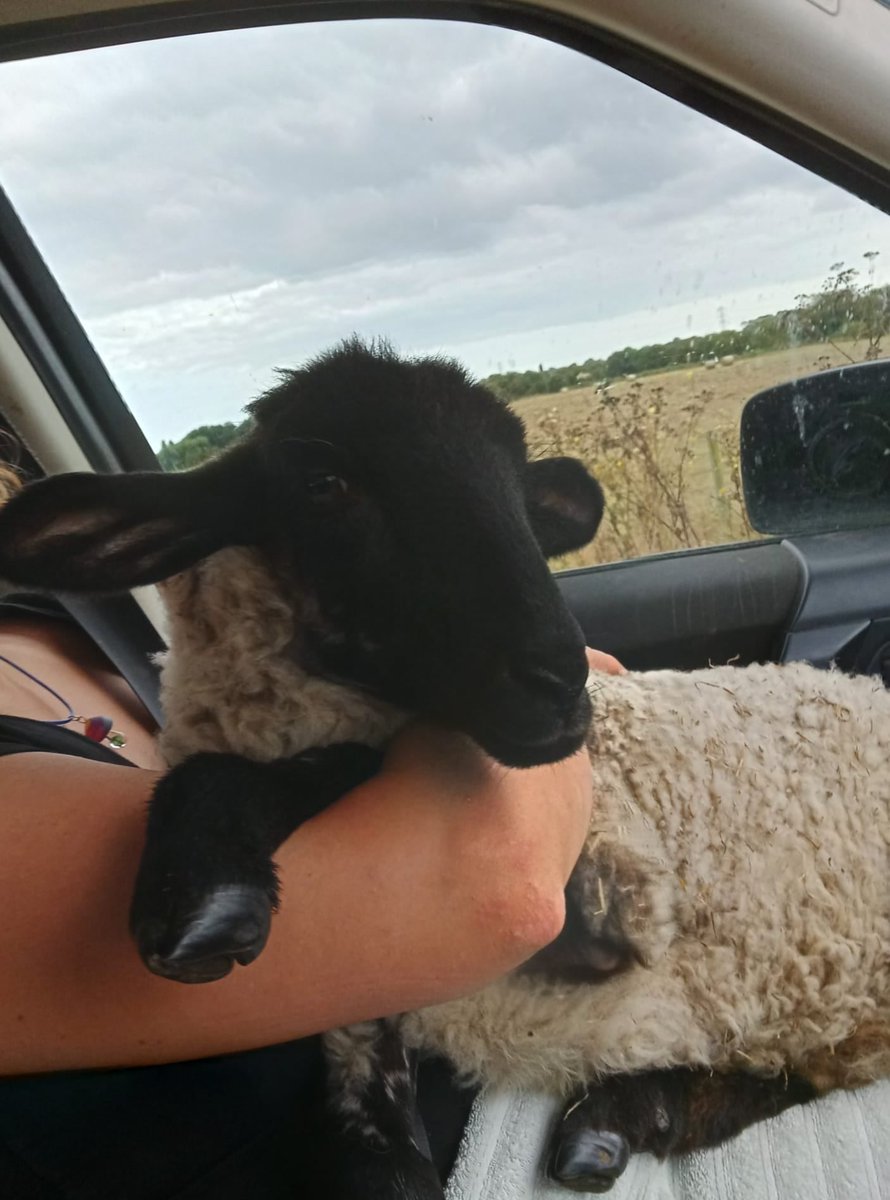
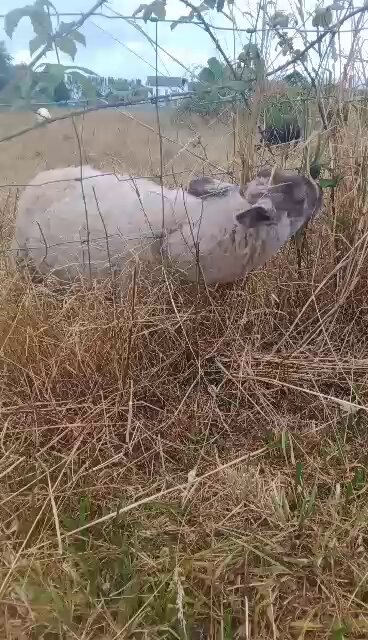
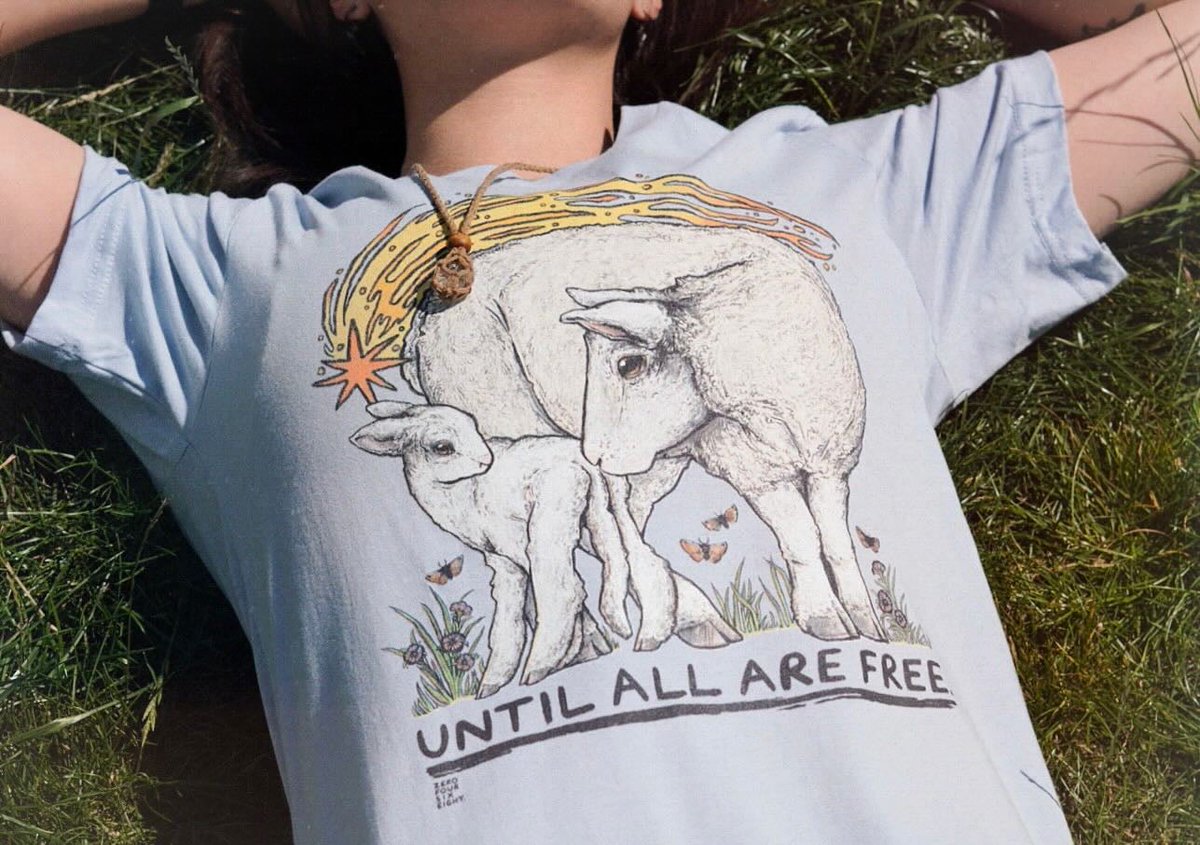
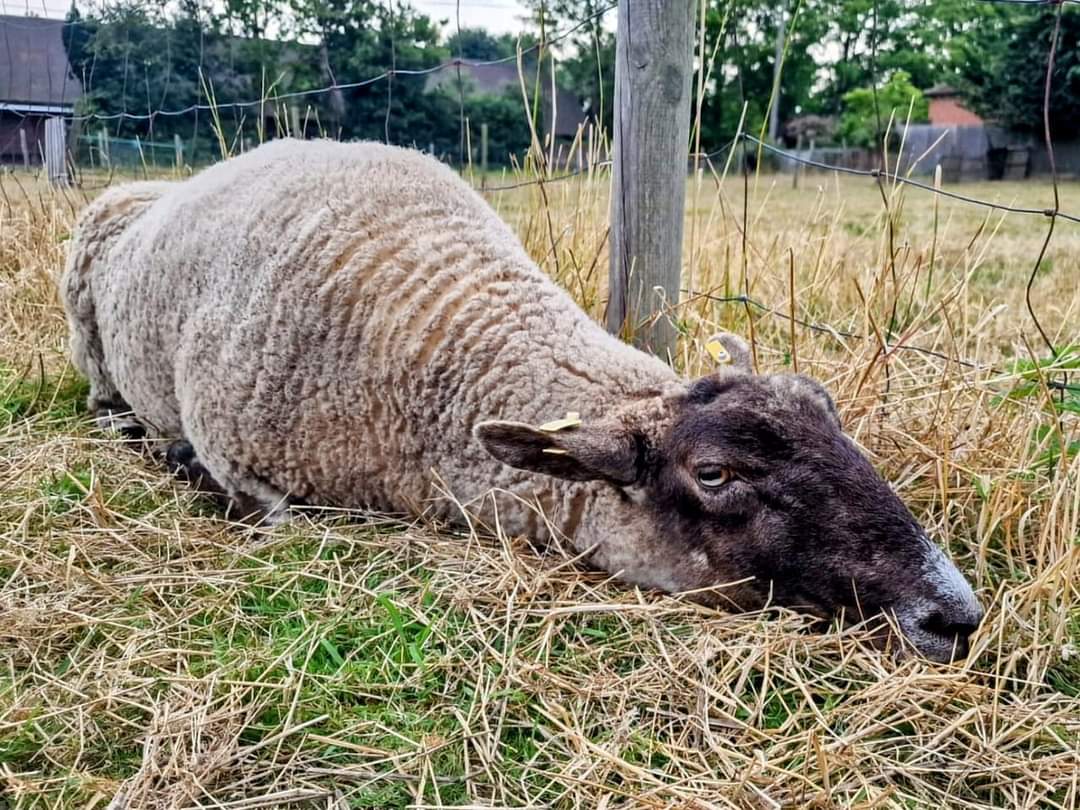
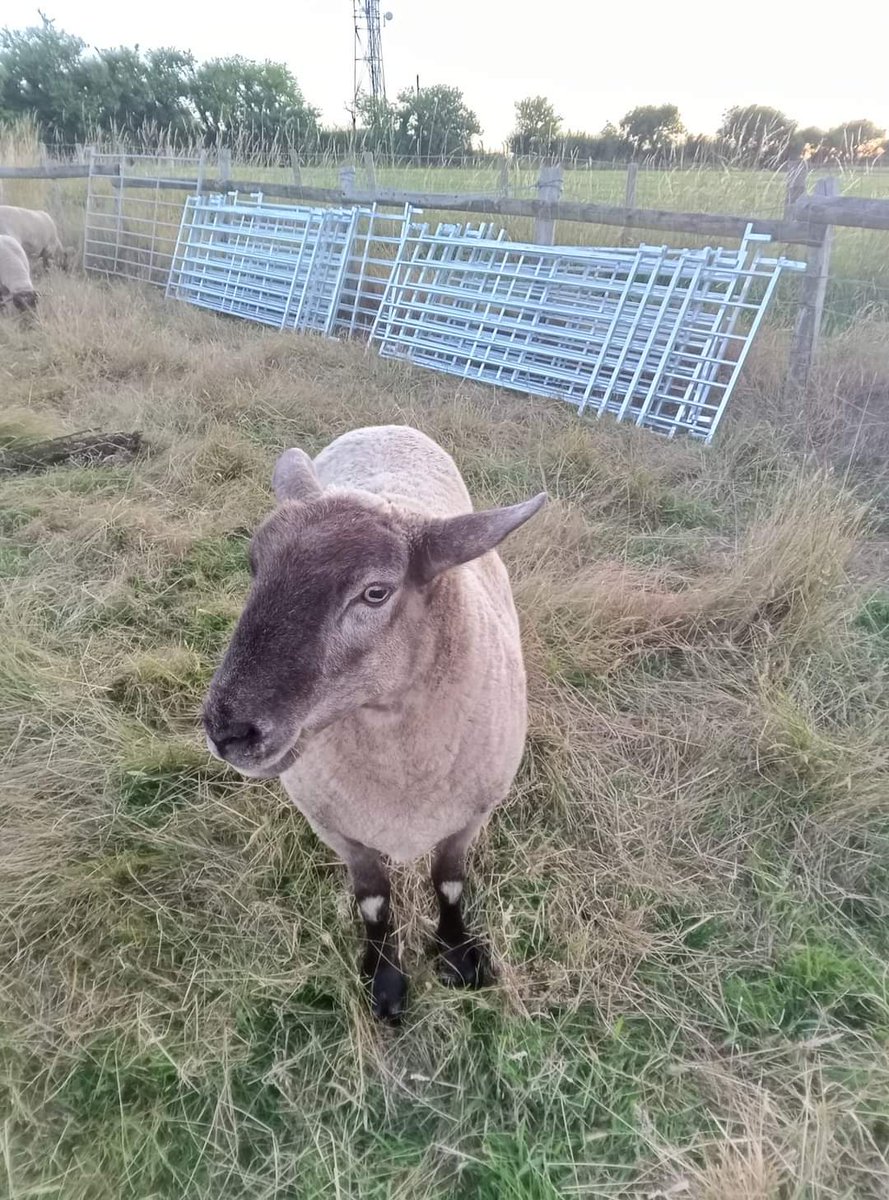
Sheep Ahoy is a Sheep Sanctuary where Sheep are safe for life!
We are putting right to what humans do wrong to these sweet and innocent animals.
Arriving sick, mistreated, and sometimes on the brink of death, we do our best to save their lives.
We give them a forever home!
3
28
95
2,534
Sheep Ahoy Rescue retweeted

5 May 2025
The largest life expectancy gain would be made by eating more legumes—more beans, split peas, chickpeas, and lentils. bit.ly/3uCrYtK
10
42
240
7,134

🚨 Tro is moving the goalpost and manipulating study results to affirm his low carb bias - the exact same thing the KETO CTA study authors are doing. 🚨
1. Moving the goalpost = The primary outcome of interest is not PAV change. It’s NCPV (as per their own study protocol and it was the main point of our commentary letter. The NCPV increase after 1 year was 18.8mm^3 for the KETO dieters. That’s almost a 4x INCREASE in plaque for their PRIMARY outcome vs other healthy cohorts (e.g. NATURE CT study)❗️🤦🏽♂️
2. The reason NCPV is more appropriate in this context is because statins tend to increase the amount of calcified plaque (to help stabilise it), thus changing the composition of plaque to be more protective. Using PAV is inappropriate in this context as it includes both calcified and non calcified plaque - people on statins may still increase PAV even if non-calcified plaque volume hasn’t increased much. This is backed by the PARADIGM cohort itself (PMID: 30789215); “However, under the effect of statins, CACS progression indicates only calcified PV progression, but not non-calcified PV progression.” When we look at the PRIMARY OUTCOME, the data is not good for these keto dieters.❗️
3. You keep bringing up the nonsensical point of: “why didn’t they find a correlation between their LDL and plaque progression?” As we explained in the commentary letter —> in order to detect a robust dose response relationship, you need sufficient variability in exposure = analyse those with high LDL vs those with low LDL.❗️You need a large enough exposure contrast. Checking for an association between LDL and plaque progression when everyone has high LDL is a meaningless analysis without a low exposure group. It’s like assessing if skin wrinkles is associated with age, but the only age brackets you’re testing are those who are aged 70-85 years old 🤦🏽♂️
4. Even if you want to hang your hat on a made up outcome (Percent Atheroma Volume) that wasn’t mentioned in the protocol as being an outcome of interest 🤔 —> the low risk group in PARADIGM were still overweight on average (BMI 24.9), had more hypertension (40ish%), diabetes, smoking, largely inactive and 70% had atypical chest pain - so if your argument is now that “metabolically healthy” fit and lean Keto dieters who have a CAC score of 0 at baseline, with no other risk factors for CVD other than high LDL/ApoB —> progress plaque at the same rate as metabolically unhealthy, hypertensive, diabetic and overweight medicated smokers following a generally unhealthy diet —> then it’s not looking good bruv. ❗️What you’re saying is the healthiest keto dieters with high LDL gain plaque at the same rates as your average overweight hypertensive Joe… And you think LDL is not an issue? Sorry you can’t be this stupid. 🥴
5. When you look at PAV change across the entire KETO cohort (0.8% increase), that’s HIGHER than the HIGH risk group in PARADIGM (most were overweight, 70% were hypertensive, 50% had diabetes and 32% were smokers).❗️
You’re doing the same thing these researchers tried to do @realDaveFeldman @nicknorwitz - change the narrative, avoid the primary outcome of interest and spin very alarming study results to suit your low carb bias. But quite frankly you failed just as catastrophically as them. 💀
No matter how you try and frame it, no matter what insults you use, you remain out of your research interpretation depth and facts remain facts =
🚨These “metabolically healthy” lean keto dieters increase their plaque at similar or faster rates than metabolically unhealthy cohorts and MUCH faster than healthy cohorts.🚨
@drgarymcgowan @Richie_Kirwan @PatrickElliott0 @DrNadolsky @drmatthewnagra
24
25
152
26,349

Sheep Ahoy Rescue retweeted

11 Apr 2025
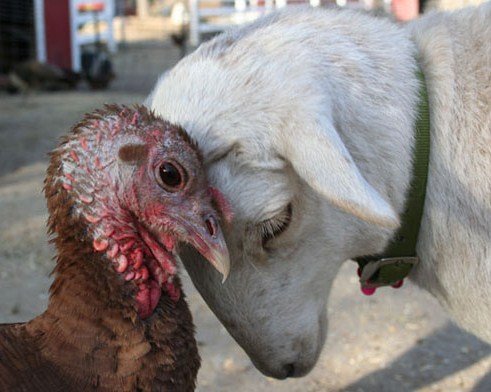
Eat Plants Love Animals ❤️
13
119
495
4,036
Sheep Ahoy Rescue retweeted

12 Apr 2025
No mother should have her babies taken from her. And no baby should be killed for a meal. 💔
Lambs used for Easter meals were only born last autumn - they’re slaughtered while they are just babies. 😣
In natural conditions, lambs would stay with their mothers for up to six months or longer. But in animal agriculture, they're separated far earlier - often within weeks - causing distress to both mother and baby. 😰
If they were puppies, most people would be outraged. But species shouldn’t determine who deserves compassion. 🐑
This Easter, choose plant-based options. 🌱 Don’t support industries that profit from tearing apart families. 🚫
🎥: @teamveganfta x vegout_withme_ (IG) with clips from @animalsavemvmt | @sleepypigfarm | galapagos_marc (IG) | DM for credits
#easter #lamb #easterlamb #speciesism #vegan
38
416
597
9,146
Sheep Ahoy Rescue retweeted

14 Apr 2025
No baby deserves to die shaking in fear.
They will be lost but not forgotten...
#Easter2025 #vegan
23
207
685
10,193
Sheep Ahoy Rescue retweeted

30 Mar 2025
Many of our animals have never known a mother's love 😔
But Carole & the team do all they can to make these sweet innocents feel treasured, protected & adored, just as a mum would do 🤗🐖🐑🐔🐈🕊
#MothersDay
#MotheringSunday
#VeganForThem
#VeganSanctuary
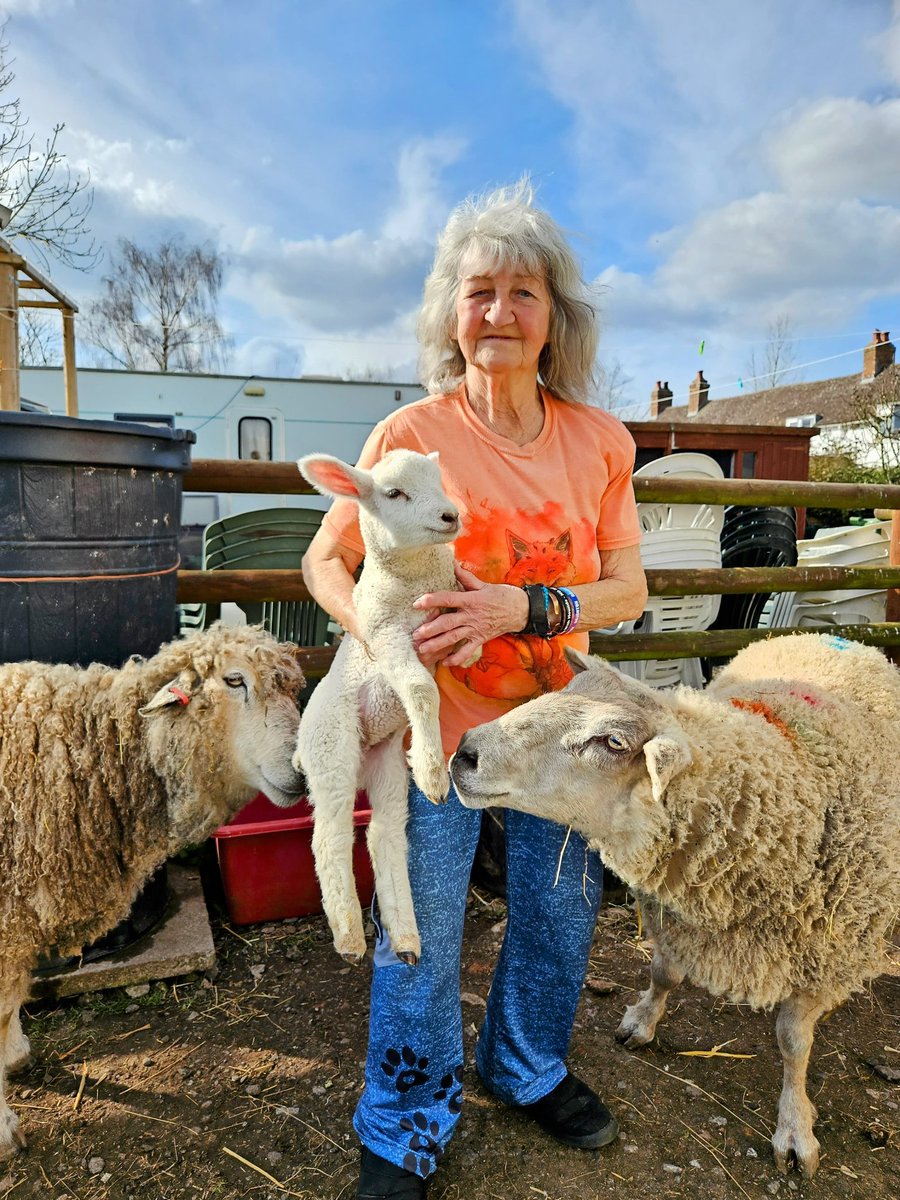
ALT FARS founder Carole Webb holds a young lamb while other sheep gently sniff their new friend
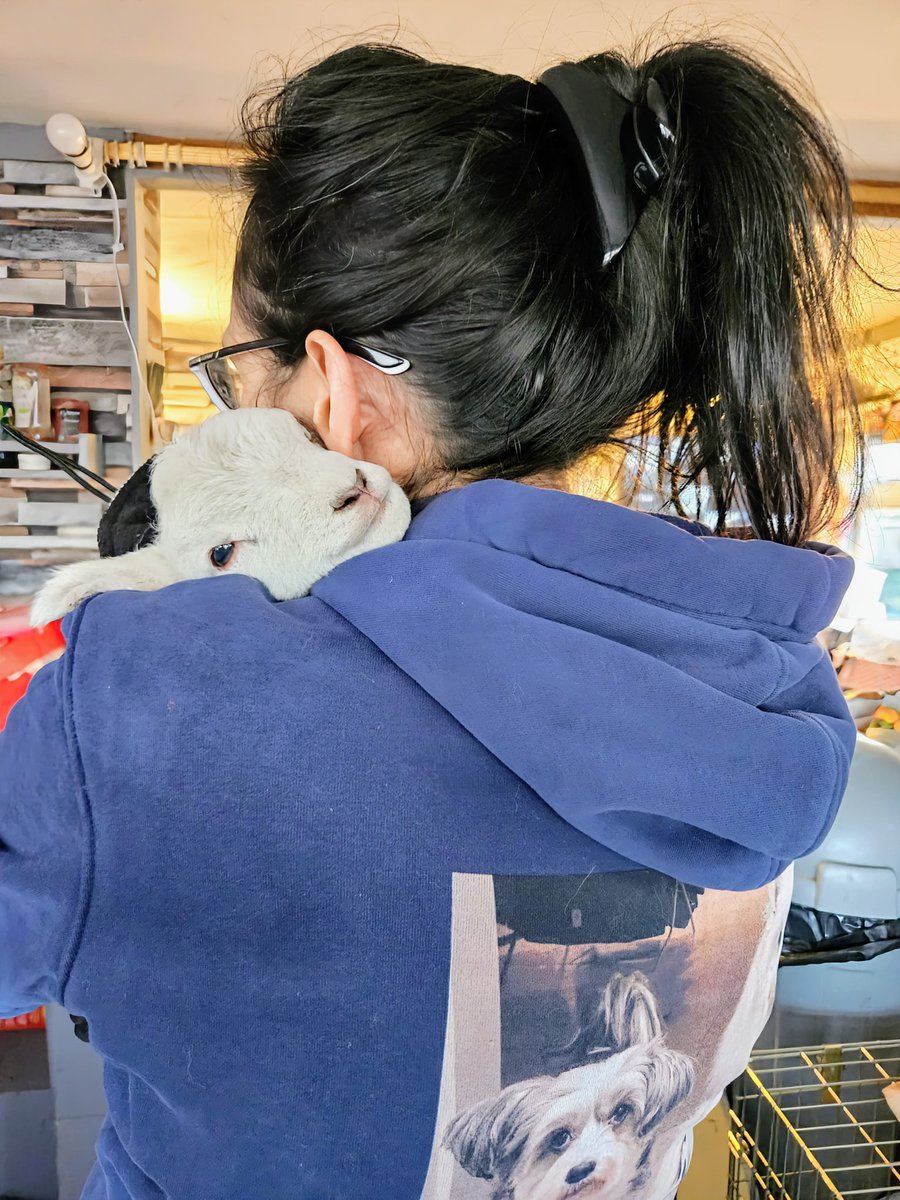
ALT A sanctuary volunteer cradles a tiny lamb in her arms
4
20
60
999
Sheep Ahoy Rescue retweeted

25 Mar 2025
Frozen vegetables are around $1 a pound. So cheap. I think eating pounds of vegetables should be normalized, not only are they cheap, they are also healthy and very low in calories.
Lentils are also around $1 a pound and have 120g protein. Tofu is more like $2 a pound. I didn’t take any pictures, but even meat substitutes are cheaper for what you get. Always happy eating cruelty free and healthy, it is accessible for everyone.
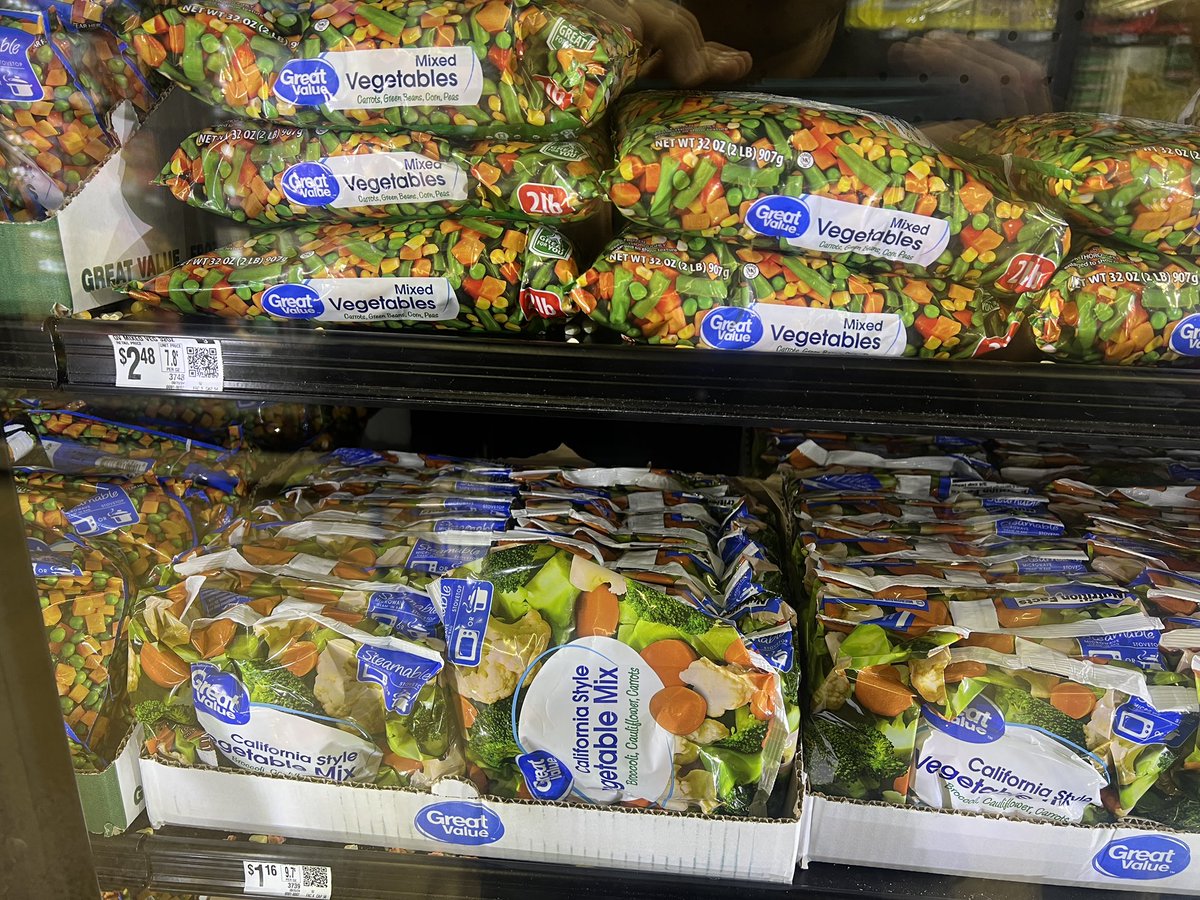
ALT Freezer section showing $1 per pound vegetables
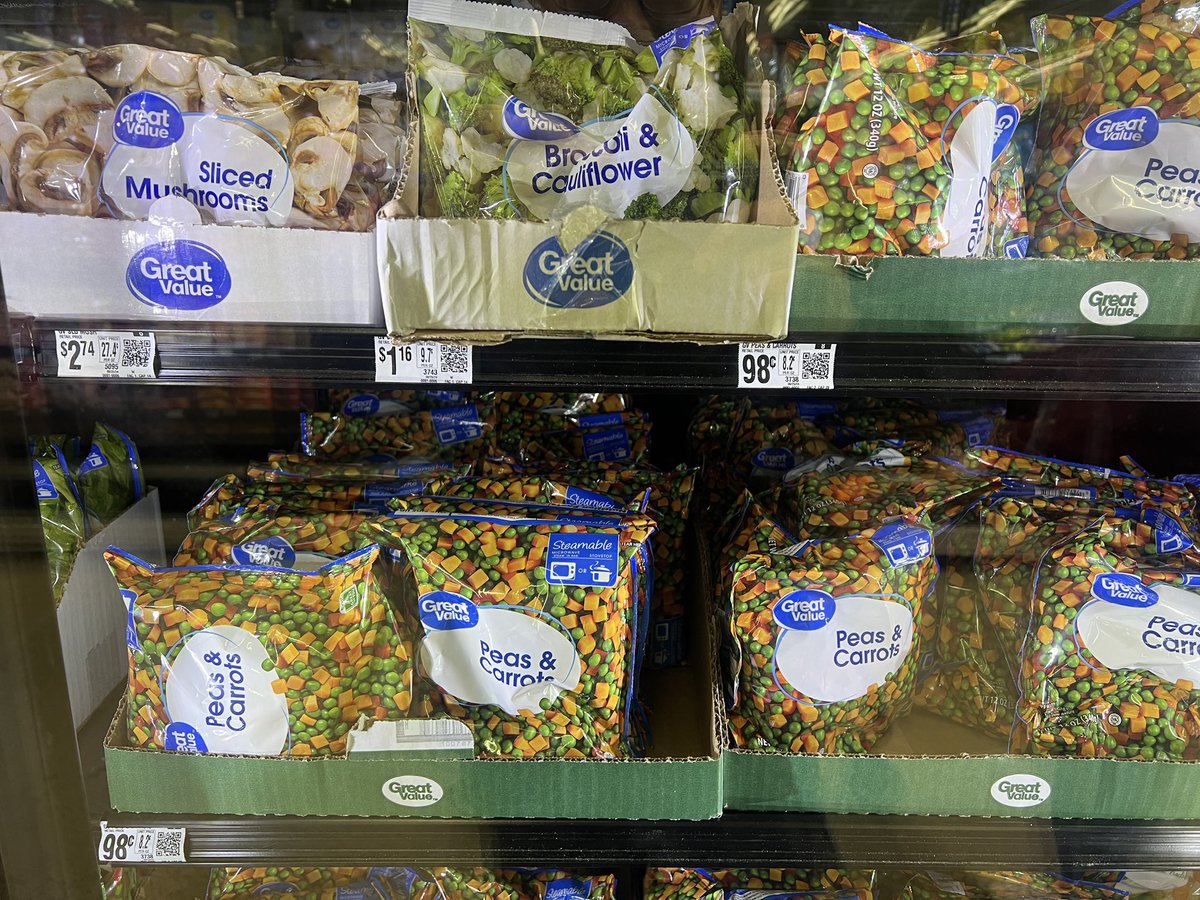
ALT Frozen vegetable freezer section showing roughly $1 per pound of vegetables
18
27
263
6,110
Sheep Ahoy Rescue retweeted

16 Mar 2025
This is hard to read because the cruelty is devastating but please share with all your follows and link it to @FIFAWorldCup no football game is worth this cruelty!! thesun.co.uk/sport/32967954/…
160
1,447
1,799
72,573
Sheep Ahoy Rescue retweeted

8 Mar 2025
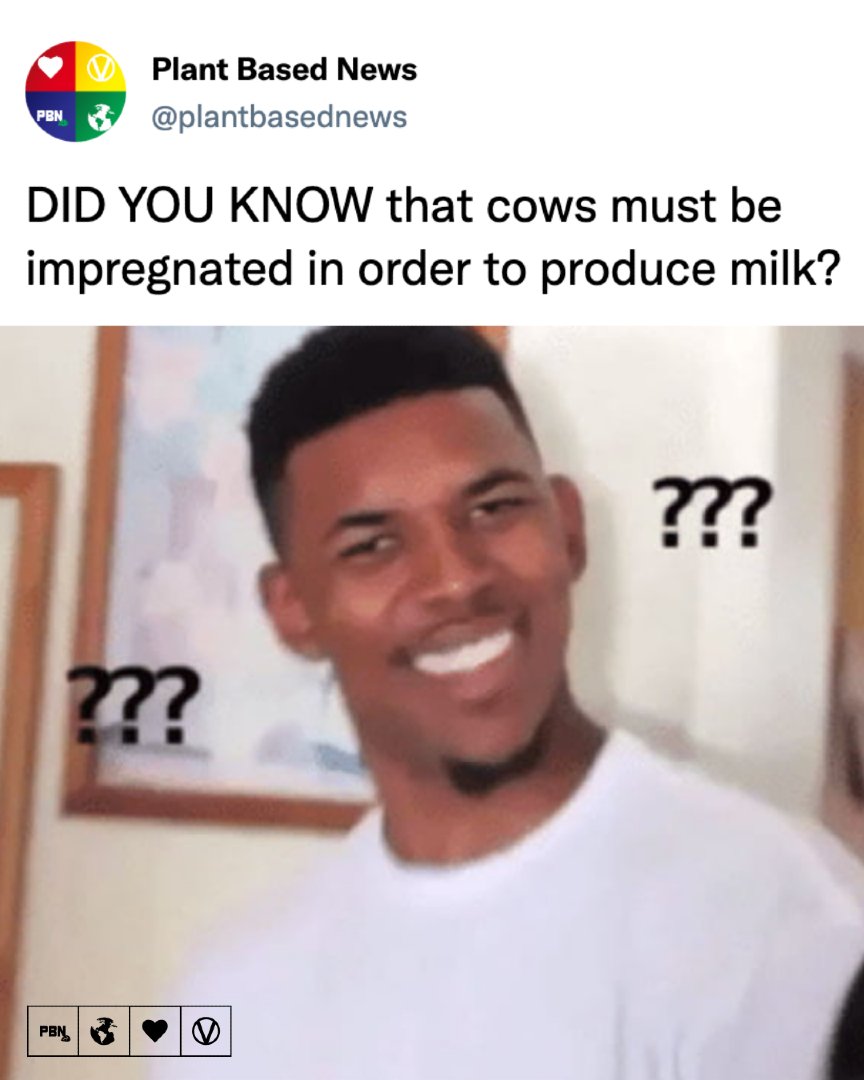
It’s alarming, isn’t it?
7 Mar 2025

More than half of Brits are unaware that cows must be impregnated each year in order to produce milk, a new survey has found.
Read more on the PBN website.
f.mtr.cool/xgrcvgoxrv
11
49
161
2,901
29 Jan 2025
Welcome to Cliff ❤️
On Saturday this gorgeous boy, Cliff the goat, joined us at Sheep Ahoy.
Currently in quarantine, Cliff was checked over by our vet yesterday. Cliff is 17 years old ... Yes 17! ... So it's no wonder that he is suffering with arthritis in his front legs. We are assessing which pain relief will help Cliff with this so as he can continue to graze pain free.
Cliff also has a growth which the vet is treating but at his grand old age we will not be undertaking any surgery.
Cliff has lived a wonderful life with his human family who unfortunately had a change of circumstances beyond their control and so asked us to take Cliff in for his final days ... Whenever that will be we, including his human Mum & Dad, are here for him.
Cliff is such a gentle boy and we all love him already 😍
5
14
295


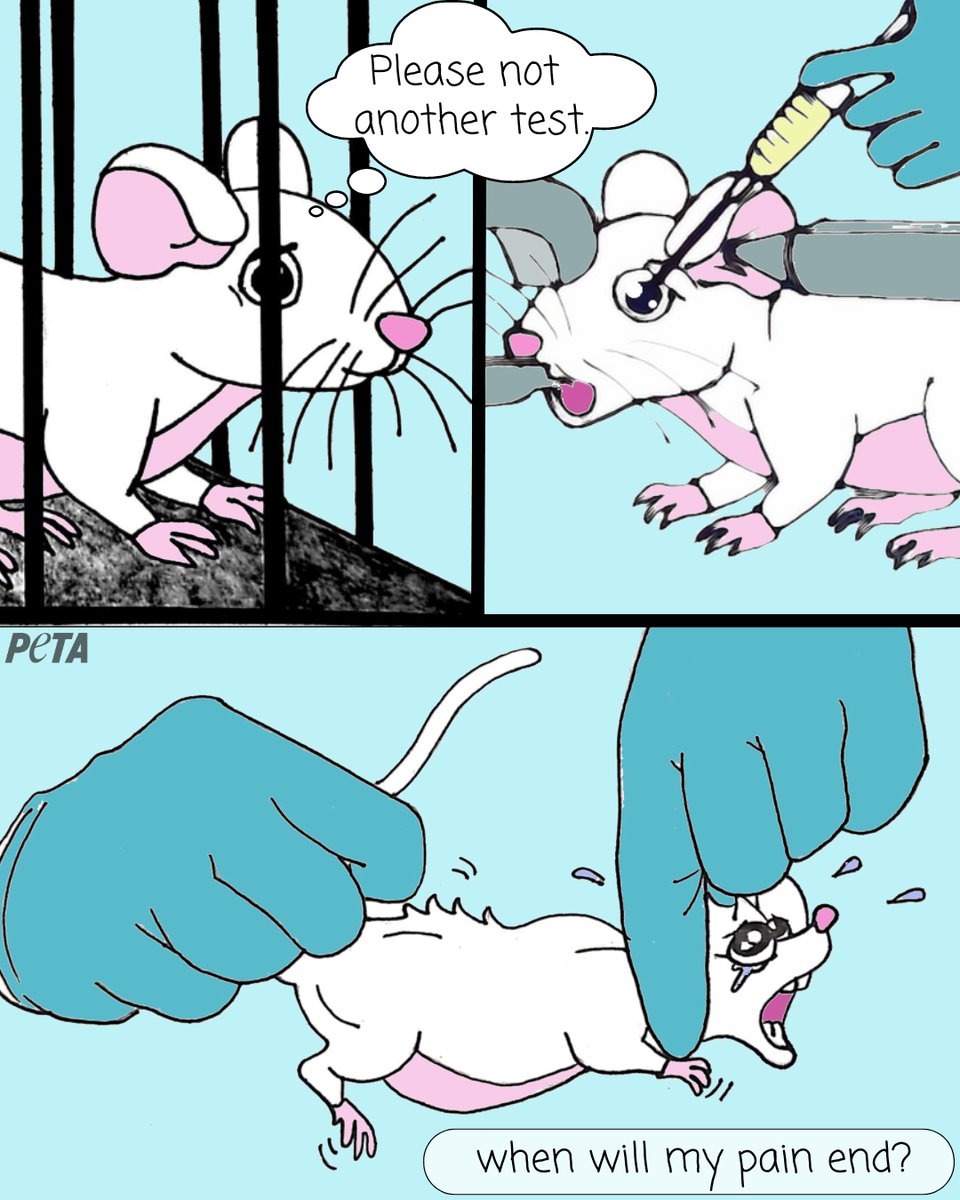
Sheep Ahoy Rescue retweeted

20 Jan 2025
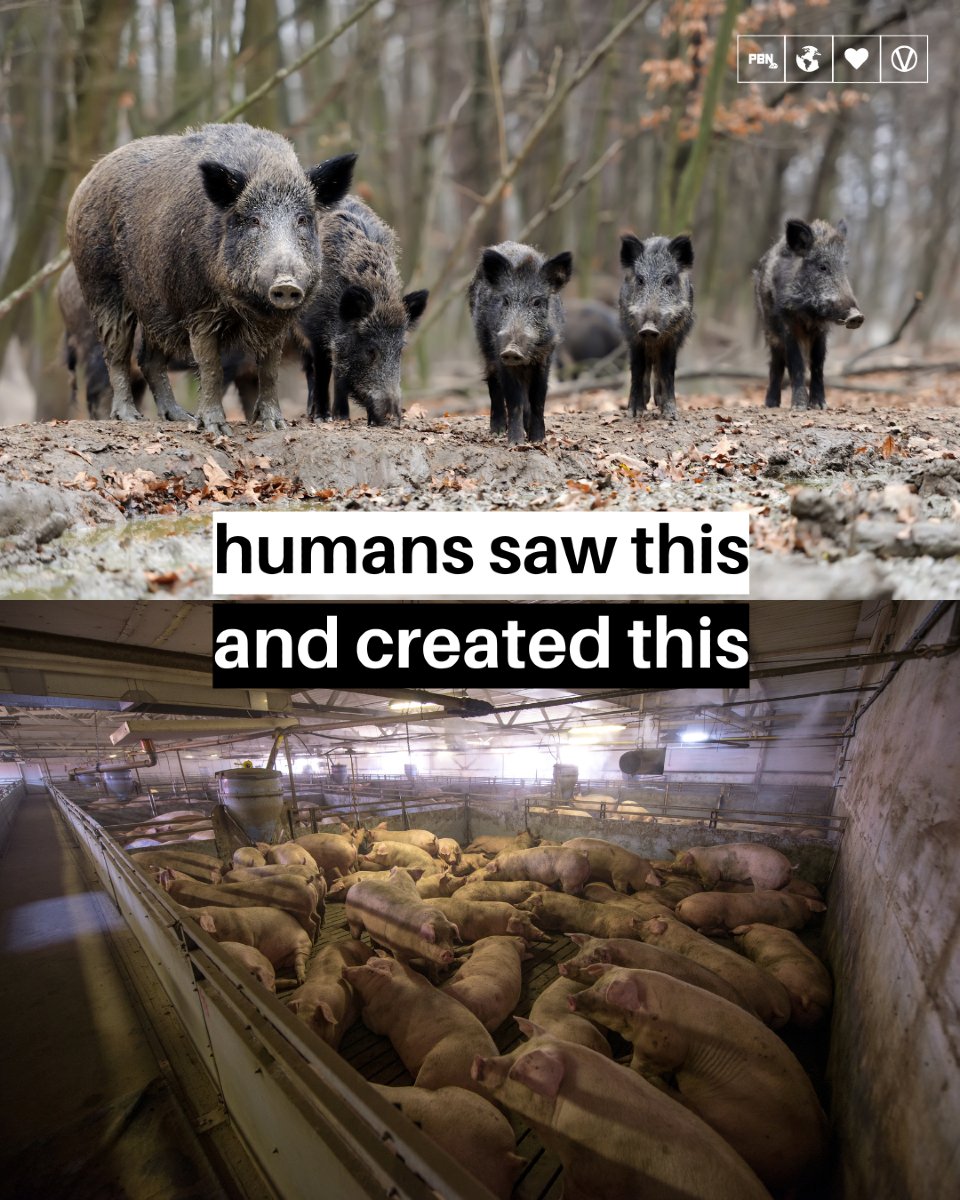
Has the domestication and industrialisation of animals gone too far? 🐗🐖
11
52
145
3,049
Sheep Ahoy Rescue retweeted
19 Jan 2025
This Is The World's Cruelest Daycare.
Babies Stolen From Their Mothers So That Their Milk, Which Is Meant For Their Calves, Is Sold To You In The Form Of Dairy.
If You Care About Animals, Your Health And The Environment, Then Please Go Vegan.
24
136
215
5,363
Sheep Ahoy Rescue retweeted
25 Jan 2025
Made these Korean Tempeh Summer Rolls; they went down a treat!
I buy rice paper in bulk, so I'm always looking for new fillings, and these are the best yet!
Want the recipe? I got you covered.
thevegannutritionist.co.uk/k…
#vegan #plantbased #recipes #veganrecipes
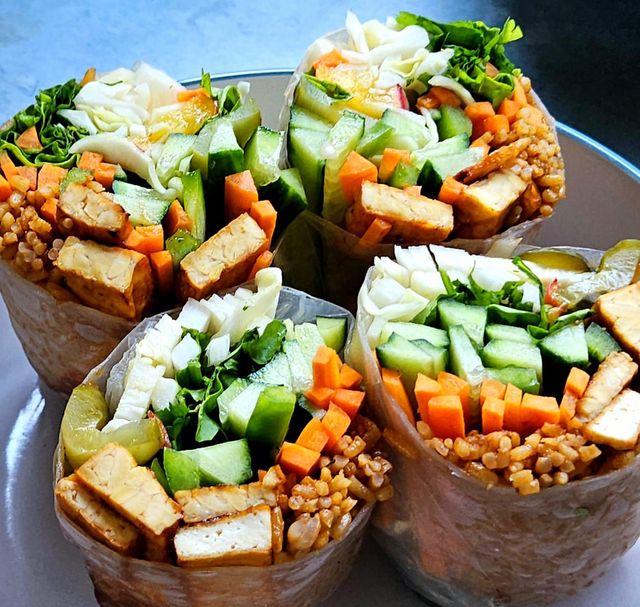
ALT Korean Tempeh summer rolls
9
20
130
2,052
Sheep Ahoy Rescue retweeted
25 Jan 2025
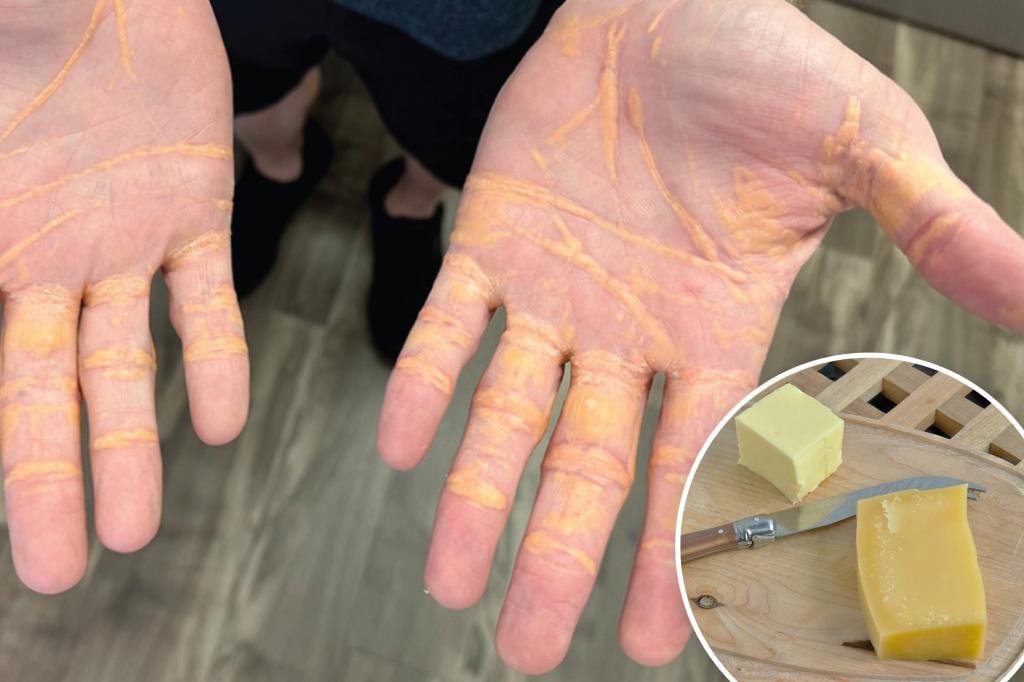
Carnivore diet left this man with xanthelasma and total cholesterol of 1000mg/dl 🙄
24 Jan 2025

Shocking image shows what happened to man’s hands when he only ate cheese, beef and sticks of butter for 8 months trib.al/yHgFeSa
40
73
480
30,151
19 Oct 2024
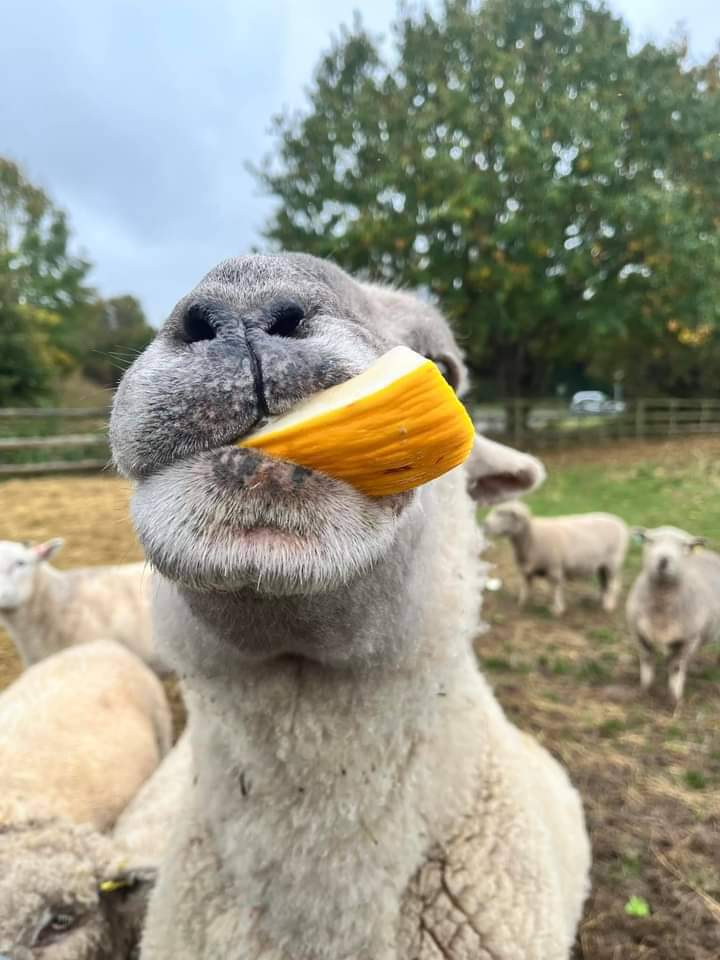
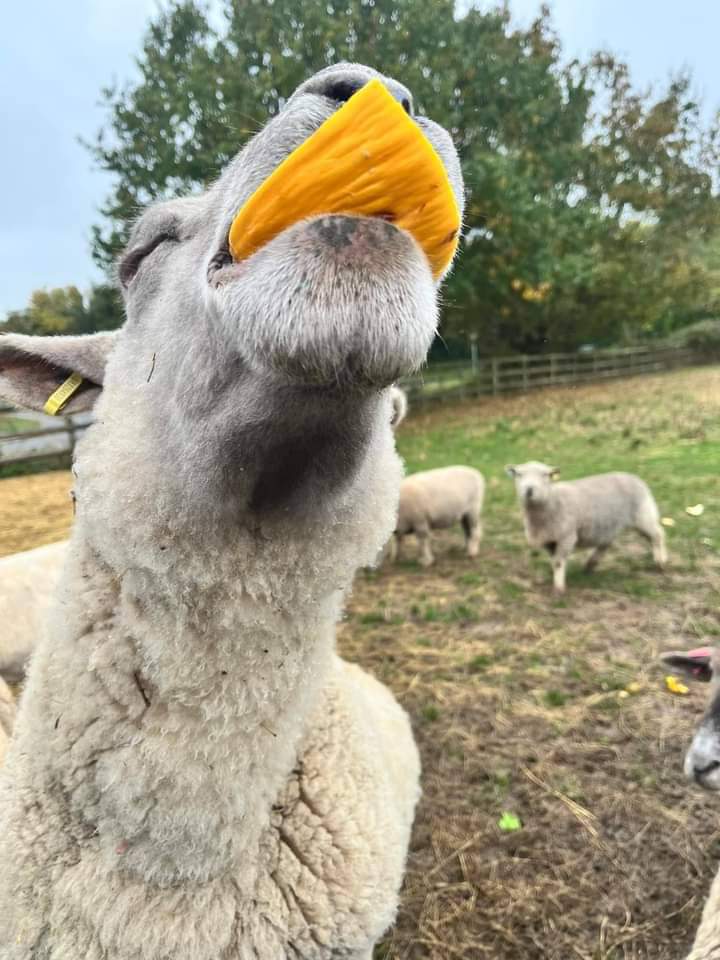
Elvis at the all you can eat buffet 🍉
Oh how he loves melon 😋
5
16
638
13 Oct 2024
We are a bit behind on posts at the moment so hopefully will start posting regularly again now 🫣
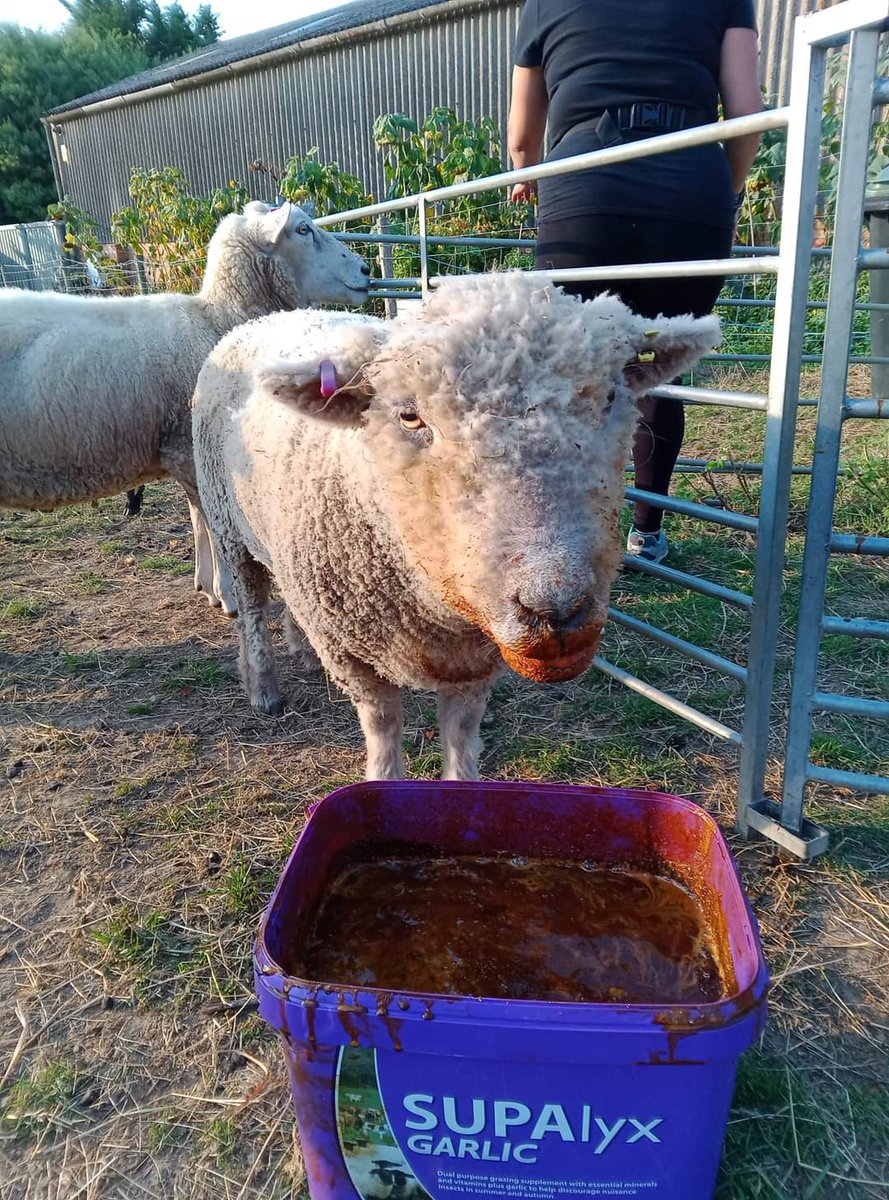
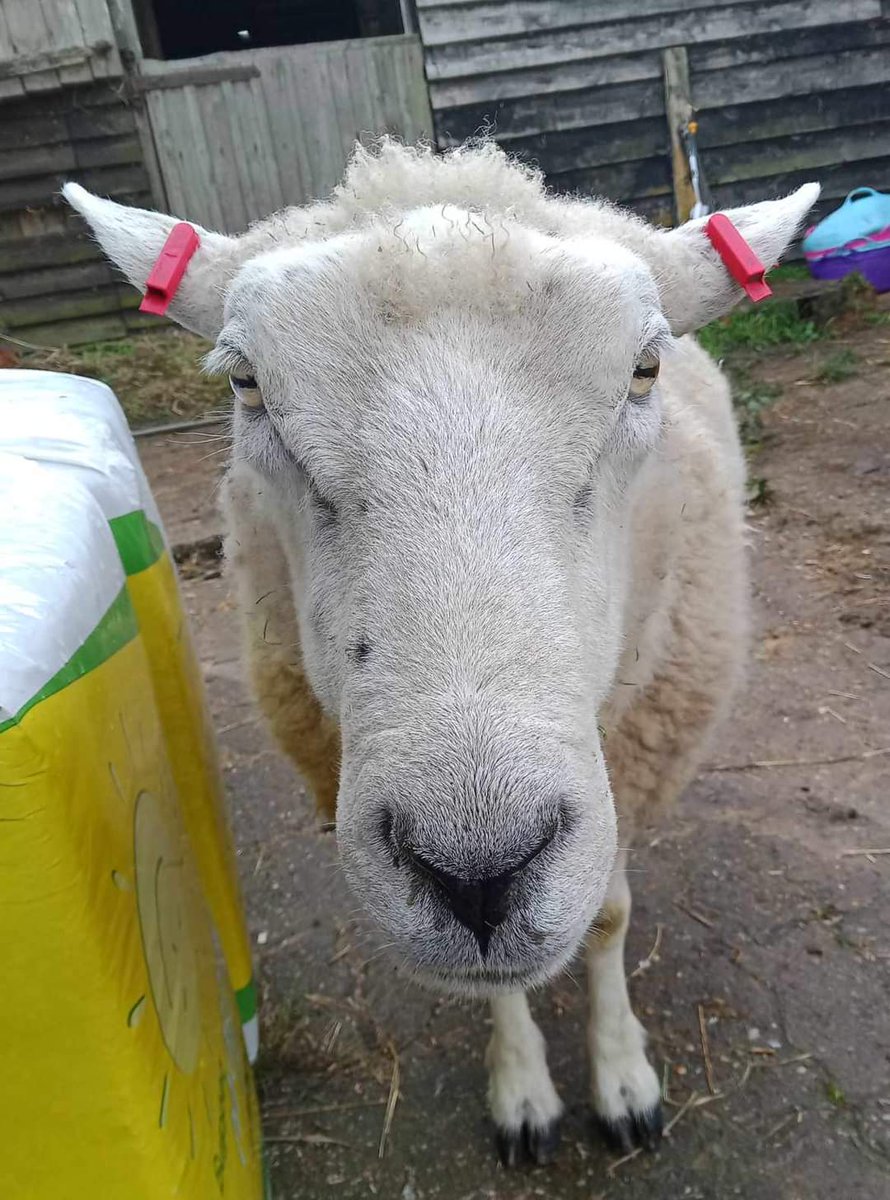
This post is about KASPAR.
Kaspar came to us in the winter of 2016 with his friends Nemo and Pom Pom.
These 3 sheep had been left with no care and little grazing and a frozen water supply during a really cold December of 2016. We went and picked them up and brought them to safety.They were all in a terrible state. They all had huge fleeces where they hadn't been sheared for a few years but under the fleeces they were emaciated. The fleeces were covered in thistles and a team of us had to cut off the top layer of each fleece by hand as there was no way we'd get a clipper through them plus at a very cold time of year we didn't want to shear their whole fleece off. We put an appeal out for rugs which people kindly urgently donated.
Nemo loved affection from the start, Pom Pom was petrified along with Kaspar but Kaspar was different in his fear. Kaspar was called the watcher as he wouldn't take his eyes off us when we were around ... after a long time he suddenly came over whilst we were fussing Nemo ... he had analysed the situation and realised that us people were kind and only spoke in gentle hushed voices bringing food to this starving boy multiple times a day.
Kaspar was named after two things .... Casper the friendly ghost as he was like a ghost at the beginning and Kent Animal Save who we worked with to save these 3 adorable sheep.
Kaspar has grown very thin recently and has been a concern to us as has not been eating hay. Kaspar had a vet visit earlier in the year with bloods taken and did have a parasite burden, unusual for our sheep but pointing to a reason for his weight loss. Obviously we treated him and once moved to summer grazing Kaspars condition picked up ... until a couple of months ago.
The grass started to lose it's goodness and Kaspar started to lose condition and so the vet was called out once again. Kaspar was found to have a seriously low protein level and was severely anaemic. With no trace of parasites plus not eating hay the vet undertook a dental which showed that Kaspar had an over erupted molar which, alltough dealt with, was not the only problem ... Kaspar has few teeth meaning that he can't eat hay plus he couldn't cud and process his food.
The good news is that although Kaspar can't chew hay the dental treatment has meant that he can now cud and chew his food down so as it can be processed. Kaspar has been moved to the stables where he has joined the lambs and where he has ad lib access to Readigrass (short chopped freeze dried spring grass and very nutrious) and is receiving a couple of suitable soft feeds a day.
The good news is that Kasper is showing signs of being less anaemic and so it looks like we are getting somewhere :)
The concern is that there is more going on internally than we can tell from tests but the main thing is that Kaspar is happy, full and content with his new friends Thomas, Flower & Jim <3
We thought the 3 sheep to be around 3 years old when they came to us but suspect they are now older than those years .... at least they are living safe and happy lives at Sheep Ahoy!
2
4
16
156