
Research analyst @blocmates | Previously 10 years at a leading global RWA Equity Investment Fund and at an Investment Bank | Markets since 2007
Joined October 2010
- Tweets 355
- Following 696
- Followers 330
- Likes 12,986
50 Photos and videos
Pinned Tweet

11 Dec 2025
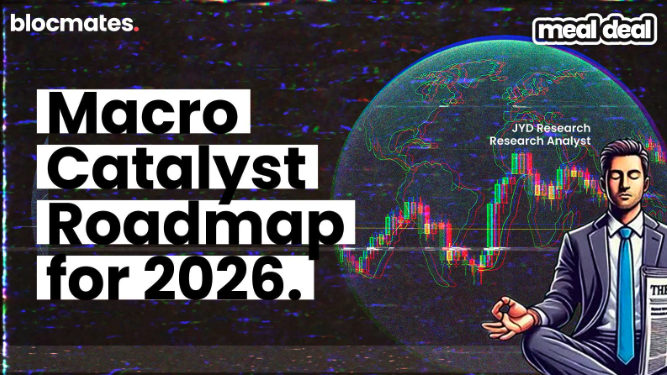
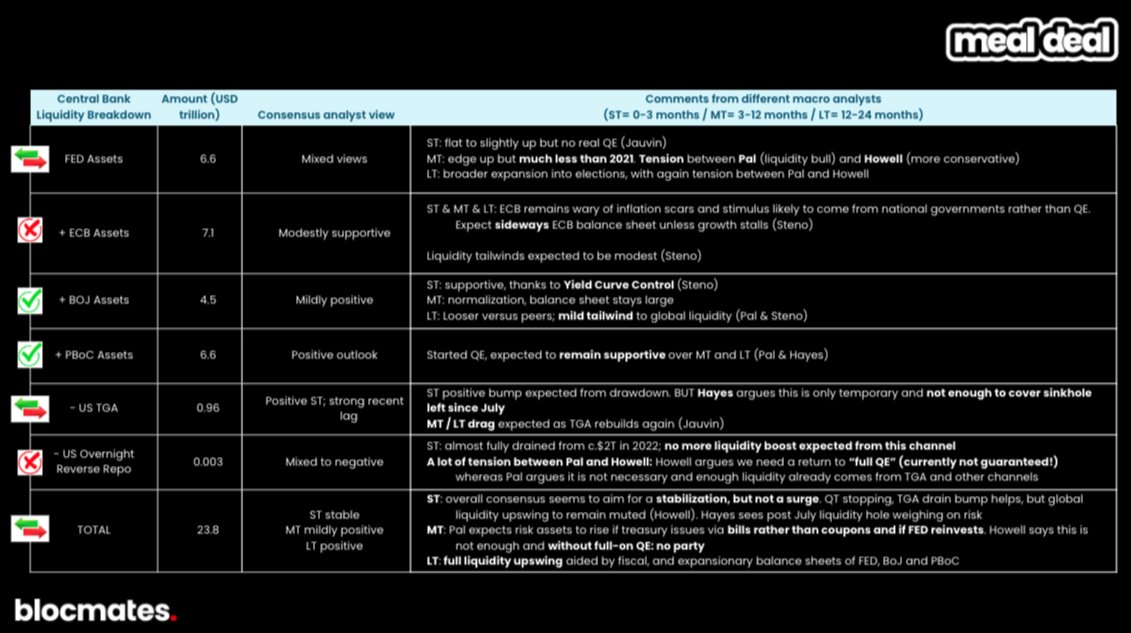
Just finished my biggest macro piece yet for @blocmates.
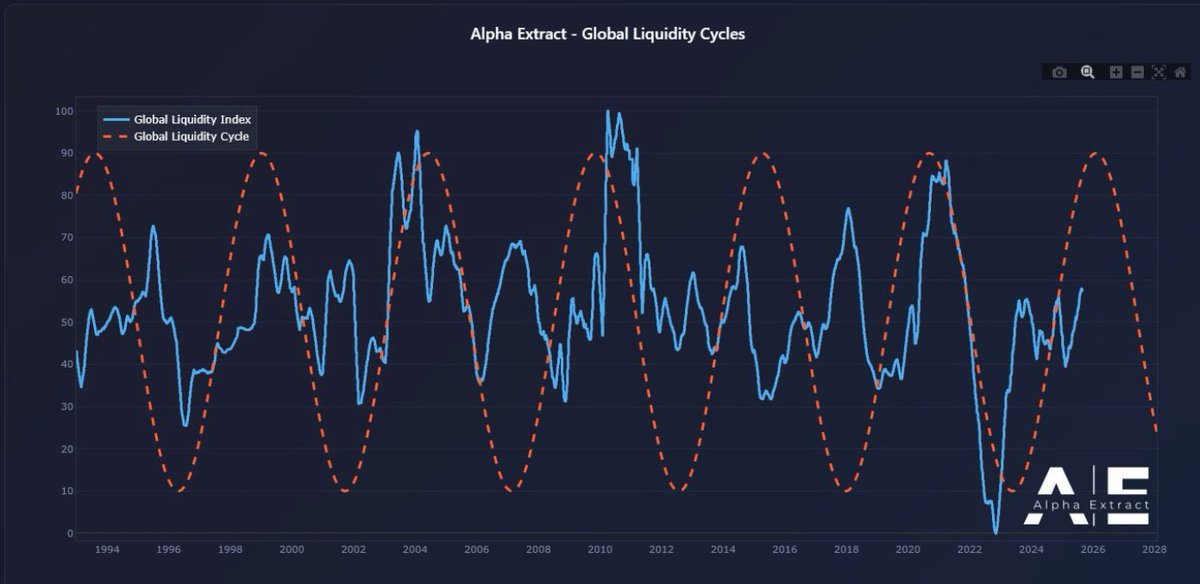
If crypto feels sluggish, there’s a reason. The liquidity pipes have been creaking for months, and the macro signals aren’t all pointing in the same direction.
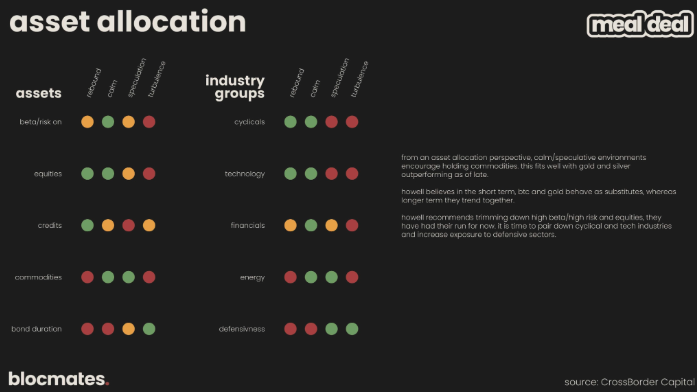
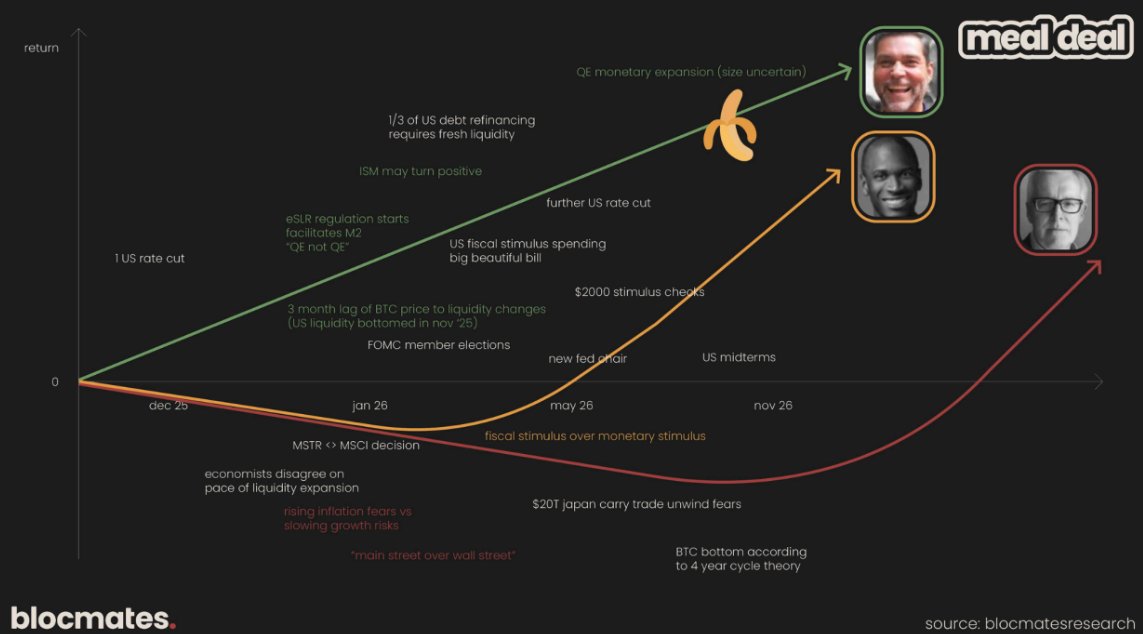
In this report I mapped every major catalyst for 2026 and created a framework on how to think about asset allocation heading into 2026.
13
6
44
5,696

really love how this analysis is broken down. I think this type of fundamentals-driven work is going to become the norm around here soon enough
Mar 2

Can Avici really scale into a DeFi Bank?
Just finished a protocol deepdive on @AviciMoney for @blocmates (link to the full analysis at the end).
Most crypto cards are marketing tools on TradFi rails. Is $avici any different?
Avici differentiates itself with a recurring revenue engine that cements its survival in this bear market, a roadmap that does not lack ambition, exemplary governance, and a valuation that makes it worth taking a look at.
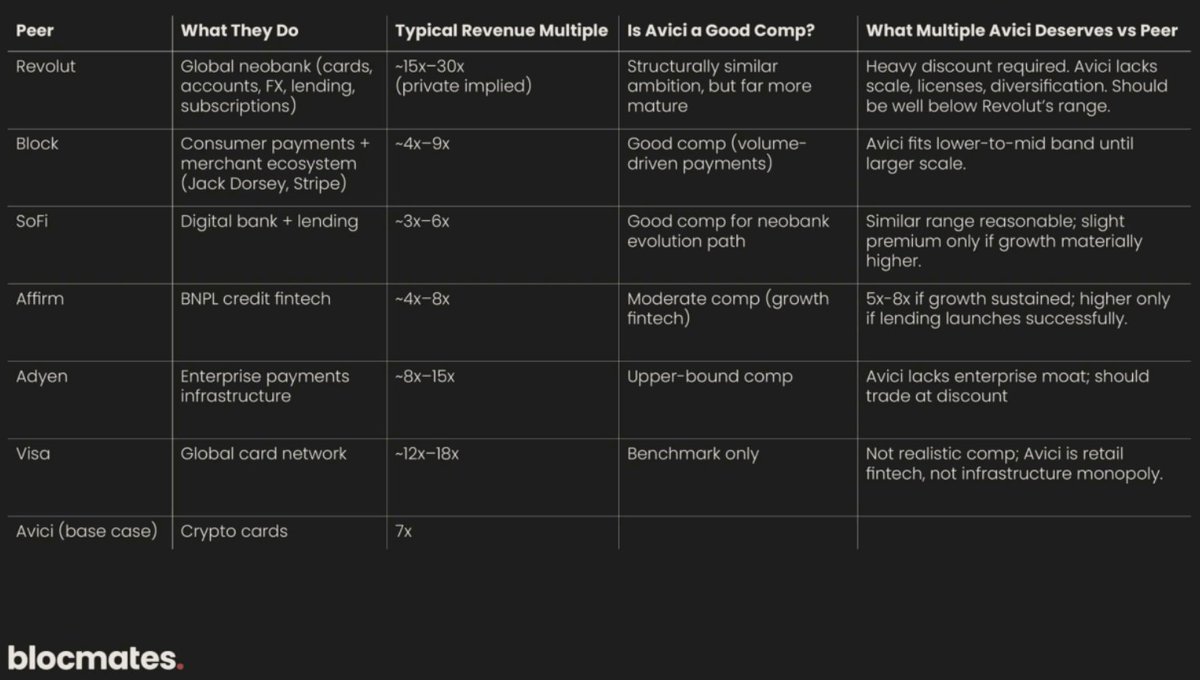
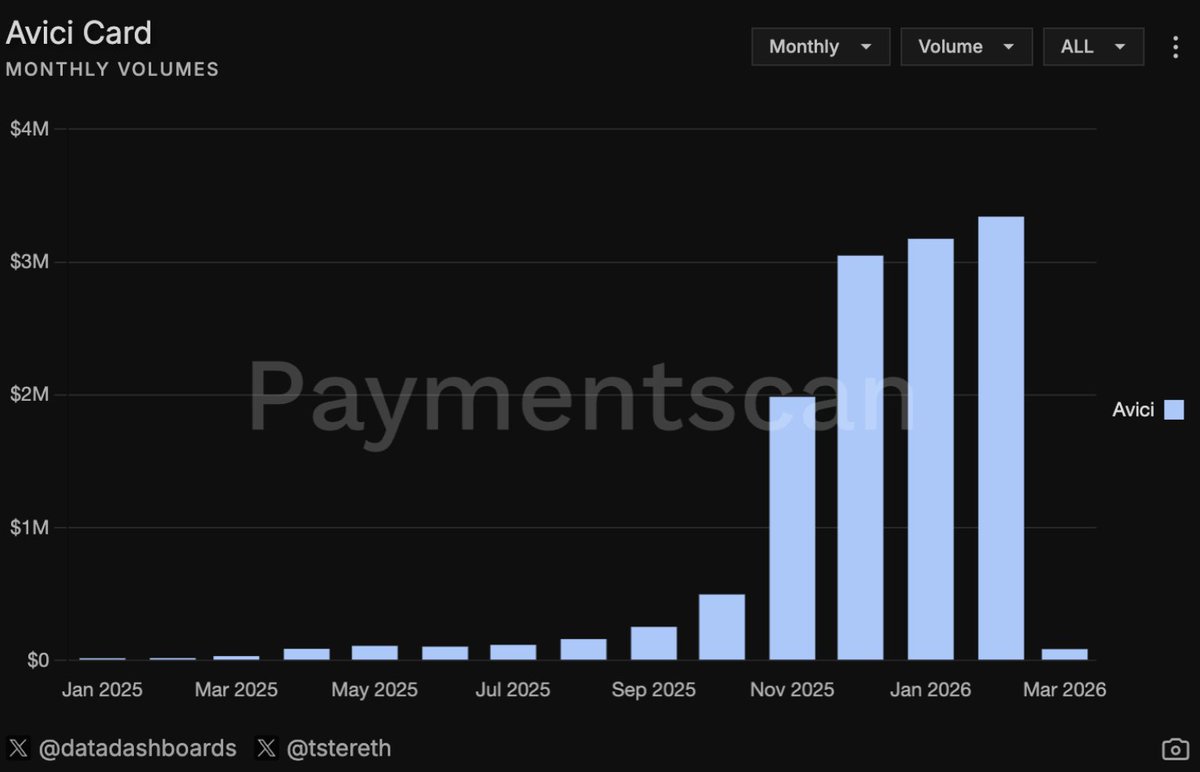
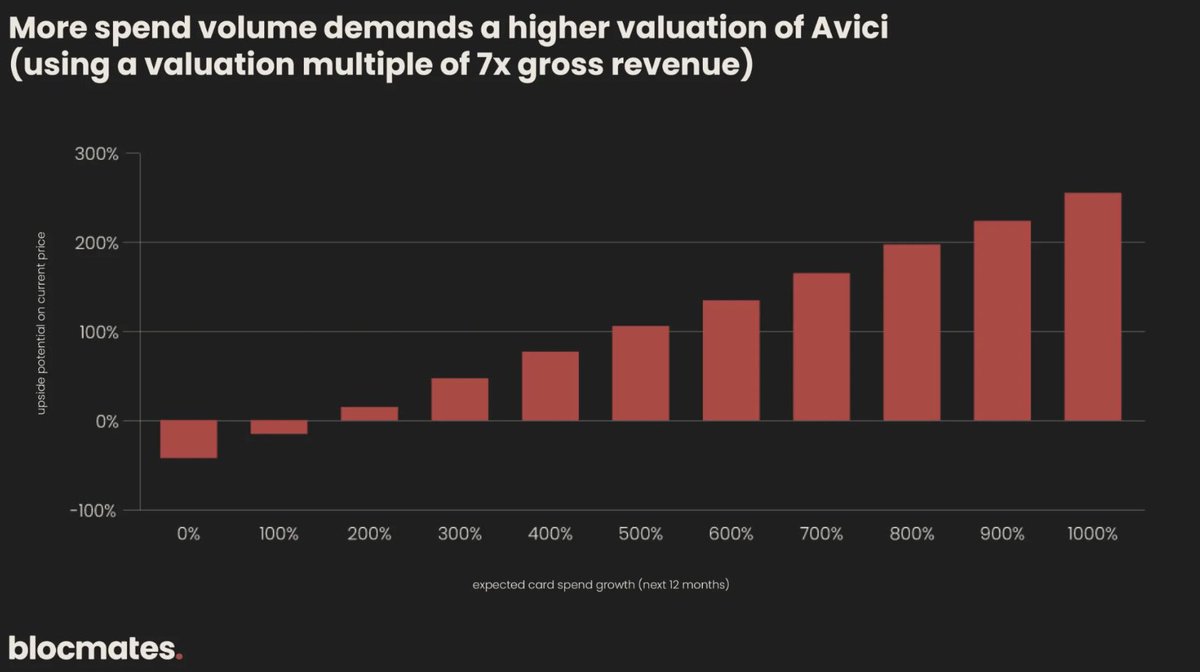
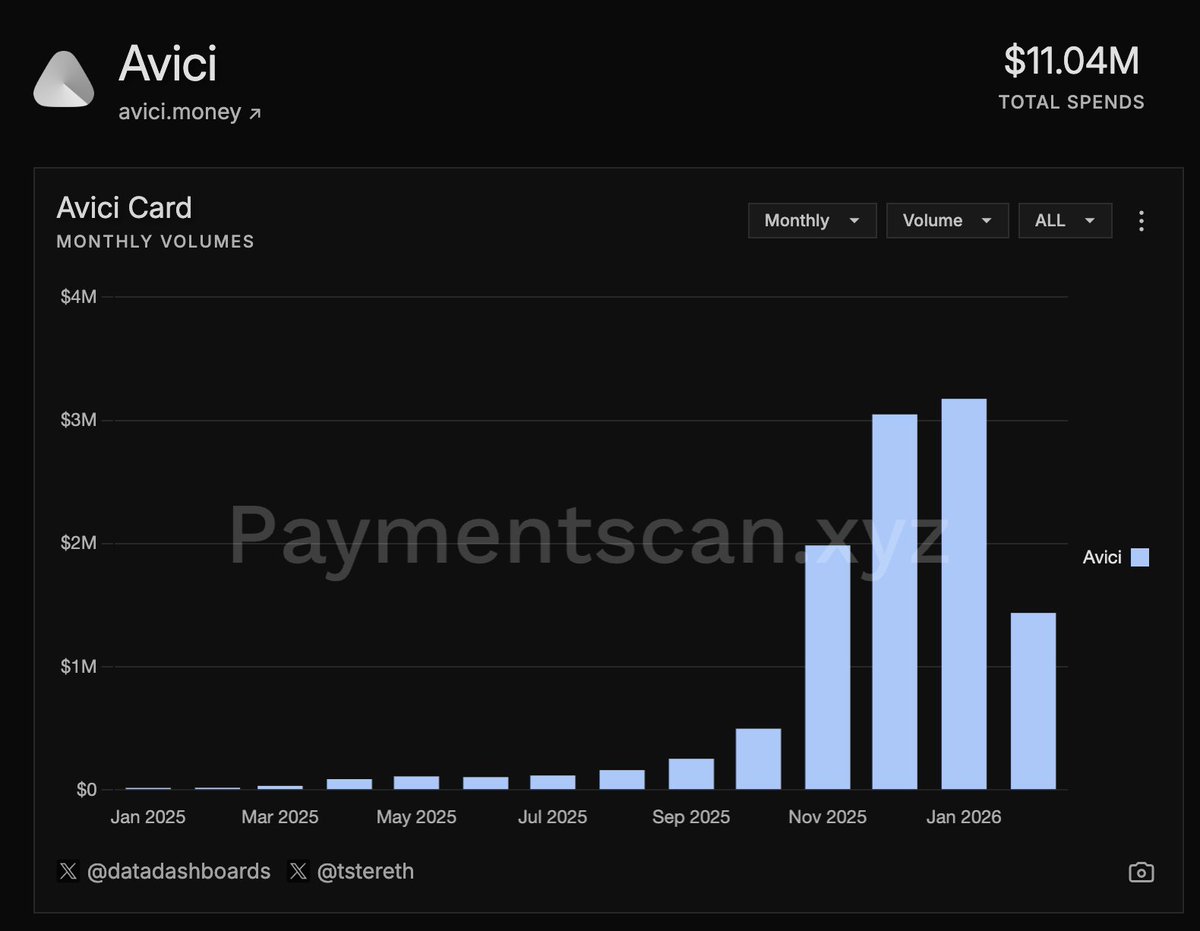
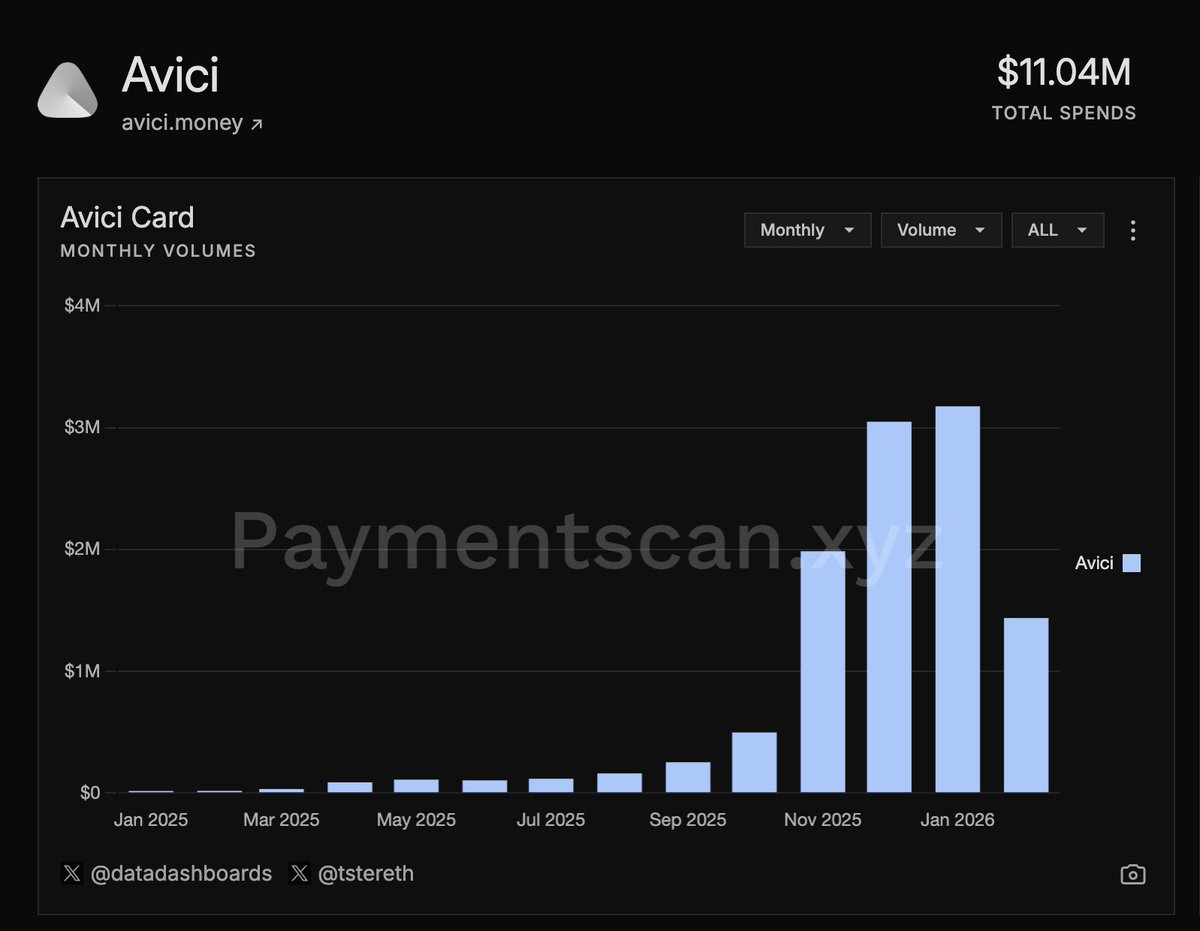
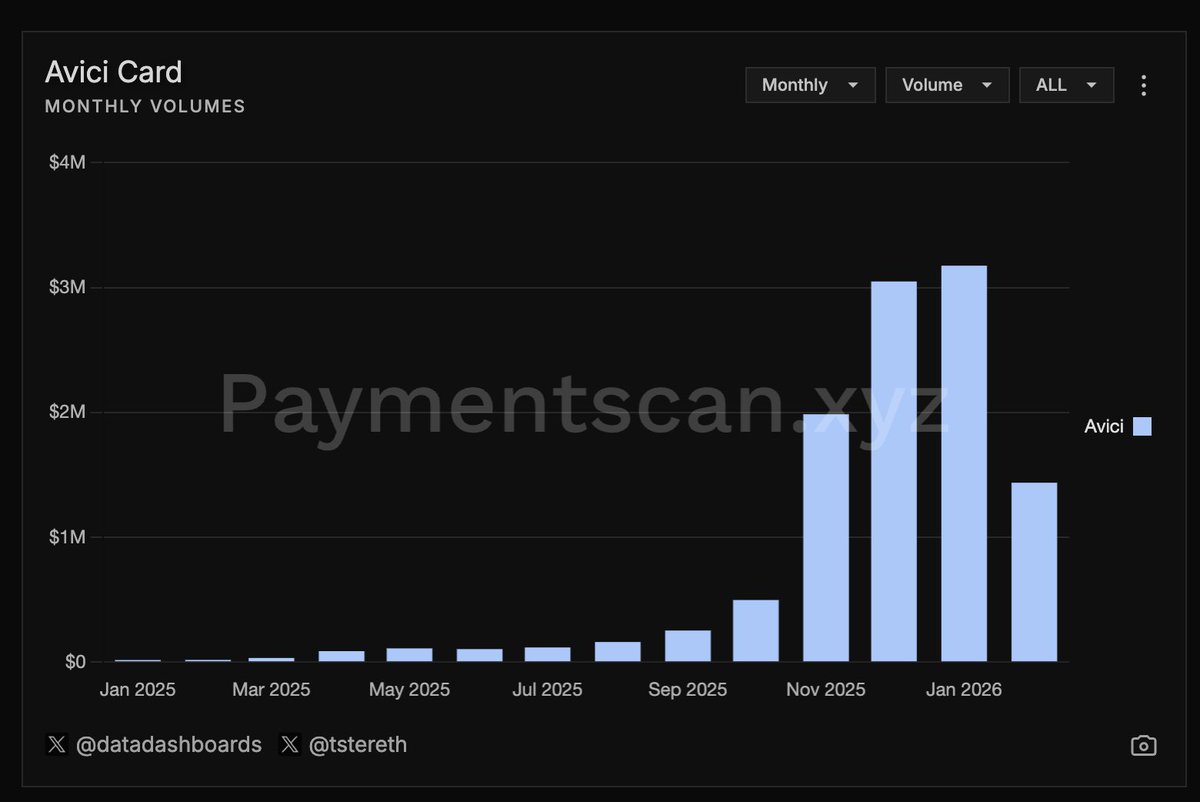
Using a 7x fintech peer group derived revenue multiple and 350% expected spend growth over the next 12 months, Avici trades at a revenue yield of ~20%. That’s an attractive premium vs benchmark yields derived from staking ETH or SOL. Is it an adequate compensation for the risk?
The sensitivity is high, and depends on sustained spend volume growth and roadmap execution.
Let’s dive into the details 🧵
1
1
7
790
Mar 2
Can Avici really scale into a DeFi Bank?
Just finished a protocol deepdive on @AviciMoney for @blocmates (link to the full analysis at the end).
Most crypto cards are marketing tools on TradFi rails. Is $avici any different?
Avici differentiates itself with a recurring revenue engine that cements its survival in this bear market, a roadmap that does not lack ambition, exemplary governance, and a valuation that makes it worth taking a look at.
Using a 7x fintech peer group derived revenue multiple and 350% expected spend growth over the next 12 months, Avici trades at a revenue yield of ~20%. That’s an attractive premium vs benchmark yields derived from staking ETH or SOL. Is it an adequate compensation for the risk?
The sensitivity is high, and depends on sustained spend volume growth and roadmap execution.
Let’s dive into the details 🧵
4
17
28
3,236
Mar 2
So where is the upside?
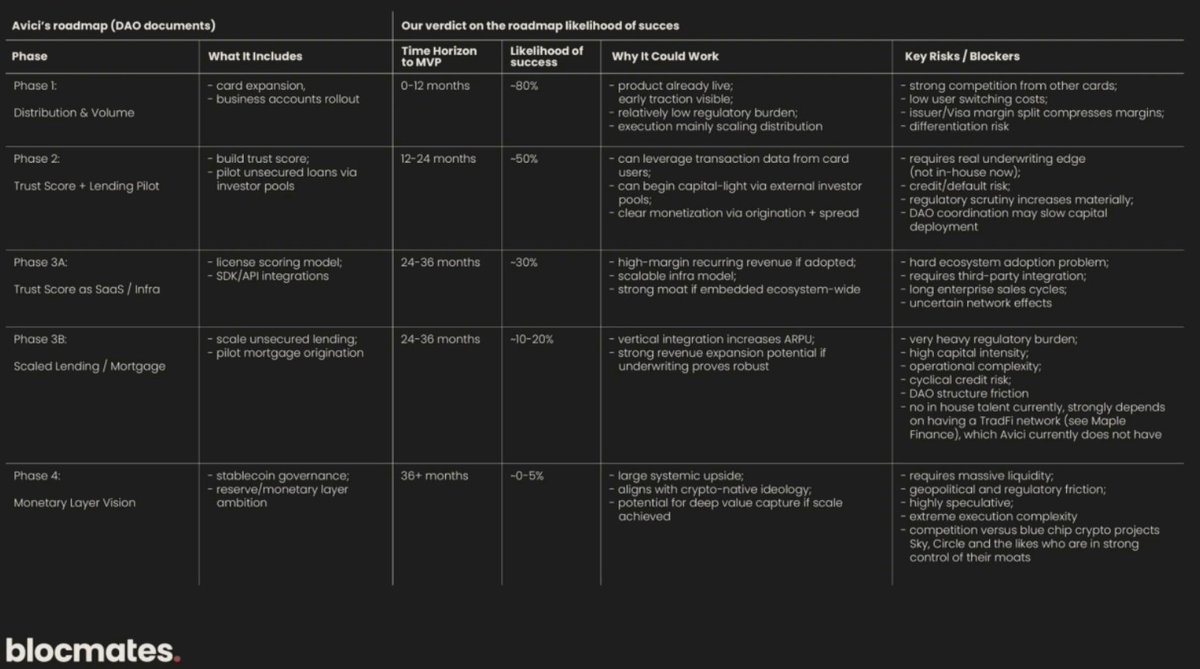
The upside sits in the roadmap; we compared each vertical in its extensive roadmap from a risk return perspective and minimal capex requirement to establish an MVP.
Most interesting vertical? Trust Score:
• SaaS-style margins
• Lower capex requirement
• Logical extension of card data
Entering the lending business is higher risk:
• Capital heavy
• Regulatory heavy
• Requires TradFi talent in leadership which it currently does not have
Full rollout of the complete roadmap likely requires substantial capex as current recurring earnings are light to finance the ambitions. This means execution risk.
1
159
Mar 2
Governance & our final stance
Where Avici genuinely differentiates is governance. Most crypto business models that failed have governance structures that completely misalign teams, VC’s and minority investors.
Thanks to the launch on @MetaDAOProject , Avici is different, and sets an example:
• No VC allocation
• No team allocation at launch
• Treasury controlled via futarchy (decision markets put the minorities in full control)
• Team incentives are tied to token performance and need to be approved by tokenholders
Alignment is strong, which is a key value driver for long term outperformance.
Our stance:
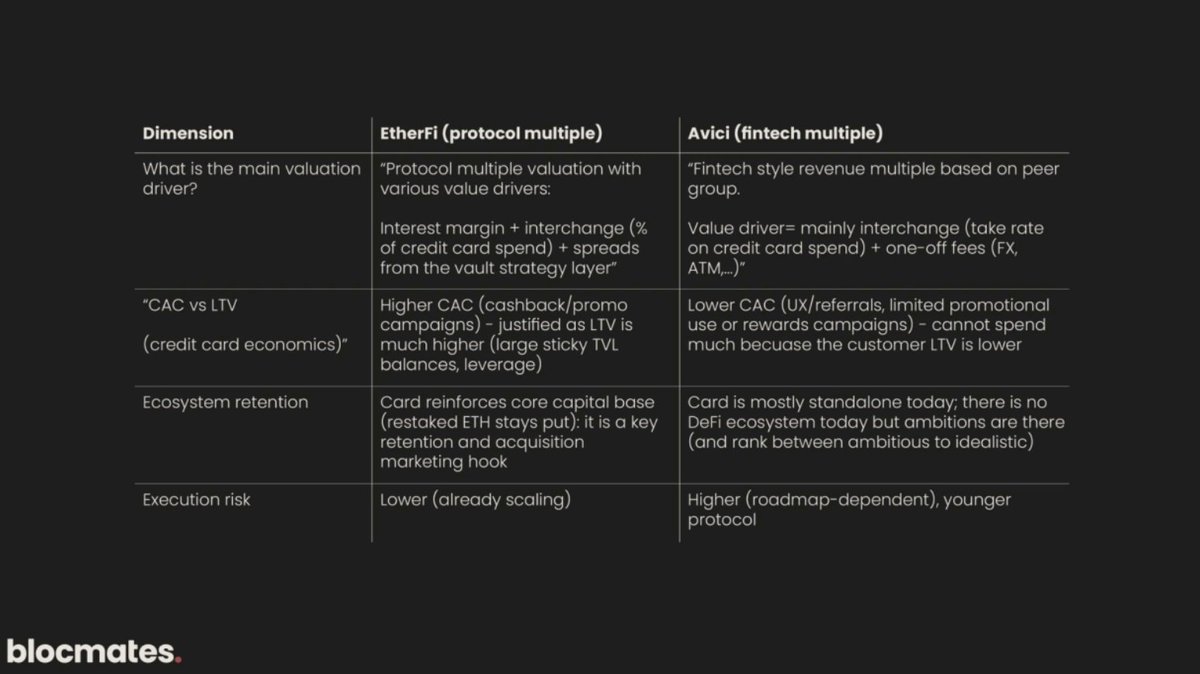
It deserves a fintech multiple today.
It earns a protocol multiple only if execution matches roadmap ambition.
🔗 Link to the article:
mealdeal.blocmates.com/resea…
1
3
150

The bull market will happen in tokens that look and operate more like public equities than traditional governance tokens.
Market is demanding cash-flows, programmatic buybacks, transparent & public accounting, and real onchain business model forecasting with path to sustainable revenues.
It will be very difficult for a lot of teams to swallow this and deal with this new environment, but that is what the next phase will be like, and it will be a massive "trimming of the fat" in the entire industry.
Position accordingly.
Feb 15

DeFi will be the next bull market narrative.
57
26
290
29,259
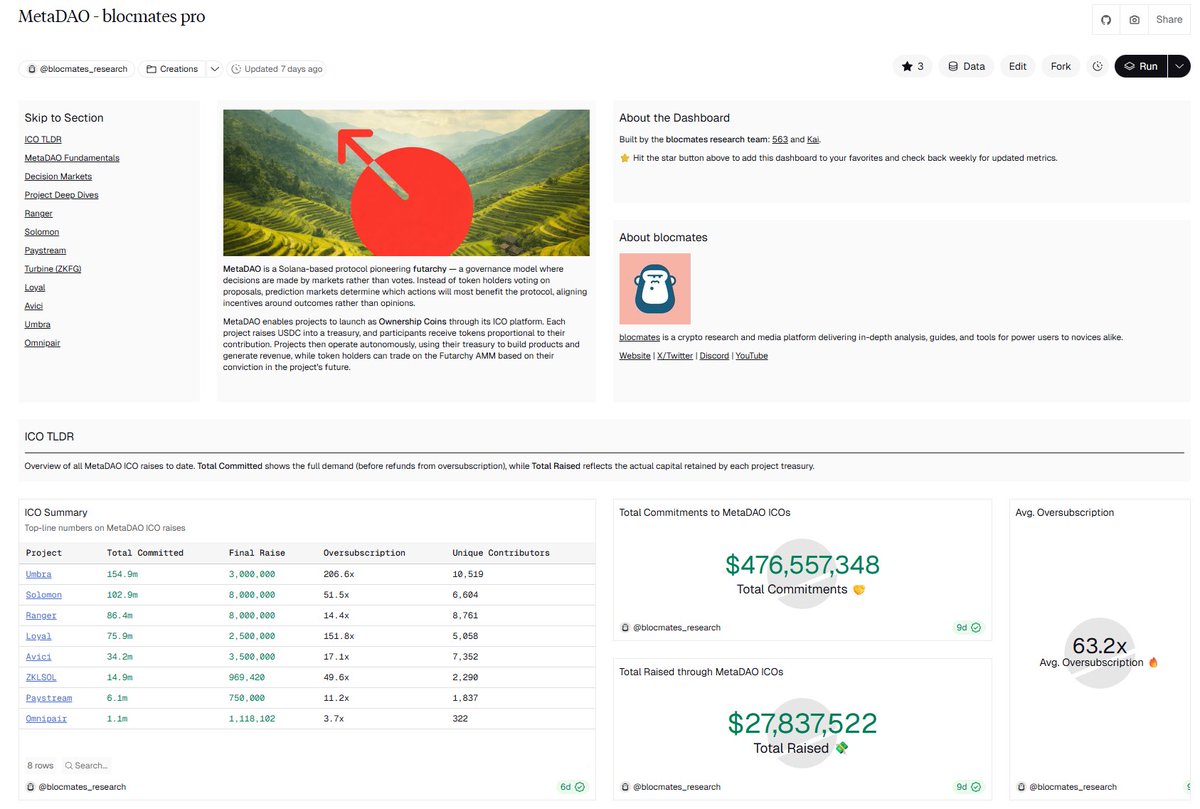
Our new @MetaDAOProject Dune dashboard is now live!
Track everything you need to know about their ICOs, ownership coins, futarchy activity, and more all in one place 👇
12
12
48
5,759
Feb 11
Usage growth ≠ automatic value capture. The settlement layer decides where margins live.
1
126
JYD Research retweeted

24 Dec 2025
2025 Zoomed Out: Meal Deal Reports
All our institutional-grade research goes out under the Meal Deal umbrella. We focus on:
> Data-driven insights
> Analyst-led conversations on Discord
> Research reports
> Livestreams & video content
Over the past year, we published 50 articles across DeFi, AI, stablecoins, etc. for Meal Deal subscribers.
Dropping down a few of our favorite reports.

5
6
22
3,189
23 Dec 2025
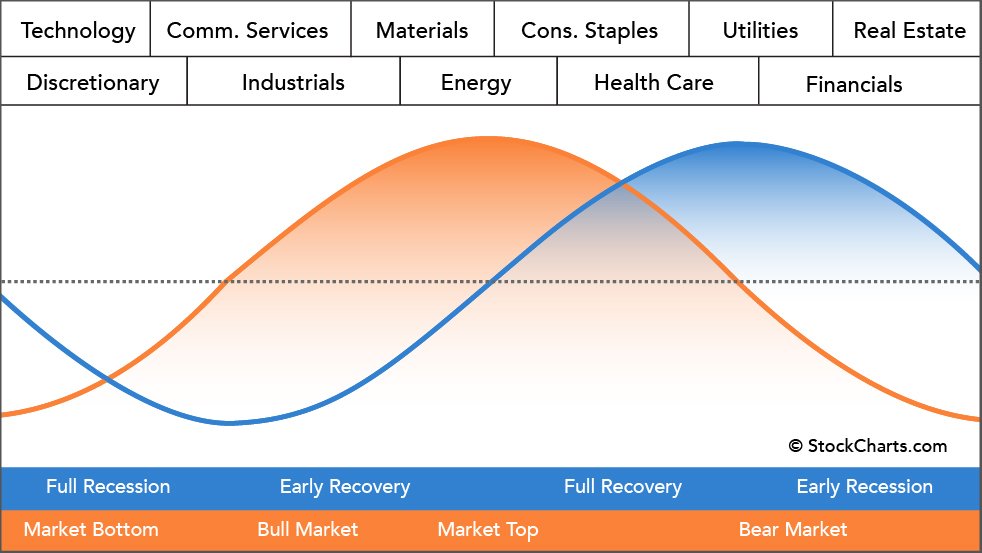
Portfolio diversification thoughts: allocate based on expectations versus lagging indicators.
Early stage/growth/high beta versus late stage/value/lower beta and high recurring earnings.
Time to pick up some energy may fit well with Trump 2026 agenda.
Crypto trades at the extension of Tech.
23 Dec 2025

Financial markets lead economic cycles by 6 to 9 months because they price future earnings, not current conditions. Stock prices represent the present value of all expected corporate profits, causing investors to buy during early recovery signals and sell before recessions fully materialize. While GDP statistics and employment reports describe the past, financial professionals continuously adjust valuations based on forward-looking indicators—manufacturing orders, yield curves, and margin forecasts. This explains why markets bottom during recessions and peak before expansions end.
The stock market's leadership becomes economic reality through the wealth effect: each dollar of increased stock wealth raises consumer spending by 2.8 to 5 cents annually. When markets rise trillions in value, this translates to tens of billions in additional household expenditures on discretionary items. Simultaneously, higher equity valuations lower corporate capital costs and signal growth opportunities, prompting businesses to accelerate hiring and investment. Stock market movements Granger-cause GDP changes with statistical significance across one to three quarter lags.
The feedback mechanism completes the cycle: market-driven confidence fuels consumer spending and business expansion, eventually producing the economic growth that markets anticipated. Conversely, market declines trigger wealth destruction and diminished corporate investment, creating the contractions that asset prices predicted months earlier. This self-reinforcing dynamic—where financial leadership transmits through spending and investment into actual economic outcomes—explains why equity indices function as sophisticated prediction engines rather than mere reflections of present conditions.
2
161
JYD Research retweeted

16 Dec 2025
i think a major trend going forward will be either no token or tokenized equity
anything in between will be uninvestable
67
13
270
30,742
11 Dec 2025
Just finished my biggest macro piece yet for @blocmates.
If crypto feels sluggish, there’s a reason. The liquidity pipes have been creaking for months, and the macro signals aren’t all pointing in the same direction.
In this report I mapped every major catalyst for 2026 and created a framework on how to think about asset allocation heading into 2026.
13
6
44
5,696
11 Dec 2025
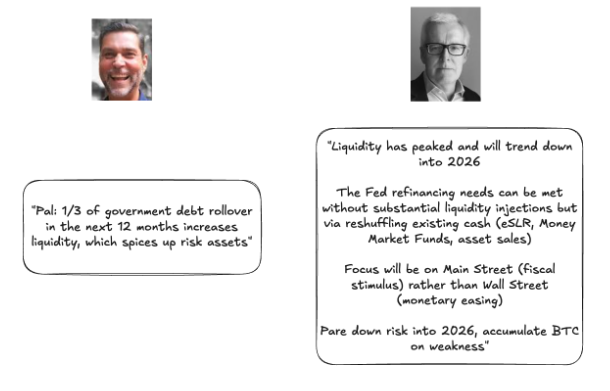
The piece breaks down the main positive and negative catalysts for the next 12 months, and what it means for risk assets.
> Positives: QT stopping (but is it enough??), ISM turning, fiscal impulse, eSLR, Fed reshuffle & YCC.
> Negatives: repo stress, debt rollover, AI funding cracks, Yen carry pressure, Main Street > Wall Street narrative.
I translate all of this into how I would build a general portfolio based on risk adjusted return expectations and how to position in crypto specifically.
1
1
370
11 Dec 2025
Main conclusion? Long term, BTC still wins the debasement game. Short term, the picture is more complex and specific metrics matter.
If an asset can’t outperform BTC in this macro setup, why hold it?
Full breakdown, catalyst map, economist contrasts and how this makes us think about portfolio management are in the full report on @blocmates Meal Deal.
1
285