20, 7lb apprentice jockey, Horseshoe Indy/KY: Jeremy Acridge, Belterra: Jason Barkley
Joined November 2025
- Tweets 75
- Following 303
- Followers 138
- Likes 127
Photos and videos

May 14
My pretty girl🥰 Tysm and congrats to Genaro and the whole team!
May 14

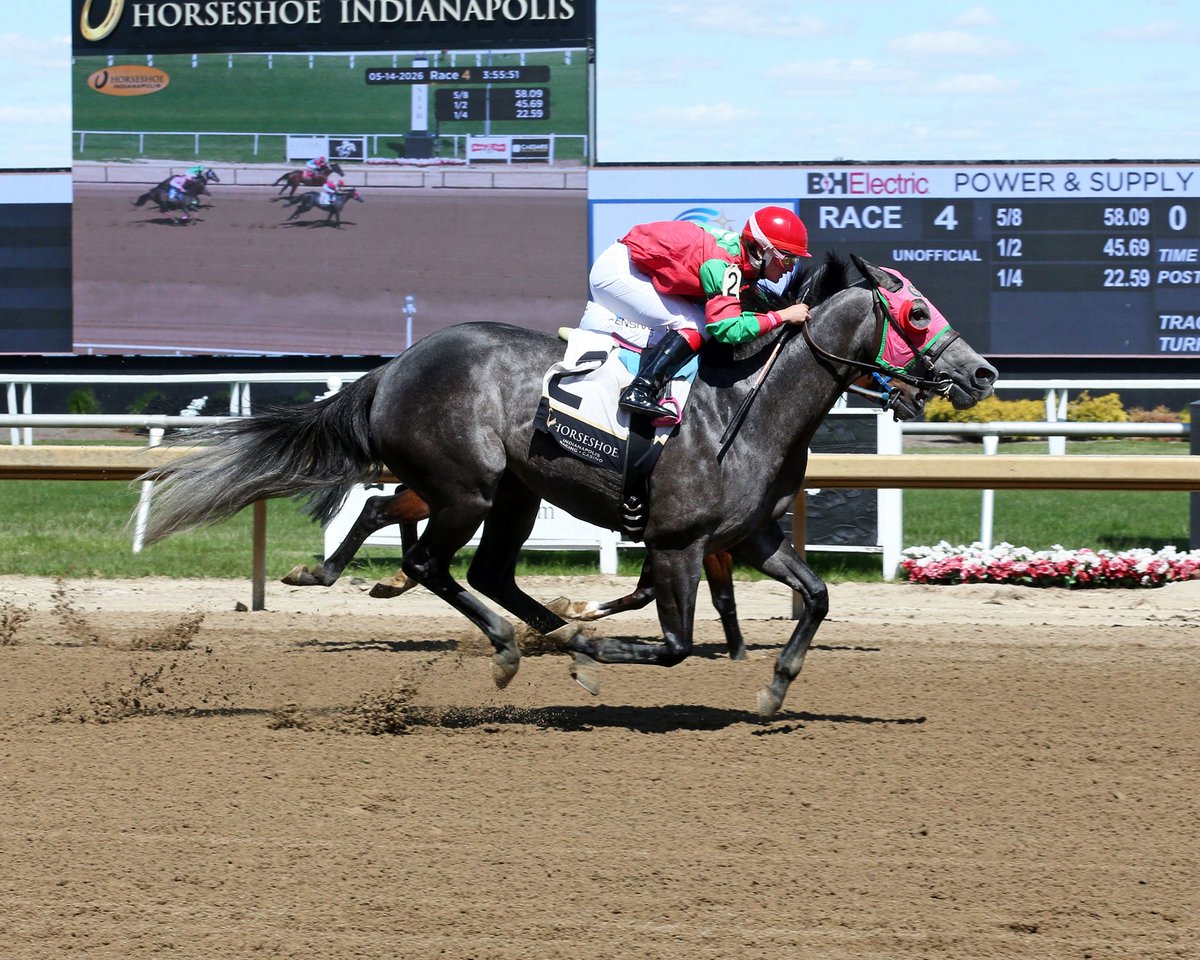
WE’LL DO IT LIVE ($5.20) with @ommeeks starts the Cross Country Pick 5 (Leg A) @NYRABets on Thursday between @HSIndyRacing and Belmont at The Big A @TheNYRA on America’s Day at the Races @FOXSports. The Factor mare was making her third start of the year for Genaro Garcia after two @TurfwayPark starts. She sold for $100,000 @OBSSales March 2yo 2023. No claims in for the $12,500 tag today.
2
98
Micah Meeks retweeted

Another thing American racing fails horribly at LETS GET MERCH.

I am READY TO BUY some Golden Tempo MERCH. I'm not doing the fake stuff. Where are the t-shirts? Let's actually get a plushie this year, damnit!!
21
64
620
20,475
Micah Meeks retweeted

May 4
Amazing what actually including members of half the population in your sport can do for the public interest. #WhoKnew
1
11
291
Micah Meeks retweeted

Hardest. Working. Athletes. On. The. Planet.
They ride animals 10x their weight in a thundering herd going 45mph around hairpin turns on their tiptoes. 8 9 10 times a day. With only $25-75/ride guaranteed & no pension.
We don't appreciate the @JockeysGuild & @PDJFund enough 🏇

4
13
68
4,253
Micah Meeks retweeted

May 4
The Kentucky Derby is a great product: a big field of top-class thoroughbreds, pageantry galore, prestige, energy, high stakes, big money, and world-class athleticism. It’s like any great playoff or championship game in sports.
But it’s an exception. The day to day product in horse racing rarely resembles this race or event. Though in fairness, we shouldn’t expect it to.
Still, if the everyday experience doesn’t improve-meaning larger, more competitive fields and an environment where customers (both frontside and backstretch) feel respected and valued-then it will be difficult to attract a substantial number of new fans in the long term.
I love using the restaurant business as an analogy for improving our sport. You can run a commercial and showcase the most visually appealing food imaginable, but if customers show up to your restaurant and the food falls short, many won’t return…or at least won’t come back as often as you’d hope they would. And they certainly won’t take time out of their day to learn more about your product.
We love great stories. We love heartwarming ones. We enjoy rooting for likable individuals who work hard to achieve their dreams. We love witnessing those people achieve their dreams. Promoting these stories is essential. We can learn so much from content creators and influencers. Their creativity is engaging and fun, and it just goes to show how many talented people there are in our sport.
But like a movie, a strong trailer only gets people into the theater. If the film itself doesn’t deliver, audiences won’t stick around. The same principle applies for any business: the product must match the promotion.
Every effort should be made to deliver the best possible experience. Rather than focusing solely on enhancing marquee events like the Triple Crown, the industry should prioritize improving the day-to-day racing product at every level, from premier tracks to the smallest fairs.
Because promotion will only go so far if new fans arrive expecting a thrilling experience and leave disappointed.
May 4

So how do we get those nearly 25 million to care about the sport more than once a year? What is it about the Derby that makes it so much more appealing?
27
22
179
33,821

Apr 29
So much love to these horses🫶🫶 And of course thank you and congrats to the connections!!!🥳🎉
Apr 29
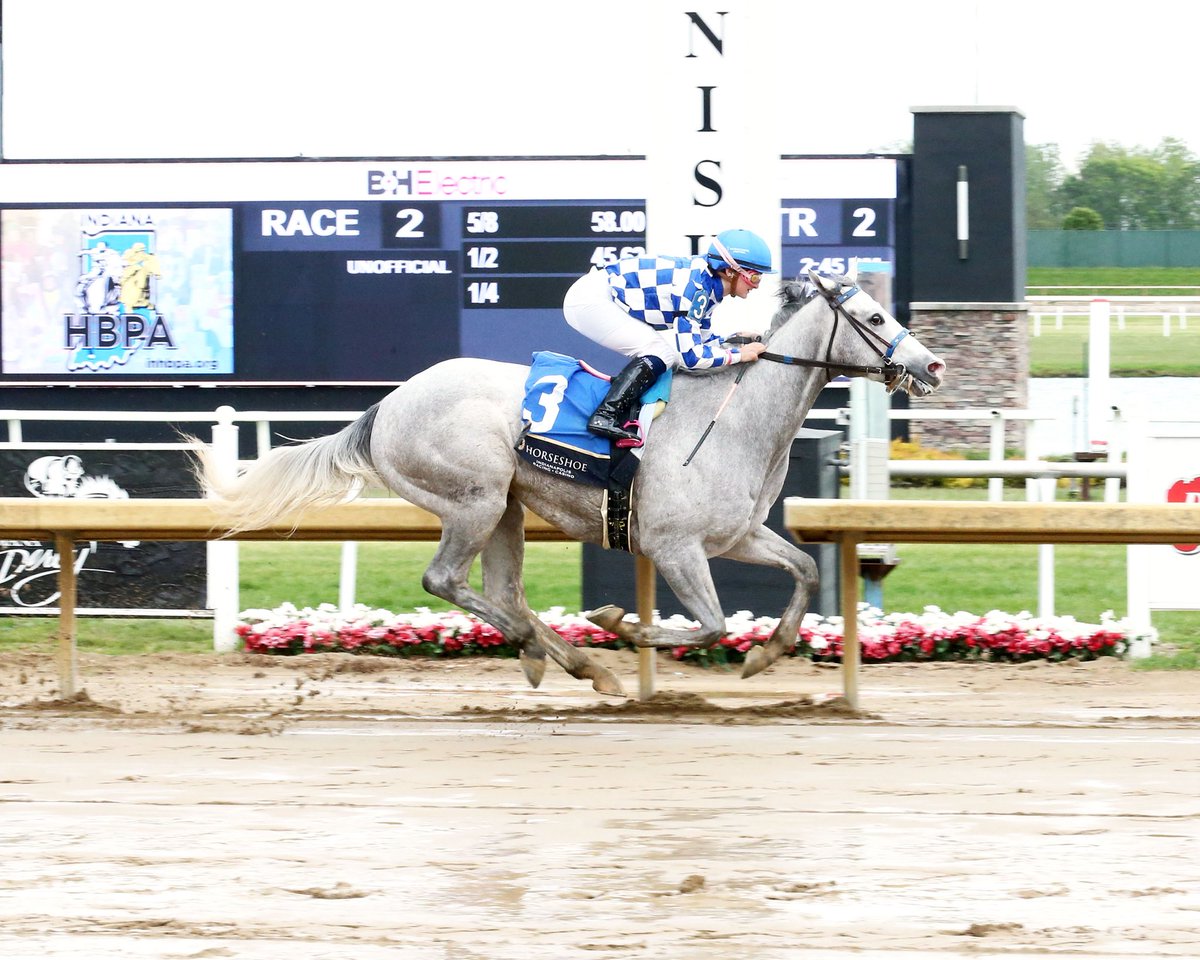
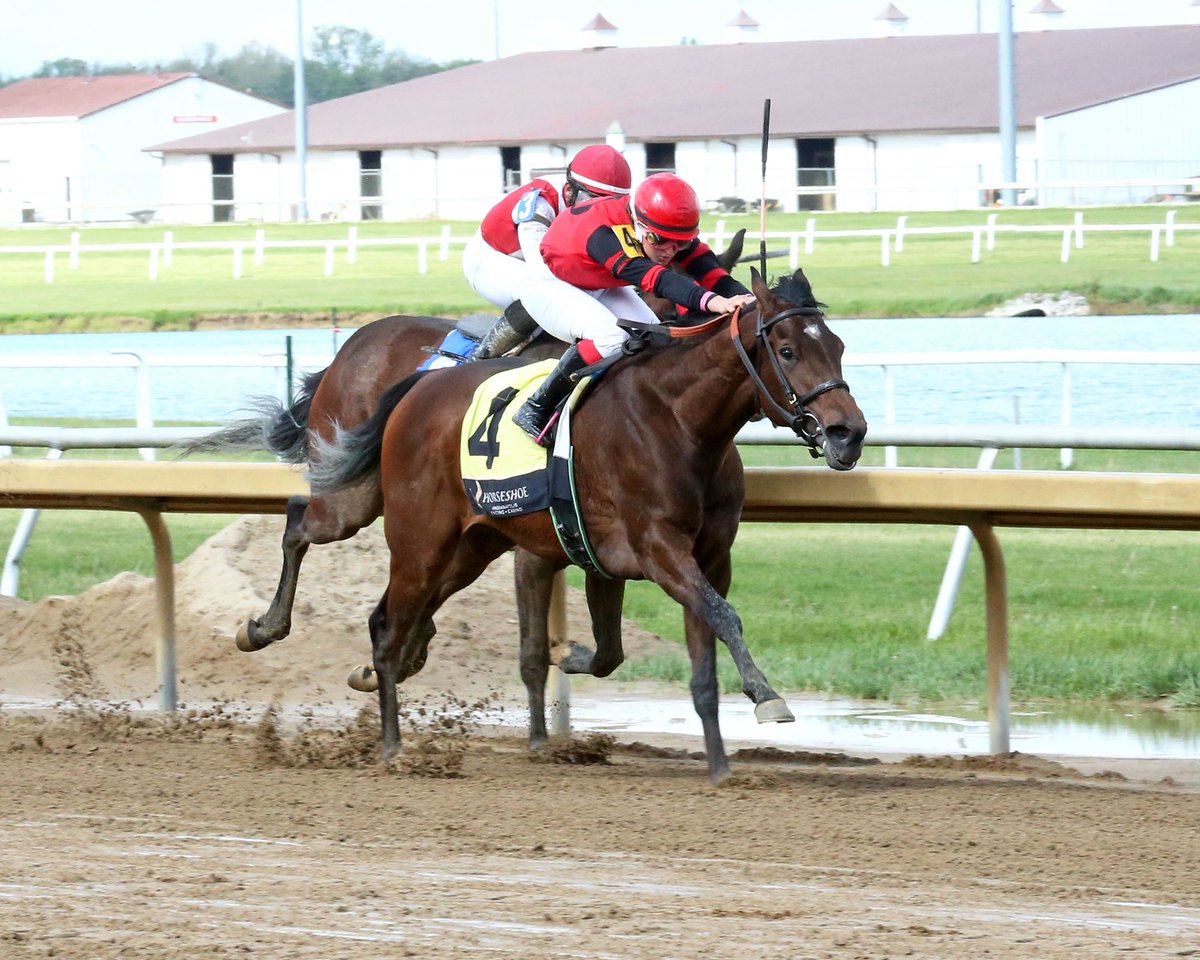
A riding double @HSIndyRacing for @ommeeks on Wednesday’s card. She won the Indiana-bred ALWC on GREY ECLIPSE ($5.20) and Maiden Fillies Sprint on JUANITA MYCHIQUITA ($5.80) for trainer Genaro Garcia, who recorded his 1,000th career win on April 15 at IND with LET’S GET LIT.
1
2
162
Micah Meeks retweeted
Happy to have Micah Meeks @ommeeks part of our team here @HSIndyRacing
2
5
30
3,269
Micah Meeks retweeted

Apr 21
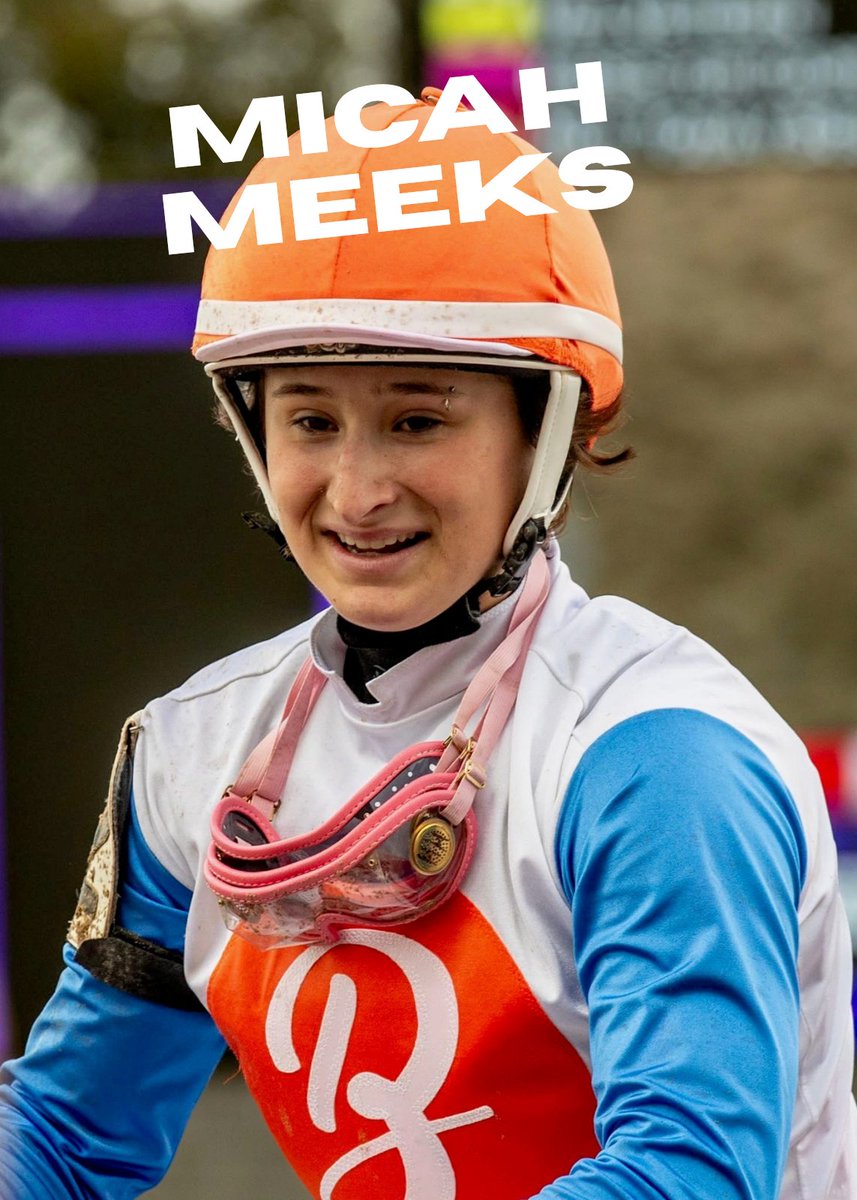
.@BeemieAwards discusses handicap races in their past and current states. Then we welcome in apprentice jockey @ommeeks to talk riding at Keeneland, moving from California to pursue being a jockey, and much more! 🎧
Listen Here ⬇️
spr.ly/6011BBBwsS
3
13
2,949
Apr 21
I had a great time talking to Jason and really appreciate him reaching out to have me on!! Give it a listen if you get a chance😊
Apr 21

Jason Beem Podcast 4/21/26--Guest Micah Meeks betamericarn.libsyn.com/jaso….
3
2
20
2,568

$10,500,000 is about 25% of what the Thoroughbred Aftercare Alliance (as one example) has awarded in grants *since 2012*. This industry has the resources to fund aftercare, just not the will, and every day we don't, we flirt with flushing our social license down the drain.
9
25
121
5,143
Micah Meeks retweeted
I love being a girl. This year is going to be fun if Micah Meeks is involved. #bloopers
1
2
43
5,452
Micah Meeks retweeted

Apr 15
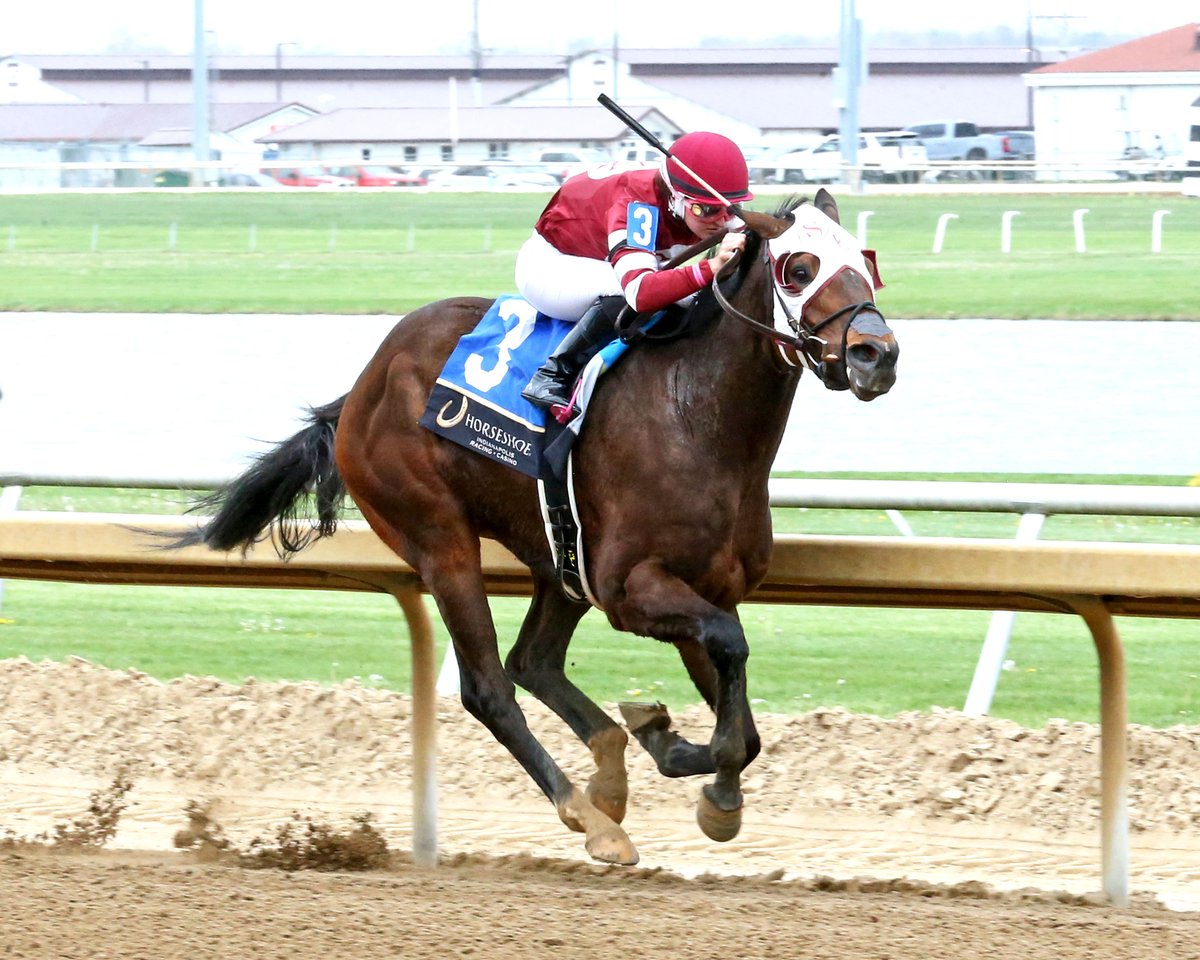
Welcome new apprentice jockey Micah Meeks - 1st IN win Wed. April 15 aboard Ad Litteram @HSIndyRacing Photo by Coady Media #racelikeacaesar @IndianaTOBA @IndianaHBPA @INThoroughbred @IndyTBAlliance
1
4
11
887
Apr 15
Ad Litteram giving me a way to tell my parents I'm still studying Latin despite quitting on a Classics degree to ride horses🤣 Thank you so much to the Klopp barn and congrats to all the connections!!
Apr 15
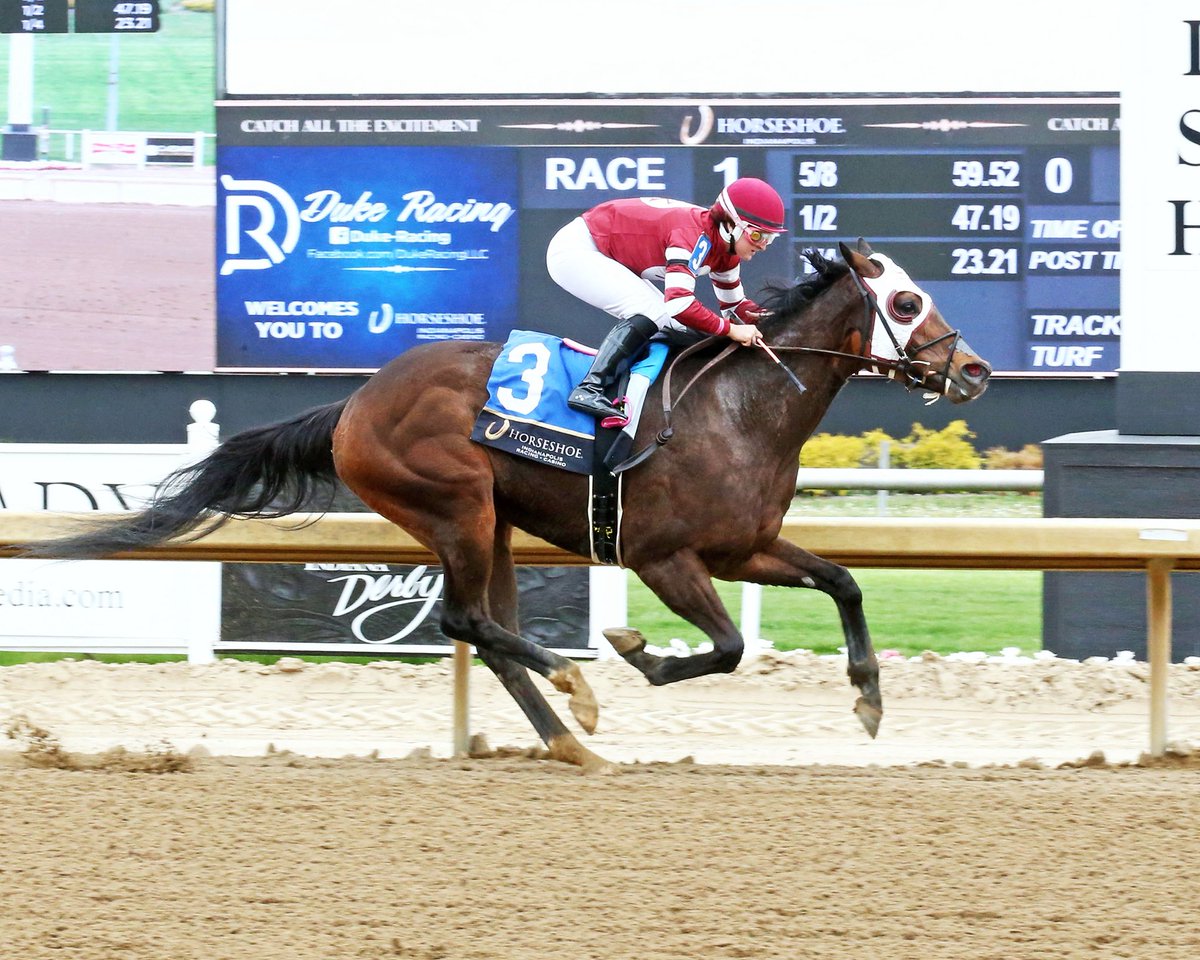
After joining the @fairgroundsnola colony in January, and riding four winners at the #FG154 meet, apprentice Micah Meek with her first win @HSIndyRacing taking the Maiden Fillies Sprint Opener on AD LITTERAM (Jimmy Creed) for leader Randy Klopp. She’s now won nine career races.
3
1
11
1,174
Micah Meeks retweeted

Mar 24
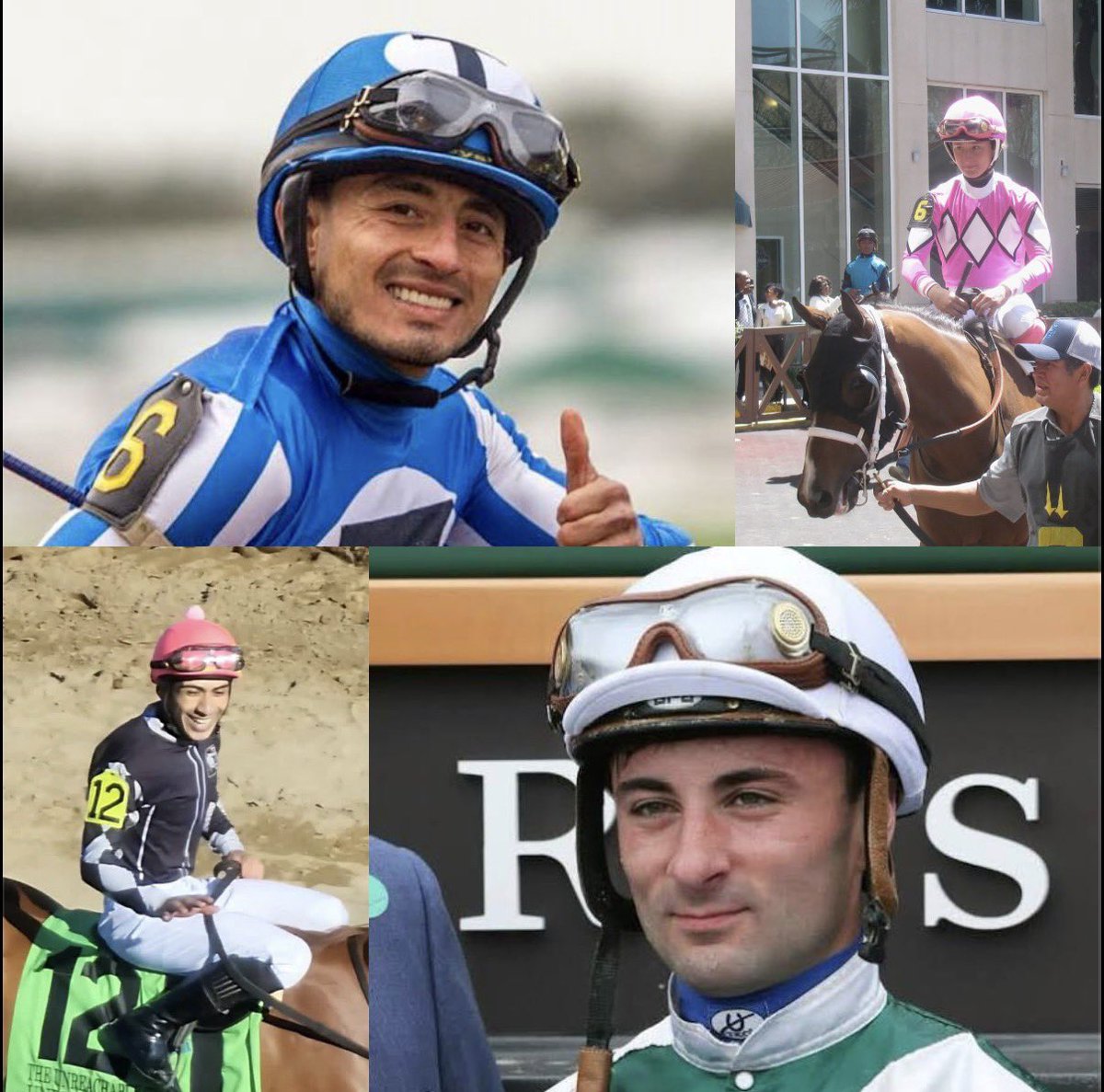
Happy to announce the roster to kick off spring meetings! I will continue to represent Gabriel Saez (KY/IN) and 7 lb bug Micah Meeks (IN/OH) with newest additions Adam Beschizza (KY/IN) and when Belterra begins Oscar Villarreal (OH)
8
6
87
6,463
Mar 19
Good boy Whiskey!!! Thank you so much @CATRacingStable and congrats to the connections🥳🥳
Mar 19

Whiskey Bee Gone and Micah Meeks take the lid lifter @fairgroundsnola for Louisiana Derby week! Thanks to @CATRacingStable and team!
1
168
Micah Meeks retweeted

Mar 8
Happy #InternationalWomensDay! 👏
We have so many great women in our sport to recognize. From jockeys, trainers, stable staff, owners and so many other positions, women play a large part in horse racing.
📸 Eclipse Sportswire
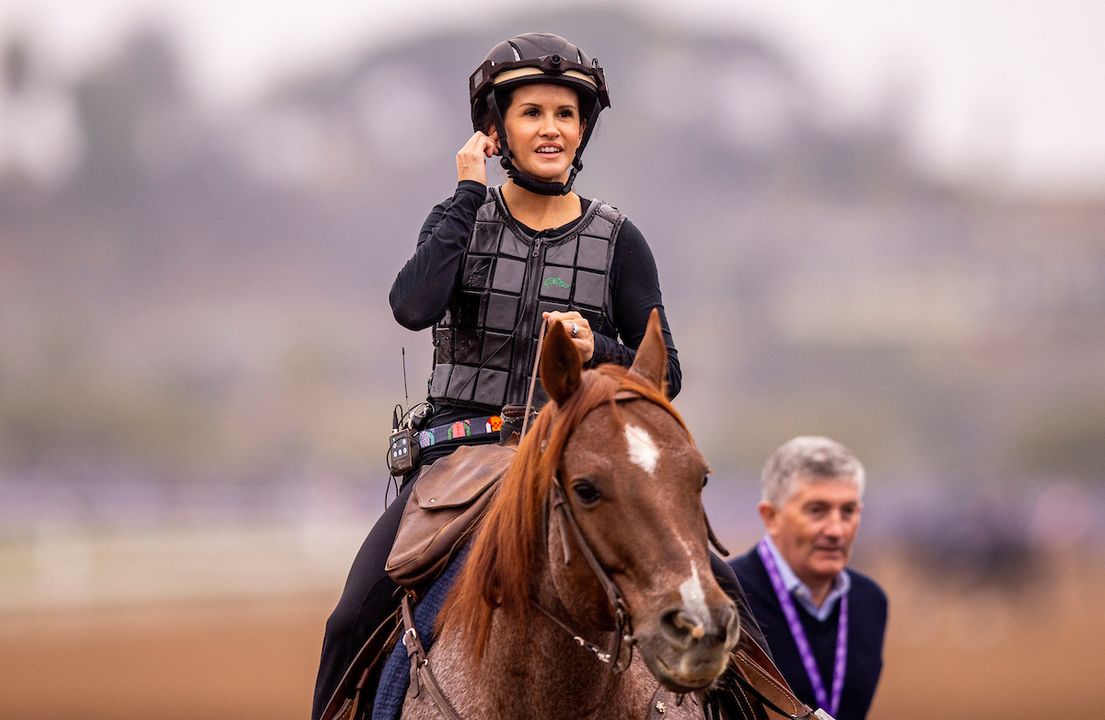
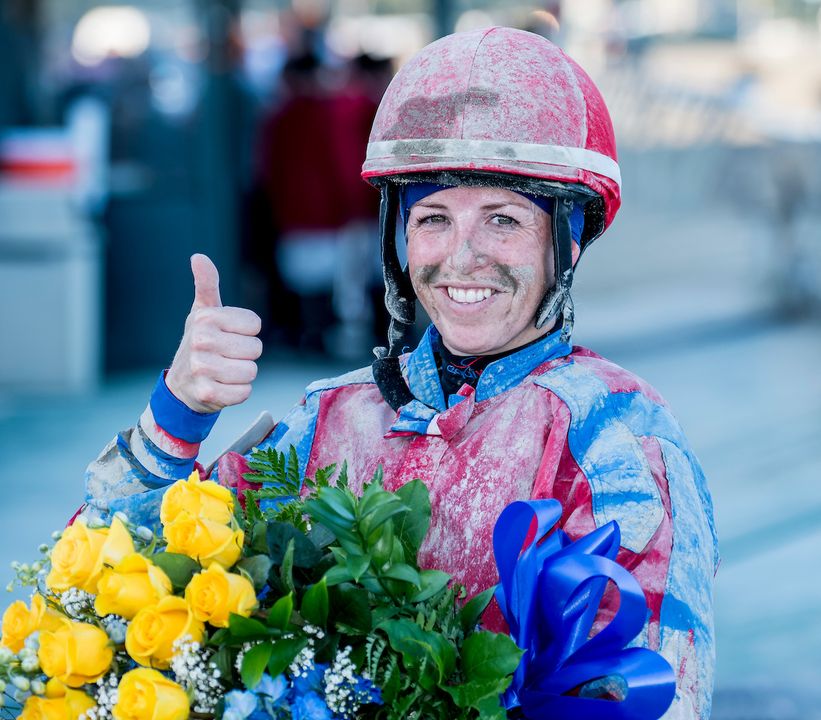
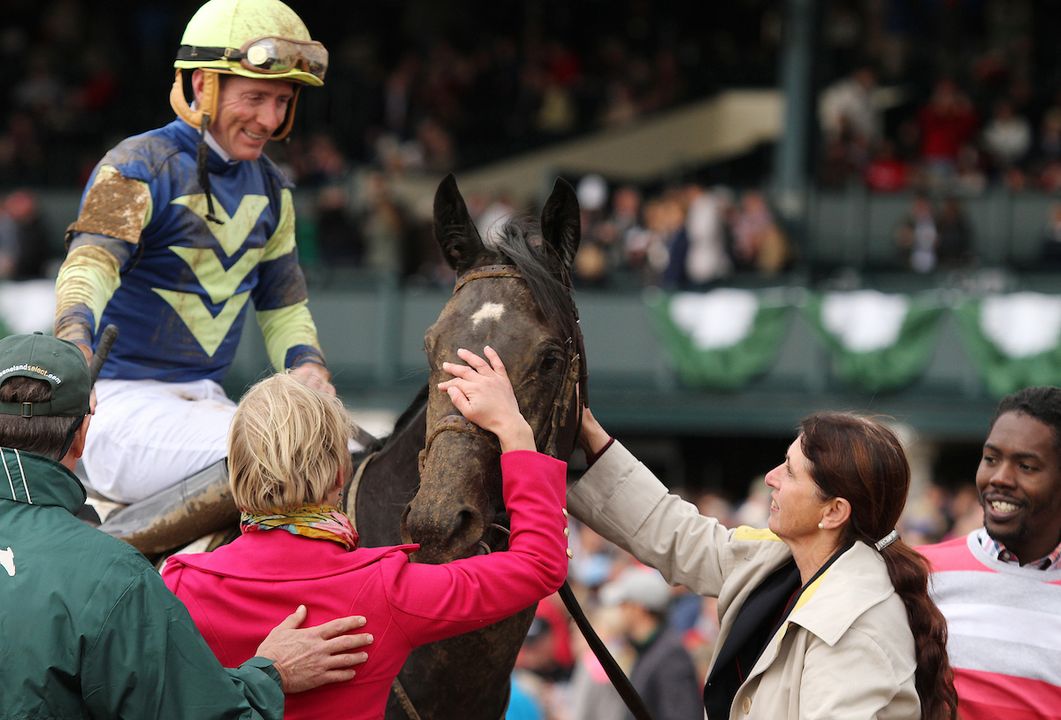
1
31
1,296
Micah Meeks retweeted

Congratulations to the connections! Another win for the Fair Grounds team! Happy to get @CircleBRacing1 back into the winner’s circle!
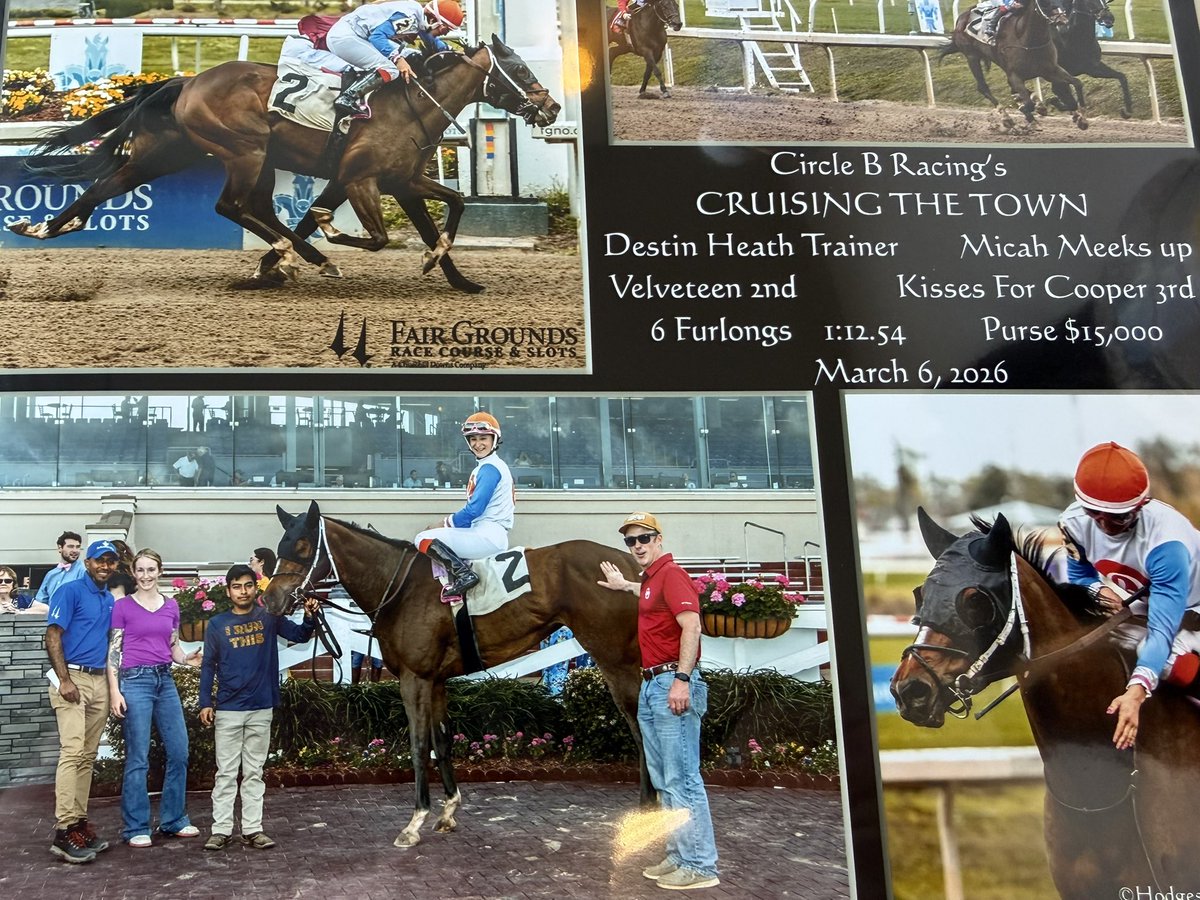
3
39
1,895
Mar 6
So, so grateful for these horses and people!!! It was an incredible day, congratulations to all the connections!!🥰🥳
Mar 6
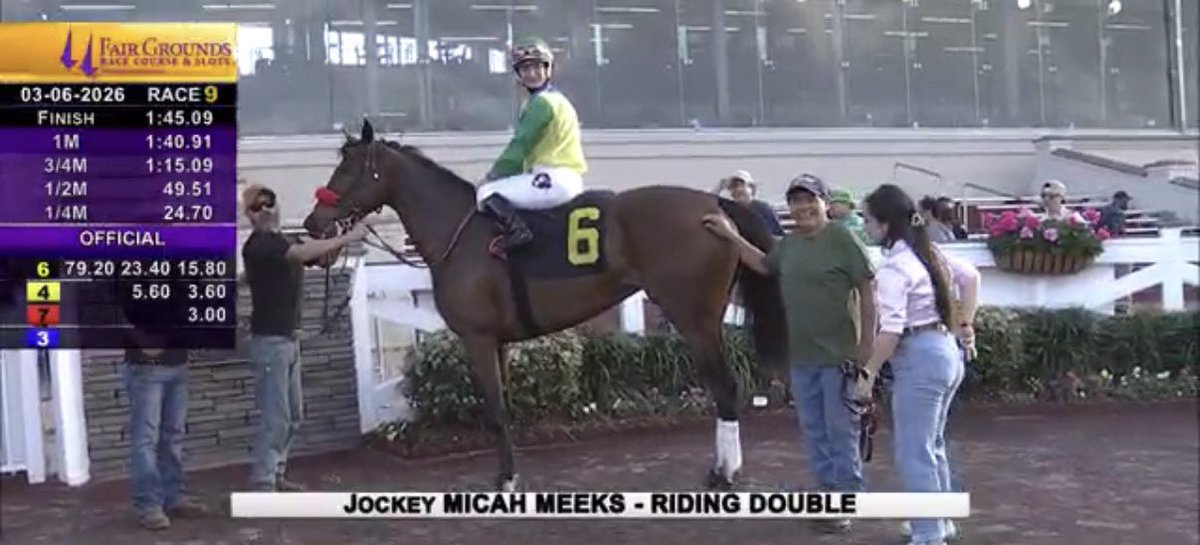
Make it a riding double for 7 lb apprentice (5lb in LA) for Micah Meeks @fairgroundsnola. Congrats to to everyone involved and big thanks to the Rosa Ramirez crew!
3
145
Mar 6
Thank you @DestinHeath !!! Sweetest filly and a well deserved win for a hard working team🫶
Mar 6
Micah Meeks (@ommeeks) takes the 3rd @fairgroundsnola for @D_HRacingstable aboard Cruising the Town!
1
7
483