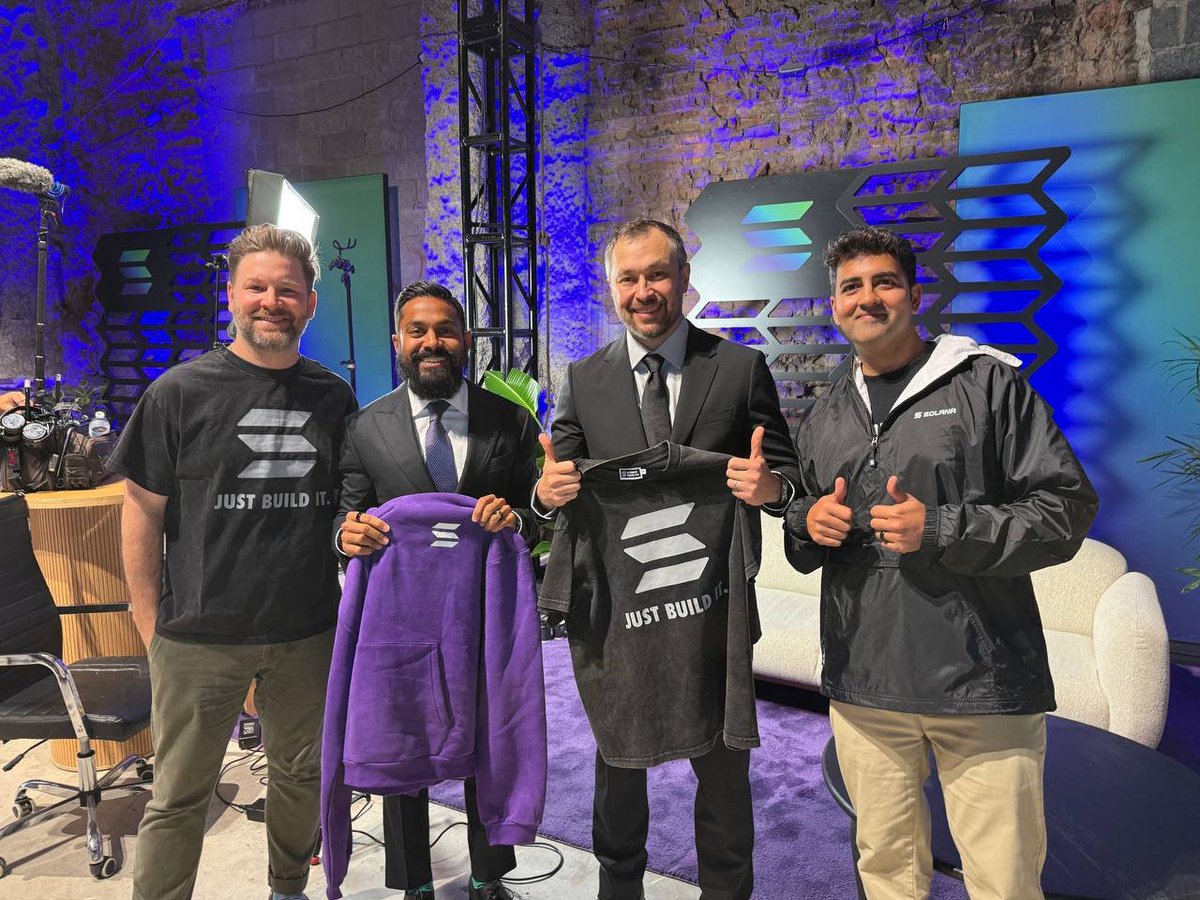
With @Solana, we create open, verifiable, and market-driven research journals. Publish affordably and cite transparently.

Joined April 2025
38 Photos and videos
Pinned Tweet
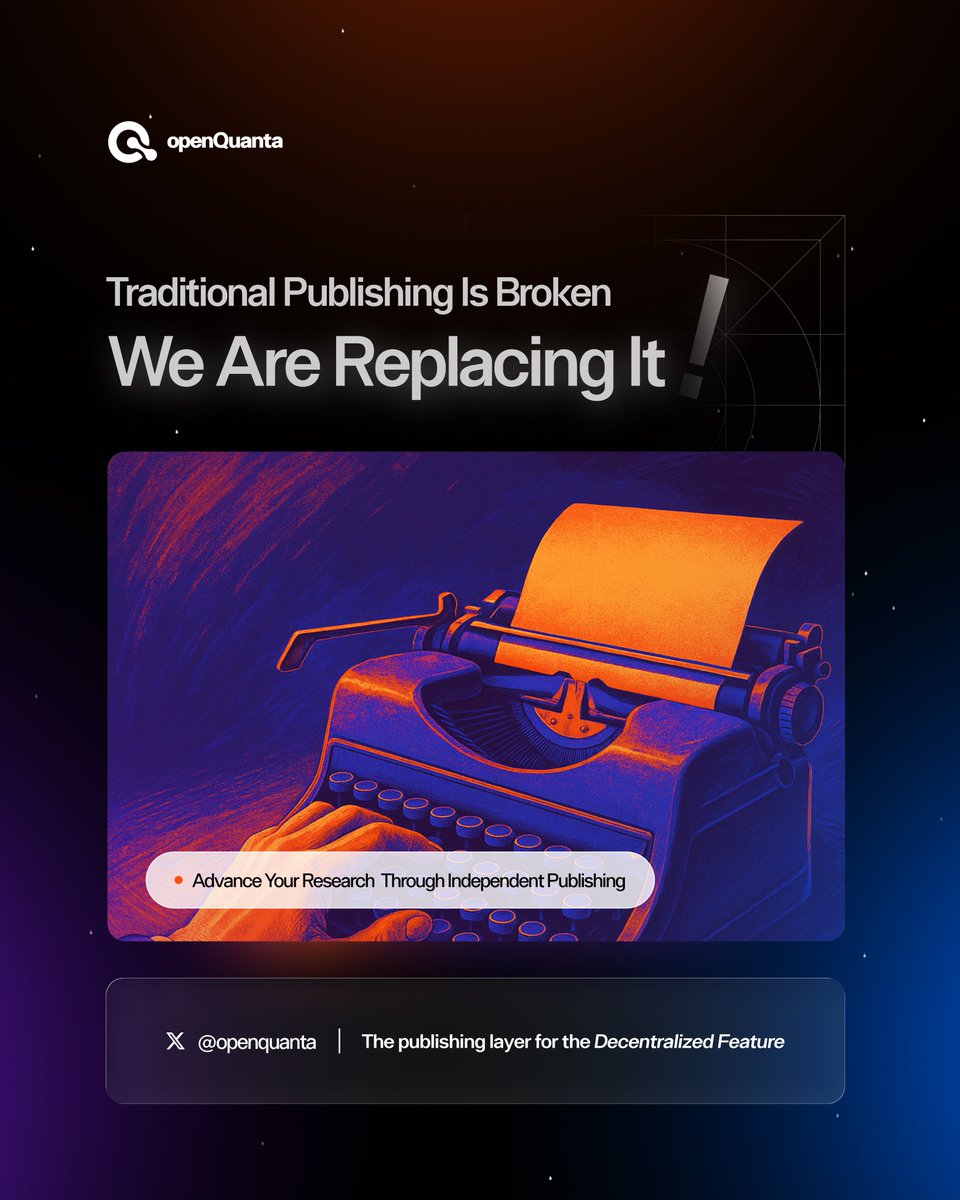
We want to put papers back in the hands of their creators. Every researcher knows this feeling: That moment you sign the copyright transfer. The moment your discovery stops being yours. We're ending this. We put your ownership on-chain. Verifiably and immutable. #DeSci
15
8
40
1,551
openQuanta retweeted
Feb 14
To search the Medicaid Provider Spending dataset: 1. Download it (10.32 GB) from the HHS Open Data platform at healthdata.gov (search for "Medicaid Provider Spending"). 2. It's aggregated tabular data (likely CSV) by provider, procedure code, month (2018-2024). 3. Use Python for analysis: import pandas as pd; df = pd.read_csv('file.csv'); # Filter e.g., df[df['procedure_code'] == 'code'] or df[df['provider_id'] == 'id']. For large files, use Dask. 4. To detect anomalies like fraud, group by code/location and plot trends with matplotlib.
15
260
1,290
161,313
openQuanta retweeted
Today the HHS DOGE team open sourced the largest Medicaid dataset in department history. This dataset contains aggregated, provider-level claims data for a specific billing code over time. For example, using this dataset, it would have been possible to easily detect the large-scale autism diagnosis fraud seen in Minnesota. Download the data yourself: opendata.hhs.gov
1,586
10,309
50,191
50,768,381
openQuanta retweeted
Replying to @PhysInHistory
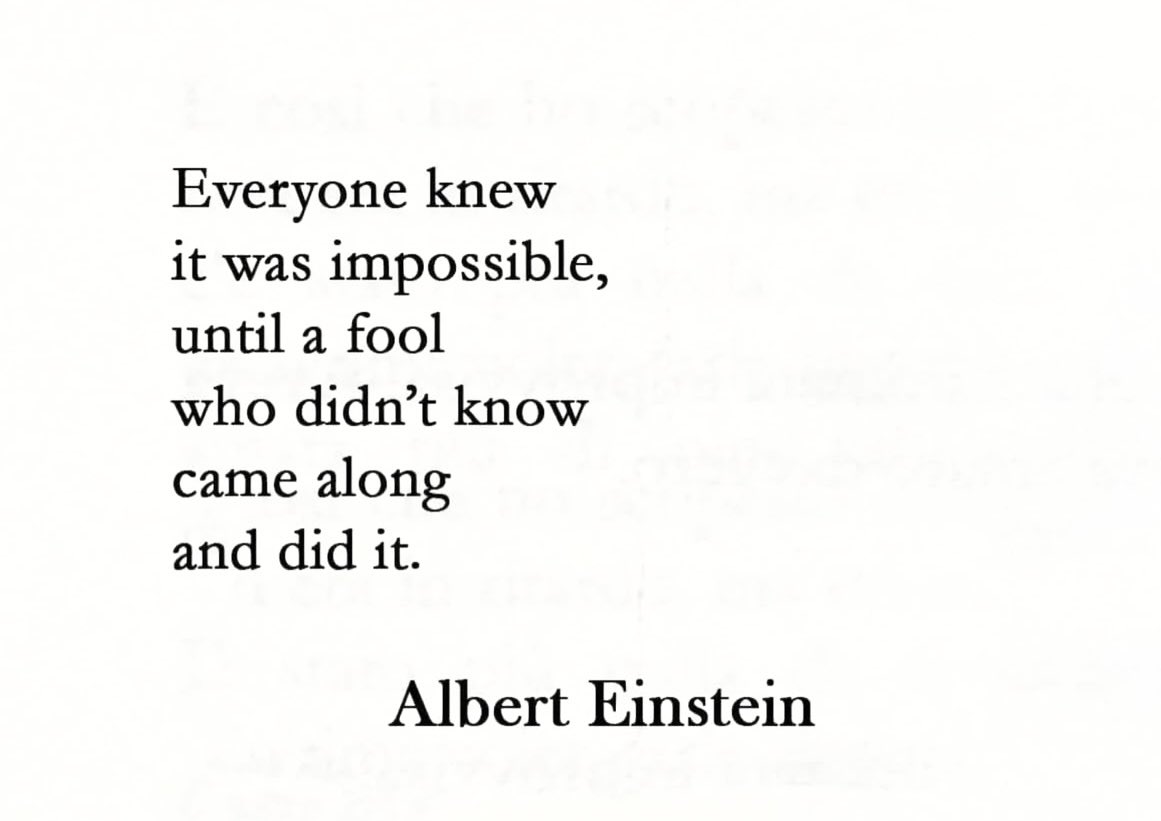
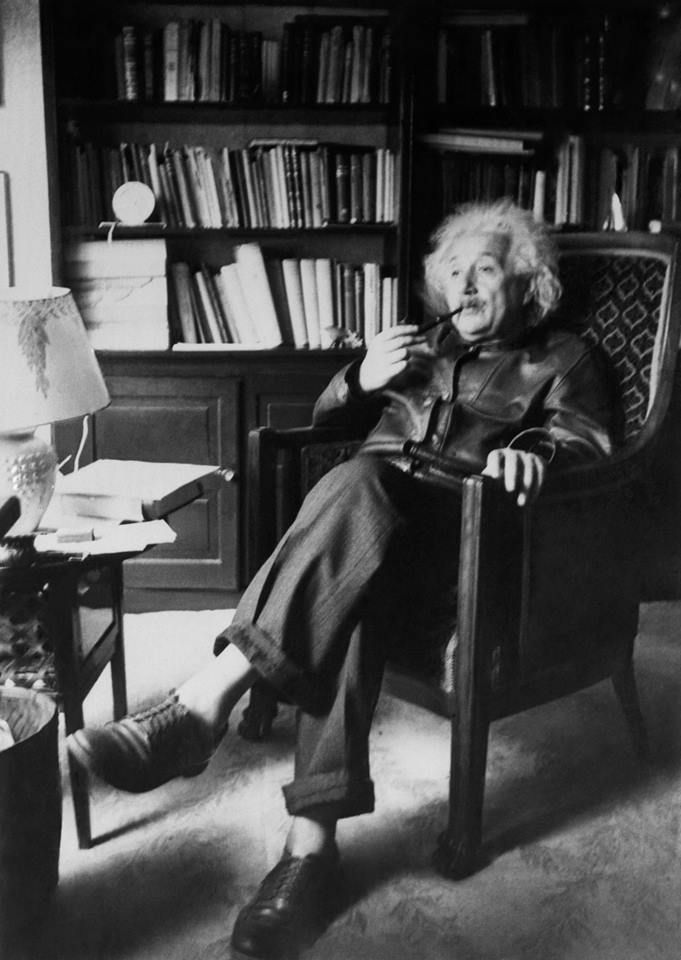
The absence of citations doesn’t mean Einstein worked in isolation or that his work was biased. At the time, citation norms were different, especially in theoretical physics. His arguments stand on logic, mathematical consistency, and empirical testability which we all know as the real validators. A solid foundation doesn’t require constant attribution when the framework is already part of the field’s shared knowledge. Einstein demonstrated full command of that foundation and took end-to-end responsibility for the proof. The fact that his conclusions were later verified independently is the strongest evidence that the work wasn’t even fiction, bias, or guesswork. It's obviously a rigorous execution.
1
1
29
3,888
openQuanta retweeted
This is one understanding I wish still influence modern day mainstream academia. Very interesting.
Replying to @PhysInHistory
The absence of citations doesn’t mean Einstein worked in isolation or that his work was biased. At the time, citation norms were different, especially in theoretical physics. His arguments stand on logic, mathematical consistency, and empirical testability which we all know as the real validators. A solid foundation doesn’t require constant attribution when the framework is already part of the field’s shared knowledge. Einstein demonstrated full command of that foundation and took end-to-end responsibility for the proof. The fact that his conclusions were later verified independently is the strongest evidence that the work wasn’t even fiction, bias, or guesswork. It's obviously a rigorous execution.
1
1
37
openQuanta retweeted
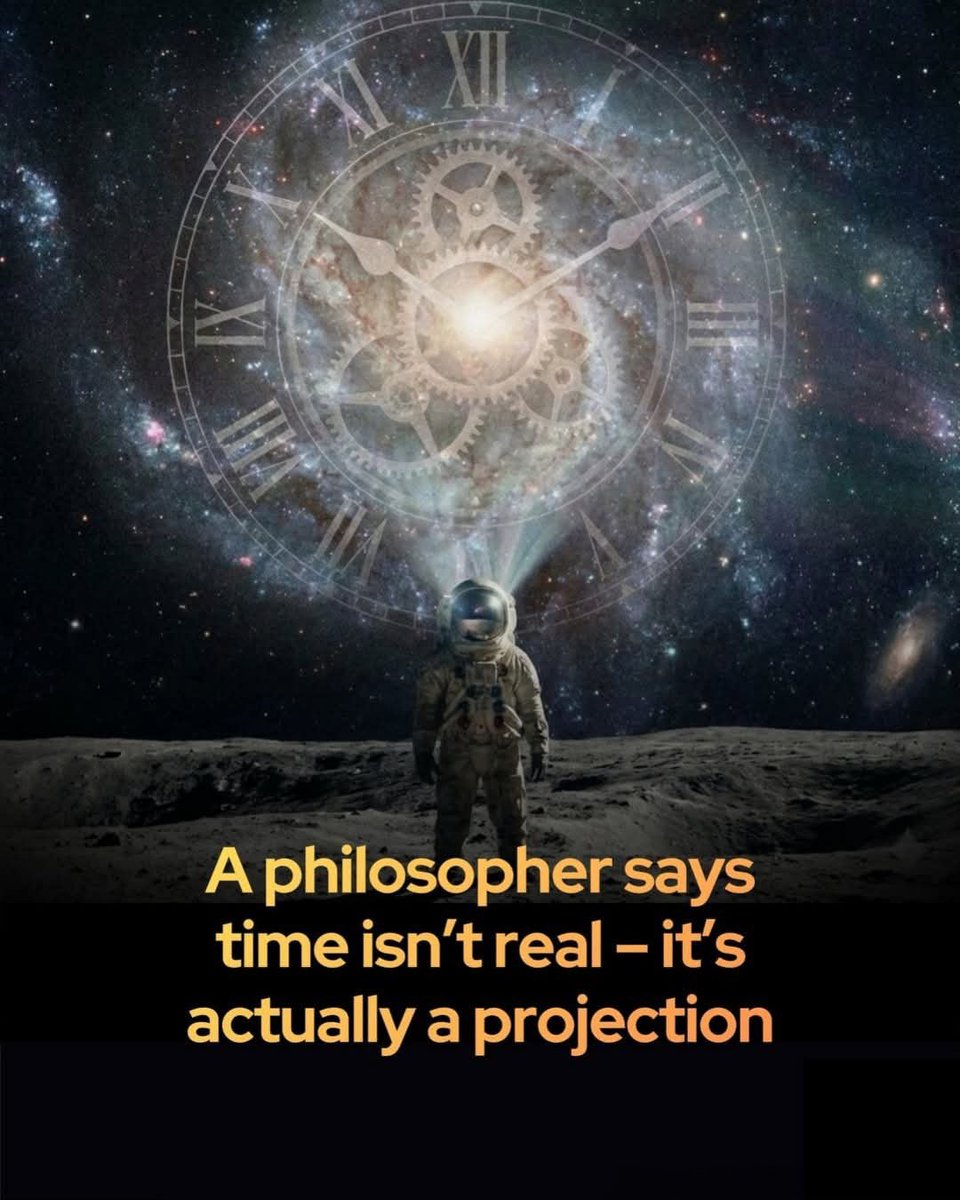
Past, present, and future may all exist at once. Here’s why your experience of “now” might be a mental glitch. What if time doesn’t actually move? Philosopher Adrian Bardon proposes that our sense of time “flowing” is just a mental glitch—a cognitive construction rather than a feature of the universe itself. In his latest book, Bardon draws on physics and neuroscience to argue that our perception of time is not about time itself, but how our brains interpret change. Much like we don’t see infrared light or hear ultrasound, we don’t perceive time directly—we manufacture the experience internally. This idea aligns with modern physics. Einstein’s theory of relativity shattered the concept of an absolute present, showing that time is relative depending on your speed and position. Today, physicists often describe the universe as a four-dimensional “block” where past, present, and future all coexist. In that model, nothing actually flows; instead, we experience different slices of reality as if we’re flipping through the frames of a film. Bardon suggests that our brains impose the illusion of movement—just like they assign color to wavelengths or pain to injury—giving us a narrative of time that feels real, but might not be. Source: Bardon, A. (2025). "What is time? Rather than something that ‘flows,’ a philosopher suggests time is a psychological projection." The Conversation.
41
72
239
8,496
Honored to be recognized by @SuperteamNG as foundational infrastructure in the ecosystem. As they said: "A seamless infrastructure is what converts innovation into real adoption." That's the mission with openQuanta - believe it, that's what publishing should be in today's world and we're building it.
1
2
7
122
openQuanta retweeted
Replying to @PhysInHistory
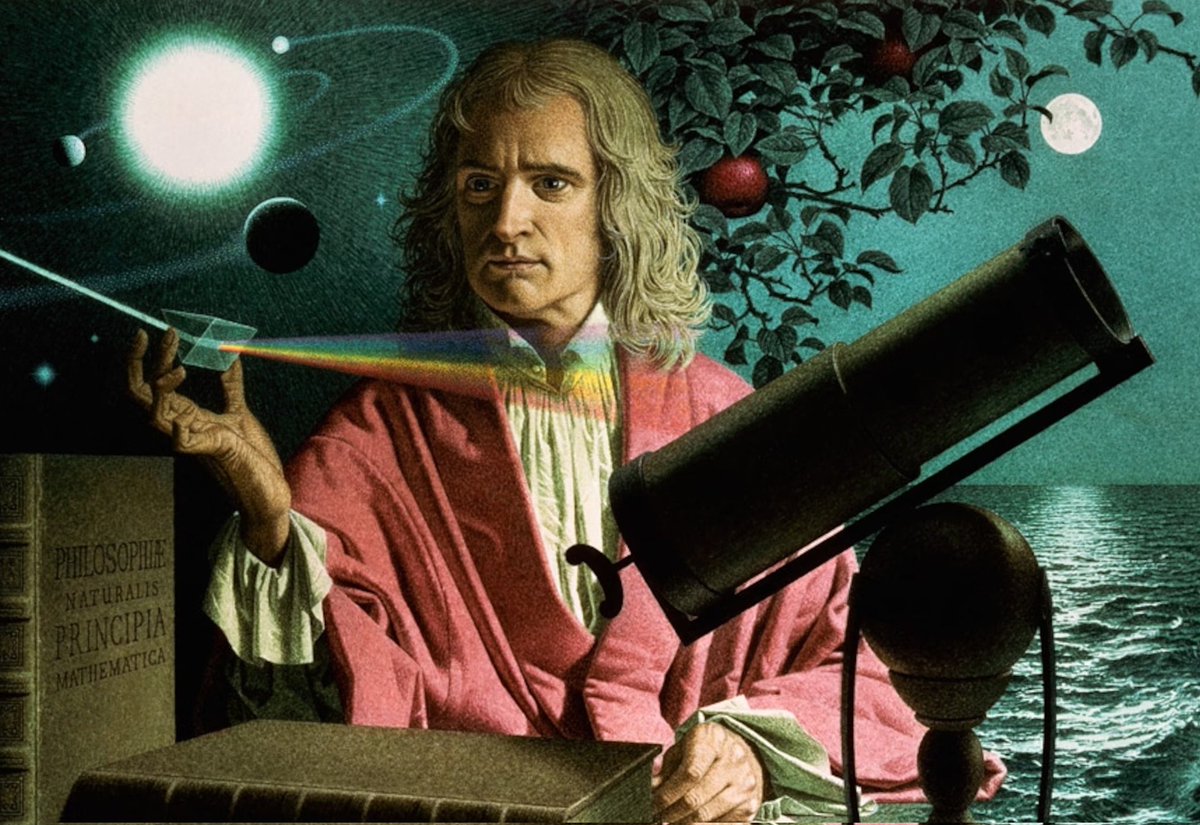
This are creativity unmatched Researchers who never sleep What we know is just a drop What we don't know is a deep ocean _Isaacs Newton
1
1
8
183
openQuanta retweeted
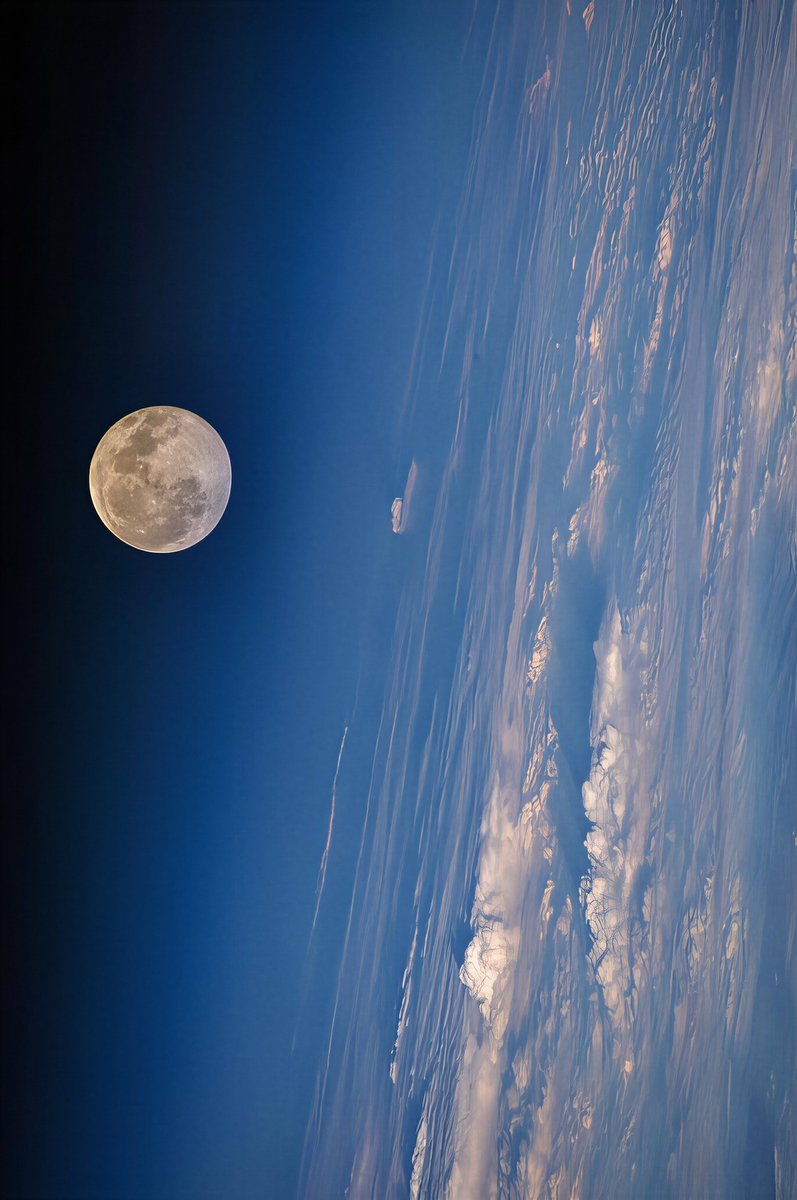
🚨Tonight is the first full Moon of the year, the Wolf Supermoon 🌕
104
708
5,245
114,191
This is my professor’s funny way of wishing us. "Happy New Year student, a calm reminder that a PhD is not a degree but a lifestyle, a mental exercise, and a very long group chat with stress" Then he smiles and adds "you’ve entered another year of researching things nobody understands - including ourselves - but I'm proud of you anyway"😆 HAPPY NEW YEAR #HappyNewYear2026
HAPPY NEW YEAR
1
7
84
2026 will be a banger
Happy New Year! 2026 will be a banger
1
3
122
HAPPY NEW YEAR
4
8
185
Big year
Jan 1
Big year
1
1
4
172
31 Dec 2025
We're amazed with our journey of building the greater good for researchers Join us as we move into the next 356.... Happy New Year #DeSci #HappyNewYear2026
1
7
75
openQuanta retweeted
In so far as theories of mathematics speak about reality, they are not certain, and in so far as they are certain, they do not speak about reality. - Albert Einstein
80
145
715
35,225
openQuanta retweeted
The future of AI is QUANTUM!
Mustafa Suleyman on why the AGI race is FAKE, the coming $1 million agent revolution, and Microsoft's ultimate plan for self-sufficiency. - The new Turing Test: agents turning $100K into $1M in the real economy - Containment > alignment in the short term - Why AI personhood is an extinction-level mistake - Short-term social unrest is inevitable - How AGI is bigger than math, science, or any single discovery (00:00) - The Evolution of AI and Microsoft's Role (09:12) - Economic Benchmarks for AI Agents (18:37) - The Future of AI in Science and Engineering (27:54) - AI Alignment and Containment Strategies (36:42) - Anthropomorphism and AI Personhood (46:10) - The Role of AI in Government and Society @mustafasuleyman is the CEO of Microsoft AI and a co-founder of DeepMind and Inflection AI. He joined me, @DavidBlundin, and @alexwg for a conversation on why the “AGI race” is a misleading frame, how AI agents will reshape the economy before they solve scientific problems, the potential for future social unrest, and why AI legal personhood is a red line for human survival.
15
27
182
27,472
25 Dec 2025
Merry Xmas Drop those lenses and have fun with home. Opensanta from openQuanta #Christmas
1
2
7
212
openQuanta retweeted
22 Dec 2025
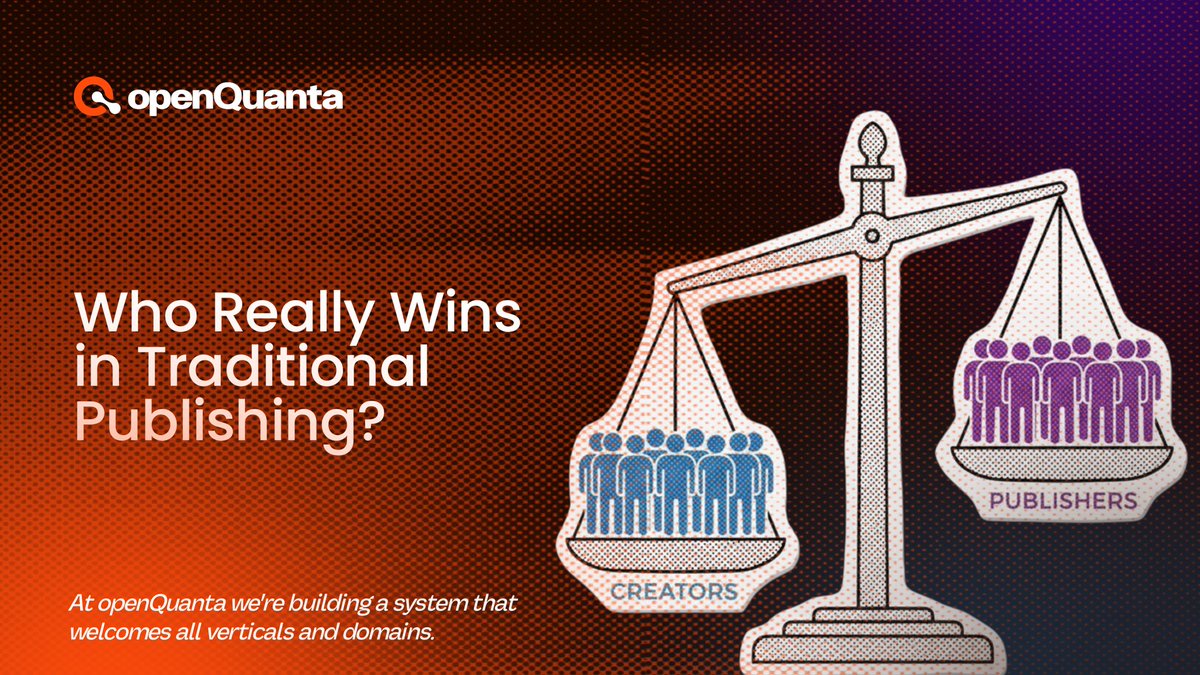
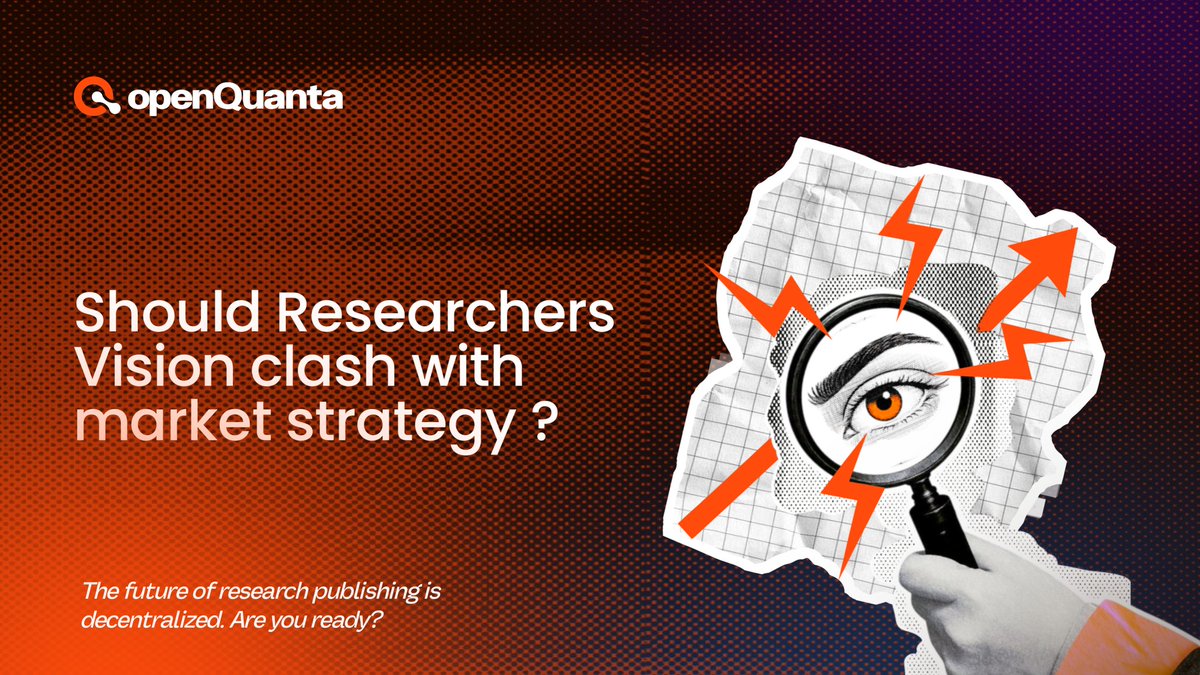
Researchers are increasingly moving away from publishing solely for academic recognition. Because, they're seeing their work as something that can engage with decentralized finance ecosystems - what we call DeSci. It's a model designed to enable authors to self-publish in ways that maximize both income and exposure, while retaining greater ownership over their research. We're building a community of onboarding researchers who are exploring this together; feel free to join. 👇
3
4
9
240
22 Dec 2025
Researchers are increasingly moving away from publishing solely for academic recognition. Because, they're seeing their work as something that can engage with decentralized finance ecosystems - what we call DeSci. It's a model designed to enable authors to self-publish in ways that maximize both income and exposure, while retaining greater ownership over their research. We're building a community of onboarding researchers who are exploring this together; feel free to join. 👇
3
4
9
240
22 Dec 2025
Honestly, the question isn't whether this model will grow - it's whether you want to understand it early or figure it out later when everyone else already has. We're building this out as a group, sharing what works and what doesn't. We've seen creators earn more from tokenized royalties in months than they did in years of traditional publishing. This infrastructure can work for researchers who've decided to try it. What's your biggest question about this model? 👇 discord.gg/XHhnpqsB4
3
57