poetry | law | staying afloat
Joined May 2021
- Tweets 3,685
- Following 1,101
- Followers 1,174
- Likes 13,491
67 Photos and videos




Pinned Tweet

24 Nov 2025
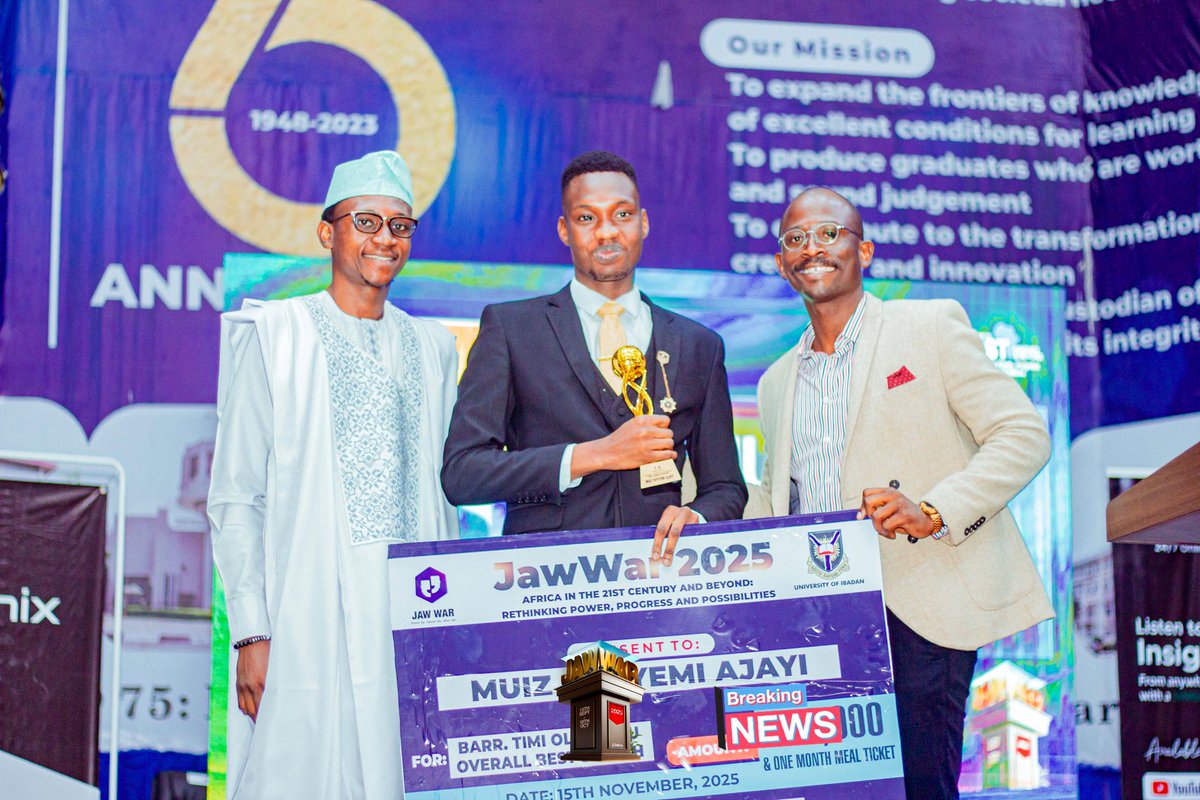
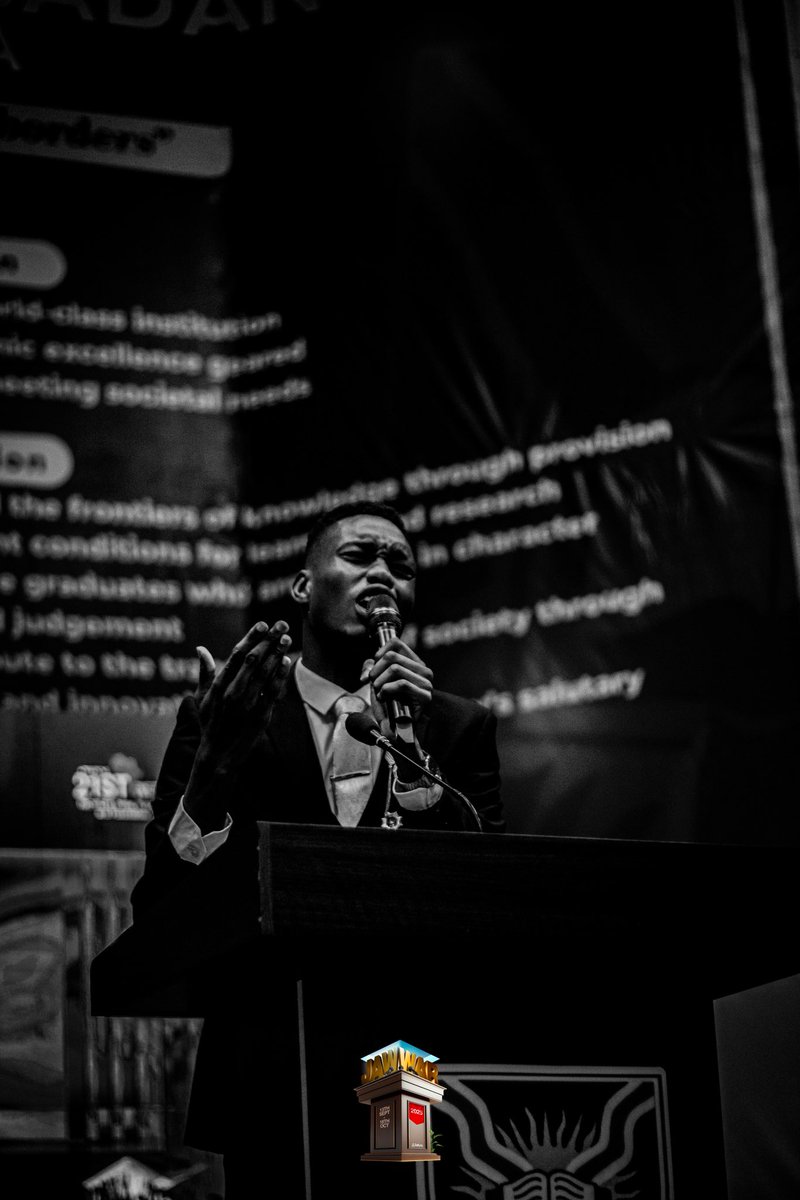
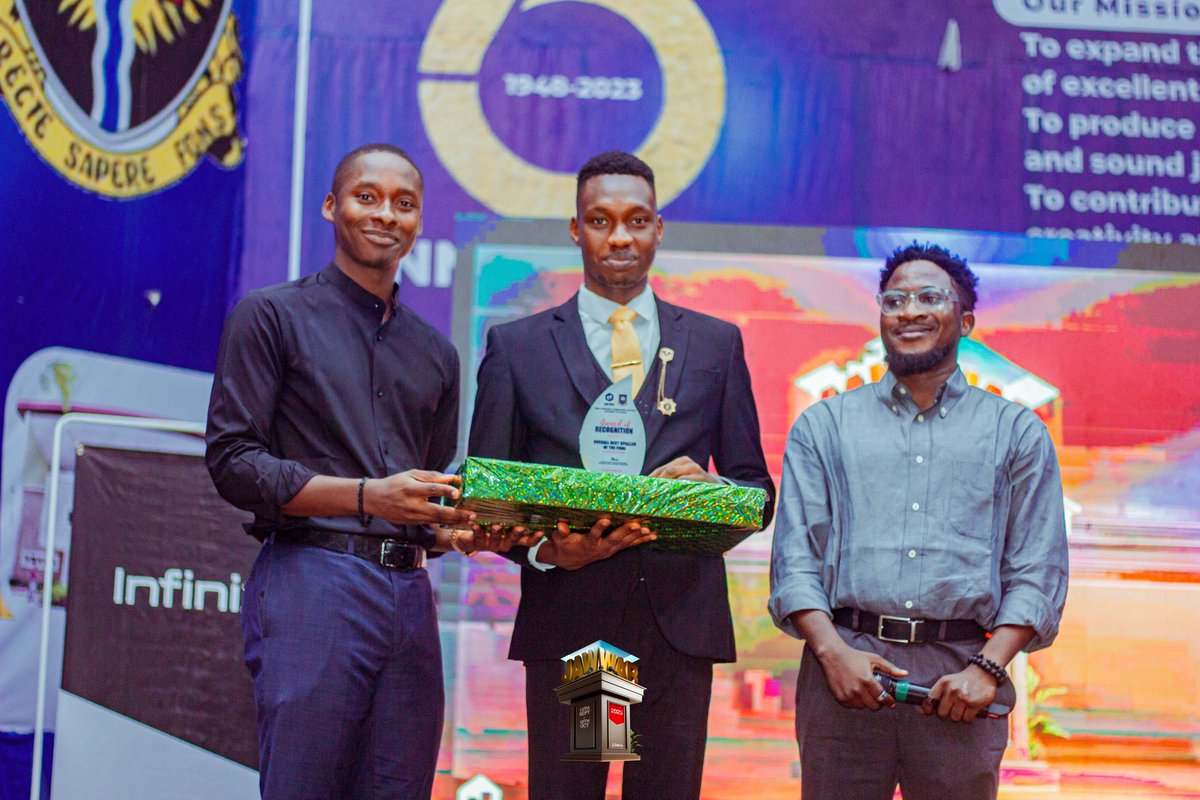
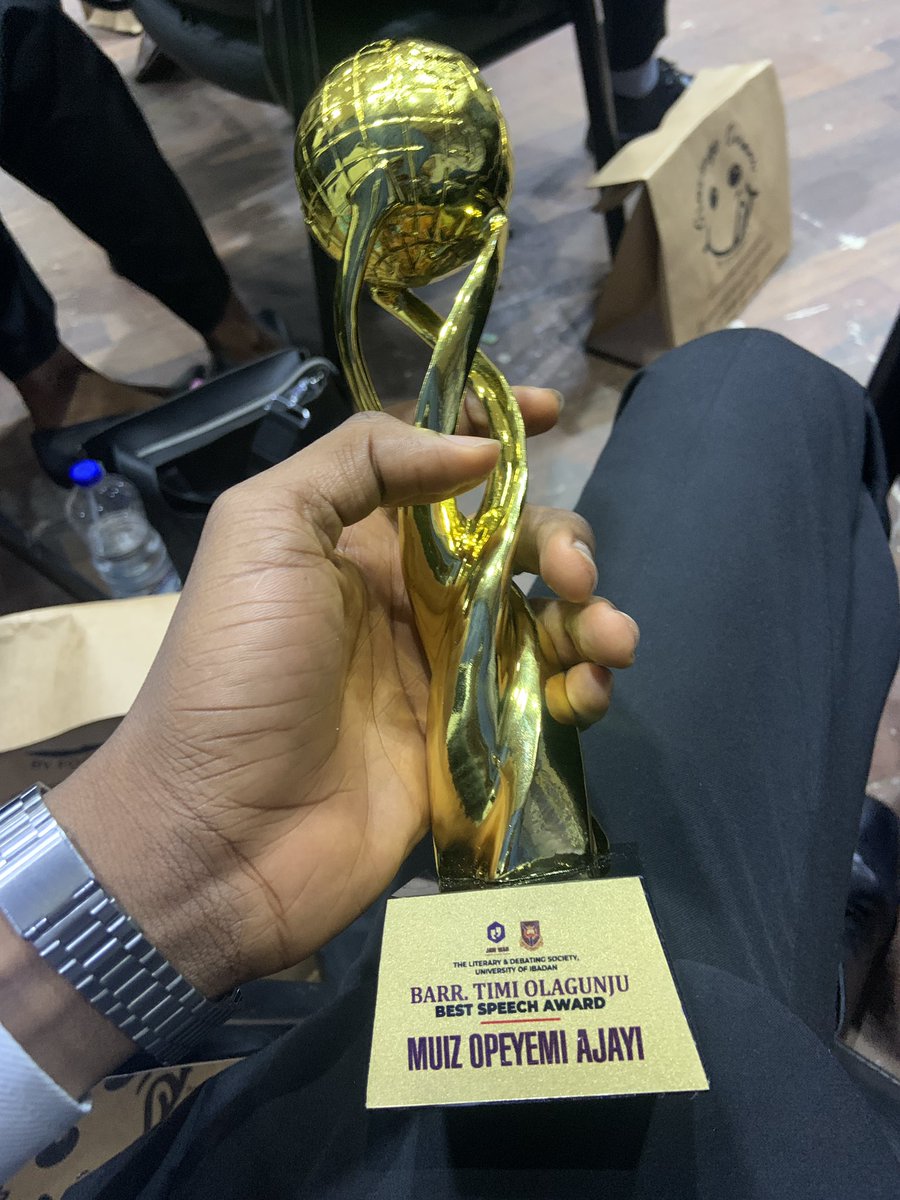
—winner, JawWar 2025
—overall best speech, JawWar 2025
—overall best speaker of the final, JawWar 2025
got a brand new laptop phone plot of land cash prize courtesy @jawwar_ui .
hamdan.🫢
24 Nov 2025

i won the biggest public speaking competition in sub-Saharan Africa. & bagged two personal awards while at it.
31
38
308
10,659
muiz opeyemi ajayi 🍉 retweeted

STOP RAPING WOMEN‼️
STOP RAPING WOMEN‼️
STOP RAPING WOMEN‼️
STOP RAPING WOMEN‼️
STOP RAPING WOMEN‼️
STOP RAPING WOMEN‼️
STOP RAPING WOMEN‼️
STOP RAPING WOMEN‼️
STOP RAPING WOMEN‼️
STOP RAPING WOMEN‼️
STOP RAPING WOMEN‼️
636
10,659
36,770
614,884
a lie from the pits of hell.
Feb 17

UI reserves 45% of places for merit, 35% for catchment areas, and 20% for ELDS.
122
muiz opeyemi ajayi 🍉 retweeted

Feb 16
Jolaade, Nasirudeen Adedolapo.
B.Sc. Statistics, First Class Honors.
Did it joh! 😎
Get in. 😌
Comeback boy. 😋
90 7 golden goal!
8 Mar 2025

I saw my result in the morning, took the L, came back to it after Iftar and I became sad.
44 courses, 31 A's, 8B's and I am not on a first class 😂💀. I just called my guardians and informed them. I was even surprised they took it in good spirit.
Time to focus on writing. 😊
58
58
726
32,053

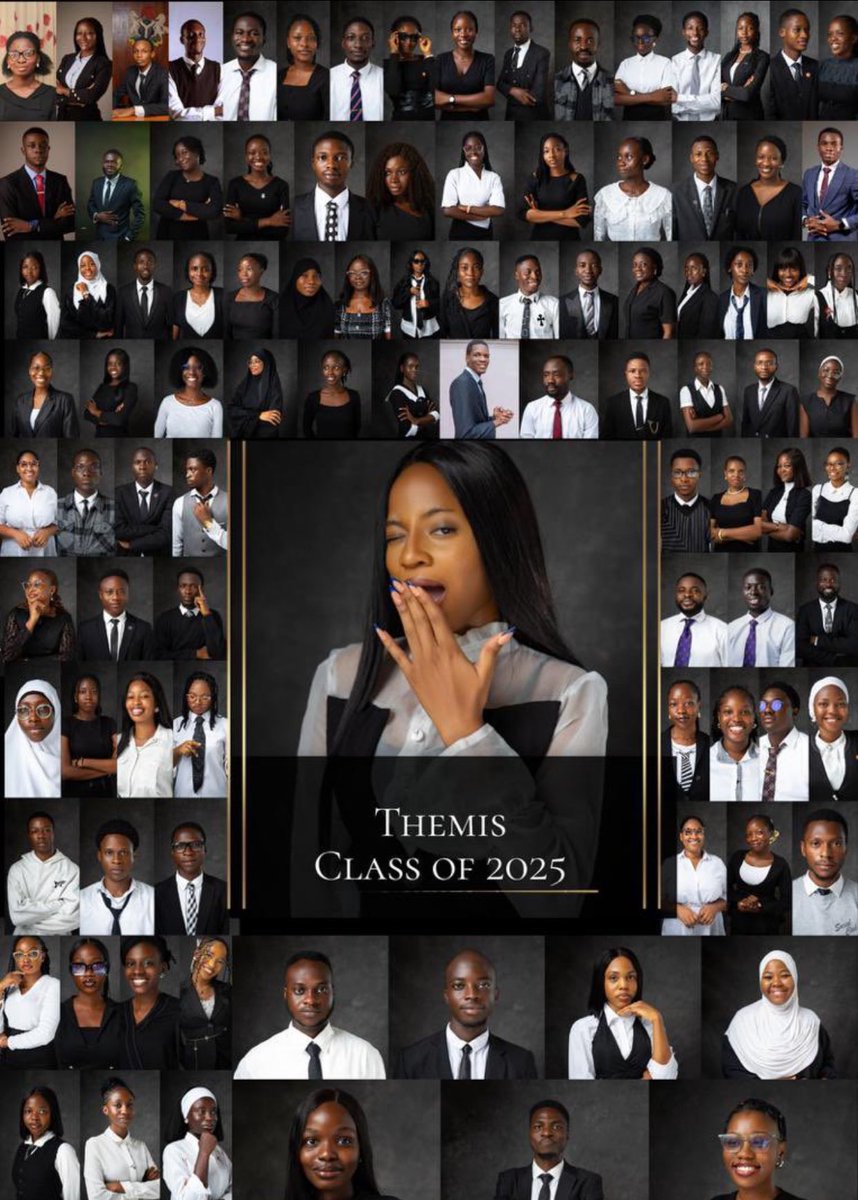
58 First Class Graduates
This is not chance.
This is discipline,resilience,sleepless nights,and relentless excellence.
Congratulations to LLB’25 your hard work has written history.⚖️✨
You did not just pass.
You raised the standard.
E.signed:LSS UI ,The Leading Edge Team’26
9
74
427
6,416
muiz opeyemi ajayi 🍉 retweeted

Feb 16
I graduated with an LL.B (Hons), First Class from the University of Ibadan. 🤍
I went from a 3.43 CGPA to finishing with a 3.57/4.0, entering First Class for the first time in my final year. I battled severe anxiety, but I kept showing up.
God did!
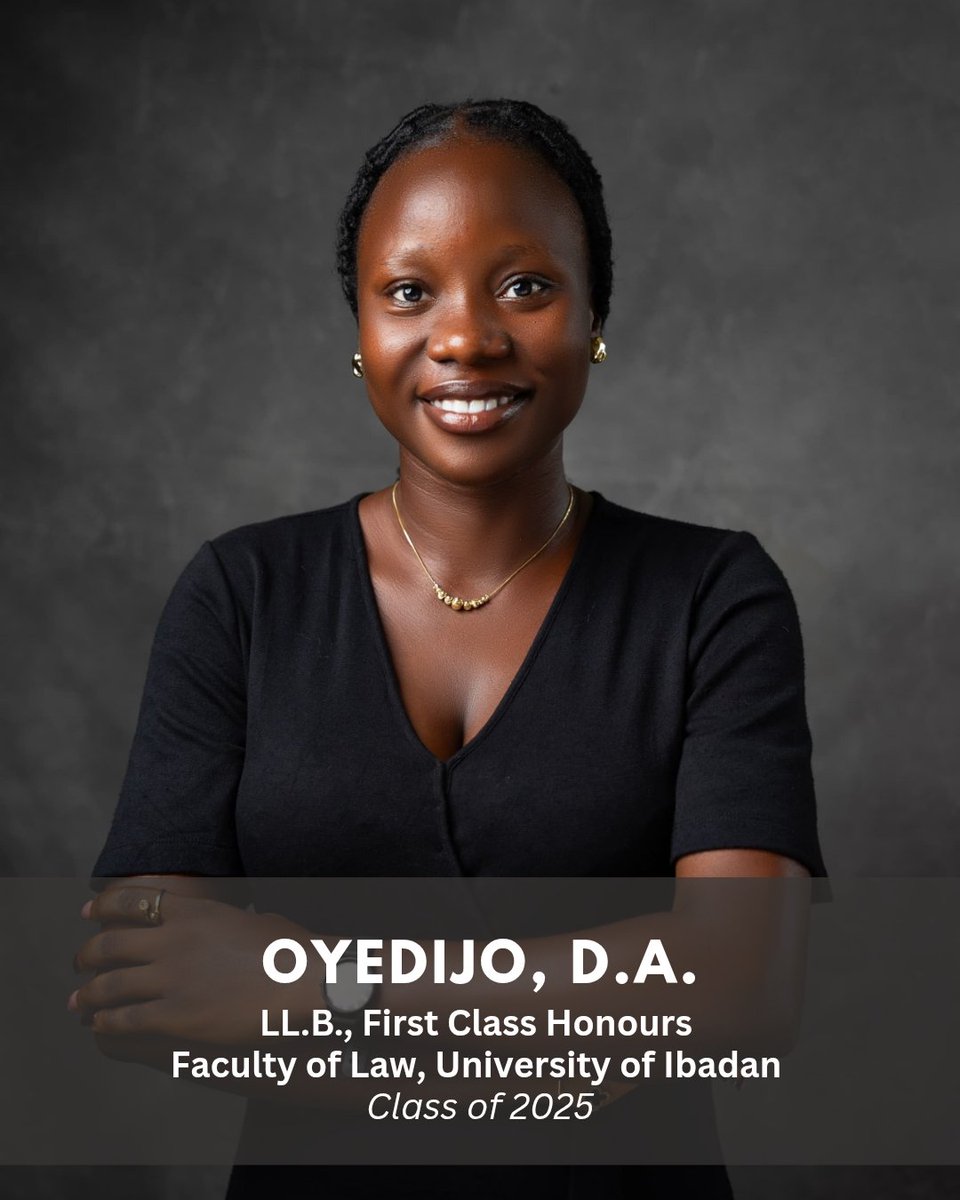
ALT My final-year law project was titled: “Music Streaming and Royalty Protection in Nigeria: The Limits of the Copyright Act 2022.” I am interested in licensing, publishing, and rights management within the Music Business and Entertainment Law space, including Intellectual Property (IP). I am actively seeking opportunities, internships, or projects in these areas to learn, grow, and contribute meaningfully.
355
501
4,992
65,577
muiz opeyemi ajayi 🍉 retweeted

Guyssss, Duchess passed through all this and consistently wrote notes for us, her classmates every single semester in every single course she was taking. And let's not forget how she did her class rep duties excellently well. Class rep of the best UI law set.🥺🥺🥺❤️

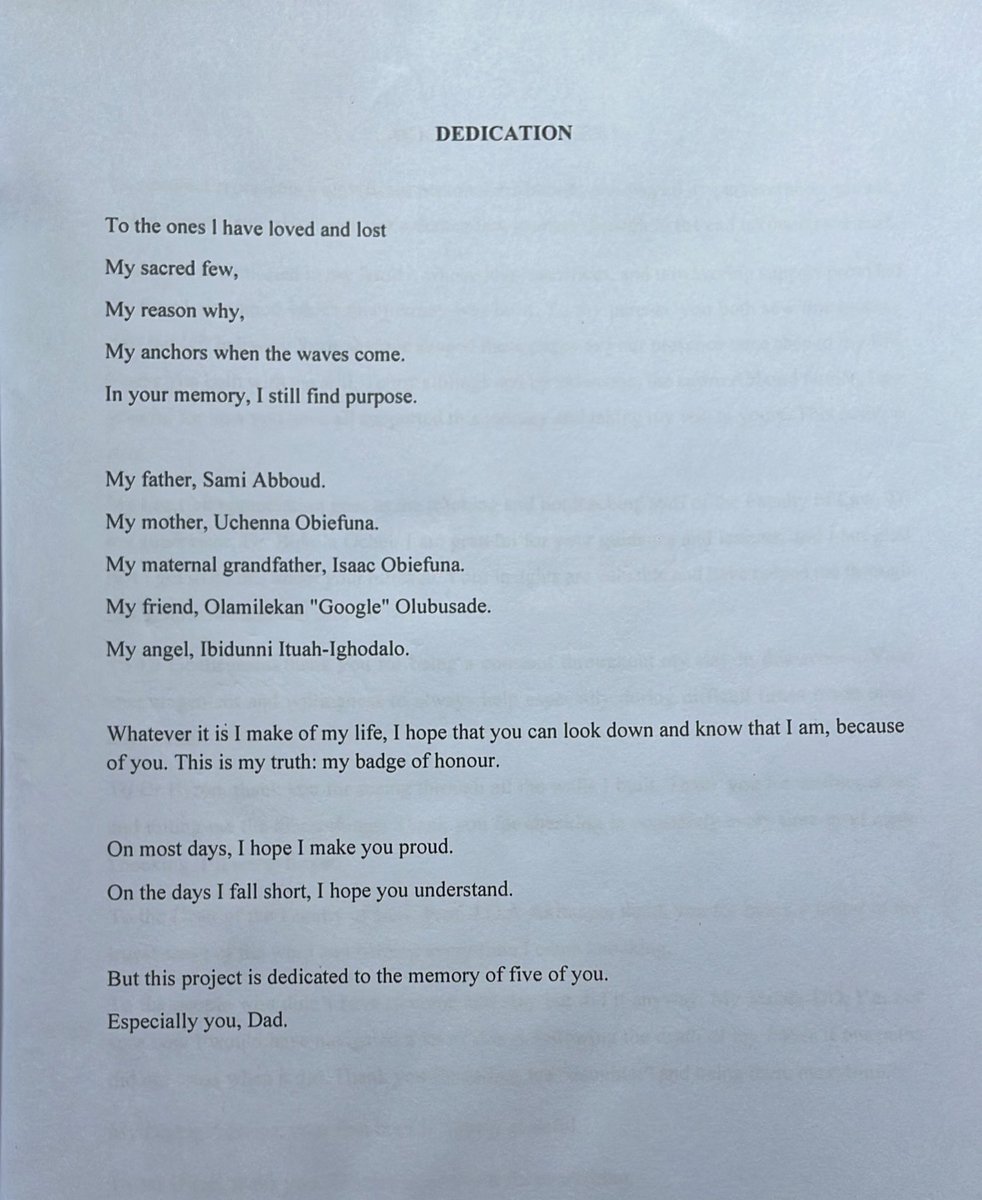
Mehnnnn it’s those that know me that will understand why this degree is a big deal! The last 6-ish years have been something!
Lost one of my best friends
Lost my father
Lost my mother
Got diagnosed with MDD amongst other things.
I can’t even begin to explain in details!
Somehow I’m still here! And I did it!
I really did!🥹
1
11
114
7,333
muiz opeyemi ajayi 🍉 retweeted

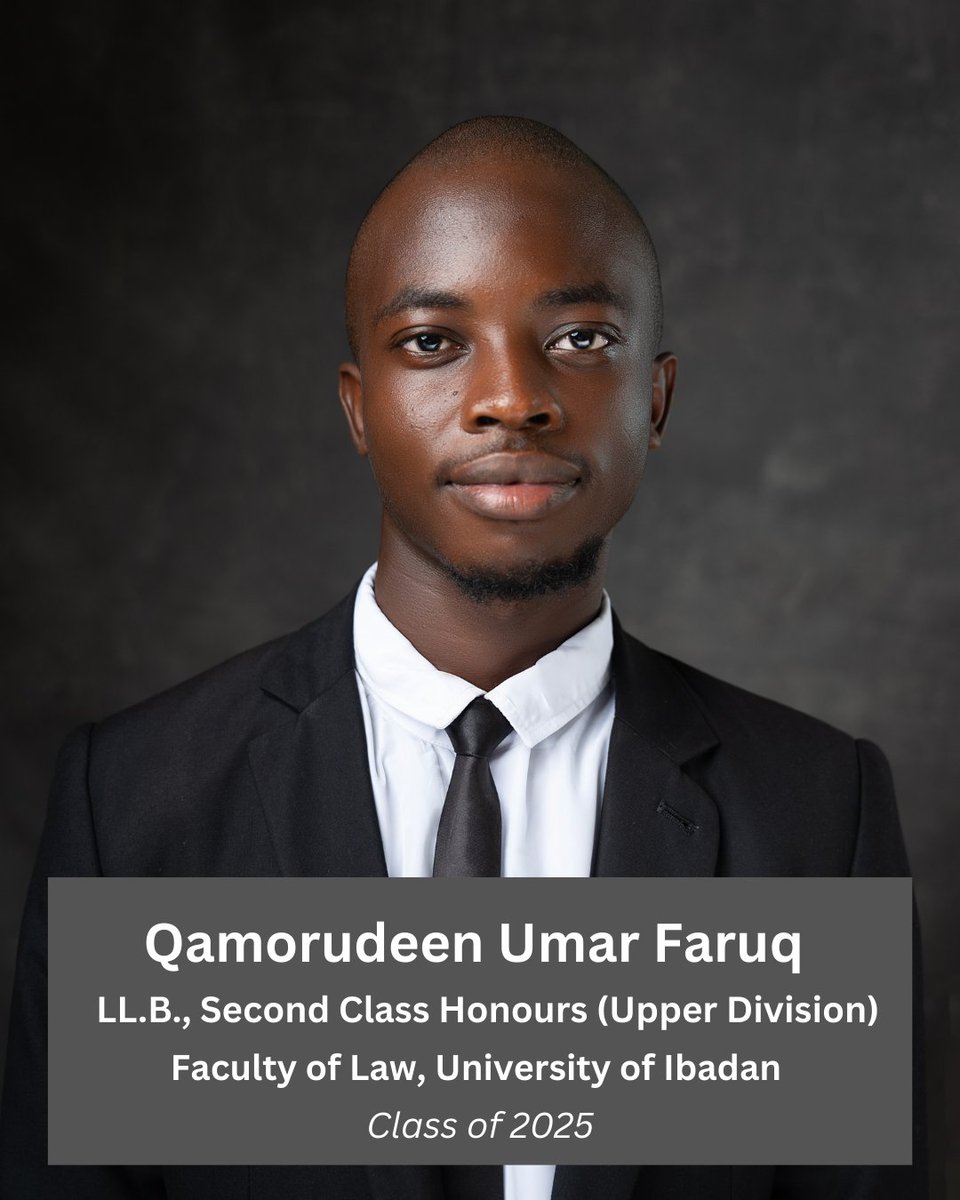
Introducing:
Qamorudeen Umar Faruq
LL.B., Second Class Honours (Upper Division)
Faculty of Law, University of Ibadan.
Class of 2025.
Feb 16

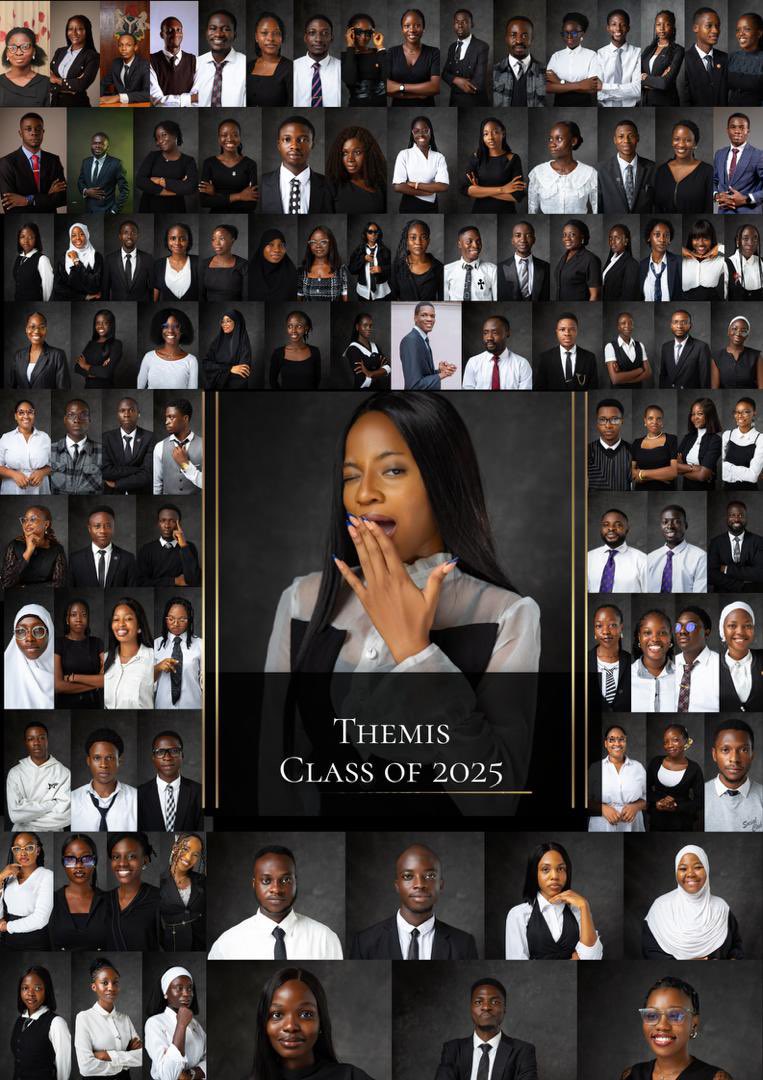
First Class Honours: 58
Second Class Honours, Upper Division: 71
Second Class Honours, Lower Division: 17
Everybody tell us congratulations 🎉 🥳
30
24
203
4,185
muiz opeyemi ajayi 🍉 retweeted

Feb 16
First Class Honours: 58
Second Class Honours, Upper Division: 71
Second Class Honours, Lower Division: 17
Everybody tell us congratulations 🎉 🥳
63
307
2,226
191,001
muiz opeyemi ajayi 🍉 retweeted

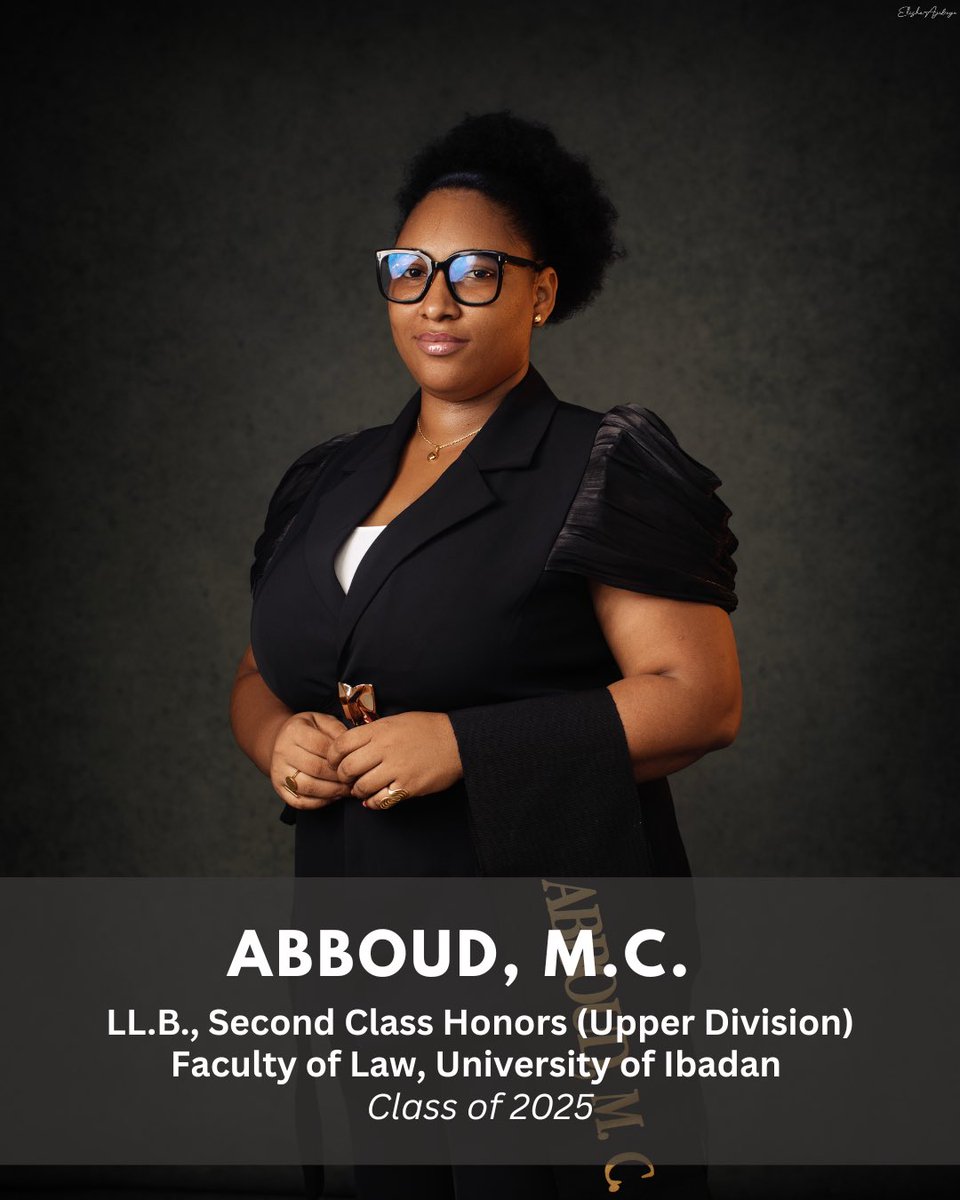
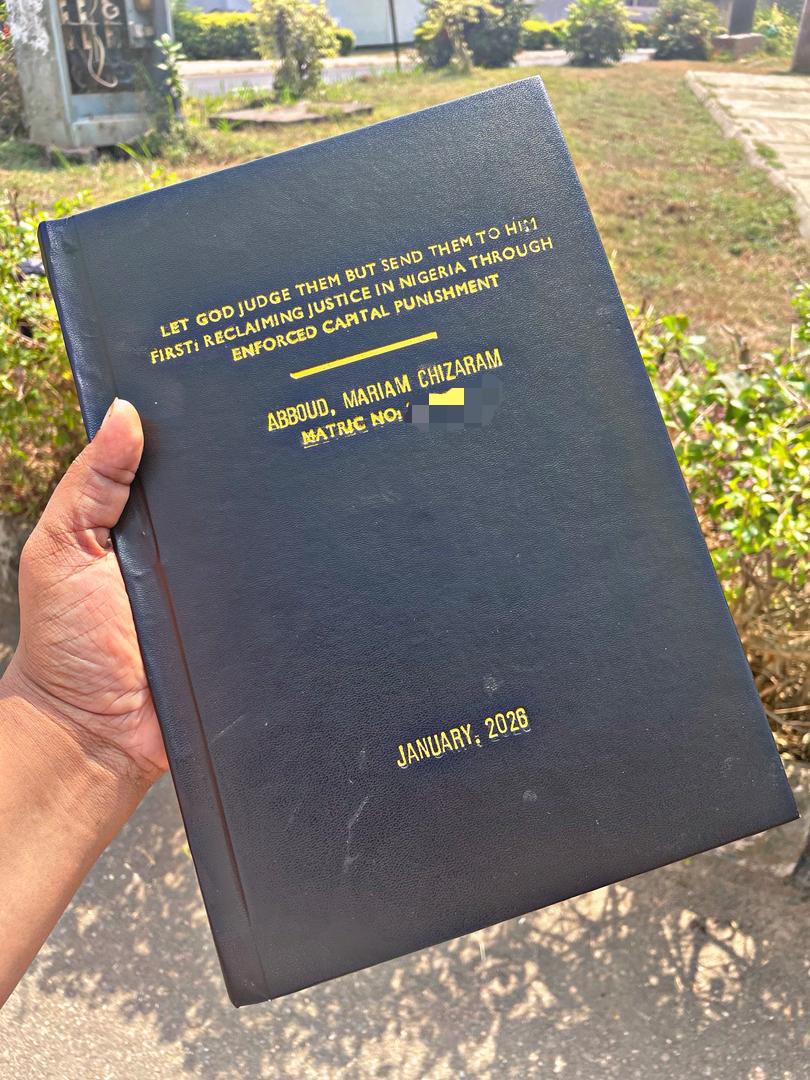
Reintroducing,
ABBOUD, M.C.
LL.B., Second Class Honors (Upper Division)
First in my bloodline to get past high school! Dad and Mom, I know you’re proud.🥹🤍🖤🕊️
325
823
4,728
507,767
muiz opeyemi ajayi 🍉 retweeted

Feb 17
UI is probably the only public institution in the country that stands for meritocracy
If they say 100% of the class had a first class, best believe they did
Let’s know what we’re doing
4
111
456
12,155
muiz opeyemi ajayi 🍉 retweeted

Feb 17
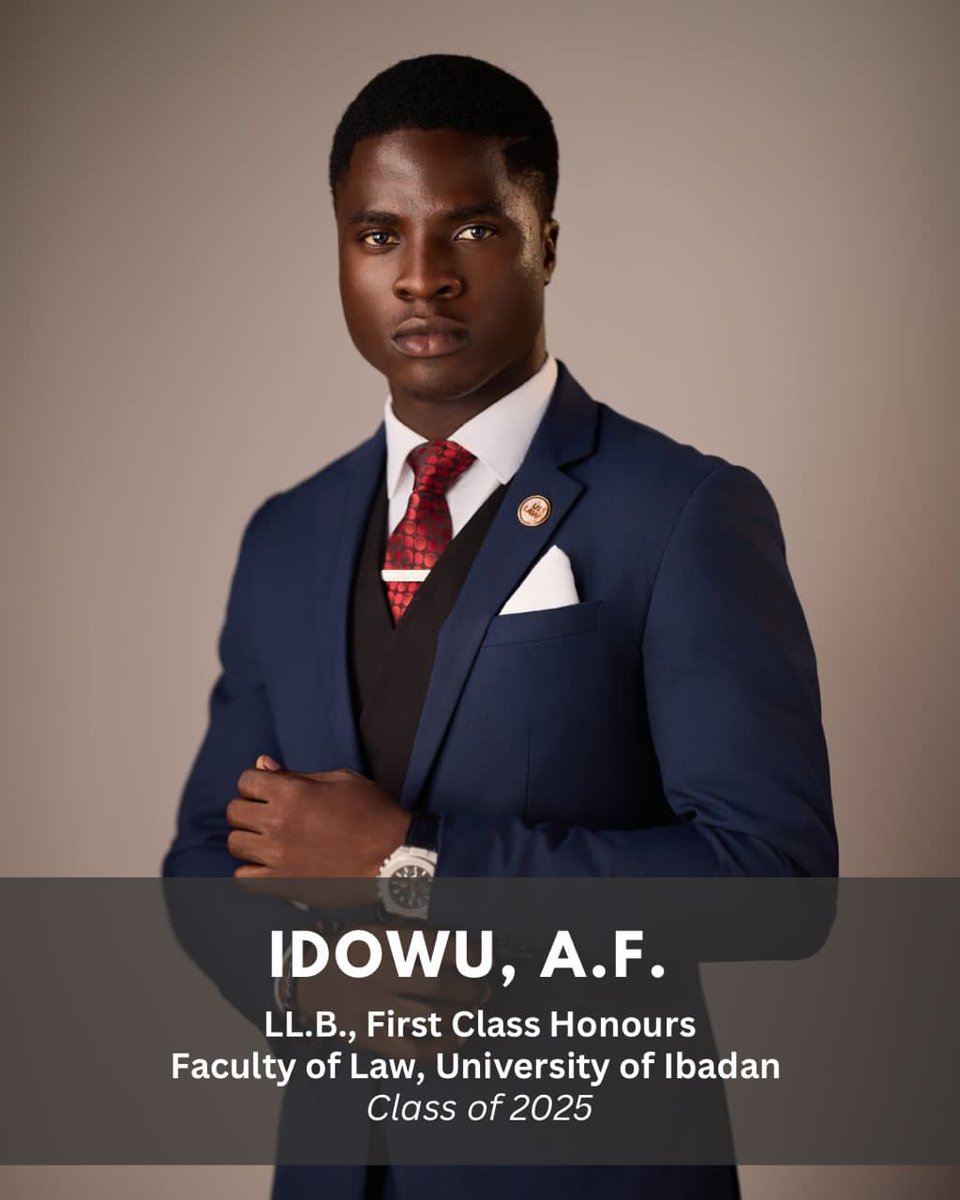
A first-class degree in Law from the first and best University in Nigeria. Thank you, Jesus.🤍
115
170
1,470
20,814
muiz opeyemi ajayi 🍉 retweeted
Feb 17
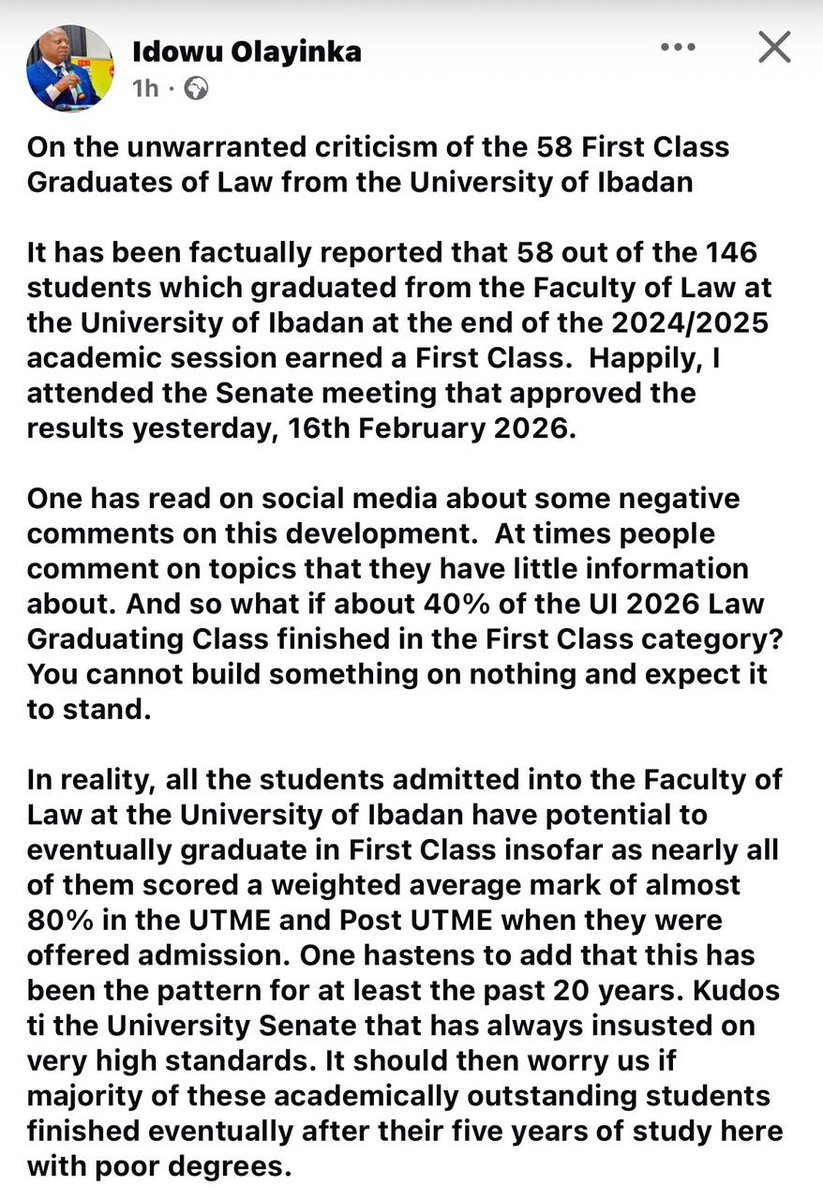
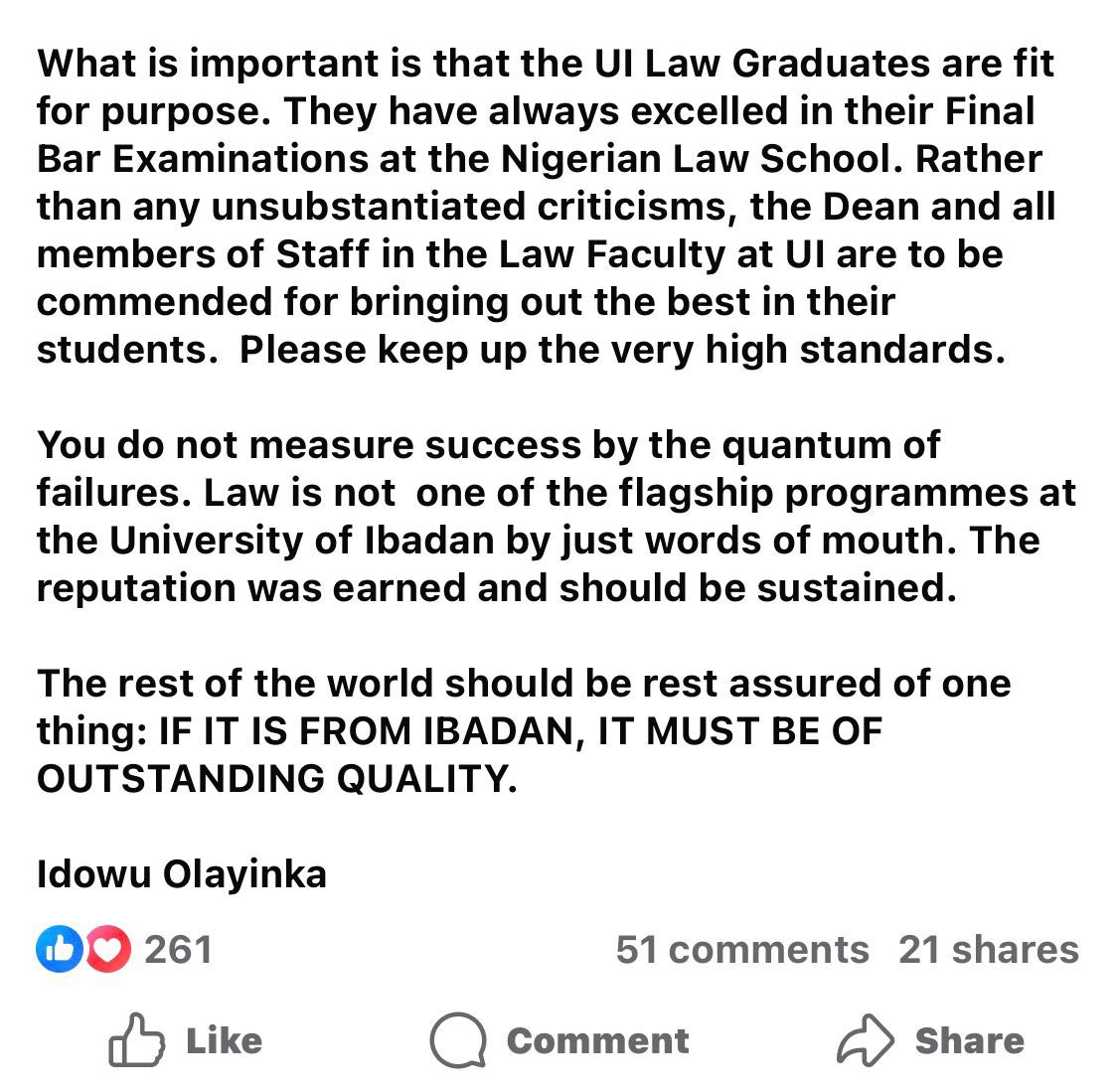
“If it is from Ibadan, it must be of outstanding quality.”
From Professor Idowu Olayinka, Former Vice Chancellor, University of Ibadan.
5
218
662
37,468
muiz opeyemi ajayi 🍉 retweeted

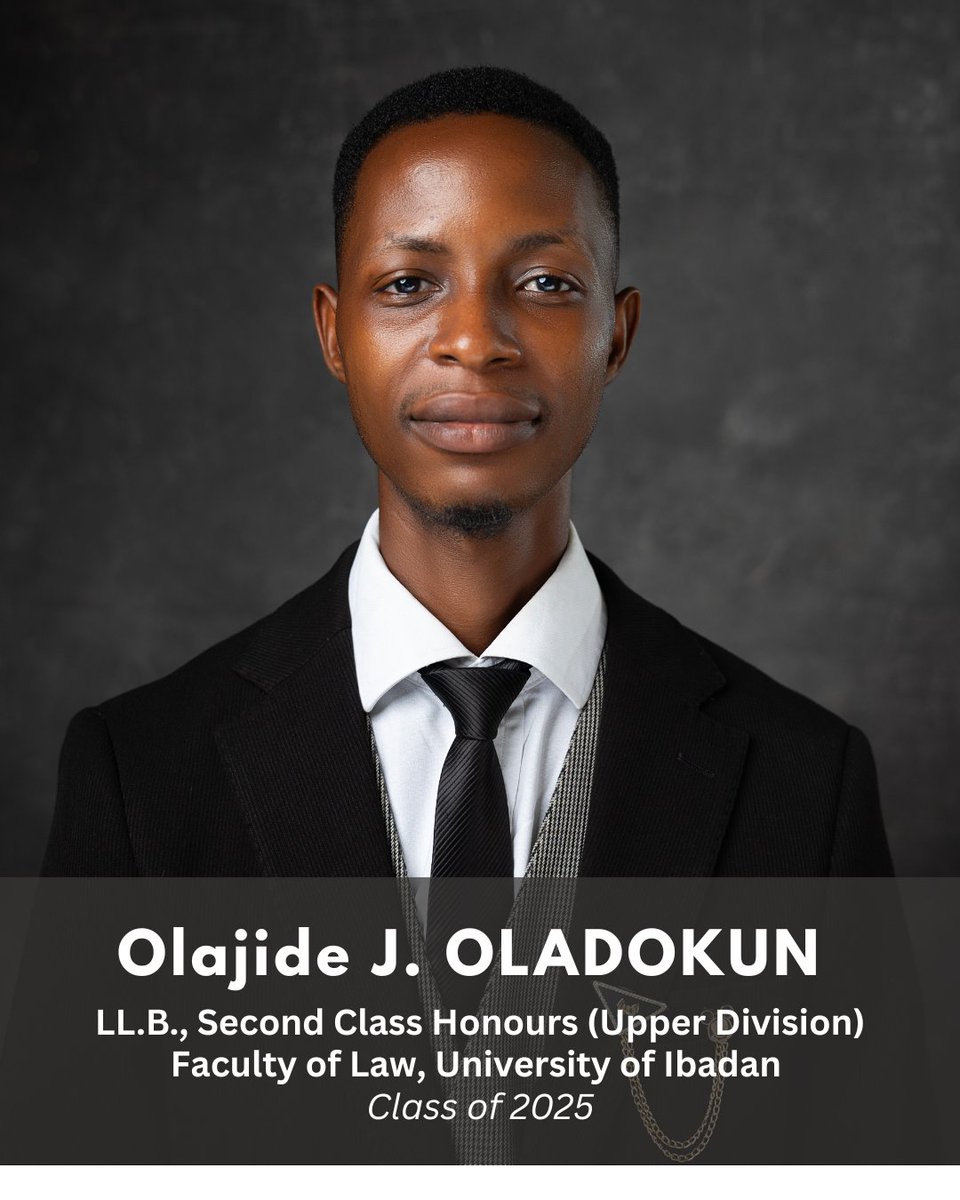
"Where you wan see money pay for school fees"
"Your mama don die now, who go help you"
Get in joor ✨️💫
God really did a thing with me. Unto the next 💫
535
1,038
12,184
119,237
muiz opeyemi ajayi 🍉 retweeted

Feb 16
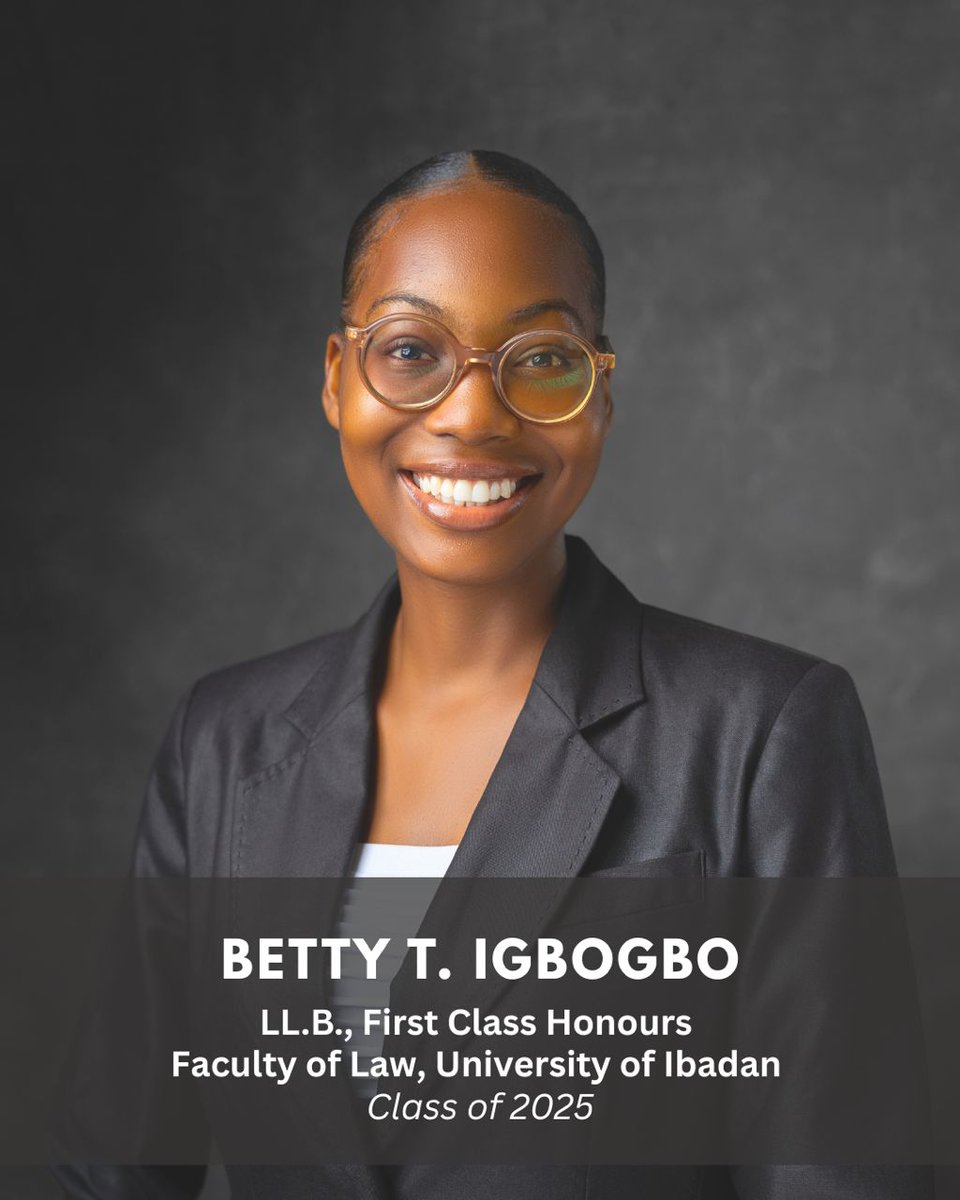
B.T. IGBOGBO
L.L.B., First Class Honours✨
Faculty of Law, University of Ibadan
God alone be praised!🥺♥️
54
104
910
11,377
muiz opeyemi ajayi 🍉 retweeted

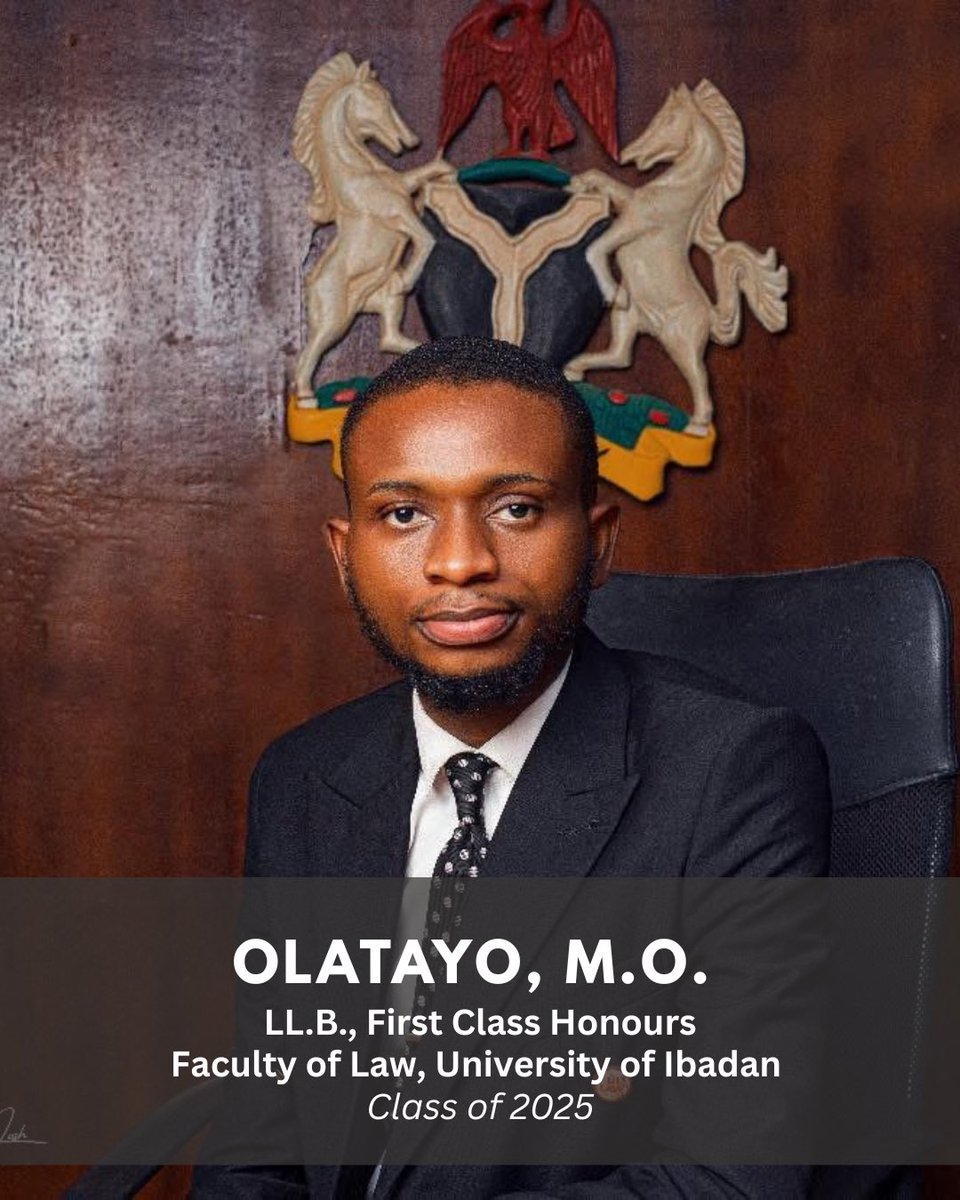
UI Law First Class Graduate
2025 BOSAN Scholar
Speaker, Law Students’ Representative Council
Head, Litigation and Competition Department, Moot & Mock Society
Chief Judge, Ransome-Kuti Hall Judicial Council
God really did. Unto the next.
62
114
875
9,803
muiz opeyemi ajayi 🍉 retweeted

Feb 15
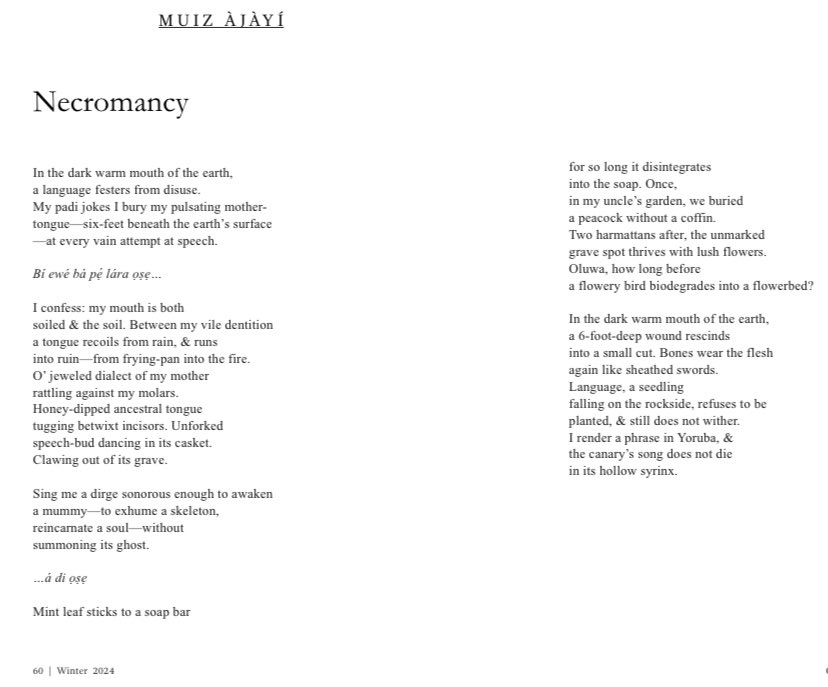
Joined the people of Orion's Belt recently as a poetry reader. This is yet another important feat for me as I have always taken immense pleasure in the remarkable work of Orion's Belt on speculative literature. Chuffed!
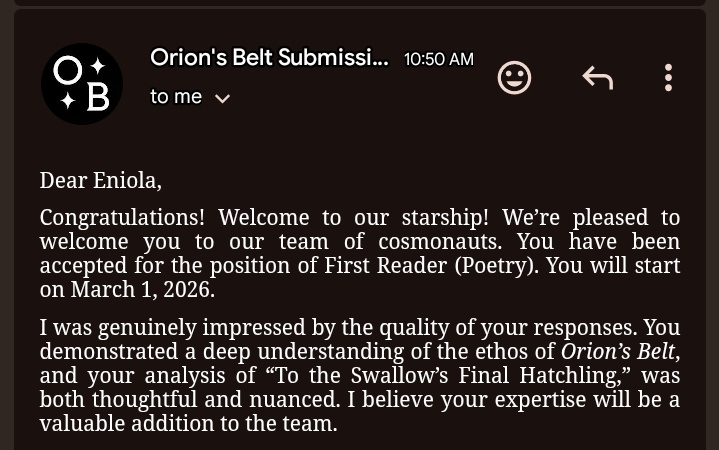

On the Poetry side, we’re delighted to welcome back our long-standing Poetry Editor Emma Cole, now joined by our new Poetry Editor, Ian Li. ✨ We’re also thrilled to announce two new Poetry readers, @borwein_ns and @eniola_abdulroq!!
17
9
78
1,496
muiz opeyemi ajayi 🍉 retweeted

Feb 13
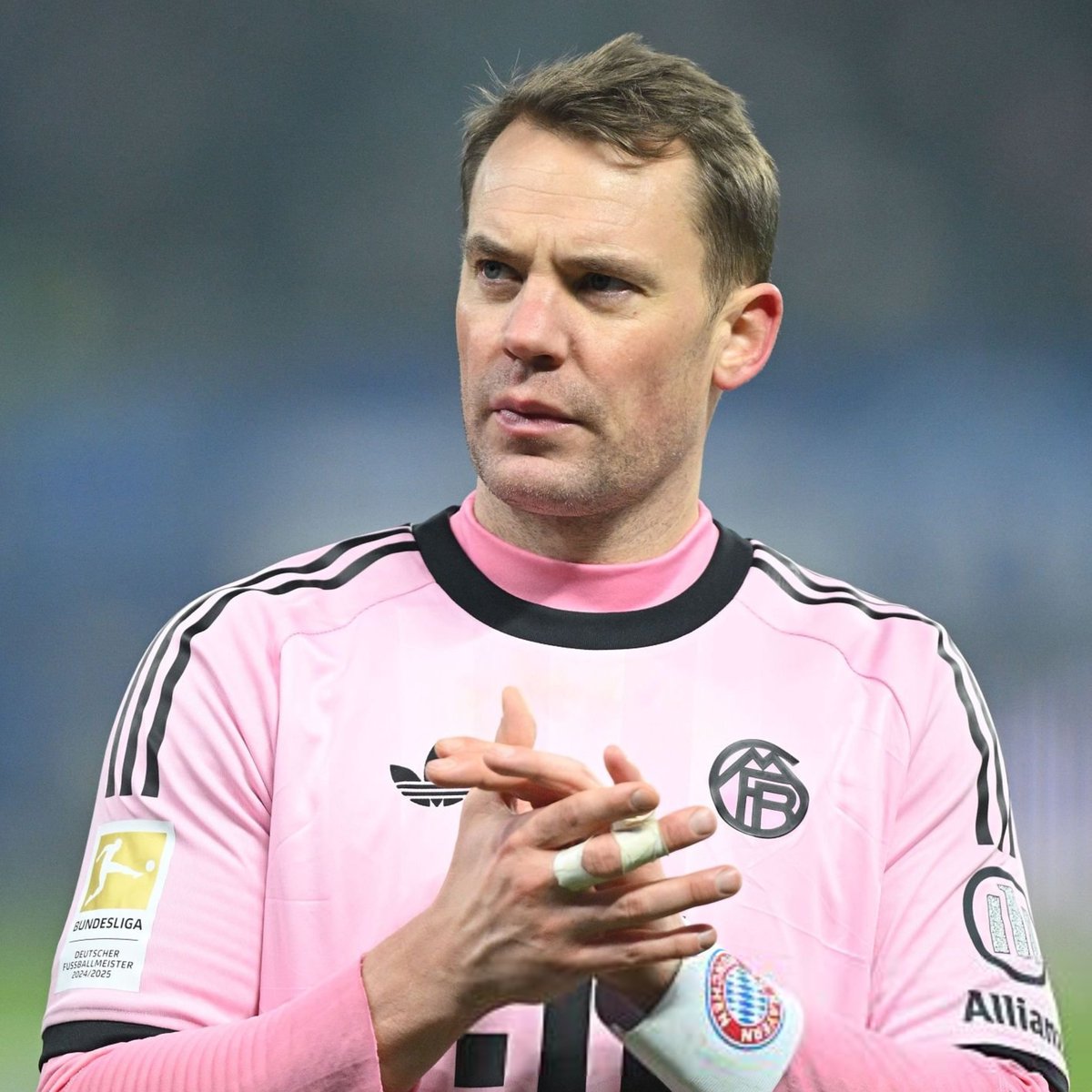
Does he know when a keeper makes a ridiculous save or has an unbelievable game the saying is ‘ he turned into prime Neuer’.

267
9,975
124,097
3,038,509
muiz opeyemi ajayi 🍉 retweeted

Feb 15
Yayi I followed you for the fooling, what are we doing here?
Feb 15

one of our problem in this country is network providers and their shitty services, we gat find way kpai some especially this airtel.
1
1
49
muiz opeyemi ajayi 🍉 retweeted

Feb 5
you pity the moth confusing a lamp for the moon, yet here you are confusing a screen for the world
804
36,151
189,626
11,662,620
muiz opeyemi ajayi 🍉 retweeted

Feb 8
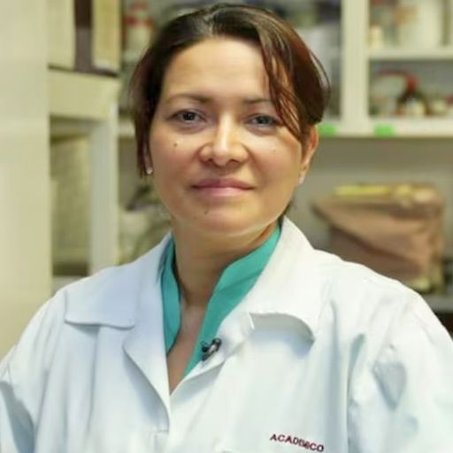
The 22M people who saw this tweet are missing the real story here.
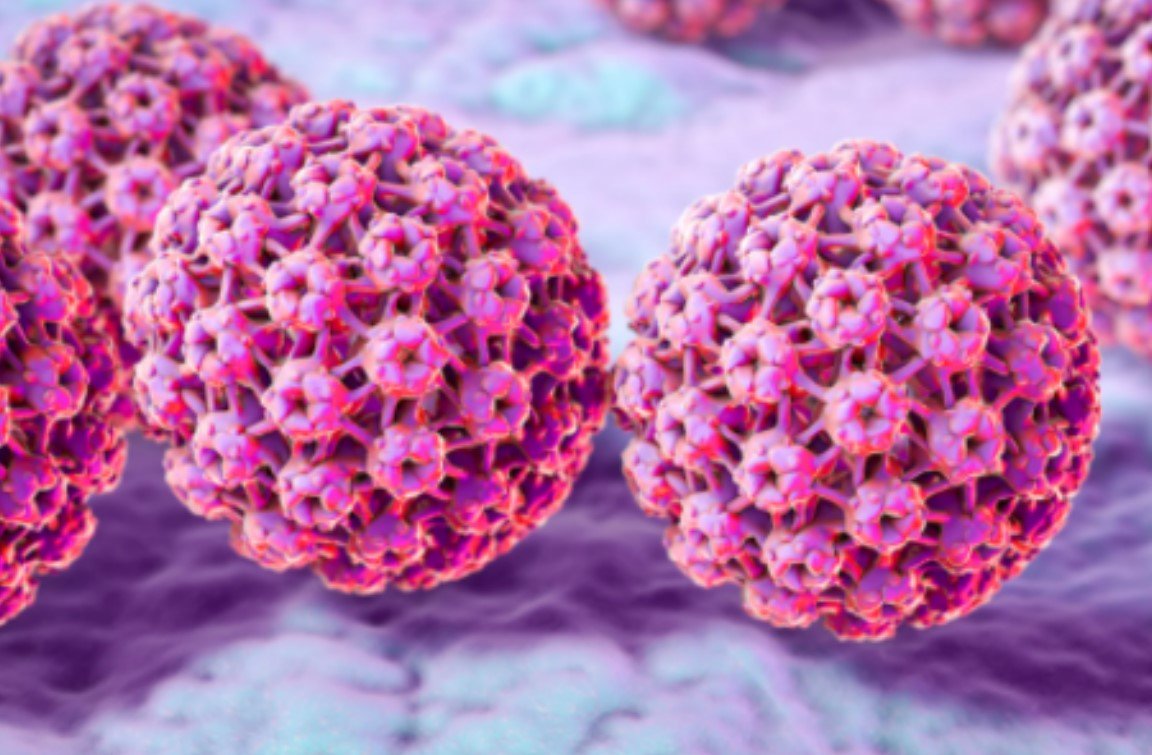
This research is from 2019. Dr. Eva Ramón Gallegos at Mexico’s National Polytechnic Institute published these results six years ago. It went viral then too. Salma Hayek posted about it on Instagram. ABC News ran a fact check. It resurfaced in January 2025 across Mexican media. And now it’s recycling through your feed again as “BREAKING” with 22 million views, because an engagement account slapped a siren emoji on six-year-old science.
The actual study treated 29 women in Mexico City using photodynamic therapy, a technique where you apply a light-sensitive chemical to the cervix, wait four hours, then hit it with a laser. HPV cleared in 100% of patients who had the virus without lesions. In patients with both HPV and premalignant lesions, it cleared in 64.3%. Those numbers are real and published in peer-reviewed journals.
Here’s what 22 million people aren’t asking: why hasn’t this scaled in six years?
Three reasons. First, the sample size. Twenty-nine women is a pilot study. The FDA requires thousands of patients across multiple sites before approving a therapy. Gallegos ran earlier studies on 420 women in Oaxaca and Veracruz with similar clearance rates, but nobody has funded the Phase III trials needed to move this toward approval.
Second, PDT has a physics limitation. The light that activates the drug can only penetrate about one centimeter of tissue. That means it works on surface-level cervical HPV, but the virus also hides deeper in tissue and in other parts of the body. The National Cancer Institute flagged this exact constraint years ago. You can clear what you can see. You can’t guarantee you’ve cleared what you can’t.
Third, 50% of high-risk HPV infections clear on their own within one to two years without any treatment. A 100% clearance rate in 29 patients with no lesions, measured at six months, sits in a window where spontaneous clearance is already happening. Without a proper control group, which this study lacked, you can’t isolate how much the therapy did versus what the immune system would have done anyway.
A separate Chinese study in 2024 randomized 60 patients and found PDT hit 100% HPV clearance at six months versus conventional treatment. That’s more rigorous. Multiple research groups worldwide are now publishing PDT results for cervical HPV. The science is real and progressing.
The gap between “promising pilot results in 29 women” and “successfully eliminates HPV” is about a decade of clinical trials and a few hundred million dollars in funding. Gallegos has been doing this work for 20 years. The bottleneck was never the science. It’s that nobody writes the check for Phase III trials on a non-patentable therapy that competes with a multibillion-dollar vaccine market.
That’s the actual story worth 22 million views.

120
5,166
29,020
1,791,242