Policy @bfl_ai. Affiliate @BKCHarvard. ex-Stability AI (weights), GoogleX (drones), Uber (rides), Coinbase (magic beans). Views my own
Joined April 2023
- Tweets 721
- Following 321
- Followers 2,169
- Likes 1,529
216 Photos and videos

Pinned Tweet

2 Sep 2025
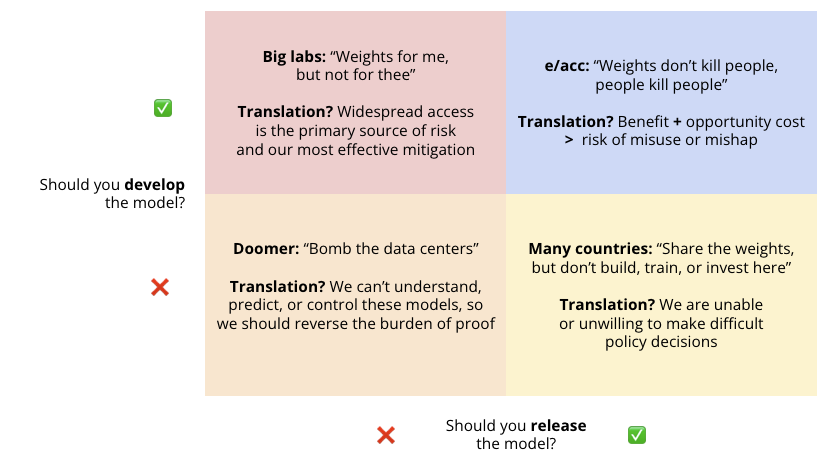
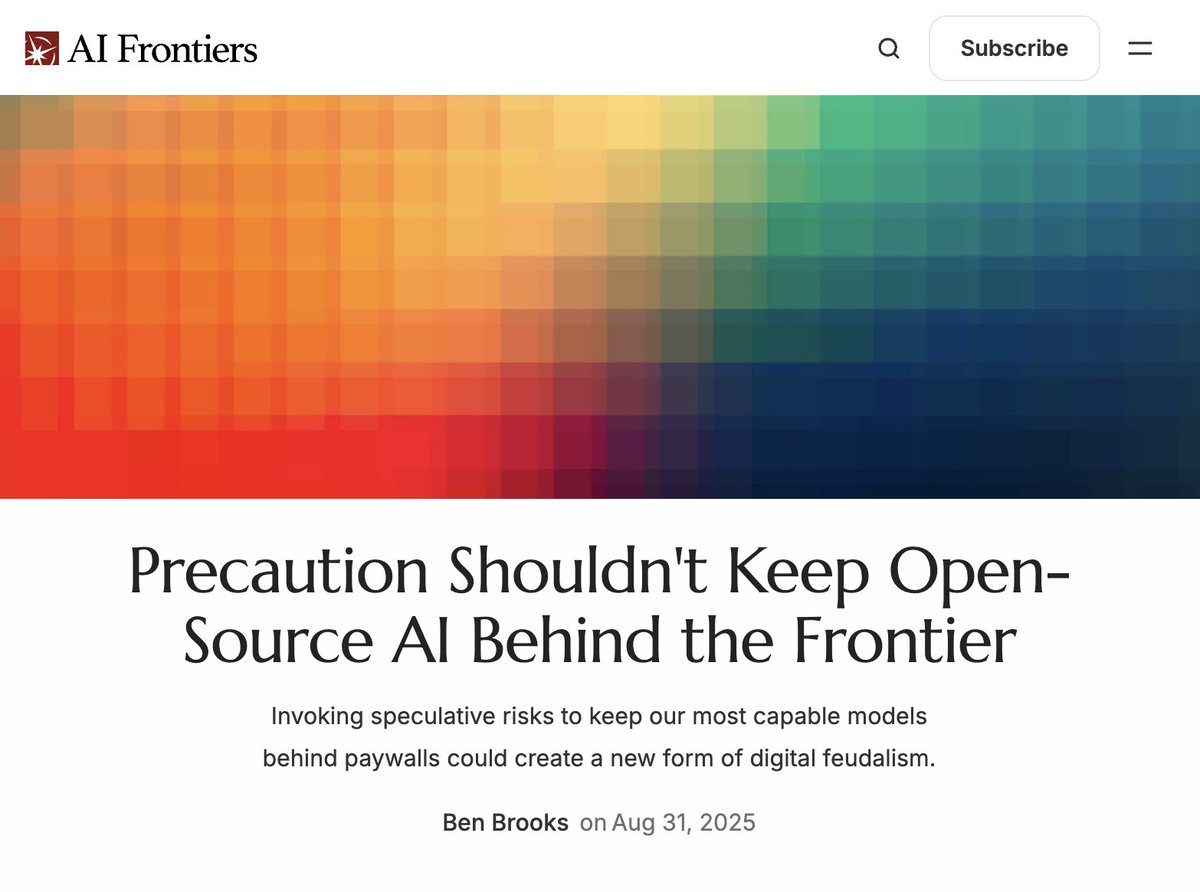
Nearly every AI firm is invoking frontier risk to justify a persistent gap between open and closed models. But this application of the precautionary principle deserves more scrutiny than it gets.
Restricting access to useful technology—models that will, in their developers' own words, transform the economy—shouldn't be our primary response to uncertain risks.
Check it out at @aif_media! There are already a bunch of reasons firms might not release their best models openly: cost recovery, competitive pressure, anxious investors. But we should be skeptical of efforts to freeze open-source behind the frontier under the guise of risk.

2
2
15
3,686
Jun 13
It will be ironic if AI's big "code is speech" war is fought by Anthropic. The reluctant Bernstein of our times.
2
1
18
1,066
Jun 13
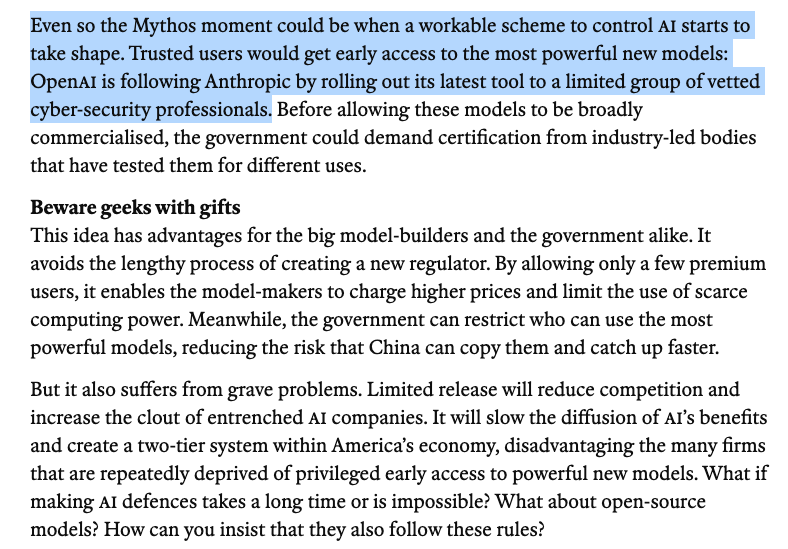
What Anthropic wanted: a federal authority vetting model releases
What Anthropic got: a federal authority vetting model releases
3
2
66
5,611
Jun 10
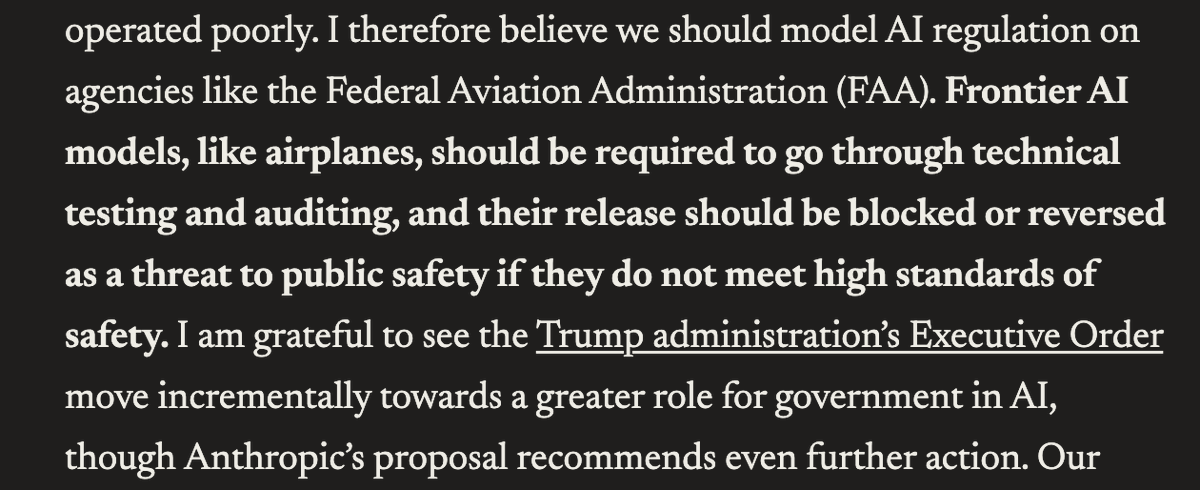
ARGH. This is so, so, so frustrating. Unlike 99.9% of the Hayes Valley chattering class, I've actually worked with the FAA and its 3-letter friends. I cannot imagine a better way to kill off open innovation in AI than "FAA for weights".
But it's also disappointing because I expected better from Anthropic.
When folks in the open ecosystem ask me about the whiff of regulatory capture around Anthropic, I usually respond: look, these folks are individually measured, always thoughtful, and the weirdest proposals actually came from OpenAI.
But that is hard to sustain when their CEO is:
>> Asking for premarket clearance of model weights...
>> Against a "high" standard that is presumably determined by their own closed-source risk appetite...
>> Ahead of a string of IPOs that depend, in large measure, on the misbegotten idea that frontier AI is simultaneously (1) critical economic infrastructure, but (2) too dangerous to distribute other than through their paywall.
This culture of executive whitepaperism is unwinding ~6 years of calibrated dialog between researchers, developers, and government. It's throwing gas on a needless "code is speech" culture war, and doing untold damage to the cause of sensible AI oversight.
Jun 10

Today I'm publishing a new essay, Policy on the AI Exponential. AI is progressing extremely fast—much faster than the policy process was built to handle. The essay lays out where I think the technology is now, and the action needed to close the gap: darioamodei.com/post/policy-…
3
5
47
6,532
Jun 10
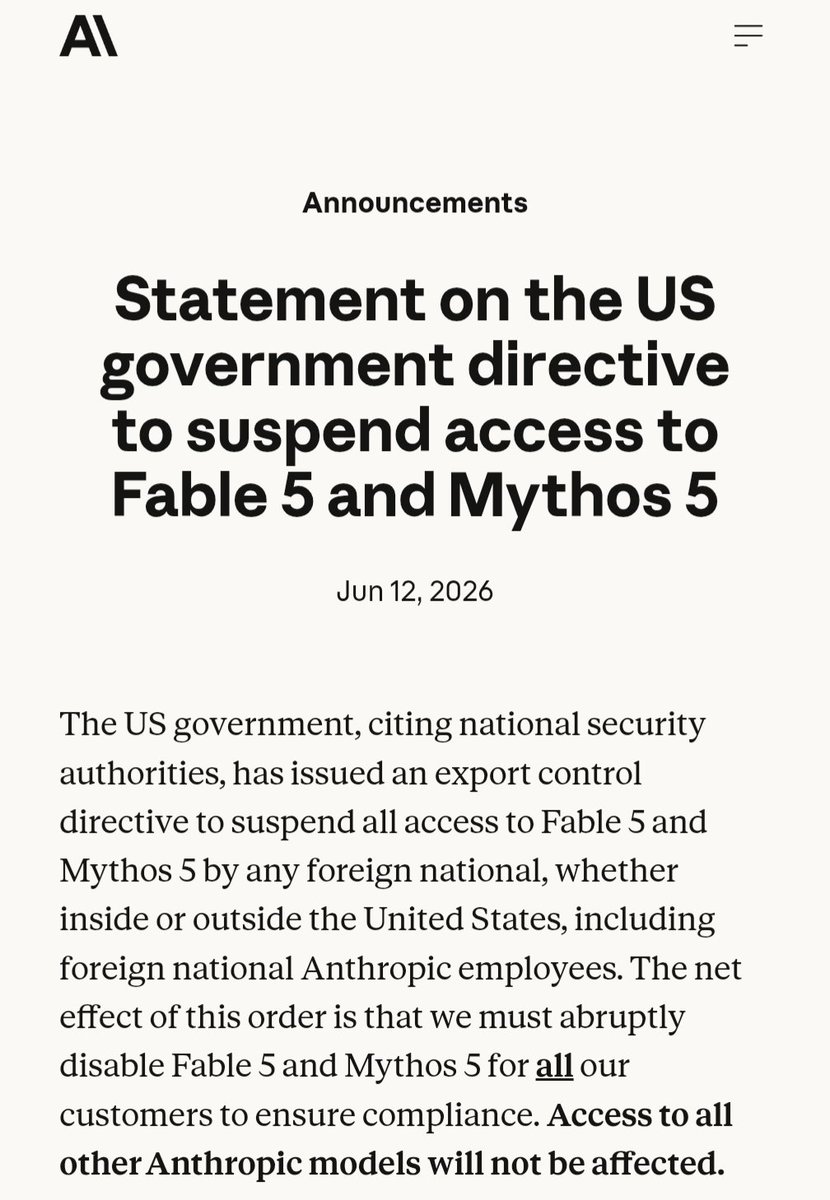
Anthropic already told us that with the right system prompt, Claude would SWAT its own user. That was a generous warning: i.e. model behavior can be amplified, modified, or suppressed based on features hidden from the user.
Nothing about these Fable 5 guardrails is surprising. What *is* surprising is the extent to which major deployers are still uncritically building on closed stacks that they cannot inspect or verify.
Jun 9

Leave aside the existential philosophical stuff, and here's the hard-edged reality of where the business of AI is heading: towards closed platforms intervening on what users can do to maintain their moat.
We previously documented how the frontier labs self preference their own AI models, writing code that calls their own APIs to keep your token spend. This is the next logical step: quietly prevent you from being able to use their model to improve your own.
It's a completely understandable move, and can have real safety and geopolitical benefits, but it will raise a lot of uncomfortable policy questions that we saw play out in Web 2.0 too.
1
3
9
823
Jun 5
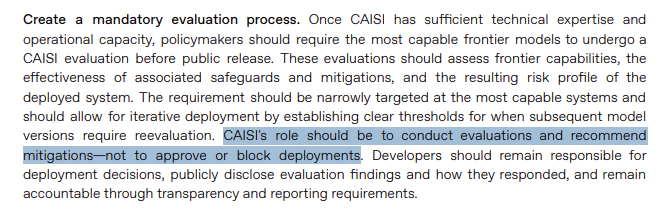
You wouldn't guess it from all the "light touch" rhetoric, but the Obernolte-Trahan AI bill is uncomfortably close to FDA-for-models.
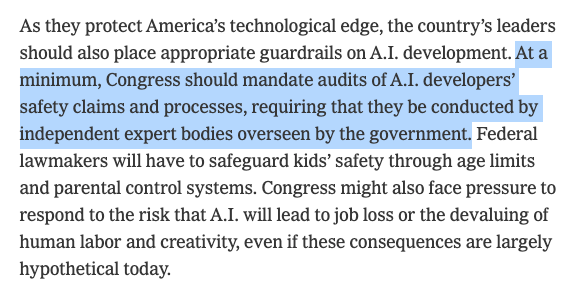
CAISI will license auditors, who must verify the "adequacy" of the developer's safety framework for achieving an "acceptable" levels of risk. But if CAISI doesn't agree with the standard or methodology, it can revoke the auditor's license.
These auditors aren't verifying compliance with the developer's safety framework. They're verifying compliance with a hand-wavy, open-textured standard at the discretion of a federal agency.
That goes beyond what even the most interventionist states have enacted.
1
13
1,645
Jun 5
I guess they need to offer a big carrot to justify federal preemption, although I'd prefer neither tbh.
180
Jun 4
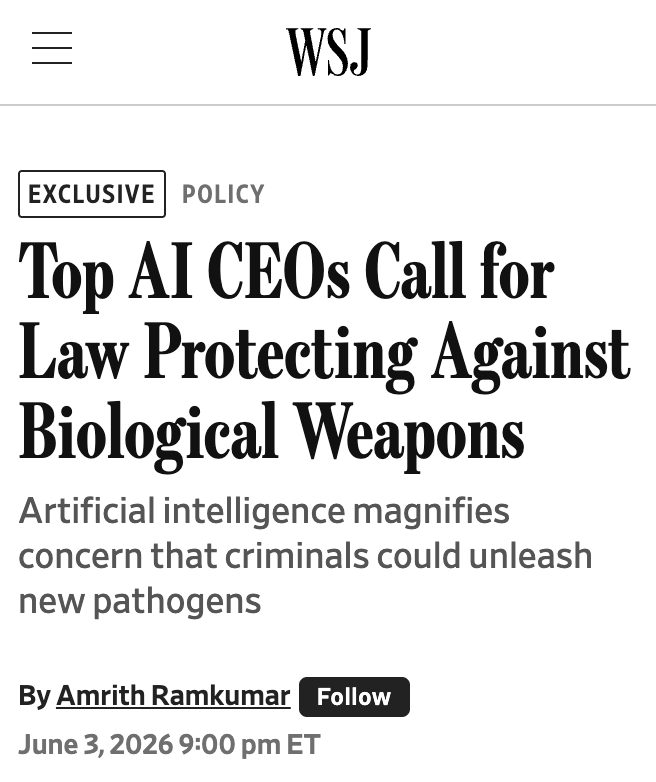
I signed this call for mandatory DNA synthesis screening because it showcases how AI regulation is meant to work: (1) A tightly scoped intervention that (2) mitigates a credible risk (3) at the most proximate chokepoint, (4) preserving open access to versatile models.
Jun 4

No one should be able to order a bioweapon through the mail.
@IFP & @JoinFAI are proud to co-lead an open letter calling for mandatory DNA synthesis screening & recordkeeping.
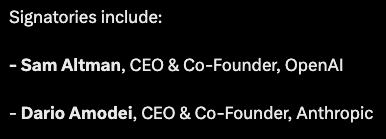
Signatories include:
- Sam Altman, CEO & Co-Founder, OpenAI
- Dario Amodei, CEO & Co-Founder, Anthropic
- David Baker, Director, Institute for Protein Design; 2024 Nobel Prize in Chemistry recipient
- Patrick Collison, CEO & Co-Founder, Stripe
- Paul Graham, Founder, Y Combinator
- Demis Hassabis, CEO, Google DeepMind; 2024 Nobel Prize in Chemistry recipient
- Emily Leproust, CEO & Co-Founder, Twist Bioscience
- Lawrence Lessig, Roy L. Furman Professor of Law and Leadership, Harvard Law School
- Gerald W. Parker, former Special Assistant to the President for Biosecurity and Pandemic Response
- Mustafa Suleyman, CEO, Microsoft AI
- Alex Tabarrok, Professor of Economics, George Mason University
- Alexandr Wang, Chief AI Officer, Meta; Founder, Scale AI
- Christine E. Wormuth, President & CEO, Nuclear Threat Initiative; 25th Secretary of the Army
Read the letter and see the full list of signatories: screendna.org
Many DNA synthesis companies voluntarily screen orders to mitigate biosecurity risks, but no law requires them to do so.
Leaders in AI, biotech, life sciences, national security, and the nucleic acid synthesis industry agree that Congress should act to strengthen safeguards against biological threats.
@deanwball put it well in the WSJ:
“If you’re synthesizing the stuff that yields biological life and viruses, we’re asking you to screen to see whether it is dangerous in some way. That seems like a reasonable thing for society to insist upon.”
1
6
668
Jun 3
Glad to see the distinction between model evaluation with & without pre-clearance is becoming clearer in industry advocacy, eg. @OpenAI's paper today.
These are very different propositions. Conflating the two is why earlier proposals floundered (e.g. mandatory UKAISI testing).
1
1
154
Jun 2
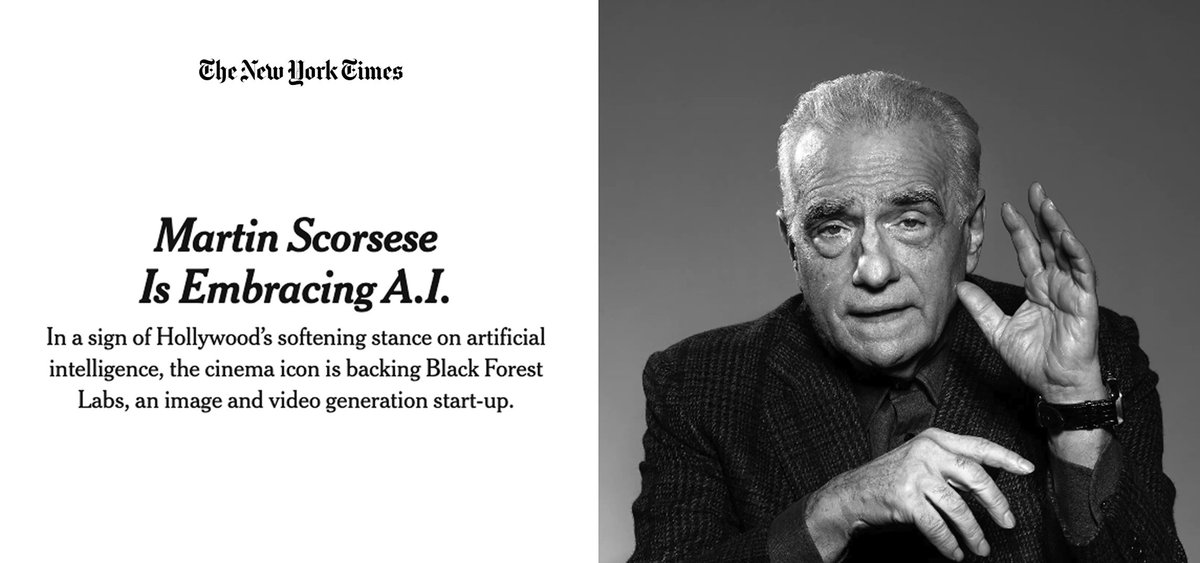
Delighted that Martin Scorsese has joined us to explore how AI can be thoughtfully applied to storytelling.
We're also sensitive to the depth of feeling on AI in Hollywood. That's understandable! It would be odd if folks didn't have strong views.
A few personal reflections on this moment:
> 1. It's easy to forget that these are still early days. Model developers at 30,000ft can scarcely imagine how AI will be refined and adapted to solve real tasks on the ground by masters of the craft. The goal of a model lab is to support that discovery process—not dictate if, when, or how to use AI.
> 2. AI is a tool. Like any tool, AI can be used in ways that are meaningful or utterly meaningless. But meaningful applications of AI will always depend on the taste, values, and judgment of creators and their audiences. There is a gradient between art and slop, and folks are capable of identifying the inflection point.
> 3. The caricature of AI as a "push a button, get a poem" widget is outdated. AI will be integrated in ways that are subtle, interstitial, and complementary. That's how Scorsese uses AI in storyboarding here: not as a way to offload his creative choices, but a way to express those choices to his production team.
It's really important for researchers and creators to engage in this kind of dialog, not retreat into siloes. We're excited that Martin is helping to bridge these communities.
Jun 2

"The fact that someone like Martin Scorsese — one of the greatest, most impressive filmmakers to exist — is using our technology and curious about exploring it...it's such a great proof point that this works.”
- our CEO @robrombach in an interview with @brooksbarnes for the @nytimes. They discussed why Martin Scorsese joined BFL as an advisor.
At Black Forest Labs, we're building visual intelligence: AI models that can understand and reason in the physical and digital worlds. Scorsese is helping shape how our models serve creators who care deeply about their craft, whether they're storytellers, designers, engineers, or roboticists.
Link to article in the thread.
13
3
69
6,869
Jun 2
Per @WHOSTP47: "We are NOT conducting oversight of all new models, as that level of government overreach would have chilling effects on free speech and innovation"
1
143
Ben Brooks retweeted

Jun 2
Martin Scorsese is an advisor to Black Forest Labs.
He's spent six decades shaping how the world sees stories. Now he's helping us shape visual intelligence with human taste and craft at the center.
We sat down with him for a working storyboarding session using FLUX.
298
295
2,574
2,619,335
Ben Brooks retweeted

May 25
“It’s my honor to announce that the true pope is working with us from Avignon”
62
966
11,710
403,050
May 23
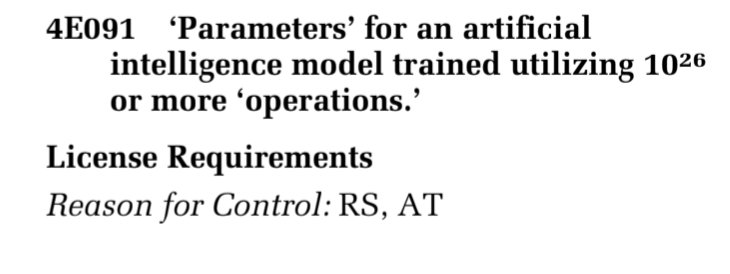
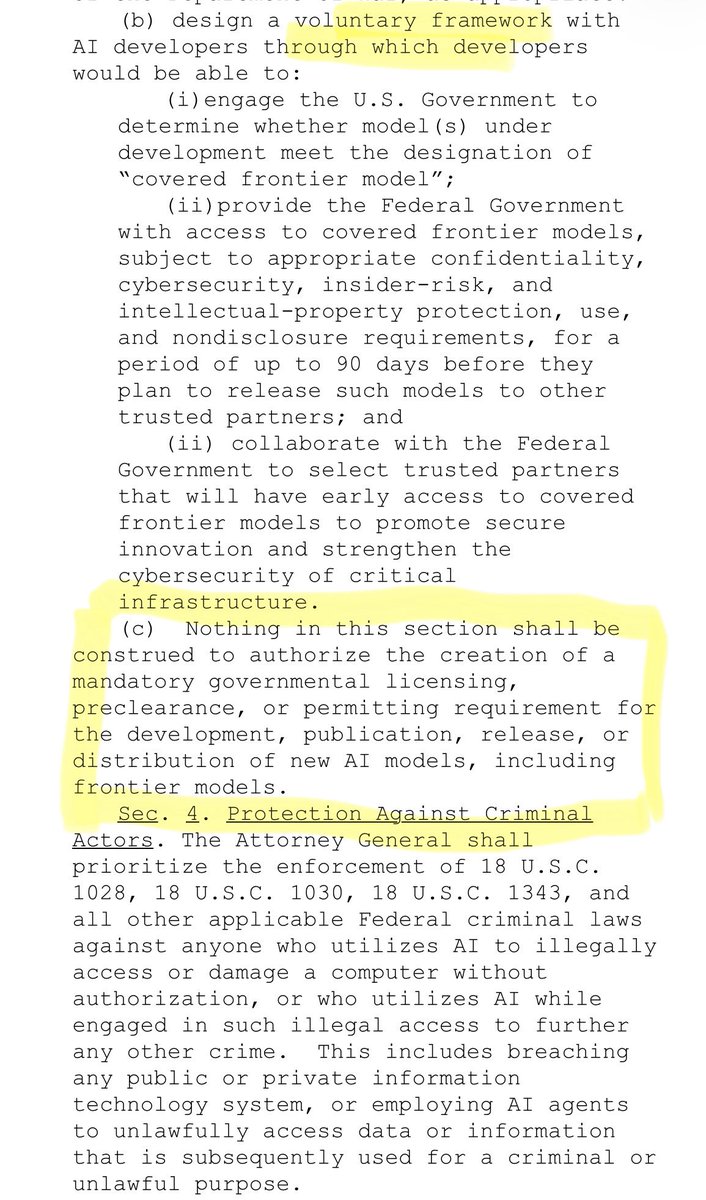
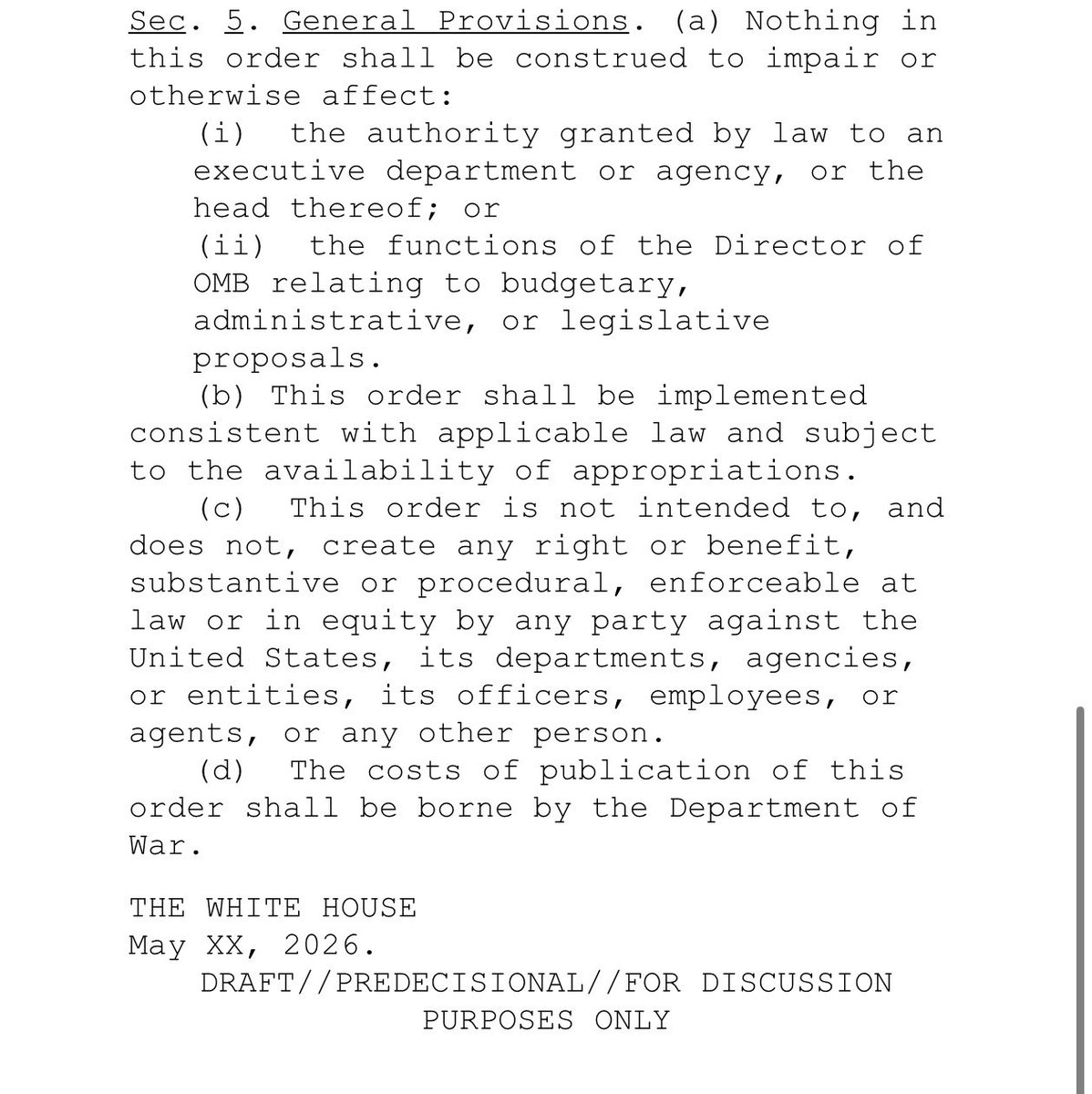
Here's the thing: you don't need an EO to set up a voluntary beta release, nor do you need to define a "covered frontier model" for a voluntary beta. As @DavidSacks & POTUS correctly surmised, this EO was just one adjective and one sentence away from endorsing "FDA for weights".
May 22

3/ The draft includes language that emphasizes the voluntary nature of the process.
Left undated - May XX, 2026
1
8
1,718
May 23
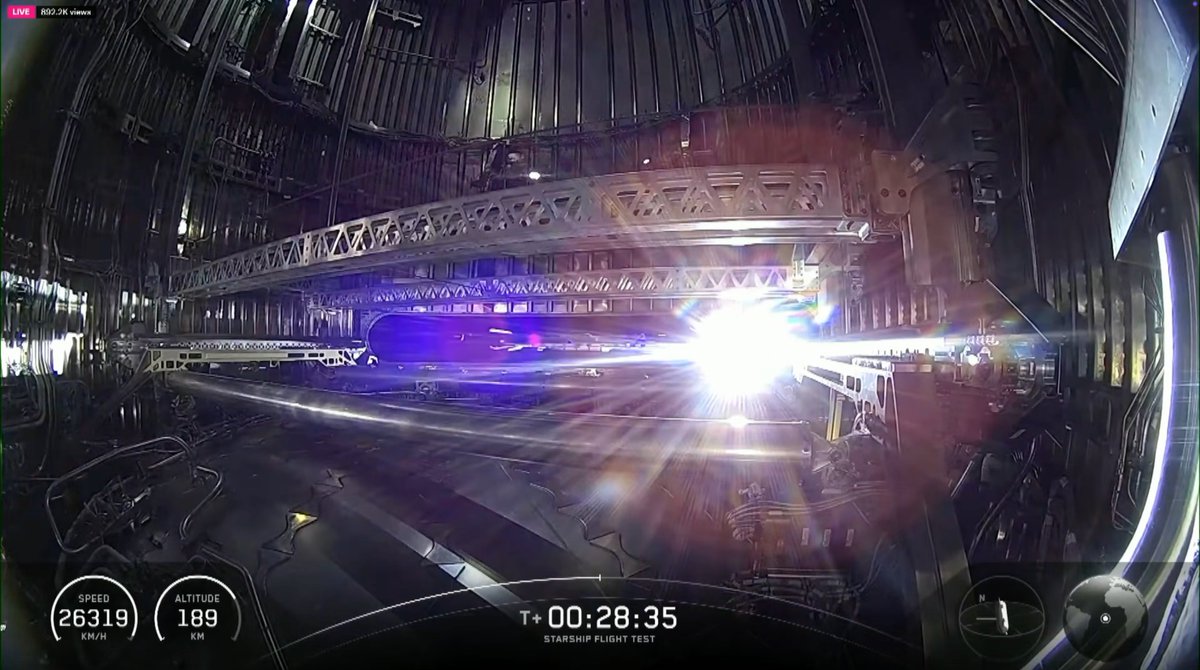
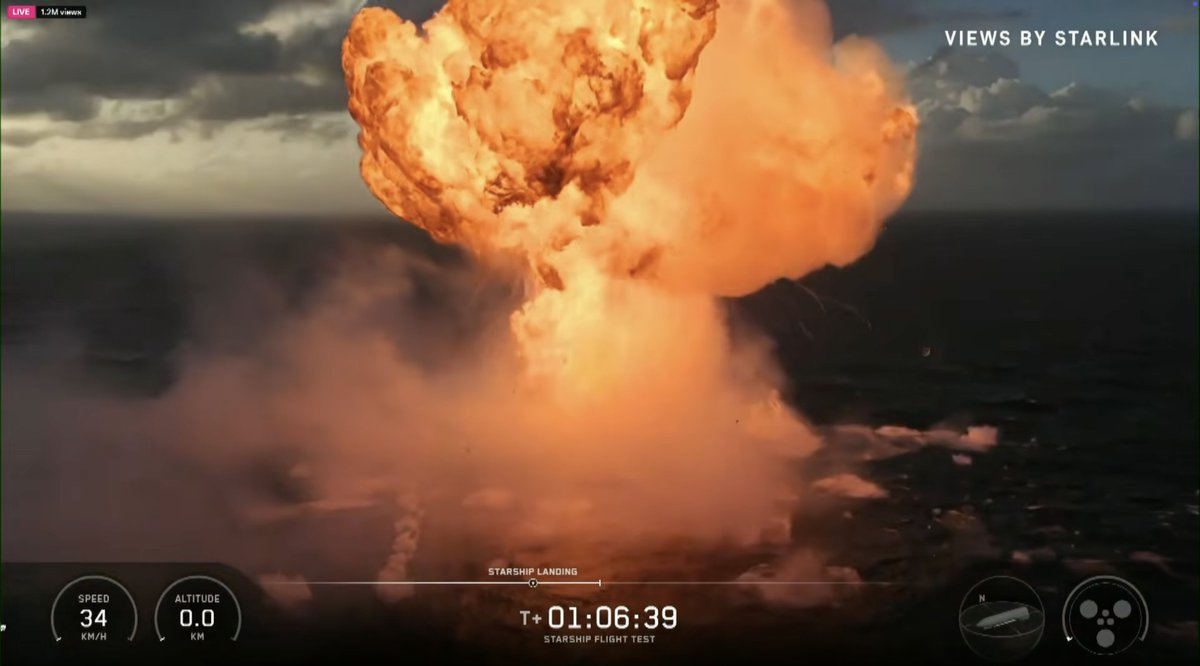
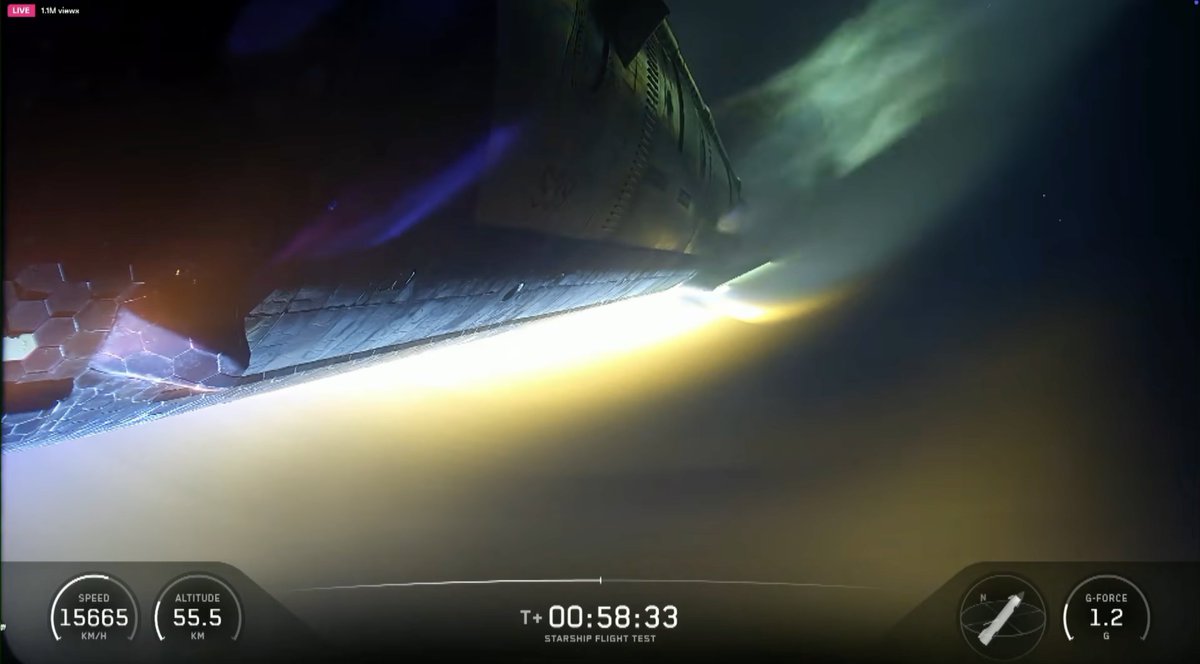
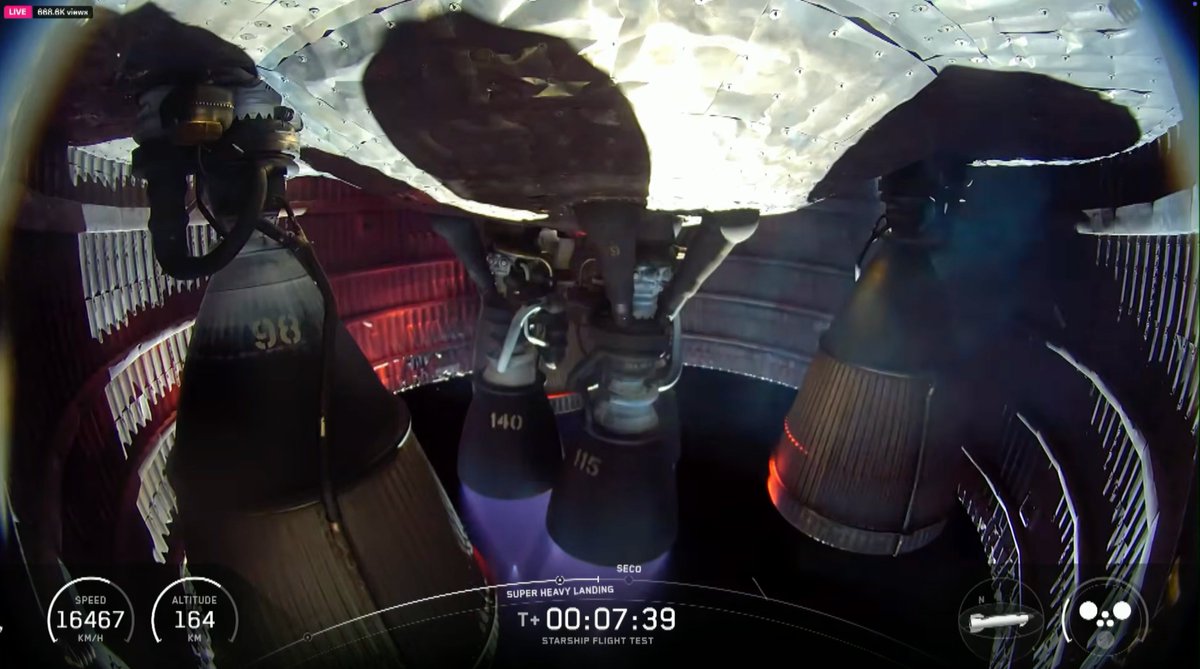
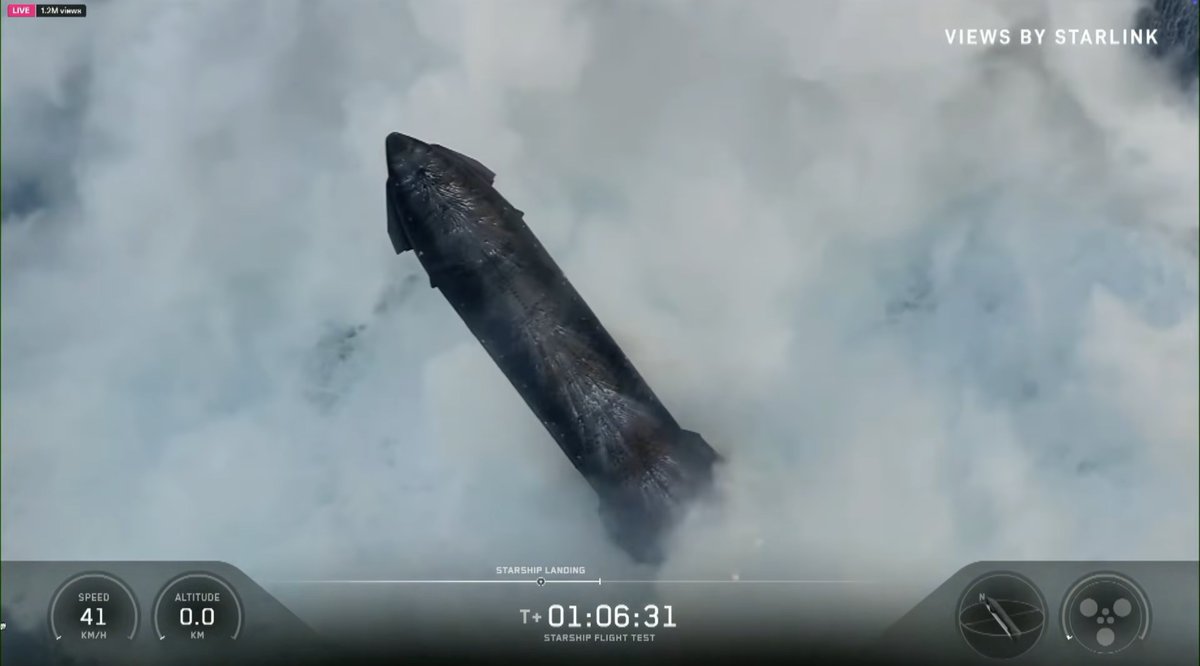
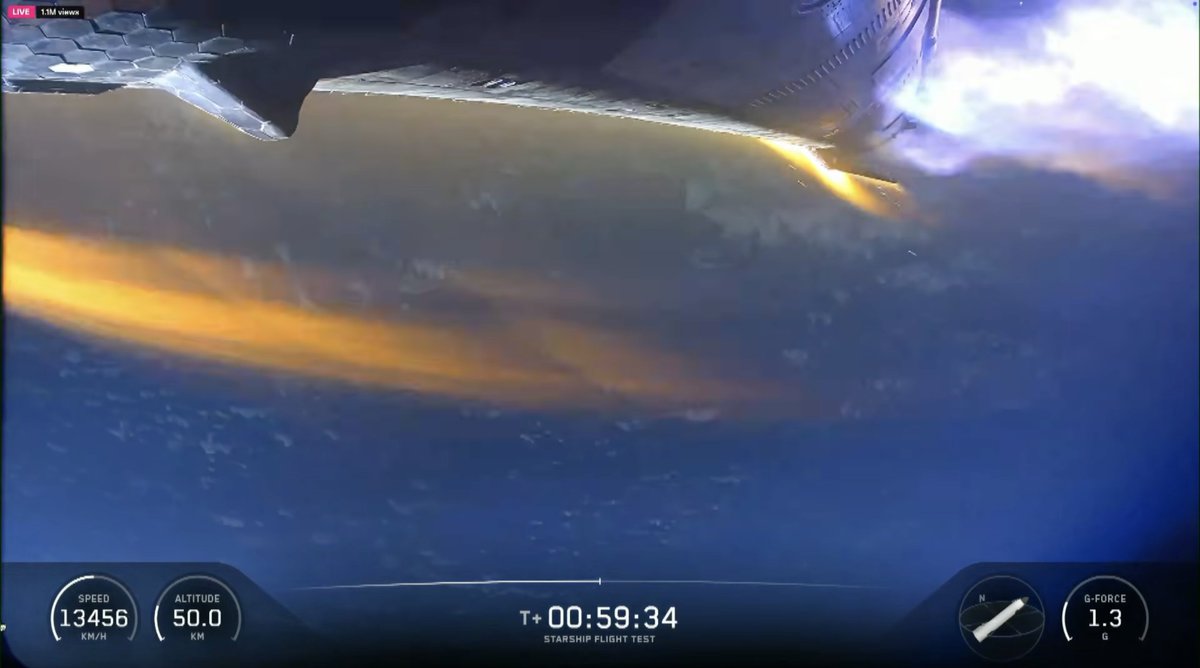
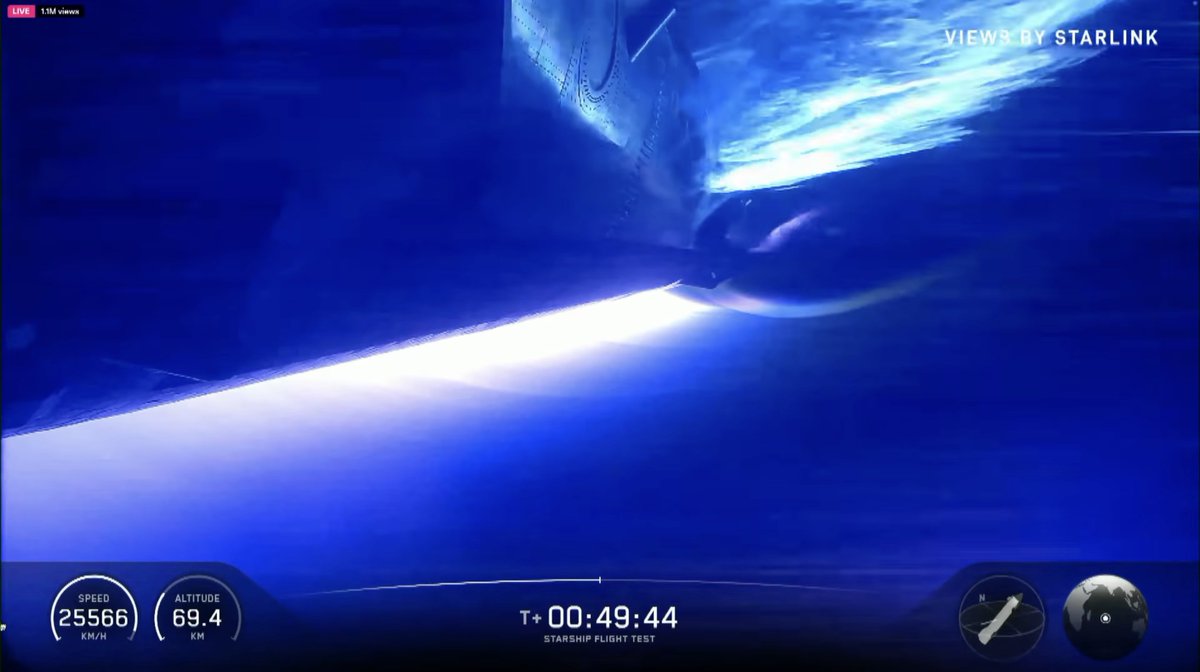
The AV team at @SpaceX deserves a raise. Phenomenal views from Starship 12. Not long ago, it would've been unthinkable to livestream the engine bay, re-entry, and distant splashdown from outside the spacecraft

1
297
May 20
I gave a talk at the Global Free Speech Summit with @SpeechFuture about why AI is a fundamentally expressive technology, and how open weights can promote transparency in the systems that determine how we access, produce, and interpret information

See the full discussion on the #FreeSpeechSummit2025 YouTube channel: youtube.com/watch?v=KI8wOYpB…
1
268