
Joined November 2019
- Tweets 344
- Following 52
- Followers 678
- Likes 358
61 Photos and videos





Mar 31
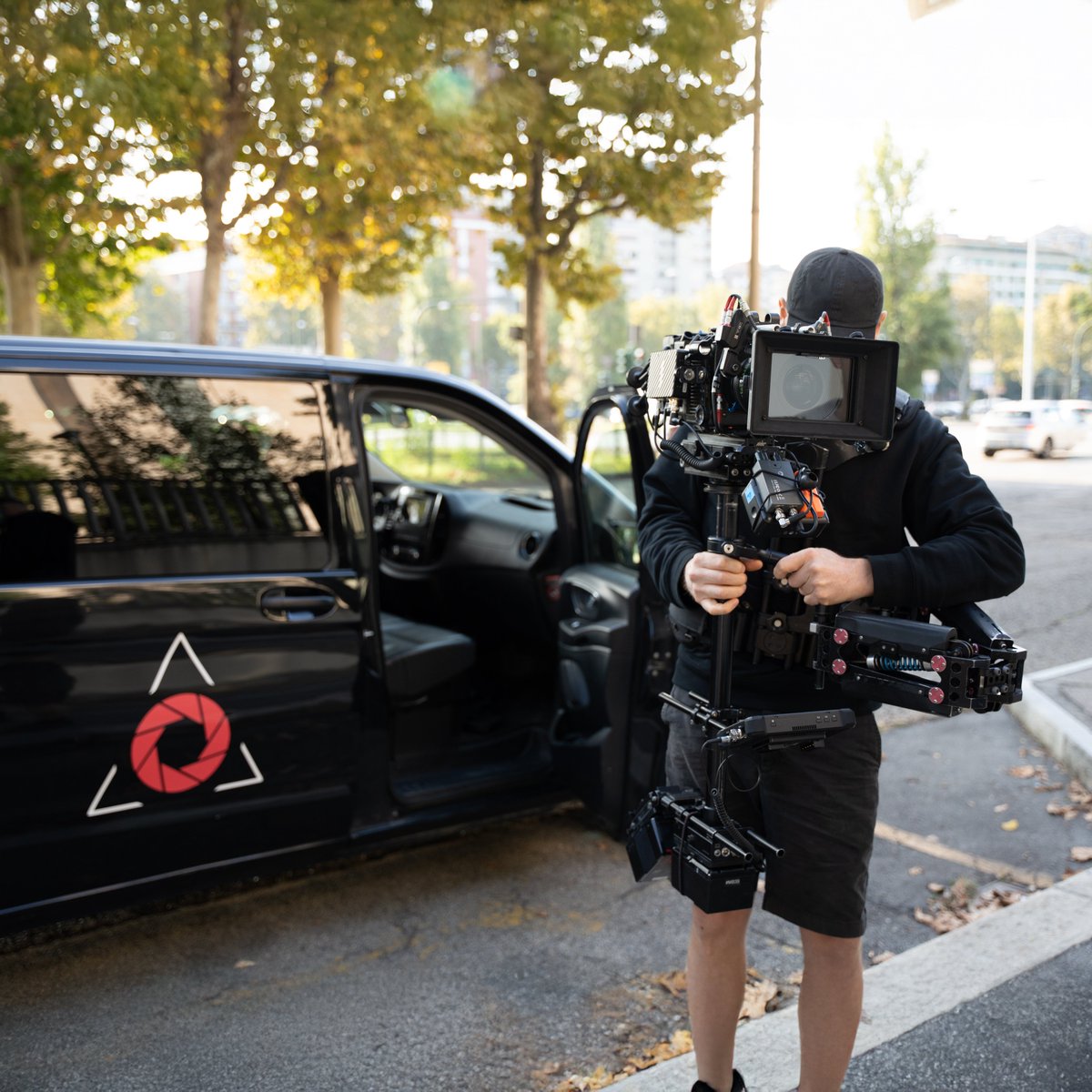
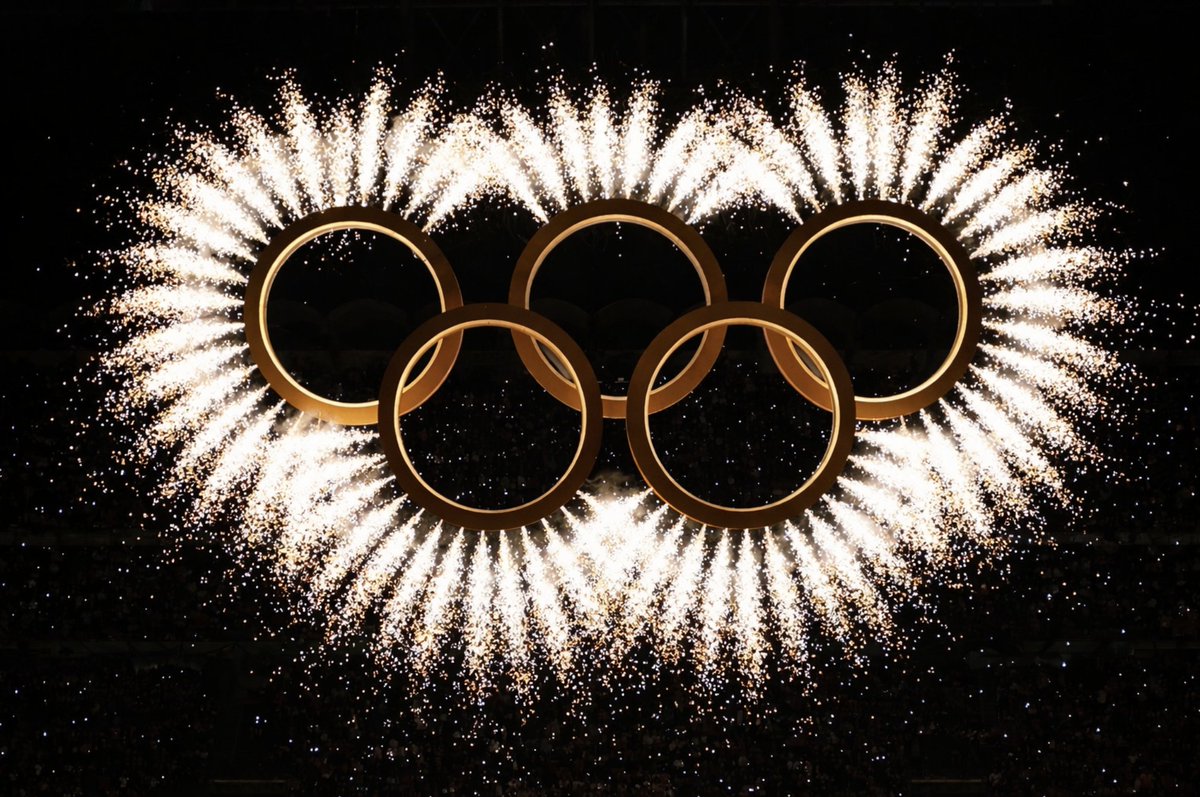
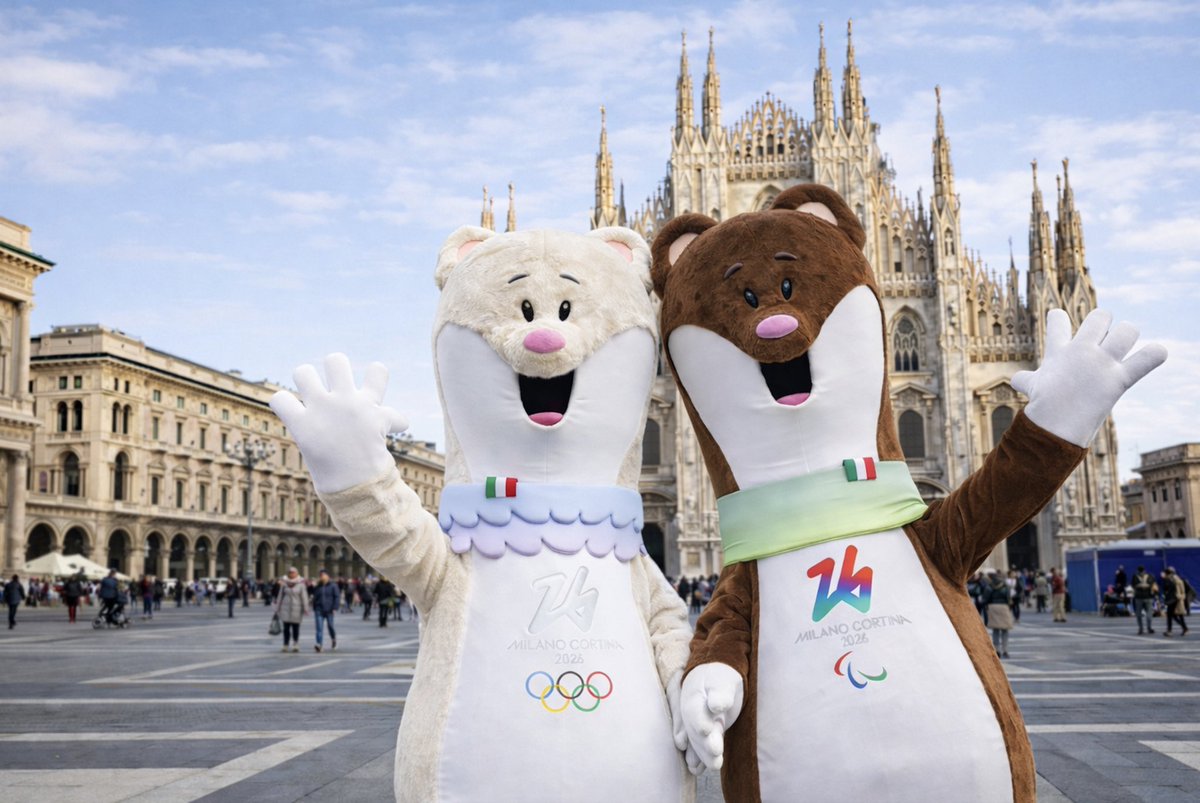
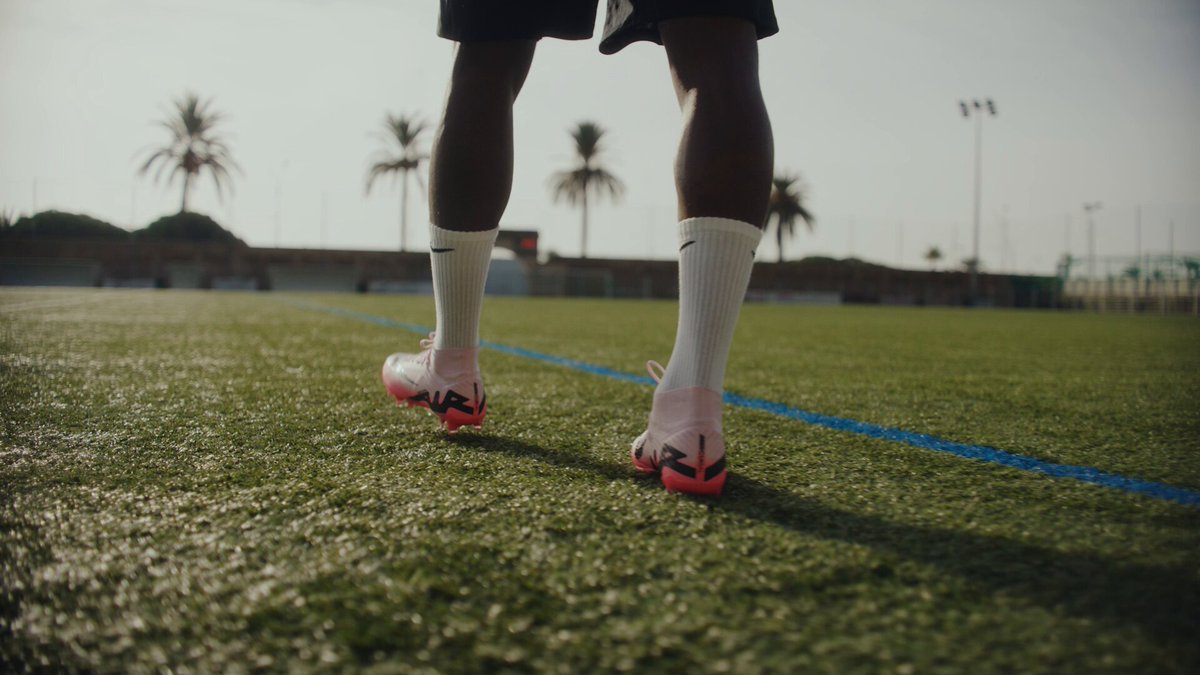
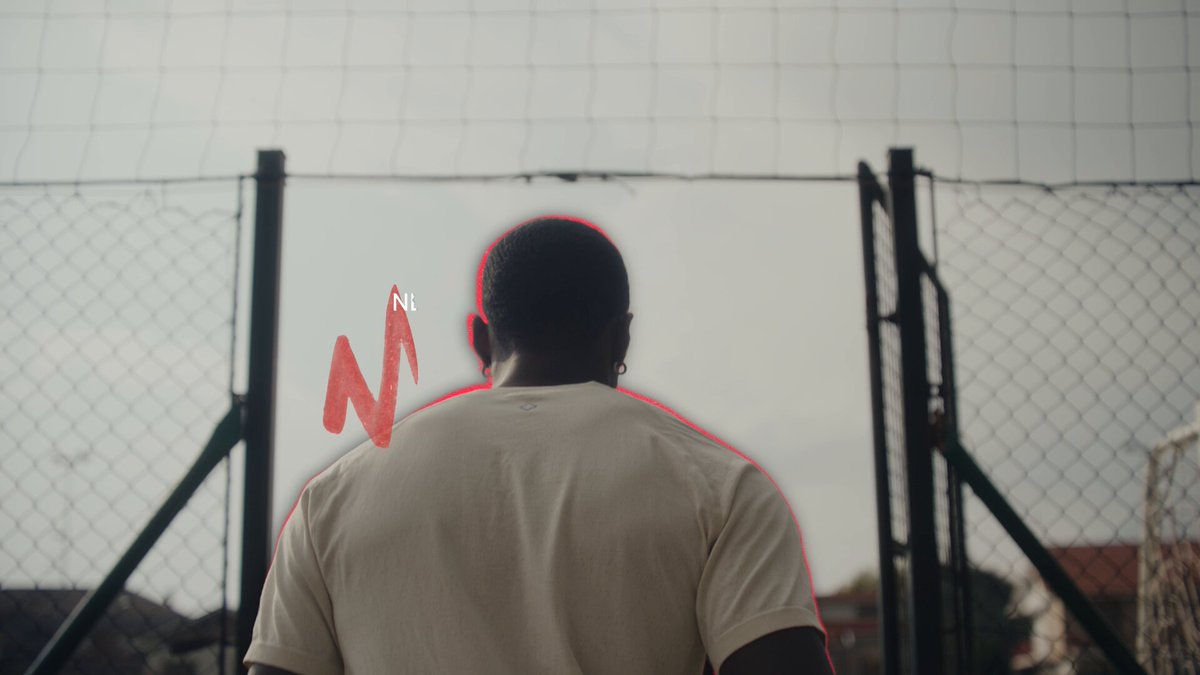
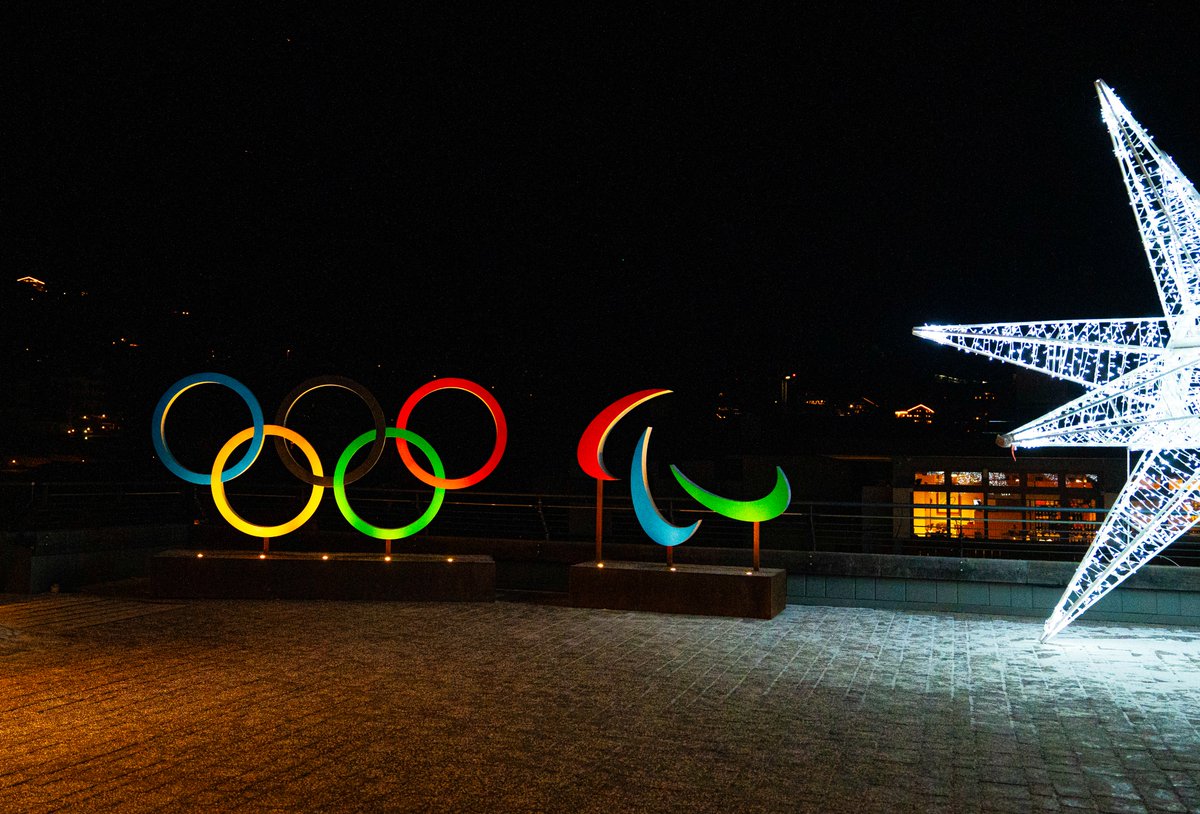
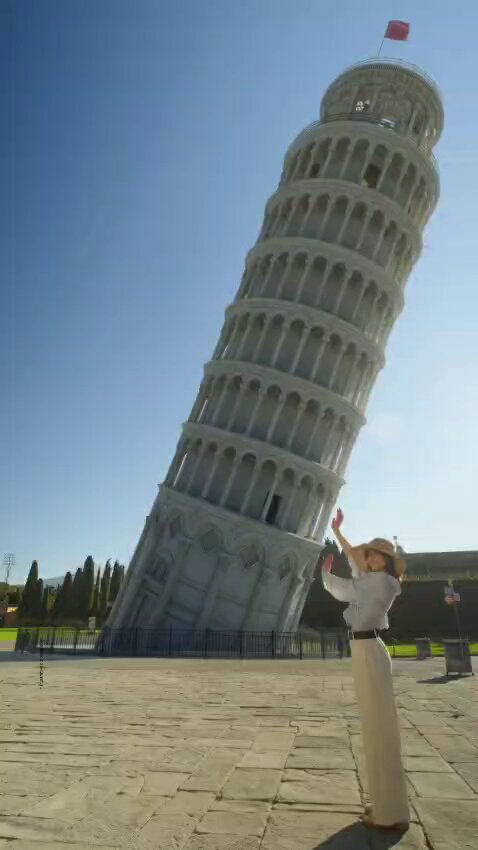
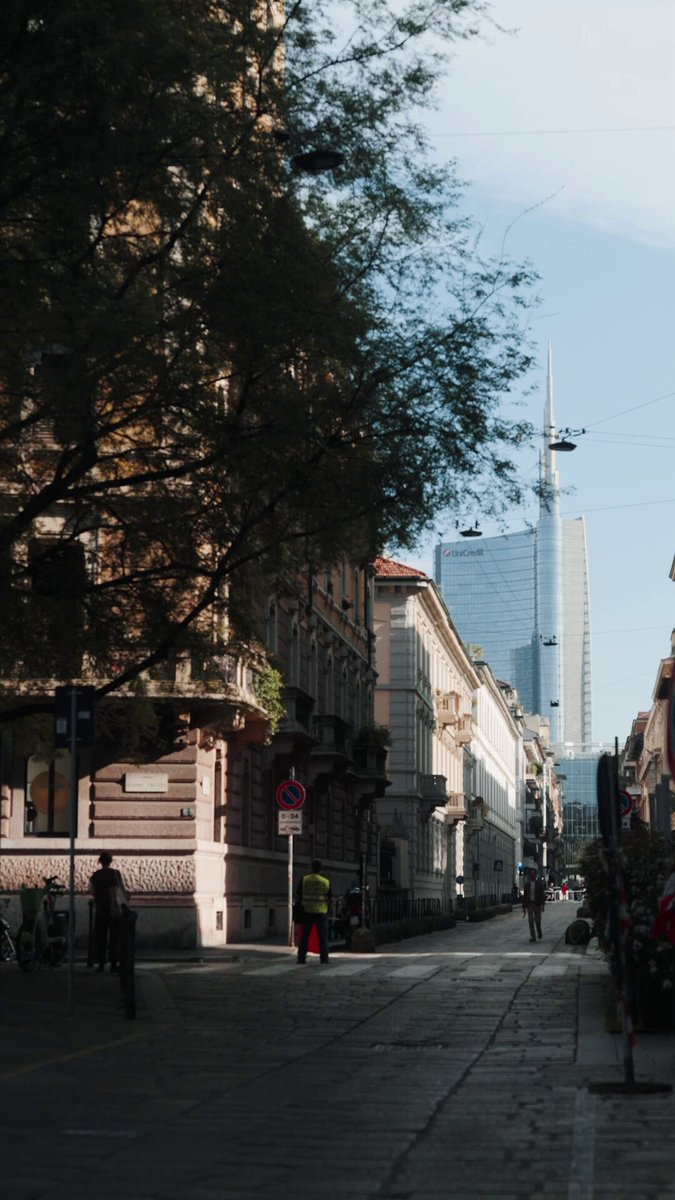
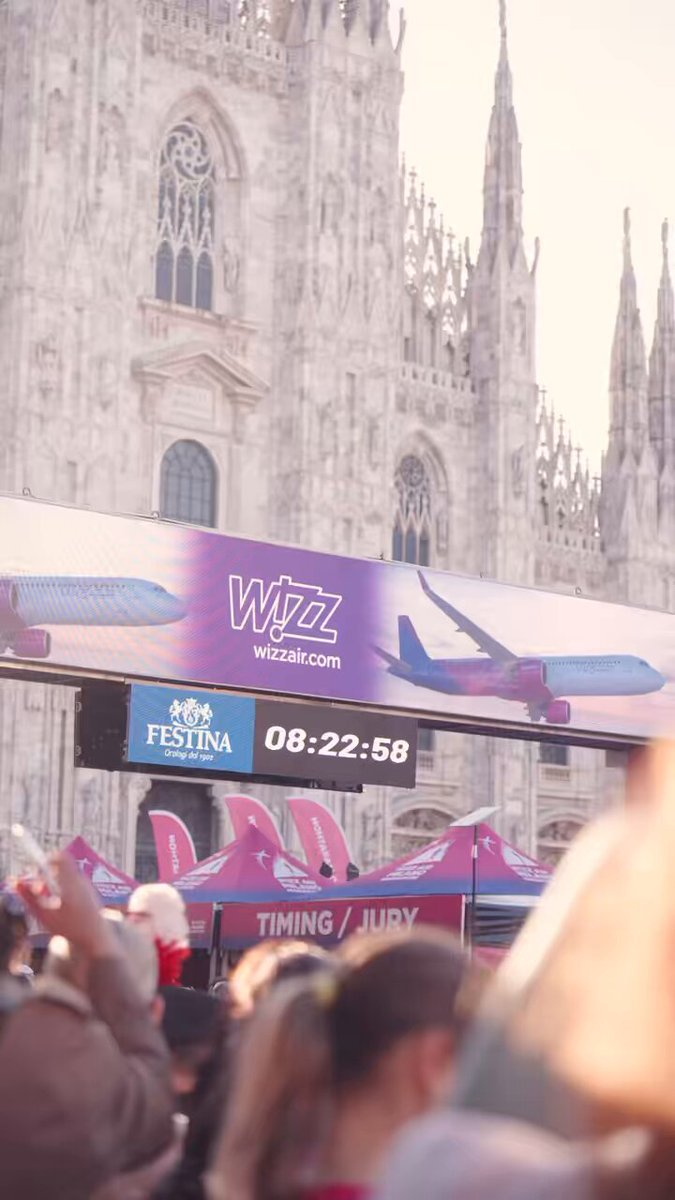
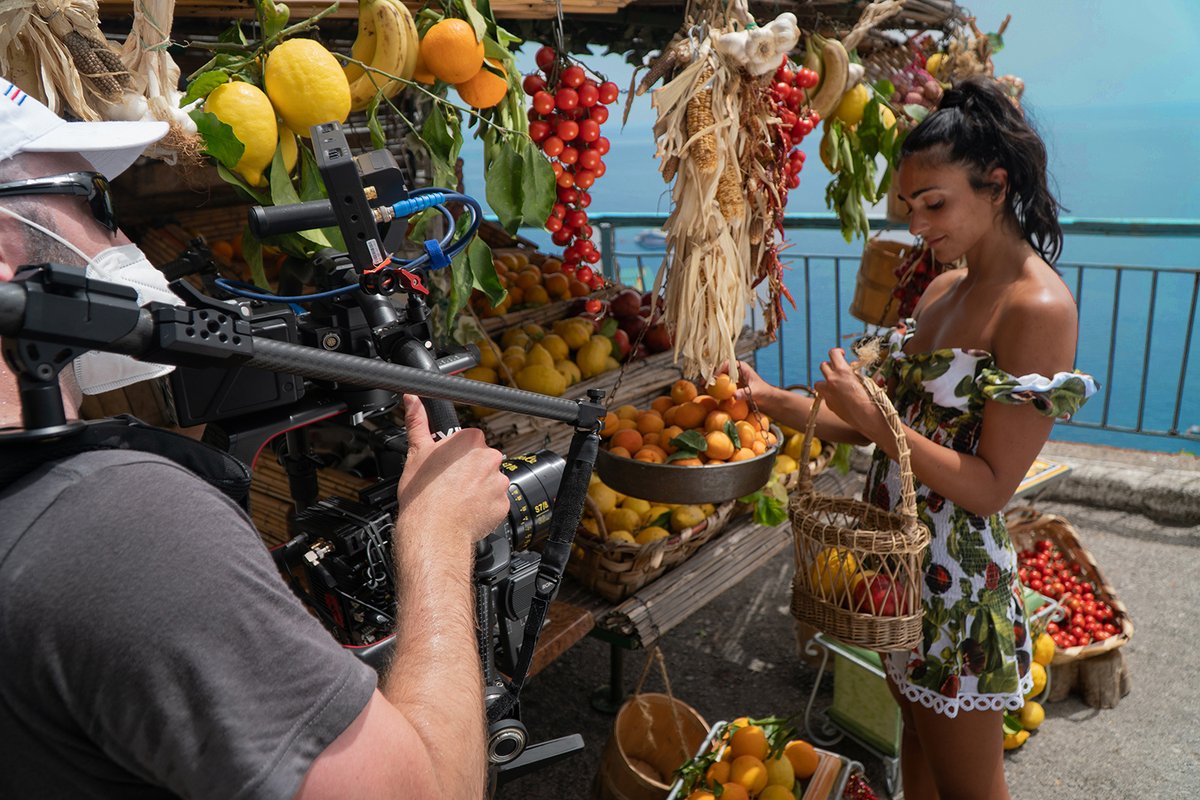
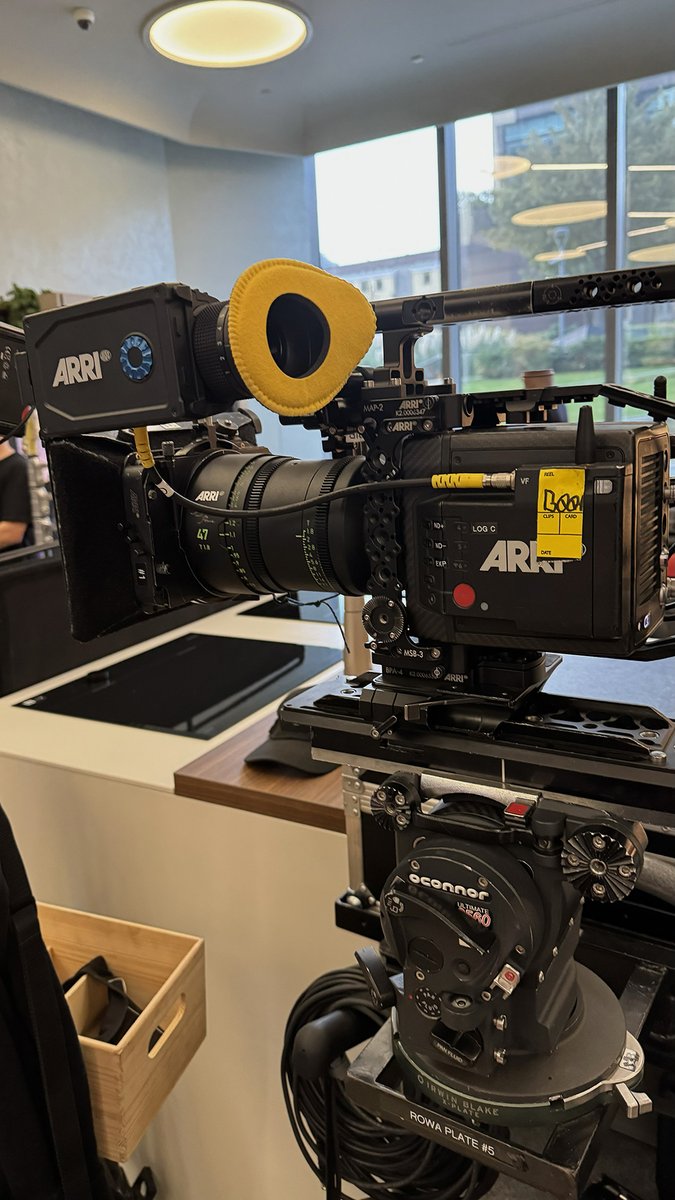
Milan Design Week 2026 turns Milan into a design stage. From our Milan HQ, ORBIS Production @orbis_pro delivers film, photo and live streaming production across Salone del Mobile, Fuorisalone, Brera and Isola for brands, agencies and broadcasters.
orbispro.it/film-photo-produ…
#MilanDesignWeek
29
13
18
292
Mar 16
Heineken Fusion was never a brief about simply filming a bottle.
@Heineken positions Fusion as born for aperitivo, with natural juniper and citrus notes, so the real task was to build a believable social ritual around the product. Not to illustrate the idea. To let people feel it.
That is why the location mattered. A terrace in the centre of Desenzano del Garda gave the film the right cultural texture: late light, public movement, greenery, stone, water, and the kind of easy sophistication that cannot be faked with styling alone. In a campaign like this, location is not backdrop. It is narrative logic.
From there, the details had to stay exact. Beer styling meant no ice, a clean foam head, citrus garnish, branded glass reading clearly on camera. Talent direction had to feel natural, never demonstrative. Production design had to feel inhabited, not arranged. And planning had to carry all of it across hero film, cutdowns, stills and social outputs without losing the identity of the campaign.
This is the part of commercial filmmaking that matters most to brands and agencies: translating strategy into atmosphere without losing control of craft.
Client: Heineken | Agency: Boomerang | Creative Director: Sascha Gorter | DP: Abel Andel | Producer: Laura Thrower, Mike Lisjak
40
11
16
423
Mar 16
Full case study of this Heineken Fusion campaign – film production in Italy for global brands and agencies:
orbispro.it/projects/heineke…
2
1
102
Mar 13
Global production is not about being everywhere. It’s about making every market feel like one workflow.
For agencies and brands running international campaigns, the biggest challenge is rarely the idea. It’s execution: crew availability, permits, equipment logistics, local regulations, weather windows, and keeping creative standards consistent across multiple markets.
That’s where production partners matter.
ORBIS Production operates as a global film and video production partner, supporting international brands and creative agencies with full production services – from concept development and production design to location scouting, permits, crew, equipment, and cross-border execution.
Headquartered in Milan, our teams support productions all across Europe, the UK, the United States, the Middle East, and APAC, coordinating in-house production workflows while maintaining a unified creative and operational standard.
Whether it’s TV commercial production, branded content, automotive shoots, corporate films, fashion campaigns, feature film, live event or multi-market advertising projects, the job remains the same: protect the creative idea while making complex production run smoothly.
Because scale only matters when the execution stays precise.
🌍 Global Film Production
🎬 Video Production Services
📍 Milan | Europe | Worldwide
orbispro.it
#FilmProduction #VideoProduction #ProductionServices #CommercialProduction #GlobalProduction
56
10
26
550
Mar 13
Sometimes a global campaign quietly passes through an ordinary city square.
Earlier this week Zlatan Ibrahimović was spotted in Sesto San Giovanni, just outside Milan, during the filming of a @FOXSports commercial connected to the upcoming 2026 @FIFAWorldCup.
The spot was produced locally in Milan by ORBIS Production @orbis_pro, with the square briefly turning into a working set for an international sports campaign.
Moments like this highlight something interesting about modern commercial production: global campaigns often depend heavily on local production expertise, location management and on-the-ground logistics.
Cities around Milan increasingly serve as real backdrops for international advertising and sports content.
Nice to see the local press pick it up.
milanotoday.it/attualita/ibr…
via @milano_today
30
9
19
330
Mar 4
Production is no longer the last step of creativity.
It’s the system that allows creativity to exist.
In a new interview with Engage @Engage_Magazine, our Head of Production Elena Lusardi shares why the future of production is about managing complexity before the shoot.
Read the full interview ↓
engage.it/agenzie/produzione…
#FilmProduction #ProductionServices #InternationalProduction
53
14
29
559
Feb 26
Italy Film Crew Rates 2026: What International Producers Get Wrong
Searching for Italy film crew rates?
Stop looking for a simple rate card.
Italy does not operate on flat numbers.
👇
44
18
21
449
Feb 26
Inside the guide:
✔ Italy film crew rate structures
✔ Overtime thresholds explained
✔ Night shoot labor impact
✔ Travel & location radius cost effect
✔ Cancellation rules
✔ Budget planning aligned with Italian compliance
Built for producers searching:
Italy film crew rates
Film production company in Italy
Production service company Italy
1
1
94
Feb 26
Italy is one of Europe’s strongest technical crew markets.
But it is structured.
Production works best when labor rules are integrated in prep – not discovered on set.
Full framework:
👉 orbispro.it/crew-rates-labor…
1
80
Feb 24
Global production isn’t defined by scale. It’s defined by repeatability.
In 2026, a “shoot” doesn’t ship one asset anymore – it ships a system. One production day now has to feed a full rollout: hero film, cutdowns, social‑first formats, stills, paid, earned, retail, internal – across markets, specs, languages, and approval chains that don’t politely align.
That’s why “speed” is rarely about moving faster. It’s about moving cleaner.
Most work doesn’t get diluted in the concept. It gets diluted in the handoffs:
when rights are unclear, when access is assumed, when approvals drift, when post isn’t built for versioning volume, when teams are chasing versions instead of protecting intent.
Repeatability comes from the unglamorous decisions:
a real deliverable matrix (not a slide), rights/usage locked early (territories, platforms, durations), access planned like a schedule asset, an approval path with owners escalation, and a post pipeline designed for volume — one creative spine (color / sound / graphics), then fast variations with QC that scales.
And risk. Not “drama risk” — real risk: permits, labor rules, security, logistics, time zones, weather, contingency. If you don’t schedule risk, it schedules you.
AdForum recently published a conversation with Mike Lisjak (Global Executive Producer, ORBIS Production) on this shift – why production is increasingly the delivery mechanism of brand strategy, and why execution is where creative intent is either protected or slowly diluted.
If you’re planning a multi‑market rollout this year, pressure‑test one thing:
Where does your timeline break first when volume hits – rights ambiguity, approval drift, or post/versioning load?
Full interview:
adforum.com/interviews/mike-…
33
51
20
346
Feb 6
There were doubts. There was noise. There was endless speculation about scale, logistics and ambition.
Then the Milano Cortina 2026 Winter Olympics Opening Ceremony happened — live, on time, and across San Siro, Cortina d’Ampezzo, Livigno and Predazzo.
The Parade of Nations is complete. Italy entered last to a home roar. The ceremony closed without explanation, apology or revision.
At this level, execution is the only response.
San Siro didn’t debate. It delivered — in front of the world.
orbispro.it
#MilanoCortina2026 #WinterOlympics #OpeningCeremony #SanSiro #Olympics #BreakingNews
46
13
25
1,071
Feb 6
Milano Cortina 2026 is no longer approaching – it’s already unfolding on the streets of Milan.
Hours before tonight’s Opening Ceremony, the city has shifted into full Olympic mode. Piazza del Duomo has become an unofficial front page: crowds gathering, cameras everywhere, and the mascots Milo and Tina turning one of Europe’s most iconic squares into a living postcard.
This isn’t just atmosphere – it’s the opening chapter of a Games designed to feel present long before the first flame is lit.
Tonight at 20:00 CET, the Opening Ceremony “Armonia” begins at San Siro Stadium. But the image that will define Milano Cortina 2026 comes later. At 22:30 CET, two Olympic cauldrons will ignite simultaneously:
🔥 Arco della Pace in Milan
🔥 Piazza Dibona in Cortina d’Ampezzo
One moment. Two locations. City and mountains connected live.
From a media perspective, this is a deliberate shift. Milano Cortina 2026 isn’t built as a single broadcast spectacle — it behaves like a live story unfolding across an entire region. Multiple viewpoints. Crowd-driven energy. Cultural signals woven into sport. Moments engineered not just to be watched, but to be shared.
If past Winter Games were about what happened inside the stadium, these Games are about what happens around it — in public squares, historic streets, and alpine towns, all reacting in parallel.
The Olympics don’t start when the ceremony ends. They start when the city becomes part of the narrative.
Live updates continue tonight.
orbispro.it
34
13
22
1,148
Feb 1
In elite sport, instinct is often described as something automatic.
In reality, it only works when the environment allows it to work.
This Verizon project with Folarin Balogun focuses on what sits just before the visible action. The moment where a decision is made without hesitation – not because it’s rushed, but because nothing around it causes friction.
For brands and agencies, this is an important distinction. High-performance content is not created by adding pressure. It’s created by removing it.
On a shoot like this, there is one athlete, limited time, and many expectations: hero footage, social content, close-ups, supporting visuals. If the day becomes chaotic, performance drops. If everything is rushed, the edit suffers. The only way to protect both is to design the process before the camera arrives.
That means planning formats early. Defining how movement flows on set. Making sure camera setups don’t interrupt rhythm. Keeping communication simple. Allowing moments of stillness so repetition stays consistent.
The result is content that feels sharp and intentional – not because it was over-directed, but because the athlete never had to adapt to production noise.
This is where production becomes a strategic partner for brands. Not just executing a brief, but shaping the conditions that make performance believable and repeatable on screen.
Film & video production across Europe and worldwide by ORBIS Production
orbispro.it
orbispro.fr
46
28
22
894
Feb 1
In high-pressure sports content, focus is not a personality trait.
It’s a production outcome.
This @Verizon project with Folarin Balogun was filmed on the French Riviera – a public, uncontrolled environment with real limits. The objective wasn’t to move faster or create intensity. It was to remove everything that silently breaks concentration: unclear direction, overlapping voices, unnecessary movement, last-minute decisions.
At this level, hype is noise.
Stability is what protects performance.
All critical decisions were made before the shoot. Camera positions, timing logic, access routes, and crew flow were locked early so nothing had to be negotiated on the day. Communication stayed minimal. The set remained predictable even under pressure.
That’s why the film feels sharp without feeling chaotic.
Not because it was simplified – but because complexity was absorbed by the production, not passed to the athlete.
This is what high-level film and video production actually does:
it builds conditions where talent can perform without interference.
Film & video production across Europe and worldwide by ORBIS Production
orbispro.it
orbispro.fr
40
16
21
752