3,179 Photos and videos

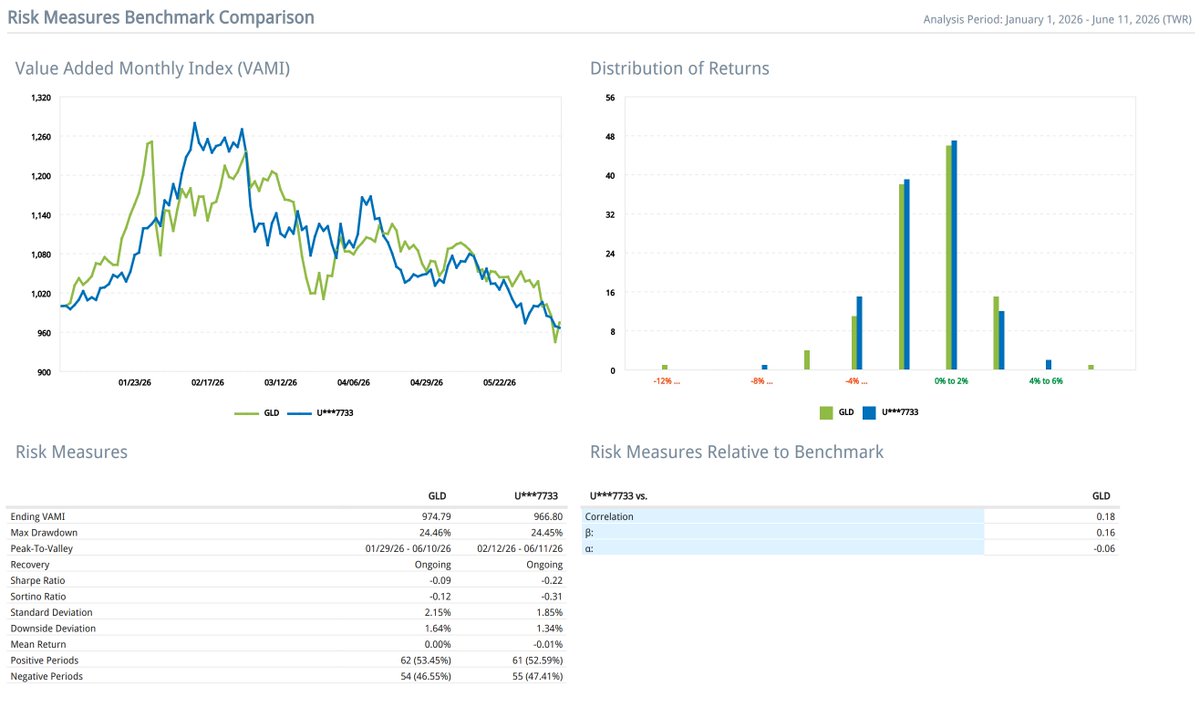
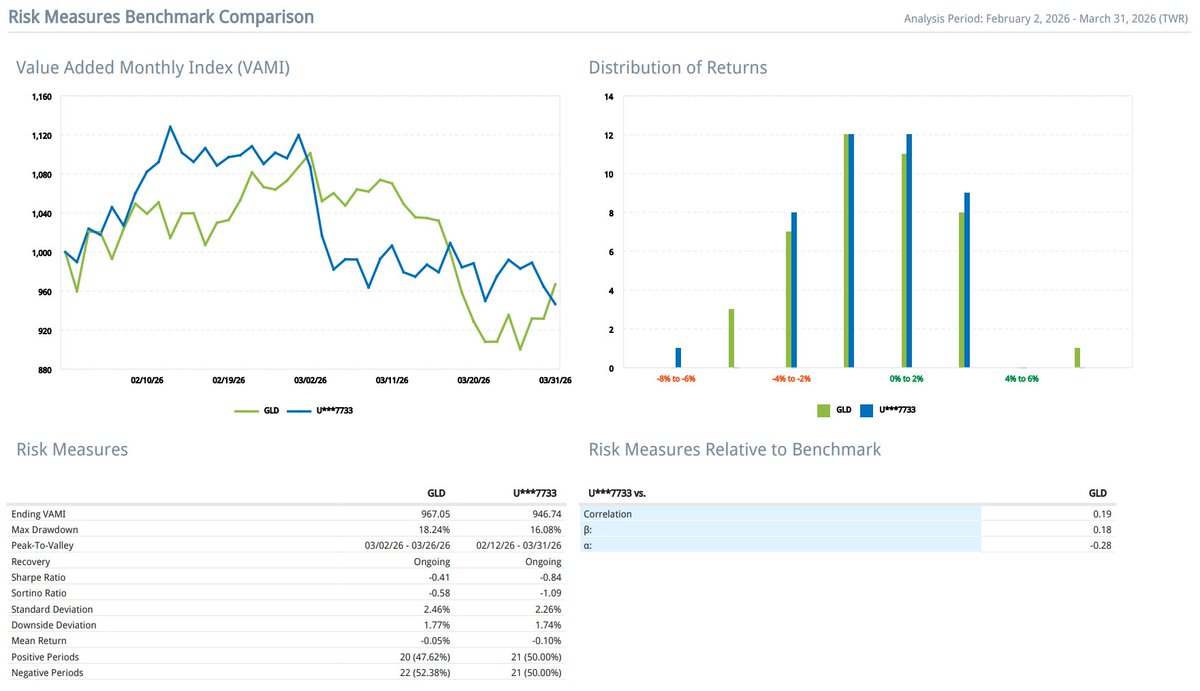

The Militia Long/Short Equity ETF has launched! The ticker symbol is $ORR and it just began trading.
The strategy is similar to my hedge fund, investing in global stocks up to 150% long and 100% short. This strategy will typically have lower correlation and beta to the market than most public investments. This means that during a strong bull run $ORR will have a tough time keeping up. But in a weak market $ORR is expected to outperform.
My reasons for launching $ORR rather than growing my hedge fund:
Many of the investments in my hedge fund are illiquid and I won’t be able to trade them if my hedge fund grows too big. This is why I’ve been turning away new investors. However, well over half of my bets scale well and $ORR will invest in that portion.
The $ORR ETF will have a lower edge due to its larger scale, and thus it has a much lower fee to match. I have a strong opinion that hedge fund fees are incompatible with large AUM generally, not just for my fund. Most people don’t know it but Buffett pointed out that even Berkshire’s track record would have been mediocre with hedge fund type fees. This is by far the biggest reason I want to launch an ETF. I want to do right for the people investing with me, who are trusting me with their money, rather than sell out like most other hedge fund managers do.
The $ORR ETF has less risk than my hedge fund because it uses less leverage and isn’t short many microcap stocks, which can have extreme volatility. This is a more appealing product to risk averse investors.
The ETF vehicle has many benefits: Simplified, favorable taxes for the ETF holder. Can be owned on margin and in retirement accounts. Daily liquidity. Due diligence on ETFs is simpler than hedge funds, convenient for institutional investors. Compliance isn’t an issue for institutional investors. Allows me to rebalance longs without a tax hit. Both very small and very large investors can join, neither of which could invest in my hedge fund.
Expenses stated in the prospectus:
The 1.3% management fee is accurate, which is around .65%/year fee per 100% gross leverage managed.
The 18.84% gross expense ratio is very misleading. These items cause the stated expenses to be very high but are not real economic costs:
1. When a stock or ETF that I’m short pays a dividend it gets counted as an expense. In reality, whenever dividends are paid the underlying stock or ETF drops by roughly the same amount. Thus, the real economics are neutral. The ETF will be heavily short high dividend investments at the start.
2. When I short a stock or an ETF, I am paying to borrow the shares. On average, my larger scale shorts cost 1%/year to borrow. This is considered an expense. However, when I short sell I am simultaneously borrowing shares from one guy and selling them to someone else. That someone else pays cash for these shares, which the ETF holder earns interest on. Thus, I will be earning a positive carry on that short. But the way the “expense” gets calculated, the interest earned from being short does not offset the cost of borrowing.
3. The margin interest paid for being over 100% gross long. Unlike the first two items, this is a real expense but the expected return of the stocks we own is higher than the interest cost.
Frankly, the way the expense ratio gets calculated in the ETF prospectus is nonsensical. Regulators should update this number to better reflect reality. But since they don’t, and since most people do not understand this, ETF managers are reluctant to do anything in their portfolio that causes this official number to go up. Well, I say to hell with that. I’m just going to do whatever I think has the maximum expected value even if this hurts marketing to many potential investors.
Points about the $ORR ETF at launch:
* Until the ETF reaches ~$50-$150 million AUM, I will not be able to short more than 10 individual stocks or ETFs. This is due to the unusual mechanics of short selling in an ETF vehicle and associated implied cost. Thus, $ORR will be shorting mostly bad ETFs in its early days. This isn’t so bad. There’s a big edge in shorting some of these bad ETFs and I even make these same big bets in my hedge fund. But I want to be transparent: the ETF won’t have its full edge until we hit a bit larger scale.
* While the ETF has low AUM you should be careful with trade execution. Do not use market orders. You will get the best fills if you use limit orders and buy between 10 AM and 3:30 PM ET. If you're buying in large size, contact your broker and do a Request for Quote (RFQ) to get best execution. Also, if you want to invest >$10 million and want more liquidity, you can reach out to me and I can help coordinate with a market maker.
Regulation on public posts, or why I haven’t posted about the ETF until now:
Every post I make about the ETF needs to get approval, including replies to questions in this thread. The turnaround time for approval is 5 days and costs money. Thus, I won’t be able to reply to your questions here. Instead, I will gather a list of questions and write up a FAQ.
Oddly, I am allowed to reply to questions on podcasts. If you run a podcast and want to discuss the ETF, I’d like to go on.
-
Thanks to Sam Lee @svrnco for partnering with me on this. Besides financially backing it, there was an awful lot of overhead work and other hurdles when launching an ETF. He did a great job handling most of that work so that I could focus on investing.
For more information about ORR ETF, a prospectus, fees and risks militiaetf.com/
57
36
592
536,924
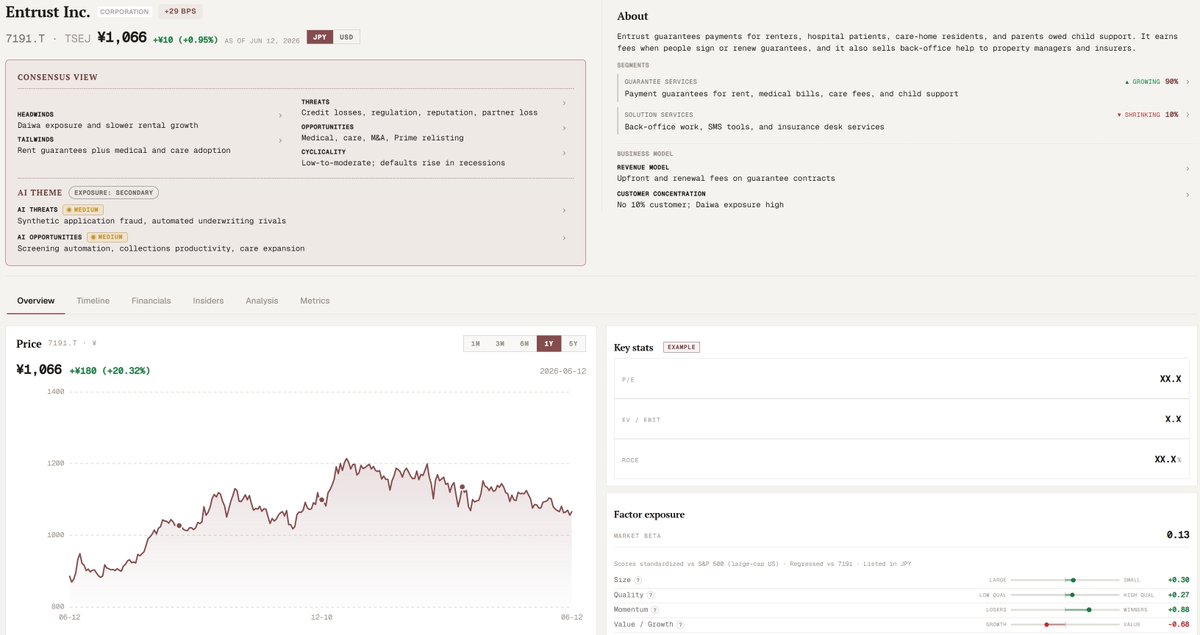
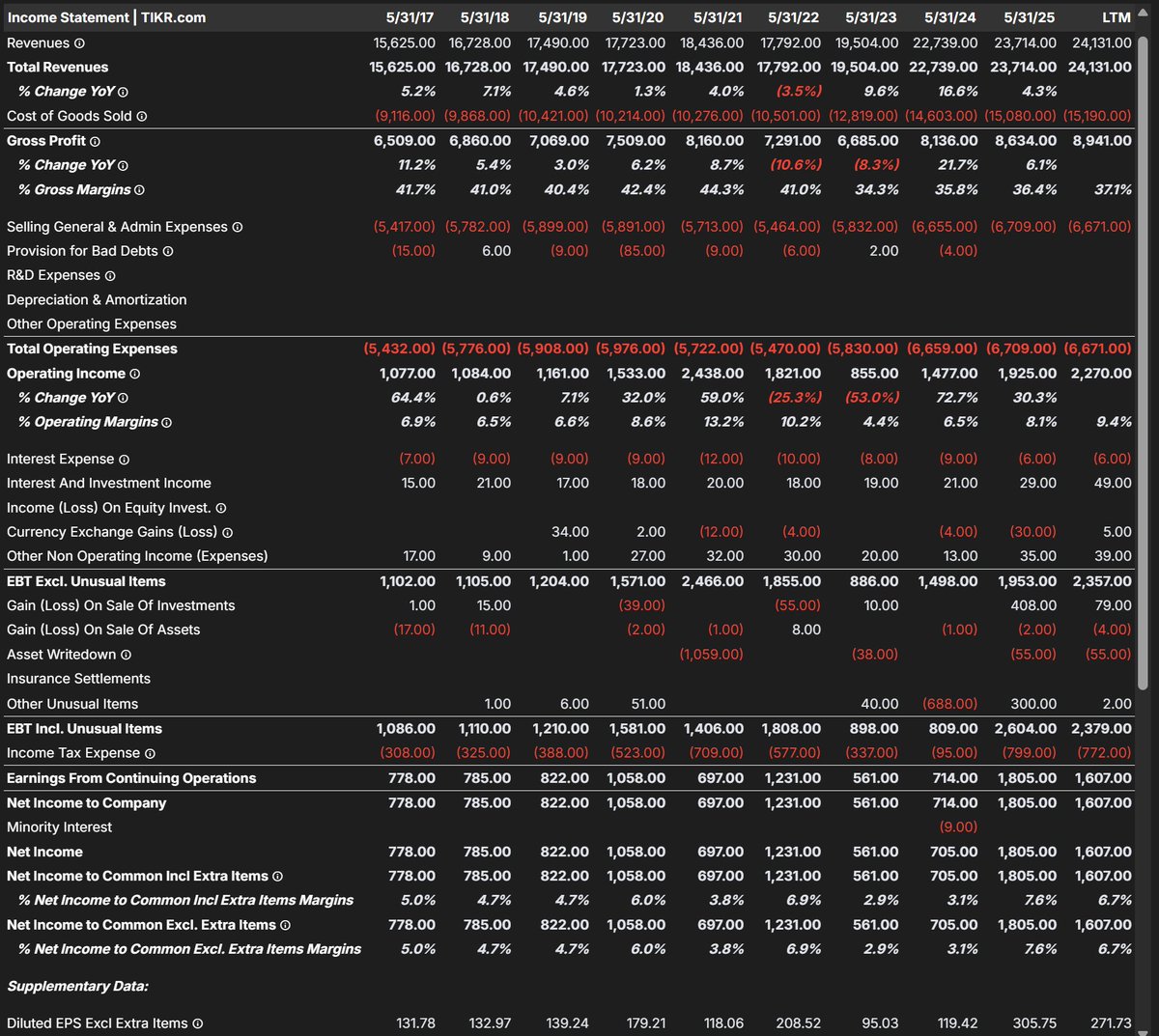
I've been reviewing Japanese longs all day. Due to AI summaries, I can get through so many more per hour than I could back in 2019.
I also feel way more mentally depleted than back then. I guess less of my time is spent doing low mental energy look ups. Now way more of my time is wrestling with a key hard fact. It's crazy how much more tired I feel right now than back then after an 8 hour session.
2
15
1,075
It's best to invest in both types.
There are long stretches where things don't change much, where the moat dependent investment is better.
There are also long stretches where things are changing fast, where the innovative investment performs better.

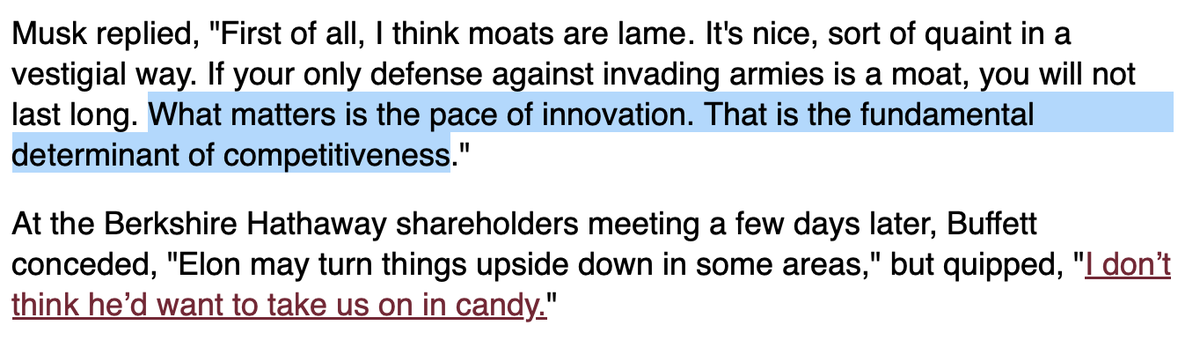
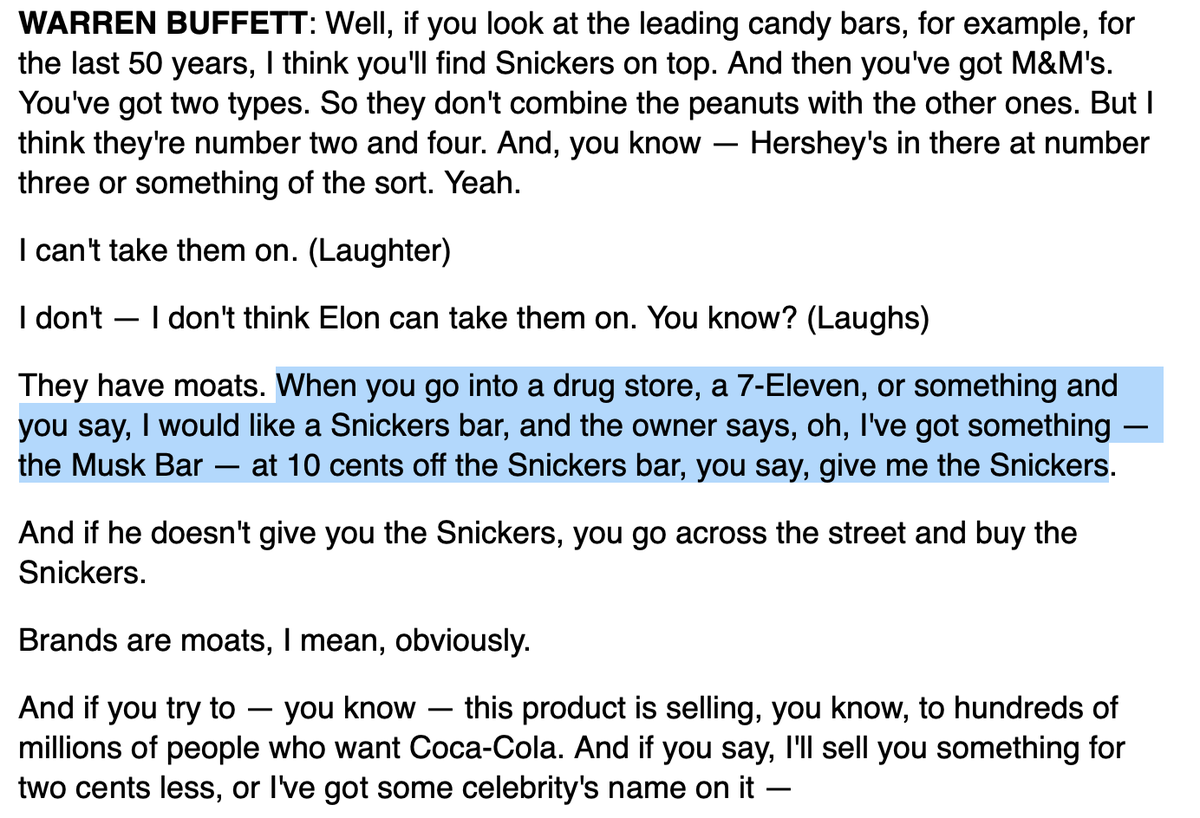
Interesting clips from CNBC's weekly Buffett email on when Buffett and Musk traded barbs on moats. I think Elon makes a great point in his quote here, and I'd love to hear what WB thinks about what he said a decade ago, specifically the idea that Snickers or M&M's brand have more pricing power than a hypothetical "Musk bar". The upstart brands (see the protein bar isle), health food focus, store brands (Kirkland, etc) and the downfall of all kinds of once powerful food brands like GIS, KHC, etc... I wonder if WB has a different view today
2
15
5,092
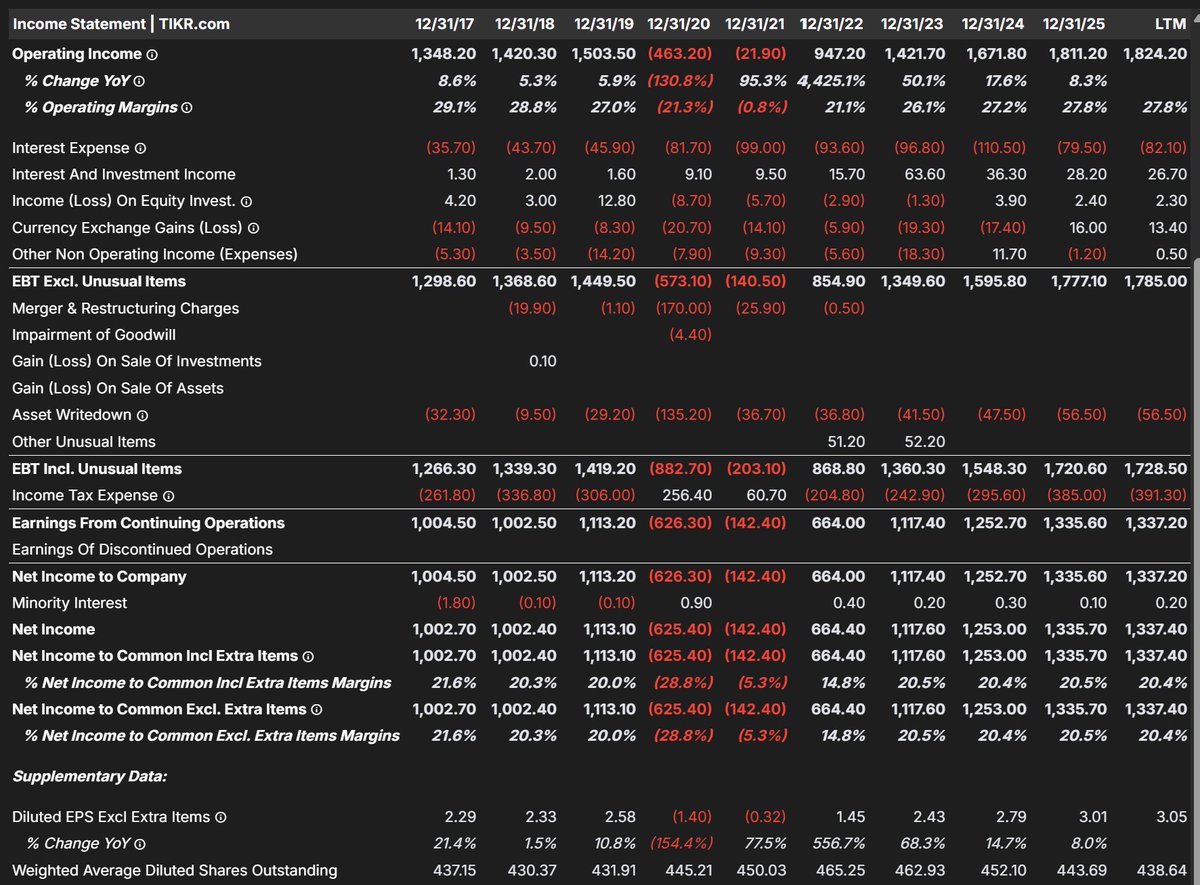
Compare Human Holdings to a random "quality/compounter" stock. Say Amadeus $AMS. In this example, the company pays a 3% dividend, share count is flat rather than down slightly and earnings are only up 30% in a decade (wow so quality!)
This stock still trades for 16x earnings.
And yeah, instead of trading as a net/net like Human Holdings, it has a small debt pile of 2x earnings.
1
5
1,260
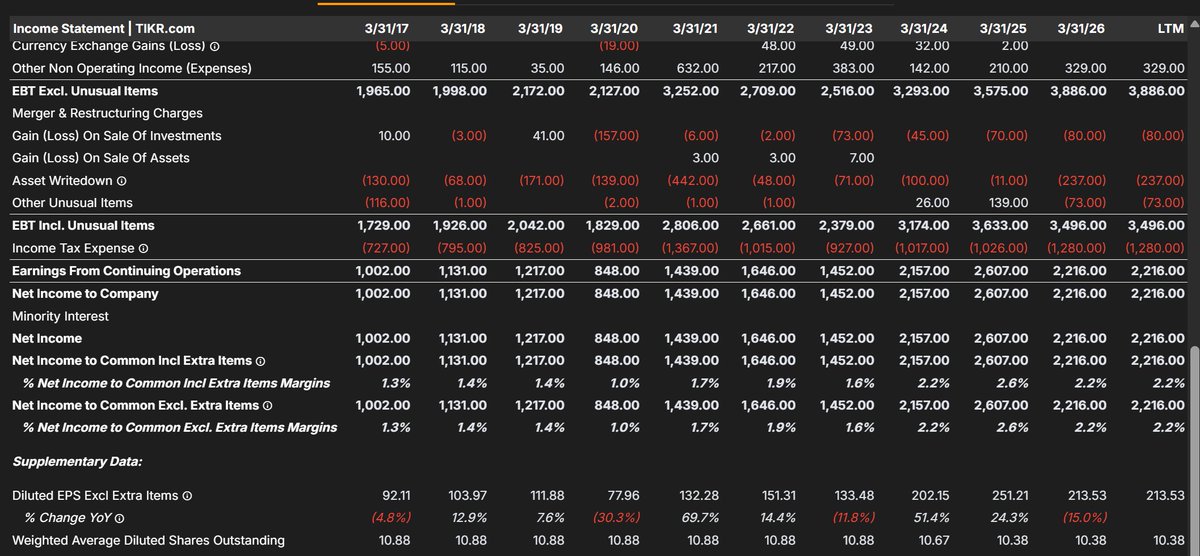
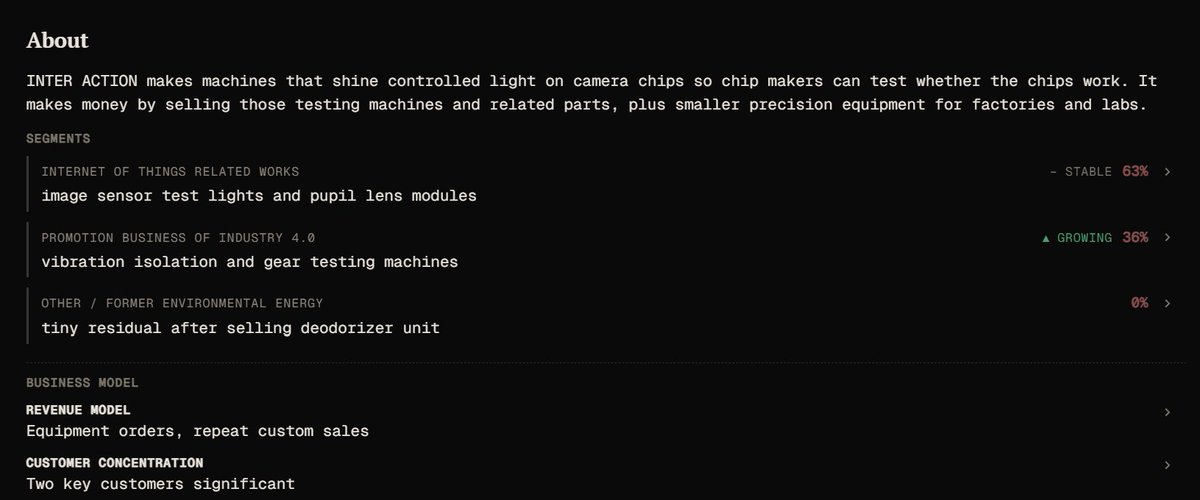
Been reviewing Japanese longs all morning.
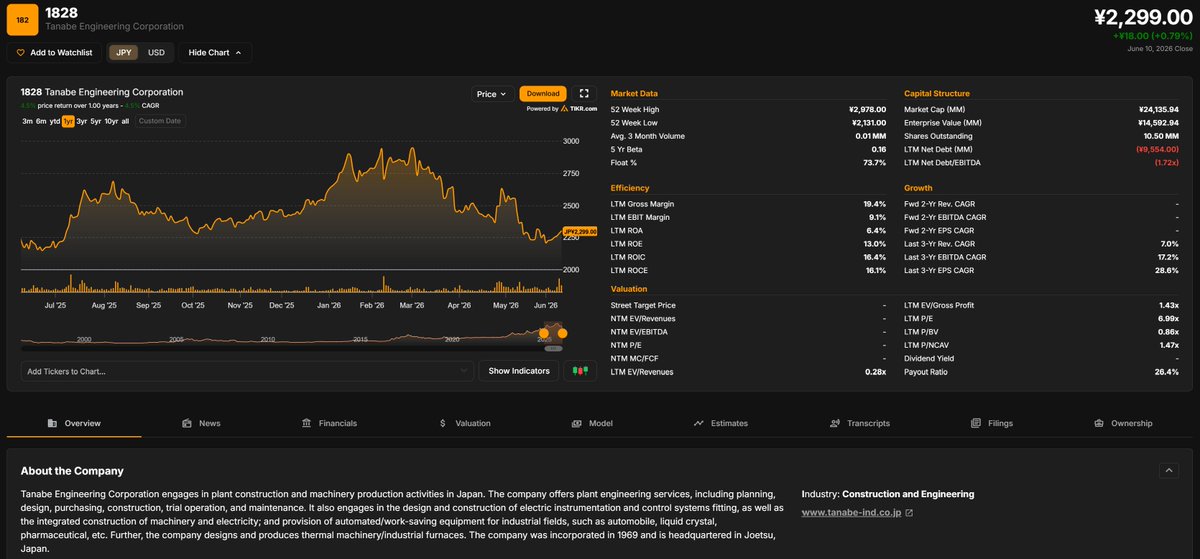
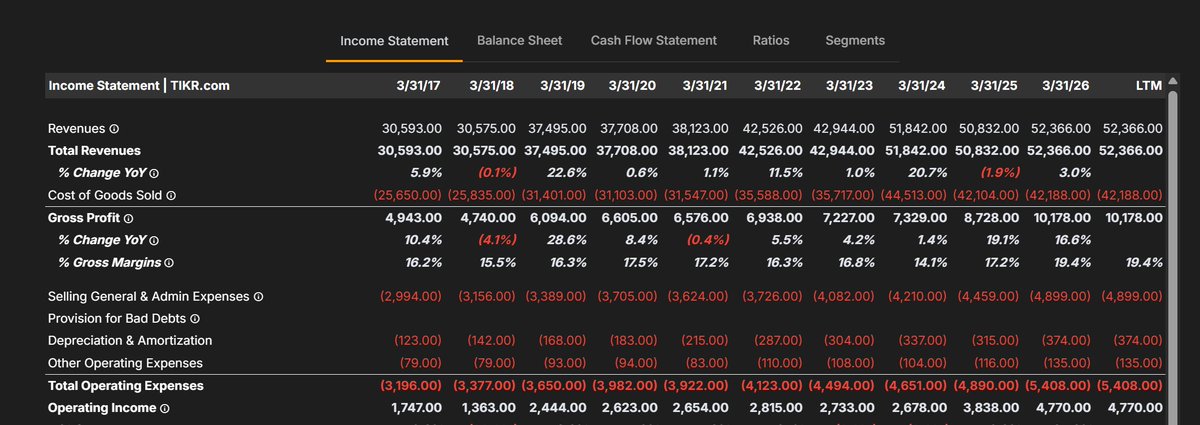
Look at this example Tanabe Engineering $1828. It now trades for 7x earnings with 16% return on capital. It has a 4.5% dividend yield. They tripled operating income in a decade.
There are so many companies like this, from unrelated industries, that peaked exactly at the end of February.
This type of small cap Japanese value / GARP stock is in a bear market. This one had a 25% drawdown.
18
18
244
35,672
David Orr retweeted

Jun 12
Annualized Returns: 1877 - 1926
All Stocks: 8.06%
Railroad Operating Companies*: 7.58%
Railroad Equipment Companies**: 12.89%
*(Survivors subsumed into Big 6 -- UNP, CSX, NSC, CNI, CP, BNSF)
**(Survivors subsumed into, eg, WAB, ALO (Euro),
TRN, business lines of GE, etc.)
5
14
221
58,157