21 Photos and videos







ベルボーイ retweeted

11 Dec 2016
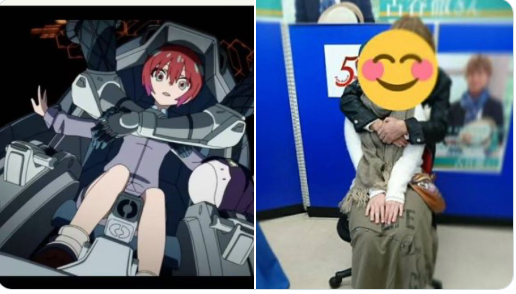
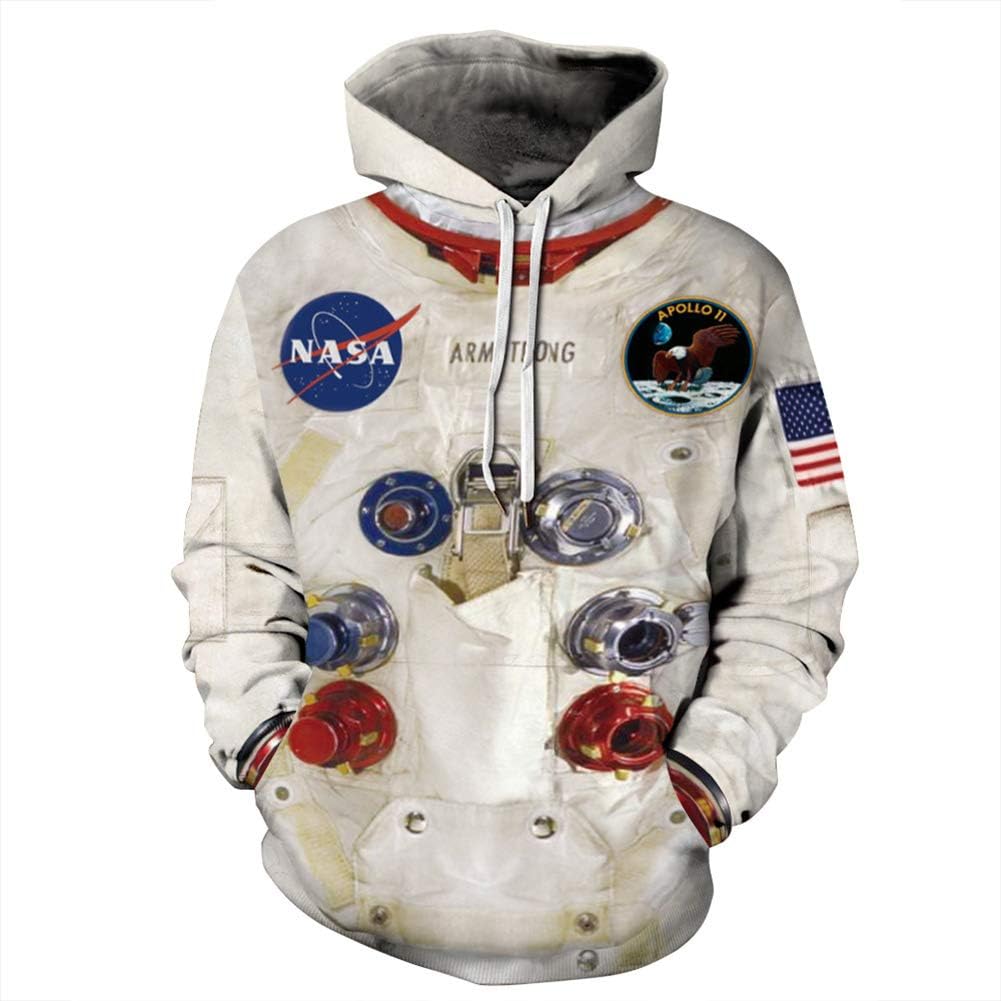
電子木魚の存在自体に驚きだし、そのネーミングセンスはどこから来た。

5
3,480
2,380
ベルボーイ retweeted

13h
近視のリスクについて伺いました。
頭に入れておくべき重大リスクの話からレーシックやICL、コンタクトの話まで。
ぜひぜひ!!
youtu.be/aDWubsd6E98?si=XzCi…
7
100
6,922
ベルボーイ retweeted
Steven Spielberg watched ‘GODZILLA MINUS ONE’ 3 times & gave the film massive praise.
“I have met God. What should I do now?” says Takashi Yamazaki.
29
158
2,561
666,763
ベルボーイ retweeted

One of the first aircraft to use electrical flight controls with no mechanical linkages, the Balzac 001 was an experimental VTOL aircraft developed by Dassault in the early 1960s. Built as a technology demonstrator for the planned Mirage IIIV supersonic fighter, it was powered by eight Rolls-Royce RB.108 lift engines and a single Bristol Siddeley Orpheus turbojet.
The aircraft achieved its first free flight in October 1962 and completed the first full transition from vertical takeoff to horizontal flight in March 1963 but was destroyed in an accident the following year.
8
51
344
16,476
ベルボーイ retweeted

14h
Boeing 747 landing in Kai Tak, Hong Kong!
30
140
1,391
119,405
ベルボーイ retweeted
The Petlyakov Pe-8 was the Soviet Union’s sole four-engine heavy bomber of World War II and one of the more underrated heavy bombers of the war in my view. Only 93 aircraft were produced after its introduction in 1936.
It featured a 128-foot wingspan and four 1,340-horsepower engines for a maximum speed of 275 mph. The type bombed Berlin in 1941 and transported Foreign Minister Molotov to the UK and US in 1942.
Colorized and restored footage of the aircraft.
7
40
463
26,107
ベルボーイ retweeted

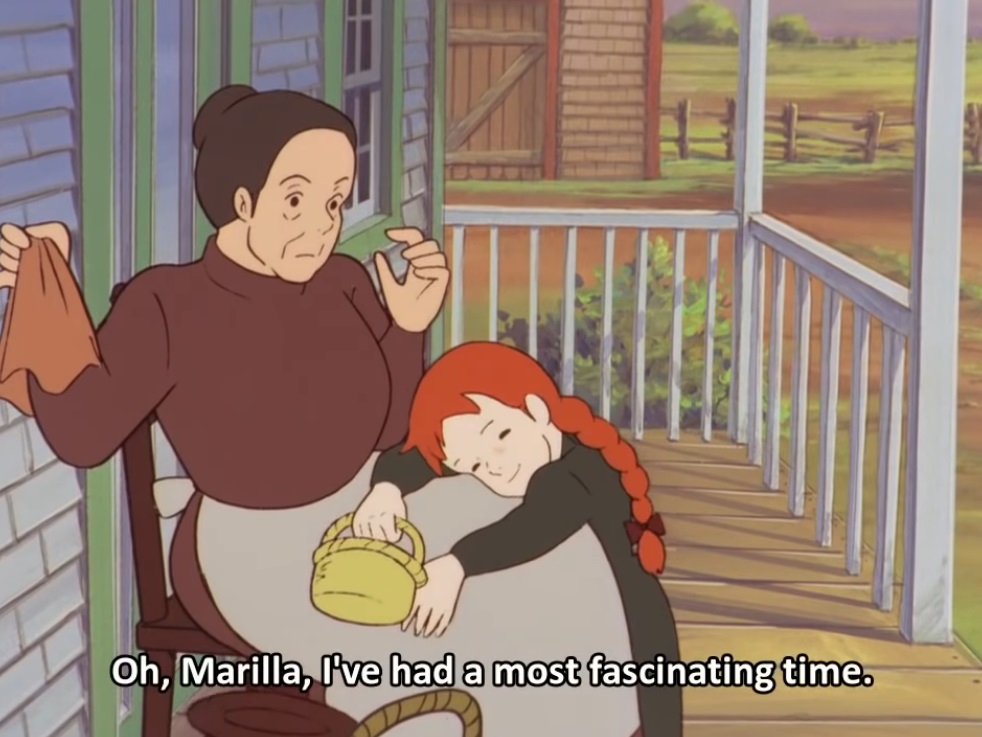
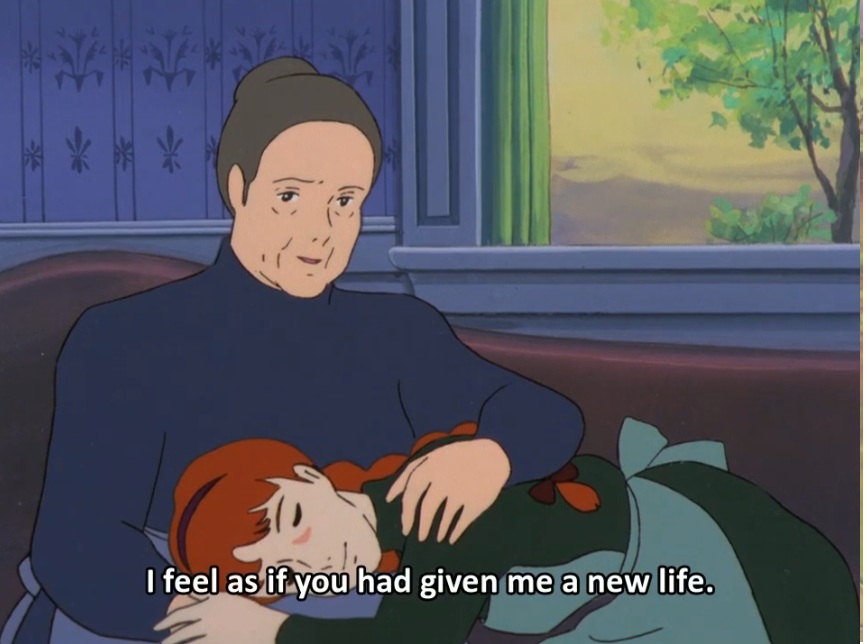
#赤毛のアン はマリラの成長物語でもあると思うのです。子育て経験ゼロでいきなり孤児の女の子を育てることになり、義務感や戸惑いから少しずつ母としての愛情へと変わっていく。原作では文章の行間から感じ取るその変化がアニメでは表情やしぐさ、声優陣の繊細な演技によって丁寧に描かれていますね
20
368
2,591
93,810
ベルボーイ retweeted

Jun 16
To all the old PanzerPicture crew ❤️
Remember spending hours watching those crystal-clear Tiger, Panther & Sherman videos? The rare restored footage you couldn’t find anywhere else?
The original channel is gone because of ridiculous strikes... but we’re back and rebuilding.
If you were part of the 155K family, come home:
🔗 youtube.com/@panzerpicture2
Subscribe, drop a comment with your favorite tank, and tag a fellow tank nerd. Let’s bring the archive back stronger.
Who’s still here? Comment “Present” 👇
#Panzer #WW2Tanks #TankFans
5
62
450
8,464

ベルボーイ retweeted

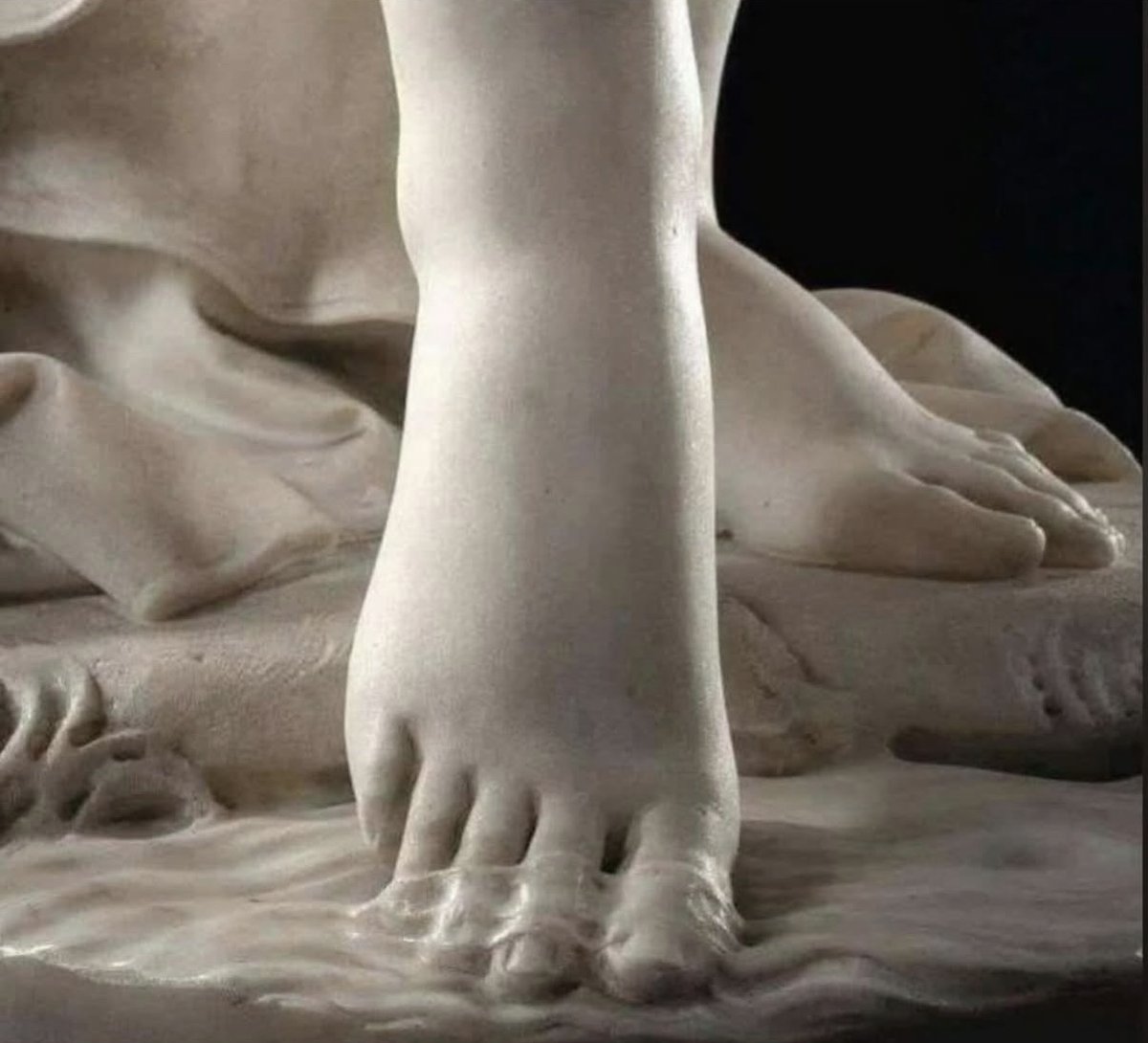
Imagine the skill it took to make marble look wet. In The Nymph (1858), Italian sculptor Giovanni Lombardi carved solid stone to resemble water rippling around her bare feet.
Completed in 1858 for a private palazzo in Brescia, La Ninfa showcases the astonishing skill of Italian sculptor Giovanni Battista Lombardi, a master of 19th-century realism who pushed marble to its limits. At a time when sculptors competed to make stone resemble fabric, flesh, and flowing water, Lombardi created a figure so lifelike it seems to react to the cold stream beneath her feet.
Though influenced by Neoclassicism, Lombardi favored sensual realism over idealized gods, focusing instead on subtle human details like shifting weight and toes pressing into a streambed. The sculpture required extreme undercutting and polishing, where a single mistake could ruin weeks of work. Commissioned for an elite patron, it also reflected a broader fascination with artistic mastery. Lombardi was part of a small group of Italian sculptors sometimes called “the illusionists,” artists who challenged marble’s hardness by making it appear soft, fluid, and alive.
56
575
3,735
108,516
ベルボーイ retweeted

Jun 16
“You’re so lazy. Do your work.”
A hilarious moment from the TIFF 2000 press conference for IN THE MOOD FOR LOVE (2000), as Maggie Cheung playfully teases Tony Leung Chiu-wai after he gives a much shorter answer than she does.
5
165
1,589
103,982
ベルボーイ retweeted
22h
Starting an Antonov AN-2 with a Lada seems appropriate.
📹: XxX_Banevader_XxX
32
112
1,212
65,313
ベルボーイ retweeted

Jun 16
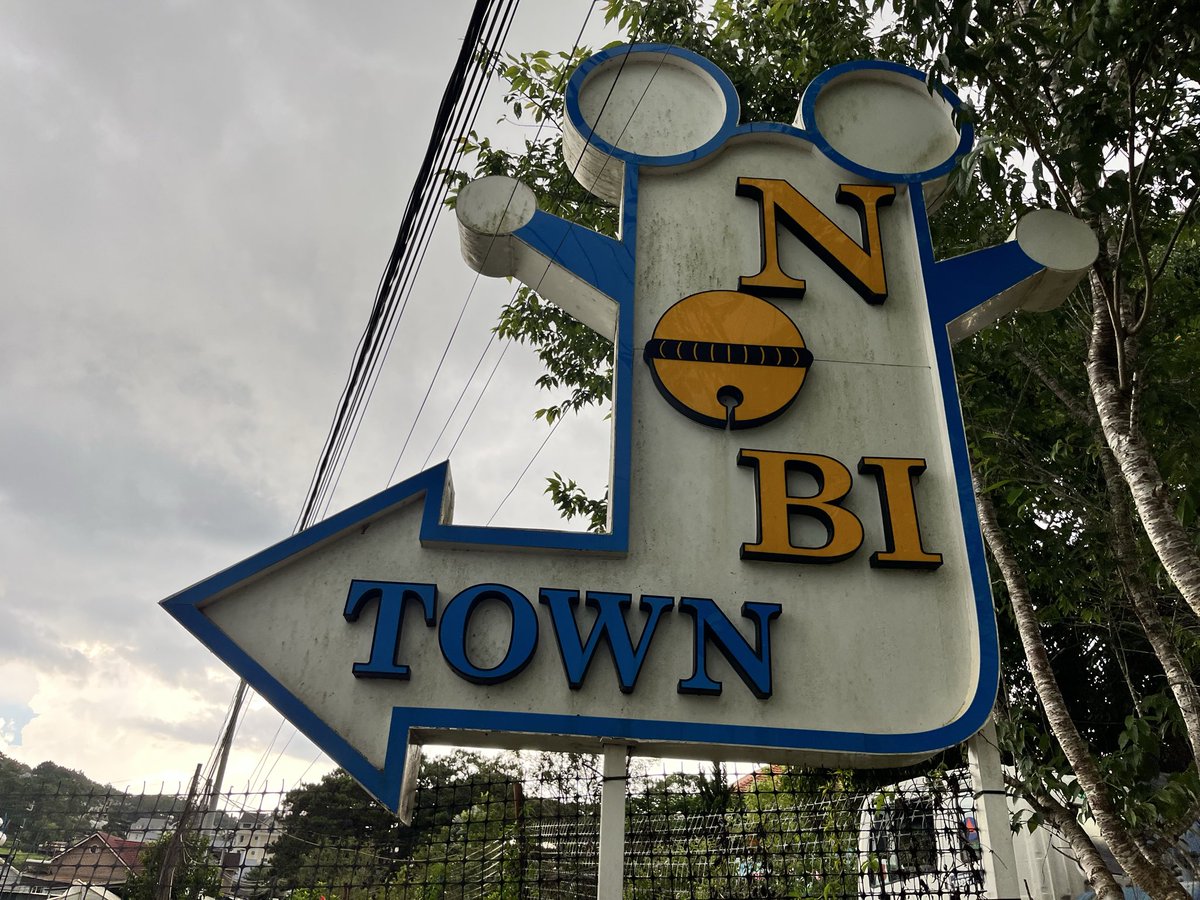
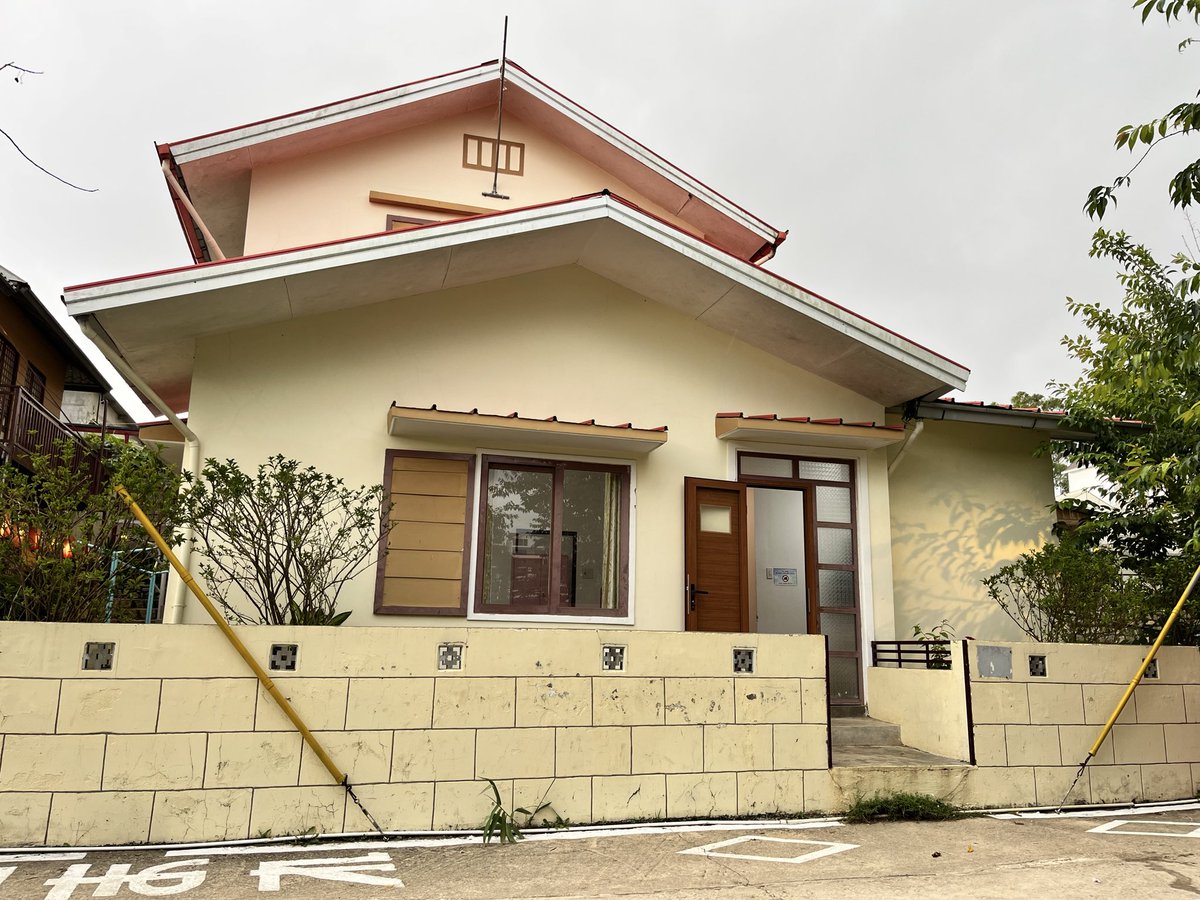
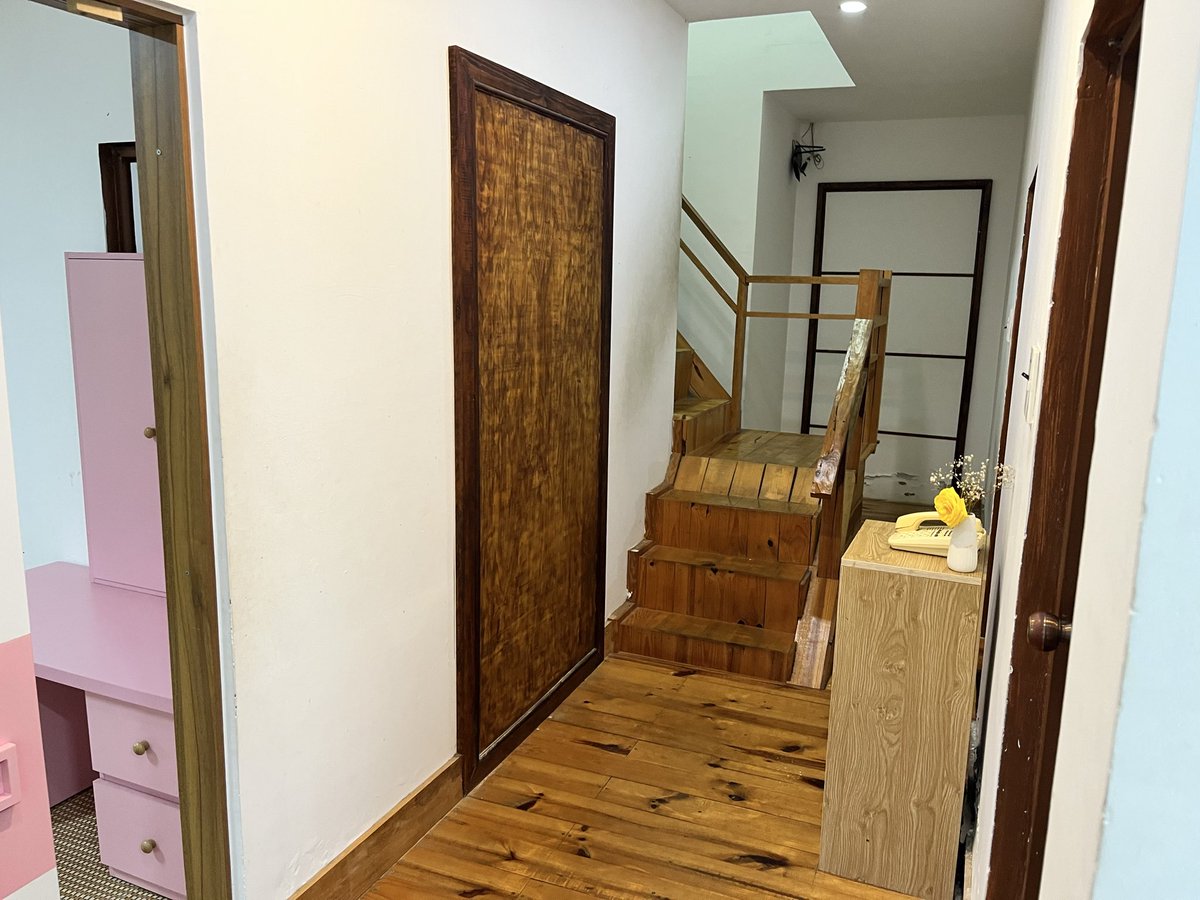
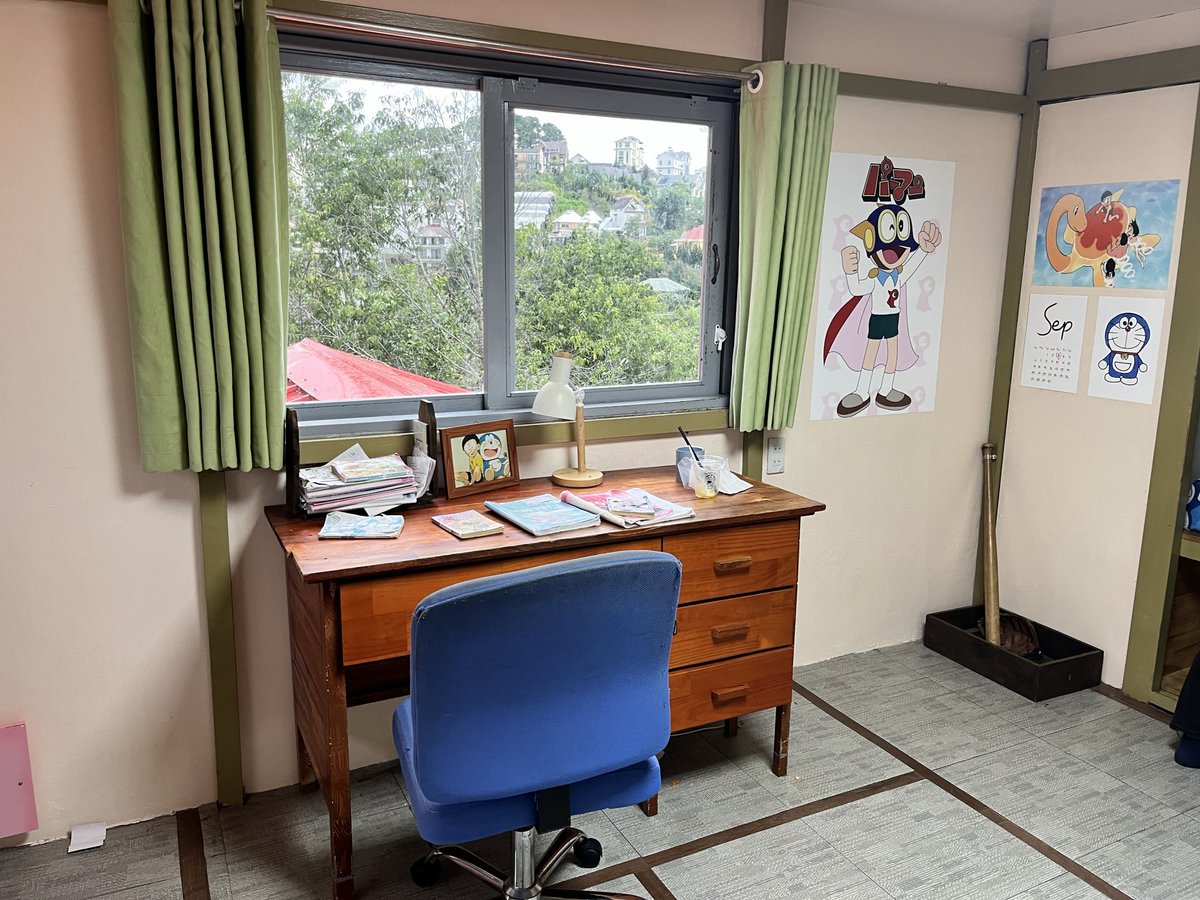
あなたは知っているか
ベトナムの避暑地、ダラットにはのび太の家とその周辺を忠実に再現した『ノビタウン』があるということを
87
9,558
45,409
2,100,517
ベルボーイ retweeted

9 Jun 2023
#今日は何の日
1994年6月10日。
x.com/doctoruwatson/status/1…
7 Jun 2018

6月10日は #マーズ の発売日。
西村純二監督や作画の本橋秀之さん・亀垣一さん・平山智さんらゴッドマーズと共通スタッフも参加した原作準拠OVA。
キャラもメカもシャープさを秘めたアレンジがありつつ原作のイメージを保ち、重厚なBGMも伴う緊張感溢れる演出も良。本当に最後まで作って欲しかった…
17
24
4,755
ベルボーイ retweeted
6 Jun 2023
#このナレーション嫌いな人いない説
『赤毛のアン』における適切な言葉の選択によるダイアローグと細かく行き届いた画面・音響演出のアンサンブルから生み出される極上のユーモア。
その優れた一例。
羽佐間道夫さんのナレーションの視線は俯瞰的にキャラを見つめつつも限りない慈愛に満ちている。
4
62
170
14,064
ベルボーイ retweeted
14 Jun 2023
#今日は何の日
1986年6月14日。
x.com/doctoruwatson/status/1…
10 Jun 2018
6月14日は #はだしのゲン2 の公開日。
前作から3年後を描く続編。ゲンを演じる宮崎一成さんも声変わりを迎えた。
もちろん哀しい展開も重要ですが、平田敏夫監督が傾注したのは苦難の中に輝く子供達の生命力なのでは。それ故かマッドハウスの作画には所々に後のリアル系作画の挙動を感じさせられます。
11
14
4,630
ベルボーイ retweeted
Jun 15
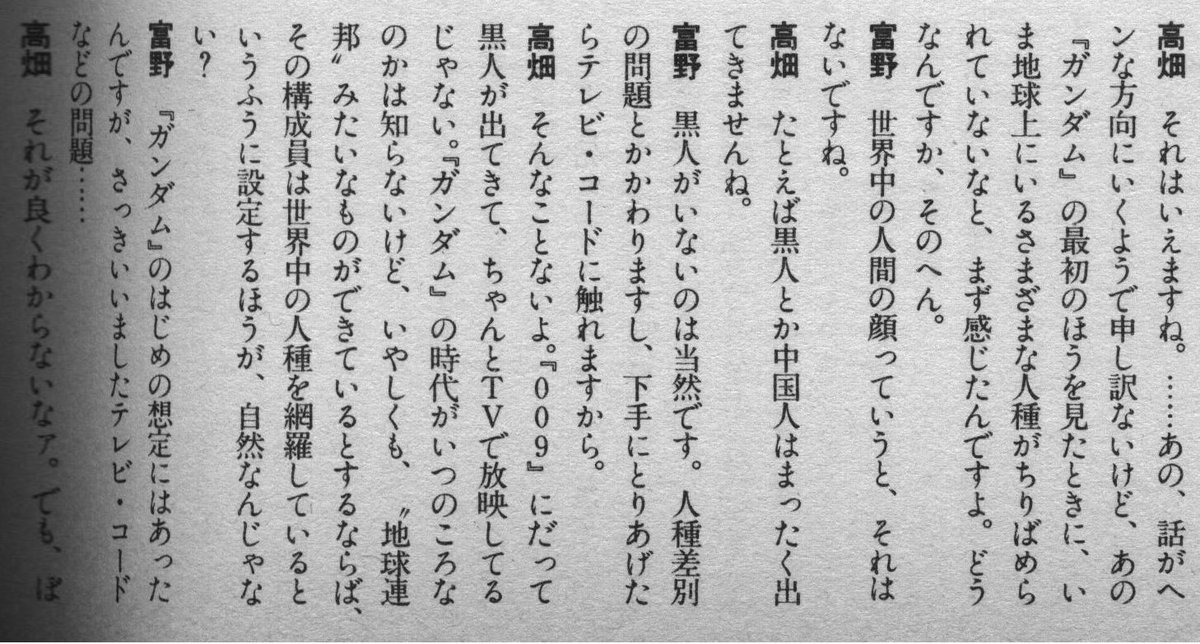
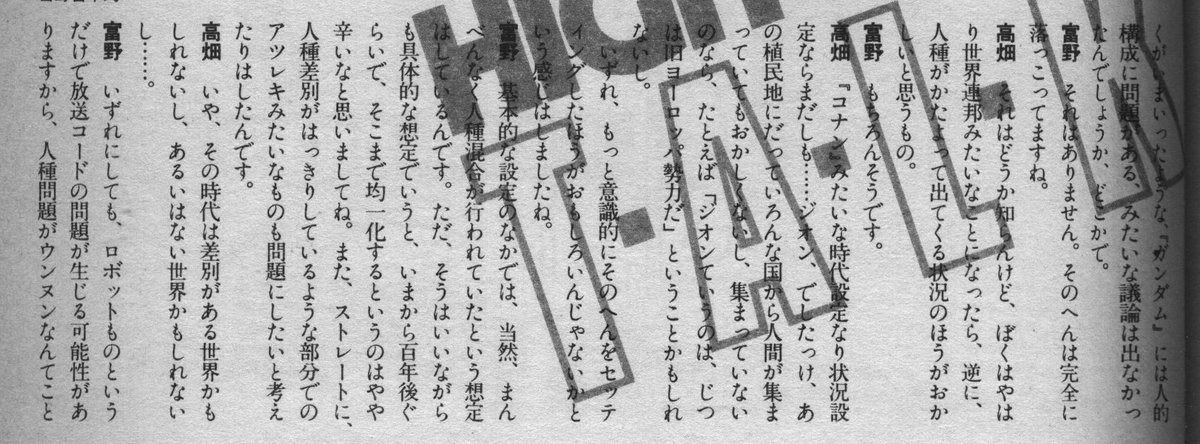
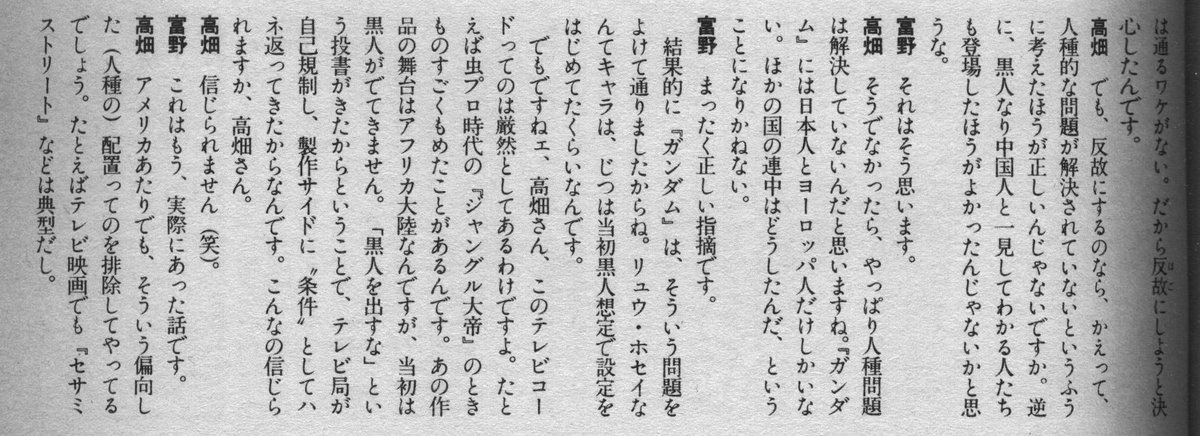
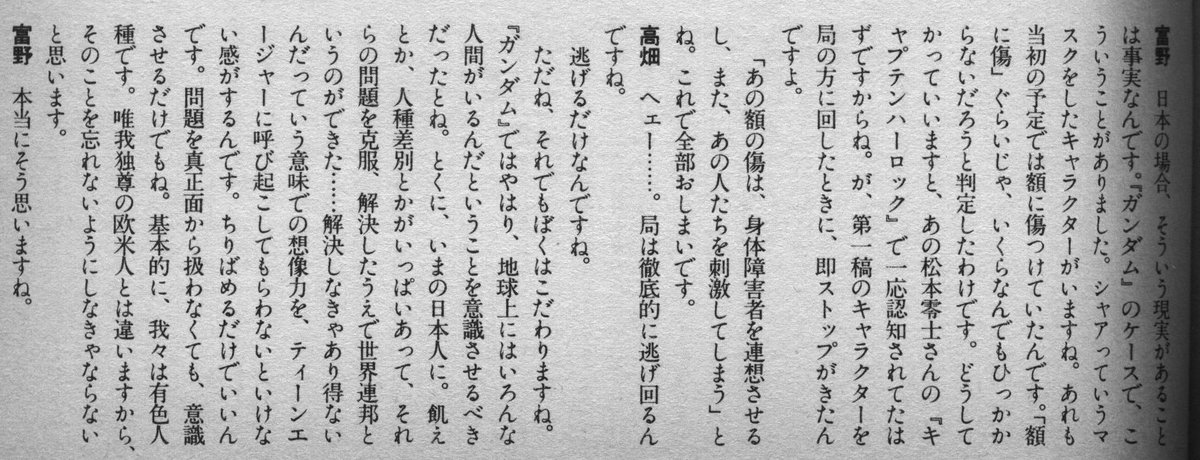
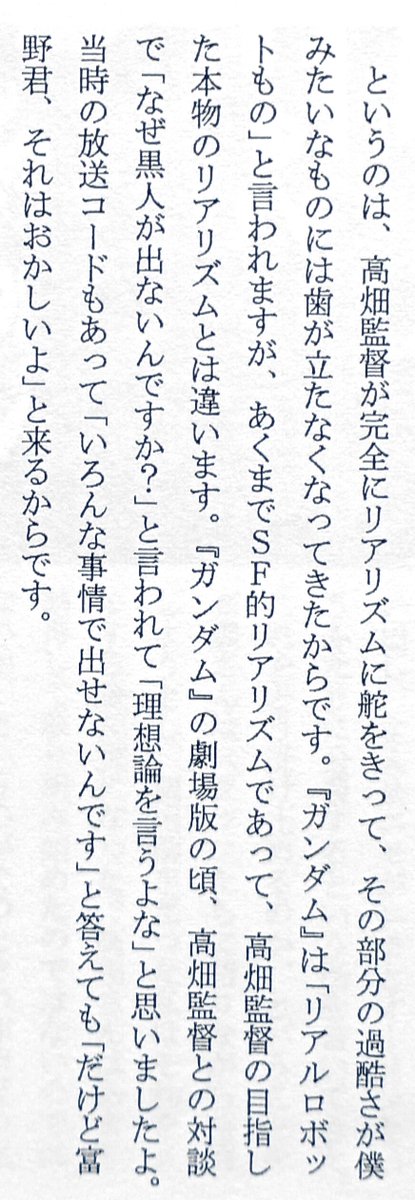
RPにある『ロマンアルバムエクストラ42 機動戦士ガンダム』に収載の富野喜幸監督と高畑勲監督の対談における『機動戦士ガンダム』に黒人が出てないことに関するやりとり(引用画像参照)。
納得していないのか、はたまた富野監督をからかってるのかわからないが、しつこく追求する高畑監督。
自分が『母をたずねて三千里』で黒人を出したこともある上に同番組で富野監督も絵コンテを描いていたことなどから、ガンダムでももっと粘り強く抵抗して欲しかったのかもと思った。
Jun 15

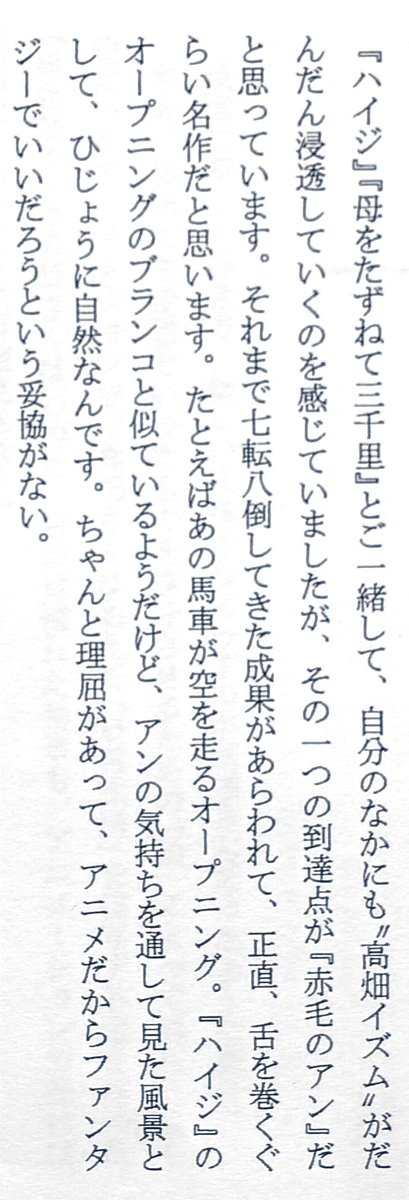
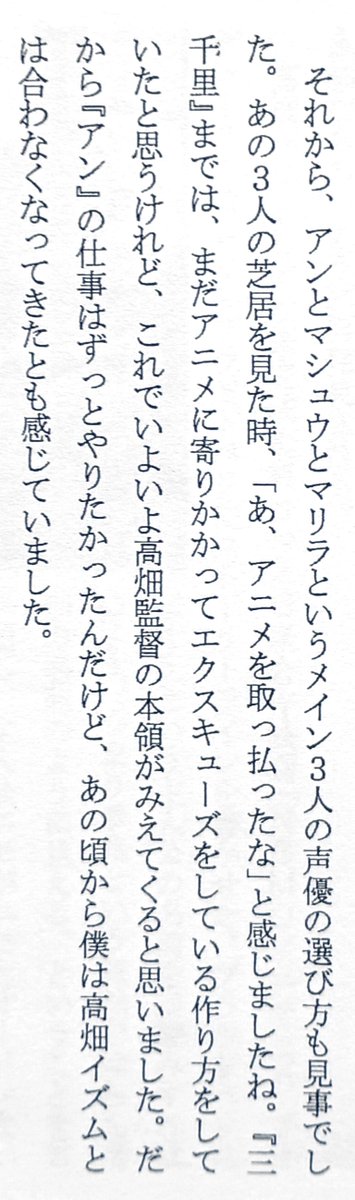
ちなみに富野監督はアニメ『赤毛のアン』を「高畑監督の一つの到達点」「舌を巻くぐらい名作」と称賛しつつ、あまりにも凄すぎるリアリズム描写に対して「僕みたいなものには歯が立たなくなってきた」などと語っているのが興味深い(「キネマ旬報」2018年6月上旬特別号より)
39
54
3,866
ベルボーイ retweeted

Jun 15
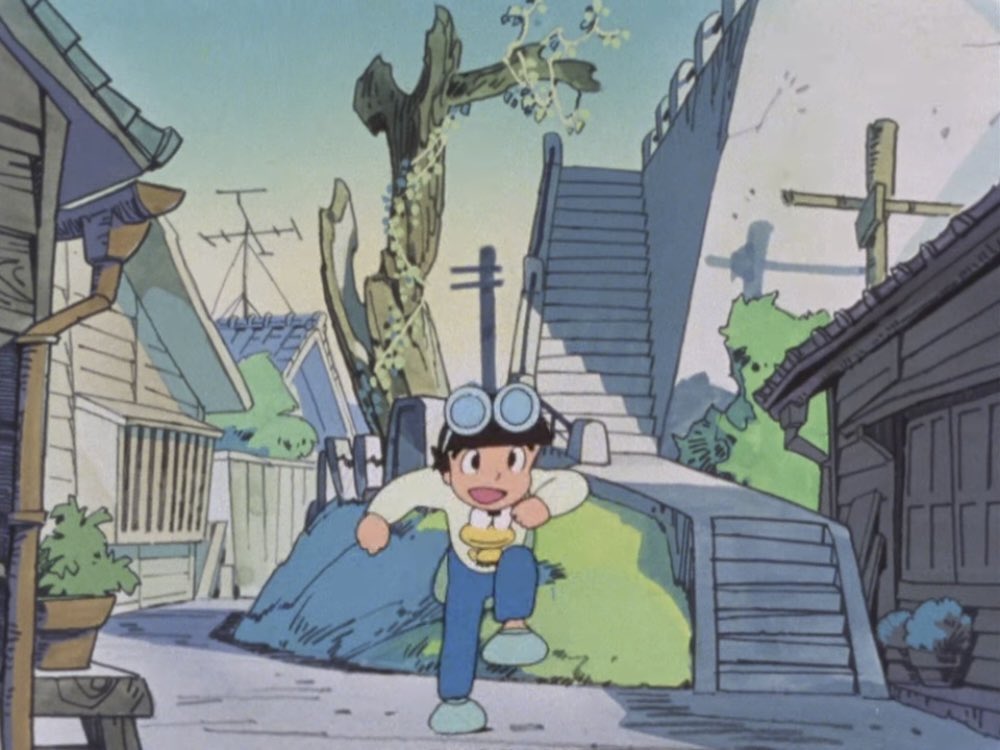
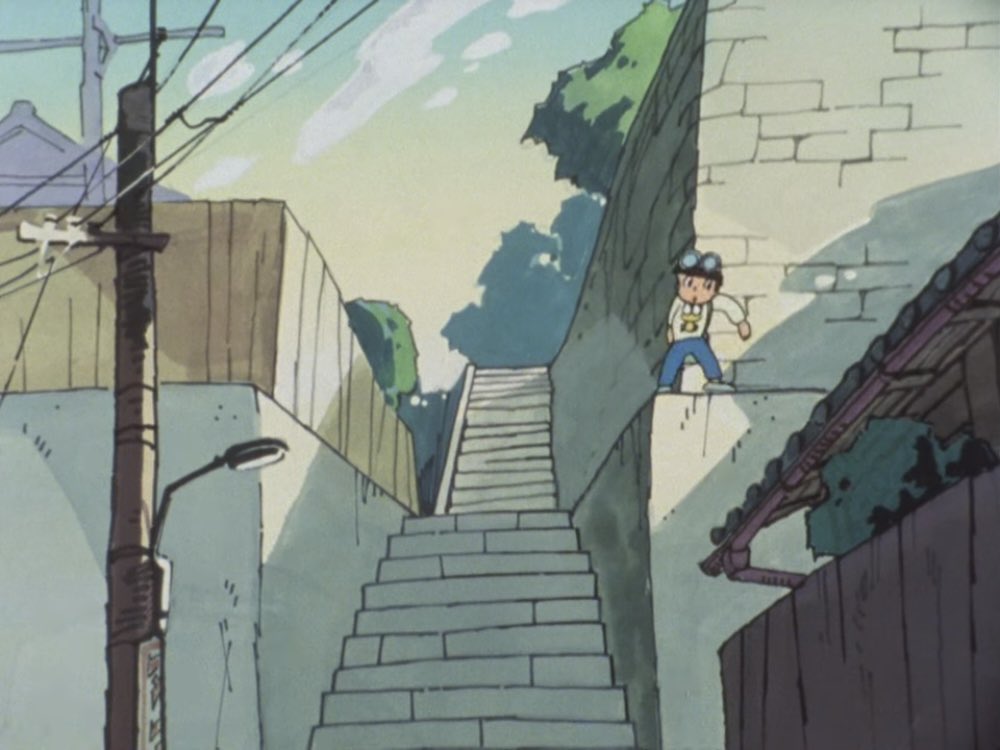
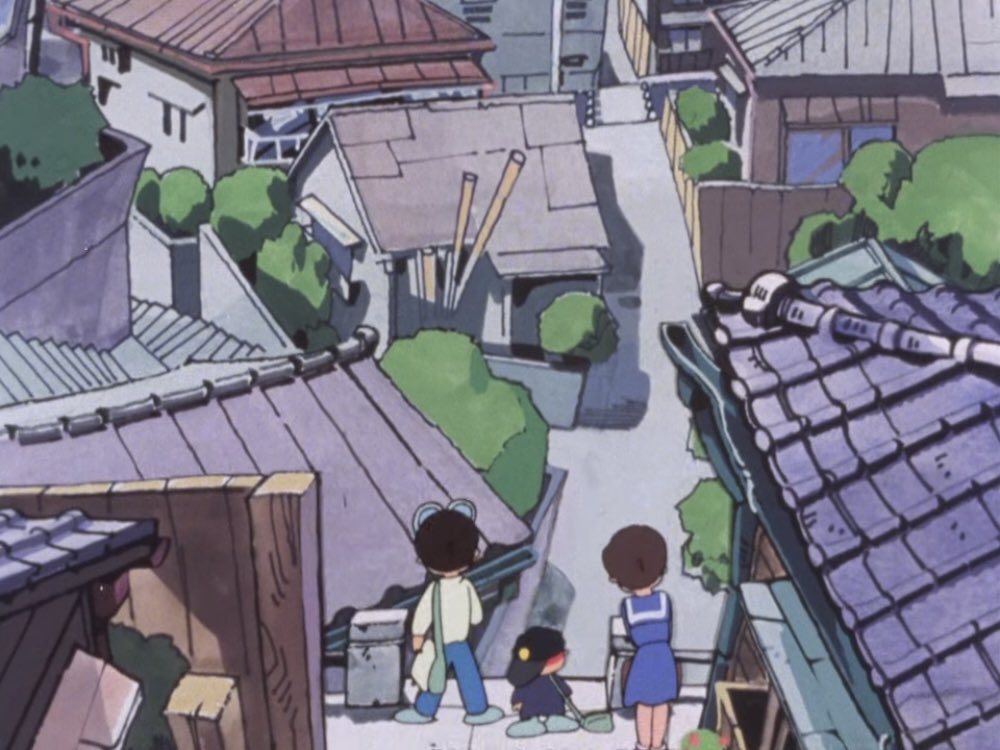
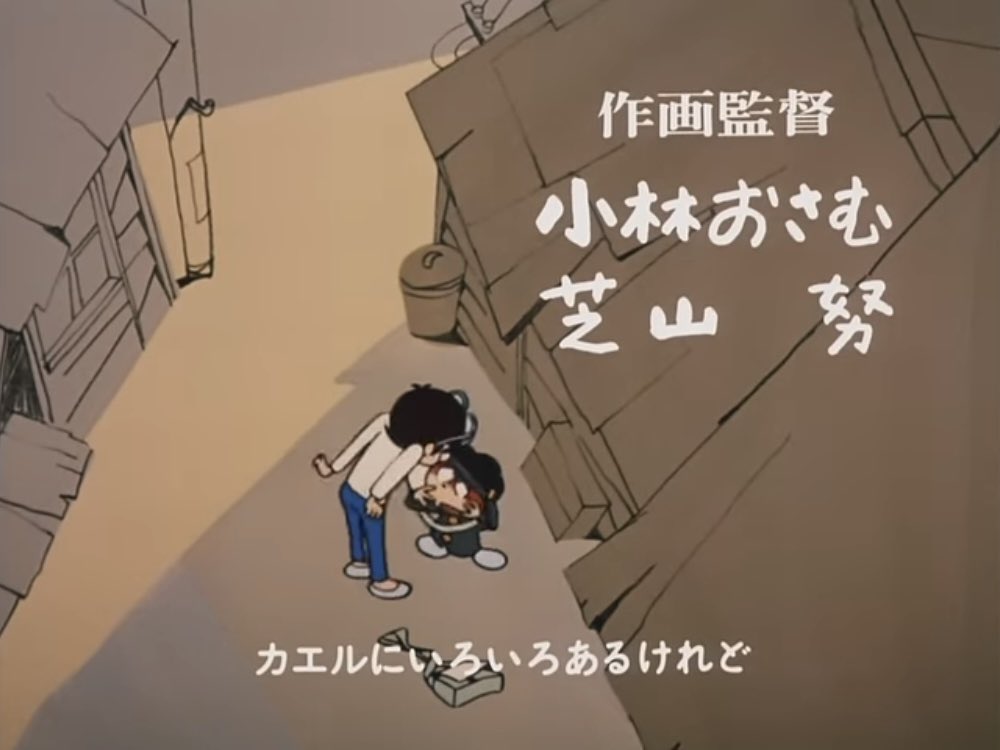
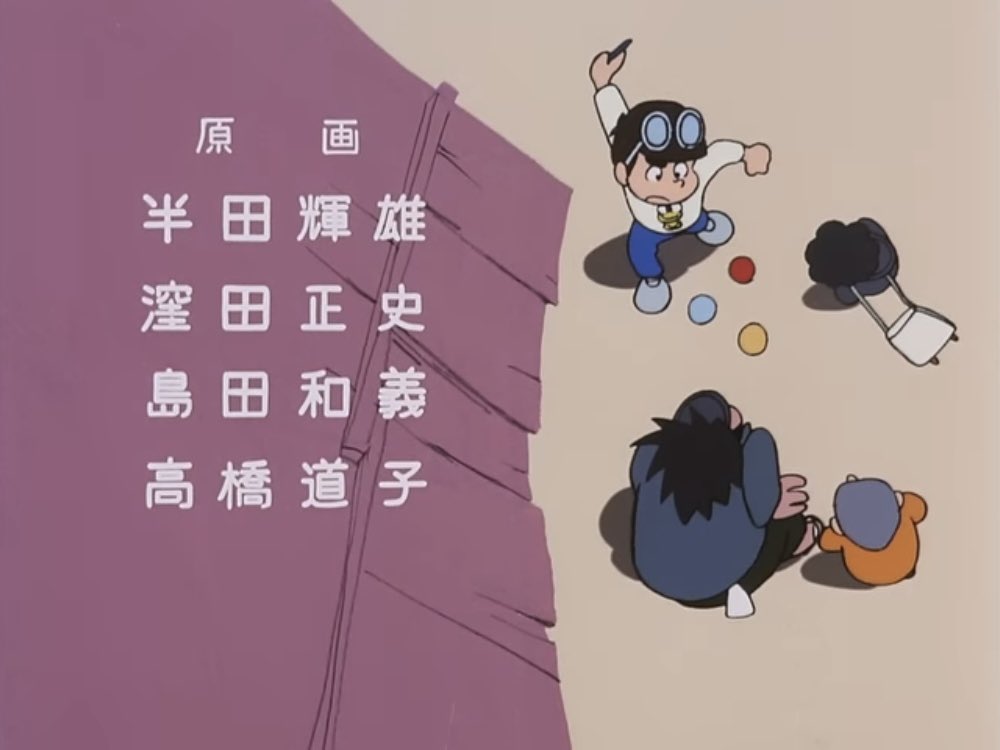
俯瞰構図のアニメについてのツイートで芝山努・小林治両氏の作品が見当たらなかったのが意外。自分にとって俯瞰の構図が印象的なアニメといえば芝山努・小林治両氏。
2
232
921
50,079