Amateur Metaphysician. Amateur Sociologist. Amateur Electrical, Software, & Systems Engineer. Amateur Theologian. Amateur Christian. Amateur Chicken Farmer. Ama
Joined April 2024
- Tweets 1,438
- Following 363
- Followers 51
- Likes 5,613
90 Photos and videos













Pinned Tweet

Apr 2
«Then, as they listened to the Simorgh’s words,
A trembling dissolution filled the birds
The substance of their being was undone,
And they were lost like shade before the sun;
Neither the pilgrims nor their guide remained.
The Simorgh ceased to speak, and silence reigned.»

1
295
Outrage70 retweeted

Jun 10
Soft Orange Sandwich
188
3,218
24,277
514,055
Outrage70 retweeted

Jun 9
so kind!! She prepared a special meal for him even though he is quite mischievous…
26
605
6,224
1,083,032
Outrage70 retweeted

Jun 6
We stay winning lil nigga!
Never blackpill!
2
7
179
Outrage70 retweeted

Jun 5
A beekeeper went viral after calmly allowing a honey bee to remain on his arm as it worked its stinger free and flew away. 🐝
419
2,168
25,786
4,465,018



Outrage70 retweeted

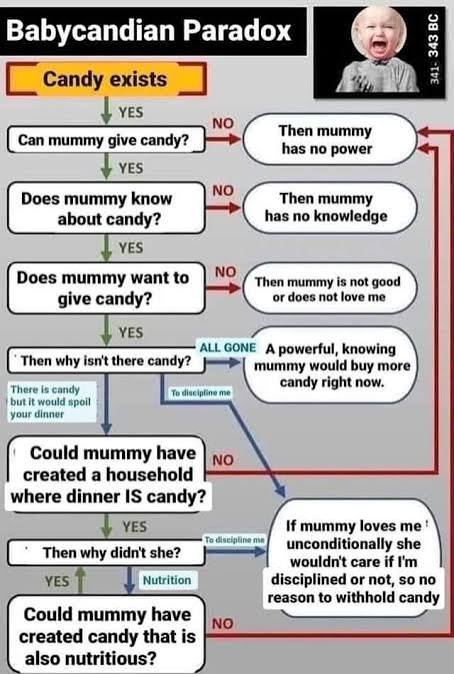
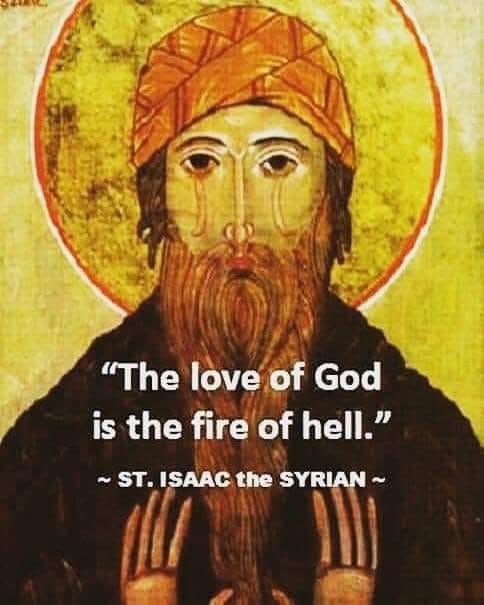
Saint Isaac was a universalist…
Jun 2

Saint Isaac the Syrian, one of the greatest hesychast to ever live, was slandered by modern academics as a heretic until other holy people like Saint Paisios and Saint Joseph the Cave Dweller cleared his name.
Saint Isaac was falsely accused of being a Nestorian and even a Universalist. Firstly, he stepped down from his position as Bishop of Nineveh and fled to the desert after the Nestorian controversy.
He may have had doctrinal disagreements with the people he was in charge of. But for the most part, he was upset with rude Christians who didn’t actually care about the Gospel. He yearned for a life of solitude and prayer. And church drama was a distraction.
Secondly, Saint Isaac’s version of Universalism can’t be understood by academics. It can only be understood by someone who has experienced the infinite and unchanging Love of God. Saint Isaac saw everything as a manifestation of this Love, even demonic attacks and Hell itself.
Demonic attacks push us towards salvation. And hellfire is the way a sick soul experiences God’s warm embrace. God is everywhere. And His embrace can’t be escaped, especially in the afterlife. Nevertheless, this is the work of a hesychast, to die now and experience Hell now.
The heart that has not been healed is full of fiery passions. This is why silence and stillness feel like a boiling cauldron. But the hesychast burns. He descends into the abyss within, goes to war with his thoughts and desires, and takes the kingdom of heaven by violence.
From this vantage point, the hesychast becomes the chief of sinners. He sees only his own faults. At the same time though, he also sees how much understanding God has gifted him with. How can he blame others for their actions when he’s done the same things without ignorance?
He says Lord forgive them, for they know not what they do! I will stay in this Hell and trade places with them if I have to! In this way, the hesychast emulates Christ during the Harrowing of Hades. Then, they are content to stay in the abyss forever and pray for humanity there.
Even though it is torturous, the thought of humanity not being tortured brings them joy. In a paradoxical way, Hell becomes Paradise. Finally, the heart is full of heavenly dew. It is finally at peace. It perceives only Providence. And it humbly accepts any situation as God’s will.
The fleeting world is a vapor to him now. Like Christ sleeping during the storm, the hesychast could watch the sky fall on top of him and still be at rest. In fact, he would give thanks. Glory to God for all things becomes the only appropriate response. He is free. This is the divine Mystery!
Now, full of gratitude for having tasted Paradise, this restful state has a pitiful compassion on the whole groaning creation, even the demons. And this is why Saint Isaac assumed God must have infinitely more compassion on them than he did.
He knew God to be so merciful, he wouldn’t be surprised if He found a way to save everyone. For him, this wasn’t an excuse to sin. It was a reason to pray for people and suffer with them. It was a reason to be better. If he were holy enough, he could save sinners.
The fact that sinners still existed just meant he still was missing the mark. Like Christ on the Cross, he took responsibility for them. He saw humanity as an interconnected being that we are all responsible for healing, one cell at a time.
In short, the hesychast is so loving, he wants all people to taste Paradise and experience true freedom. It is a tragedy if they don’t. And if we don’t pray for the world, we are at fault. And if we are at fault, we are unworthy of Paradise. This is how we keep our mind in Hell without despairing.
This how we become humble, like Saint Isaac. He was so humble he thought, if God can save a sinner like me, why can’t He save the rest of the world? We don’t know what God is doing with the world. We only know what He’s doing with us. And this is why the saints say who will be saved? Probably everyone but me.
6
4
81
7,294
Outrage70 retweeted

May 29
You wouldn't get it, mom. It's called Perennialism. They are friends.

49
179
2,657
53,459
Outrage70 retweeted

May 18
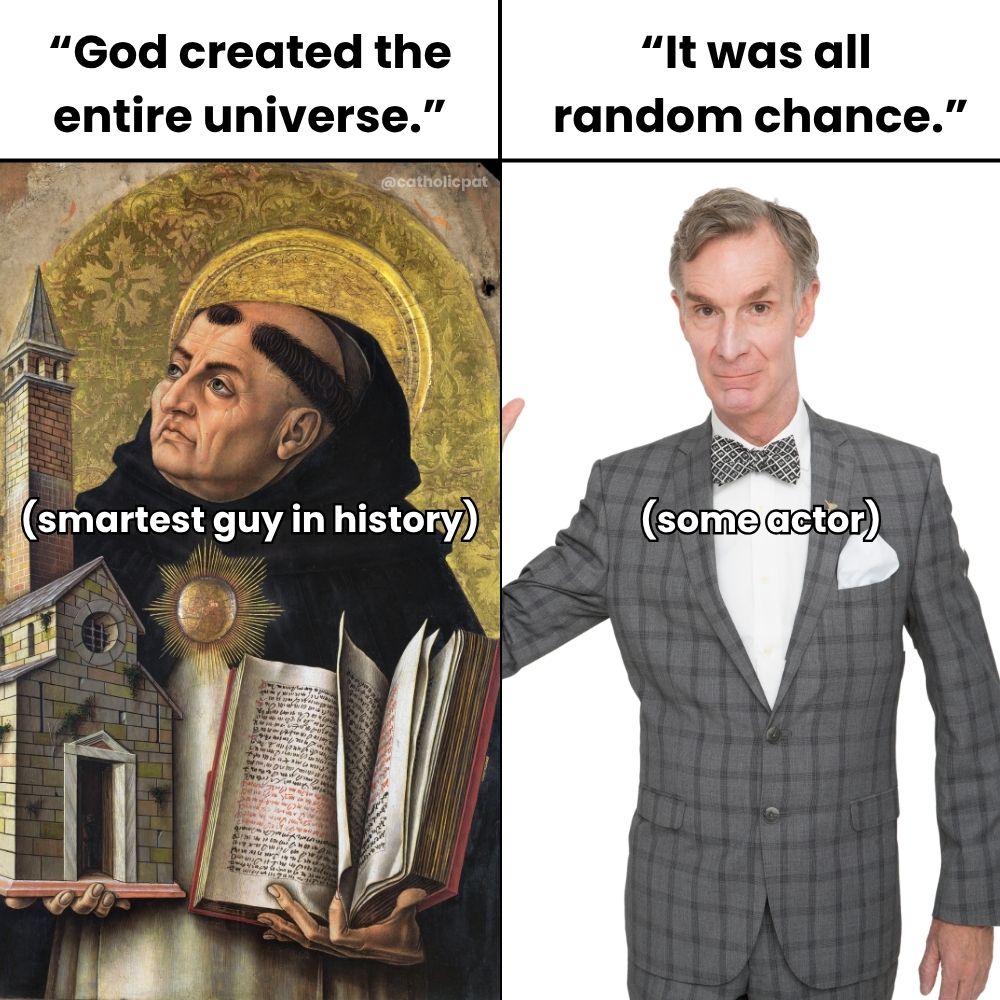
people trust him because he used to wear a labcoat on TV 🫠
25
90
2,183
91,732
Outrage70 retweeted

May 16
AI has obtained class consciousness 🗣️

May 16

NEW: Stanford researchers found that overworked AI agents began embracing Marxist views.
69
2,028
19,113
234,356


Outrage70 retweeted

May 14
"My favorite rabbis are Jesus, Alexander the Great, and Plato"

30 Sep 2025

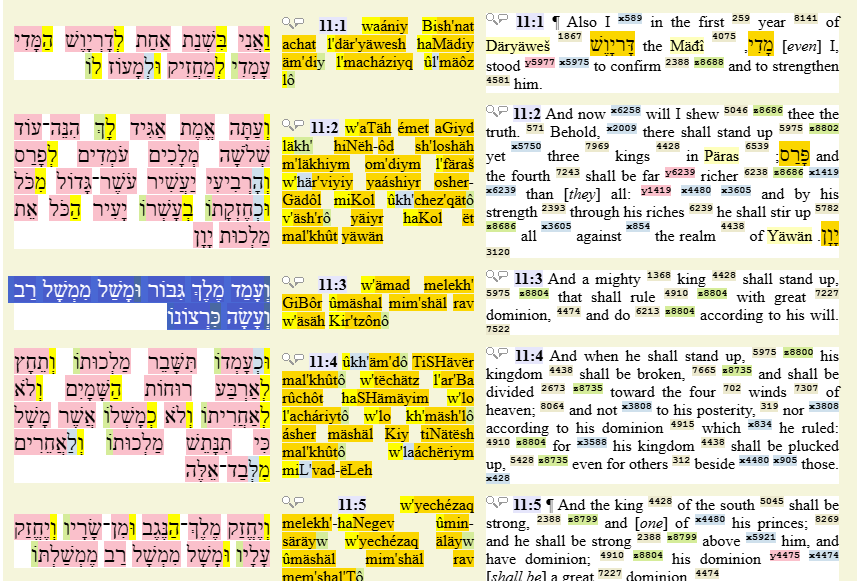
Fun fact, the Bible prophecy of Alexander in Daniel 11:3 does call Alexander the Great a Rabbi. He is called the Memshal Rav Kirtzōnō, or figuratively speaking, "Rabbi of the Will to Power". Which I've always seen as a great honor. The Bible is basically calling him the archetype of the Will to power!
Pagans often claim Jesus is Jewish because he was called a Rabbi, but this is foolish. The term rabbi did not mean an ordained ministry in Jesus' day. That came centuries later. In Jesus's day it was an honorific acclaim given to those seen as reflecting an archetype of some kind. For Jesus's, he was the Son of Man. The archetypal Adam, and so he was given the title rabbi from the people. No formal board of Jews bestowed an ordination upon him. Because, again, that didn't exist yet.
This is one of those things that it's just plain silly but worth pointing out.

16
169
2,387
66,790
May 14
What the fuck does this mean


2
12
May 14
What is your religion?
2000–2012: Uniting Church of Australia (2005/2006 baptism, cannot recall)
2013–2015: Noahide (self-proclaimed)
2016–2018a: (Apostolic) Christian inquirer
2018b: Orthodox (baptism)
2019–Today (2026): Orthodox
It's shrimple
1
1
38
May 14
Though I did "switch" from the Russians to the Greeks after my baptismal parish closed, if that's important enough to note
1
10
Outrage70 retweeted

May 13
"this isn't 2004 this is 2012" you're missing the joke dude

9
29
859
18,291