
Fertility facts & stories 🧬 IVF • Hormones • Reproductive health science. Educating & empowering your journey. Try the app & our top picks 👇
Joined July 2025
- Tweets 83
- Following 109
- Followers 87
- Likes 10
58 Photos and videos







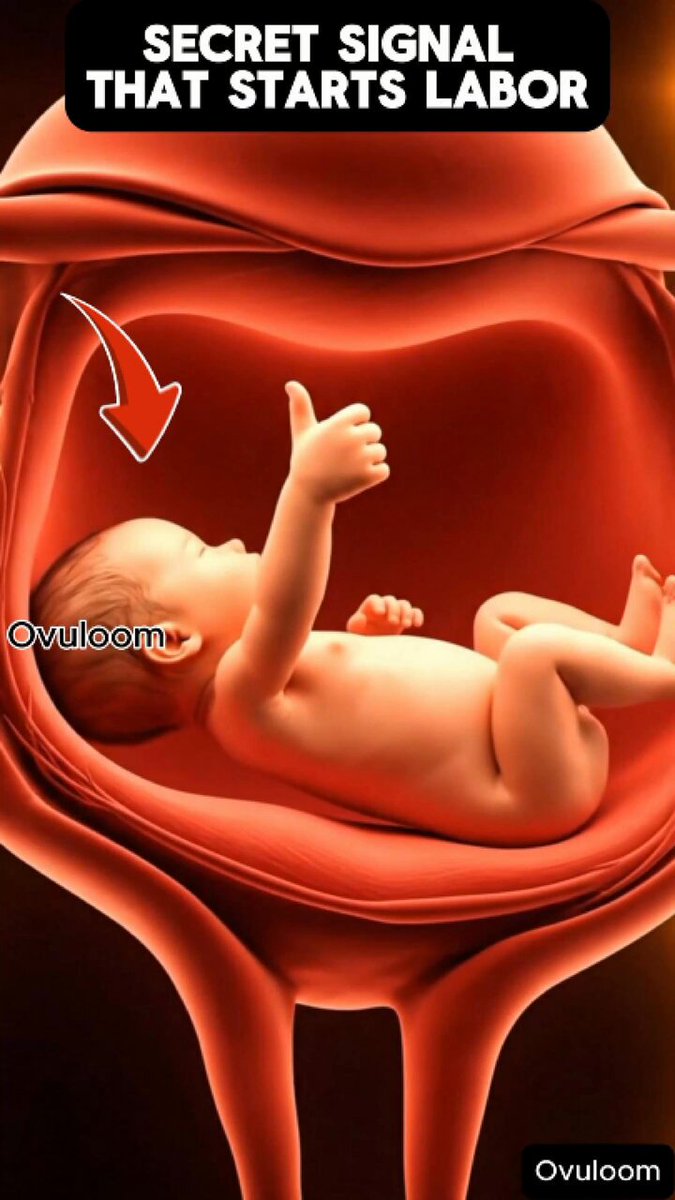

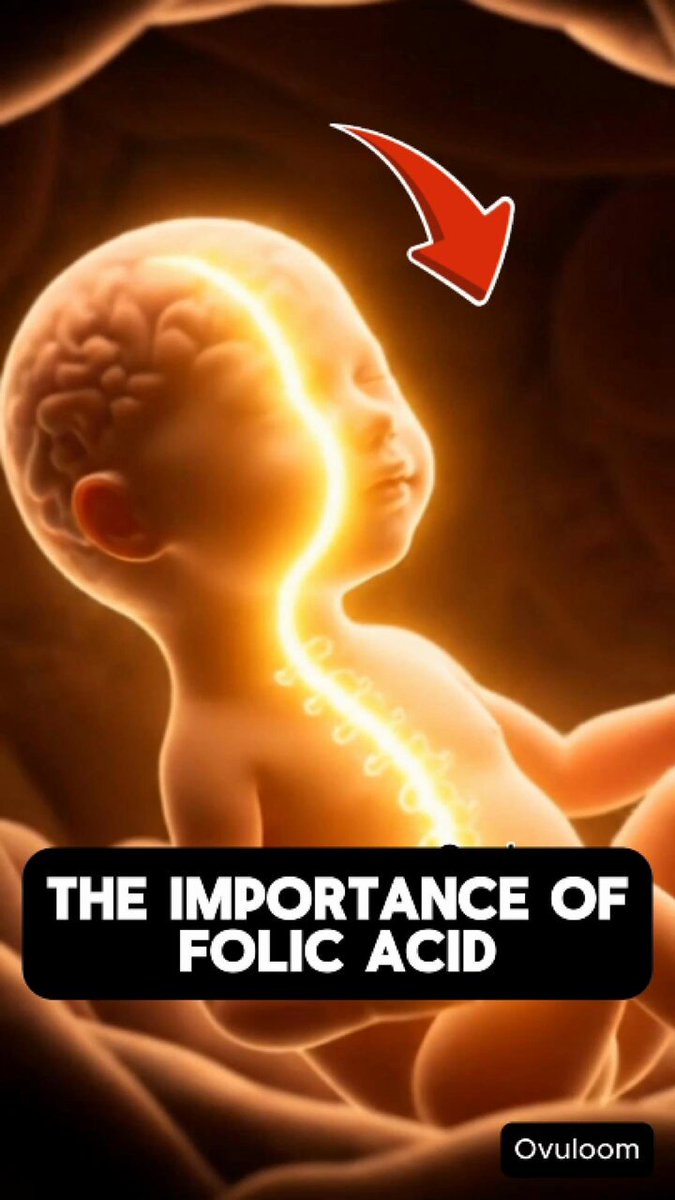

🎉 Big news! Ovuloom Version 3.1.0 is officially LIVE today for both iOS and Android!
We’ve leveled up your cycle tracking with:
✨ Enhanced AI-powered predictions
👯♀️ Premium buddy groups to share insights
⌚️ Seamless sync with Apple Health & Google Health Connect
🎨 A refined UI with smoother animations
Ready to take control of your fertility journey? Update or download our best version yet! ⬇️ 📱 Get it here: ovuloom.com/download (App Store or Google Play!)
#Ovuloom #WomensHealth #CycleTracker #FertilityJourney #HealthTech #AppUpdate
186
Endocrine Disruptors
You track your ovulation, take your prenatals, and eat well. But your daily routine might be quietly sabotaging your reproductive hormones. Here is the science of endocrine-disrupting chemicals (EDCs).
EDCs are chemicals found in everyday products that mimic, block, or interfere with your body's natural hormones. Because the reproductive system relies on delicate hormonal feedback loops, it is highly vulnerable to these interlopers.
BPA and phthalates are two of the worst offenders. They are found in plastic food containers, receipts, synthetic fragrances, and many cosmetics. They are known to mimic estrogen, confusing the body's natural signaling.
The impact is measurable. High levels of EDCs are correlated with decreased ovarian reserve, altered menstrual cycles, lower IVF success rates, and an increased risk of conditions like endometriosis and PCOS.
You cannot avoid them entirely, but you can drastically reduce your exposure. The most effective changes: swap plastic food storage for glass, avoid heating food in plastic, and switch to fragrance-free or "clean" personal care products.
The liver and kidneys process these chemicals, so staying hydrated and maintaining good metabolic health helps your body clear them out. Small, consistent swaps make a significant difference in your bio-burden over time.
Filtering your drinking water is one of the easiest ways to reduce daily EDC exposure. Upgrade your hydration and protect your hormonal health with this advanced water filtration system: amzn.to/4uKoTlH
30
Male Factor Infertility
When a couple struggles to conceive, the physical and emotional burden usually falls on the woman. Yet, in 40-50% of infertility cases, the root cause is entirely or partially male factor. Here is the science of sperm health.
A standard semen analysis looks at three main metrics: Volume/Count (how many), Motility (how well they move), and Morphology (their shape). A deficiency in any of these can drastically reduce the chances of natural conception.
But there is a hidden metric not always tested: DNA Fragmentation. Sperm can have normal count and motility but carry highly fragmented, damaged DNA. This leads to poor embryo development and recurrent early pregnancy loss.
What causes this damage? Oxidative stress. Lifestyle factors like smoking, excessive alcohol, poor diet, obesity, and even tight underwear (heat) create reactive oxygen species that physically break the sperm's DNA strands.
Unlike women, men constantly produce new sperm. The spermatogenesis cycle takes about 74 days. This means lifestyle interventions and targeted supplements can completely overhaul sperm quality in just 3 months.
It takes two to make an embryo. Treating fertility as a shared biological responsibility reduces stigma and improves outcomes. Men, your metabolic health is directly tied to your reproductive health.
Protect against oxidative stress and support healthy spermatogenesis with a clinician-recommended male fertility supplement. Start optimizing reproductive health here: amzn.to/4uKoTlH
22
The Luteal Phase Defect
Your period is regular, but you still aren't getting pregnant. The problem might not be ovulation; it might be what happens *after*. Let's break down the luteal phase and why a short one is a silent fertility killer.
The menstrual cycle has two main parts: the follicular phase (before ovulation) and the luteal phase (after ovulation). The luteal phase is when the body prepares the uterine lining for a fertilized egg to implant.
This preparation is driven by progesterone, produced by the corpus luteum (the shell of the follicle that released the egg). Progesterone makes the lining thick, sticky, and nutrient-rich.
If implantation occurs, the embryo signals the corpus luteum to keep making progesterone. But implantation takes about 6-10 days. If your luteal phase is shorter than 10 days, your lining sheds before the embryo has a chance to implant.
This is a Luteal Phase Defect. You conceive, but the environment isn't stable enough to sustain it. Symptoms include spotting days before your period starts or a consistently short cycle length (under 24 days).
The good news? It’s highly treatable. Reproductive endocrinologists can prescribe supplemental progesterone to support the luteal phase and give the embryo the time it needs to settle in securely.
The first step to diagnosing a short luteal phase is precise tracking of ovulation and cycle length. Stop guessing and start tracking your exact luteal phase duration with our comprehensive tracker app: [Insert App Link Here]
11
CoQ10 and Egg Quality
You are born with all the eggs you will ever have, but the energy factories inside them (mitochondria) can be upgraded. Here is why reproductive endocrinologists are obsessed with CoQ10.
As an egg matures before ovulation, it requires a massive surge of cellular energy. It has to divide its chromosomes perfectly. If it lacks energy, mistakes happen, leading to aneuploidy (chromosomal abnormalities).
Mitochondria produce this energy (ATP). But as we age, mitochondrial function naturally declines. The eggs are still there, but their "batteries" are running low. This is the primary driver of age-related fertility decline.
Enter Coenzyme Q10 (CoQ10). It is a vital antioxidant and a crucial component of the mitochondrial energy production chain. Supplementing it is like plugging your ovarian reserve into a fast-charger.
Studies show that CoQ10 supplementation can improve ovarian response, increase the number of high-quality embryos in IVF, and protect eggs from oxidative stress. It’s one of the few supplements with robust clinical backing.
The catch? It takes about 3-4 months for an egg to fully mature. If you want to see the benefits of CoQ10, you need to be taking it consistently for at least 90 days before trying to conceive or an egg retrieval.
Not all CoQ10 is created equal. Ubiquinol is the active, more bioavailable form. Support your mitochondrial health and egg quality with our highly-rated top pick here: amzn.to/4uKoTlH
3
Here]The IVF Funnel
Everyone talks about the cost of IVF, but few talk about the "attrition funnel." If you start with 15 eggs, why might you only get 2 embryos? Here is the exact biological breakdown of what happens in the lab.
Step 1 is fertilization. Once eggs are retrieved, they are either mixed with sperm (conventional) or injected directly (ICSI). Not all retrieved eggs are mature, and not all mature eggs fertilize. Average fertilization rate: 70-80%.
Step 2 is cleavage. Over the next 3 days, the fertilized egg divides. We want to see 6-8 cells by day 3. But some embryos will stop growing entirely—this is called "arresting," often due to chromosomal abnormalities.
Step 3 is the blastocyst stage (Days 5-7). The embryo must form two distinct parts: the inner cell mass (becomes the fetus) and the trophectoderm (becomes the placenta). Only about 40-50% of fertilized eggs make it this far.
Step 4 is PGT-A testing (optional but common). A small biopsy is taken to check for the correct number of chromosomes (euploid). As we age, the percentage of euploid embryos decreases significantly.
The IVF funnel is brutal, but understanding it protects your peace. It’s normal to see numbers drop at each stage. It’s not your fault; it’s biology doing its quality control.
y and understanding your clinic's reports is easier when you have the right tools. Keep everything organized and decode your embryo grading here: [Insert App Link Here]The IVF Funnel
Everyone talks about the cost of IVF, but few talk about the "attrition funnel." If you start with 15 eggs, why might you only get 2 embryos? Here is the exact biological breakdown of what happens in the lab.
Step 1 is fertilization. Once eggs are retrieved, they are either mixed with sperm (conventional) or injected directly (ICSI). Not all retrieved eggs are mature, and not all mature eggs fertilize. Average fertilization rate: 70-80%.
Step 2 is cleavage. Over the next 3 days, the fertilized egg divides. We want to see 6-8 cells by day 3. But some embryos will stop growing entirely—this is called "arresting," often due to chromosomal abnormalities.
Step 3 is the blastocyst stage (Days 5-7). The embryo must form two distinct parts: the inner cell mass (becomes the fetus) and the trophectoderm (becomes the placenta). Only about 40-50% of fertilized eggs make it this far.
Step 4 is PGT-A testing (optional but common). A small biopsy is taken to check for the correct number of chromosomes (euploid). As we age, the percentage of euploid embryos decreases significantly.
The IVF funnel is brutal, but understanding it protects your peace. It’s normal to see numbers drop at each stage. It’s not your fault; it’s biology doing its quality control.
Tracking your journey and understanding your clinic's reports is easier when you have the right tools. Keep everything organized and decode your embryo grading here: [Insert App Link Here]
2
What’s one question you have about clinic procedures? Let’s talk in the comments 👇 #InfertilitySupport #ReproductiveHealth
20
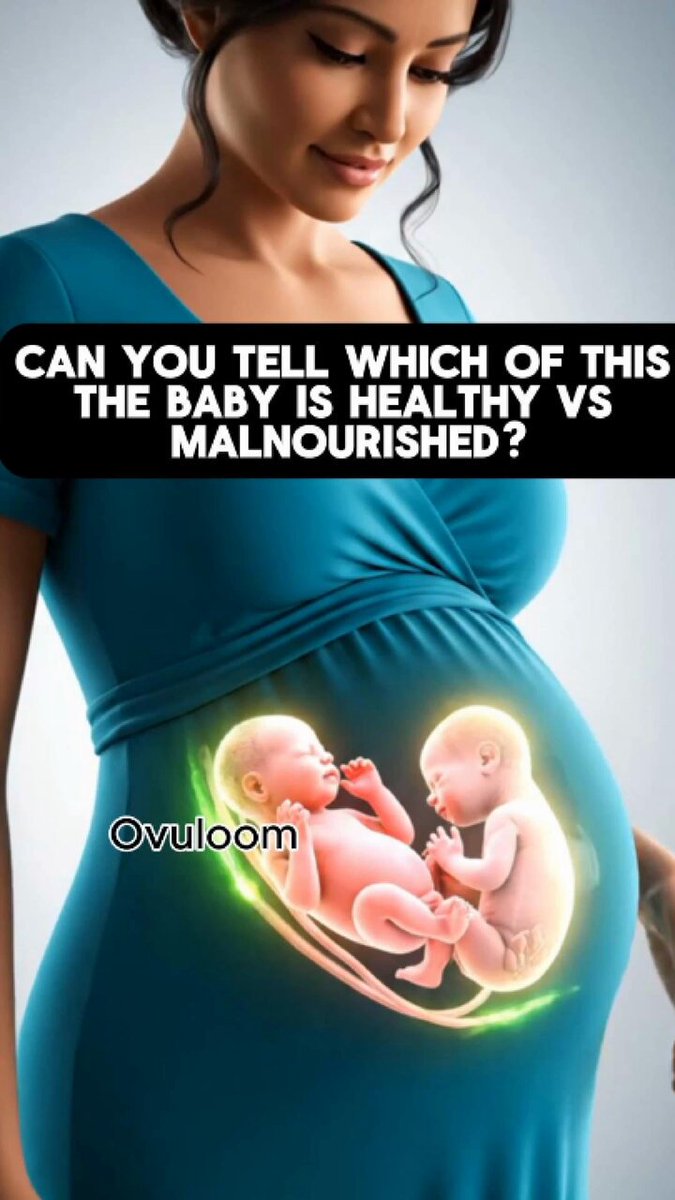
See the astonishing side-by-side of a healthy vs. malnourished twin baby in the womb. This powerful video proves why proper prenatal care and a balanced diet are absolutely vital for fetal growth. Don't skip your vitamins! 🤰
#BabyInWomb #MiracleOfLife #PregnancyCare #HealthyBaby
25
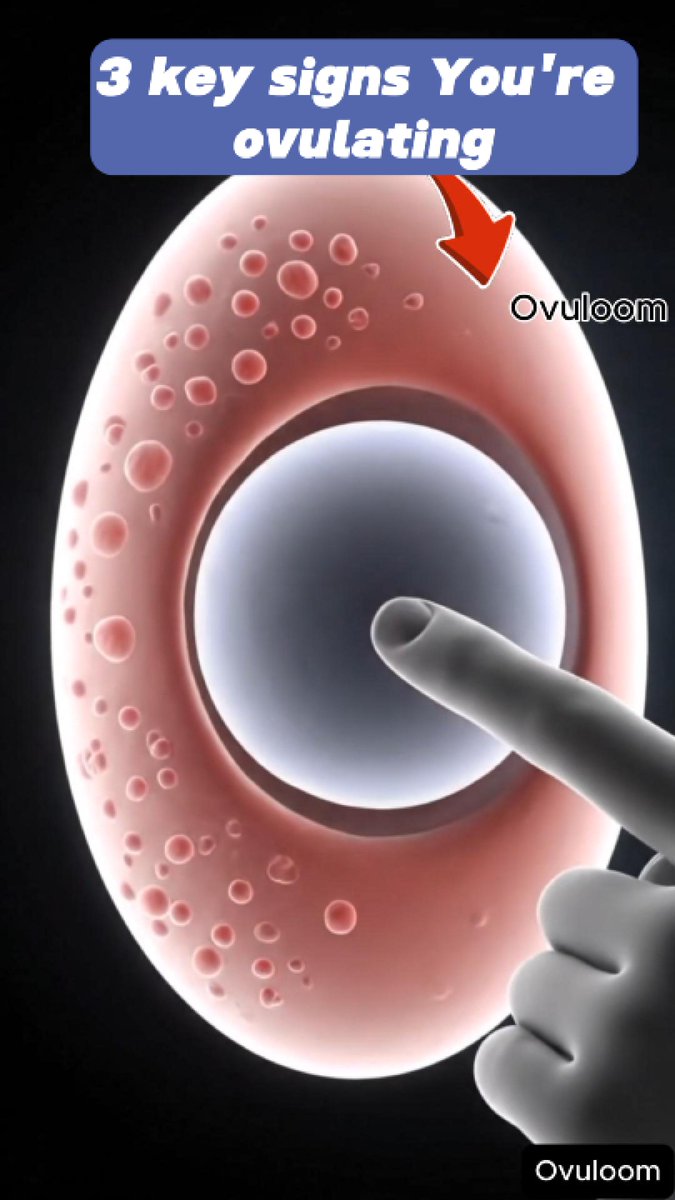
Why Day 14 Makes You Feel Amazing? Ever notice you feel more confident mid-cycle? Here's the science behind it 🔥 #shorts #menstrualcycle #hormones #ovulation #womenshealth #fertility #cyclesyncing
42
No more wasted cycles. No more guessing. Just science-backed tracking that actually WORKS 💗 Drop a 🙋♀️ if you're on your TTC journey! Let's normalize talking about this stuff 👇 Follow for more fertility tips that actually help! #ovulation #ttc #fertility #tryingtoconceive
1
36
What Your Body Does When You're in Labor 👶🤯 | Viral Animation #pregnancy... youtu.be/SzzVzvnchWo?si=F6zc… via @YouTube
35
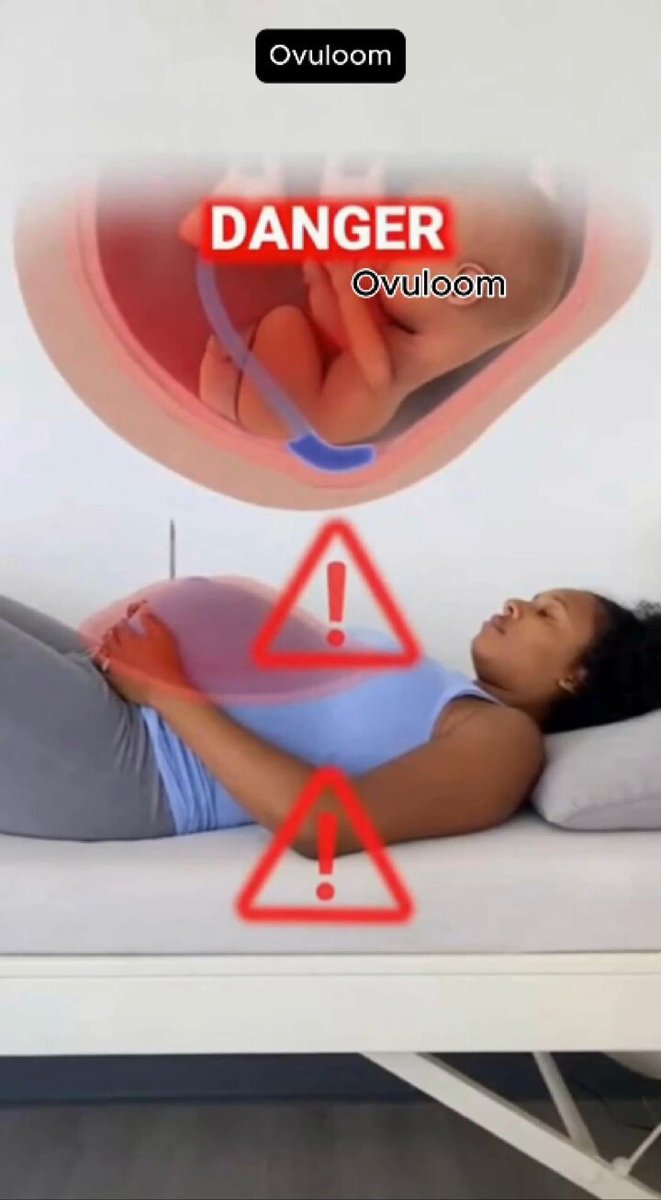
POV: You're 8 months pregnant and just learned you've been sleeping wrong this whole time 😱 This could literally save your baby's life! The difference is SHOCKING 👶✨ #pregnancy #3rdtrimester #pregnancytips #babysafety #sleepposition #pregnancyeducation #momtobe #viral #fyp"
21
POV: You're 8 months pregnant and just learned you've been sleeping wrong this whole time 😱 This could literally save your baby's life! The difference is SHOCKING 👶✨ #pregnancy #3rdtrimester #pregnancytips #babysafety #sleepposition #pregnancyeducation #momtobe #viral #fyp
14