@Team1BR Lead 🔺🇧🇷 @AvaxTeam1 / @TippiklLabs Intern / Opinions are my own
Joined May 2022
- Tweets 15,762
- Following 2,399
- Followers 5,338
- Likes 24,643
588 Photos and videos




Pinned Tweet

18 Oct 2025
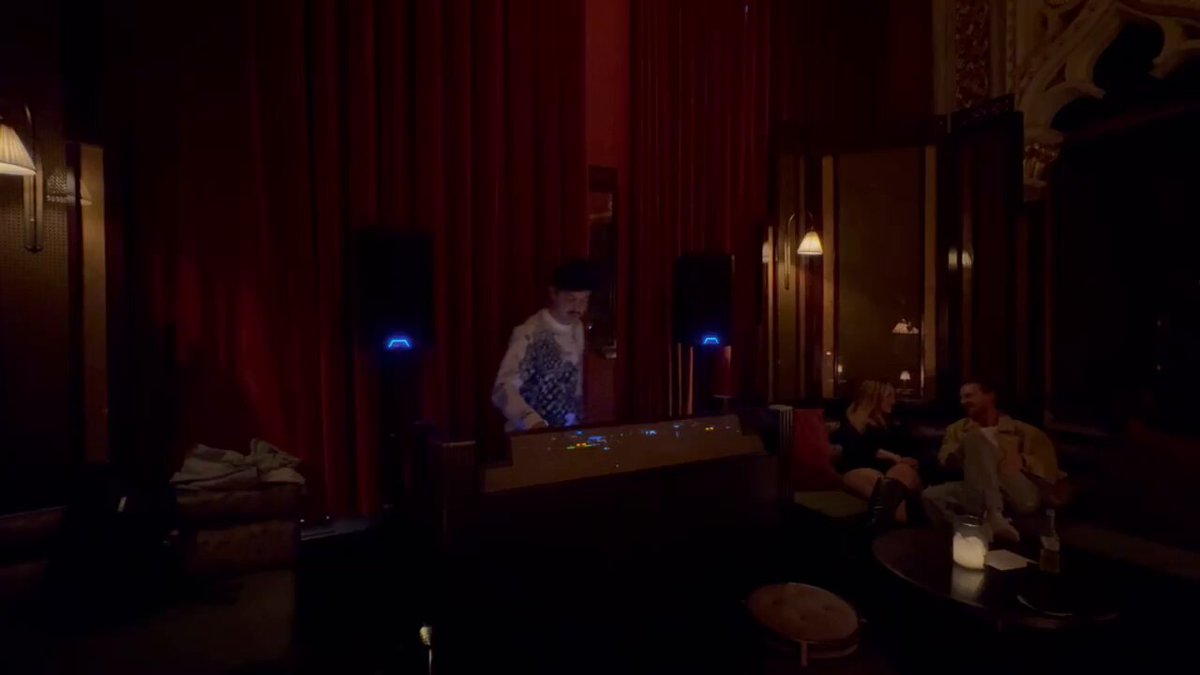
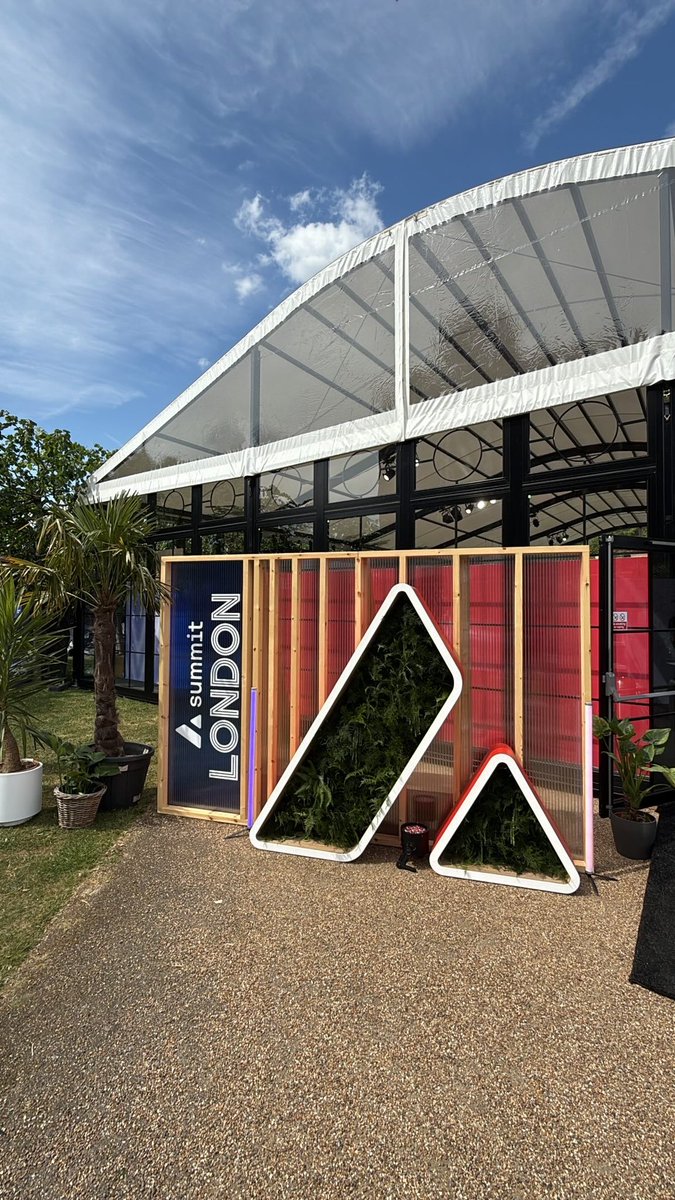
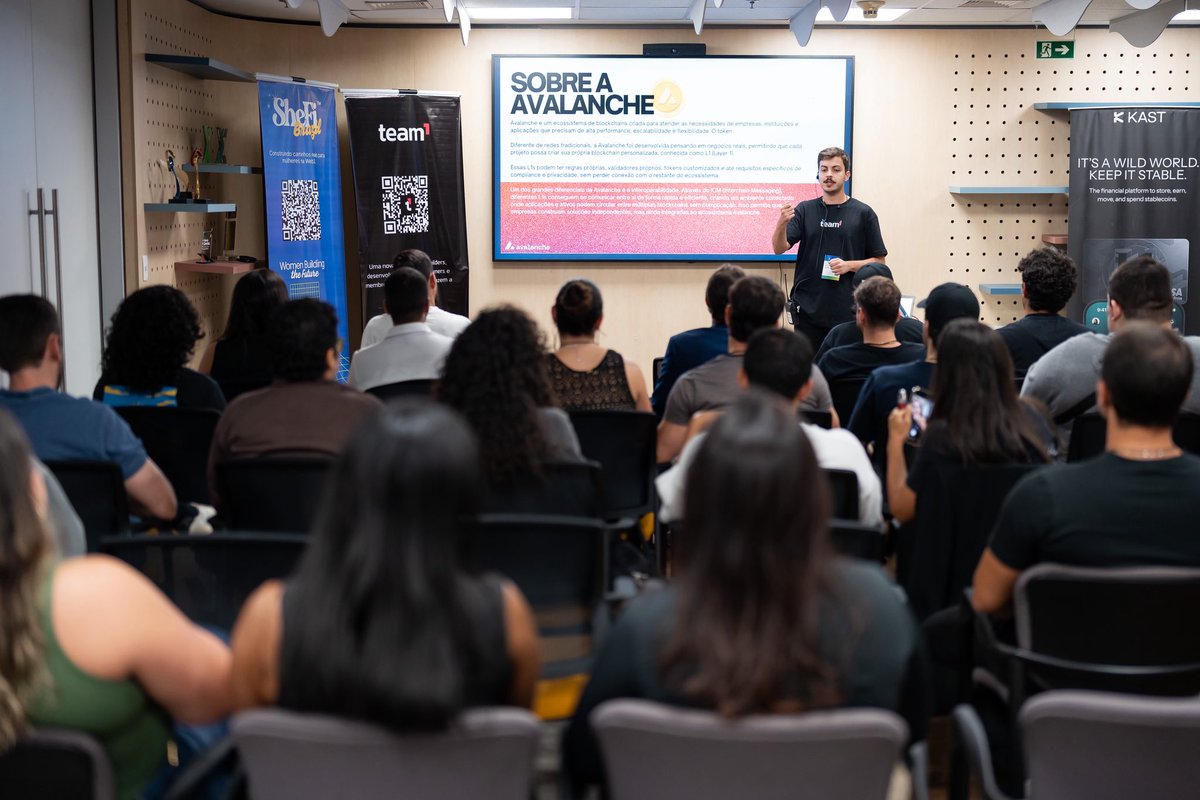
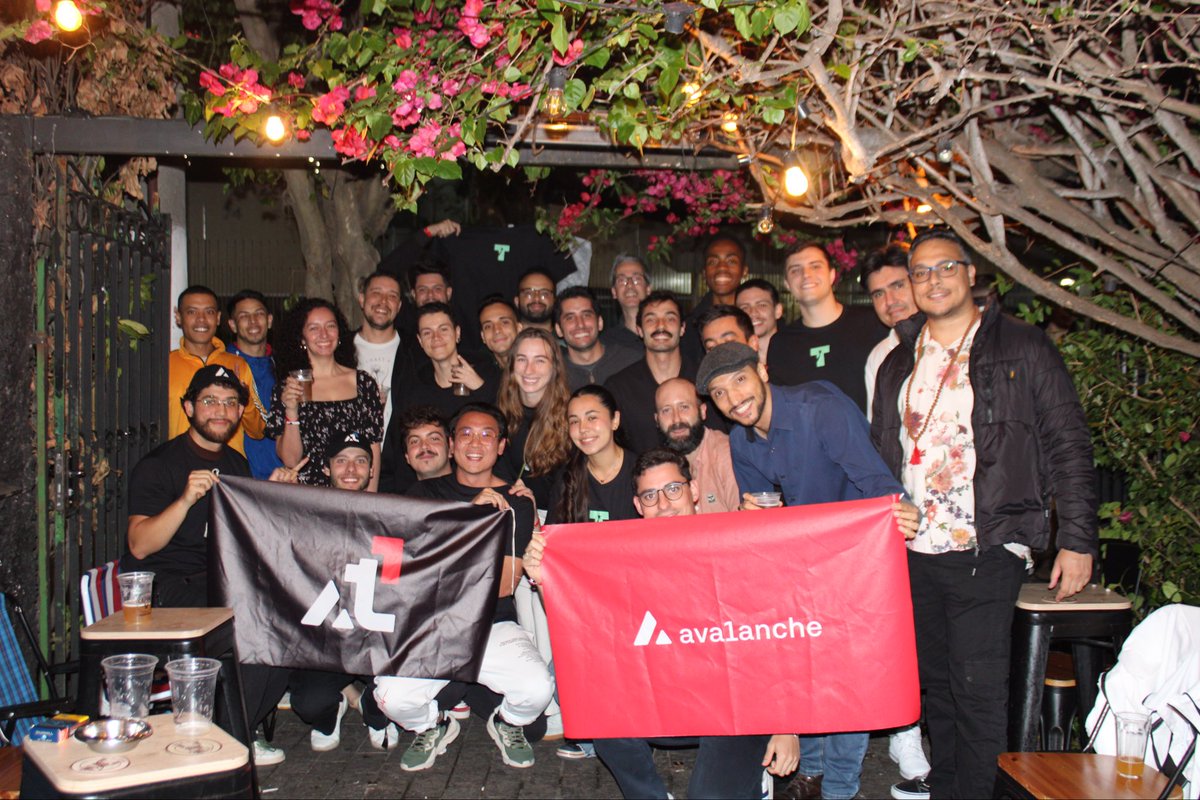
Mass 🔺doption happening in São Paulo, Brazil.
@AvaxTeam1 came to showcase Avalanche Cascade, Avalanche Card, CORE wallet and many other dApps, with our community meeting.
@TradeStaPerpDEX came to show how strong the IRL 🔺doption should be, thank you for participating!
29
31
211
20,023
pablexx 🔺 retweeted
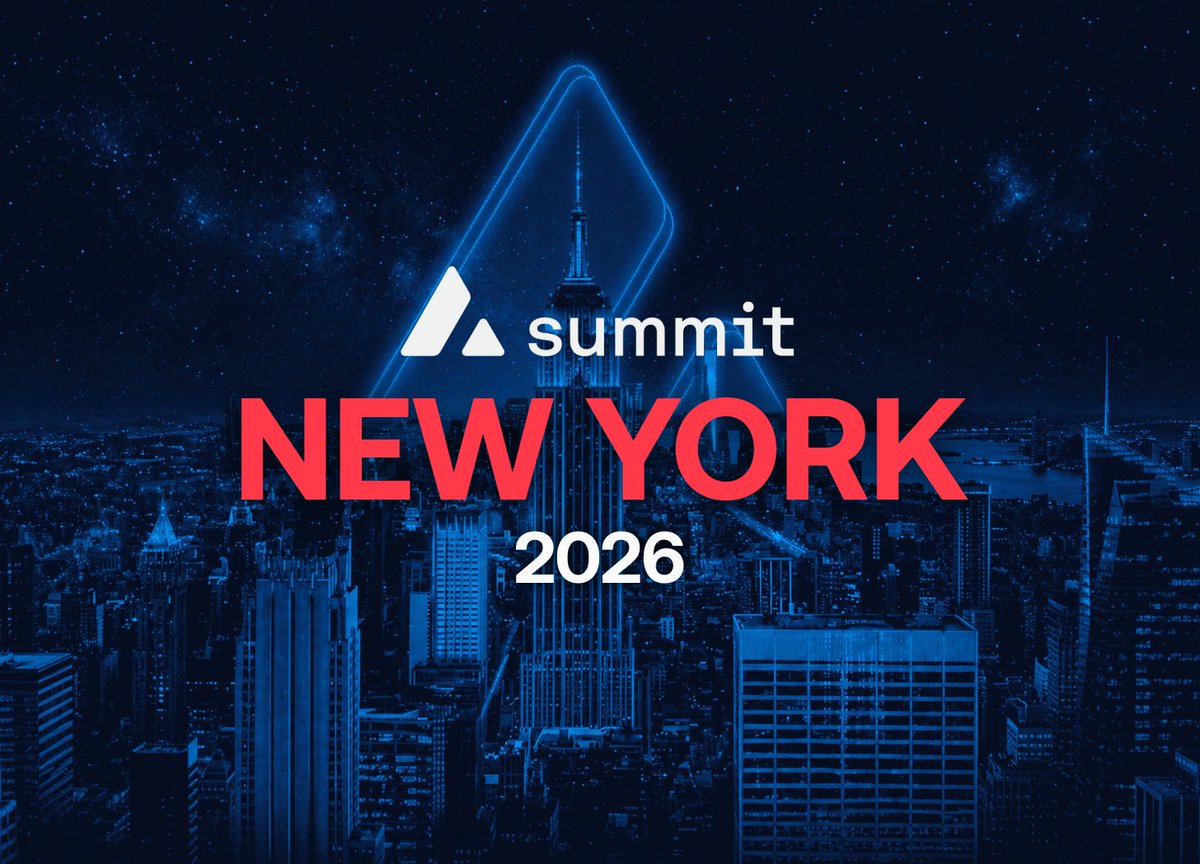
Avalanche Summit NYC 2026 Arrives as Wall Street Moves Onchain 🔺
As Avalanche Summit heads to New York City this September, the event reflects how far the ecosystem has evolved, from early scaling challenges to institutional adoption & onchain finance
Blog below 👇
19
45
142
4,471
pablexx 🔺 retweeted

19h
🚨 BREAKING NEWS:
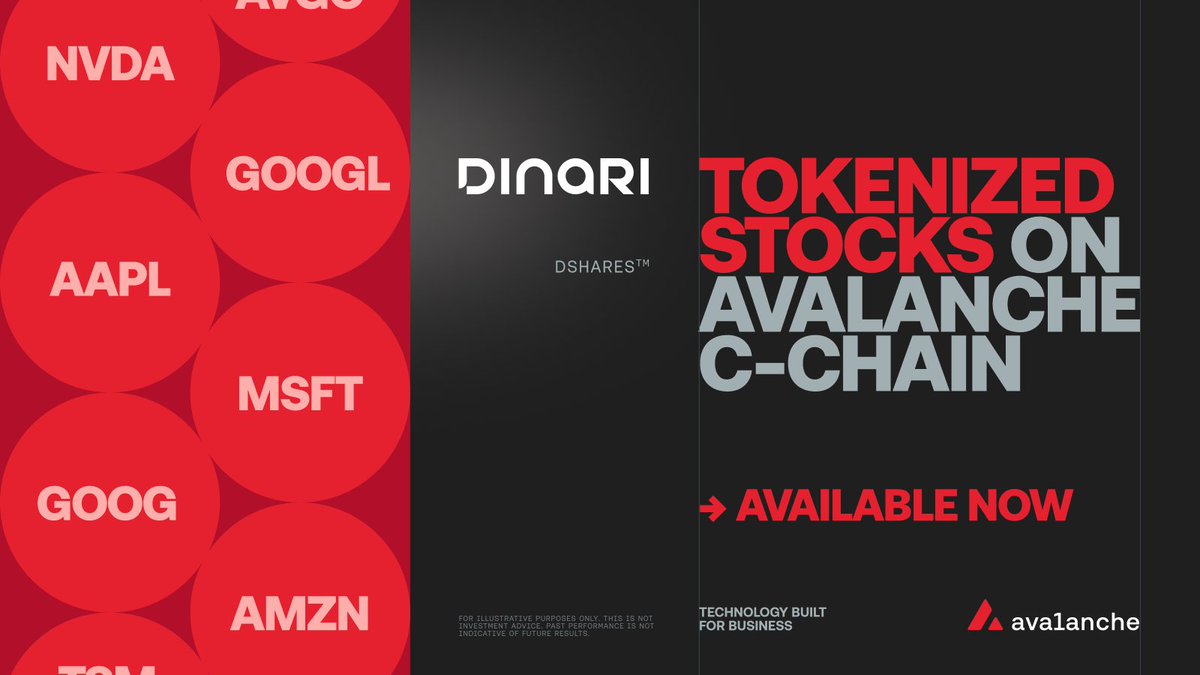
As dShares™ da @DinariGlobal já estão disponíveis na Avalanche C-Chain.
O catálogo completo de dShares™ traz ações tokenizadas dos EUA, lastreadas por ações reais, para o ecossistema Avalanche.
Agora, usuários elegíveis em mais de 85 países podem acessar os mercados americanos 24/7, diretamente onchain.
Mais liquidez. Mais acessibilidade. Mais oportunidades para conectar mercados tradicionais e DeFi. 🔺👇
14
11
40
774

pablexx 🔺 retweeted
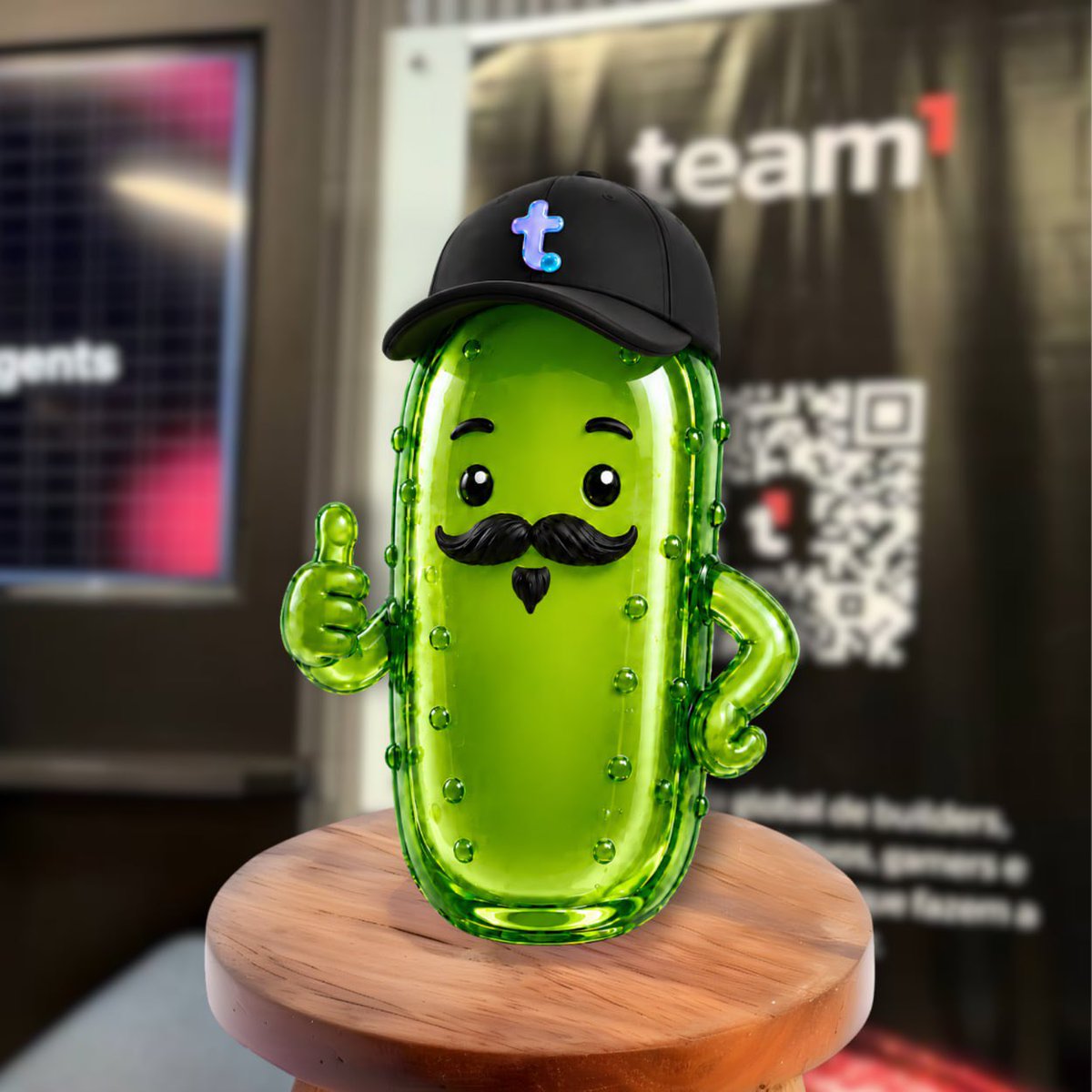
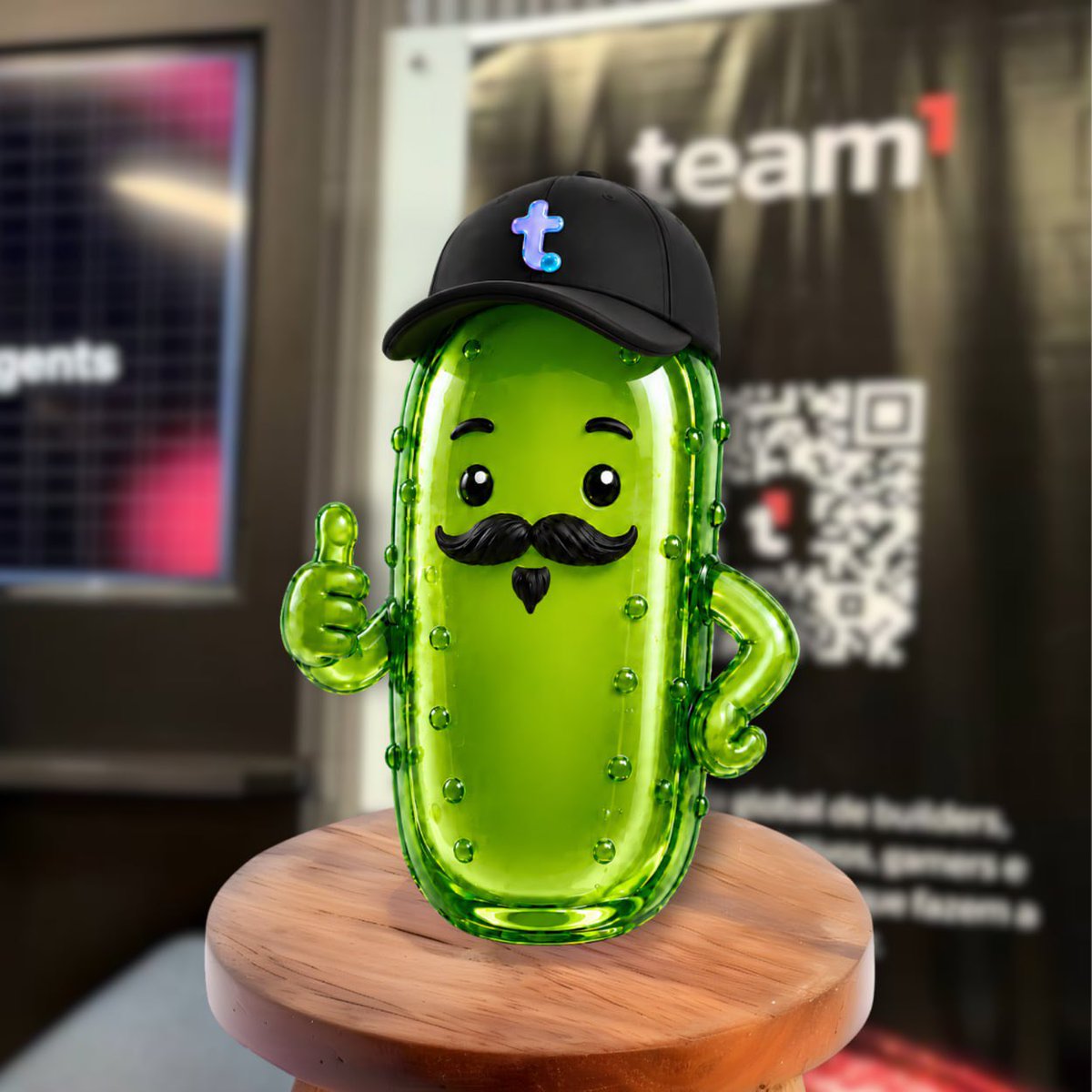
We asked the community to make Pikkl GIFs, and you turned one little green mascot into a whole personality.
Cute.
Chaotic.
A little unhinged.
Very Tippikl.
This is what happens when community gets to build the culture with you.
Drop your Pikl GIF below.
Which one deserves the spotlight next week?
7
6
25
645
pablexx 🔺 retweeted

Jun 13
The World Cup has kicked off but the partnerships keep coming! 🌍🔥
Welcome @Team1BR to the Kokomo World Cup Challenge! 🤝🇧🇷
Giveaways, free raffle entries and exclusive perks incoming for the Team1 Brazil community!
Link in bio ☝️

5
2
15
568
Jun 13
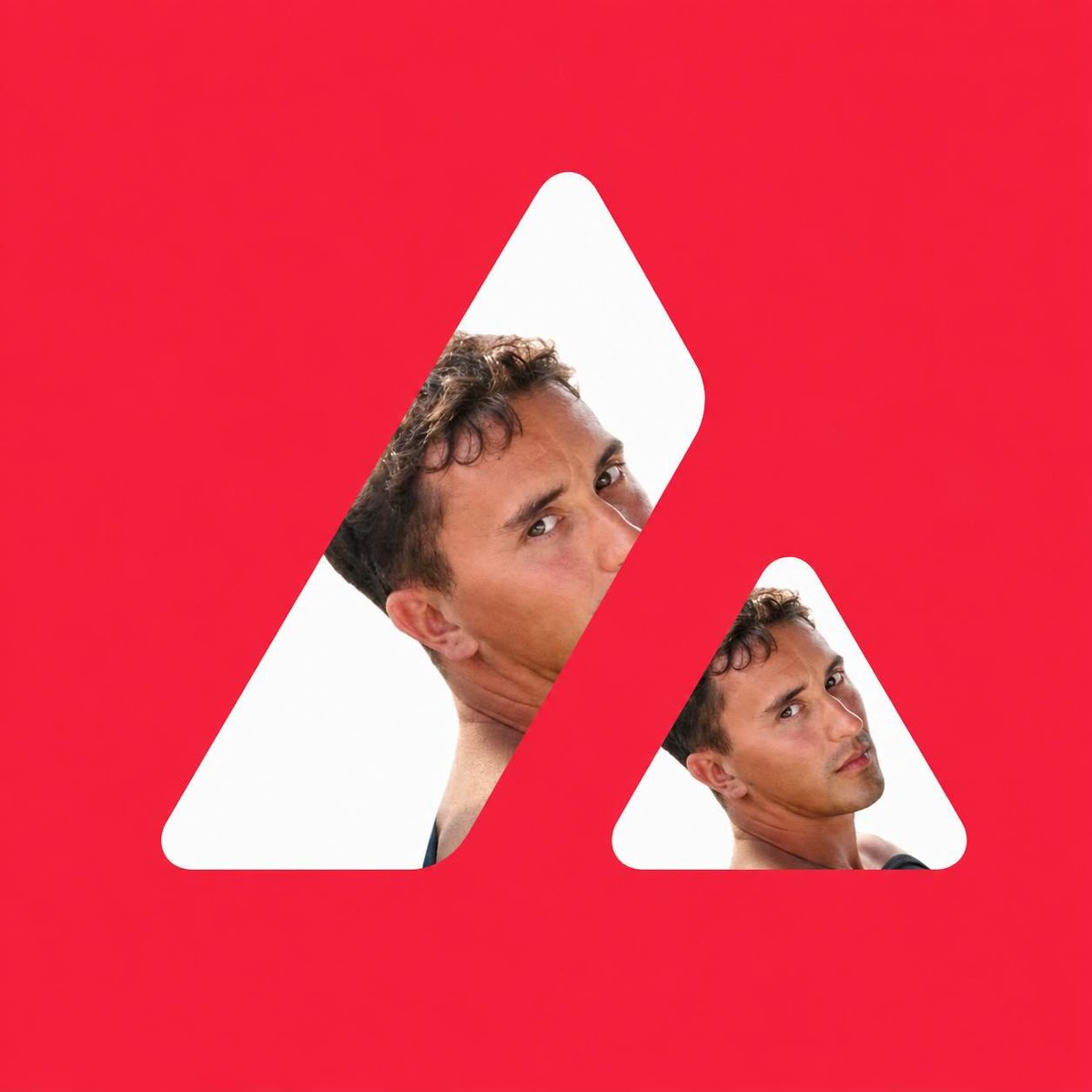
THIS IS SO NICE!
For some reason that Pikkl looks like someone……..
Jun 13

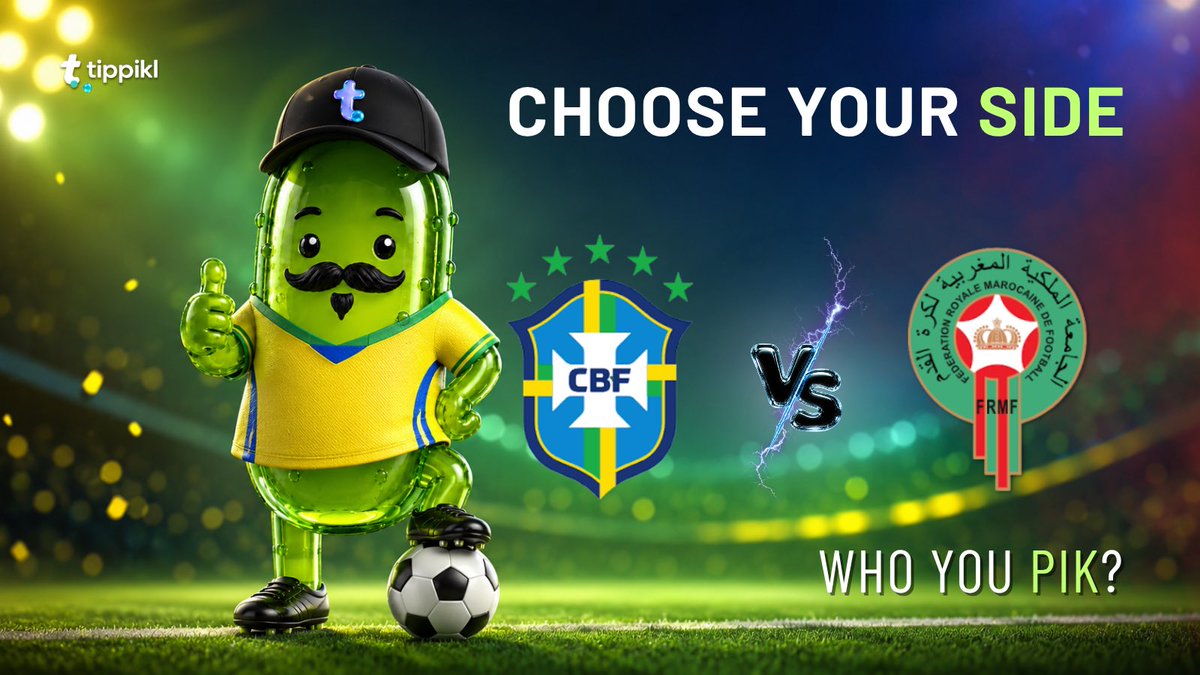
Brazil vs Morocco. ⚽️
Choose your side.
🇧🇷 Brazil brings the legacy:
5 World Cup wins, 5 stars, Pelé, Neymar, and one of football’s most iconic histories.
🇲🇦 Morocco brings the momentum:
The Atlas Lions made history as the first African team to reach a men’s World Cup semifinal.
For fun… Who you Pik?
3
46
pablexx 🔺 retweeted

Jun 13
Brazil vs Morocco. ⚽️
Choose your side.
🇧🇷 Brazil brings the legacy:
5 World Cup wins, 5 stars, Pelé, Neymar, and one of football’s most iconic histories.
🇲🇦 Morocco brings the momentum:
The Atlas Lions made history as the first African team to reach a men’s World Cup semifinal.
For fun… Who you Pik?
20
8
32
926
pablexx 🔺 retweeted

Jun 12
Only a few tickets left at the early bird price for Avalanche summit.
Who’s getting them?
avalanchesummit.com
16
31
179
6,300
pablexx 🔺 retweeted

Jun 12
🚨 BITGET WALLET NEWS! 🚨
DIA DO AMOR! COPA DO MUNDO COMEÇOU!
> A @BitgetWallet e @Team1BR te convida para 3 eventos em busca do Hexa! Confira os links no post abaixo
> O Michael Saylor virou comediante!
> Mais um dia, mais um hack! Ou será que esse não foi?
> Claude Fable 5 lançou em versão limitada, fiquem seguros!
Essa foi nossa cobertura da semana! Fiquem ligados que teremos algumas surpresas em breve 🎁👀
10
11
30
853
pablexx 🔺 retweeted

Jun 12
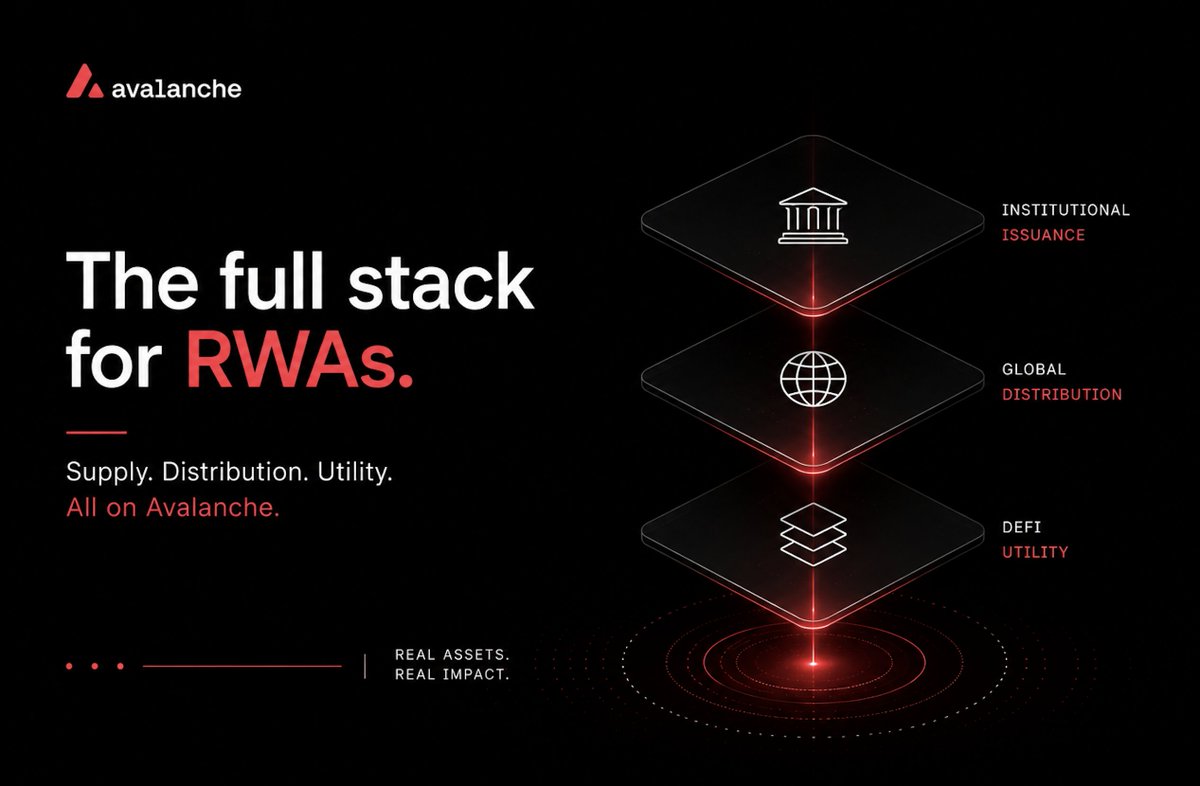
Most RWA discussions focus on tokenization
The harder question is what happens after an asset comes onchain.
Who issues it?
Who distributes it?
Who creates utility for it?
That is where the real competition begins and @Avax is one of the few ecosystems actively building across all three layers at the same time.
Institutional issuance through players like Securitize, Galaxy and Progmat.
Global distribution through OpenTrade, bringing yield-bearing products to users across Latin America, Europe and Asia.
A growing DeFi layer where tokenized assets can become productive collateral instead of passive representations.
This matters because tokenization alone does not create a market.
A tokenized asset with no liquidity, no distribution and no utility is simply a digital wrapper.
dShares™ from @DinariGlobal going live on Avalanche turns tokenized equities from a niche wrapper into real market infrastructure.
350 stocks, ETFs and REITs are now accessible onchain to eligible investors, with real U.S. equity ownership, crypto-native rails and SpaceX next
The emerging model is Supply 🔺 Distribution 🔺 Utility
That is how real-world assets move from proof of concept to financial infrastructure.
The opportunity ahead is massive. The asset-based finance market is estimated at roughly $20 trillion globally. Capital allocators managing hundreds of millions and even billions of dollars are increasingly exploring how private credit and structured finance can be originated, verified, serviced and distributed onchain.
Avalanche’s positioning is increasingly clear:
Not just a place where assets are tokenized.
A place where capital can be issued, distributed and put to work.
The 12% growth in Avalanche RWA market cap over the last 30 days and 22% growth in distributed RWAs are early signals of that direction, not the end state.
The real opportunity is competing for institutional capital at global scale.
19
56
223
10,775
pablexx 🔺 retweeted
Jun 12
🇧🇷 New Community Partner: @BitgetWallet 🔺
Depois de anunciarmos uma série de eventos que, por sinal, ainda não acabaram, estamos dando os holofotes para a Bitget Wallet!
Usando o QRPay, você consegue realizar pagamentos via Pix com stablecoins!
Além disso, predições, trading, cartão para uso no dia a dia e muitos outros produtos estão disponíveis no app.
Acompanhe agora mesmo todos os nossos eventos publicados 👇
14
26
74
6,099
pablexx 🔺 retweeted

Jun 12
dShares™ are live on @AVAX 🔺
Starting today, the full dShares™ catalog is live on Avalanche C-Chain. 350 stocks, ETFs, and REITs now accessible onchain to eligible investors. SpaceX next.
Real U.S. equities, with real ownership, on one of crypto's largest networks.
28
57
285
19,472
pablexx 🔺 retweeted
Jun 12
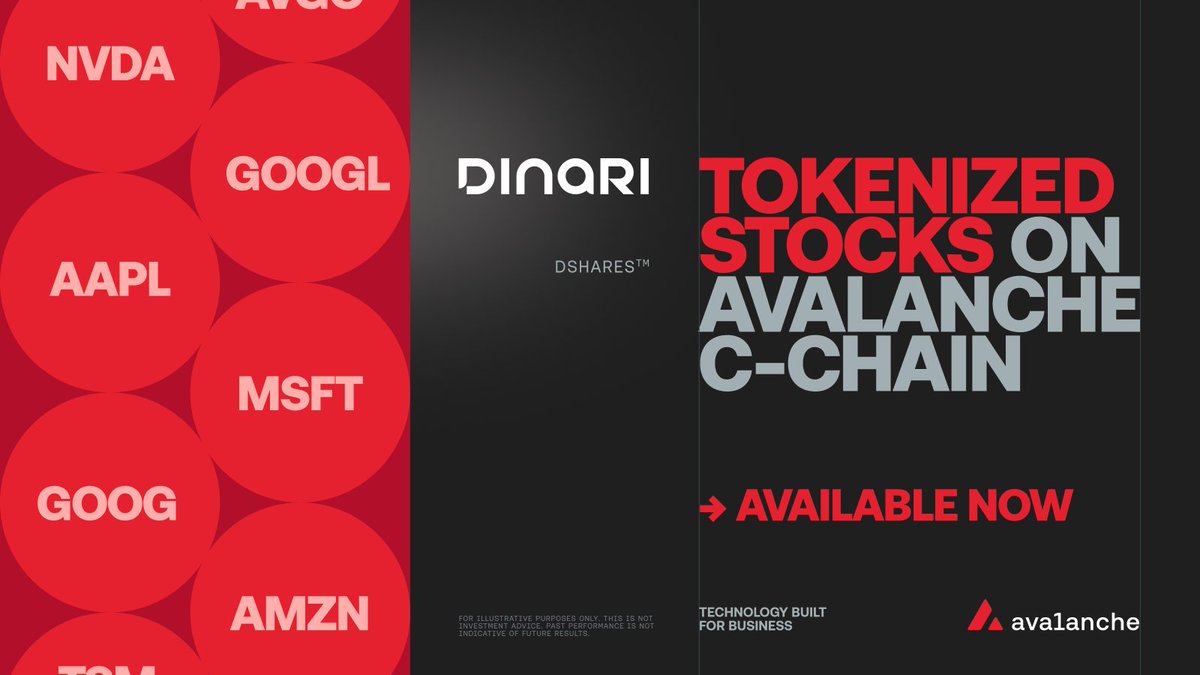
BREAKING NEWS: @DinariGlobal dShares™ are live on Avalanche C-Chain.
The full dShares™ catalog brings tokenized U.S. equities, backed by real shares, into Avalanche’s broader ecosystem.
24/7 access to U.S. markets for eligible users from 85 countries. More 👇
68
158
564
58,210
pablexx 🔺 retweeted
Jun 12
Every day, people create value on X, but most of it still gets paid in likes.
Tippikl started with one question:
What if tipping a post felt as easy as liking one?
A founder-led look at social tipping, chain support, and why Tippikl chose AVAX, Base, Monad, and Grotto.
4
3
24
952
pablexx 🔺 retweeted

Jun 10
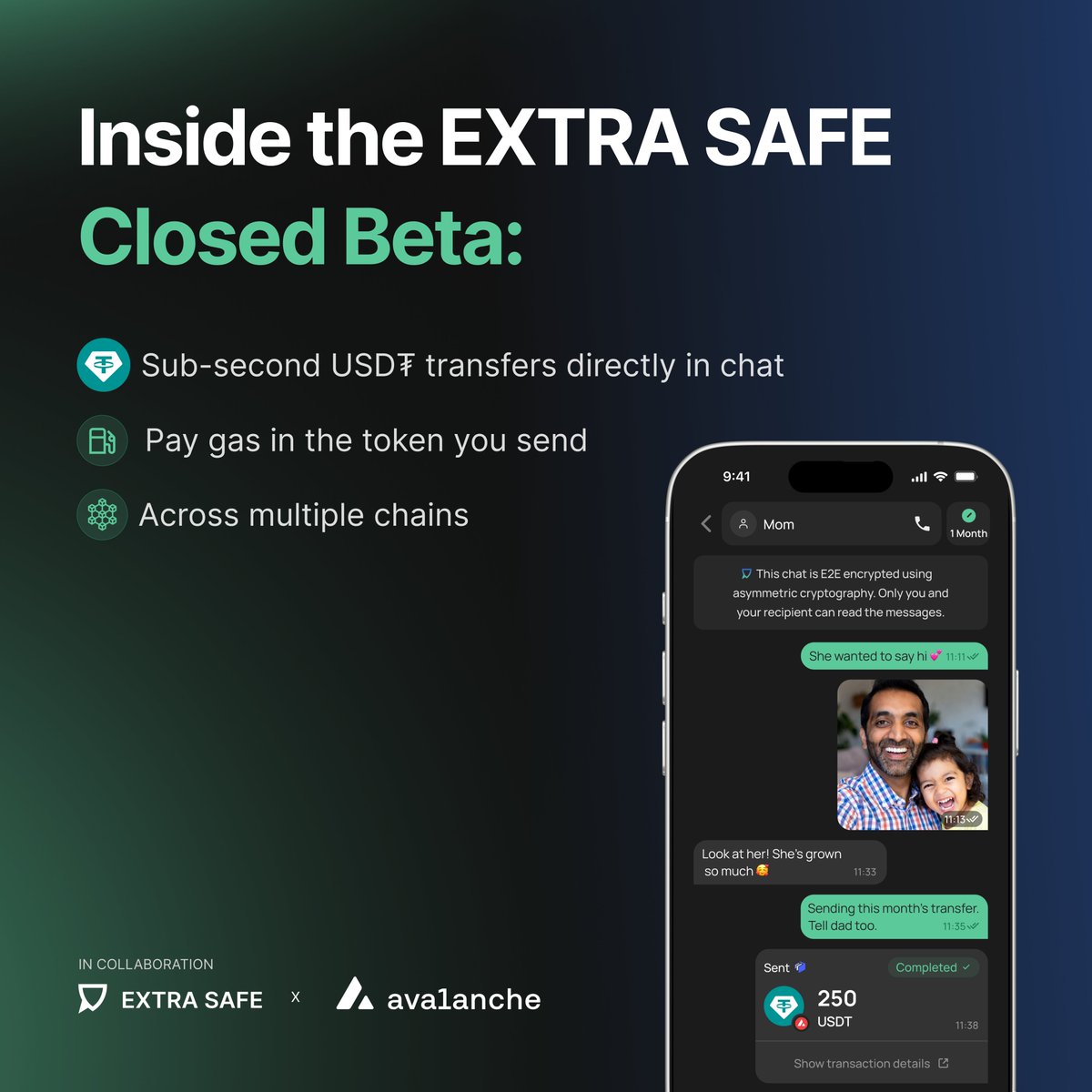
EXTRA SAFE is entering closed beta. Testers get an early glimpse of what we're building: money that moves inside an encrypted chat, sent to a contact the same way you'd share a photo.
Learn how testing runs and what to expect in this post: extrasafe.chat/blog/inside-e…
5
14
34
929

pablexx 🔺 retweeted

Jun 11
🔥 NEW: Avalanche Treasury Co. will begin trading on Nasdaq under the ticker $AVAT.


72
177
1,048
52,993
pablexx 🔺 retweeted
Jun 11
🔺 Team1 Brasil Builder Spotlight: @Giga_Alpha 🐻🐟
Fundador da @bears_salmon, um jogo comunitário no X que evoluiu para um incubador focado em apoiar e financiar projetos construídos nativamente na @avax.
Giga está presente no ecossistema Avalanche desde 2022 e agora trabalha em seu próximo projeto com a missão de ajudar a unir a comunidade da rede novamente.
O primeiro vencedor do Bears and Salmon a receber suporte para lançamento foi o @riverrungame, que será lançado em breve.
Participe da call para descobrir todos os detalhes 👇
15
17
58
1,073