
Creating a better narrative for Australia through research | Stronger regions for a stronger Australia
Joined June 2017
- Tweets 898
- Following 245
- Followers 2,367
- Likes 123
310 Photos and videos


Pinned Tweet

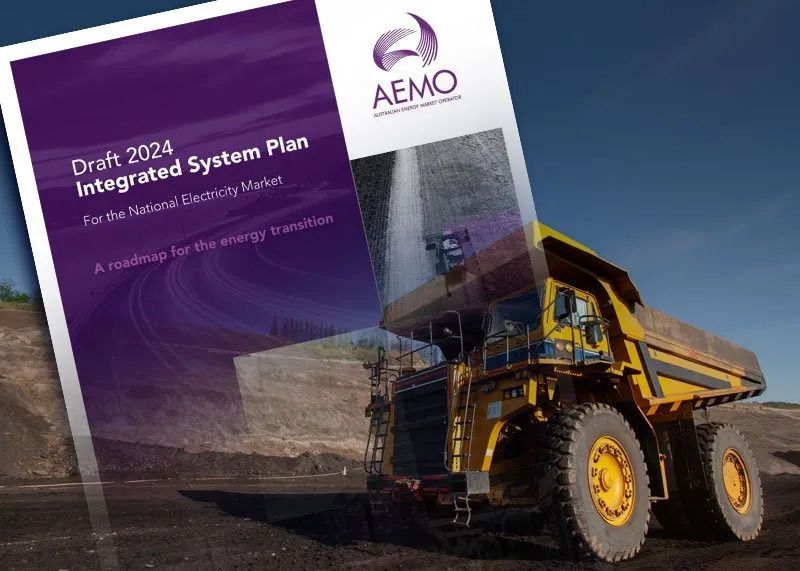
Recent events have revealed just how exposed Australia is.
We import most of the liquid fuel our economy depends on, and a major conflict in Asia would put far more at risk. Australia is in desperate need of a serious plan for domestic production, refining, and storage.
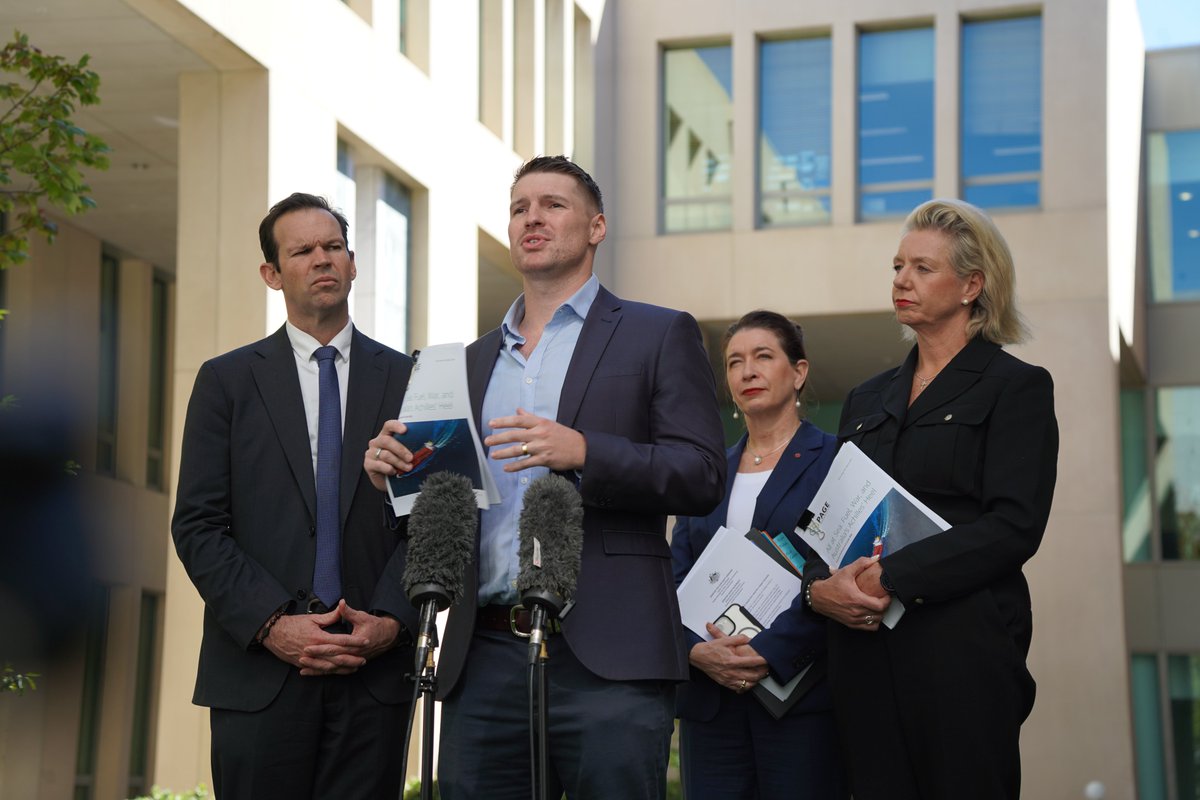
That's why this week, we have released our new policy paper on Australia’s fuel security. This paper lays out the scale of the risk, and the practical steps needed to reduce it.
Read the full paper here: page.org.au/2026/03/all-at-s…
3
10
30
3,160
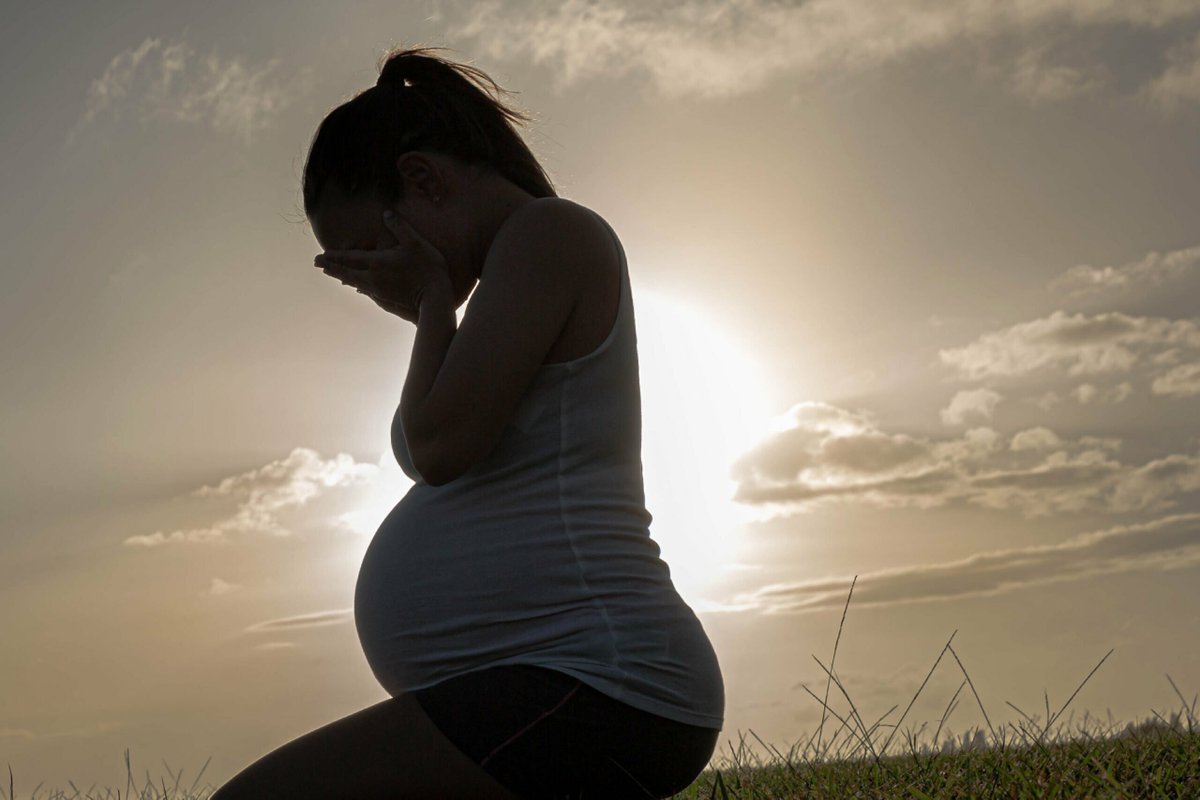
Australia is erasing it's women. Biological men who identify as women are being given pregnancy protections, despite it being biologically impossible for them to fall pregnant.
In a recent Senate hearing, Australia’s Sex Discrimination Commissioner, Dr Anna Cody, admitted that trans women, who are biologically incapable of pregnancy, could be unlawfully discriminated against on the basis of ‘potential pregnancy’.
That is to say, if a biological male applies for a job as a trans woman, and the employer wrongly assumes he might become pregnant, he could be protected by sex discrimination law because of his supposed ‘potential’ to fall pregnant.
This is absurd. Quite literally.
How can a person be discriminated against on the basis of ‘potential pregnancy’ when that person has no potential to become pregnant?
The dark irony is that these changes were passed by our first female Prime Minister, Julia Gillard. Back in 2013, the left-wing Government amended the Sex Discrimination Act, removing the ordinary meaning of ‘man’ and ‘woman’, and adding gender identity as a protected attribute. In an attempt to protect women, Gillard ended up stripping the meaning out of biological sex. Now the law cannot even say that pregnancy belongs to women.
Australia is beyond satire at this point.
6
13
27
493
5/ This is why Musk was right.
The story of Australia’s future is being rewritten by a government that has chosen to replace us rather than help us survive in our own country.
1
1
20
This thread was written by @J_C_deVries. If you’ve read this far, drop a like and follow, and repost to spread the word.
And if you like what you've read, subscribe to our newsletter, where we unpack our latest research & tell a better story for Australia: page.org.au/subscribe/
1
28
4/ And the third key reason is because our Labor government has been running an unprecedented mass migration program which is inevitably replacing Australians in our own land.
Over the past three years, Australia has averaged more than 400,000 net migrants a year. Because our own people are not being renewed through births, our government imports foreigners to fill the gaps and take our place.
1
1
41
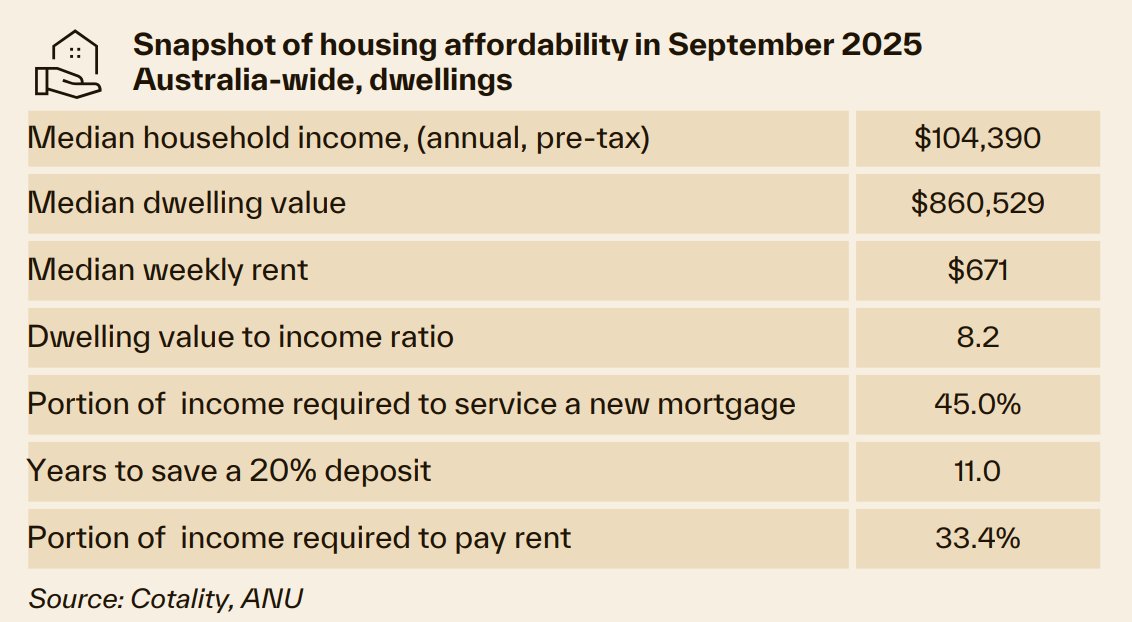
2/ One reason is obvious: housing.
The price for a median dwelling is over $860k, while the average Australian house is now over $1 million. It takes 11 years to save a 20% deposit.
Young couples are either locked out completely, or trapped paying off a mortgage for the rest of their lives.
2
1
1
148
3/ The second reason goes deeper than money.
Australia’s education system is teaching young Aussies to feel ashamed of their own heritage.
Our ancestors are being reduced to invaders and colonisers rather than settlers and pioneers, while monuments to the great men who built the country are torn down.
1
1
25
“Australians are becoming an endangered species.”
This was Elon Musk’s warning to Australia, and he is right...🧵
1
3
9
251
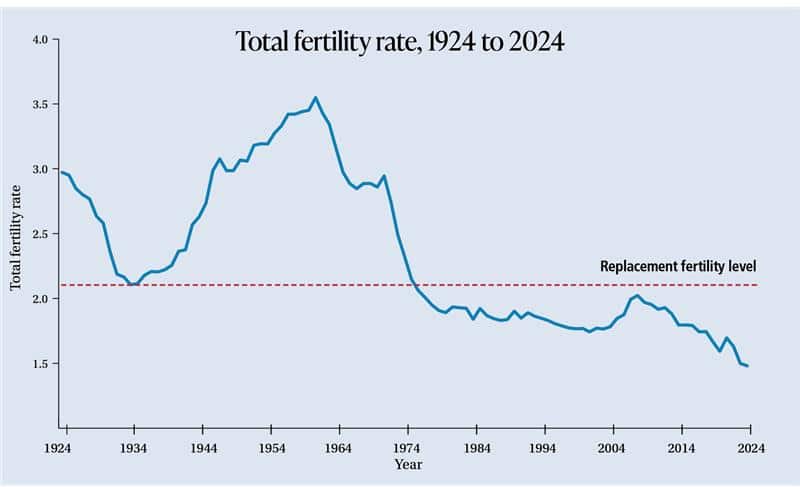
1/ Australia's fertility rate has sat below replacement level since the 1970s. It is soon projected to hit a record low of 1.42, with no sign of recovery.
We are not having enough babies to replace ourselves, and there are a few clear reasons why.
1
1
3
193
For every dollar over 45k, Australians get taxed at least 30% of their income, with some individuals paying 45% of their personal income, one of the highest rates in the world. Add on top of this a Medicare levy.
Then in addition to this, Aussies must pay 12% into superannuation, which is unable to be accessed until you are at least 60.
Then everything bought or sold has a 10% goods and service tax, in addition to all the excise taxes, like a tax on fuel, alcohol & tobacco.
The list goes on and on.
Buy a house? Transfer duty.
Sell a house? Capital gains tax.
Own land? Land tax and council rates
Own a car? Vehicle licence duty, rego fees and fuel excise, etc etc.
Does this sound fair to you?
For a government that claims to stand for working people, it seems awfully good at taking from them.
7
8
25
619
Australia’s childcare debate is usually framed around workforce participation, but the missing question is much more important: what do mothers actually want, and why does the system punish them for choosing care?
The government is projected to spend $16.2b a year on childcare subsidies. By comparison, only $4.8b goes toward Paid Parental Leave, and there is still no home-care allowance for parents who provide care themselves.
This doesn't reflect what many parents want.
Surveys have consistently shown that many mothers would prefer to care for their children themselves in the early years, or leave them with someone they trust, usually family, rather than rely on institutional childcare as the default.
This goes far beyond mere sentimentality. The first years of life are a period of rapid emotional and neurological development. Secure attachment, stress regulation and early learning form through repeated, responsive interactions with familiar adults. This bond forms most reliably with a small number of consistent caregivers, which historically, has typically been the mother.
Yet Australian policy pushes in the opposite direction. Once Paid Parental Leave ends, many mothers face the brutal choice of either returning to paid work earlier than they want, or lose financial support during the years when their children need the most stability. And that is assuming that the mother was working in the first place. If she wasn't, then she gets little to no state support.
For many couples, this isn't a choice. The dire state of the economy means many mothers have to return to work.
The real issue isn't whether childcare should exist. Many families need it, and many parents want it. The problem is that Australia has built a system where one pathway is subsidised, promoted and professionalised, while parental care is treated as economically invisible.
Mothers should not be punished for choosing to do the work society depends on.
1
1
1
148
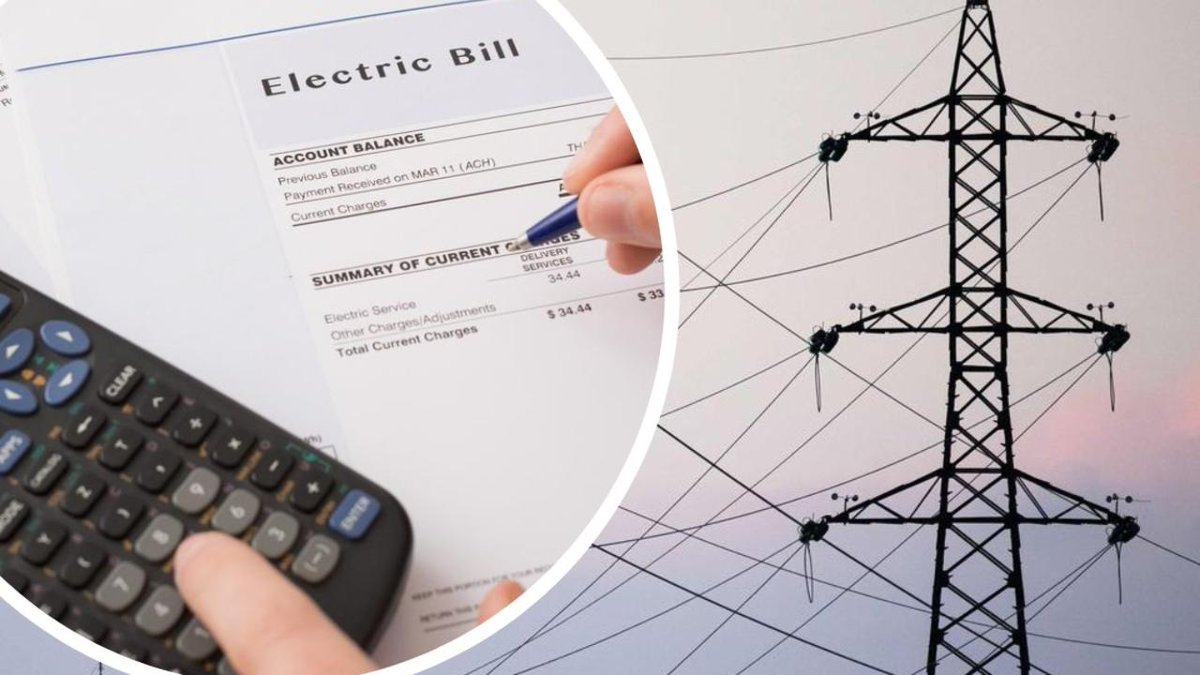
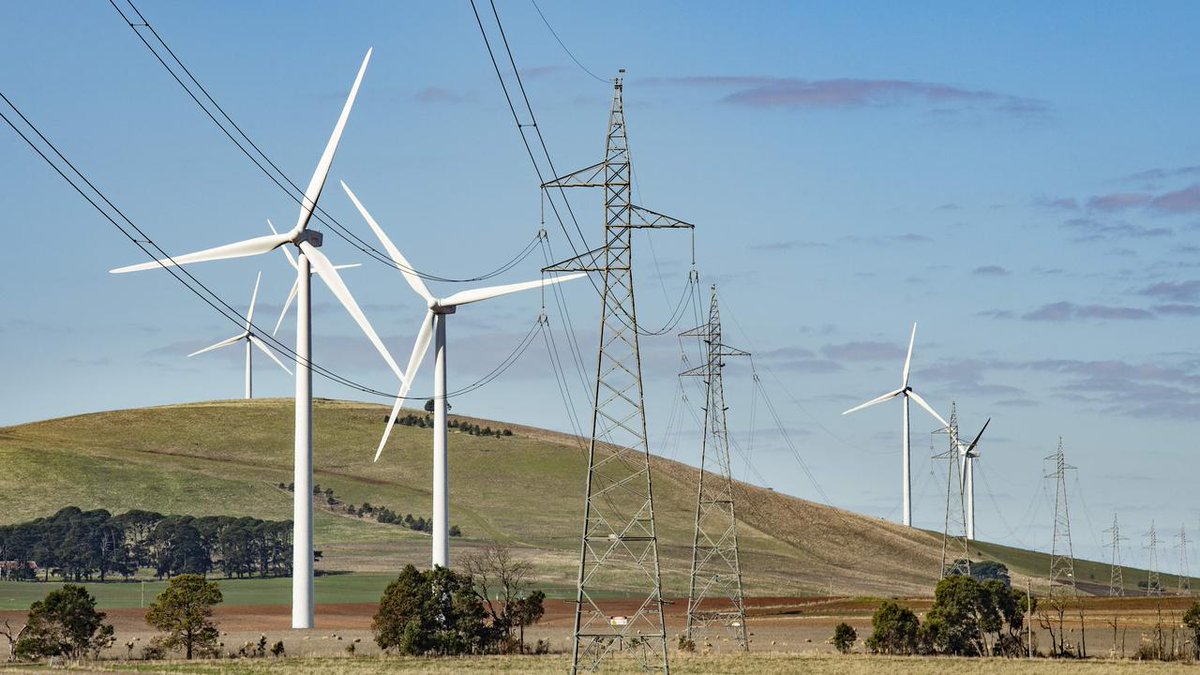
The Australian Government sold the public a lie: wind and solar would make power cheaper.
Instead, electricity prices rose 39%, average household bills climbed $576 to $806, and the promised $275 saving disappeared.
Buckle in, because we’re getting into the weeds:
A mega-thread🧵
5
31
72
5,062
Sources used for this thread:
Page Research Centre: page.org.au/2025/11/deliveri…
page.org.au/2025/02/economic…
Aiden Morrison: youtube.com/watch?v=V812lNNu…
youtube.com/watch?v=SMFgENcf…
6
152
6/ DEMAND FLEXIBILITY AND PRICE VOLATILITY
Another hidden assumption is 'demand flexibility'.
Renewable-heavy models work better when electricity demand changes to match the weather. Households are expected to charge electric vehicles at ideal times, batteries are expected to discharge at ideal times, hydrogen production is expected to absorb excess solar generation, and industries are expected to shift electricity use away from expensive periods.
That may work neatly inside a computer model, but real life is less flexible. Families use electricity when they arrive home from work. Factories often require constant power, while smelters, refineries, fertiliser plants, food processors, mines, and data centres cannot easily shut down whenever renewable output falls.
This is why price volatility is important.
Renewable generation can flood the grid during sunny or windy periods, especially in the middle of the day, then rapidly disappear as evening demand rises. The system swings between oversupply and shortage, creating curtailment, negative prices, sudden price spikes and greater risks for industry.
In the June quarter of 2025, the Australian Energy Regulator recorded 66 high-price events where 30-minute wholesale electricity prices exceeded $5,000/MWh. The Australian Energy Regulator is the government body responsible for overseeing electricity market rules and pricing behaviour.
This is not a picture of consistently cheap power, but rather a system experiencing periods of very low prices mixed with periods of extreme instability and very high prices.
1
7
128
7/ CONCLUSION
Australia has now reached the point where those costs are becoming visible.
Australians were promised cheaper electricity, but instead saw prices rise by 39%. We were promised a $275 saving, but instead received bills between $576 and $806 higher.
The Government has not conclusively proven that renewables were the cheapest overall energy system. Instead, they set the renewable destination first, constrained the modelling around that destination, excluded major system costs from headline figures, compared weather-dependent generation with reliable generation, shifted costs into other parts of the economy, then described the result as least cost.
The wind is free. The sun is free. But the system required to turn weather-dependent electricity into reliable electricity is not.
And Australians are paying for it.
So the next time someone says “renewables are the cheapest form of energy”, send them this thread.
2
17
131